

Key takeaways:
- Voice-over-Internet-Protocol (VoIP) is a technology that enables users to make and receive calls over the Internet.
- While VoIP is cheaper and offers more calling functionalities, it’s also more difficult to trace than traditional landline calls.
- Various methods can be used to trace a VoIP call: reverse phone lookup, caller ID, quick online search, and domain search. Law enforcement agencies can assist in more serious situations.
Tracking down a VoIP call and identifying the owner of a VoIP number can become a lot more complicated than tracing a traditional phone call. It’s primarily because these virtual calls are conducted over the internet, which could lack fixed geolocation, be hidden under anonymous accounts, and be protected from legal regulations. In my experience, traditional phone calls are easier to trace since they’re done through established carriers.
VoIP numbers can be classified into two types: fixed VoIP numbers, which are tied to a specific address and can be easily traced, and non-fixed or virtual VoIP numbers, which are allocated without a fixed physical address.
The great news is that there are proven ways to reveal a caller’s identity. Continue reading to discover VoIP number lookup methods.
Reasons for tracing a VoIP call
Before I dive into the methods for finding the owner of a VoIP number, let me first identify the main reasons why there is a need to trace a call.
- Maintain security: According to Verizon’s 2025 Data Breach Investigations Report (DBIR), up to 60% of breaches involved a human element. This shows how easily one can fall victim to illegal and fraudulent activities (e.g., phishing, scamming, and government agency or bank agent impersonations) because of unknown or random phone calls. To stay safe, it pays to know how to trace VoIP calls.
- Verify official business transactions: Revealing the true caller identity is crucial for businesses, as doing so helps authenticate sales or service-related calls. Successfully tracing a VoIP call enables you to monitor communications from legitimate stakeholders. Trust me, you wouldn’t want to miss a call from your leads, but at the same time, you’d also like to keep bogus calls from coming.
- Help with legal proceedings: Tracking VoIP numbers, specifically those believed to be involved in fraud, stalking, or trafficking, is a way to gather evidence for legal investigations. With VoIP call tracing, you can help solve cybercrimes in coordination with law enforcement.
Every VoIP call contains specific details that can give you insight into the caller’s identity, such as:
- Caller ID: Caller ID helps trace a VoIP call by providing the caller’s number or username. However, some callers may hide or spoof their caller ID, making it less reliable.
- Caller IP (Internet Protocol): This unique number is assigned to a device connected to the Internet. It helps trace the geographic location of the caller.
- CNAM (Caller ID Name): The CNAM is associated with a phone number in the caller records and can help you figure out the name or organization.
- Additional data: Beyond these core elements, VoIP calls may contain additional traceable data, such as call duration, call quality, background noises, and any network-related information that can give you clues.
The best way to trace a VoIP call: Check with your VoIP provider
If the caller has a registered IP address and caller ID, your service provider can help you trace the VoIP call. This is your best bet at figuring out the caller’s identity.
To start, make sure you have all the information your provider will need when you contact them. Here are some pieces of information they might ask you for:
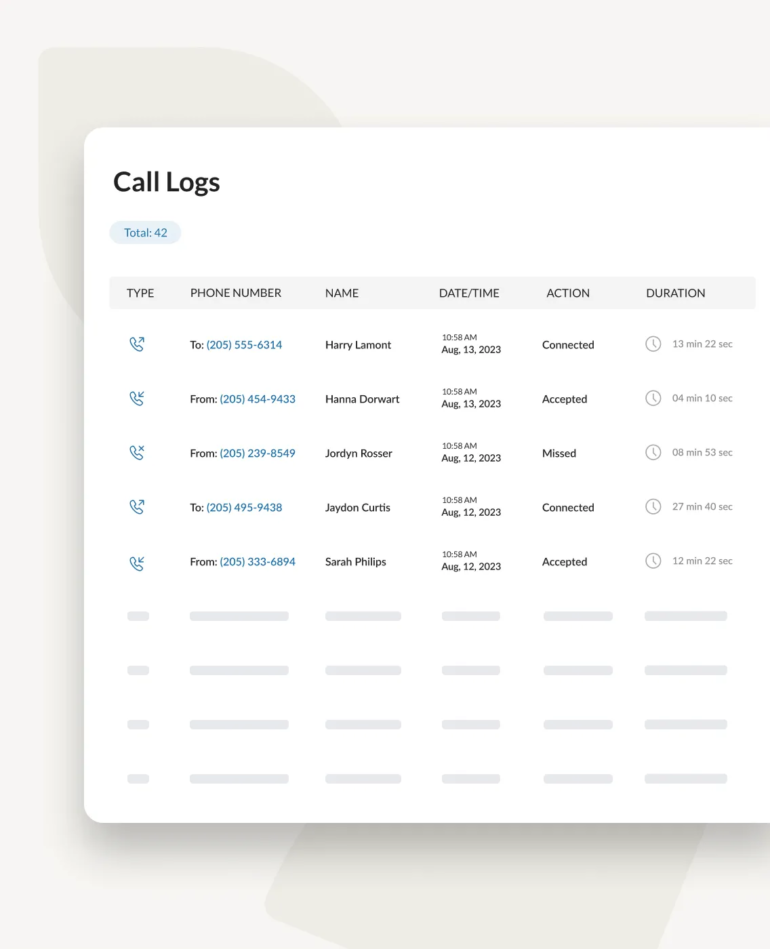
- Date and time of the call: If there were multiple calls from the same number, print or screenshot your phone log so you can provide all the details as you speak with your service provider.
- Caller’s phone number or username (if available)
- Any other call detail records logged in your system, like call frequency, recordings, or voicemail messages
- The call’s content or purpose
Once you’ve provided this information, your service provider can take several steps to trace the VoIP call:
- Review their call logs and records to try to identify the source of the call, including the associated caller ID and IP address.
- Detect where the call came from by analyzing network data and routing information; the service provider may be able to find the caller’s location.
- Help with legal requests, if it comes to that. They will coordinate with law enforcement and provide the information needed for an investigation.
Additionally, service providers will determine how the call was routed through their network, allowing you to understand the path it took before reaching you.
That said, even your service provider may not be able to trace a call, especially if the caller is using a VPN, if the IP address is used by several numbers, or if the number wasn’t registered in the first place.
There’s a possibility that the VoIP provider may not be willing to give you the information you’re requesting. Privacy laws may prevent the service provider from sharing the details of the call. The company is far more likely to cooperate with law enforcement if it’s a serious issue.
Methods for tracing a VoIP call yourself
If you have the time and desire to trace a VoIP call yourself, there are methods you can try. Of course, doing it yourself requires some background knowledge. The more you are, the more you can find out. However, a VoIP provider will still be able to gather a lot more information.
1. Utilize a reverse phone lookup service
Reverse phone lookup services like BeenVerified or Truecaller let you enter the caller’s phone number or username to retrieve information about the caller. They use databases that contain user details associated with phone numbers. You may be able to access the caller’s name, address, and sometimes additional details.
Some reverse phone lookup services are available for free, while others may require a small fee for the caller’s complete profile.
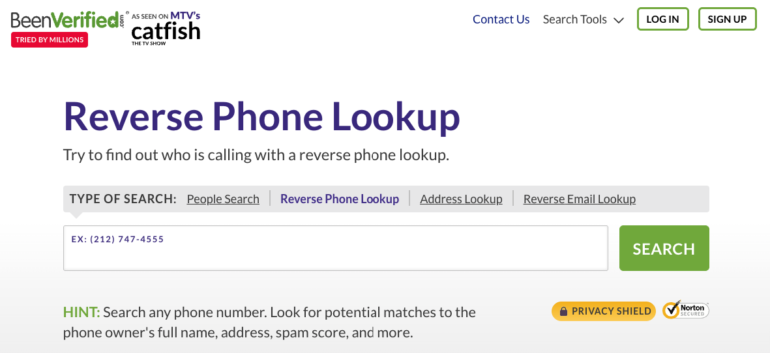
If you’re lucky, you may be able to get information through this method. However, it does not always work, as not all VoIP numbers are tied to an individual caller, and the number you see on your caller ID may not be the actual number that the caller is calling from.
2. Set up caller ID on your VoIP device
Setting up a caller ID on your VoIP device doesn’t inherently trace VoIP calls in the sense of tracking their origin, but it can provide valuable information for call identification.
When someone calls your VoIP device, their caller information is transmitted along with the call. Your VoIP device, configured with caller ID settings, displays this information on your screen when the call is received.
All you have to do is navigate to the account settings within your VoIP device, usually found in the main menu.
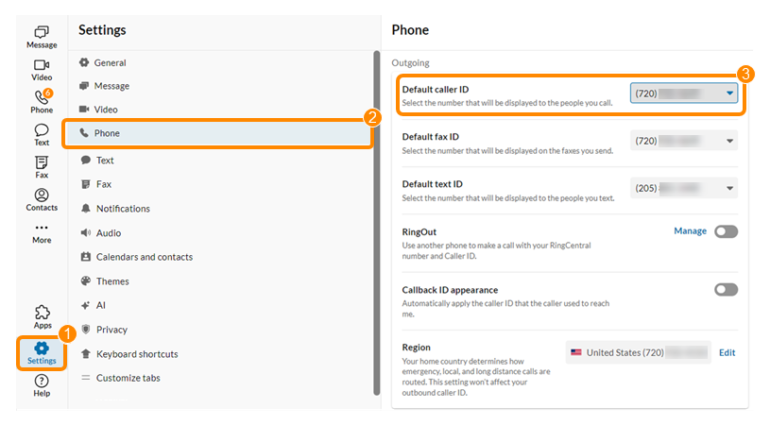
In search of a secure and reliable VoIP provider? Take a look at RingCentral, which complies with various global standards (e.g., HIPAA, GDPR, and PCI DSS). The platform also offers security features, including data encryption, DDoS protection, and a 99.9999% uptime guarantee. Get started today by signing up for a demo.
Look for the option to enable incoming VoIP call number and name display. When this feature is activated, if the caller’s name is already saved in your phonebook, it will be displayed automatically.
In cases where the caller’s name isn’t in your contacts, the service will check online databases to match the number with the owner’s name and display it on your screen when you receive a call. Some services even let you create answering rules so calls without a registered caller ID can’t reach your phone.
3. Check online directories
As all fixed VoIP numbers are tied to a physical address, you may be able to look up callers in what’s essentially the online version of the phonebook. There are publicly available directories showing the name and address associated with a phone number.
Keep in mind that the success of this method depends on the availability of information. Some online directories offer free basic search features that allow you to input a fixed VoIP number to retrieve limited information, such as the caller’s name or location. If you need more information, they may provide the option to buy a more detailed report for a one-time fee or through a subscription plan.
When should you contact authorities to trace a VoIP call?
If you suspect the caller has malicious intent — potentially illegal or threatening — don’t try to play detective. If you believe the call is linked to harassment, scams, threats, or illegal activity, contact law enforcement. Authorities have access to more advanced tools and legal processes that are designed to provide you with the information you need.
The police can do several things that most people can’t:
- Obtain caller information through legal means: Police can ask service providers for caller details and call records.
- Use warrants for monitoring: They can also get permission to listen to calls and track them in real time with search warrants.
- Look into calls across different places: Officials can check calls that go between states or countries.
The average person is likely to encounter difficulties when trying to get help from upstream providers. Law enforcement will have much better luck getting the data needed, and they are much better equipped to analyze it.
The next time you get calls involving unsolicited telemarketing spam or someone impersonating another company, it’s best to report them to the Federal Communications Commission (FCC), the government agency responsible for managing communications and providing consumer protection.
For example, if you’re on the National Do Not Call list, you should not be receiving sales or spam calls. If you still are, you can report this to the FCC so they can take action against scammers and protect consumers from deceptive practices.
What else can you do to trace a VoIP call?
If you have a friend or colleague in IT, they might be able to help you find out a little bit more information about the caller using network monitoring tools to analyze relevant VoIP traffic.
To be honest, even phoning a friend in this situation is a long shot, even if they are an IT wizard. At the end of the day, if someone wants to mask their identity and make calls using VoIP, they can easily do so.
Frequently asked questions (FAQs)
Are VoIP numbers legal?
Yes, VoIP numbers are 100 percent legal to use for international calling and texting. However, the manner in which they are being utilized can be illegal. For instance, they can be used for caller ID spoofing, scamming, and engaging in other fraudulent activities, which are all punishable by law.
Can a VoIP number be traced?
Yes, you can trace a VoIP number by seeking assistance from your VoIP service or utilizing a reverse phone lookup service. In any case, you can escalate it to the legal authorities, who can conduct a formal investigation.
Can VoIP calls be recorded?
Yes, you can record VoIP calls through built-in call recording features available on most VoIP platforms or through third-party apps. However, note that there are existing privacy and consent laws per state and country in relation to call recording that you should review before pressing that record button.