


Beijing has finally blinked in its semiconductor standoff, handing tech giants ByteDance and Tencent a combined 20,000 Nvidia H200 AI processors.
The deliveries mark the first meaningful thaw after months of regulatory gridlock, according to a Financial Times report.
ByteDance and Tencent each took delivery of roughly 10,000 units in recent weeks, with several other domestic tech firms slated for similar allocations. The move comes as Chinese developers sprint to keep pace with cutting-edge U.S. systems like Anthropic’s Mythos 5, narrowing the frontier gap following recent model releases from Moonshot, Alibaba, and DeepSeek.
While Washington previously cleared select Chinese firms to acquire up to 100,000 H200 accelerators each, Chinese authorities have kept a tight leash on incoming hardware. The National Development and Reform Commission (NDRC) continues to oversee a case-by-case approval process for all server orders, ensuring that foreign silicon enters only under strict supervision.
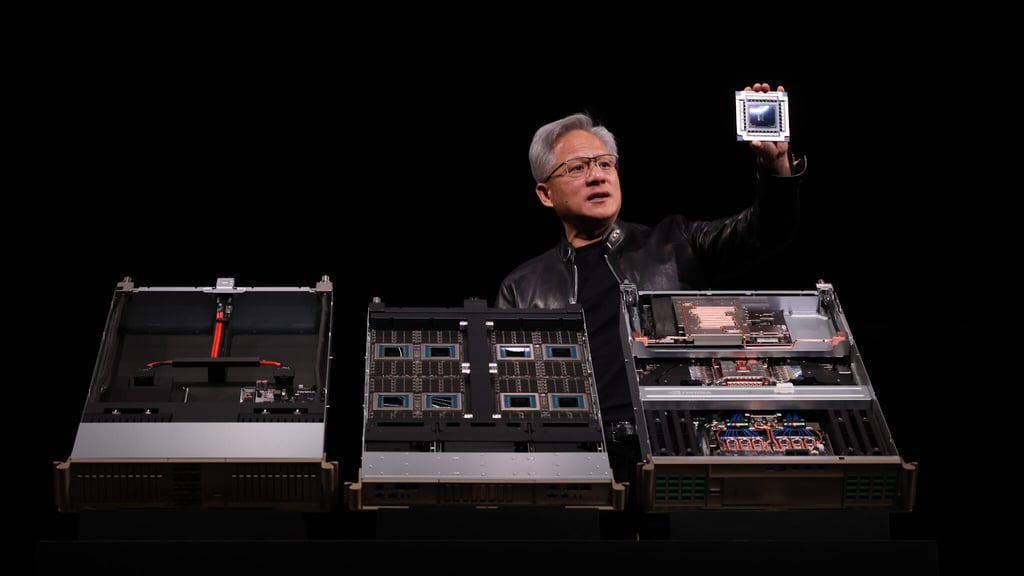
Servers equipped with H200 chips are once again being pitched by hardware partners such as Lenovo, but volume remains constrained. The H200 sits at least two generations behind Nvidia’s flagship lineup, yet it remains valuable for complex AI model training where domestic alternatives still struggle. Nvidia currently sits on an estimated 500,000 H200 processors manufactured primarily for the Chinese market, per FT.
The Hong Kong infrastructure squeeze
To protect and promote homegrown chipmakers like Huawei, Beijing has instructed companies to park the lion’s share of their US-licensed allotments in Hong Kong. Because Hong Kong sits outside mainland China’s customs border, engineering teams can legally access compute clusters remotely over cross-border networks.
However, moving the silicon to Hong Kong creates an immediate logistical wall. The territory faces severe power supply and real estate constraints, housing an installed data center capacity of only about 581 megawatts, according to data cited by Tom’s Hardware. Deploying tens of thousands of high-draw, 700-watt processors demands significant electrical overhead that the city cannot readily provide.
“It’s a dilemma. Everyone needs the chips but struggles to find a way to use them in Hong Kong,” a person familiar with the situation told FT. “The hope is for the control to loosen up gradually.”
Beijing’s tactical retreat exposes the hard limits of semiconductor self-reliance. While state policy heavily subsidizes domestic accelerators for routine inference workloads, frontier training still demands the mature software stack and interconnect performance of Nvidia silicon.
By rationing just enough foreign hardware to prevent domestic champions from falling fatally behind U.S. model developers, Beijing is engineering a managed dependency. Yet routing bulk orders into Hong Kong’s power-starved grid reveals a widening rift between trade strategy and physical reality.
Other News: Washington is pressuring Apple not to source memory chips from Chinese manufacturers CXMT and YMTC as the iPhone maker looks for new suppliers amid a global memory shortage.