


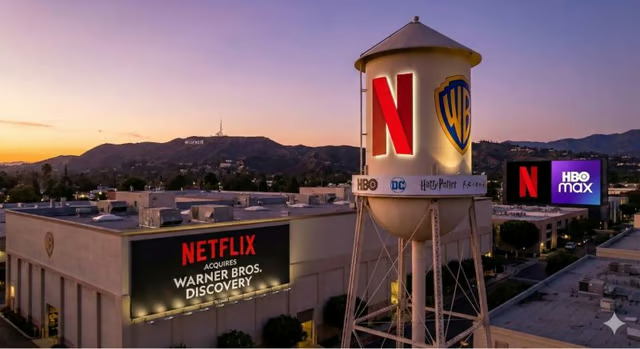
Lights, camera… plot twist.
After months of back-and-forth, multiple outlets reported on Feb. 26 that Netflix has abruptly declined to increase its bid to buy Warner Bros. Discovery, leaving Paramount Skydance’s higher offer in the driver’s seat, shaking up the streaming and studio world.
What once looked like another high-stakes streaming merger has turned into a gladiator duel for one of Hollywood’s biggest prizes — with Warner Bros. studio icons like Harry Potter, CNN, DC Comics and more potentially changing hands.
Paramount’s bid leaps ahead
The drama started in late 2025 when Netflix agreed to buy Warner Bros. Discovery’s studio and streaming divisions — including HBO Max and its larger content vault — for about $82.7 billion. Paramount Skydance then entered with a hostile takeover bid for the entire company, including cable networks and news channels that Netflix wasn’t targeting.
Paramount didn’t stop there. It sweetened its offer to roughly $31 per share in cash and added extra incentives like a $7 billion payment if regulators block the deal and a “ticking fee” that pays shareholders more the longer the deal takes. That was enough for Warner Bros. Discovery’s board to say Paramount’s proposal could reasonably lead to a superior deal.
Under the rules of the existing agreement with Netflix, that triggered a four-business-day window for Netflix to counter — but Netflix quickly opted out. Top executives said the price needed to match Paramount’s offer made the deal “no longer financially attractive.” That means Netflix will walk away, likely collecting a multibillion-dollar breakup fee, and Paramount is now expected to proceed with its acquisition.
What this could mean for Hollywood
If Paramount’s deal closes, the media landscape could shift in a major way. The company would bring studios and streaming services under one roof alongside legacy brands like HBO Max, CNN, and Warner Bros. films — a combination that could rival other giants in content and distribution.
But the road ahead isn’t clear cut. Regulators are watching closely.
California’s attorney general has opened a formal antitrust investigation, warning that the consolidation could hurt competition, jobs, and consumer choice. On the national political stage, critics (including Senator Elizabeth Warren) have blasted the potential merger as a “media consolidation risk,” arguing it could concentrate too much influence in too few hands.
For Netflix, the retreat reinforces a broader theme: huge acquisitions carry risks that may outweigh rewards, especially in a regulatory climate that’s skeptical of big media deals and focused on competition. The streaming giant’s stock even reacted favorably after the announcement, suggesting investors saw the decision as a strategic reset rather than a defeat.
A shareholder vote on the competing deal is still on the calendar, and regulatory approval — both in the United States and abroad — will be critical before anything can close. Even with Paramount in the lead, Hollywood’s biggest studio shuffle in years is far from finished.
So while Netflix steps back into the content creation arena and Paramount advances toward a potential media empire, the next chapter promises more intrigue, scrutiny, and high-stakes negotiations before the curtain finally falls.
And don’t miss our quick take on how Apple Podcasts is adding native video and dynamic ads to its platform this spring, giving creators more monetization power and listeners a richer experience.