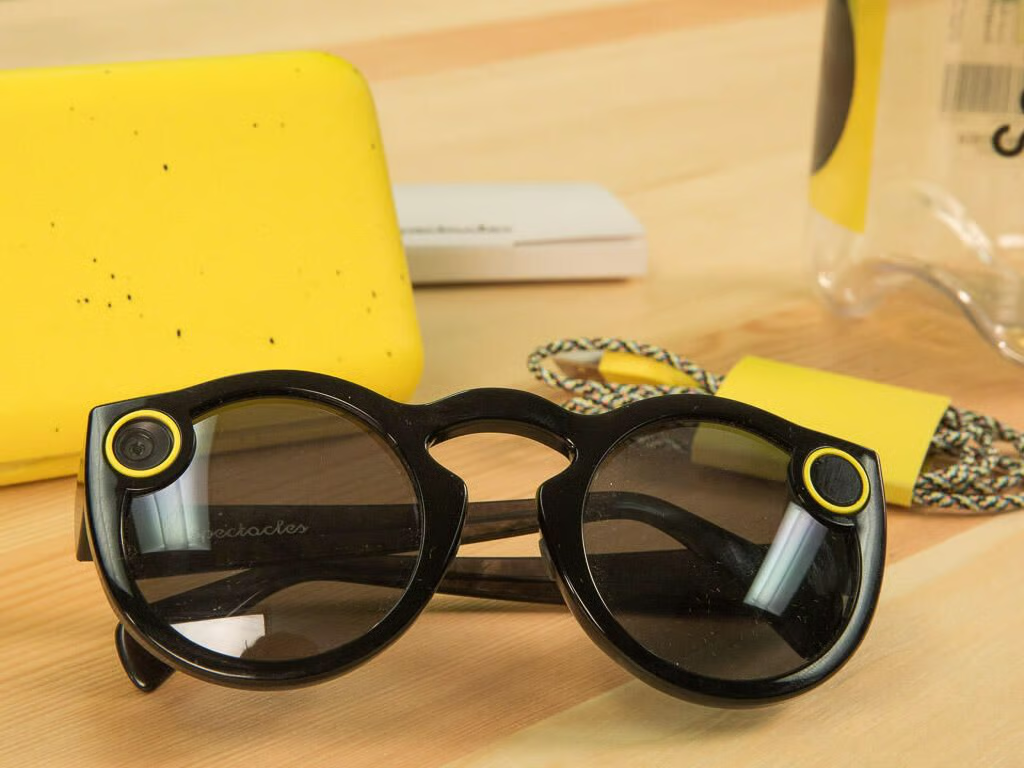
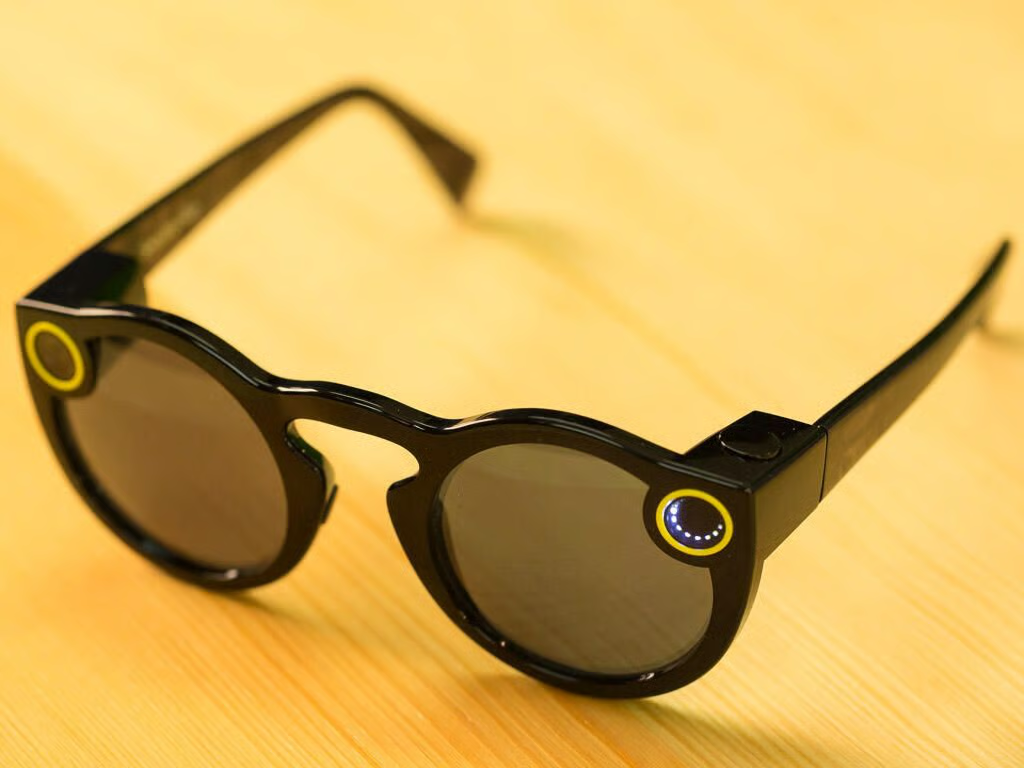
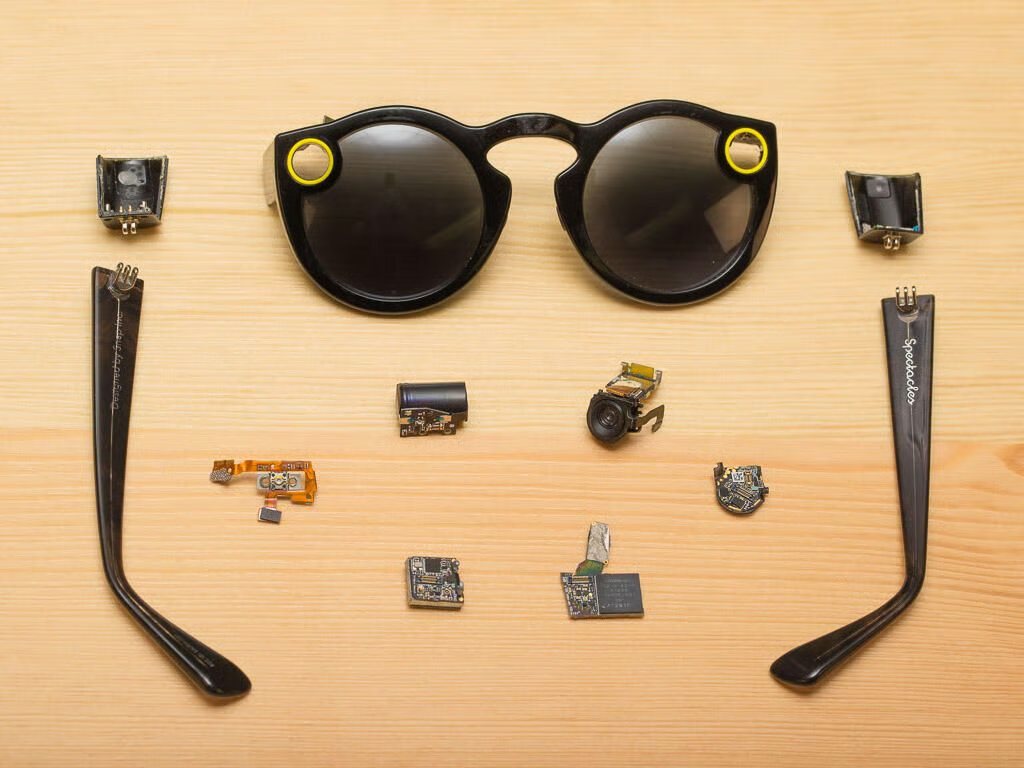
The Snapchat Spectacles ($130) do a lot more than just protect your eyes. The Spectacles have an embedded camera that lets you record 10-second videos and share them via the Snapchat app on your iPhone or Android device. How did Snapchat turn an average pair of specs into a social media must-have? To find out, I broke out my tools and cracked them open.
You can watch a video of our teardown and read my full hardware analysis in my TechRepublic article, Cracking Open Snapchat Spectacles: Sunglasses that are more than meets the eye.
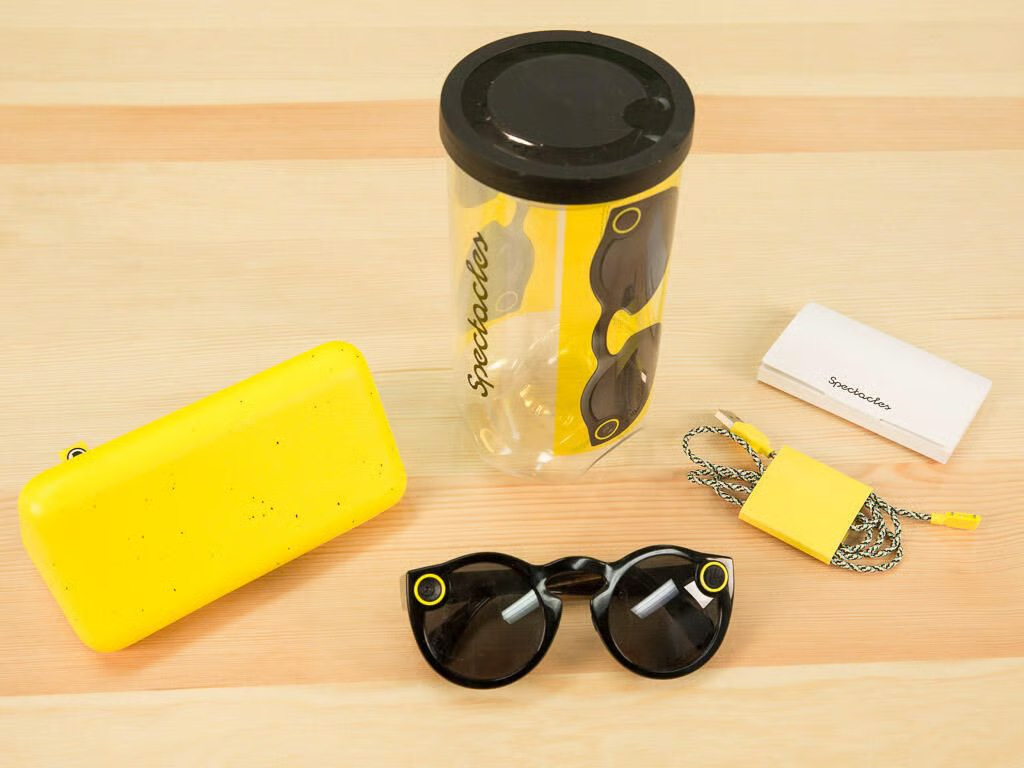
The Snapchat Spectacles come with a charging case that has a built-in battery, the USB charging cable, and product documentation.
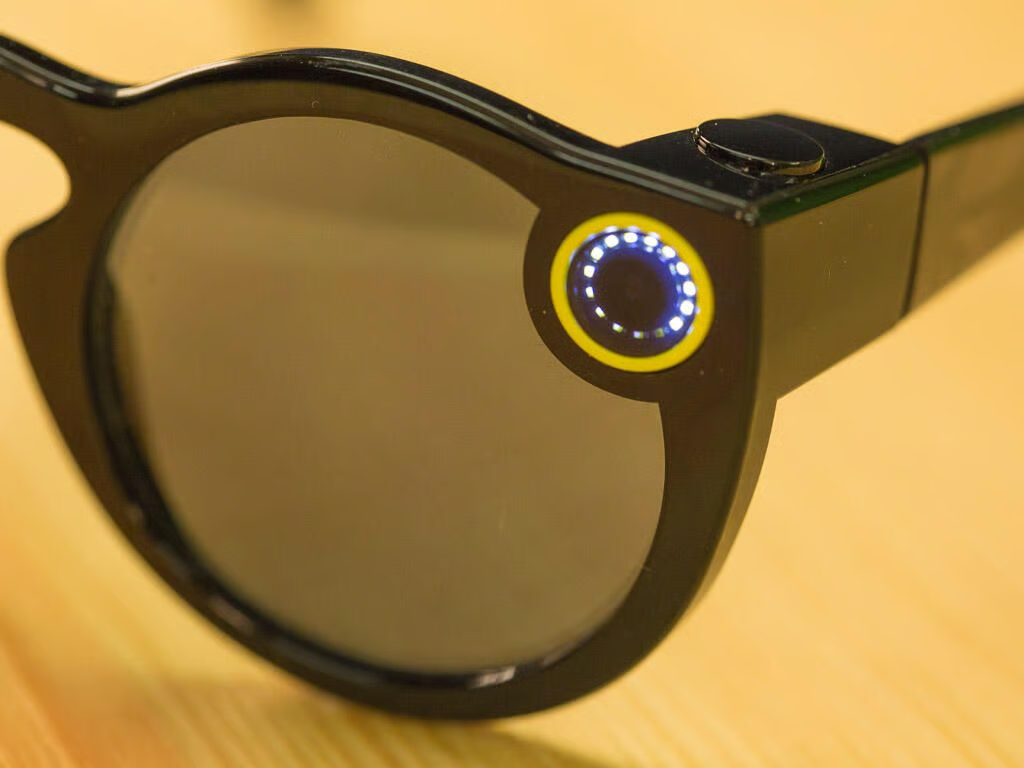
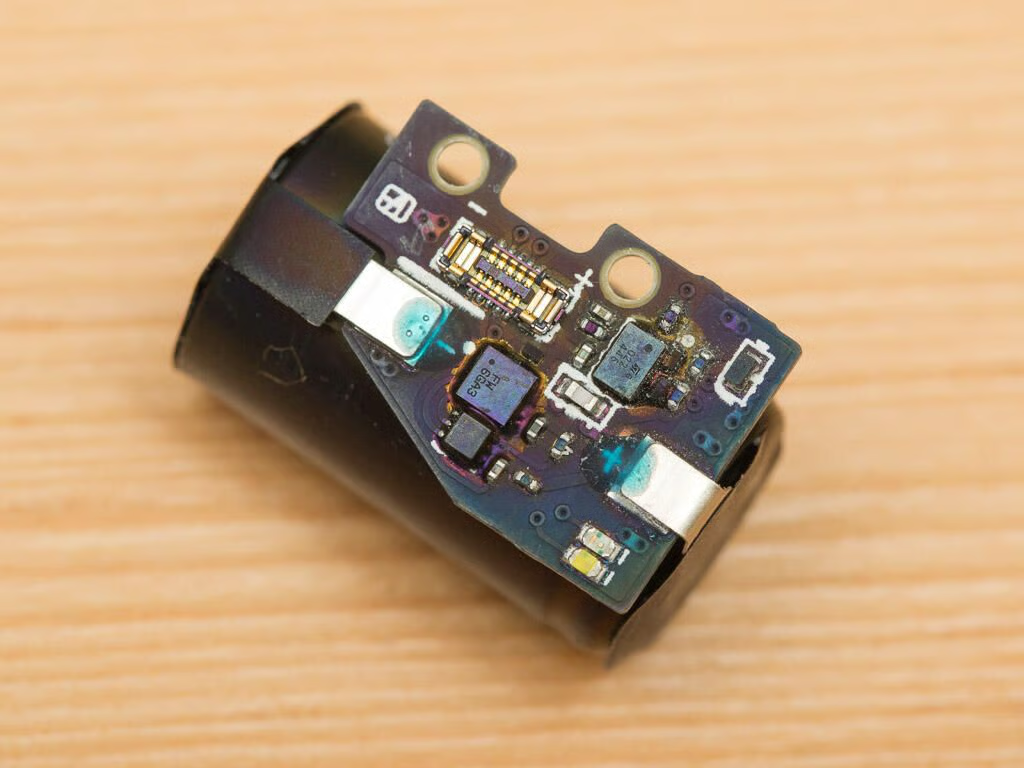
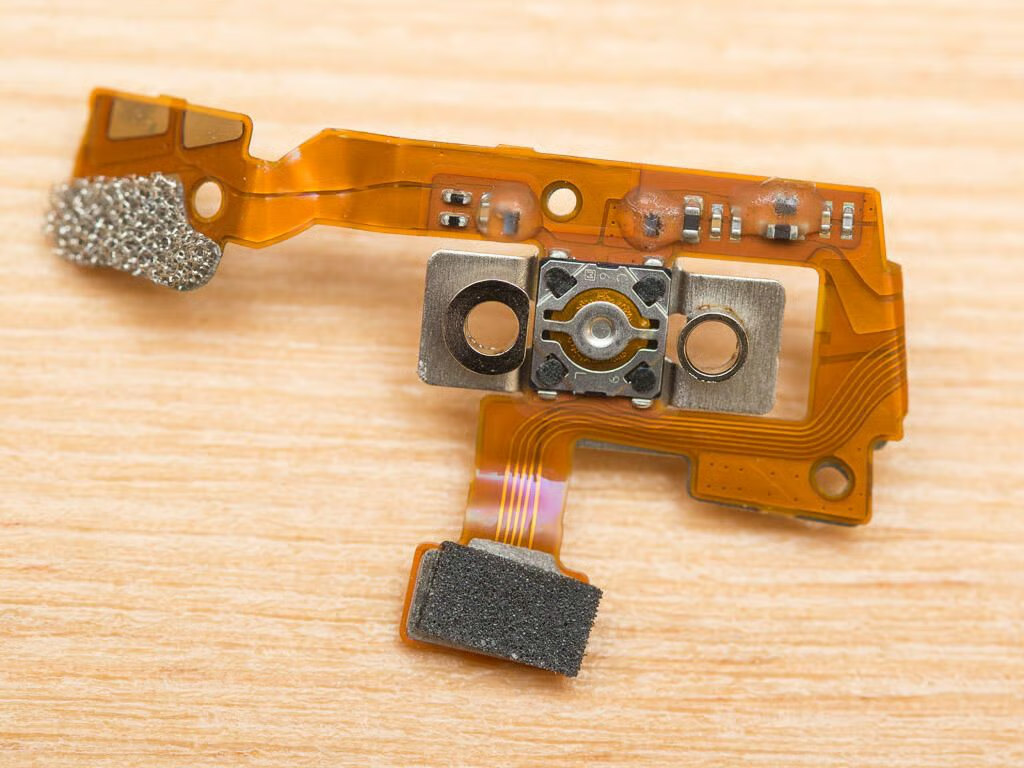
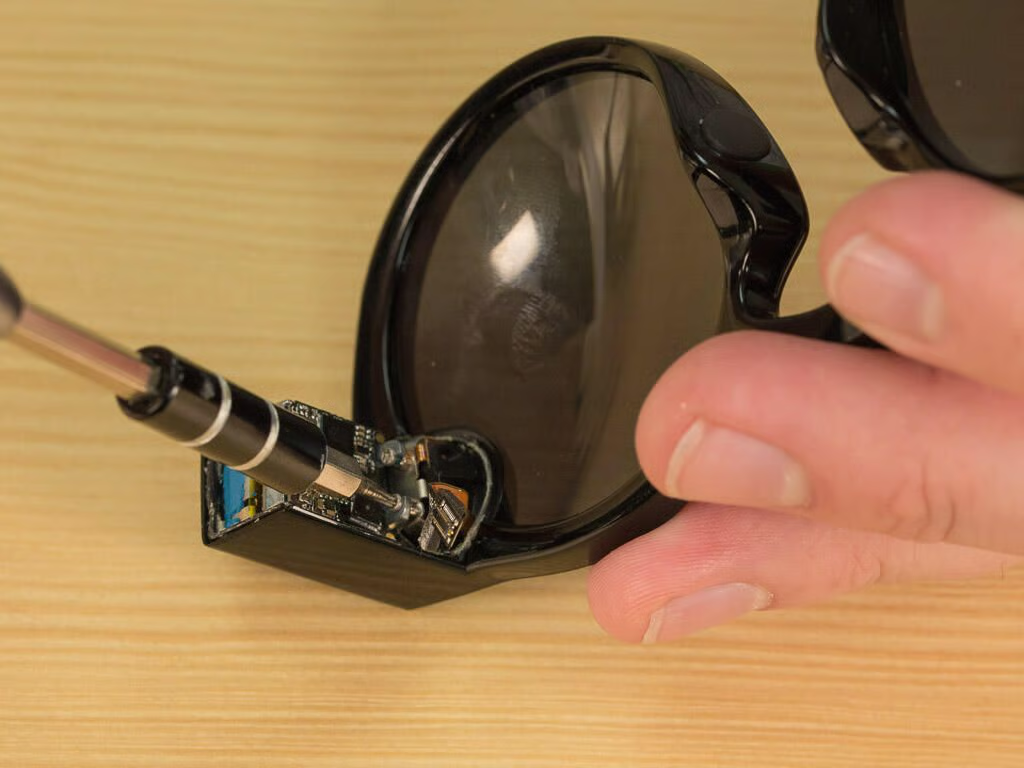
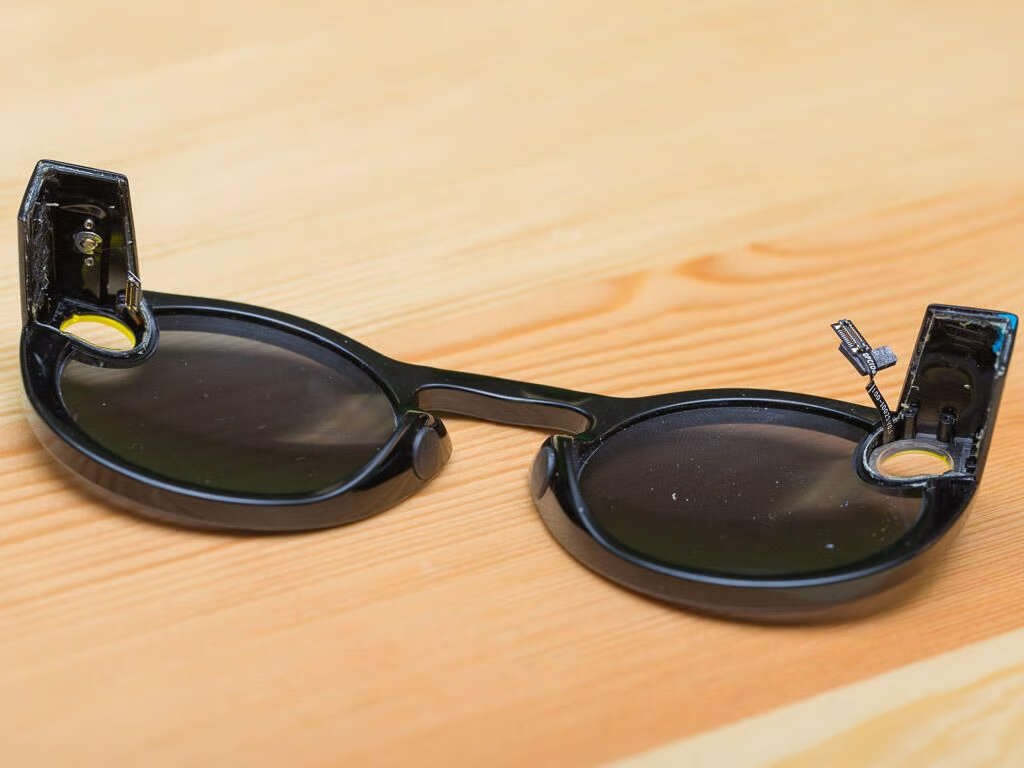
The Spectacles’ internal hardware is stored in two compartments mounted on either side of the frame, above and behind the lenses. On the left, are the record button, indicator lights and charging connector. On the right, are the camera and microphone.
A series of LEDs on the front of the Spectacles let people know that they’re being recorded. There’s also an LED on the inside of the frames that let the wearer know when they are recording and when the recording is about to stop.
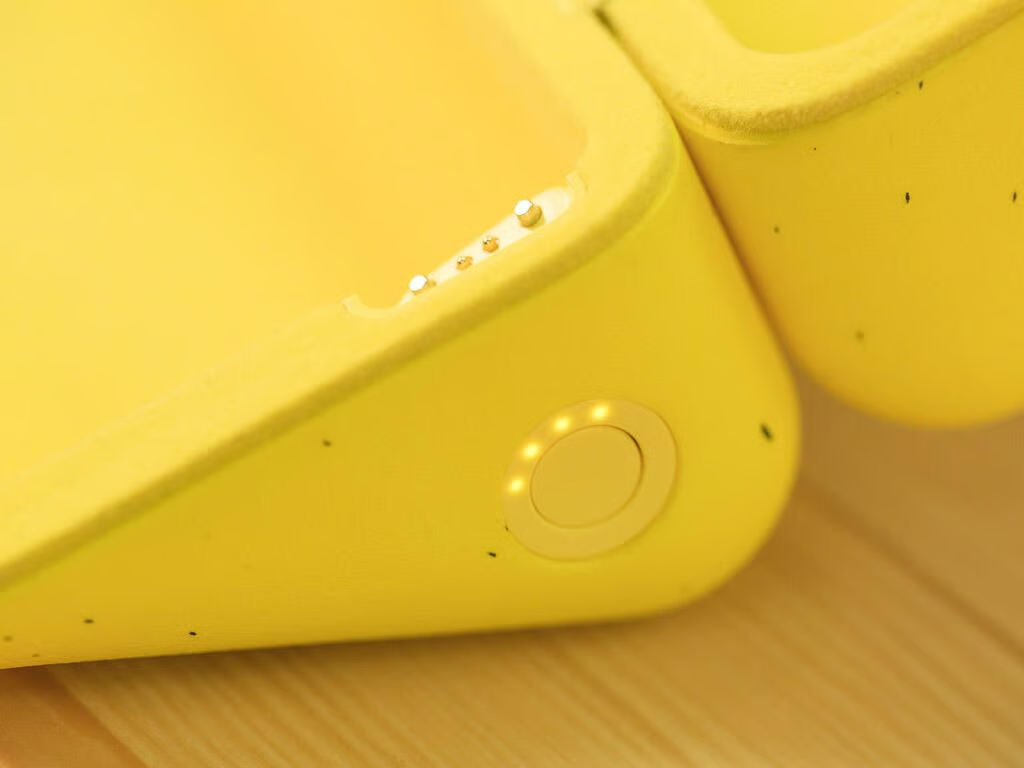
The Spectacles case has a built-in battery that allows you to charge the glasses on the go.
When you push a button on the case, an LED indicator light tells you how much charge the battery has.
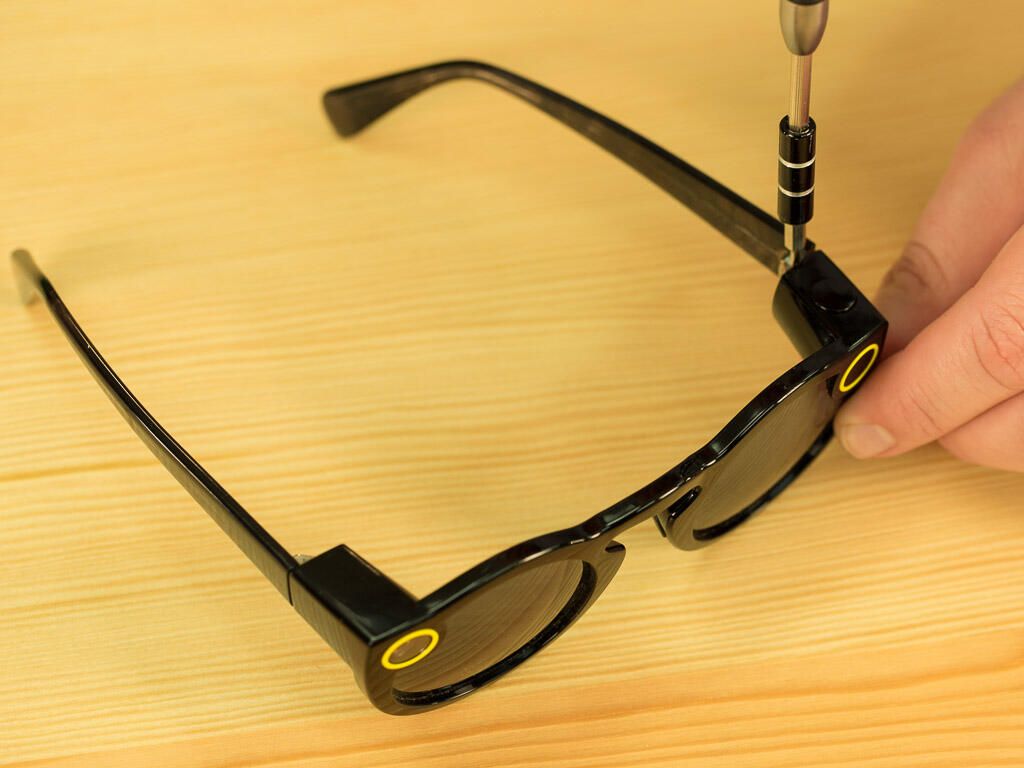
Before doing any actual cracking, I removed the temples, which I was shocked to learn is the official name for the arms on a pair of glasses that run alongside your head and over your ears.
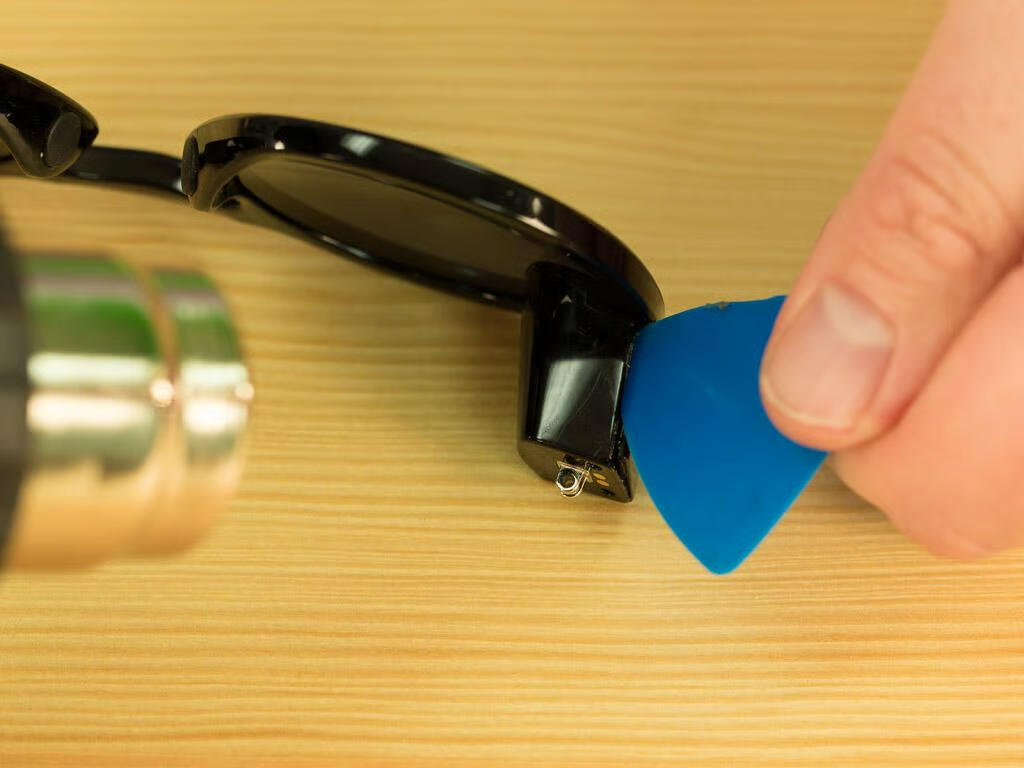
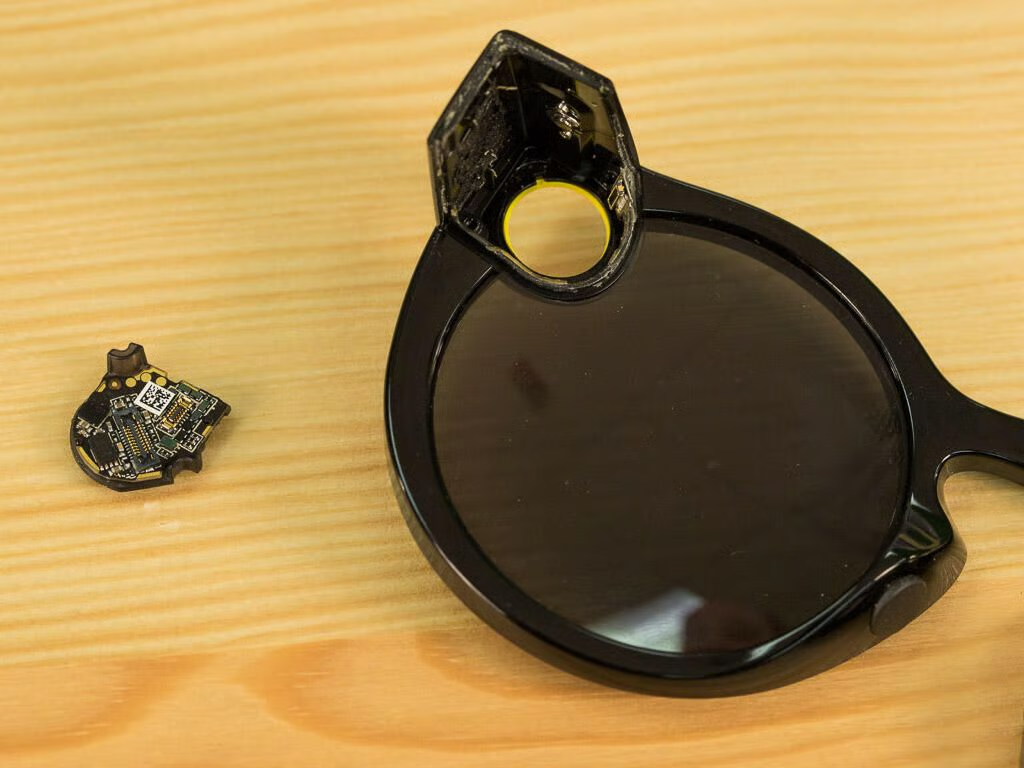
Using a heat gun, a variety of plastic tools and a universal opener (better known as my thumbnail), I next removed the glued-on plastic covers that protect the Spectacles’ high-tech innards.
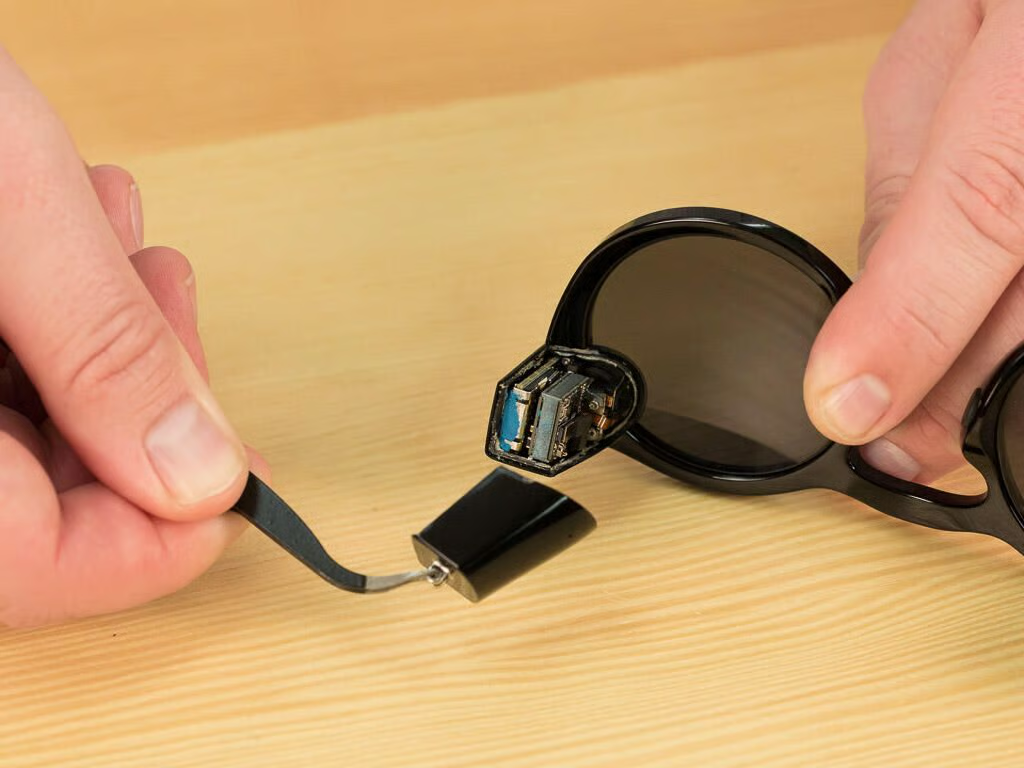
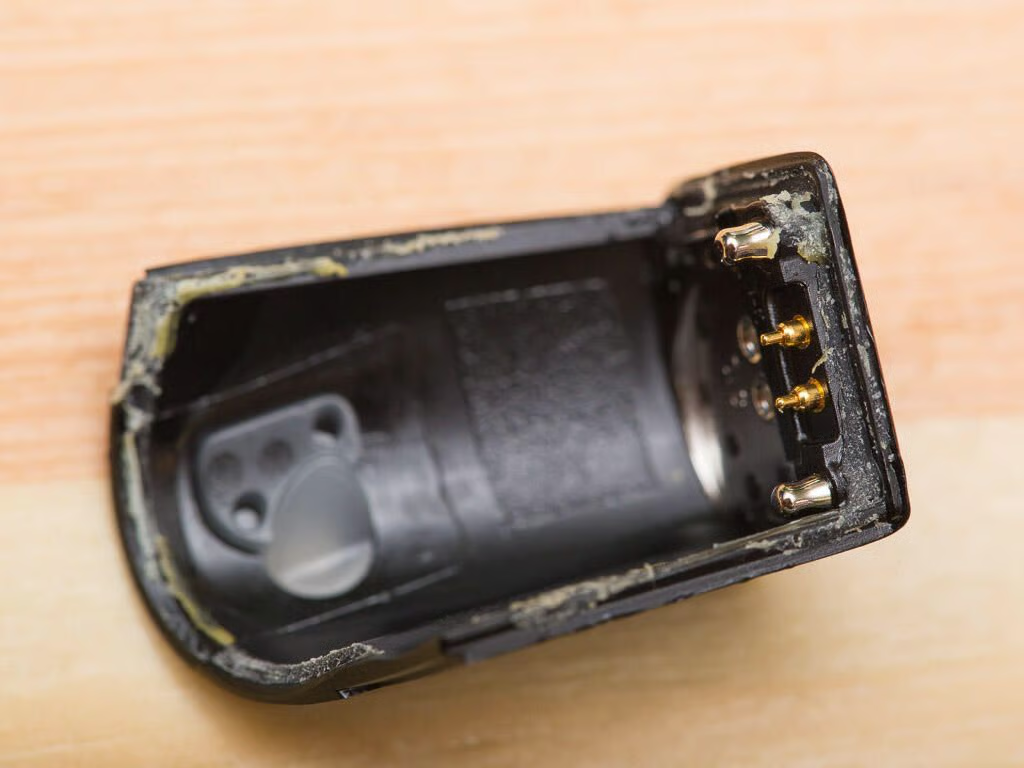
The Spectacles’ charging contact is embedded in the left-side plastic cover that protects the battery and charging circuits.
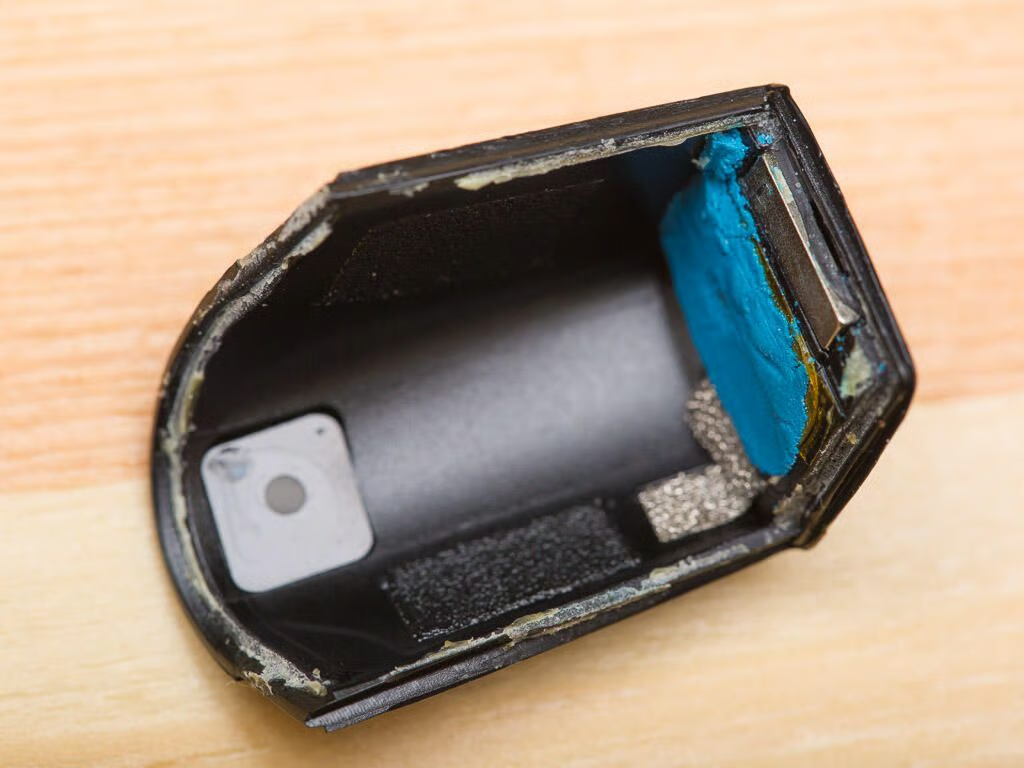
Tiny metal plates embedded in the plastic cover that protects the main circuit boards appear to be heat sinks with blue thermal paste on them.
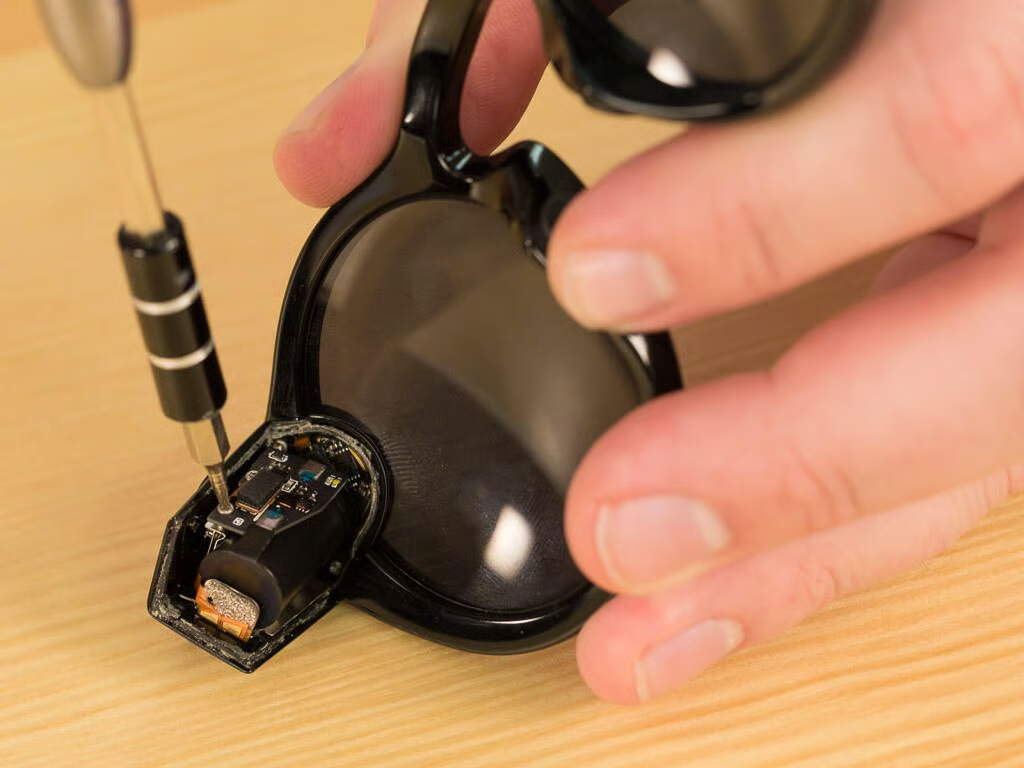
The battery, charging circuitry, LED indicator lights and record button contact are located in the left compartment. Luckily most of the internal components are held in places with screws, which were easily removed with a Torx T1 or T3 bit.
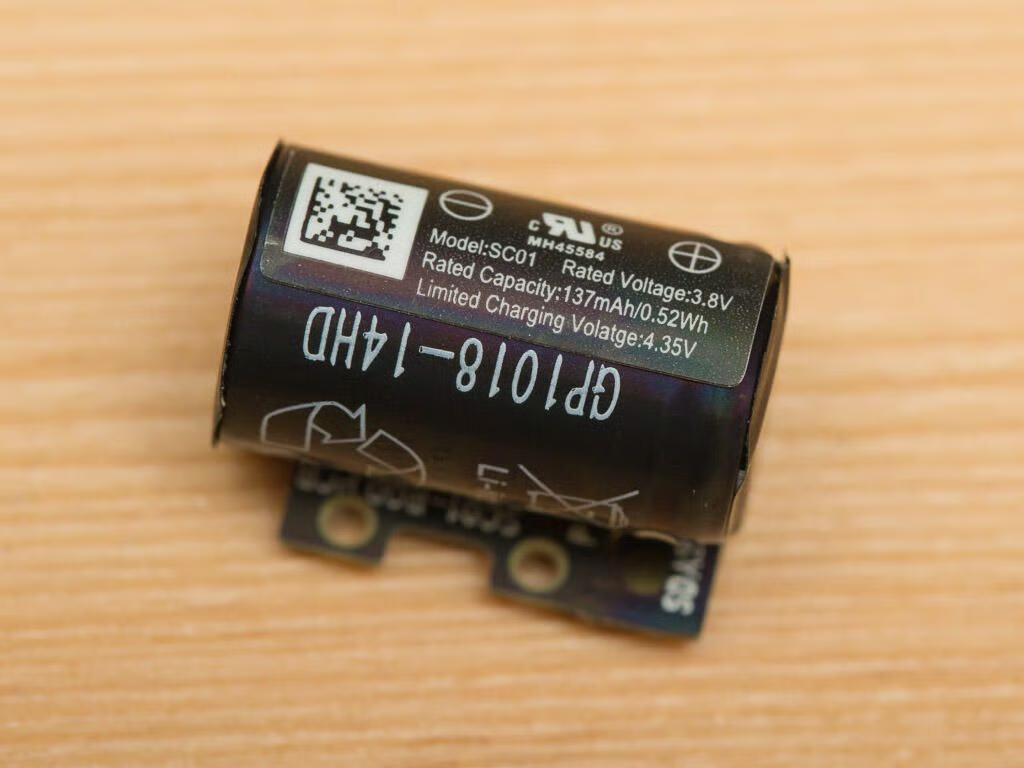
The Spectacles’ 0.52Wh battery might seem puny compared to other prominent wearables like the Apple Watch Series 2 (1.03Wh battery), Moto 360 (1.1Wh battery) or Google Glass Explorer Edition (2.1Wh battery).
I took out the circular, front-facing LED lights next, with a little help from our heat gun to loosen the adhesive that holds them to the frame.
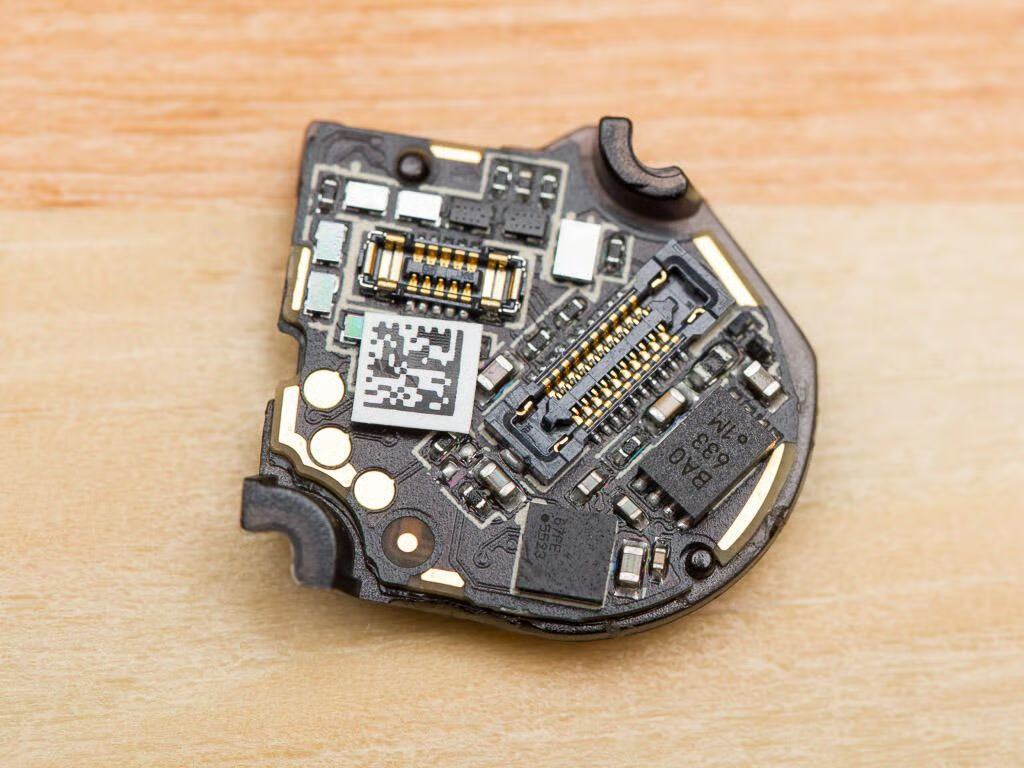
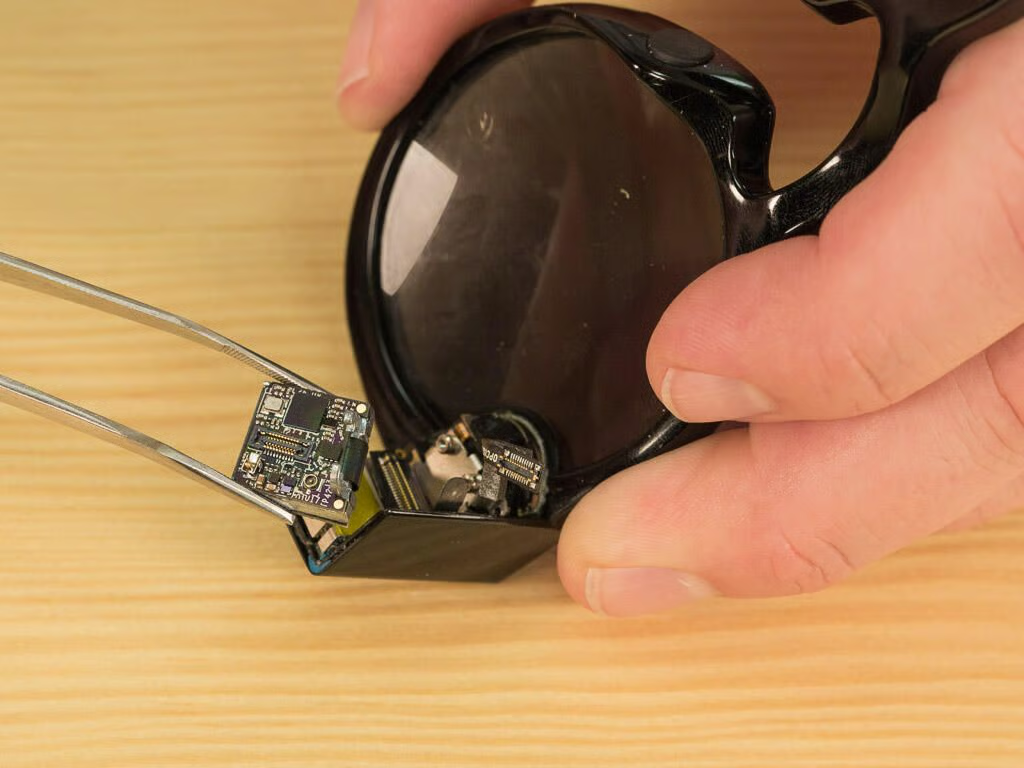
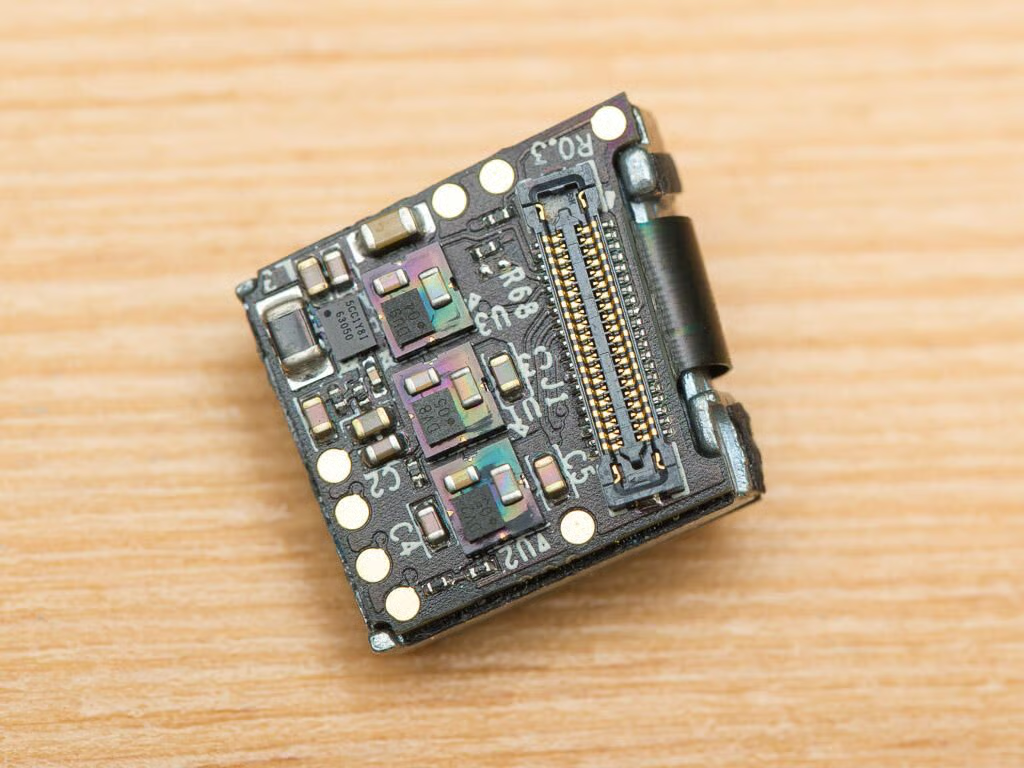
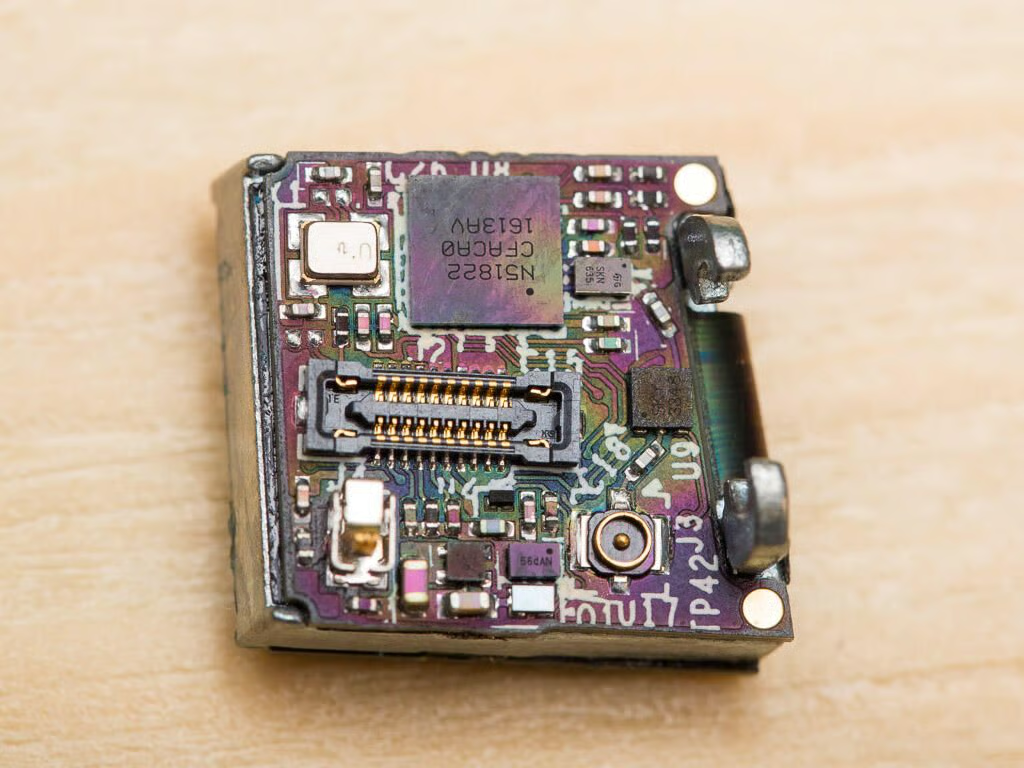
After detaching the thin cable that runs through the frame, removed several screws that hold the internal components in place, and then lifted out two tiny boards boards that are sandwiched together.
The most prominent chip on these boards is the including the Nordic Semiconductor nRF51822 that provides wireless connectivity.
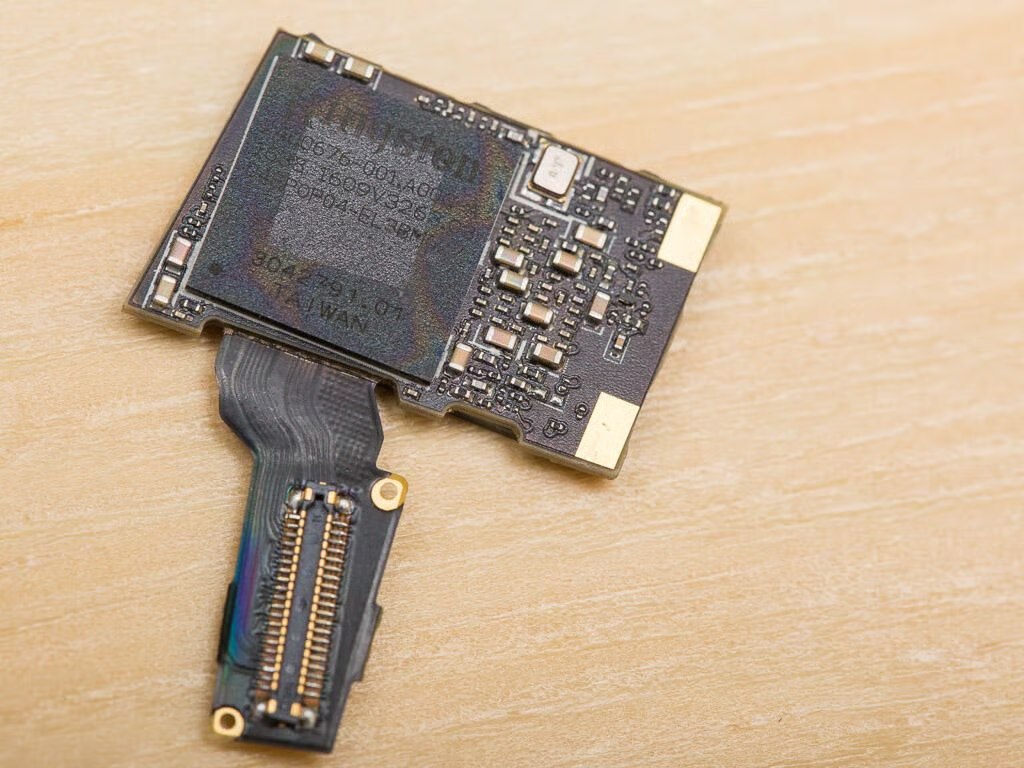
The Spectacles have a Kingston 04EPOP04-EL3BM627 ePOP memory module which contains 4GB of eMMC + 4Gb of LPDDR3 DRAM.
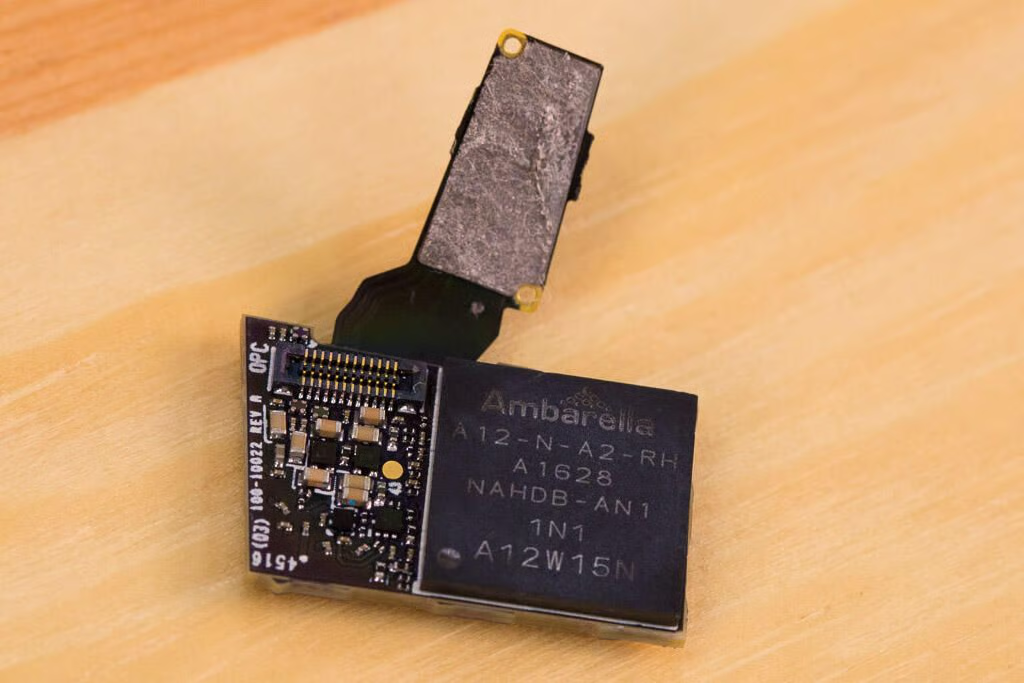
The main circuit board contains the Ambarella A12 camera system-on-chip (SoC), with embedded ARM Cortex A9 CPU, and a Kingston 04EPOP04-EL3BM627 memory chip (not shown).
Ambarella, the company that makes the video processor inside the Spectacles, also makes video chips for wearable cameras (including those from GoPro), car dashcams, aerial drones, and VR cameras. In fact, a version of the A12 SoC is used in police body cameras.
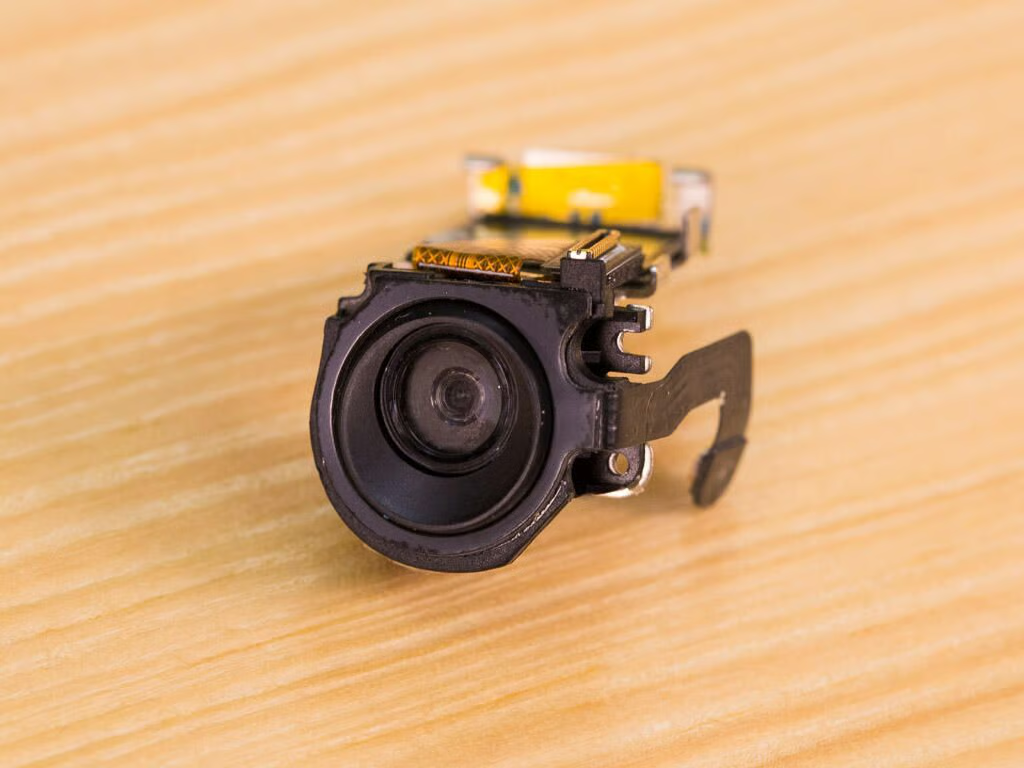
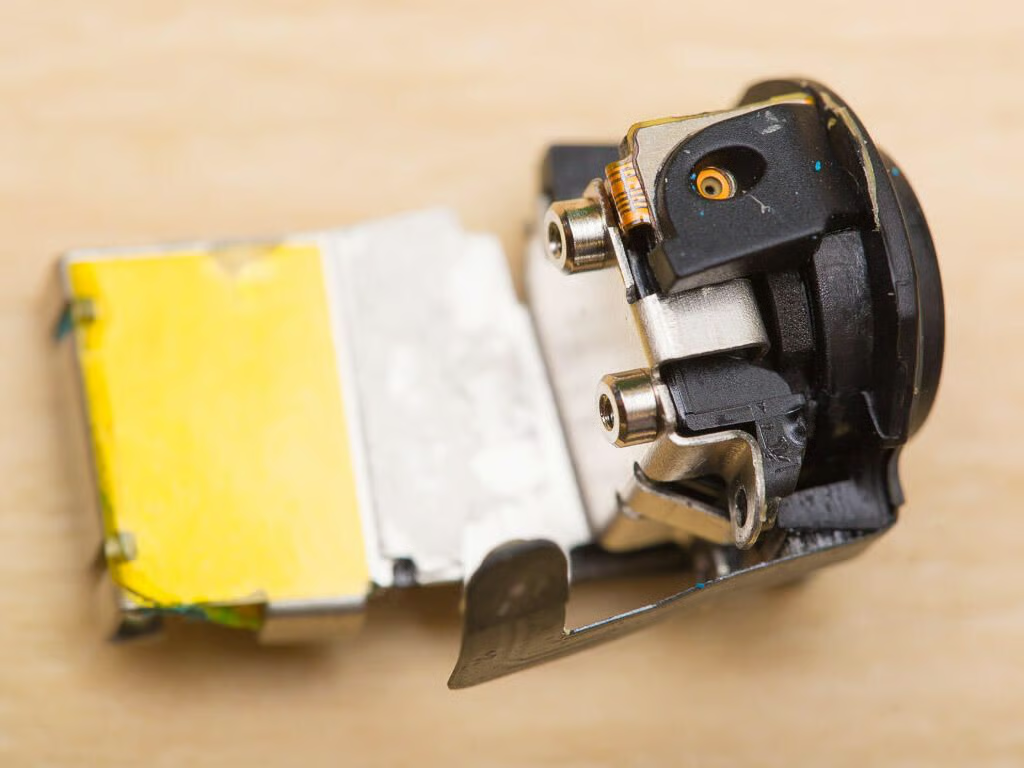
The HD camera on the Spectacles has a 115-degree lens designed to produce circular video the more closely replicates what we see with our eyes than the rectangular video most cameras produce.
The microphone is mounted to the side of the camera on the same metal bracket.
A thin ribbon cable runs through the frames across the bridge of the glasses and connects the electronic components on either side of the Spectacles.
The entire teardown took about 45 minutes, at least 20 of which I spent carefully heating and removing the various the glued-on components.
You can watch a video of our teardown and read my full hardware analysis in my TechRepublic article, Cracking Open Snapchat Spectacles: Sunglasses that are more than meets the eye.
Bill Detwiler is the Editor for Technical Content and Ecosystem at Celonis. He is the former Editor in Chief of TechRepublic and previous host of TechRepublic's Dynamic Developer podcast and Cracking Open, CNET and TechRepublic's popular online show. Previously, Bill was an IT manager in the social research and energy industries. He has bachelor's and master's degrees from the University of Louisville, where he has also lectured on computer crime and crime prevention.