Dirty computers: Revenge of the dust bunnies - TechRepublic

Dirty computers: Revenge of the dust bunnies

  • Dirty computer (1 of 17)

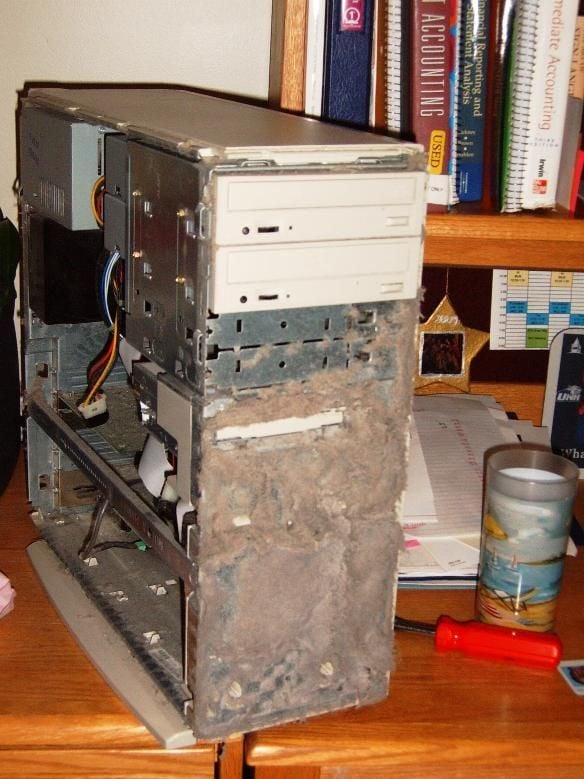
    Very dusty computer

    Break out the canned air, anti-static wipes, and mini-vacuum–these computers are dust-covered nightmares. It’s hard to tell whether some of the machines in this photo gallery are computers or lint traps. See what happens when the dust bunnies take over.

    Compiled by Bill Detwiler

    ?Cheryl’s computer being attacked by the dust monster

    \u00a9 Webshots – meggers5

    &copy Webshots - <a href="http://community.webshots.com/user/meggers5" target="_blank">meggers5</a>
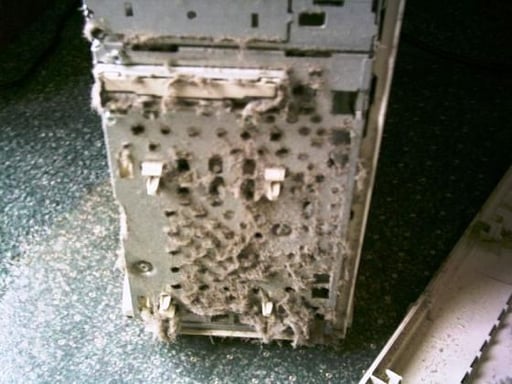
  • Computer or lint trap?

    The lint I cleaned off of my computer.

    \u00a9 Webshots – thetalentedmrdso

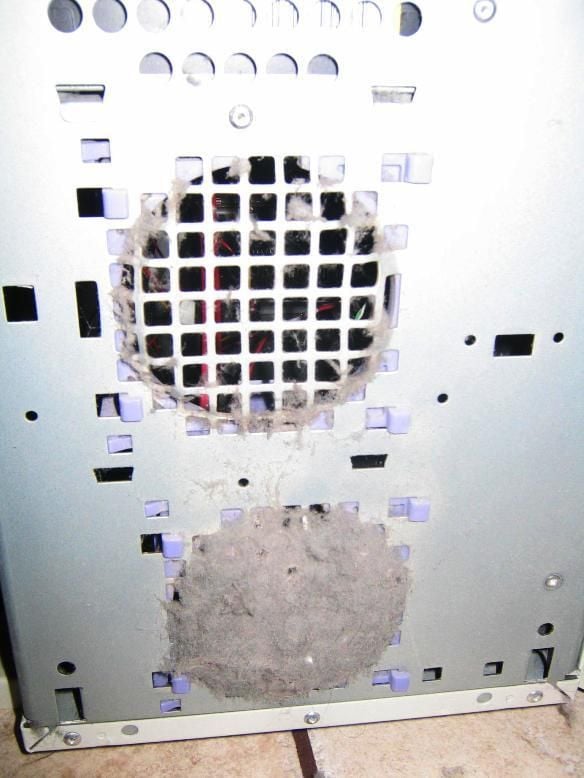
  • Clogged vents

    Keep in mind these are how air gets into my computer to keep it cool.

    \u00a9 Webshots – ehowlett2

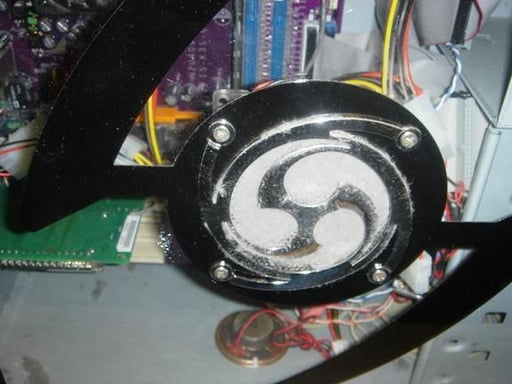
  • Dirty case mod: Glass side of the case

    The grey part is a massive layer of dust covering a fan attached to the case.

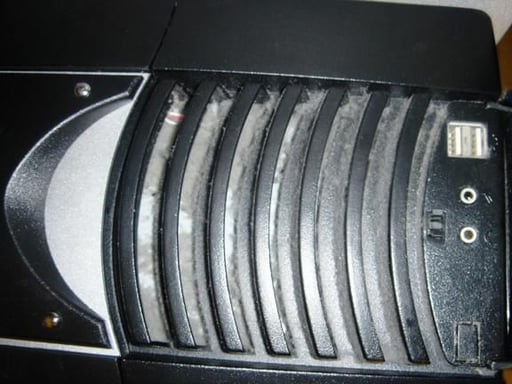
  • Dirty case mod: Front side of case

    This is a lot of dust covering the computer case’s front vent.

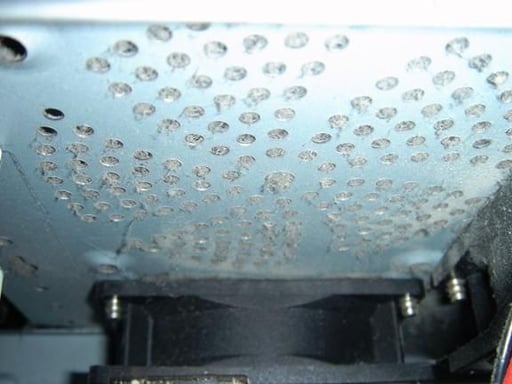
  • Dirty case mod: Inside

    The ventilation holes are filled with dust, which is not good.

  • Dust bunny

    The dust that was collected from the inside of my computer.

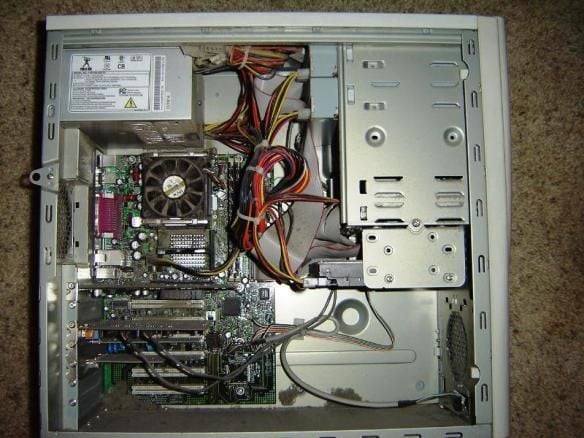
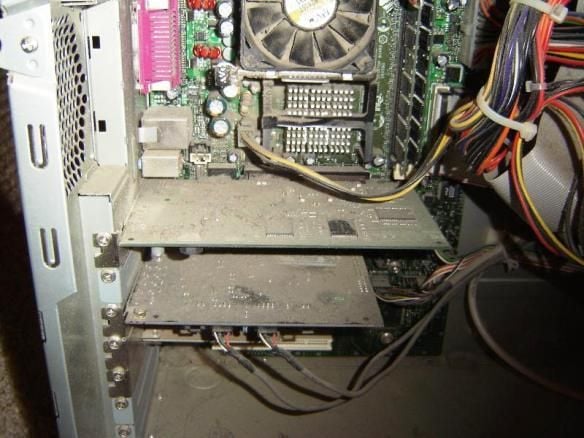
  • Dusty Case (1 of 9)

    Inside a very dusty computer case.

  • Dusty Case (2 of 9)

    Dusty motherboard and cards.

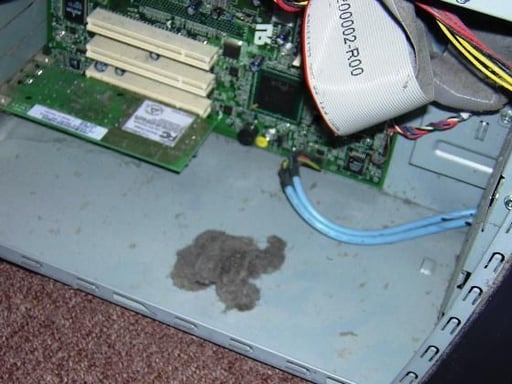
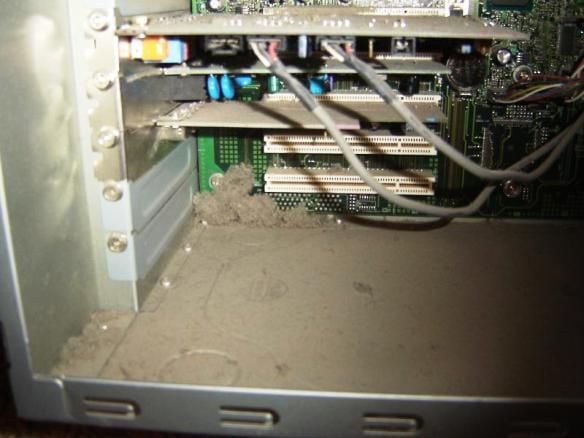
  • Dusty Case (3 of 9)

    A dust pile inside the case.

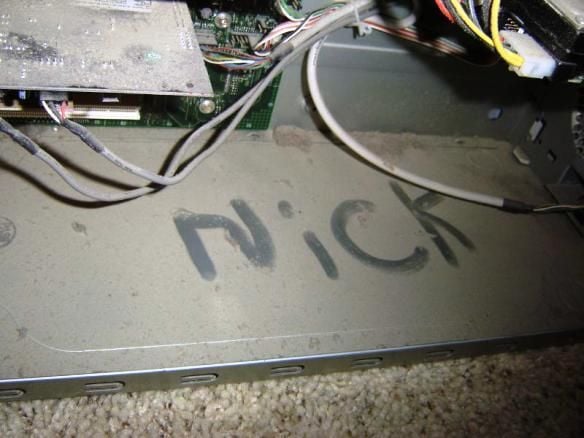
  • Dusty Case (4 of 9)

    That’s a lot of dust.

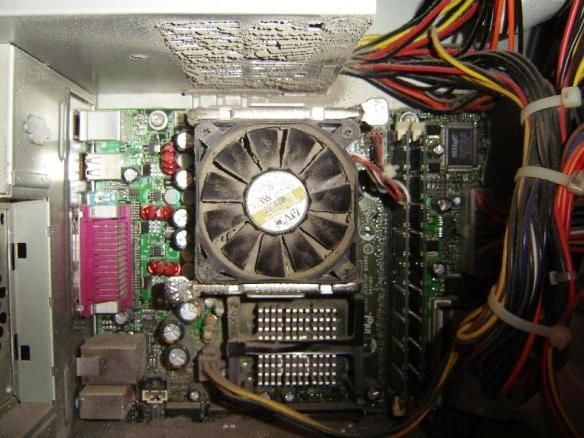
  • Dusty Case (5 of 9)

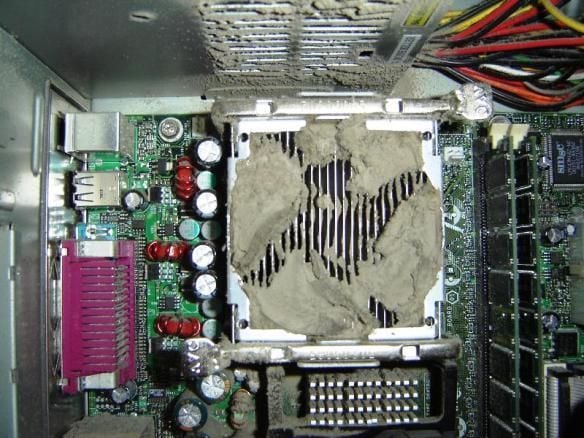
    The processor and fan

  • Dusty Case (6 of 9)

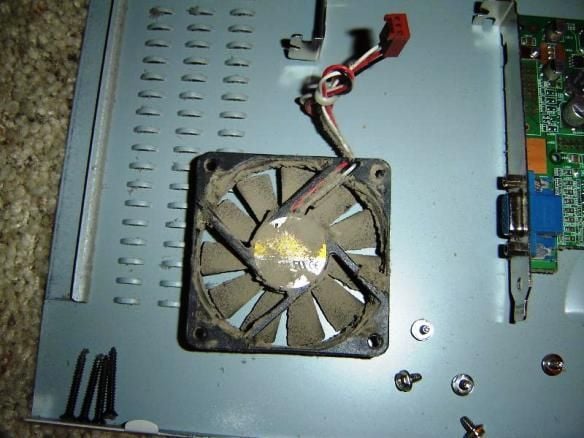
    Processor fan

  • Dusty Case (7 of 9)

    Processor heatsink

  • Dusty Case (8 of 9)

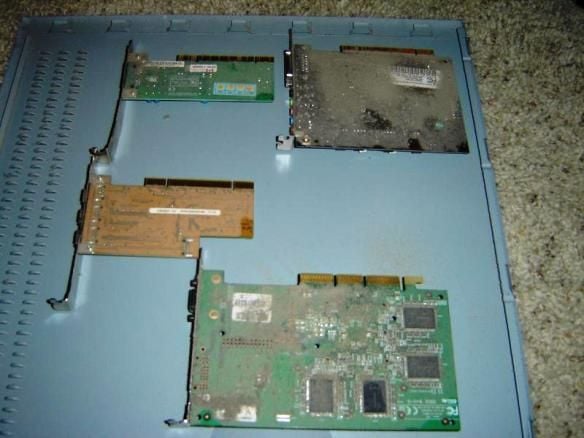
    Misc. cards

  • Dusty Case (9 of 9)

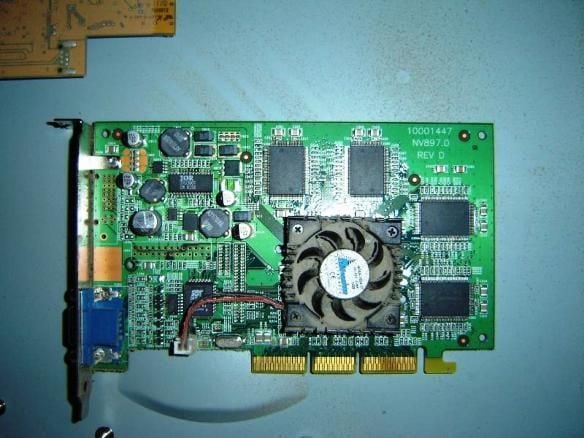
    video card

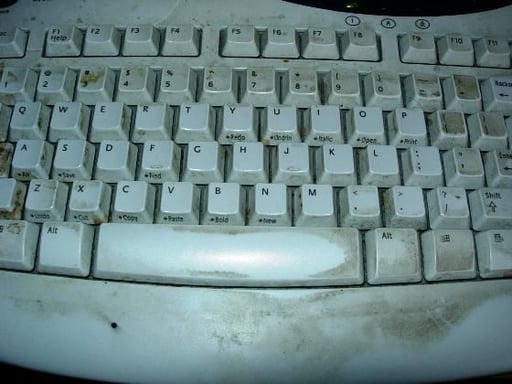
  • Dirty keyboard

1 of 17
BD

Bill Detwiler is the Editor for Technical Content and Ecosystem at Celonis. He is the former Editor in Chief of TechRepublic and previous host of TechRepublic's Dynamic Developer podcast and Cracking Open, CNET and TechRepublic's popular online show. Previously, Bill was an IT manager in the social research and energy industries. He has bachelor's and master's degrees from the University of Louisville, where he has also lectured on computer crime and crime prevention.