Ghosts of tech past: Photos of data storage from the 1950s - 1980s - TechRepublic

Ghosts of tech past: Photos of data storage from the 1950s – 1980s

  • Commodore1541_Koblentz.jpg

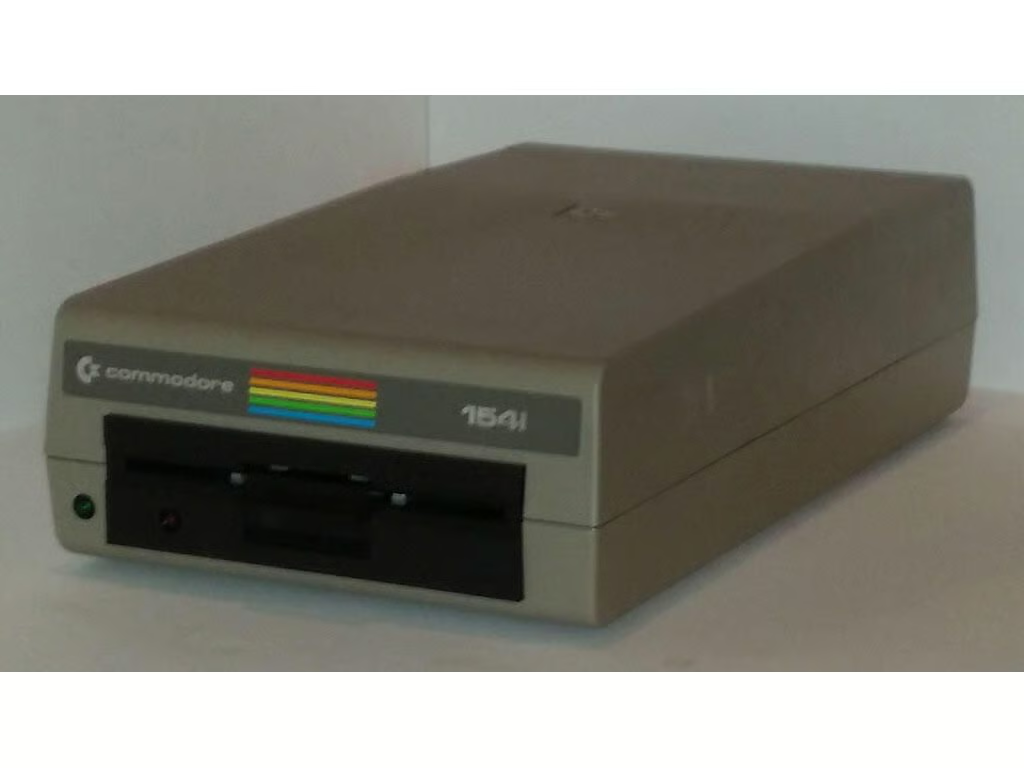
    Commodore 1541

    Today we think of data storage in terms of memory cards, solid-state drives, traditional hard disks, and high-speed tape libraries. Take a trip back in time to see storage examples of the 1950s through 1980s, as displayed at the InfoAge Science Center located in Wall, New Jersey.

    The Commodore 1541 may be the most famous 5.25-inch floppy disk drive of the 1980s. If you had a Commodore 64 microcomputer, then you had a 1541 and memorized the command LOAD “*”, 8, 1.

    Image: Evan Koblentz\/TechRepublic
  • pet.jpg

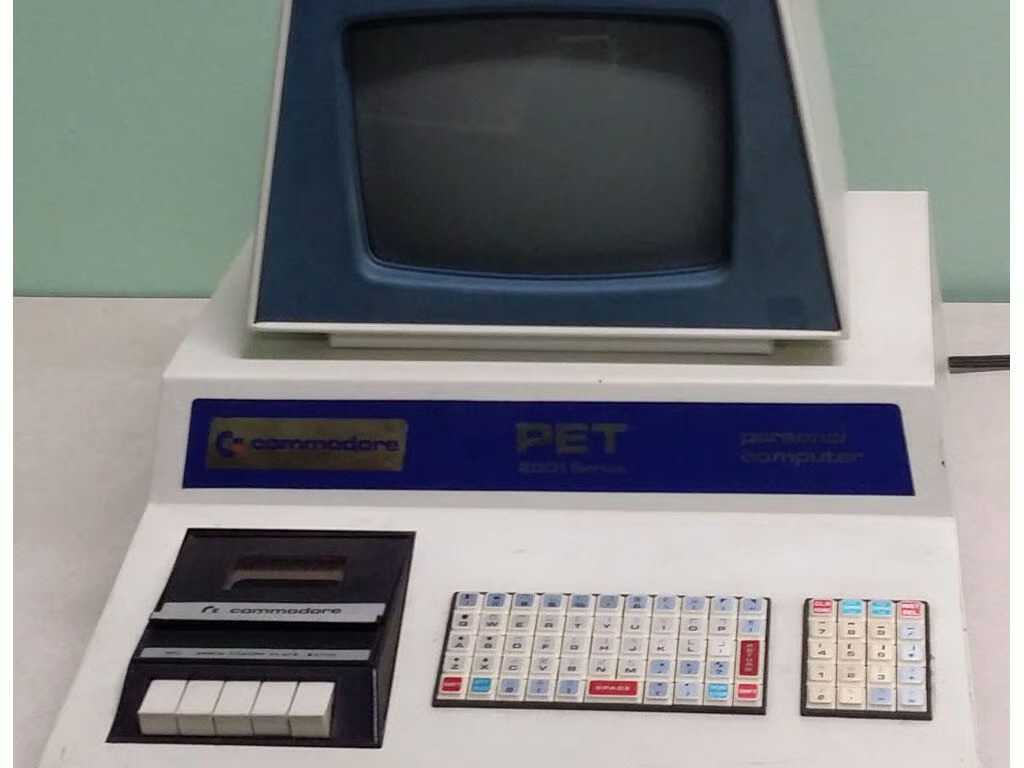
    Cassette drive in Commodore PET 2001

    The PET 2001 was Commodore’s first in-house microcomputer, circa 1977 (they bought the earlier KIM-1 from MOS Technologies). There wasn’t a disk drive for the 2001, so Commodore designed a tape drive right into the case.

  • CommodorePET2001_Koblentz.jpg

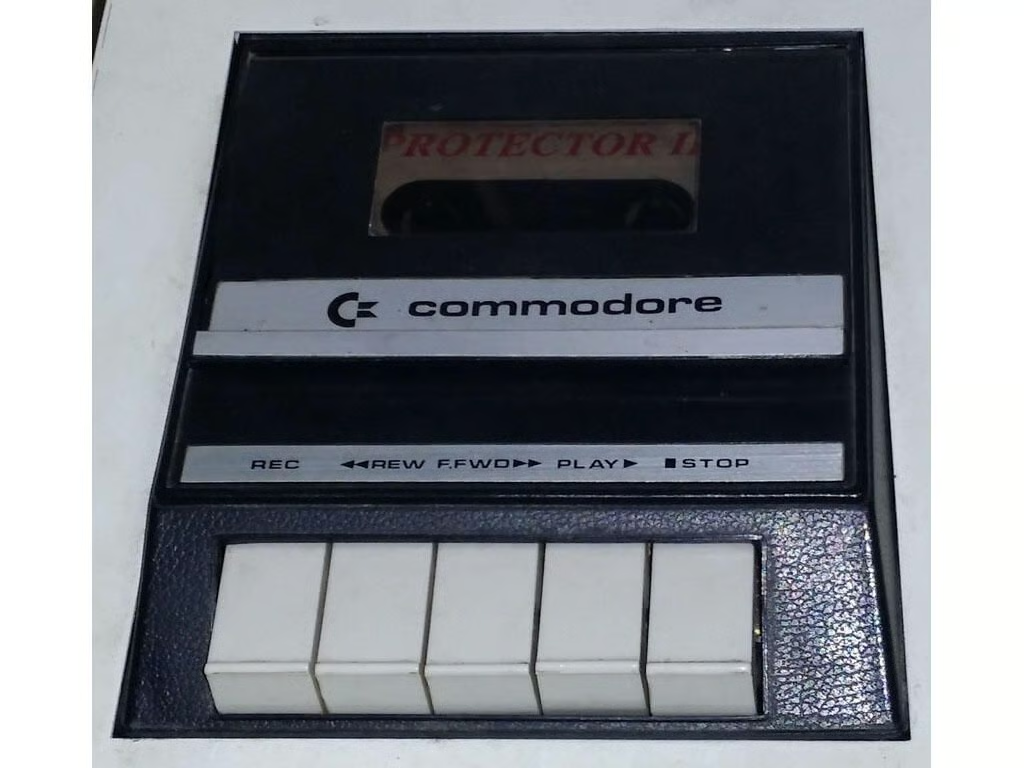
    Cassette drive in Commodore PET 2001

    Here’s a close-up view of the drive.

    Image: Evan Koblentz\/TechRepublic
  • commodore-4040-koblentz.jpg

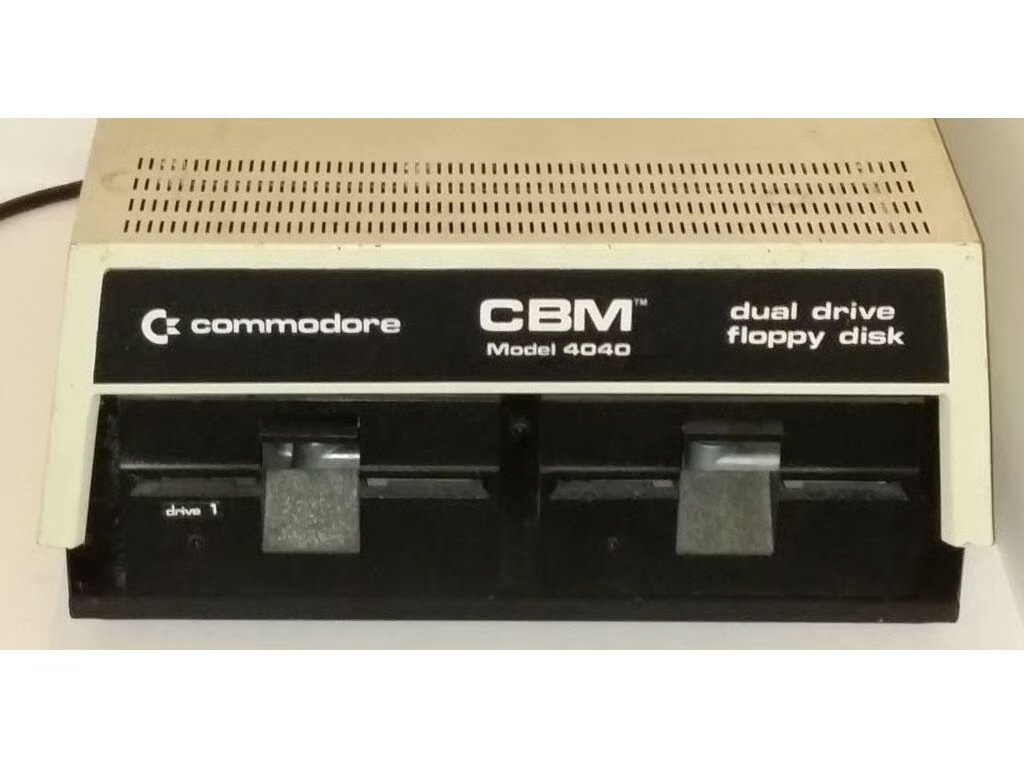
    Commodore 4040 drive unit

    Another popular drive from Commodore was the 4040 dual floppy system.

    Image: Evan Koblentz\/TechRepublic
  • tape-recorder-koblentz.jpg

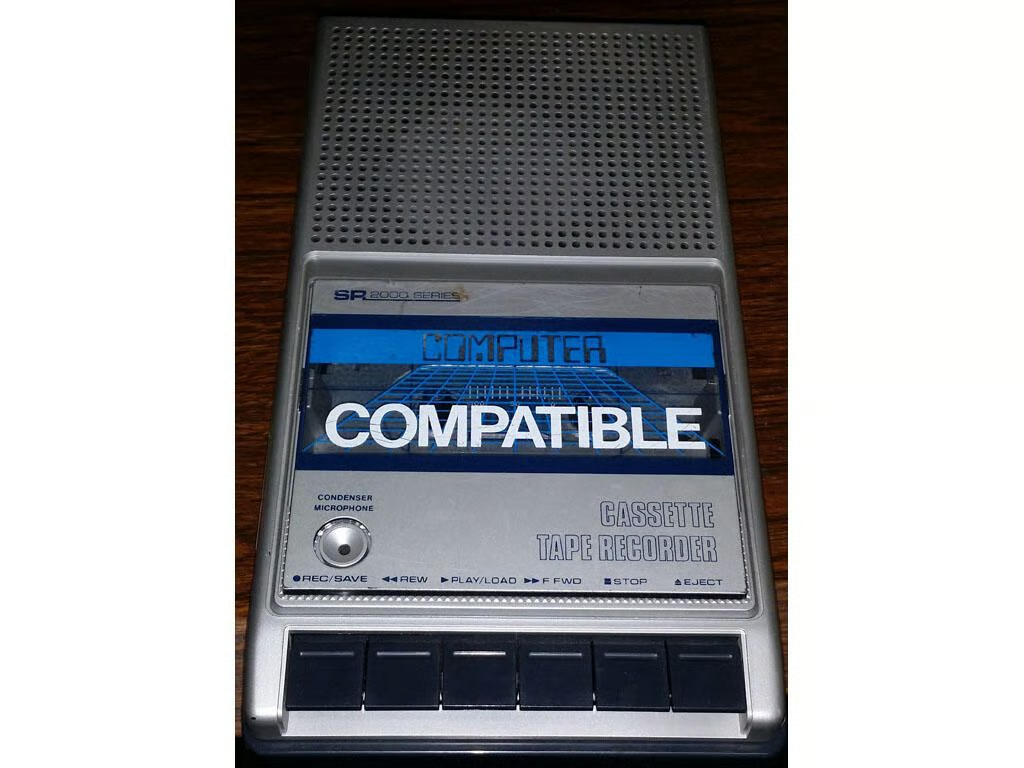
    Cassette recorder/player

    Regardless of which microcomputer you owned in the 1970s and 1980s, you may have loaded and saved data from a standalone generic cassette player.

    Image: Evan Koblentz\/TechRepublic
  • apple1-basic_koblentz.jpg

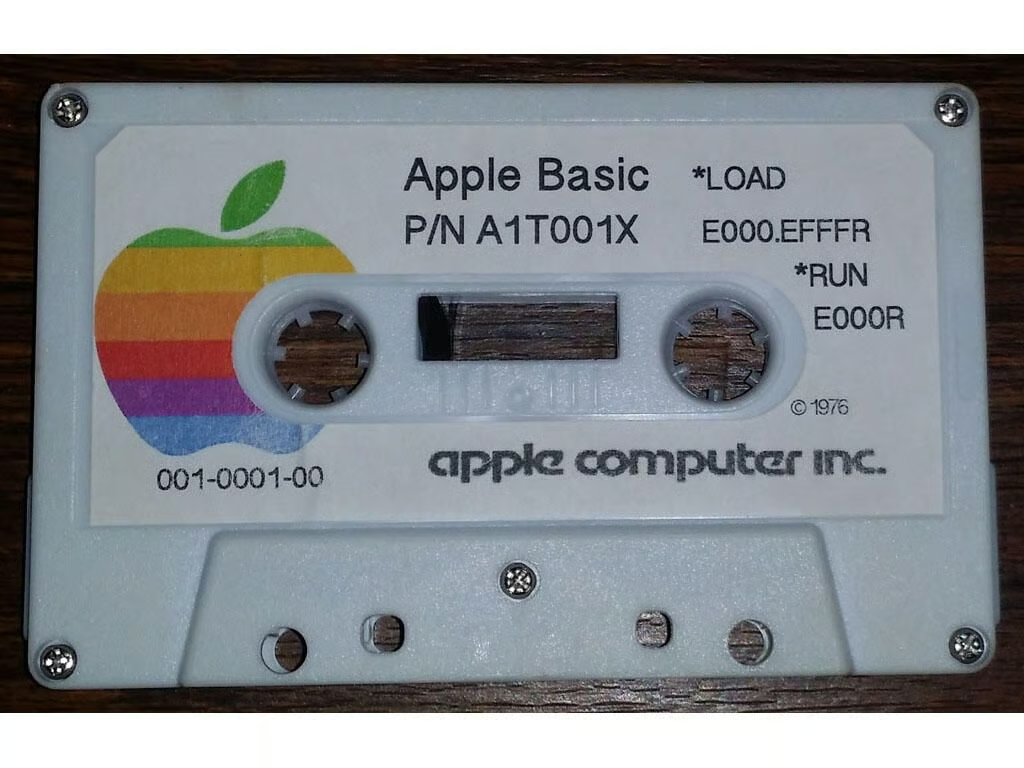
    BASIC tape for the Apple 1

    With the legendary Apple 1 microcomputer, designed by Steve Wozniak and sold in 1976-1977, you would boot in assembly in ROM. You could then load BASIC from a cassette — if you bought Apple’s optional interface.

    Image: Evan Koblentz\/TechRepublic
  • disk-ii-front-koblentz.jpg

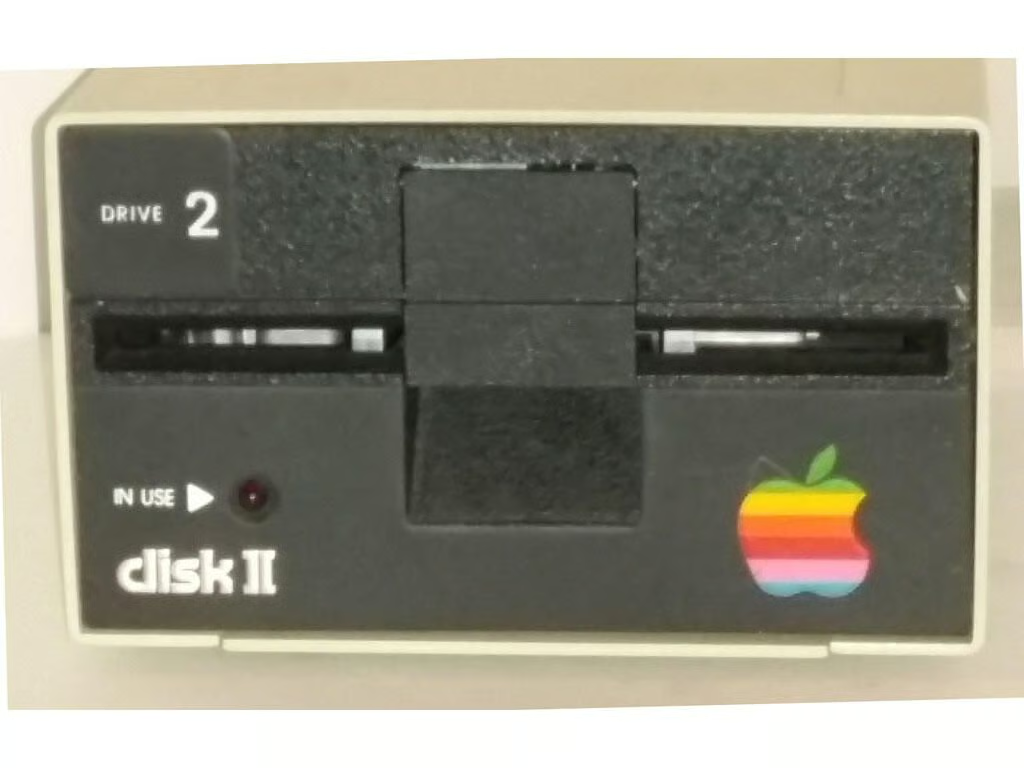
    Disk II

    The popular Disk II unit did not ship until after the Apple II shipped in 1977. Here’s a close-up view of one such drive. Users typically affixed Apple’s rainbow logo sticker to the bottom right corner.

    Image: Evan Koblentz\/TechRepublic
  • apple-ii-koblentz.jpg

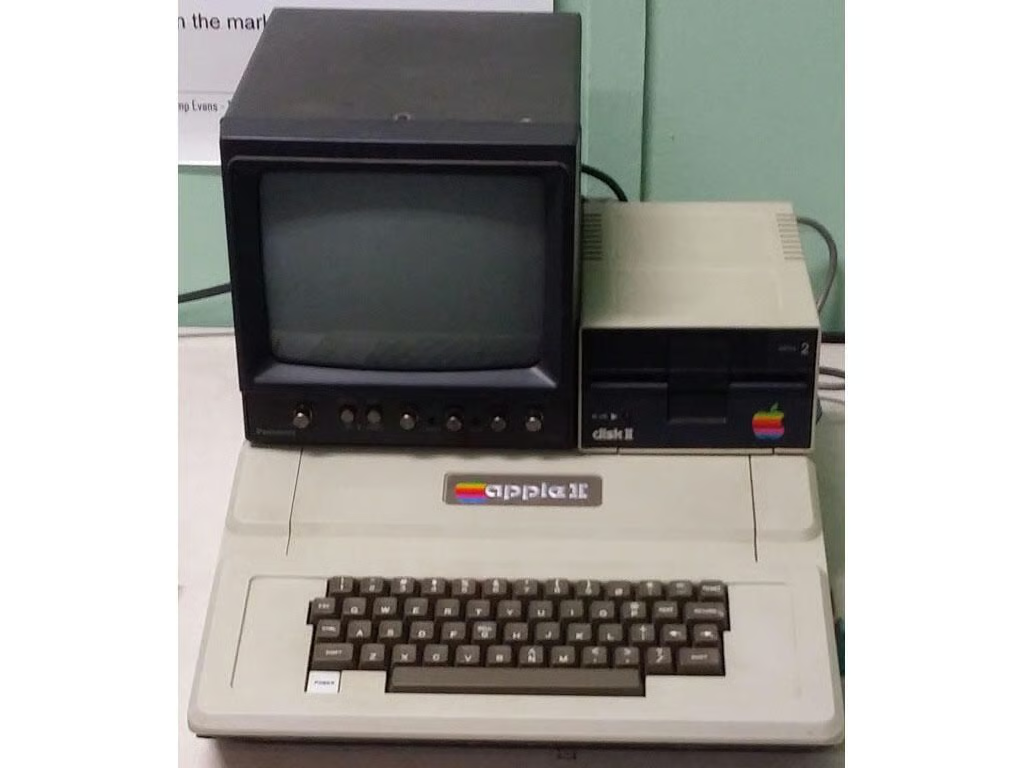
    Apple II

    Here you can see a Disk II in its most common configuration — the computer’s top lid is perfectly sized to hold a small TV and the floppy drive. Later, when Apple introduced a proper monitor, users began stacking drives to the side of the computer or just sandwiched between the computer and monitor.

    Image: Evan Koblentz\/TechRepublic
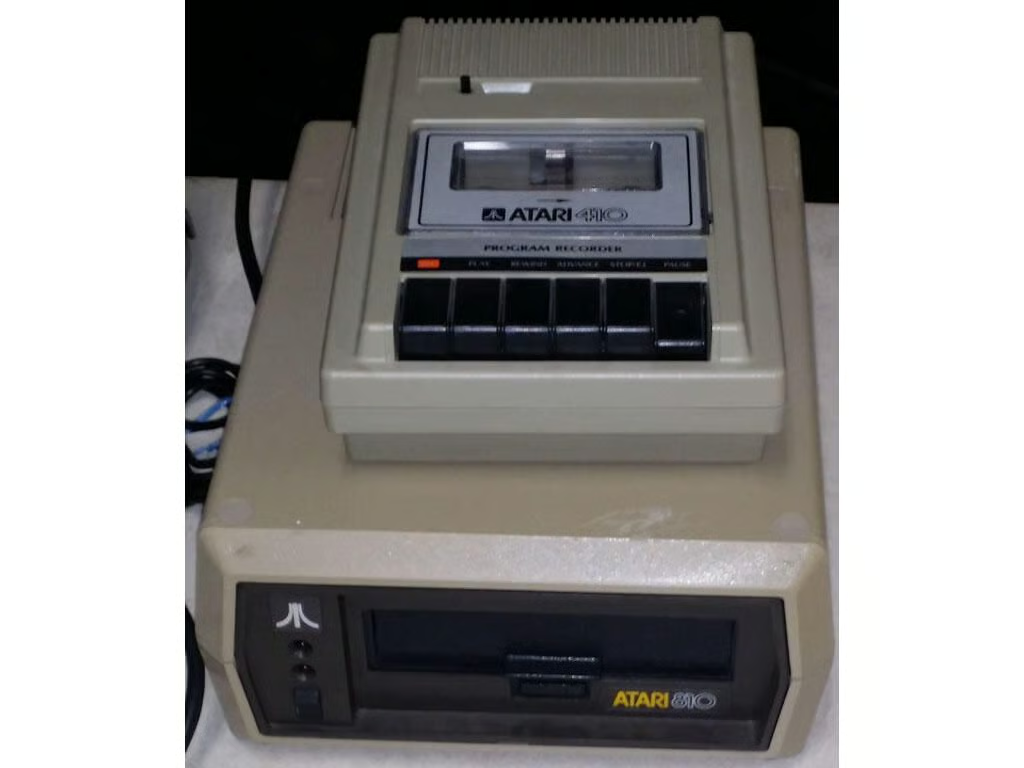
  • ataridrives_koblentz.jpg

    Atari tape drive and floppy drive

    Atari is famous for its 2600 video game console, but they also made a series of microcomputers. The Atari 800 was one of their best sellers. Cassette and floppy drives were available.

    Image: Evan Koblentz\/TechRepublic
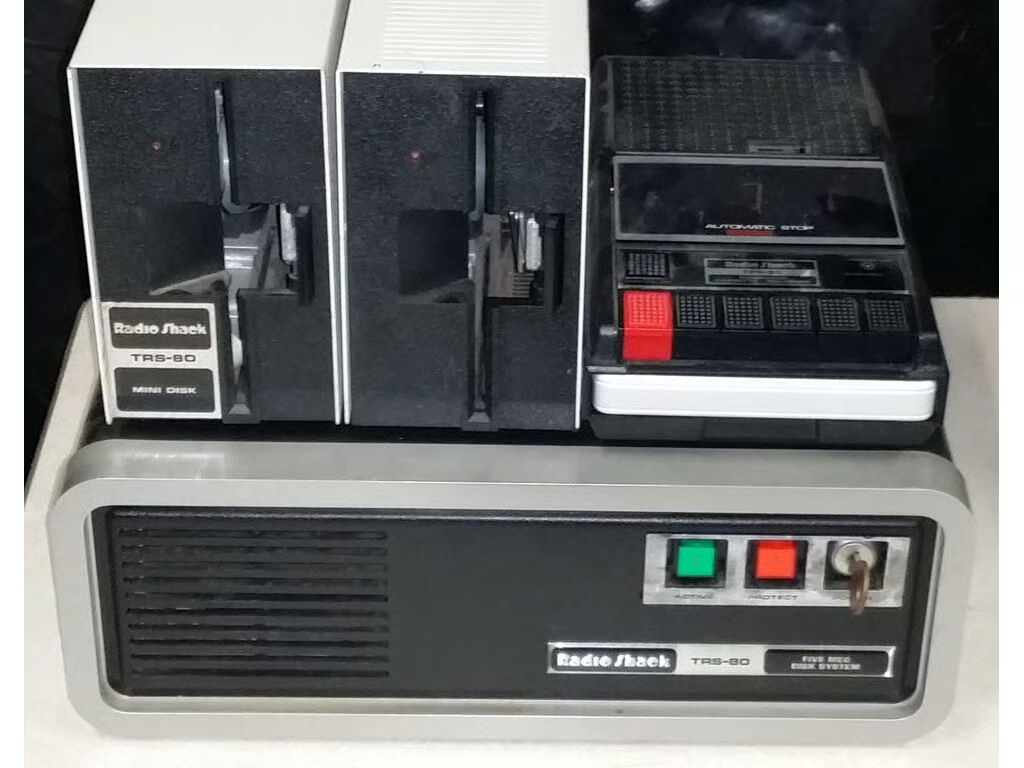
  • Tandy-Radio Shack drive assortment

    There were many storage options for the Tandy-Radio Shack TRS-80 computer series. This photo shows dual floppy disk drives, a tape drive, and the very rare 5-megabyte hard disk.

    Image: Evan Koblentz\/TechRepublic
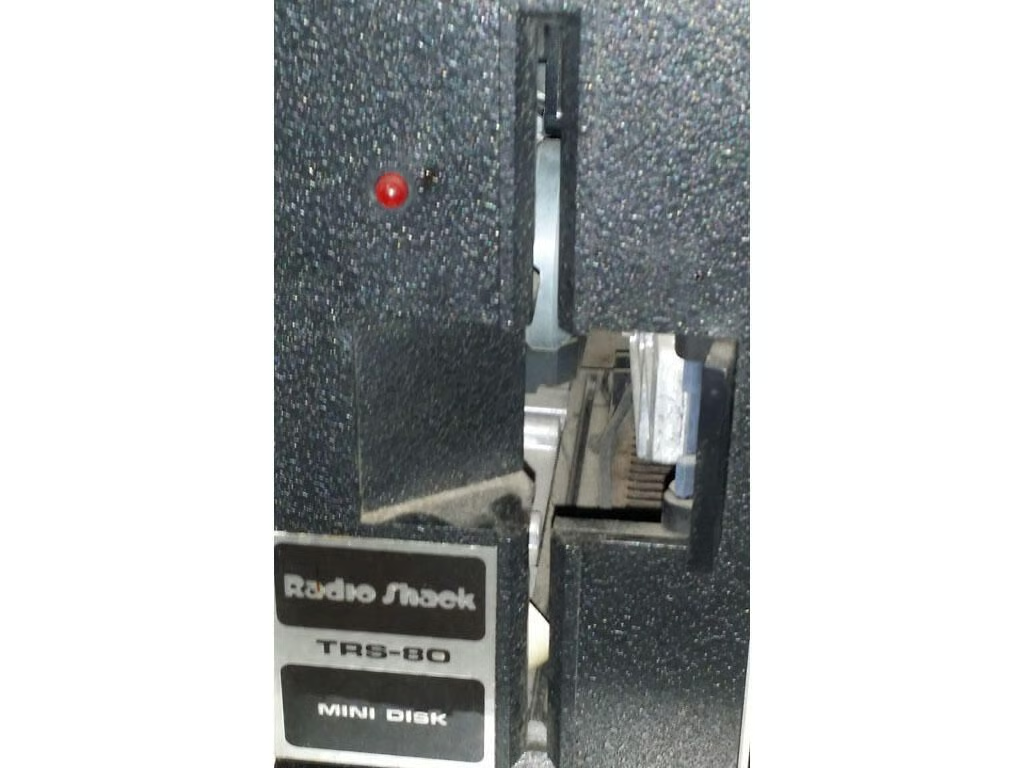
  • trs-floppy-detail-koblentz.jpg

    Tandy-Radio Shack floppy drive

    The floppy disk drive had a nice texture. Take a peek at the insides.

    Image: Evan Koblentz\/TechRepublic
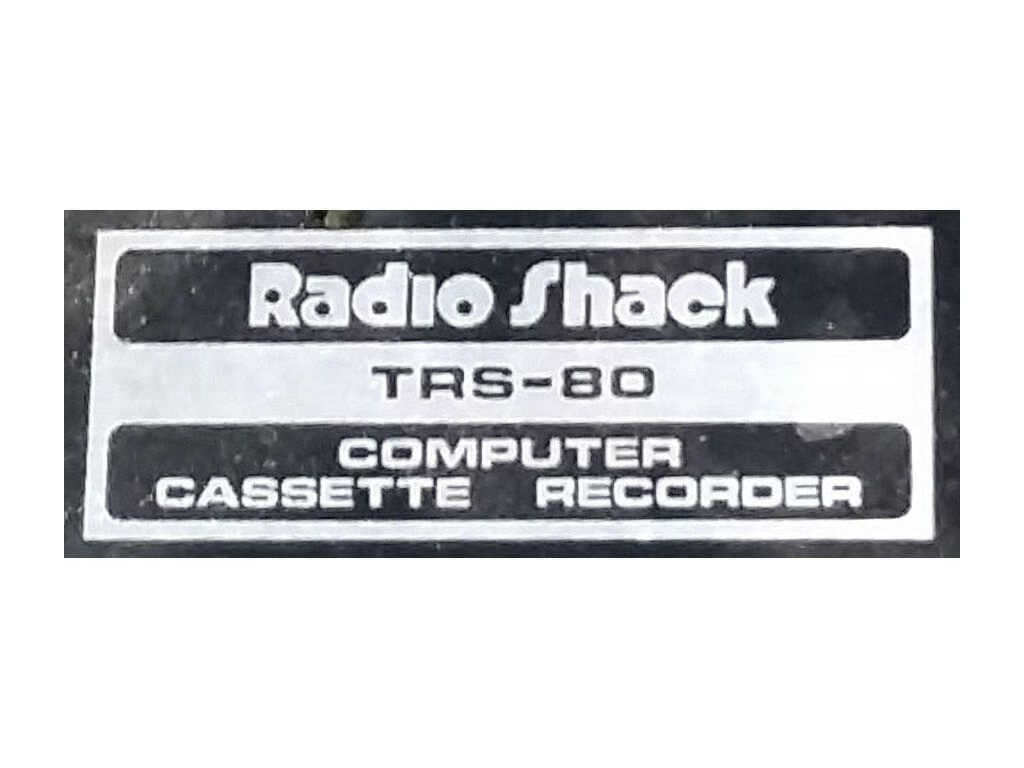
  • trs-cassette-detail-koblentz.jpg

    Tape drive label

    Sometimes a close-up photograph of the label says it all.

    Image: Evan Koblentz\/TechRepublic
  • trs-hd-detail-koblentz.jpg

    Tandy-Radio Shack hard disk controls

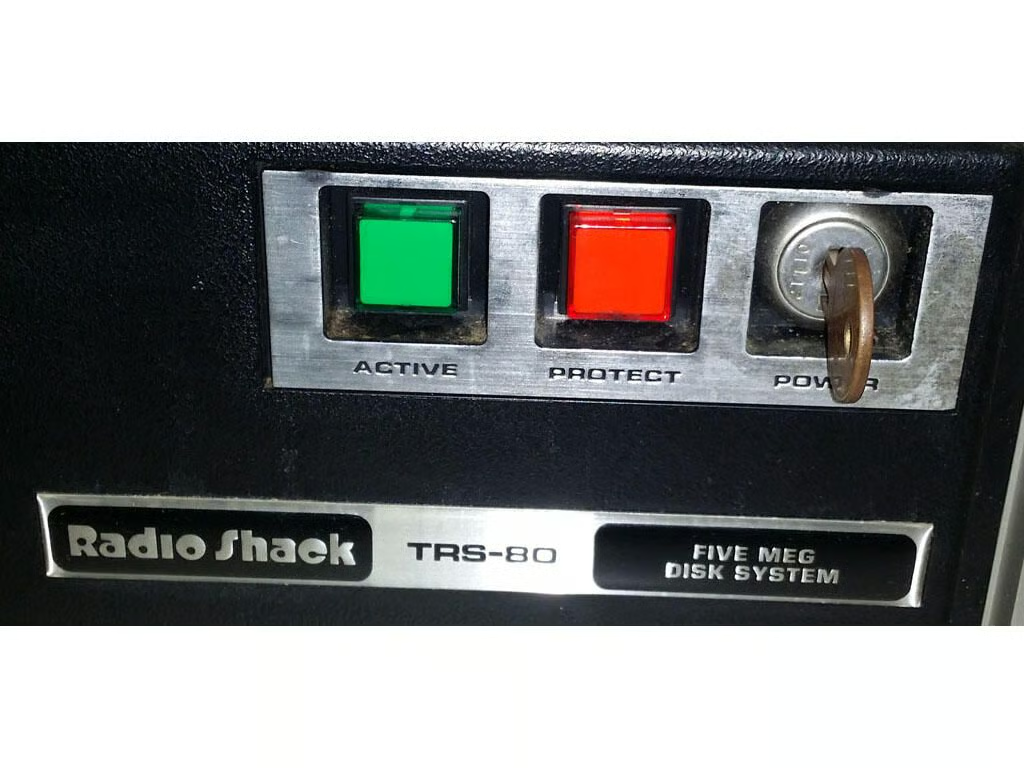
    If you’re younger than 40, you probably never saw an external hard disk requiring a key.

    Image: Evan Koblentz\/TechRepublic
  • MicrosoftBASICpapertape_Koblentz.jpg

    Microsoft BASIC paper tape

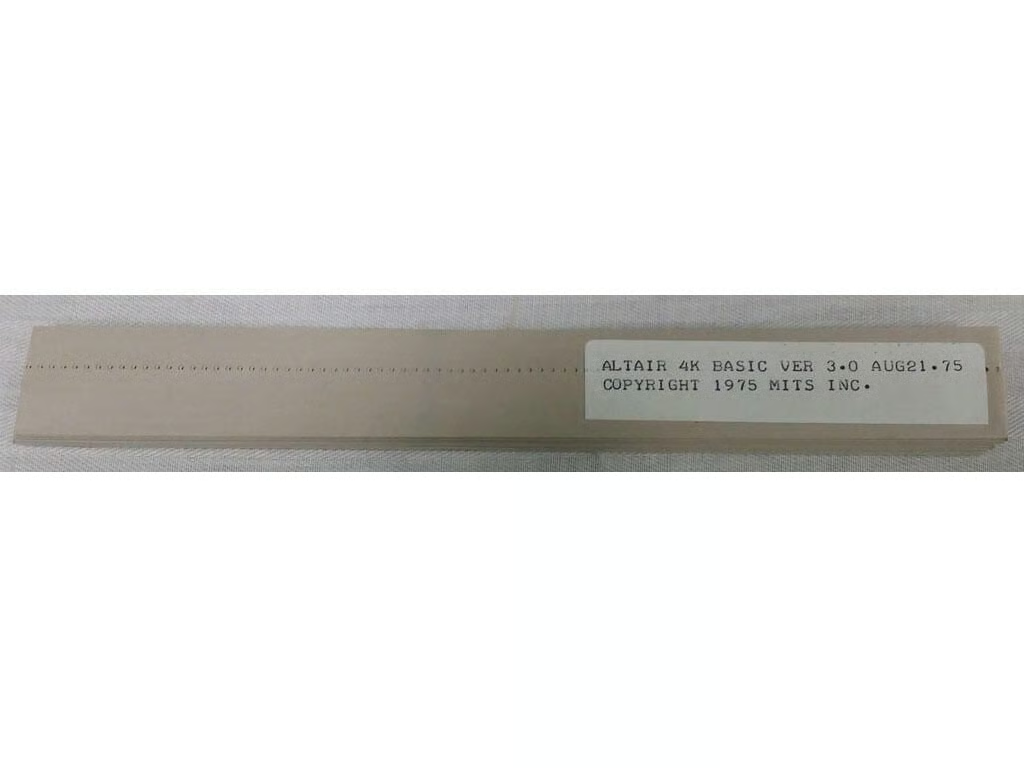
    Dartmouth University professors wrote the BASIC programming language in the mid-1960s. A decade later, Harvard undergrads Paul Allen and Bill Gates ported it to the Altair 8800 microcomputer. They sold it on paper tape, so most people just copied it, leading to Gates’ infamous “Open letter to hobbyists.”

    Image: Evan Koblentz\/TechRepublic
  • MicrosoftBASICwithAltair_Koblentz.jpg

    Microsoft BASIC with Altair

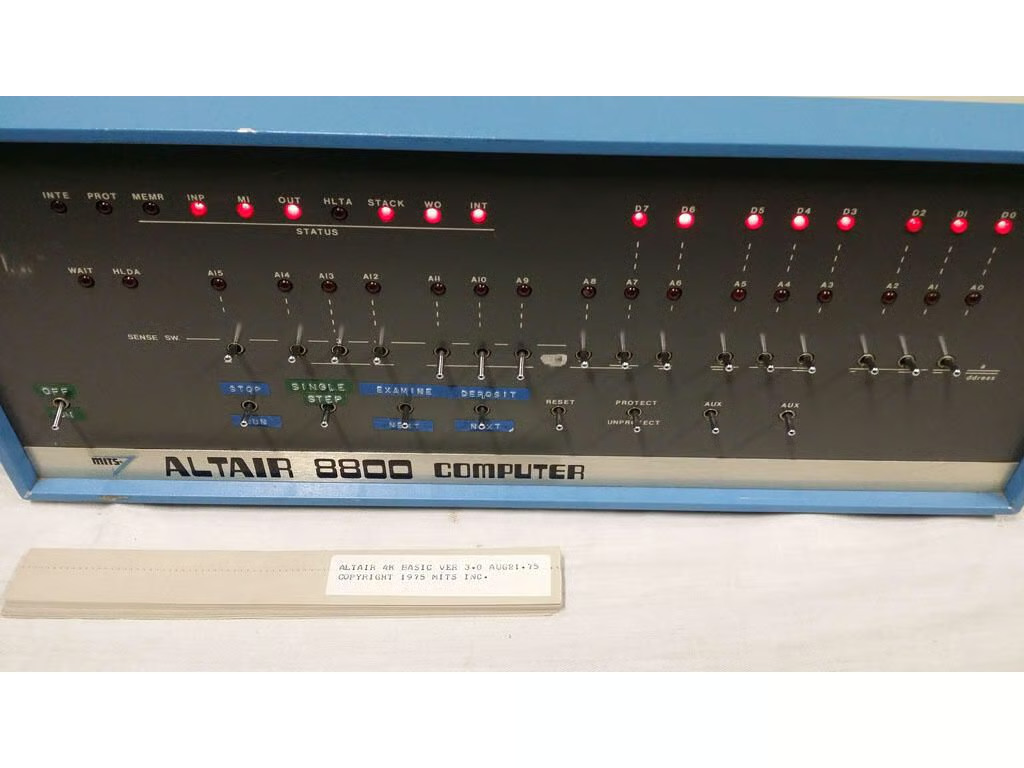
    Here’s the same paper tape with an Altair 8800. The computer was the work of an electronics and hobby company in New Mexico called M.I.T.S. — Micro Instrumentation and Telemetry Systems. Contrary to popular lore, it wasn’t the “first” personal computer, just the most popular of its era.

    Image: Evan Koblentz\/TechRepublic
  • imsai_koblentz.jpg

    IMSAI 8080 and floppy drives

    IMS Associates Inc. — IMSAI — made the IMSAI 8080 as a clone of the Altair. It became famous eight years later as the system Matthew Broderick’s David Lightman used in his bedroom to almost start World War III in the film WarGames. A rare accessory: third-party dual 8-inch floppy drives.

    Image: Evan Koblentz\/TechRepublic
  • z-2h-koblentz.jpg

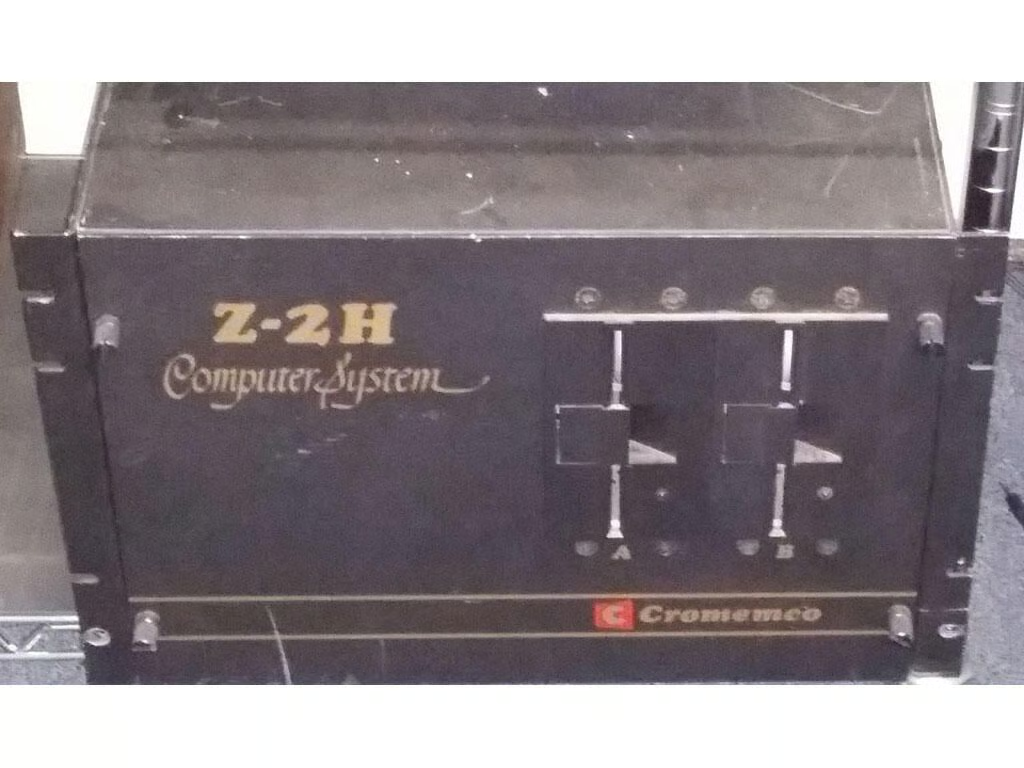
    Cromemco 2-ZH with drives

    Cromemco, like M.I.T.S. and IMSAI, made microcomputers using the S-100 bus. You access this system entirely through a teletype or electronic terminal — that’s why there is no front panel, making the computer look like it’s nothing but a dual 8-inch floppy drive unit.

    Image: Evan Koblentz\/TechRepublic
  • decrainbow_koblentz.jpg

    DEC Rainbow with a unique drive

    Digital Equipment Corp. (DEC) is known for its minicomputers of the 1960s and 1970s. “Mini” meant smaller than a mainframe. DEC also made the Rainbow microcomputer in the 1980s. Its 5.25-inch drive is unique. Rather than having two separate drives, it uses a single mechanism for the top and bottom disks.

    Image: Evan Koblentz\/TechRepublic
  • smc-70-koblentz.jpg

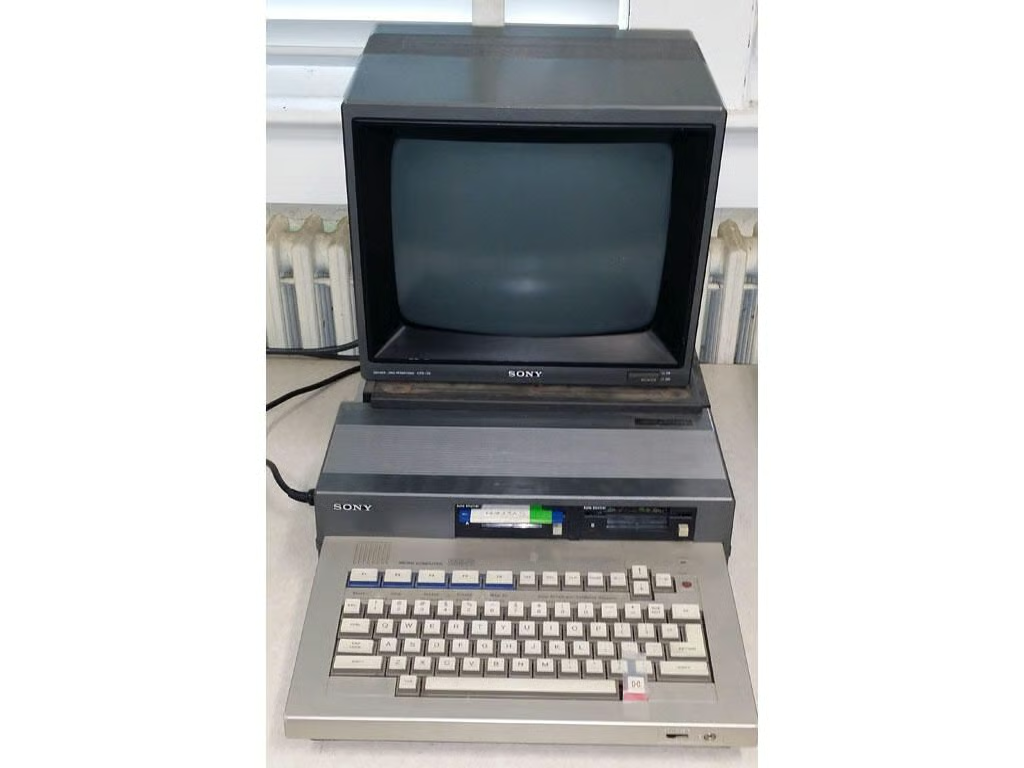
    Sony SMC-70

    Sony invented the 3.5-inch floppy disk, and its computer was the first to ship with it.

    Image: Evan Koblentz\/TechRepublic
  • smc-detail-koblentz.jpg

    Sony SMC-70 close-up

    Take a detailed look at some of the earliest 3.5-inch floppy drives you could buy.

    Image: Evan Koblentz\/TechRepublic
  • IBM5110_Koblentz.jpg

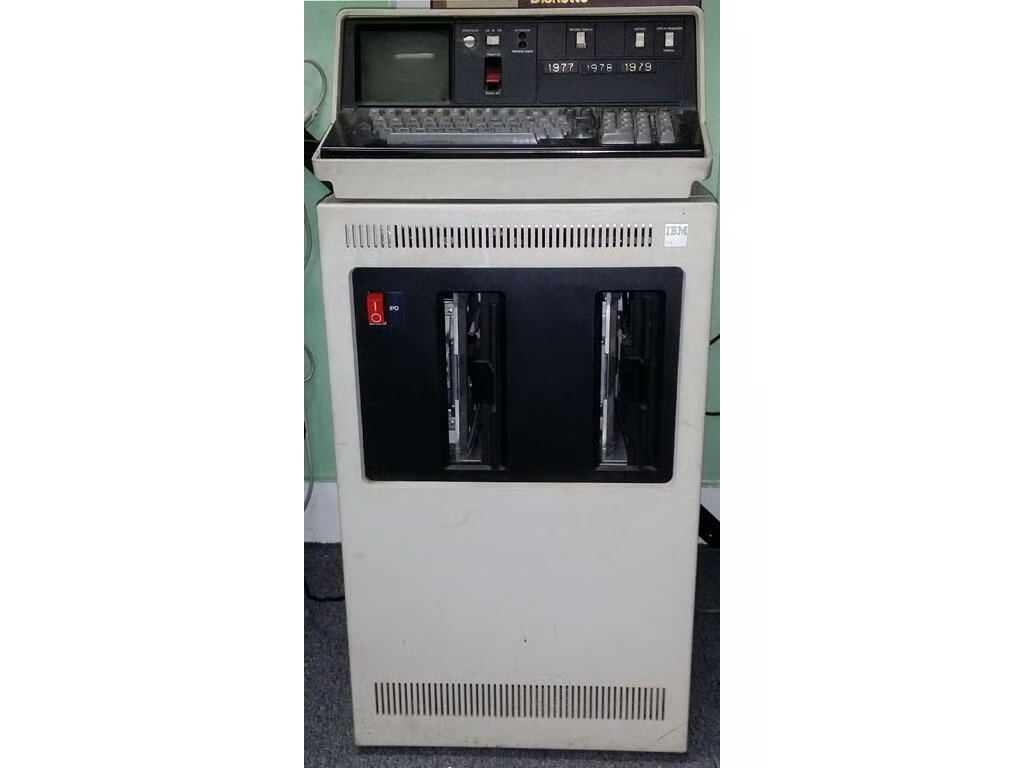
    IBM 5110 and drives

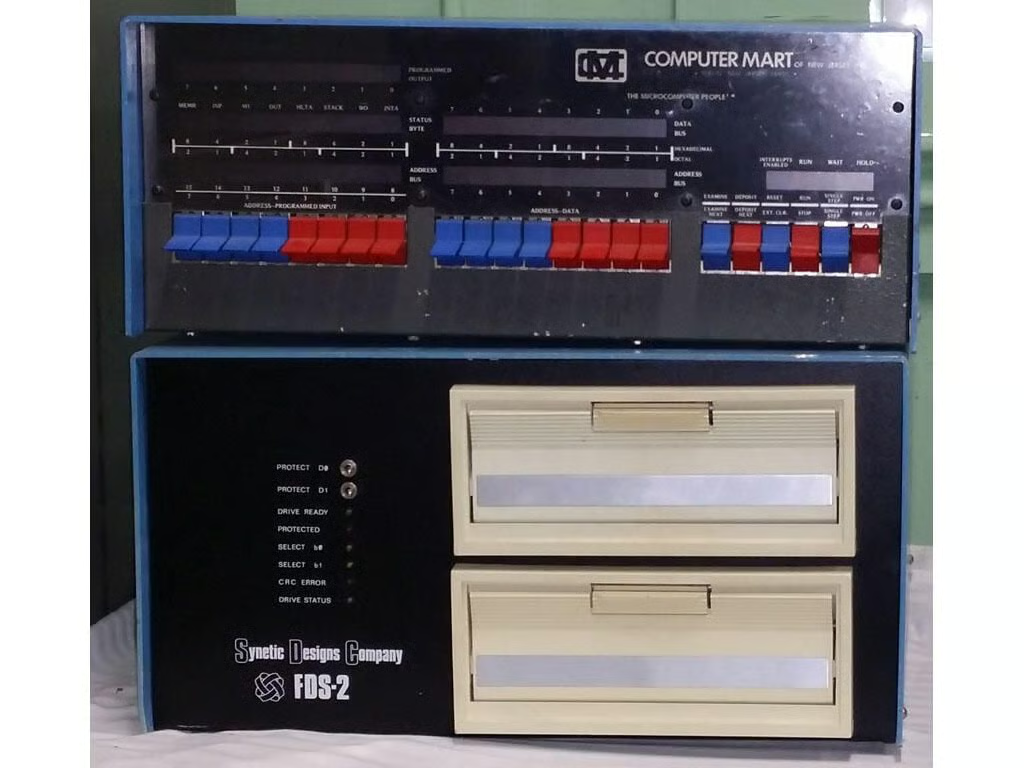
    It wasn’t just Altair, Apple, and their ilk building microcomputers in the middle of the 1970s; large corporations such as HP and IBM built them too, but theirs were exponentially more expensive and were marketed to businesses. This is an IBM 5110 on top, which is dwarfed by its dual 8-inch floppy drive cabinet on bottom.

    Image: Evan Koblentz\/TechRepublic
  • tu80-and-rlo2-koblentz.jpg

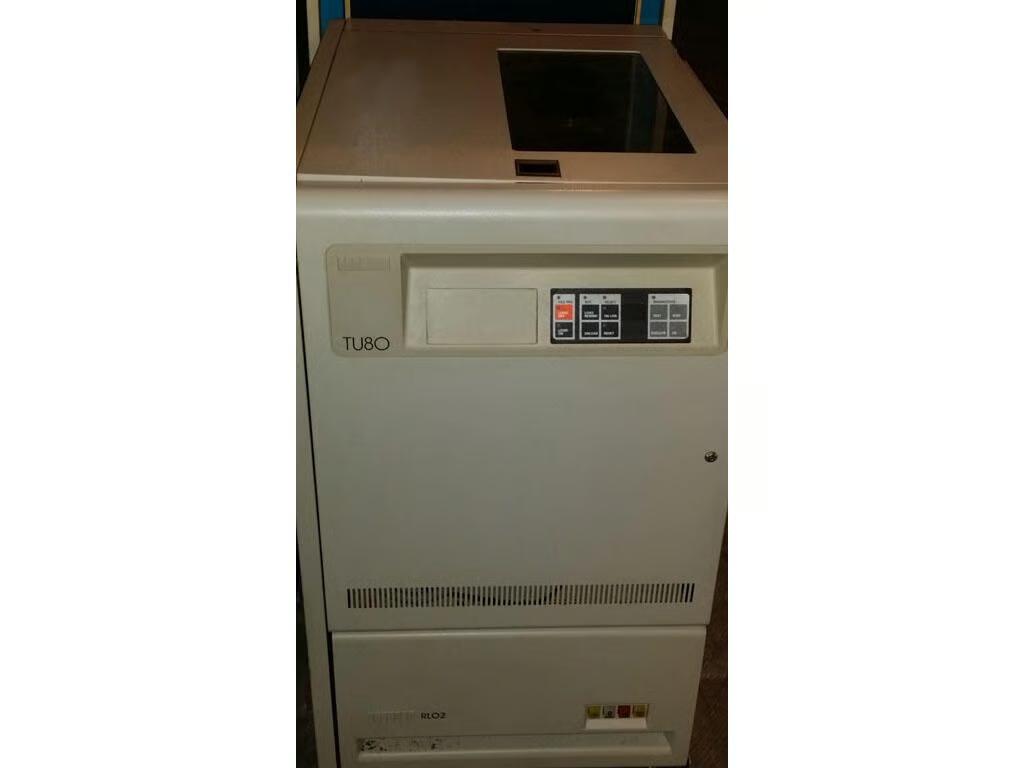
    DEC TU80

    Ever hear of a washing machine drive? This unit and others like it were so named because of their shape, noise, and tendency to excessively vibrate. Another DEC unit is the RLO2 below it in the same rack. The RLO2 slides open from the front and you’d insert a disk pack, not unlike putting a CD or DVD into its tray. The differences are disk packs weigh about 10 pounds and are mechanical.
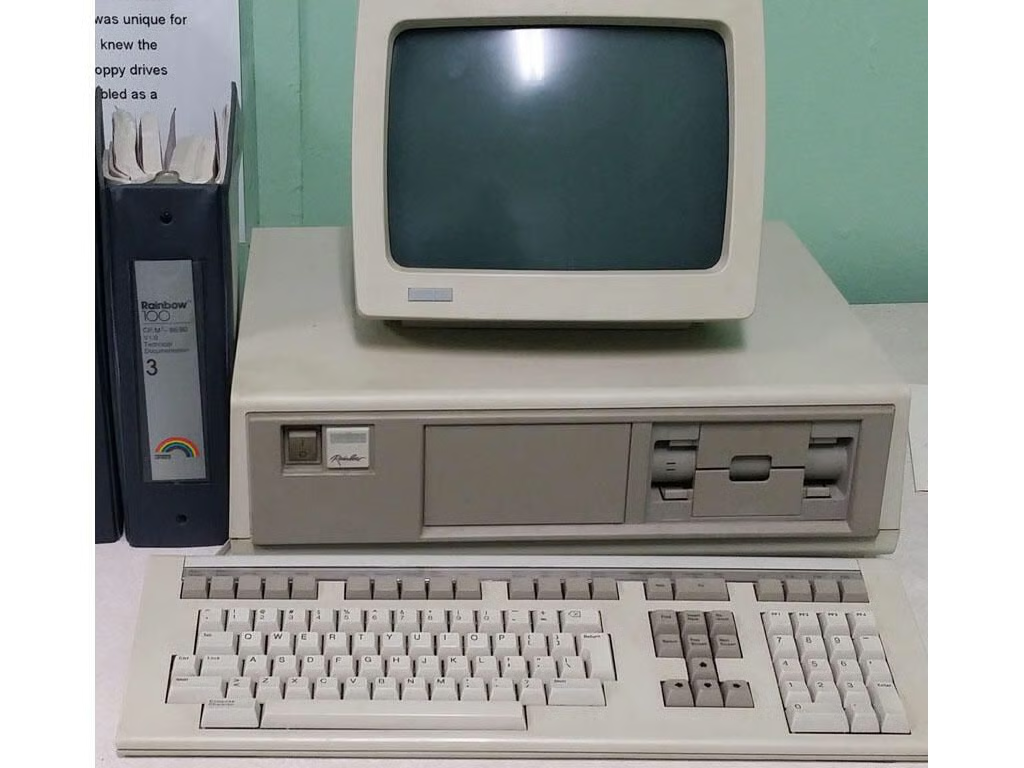
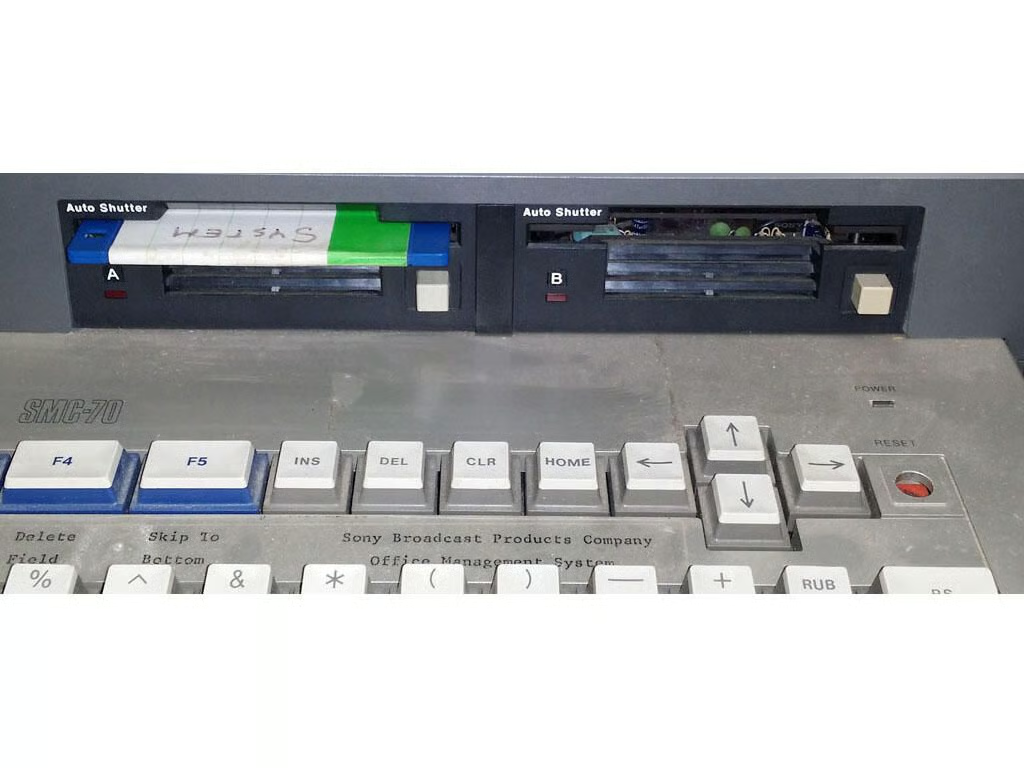
    Image: Evan Koblentz\/TechRepublic
  • rlo2-faults-koblentz.jpg

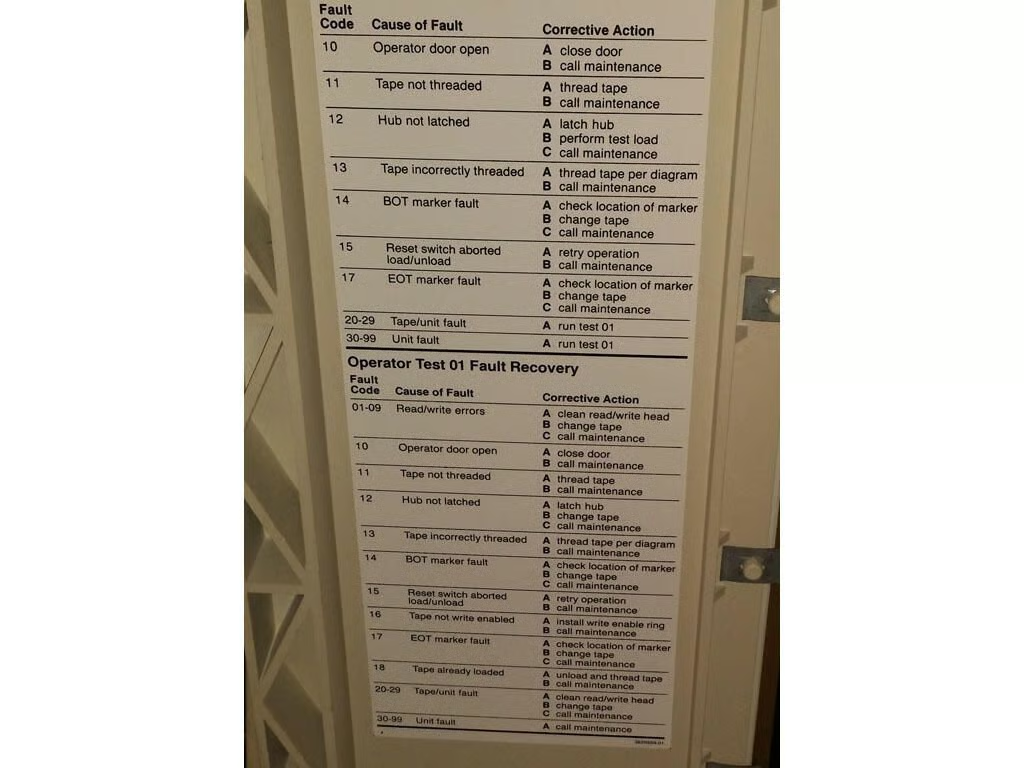
    TU50 fault codes

    Something’s wrong with your DEC TU58 drive? Consult the handy fault codes listed under the top cover.

    Image: Evan Koblentz\/TechRepublic
  • DEC dual 8-inch floppies

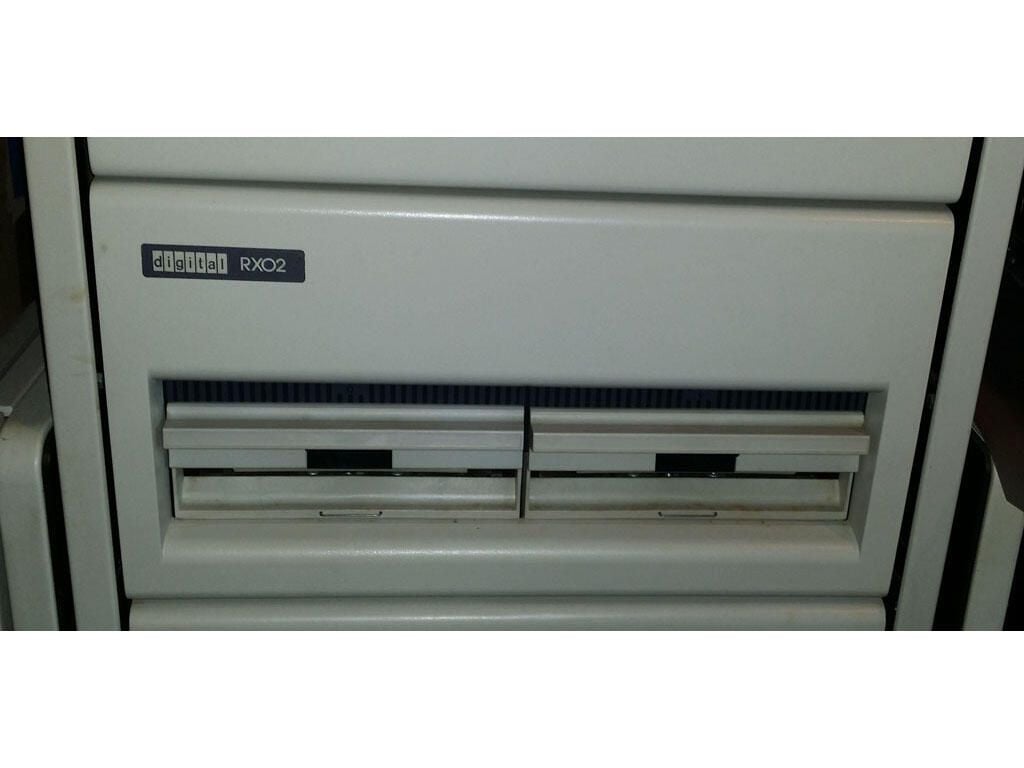
    DEC had many drives available. This one is the model RXO2 dual 8-inch floppy unit.

    Image: Evan Koblentz\/TechRepublic
  • IBMModel29keypunch_Koblentz.jpg

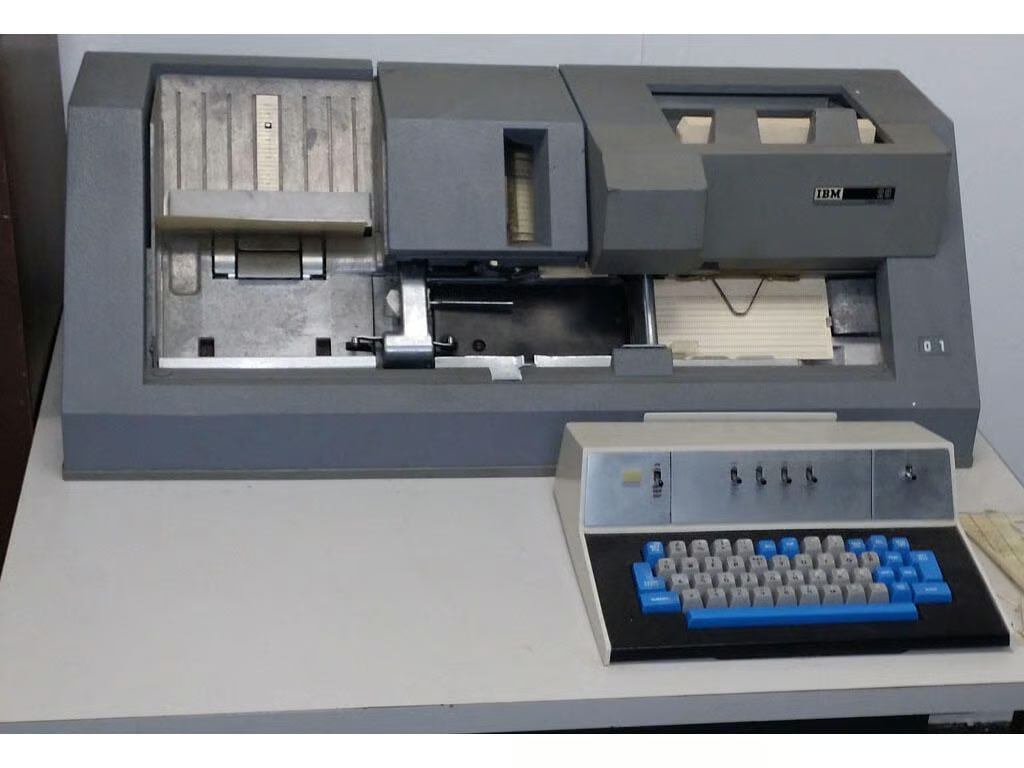
    IBM Model 29 keypunch

    Punch cards were the dominant mainframe storage method for many decades. The IBM model 29 keypunch machine is one of the stalwarts.

    Image: Evan Koblentz\/TechRepublic
  • IBMModel29label_Koblentz.jpg

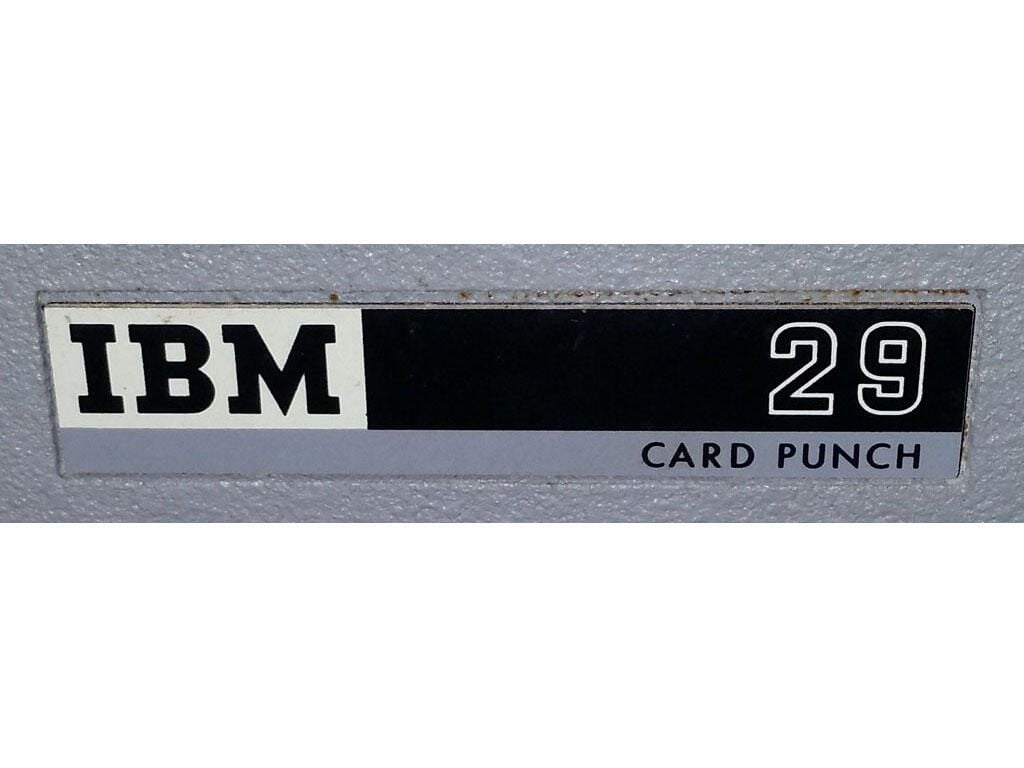
    IBM Model 29 label

    They just don’t make computer component labels like they used to!

    Image: Evan Koblentz\/TechRepublic
  • IBMModel29card_Koblentz.jpg

    IBM Model 29 card

    Wrapping a card in this position tells the machine to set up fields, allow shifting, and duplicate data from the previously punched card.

    Image: Evan Koblentz\/TechRepublic
  • bendixg15_koblentz.jpg

    Bendix G-15 tape drive

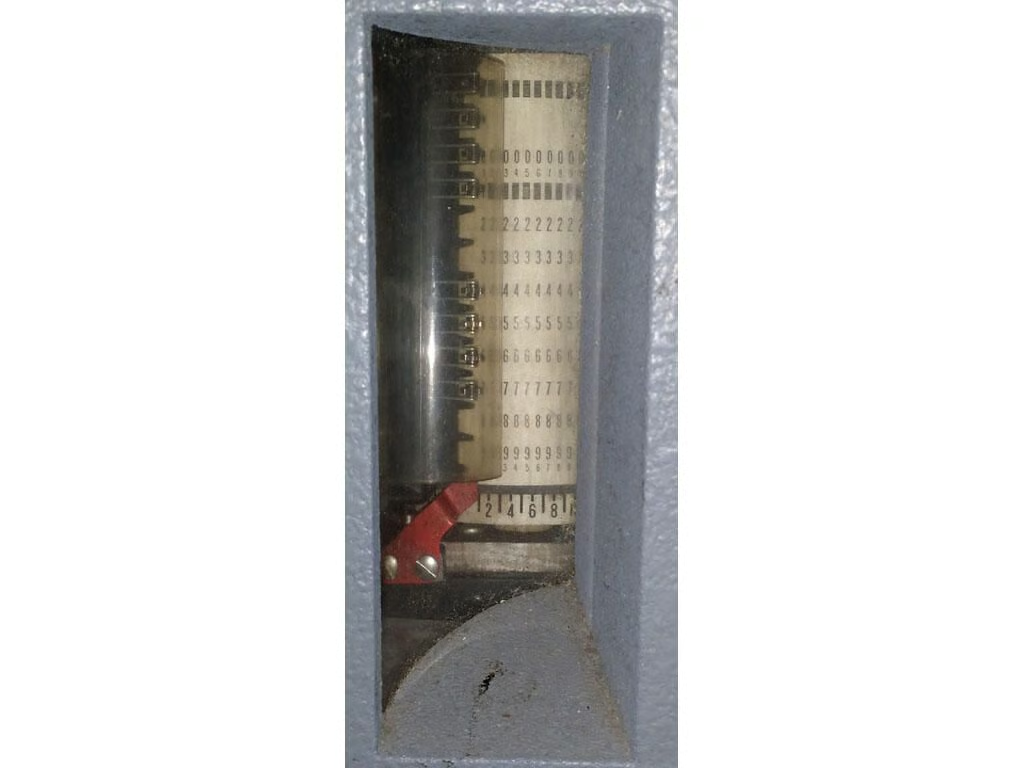
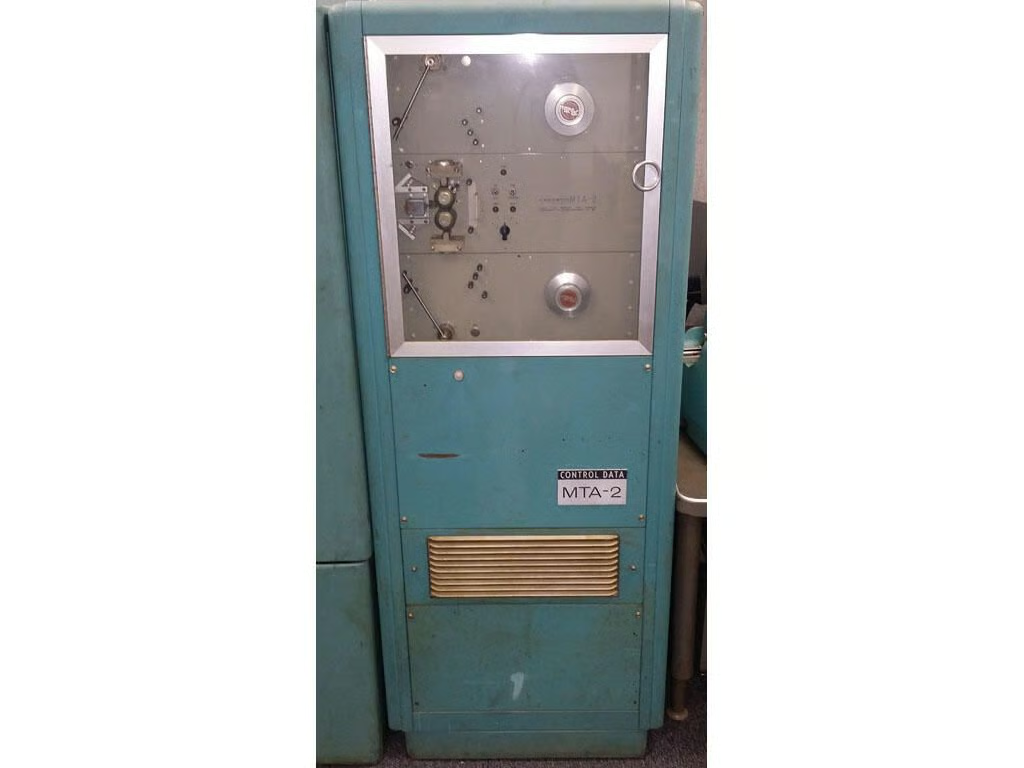
    This tape drive attaches to a Bendix G-15 vacuum tube mainframe, circa 1956. The original user of this particular unit leased it for eight years, after which it went back to Bendix. Around that time Control Data Corp. (CDC) acquired Bendix. As such, CDC relabeled this unit and sent it to the next customer down the line.

    Image: Evan Koblentz\/TechRepublic
  • univac-koblentz.jpg

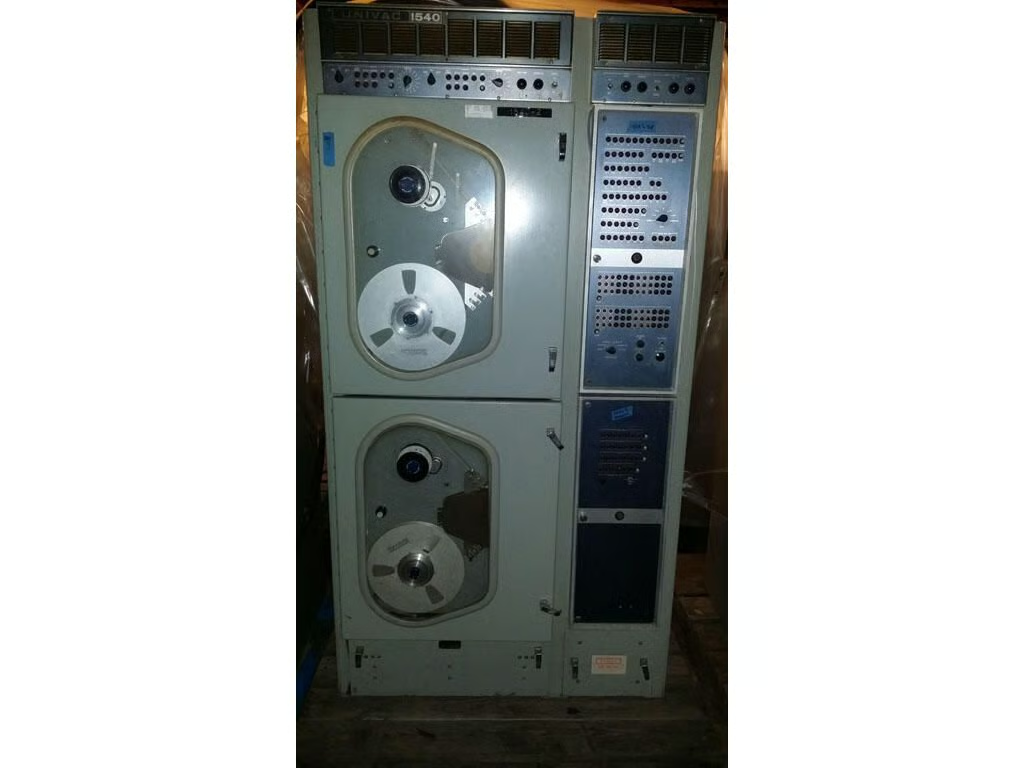
    UNIVAC 1540

    The UNIVAC 1540 unit, from the mid-1960s, weighs about 1,000 pounds and holds two seven-track, seven-megabyte tape drives. It connects to model 1219-B mainframe intended to reside on a U.S. Navy battleship.

    Image: Evan Koblentz\/TechRepublic
1 of 29
Evan Koblentz

Evan became a technology reporter during the dot-com boom of the late 1990s. He published a book, "Abacus to smartphone: The evolution of mobile and portable computers" in 2015 and is executive director of Vintage Computer Federation, a 501(c)3 non-profit organization. His vices include running and Springsteen.