From designing hotel rooms to on-the-go fitness apps, tech is making its way to all sectors of traveling and the tourism industry. Here are 16 ways technology is making travel easier, safer, and more fun.
The technology behind person-to-person payment systems and apps has made its way to the travel sector in the form of Skyhour. In the app, people can gift skyhours, which are fixed at $60 for one hour in skytime. The recipient can redeem the skyhours on flights with over 350 international and domestic airlines.
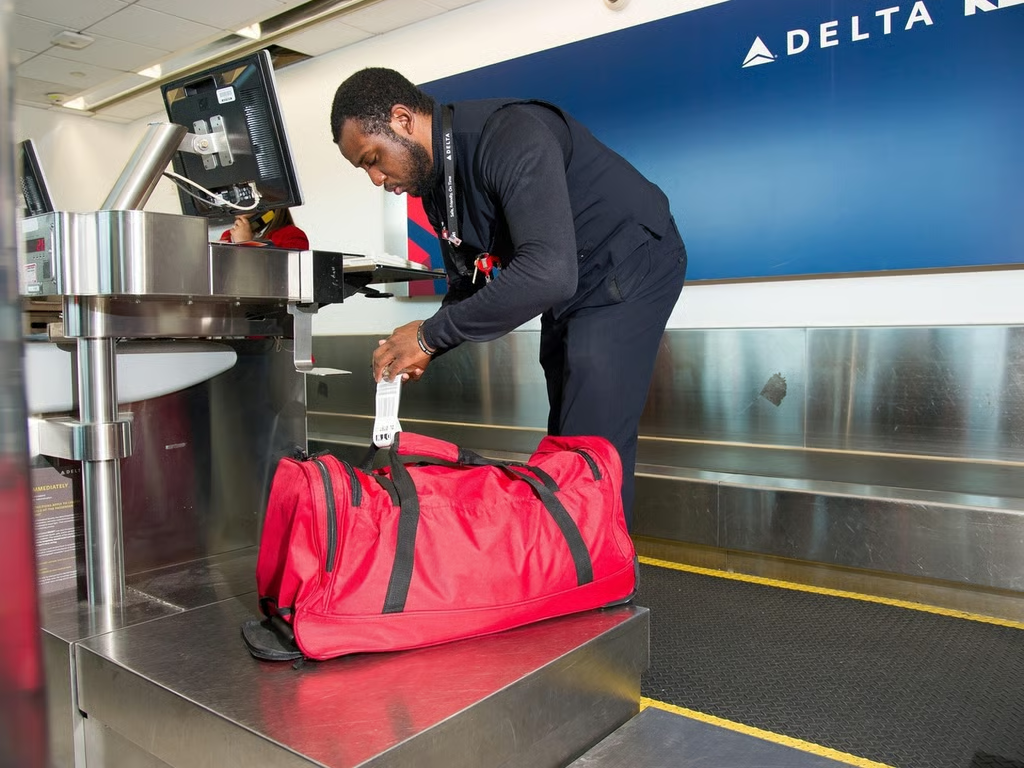
When using RFID technology in airline bag tags, airlines can automatically connect travelers and their luggage. Travelers can receive updates via text or an airline app to know when their bags are ready for pick up and where they’re located.
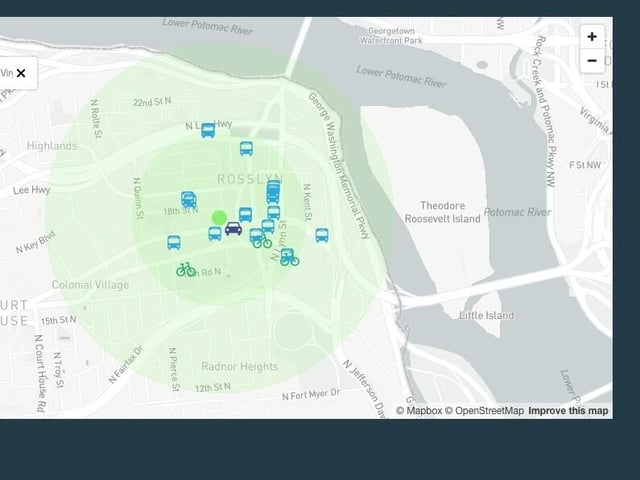
Hotel accessibility can be a key part of planning a vacation, especially when you’ll be staying in a big city where a rental car might not be an option. MobilityScore is a website that helps determine how accessible your hotel is by train, bus, or other form of transportation. It can help unfamiliar business travelers pick the hotel closer to the metro stop, and it can also show how close your transportation options are once you’ve arrived.
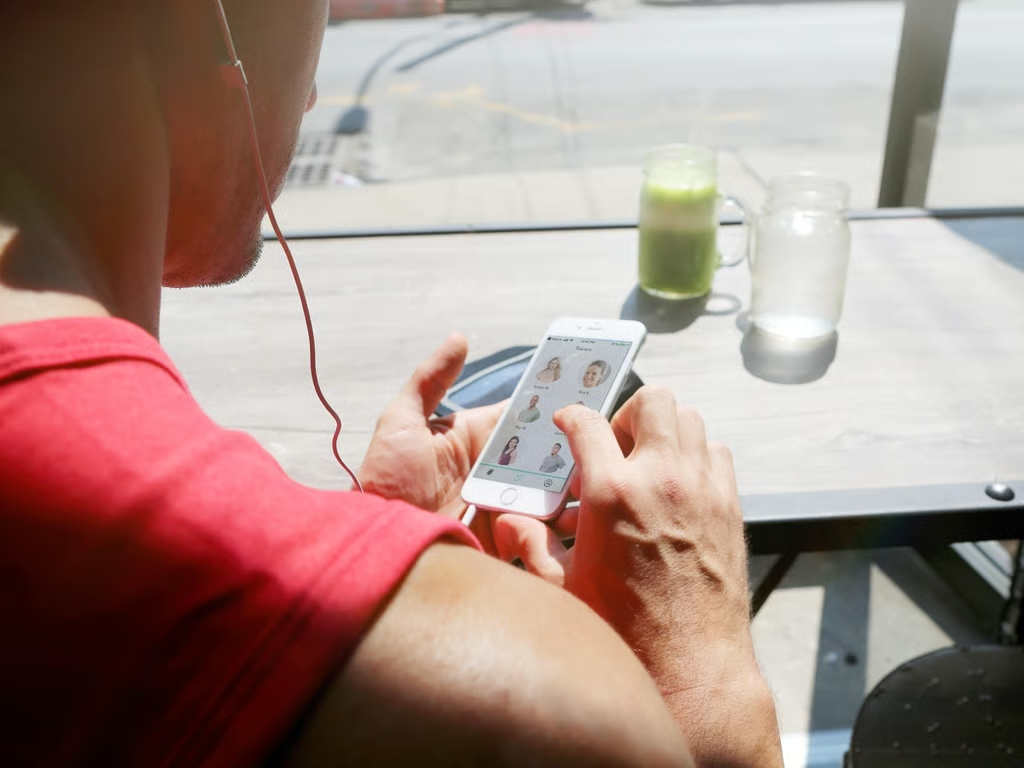
Traveling means being away from your home gym, but there are ways to stay fit while on the go. One option is Aaptiv, a subscription-based app full of audio fitness courses. Travelers can perform more than 2,500 courses in their hotel room or gym, or outside.
Apps that round up debit card purchases and save the change have grown in popularity in the past year, and now there is a round-up app for travel. FriendFund uses round-up transactions and direct deposits to help the user save money for future travel.
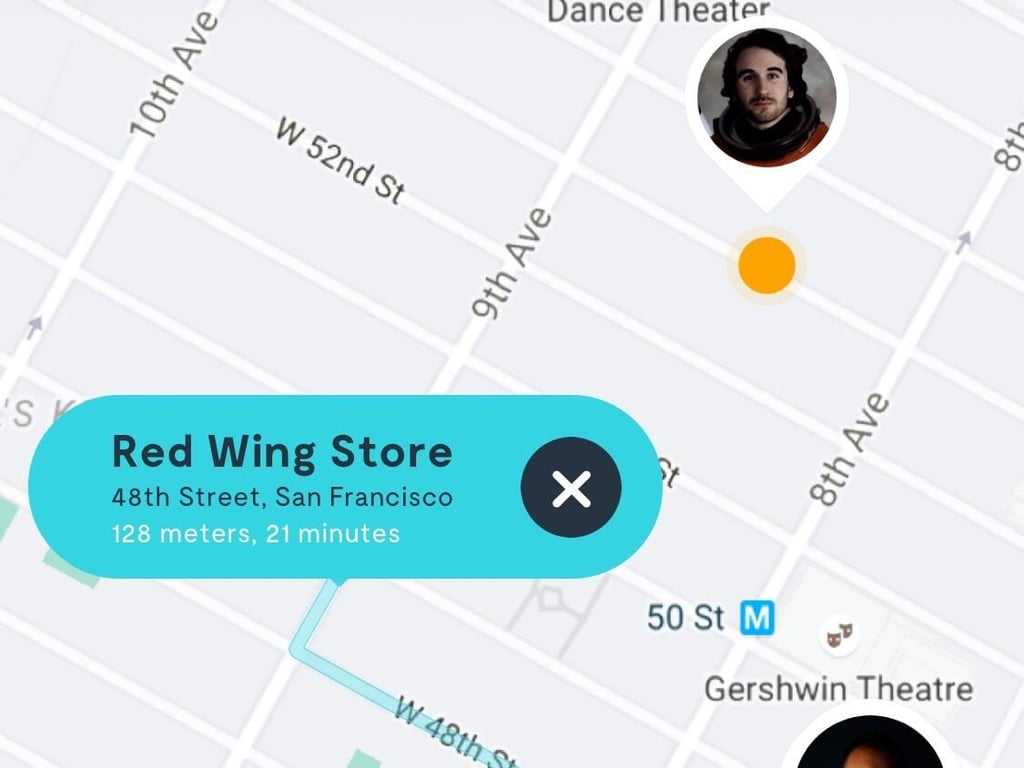
Tech is also being used to increase travelers’ safety. For example, the Wave app allows two or more people to share their location with each other for a predetermined amount of time. The locations are shown on a private map, so you can track down a friend or relative if you get separated while exploring a new city.
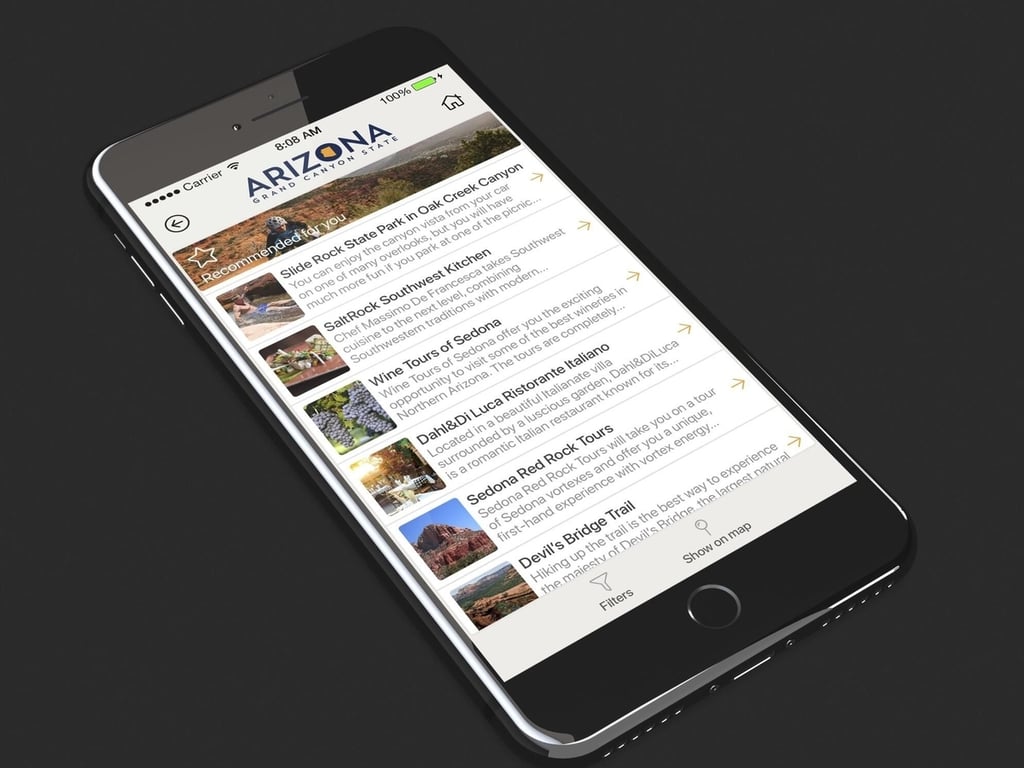
Technology is driving mobile apps that help travelers navigate a new area and avoid typical travel headaches. For example, the Visit Arizona app utilizes a user’s known behaviors and preferences to suggest things to do or smaller towns to discover without sifting through online reviews.
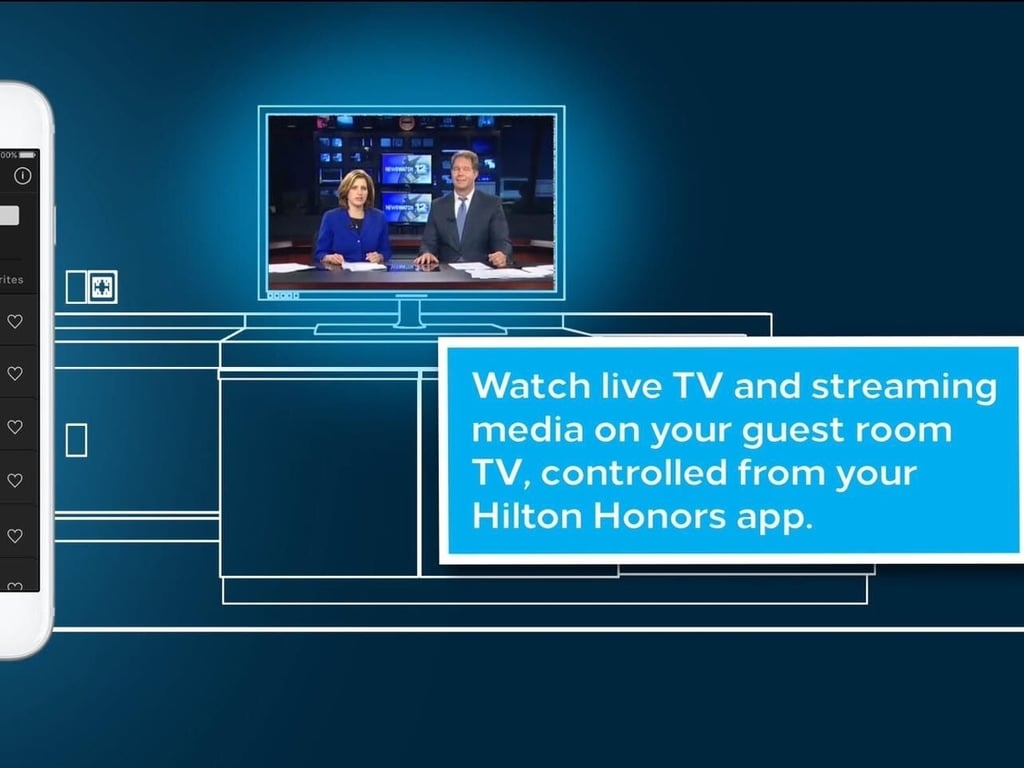
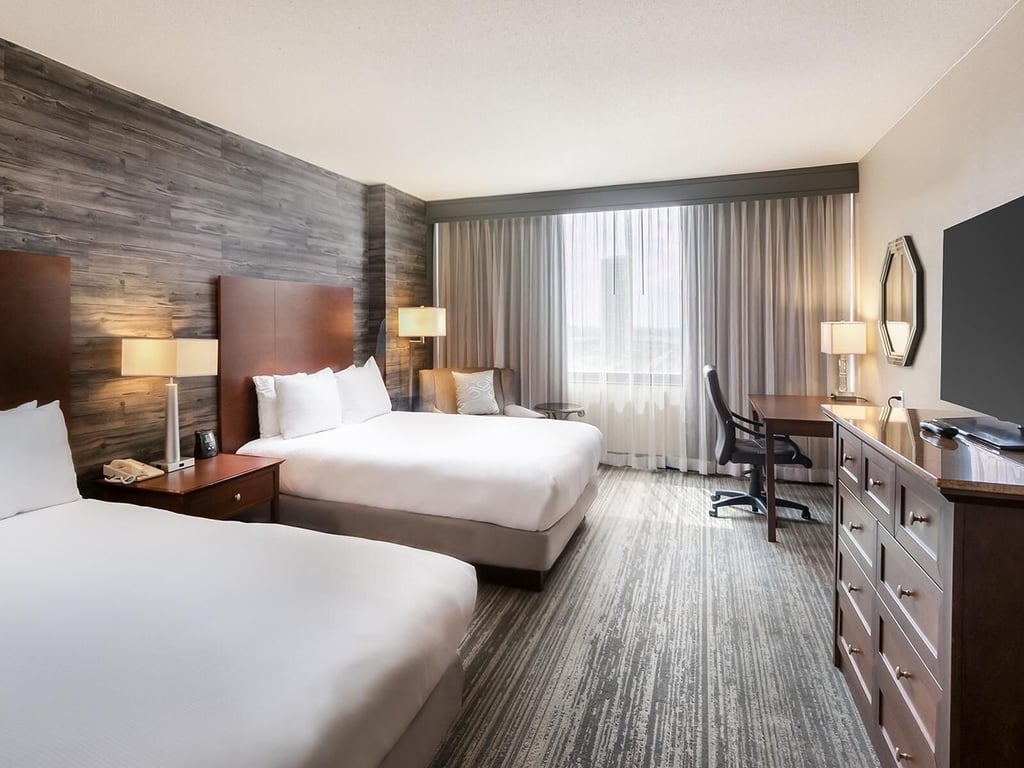
Guests can customize the Hilton Connected Room via an app, allowing them to adjust lighting and heat quickly. Guests can also hook up their streaming services to in-room devices to make themselves at home.
InterContinental Hotels Group (IHG) uses Amelia, a digital worker created by IPsoft, for some IT functions on their help desk. By using a virtual worker instead of a human, the team saves time and money as Amelia can handle thousands of services requests a month, according to IHG Director of Global IT Service Support Scot Whigham.
By using virtual reality (VR), Holiday Inn can test different furniture pieces and fabrics before creating a live environment. The process is more efficient than building several prototypes, and allows hotel owners to have more of a say in the design. Better thought-out hotel room designs could also make guests’ stay more comfortable.
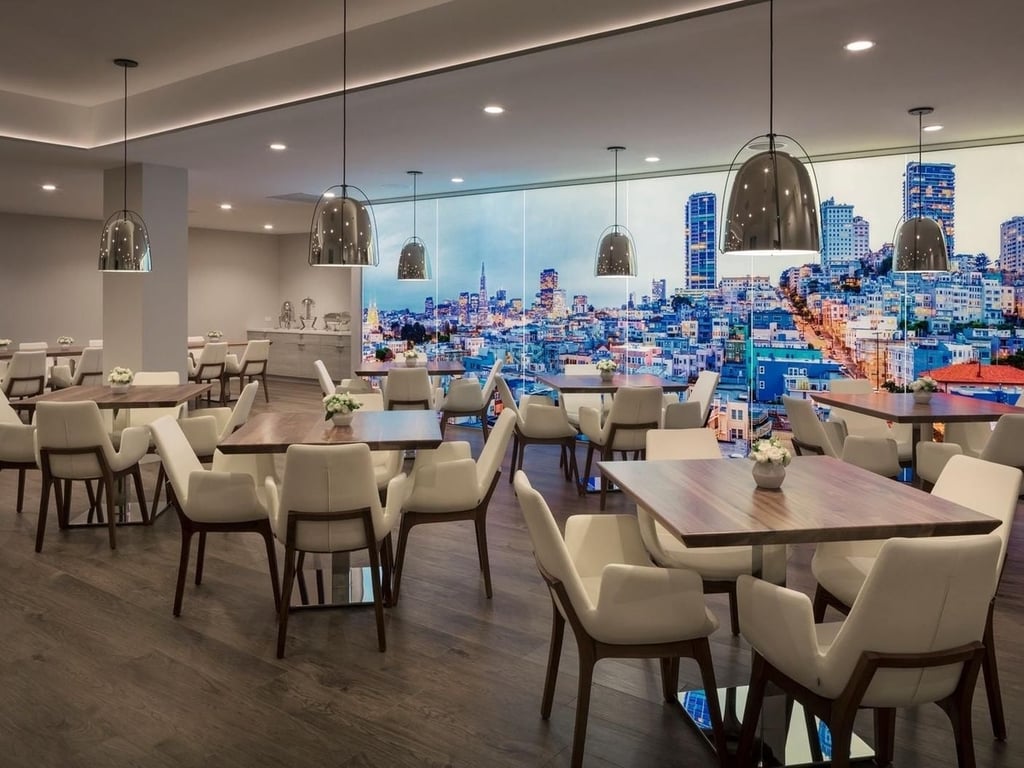
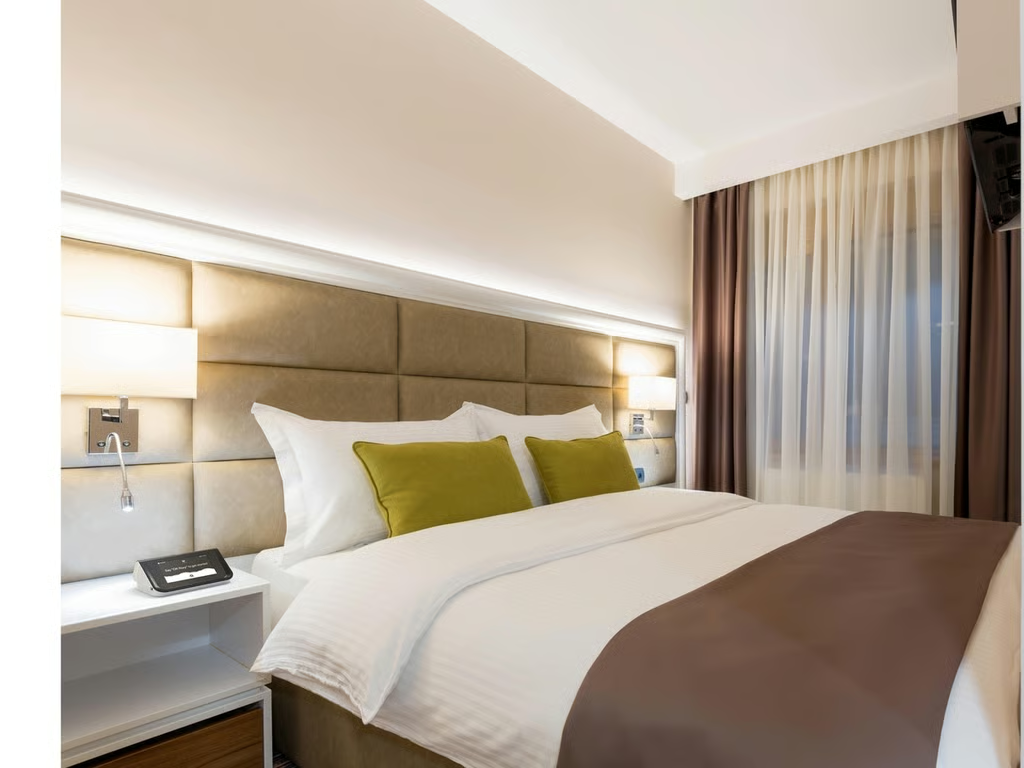
San Francisco’s Hotel VIA uses tech in a few ways to make guests’ stays more comfortable. Guests can use their phone as a room key, and a customized concierge app helps them plan their stay.
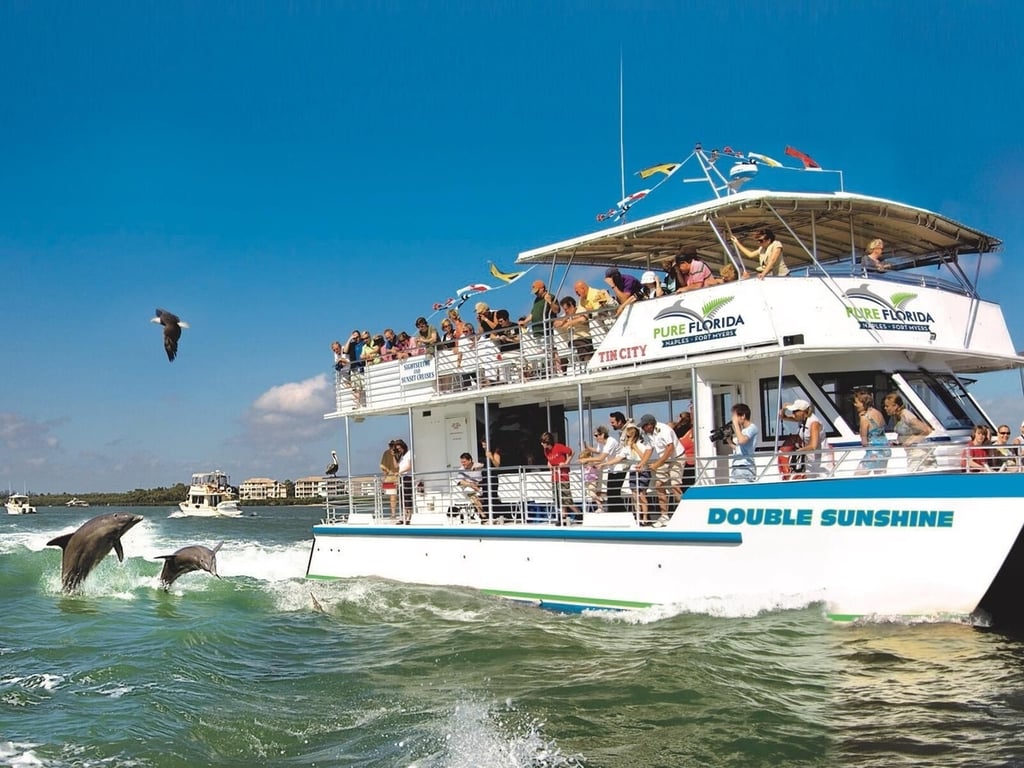
While technology is changing the way people travel, it is also impacting how those in the tourism industry market their products and services. Compared to print marketing, new online advertising methods are cheaper and easier to measure, CEO of Pure Florida Harry Julian said.
“Marketing technology has allowed us to measure the performance of our ads, be more nimble as a company to stop and pivot away from poor performing campaigns and test new ones,” Julian said. “We can fail fast thanks to digital marketing technology tools.”
For Kirk Pederson, president of San Francisco-based hotel management company Kokua Hospitality, smart TVs in hotel rooms can help guests stay connected and entertained on their trip.
“Giving guests the ability to seamlessly stream content, movies, music, their work from their personal devices onto our Samsung SmartTVs has completely changed the value and use of these amenities,” Pederson said.
San Francisco’s Axiom Hotel has offers a router in each guestroom, with each guest able to access free, secure, 15 mbps Wi-Fi. With more routers available, guests are more likely to be able to stay connected during their stay, especially important for business travelers.
Used at Vancouver hotel Hotel Blu, Roxy, a digital assistant, can provide much of the information in the standard hotel directory, including recommending things to do and basic hotel facts. Guests can also request fresh towels or room service through Roxy.
Travelers can check air quality data through Alltrails.com before booking a last second weekend trip or heading to a popular hike in the area.
Also see: