Photos: A look at NASA's discovery of Earth 2.0 - TechRepublic

Photos: A look at NASA’s discovery of Earth 2.0

  • kepler1.jpg

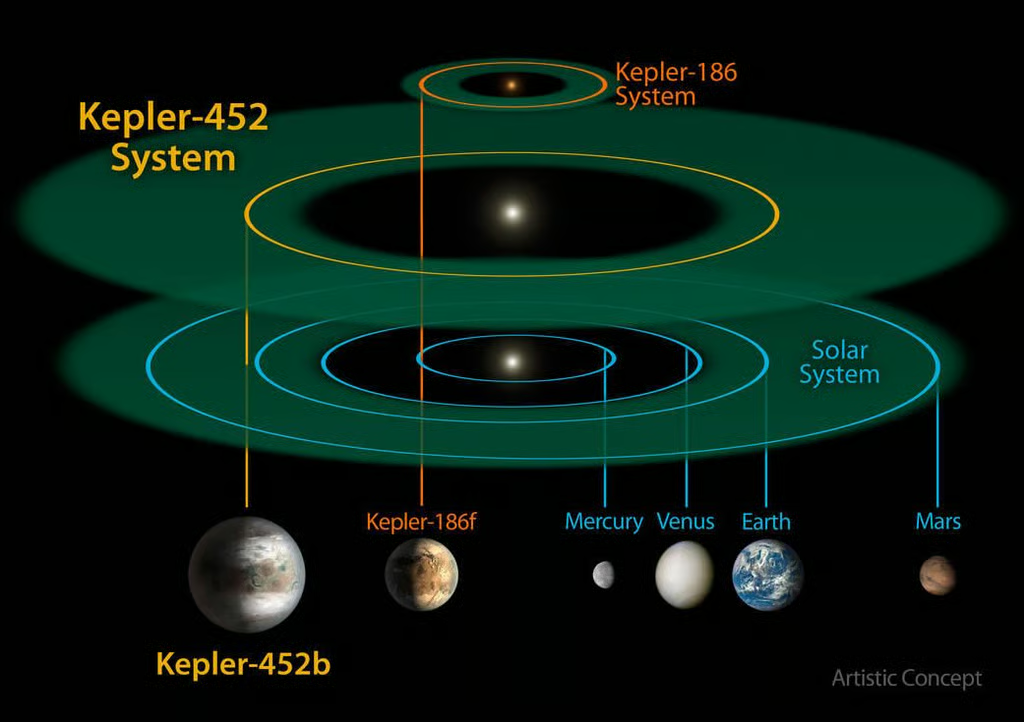
    Kepler solar system

    Kepler-452b orbits a star that is much like the Sun and resides in the Kepler-186 solar system. The planet itself is about “60% larger than Earth, with a surface gravity 2x that of Earth, and a slightly better than even chance of being a rocky planet, with an atmosphere likely thicker than Earth’s, and possibly with active volcanoes,” states NASA. It has a 385 day orbit, which means it’s a distance from its main star that is suitable for the existence of liquid water as well.

    Image: NASA
  • kepler3.jpg

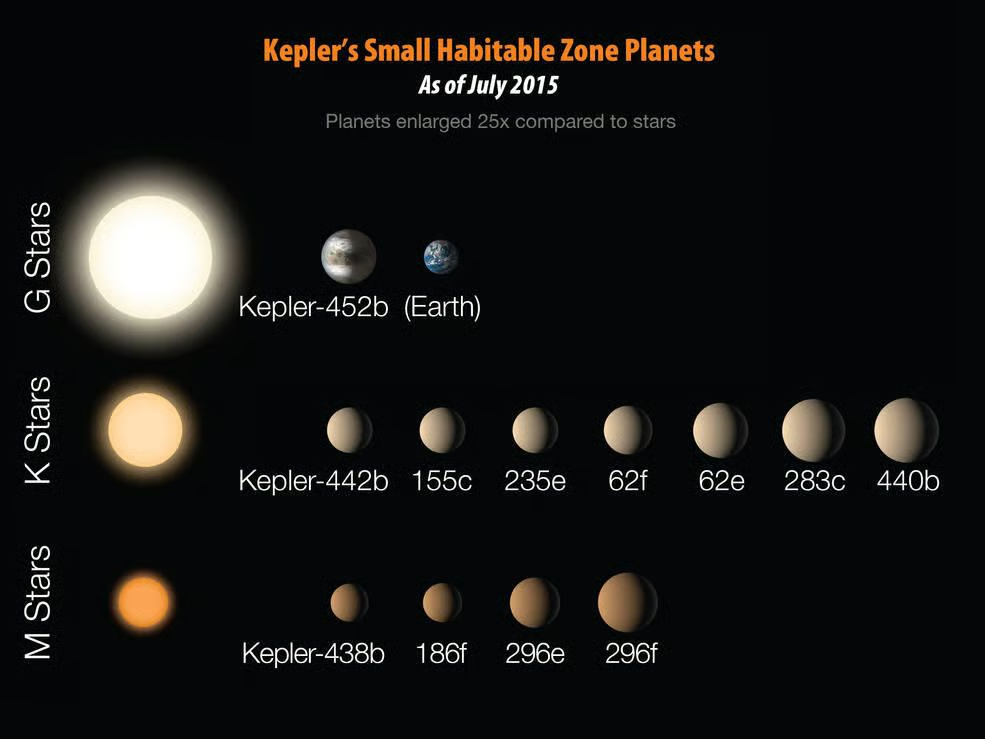
    Kepler's habitable zone planets

    There were 12 planet discoveries in Kepler that are less than twice the size of Earth and reside in the habitable zone of their star. In this diagram, the sizes of the planets are represented by the size of the sphere.

    Image: NASA
  • kepler4.jpg

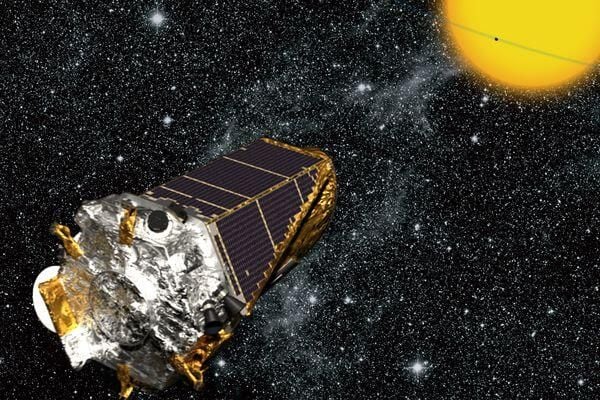
    Kepler spacecraft

    An artist’s rendition of the Kepler spacecraft from 2011. Kepler is NASA’s exoplanet-hunting spacecraft. The data it gathered to find Kepler 452b was collected between 2008 and 2013.

    Image: NASA
  • kepler5.jpg

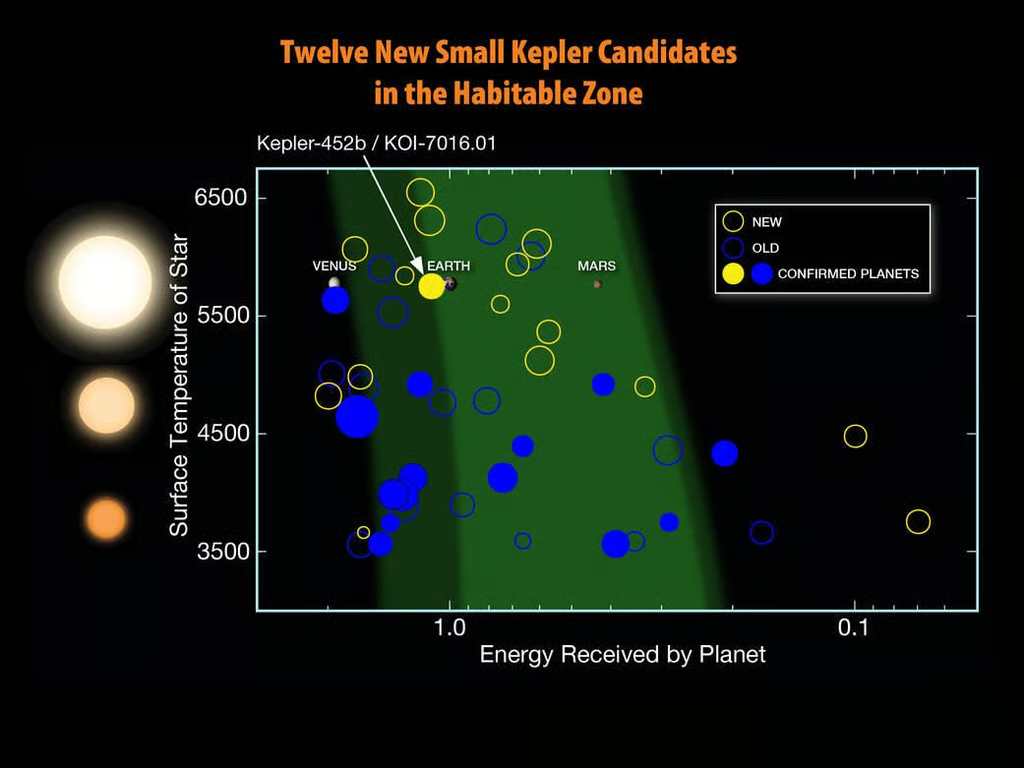
    Another older sun

    Kepler-452b’s star is about 1,400 light-years away in the constellation Cygnus. It has nearly the same temperature and mass as our sun, but this one is 6 billion years old — 1.5 billion years older than ours. This diagram shows the 12 habitable planets in the zone and how much energy they receive from the stars nearest them.

    Image: NASA
  • kepler6.jpg

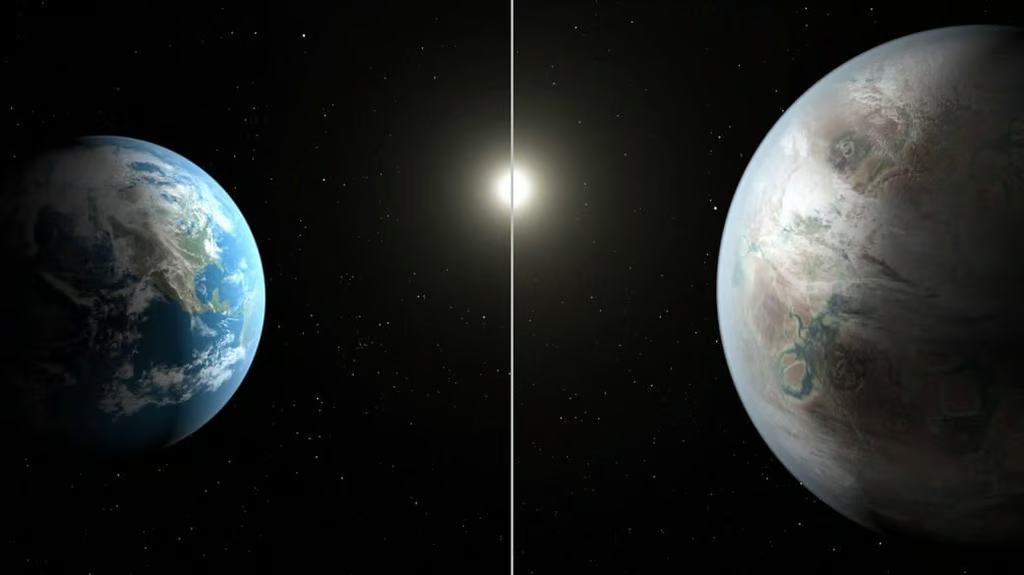
    Kepler-452b vs. Earth

    This illustration shows Earth on the left, compared to Kepler-452b on the right. NASA states on its website: “The illustration represents one possible appearance for Kepler-452b — scientists do not know whether the planet has oceans and continents like Earth.”

    Image: NASA
  • kepler7.jpg

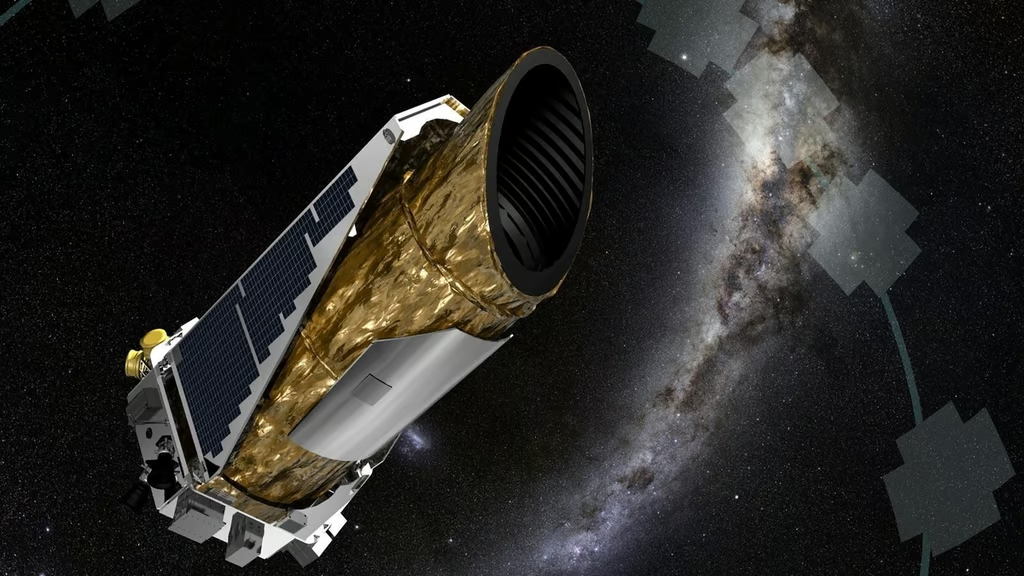
    The planet-hunting spacecraft

    This is a more updated view of the Kepler spacecraft from July 20, 2015. The mission profile is called K2, and used publicly available data to find the exoplanets.

    Image: NASA
  • screen-shot-2015-07-27-at-2-09-38-pm.png

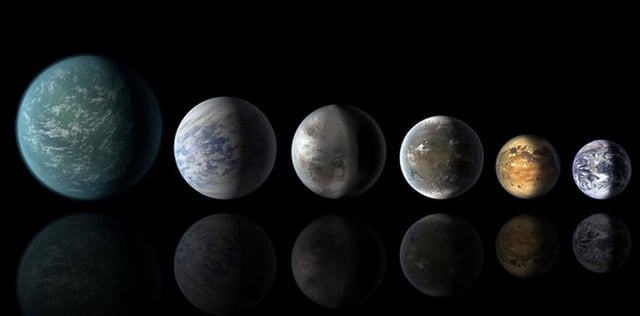
    Size of the planets

    From left: Kepler-22b, Kepler-69c, the just announced Kepler-452b, Kepler-62f and Kepler-186f, and then Earth.

    Image: NASA
1 of 7
Lyndsey Gilpin

Lyndsey Gilpin is a former Staff Writer for TechRepublic, covering sustainability and entrepreneurship. She's co-author of the book Follow the Geeks.