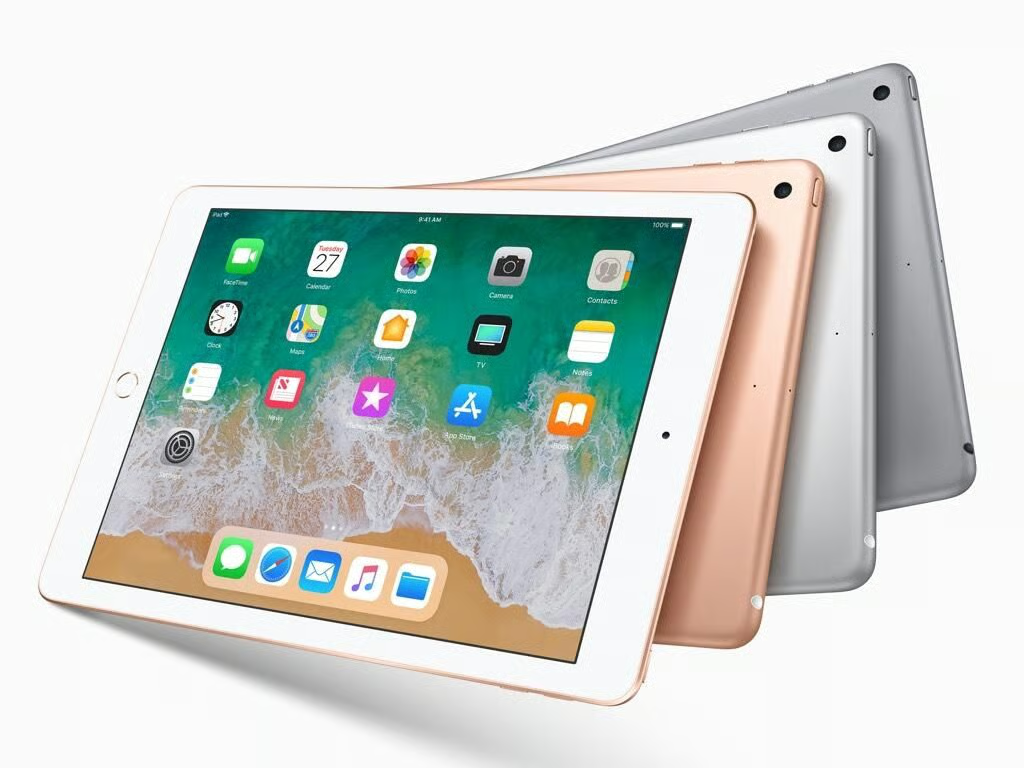
Apple’s entry-level 9.7-inch iPad still costs $329 ($299 for schools) but it got a big boost to performance and support for the Apple Pencil.
The 2018 iPad 9.7-inch was unveiled at an event at Lane Tech College Prep High School in Chicago on March 27. While the focus of the event was on using iPads in education, the new iPad will be a welcome upgrade to many businesses that use the low-cost version of the tablet for kiosks, cash registers, customer service, employee data entry, and much more.
The specifications are solid at the price point, although it also has to compete with Google Chromebooks more than other tablets or even Windows 2-in-1s.
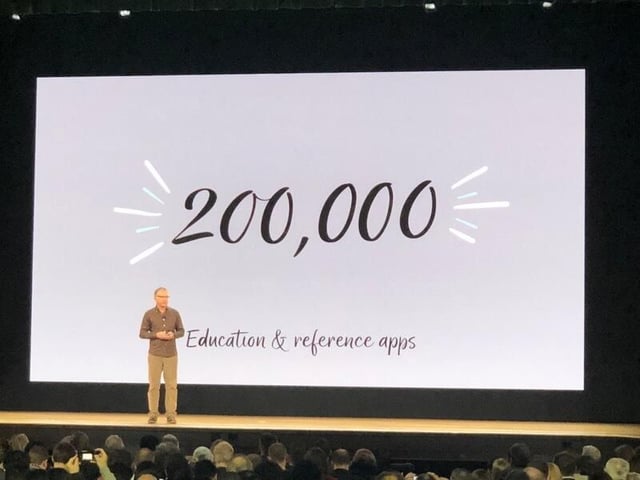
For students, iPads may have the most appeal for K-3, where there are a lot of apps aimed at entry-level learning.
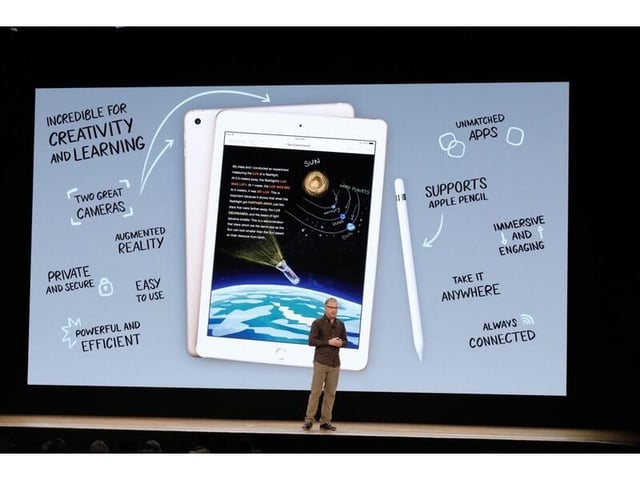
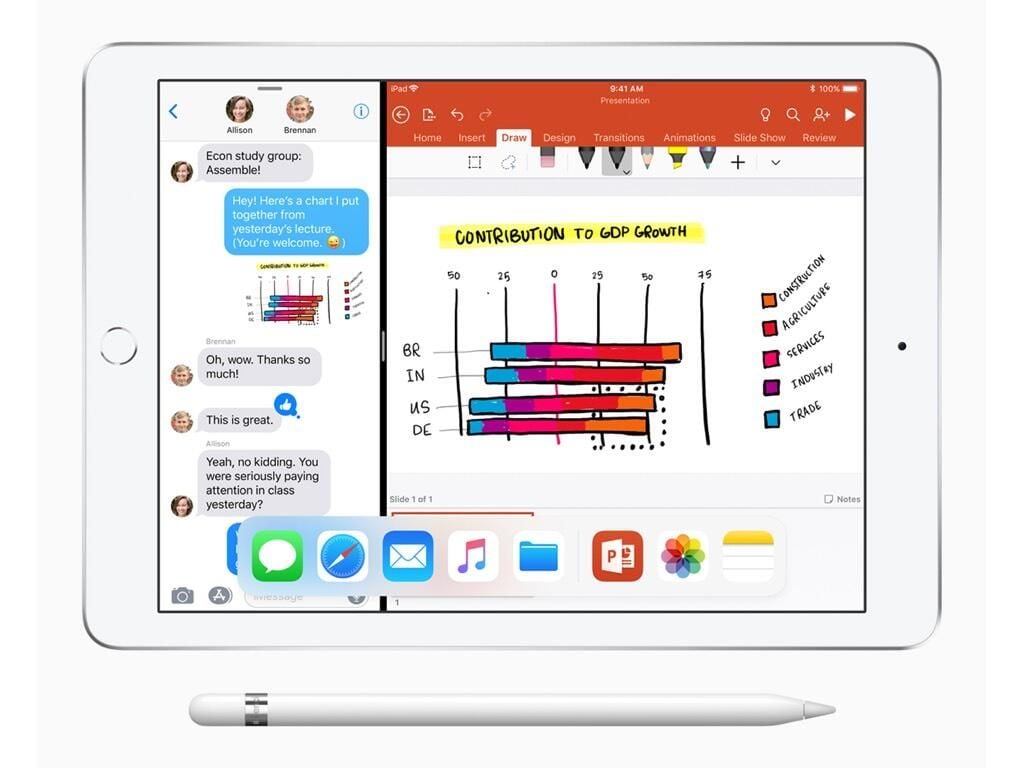
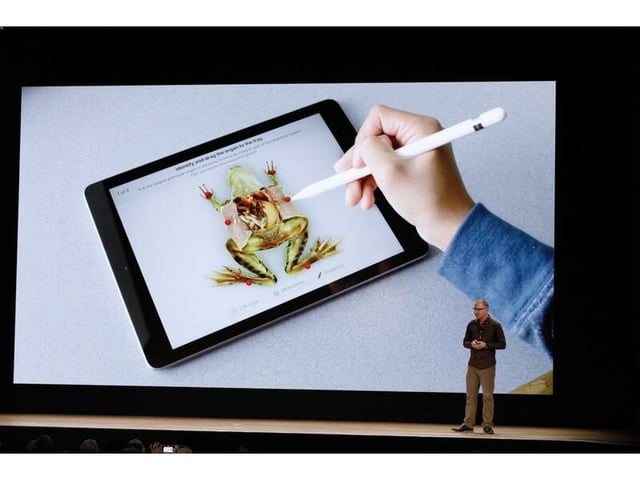
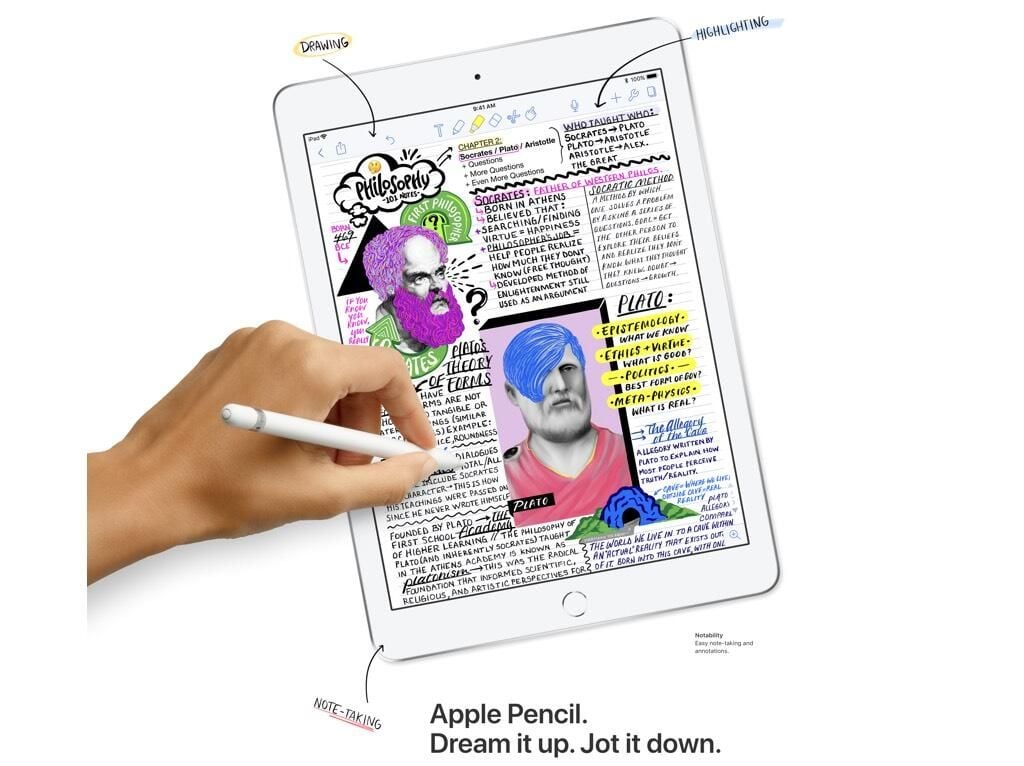
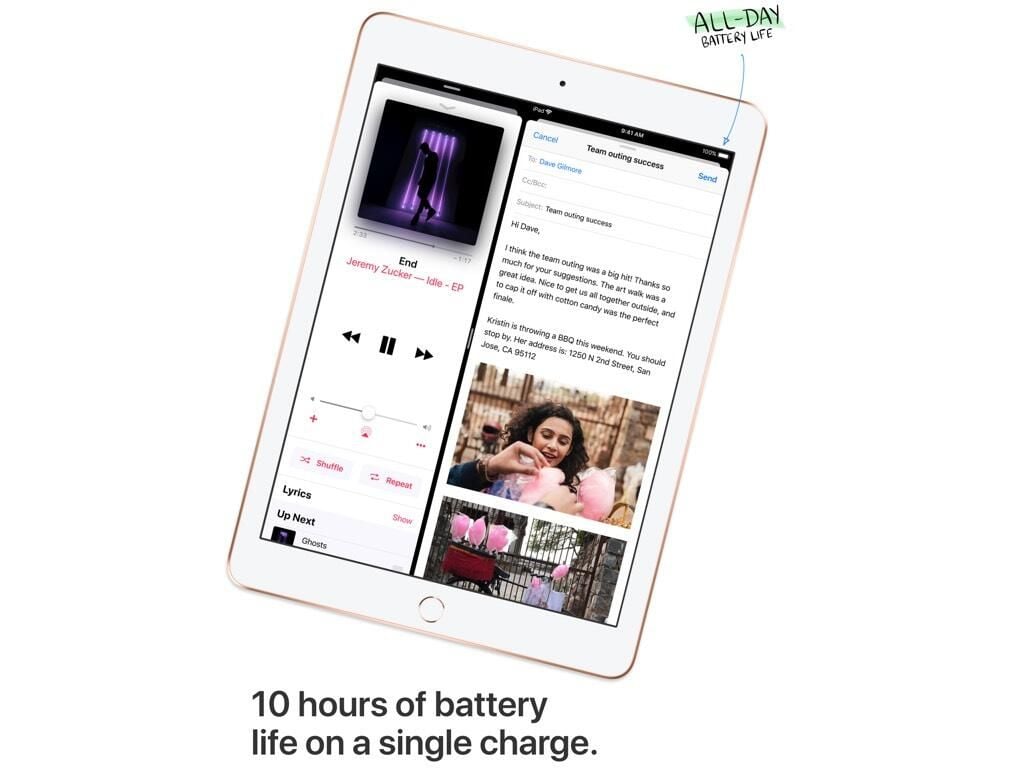
Apple especially highlighted the iOS features for running two apps at the same time and the new capabilities with Apple Pencil in the iPad 9.7-inch.
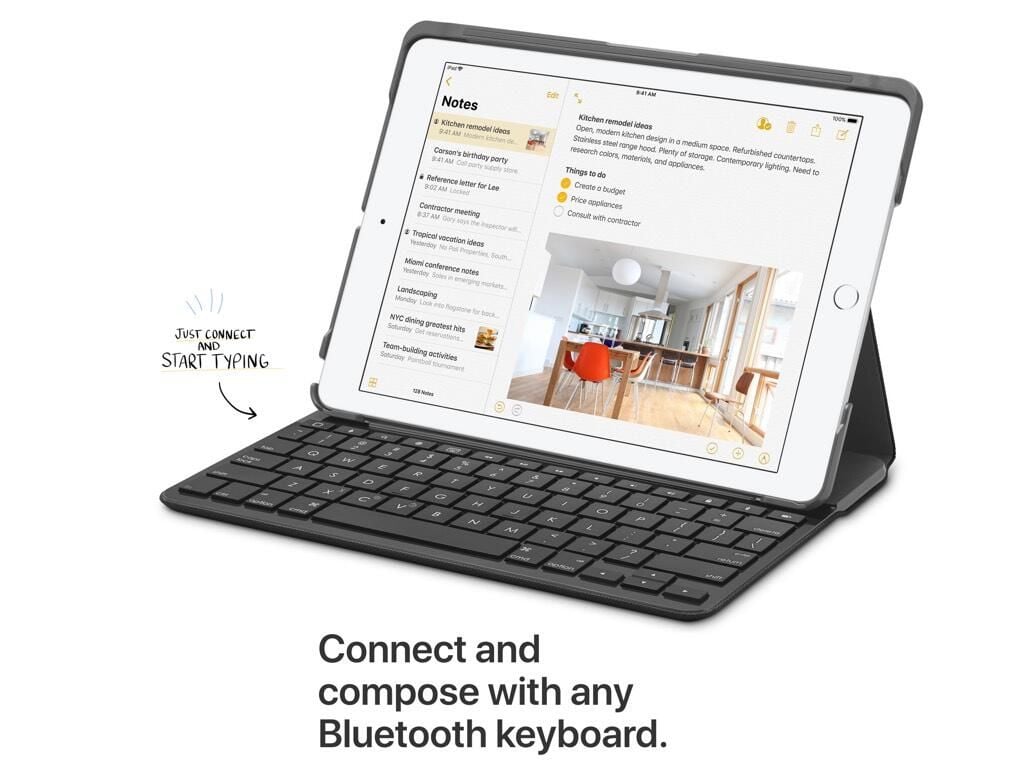
You can, of course, connect a Bluetooth keyboard if you want to use the iPad like a laptop at times. However, it won’t support the Smart Keyboard that the iPad Pro models offer.
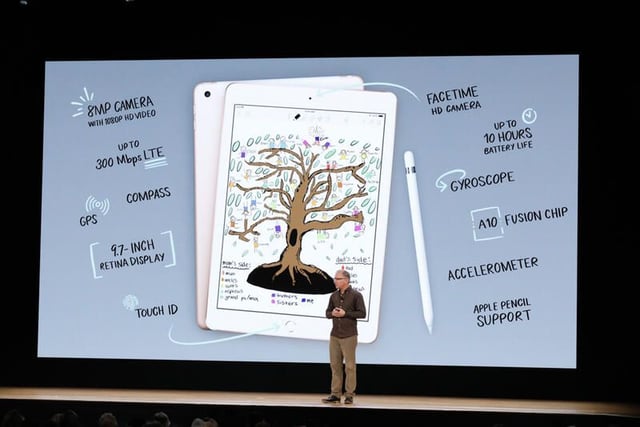
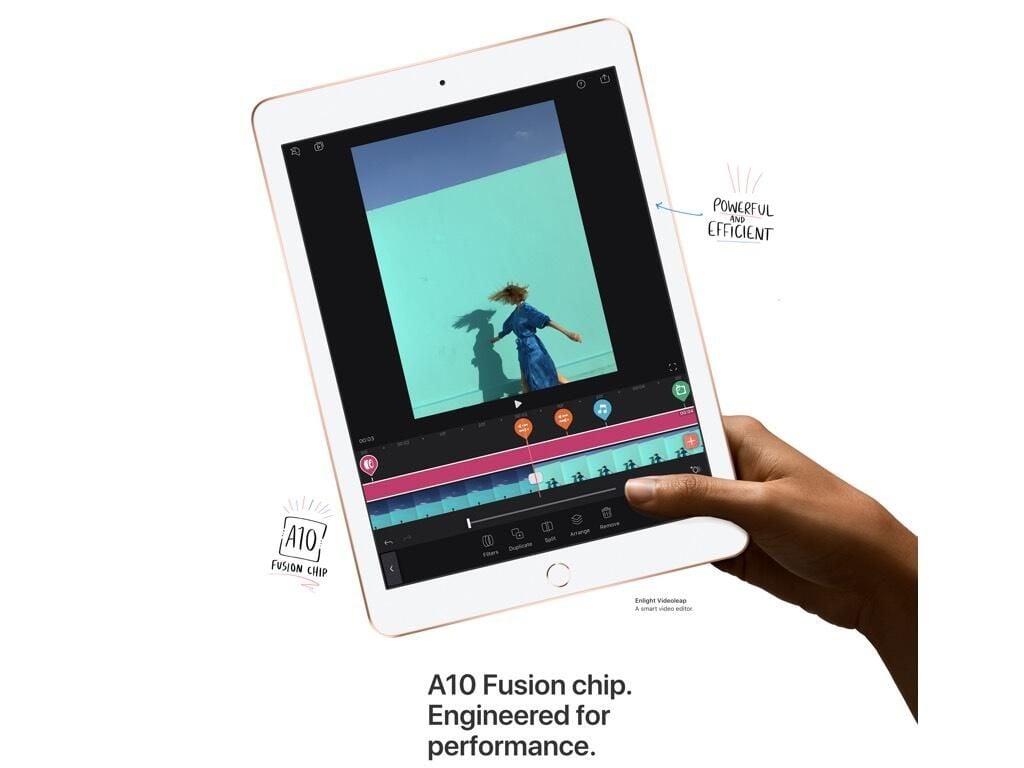
The A10 Fusion processor gives the 2018 iPad 9.7-inch a nice speed boost.
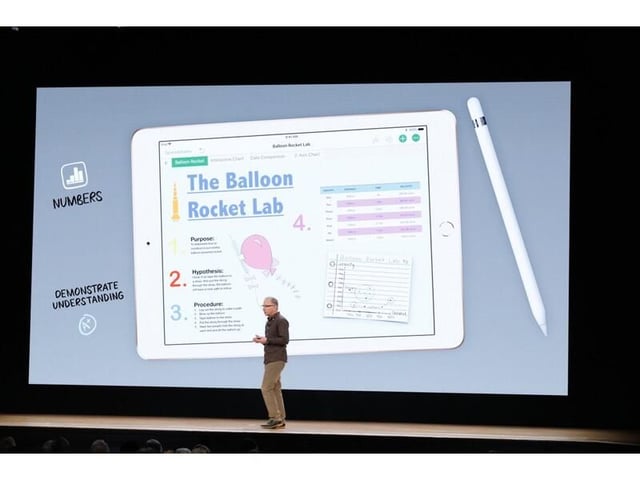
Apple also keeps refining the software in iOS to support the Apple Pencil.
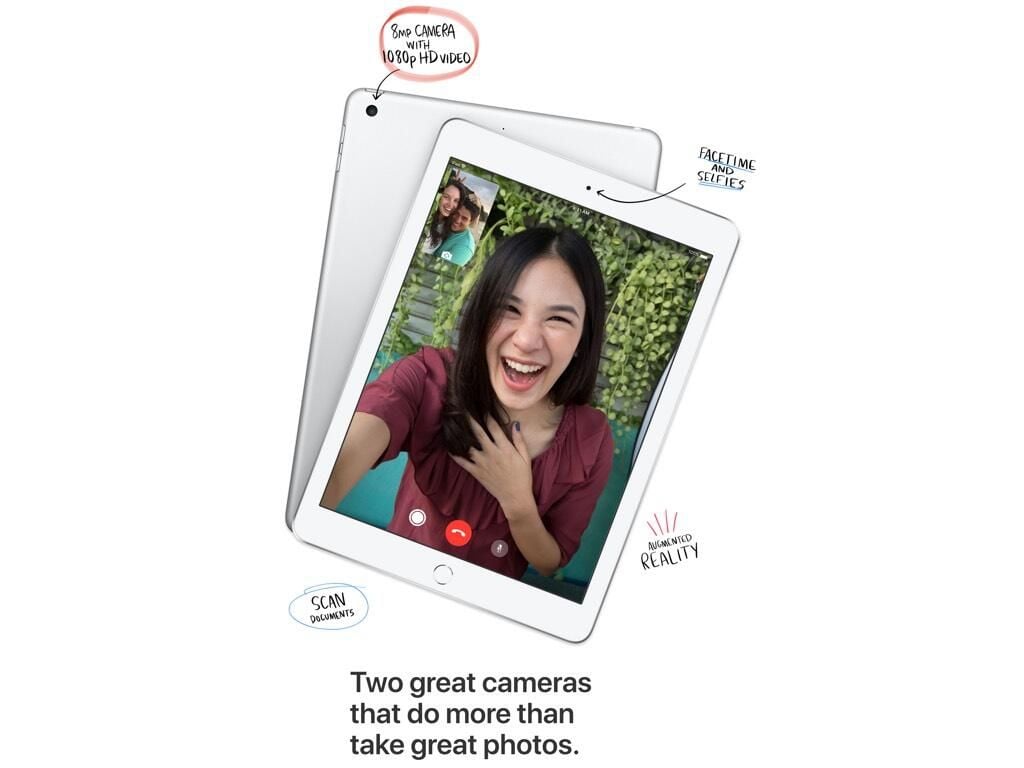
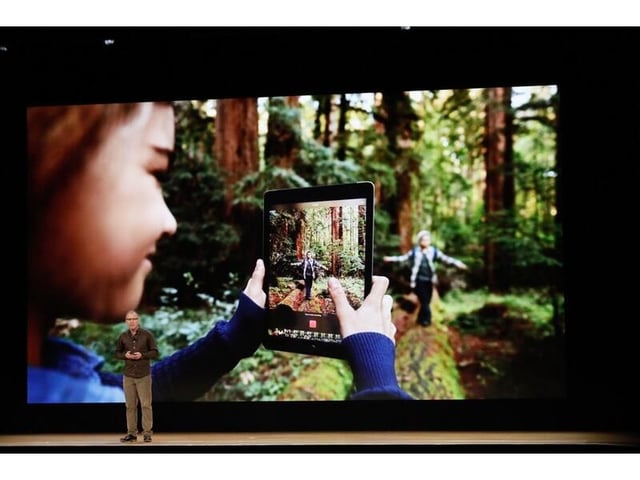
The cameras in the iPad are especially aimed at augmented reality, since no one should be regularly using an iPad as a camera.
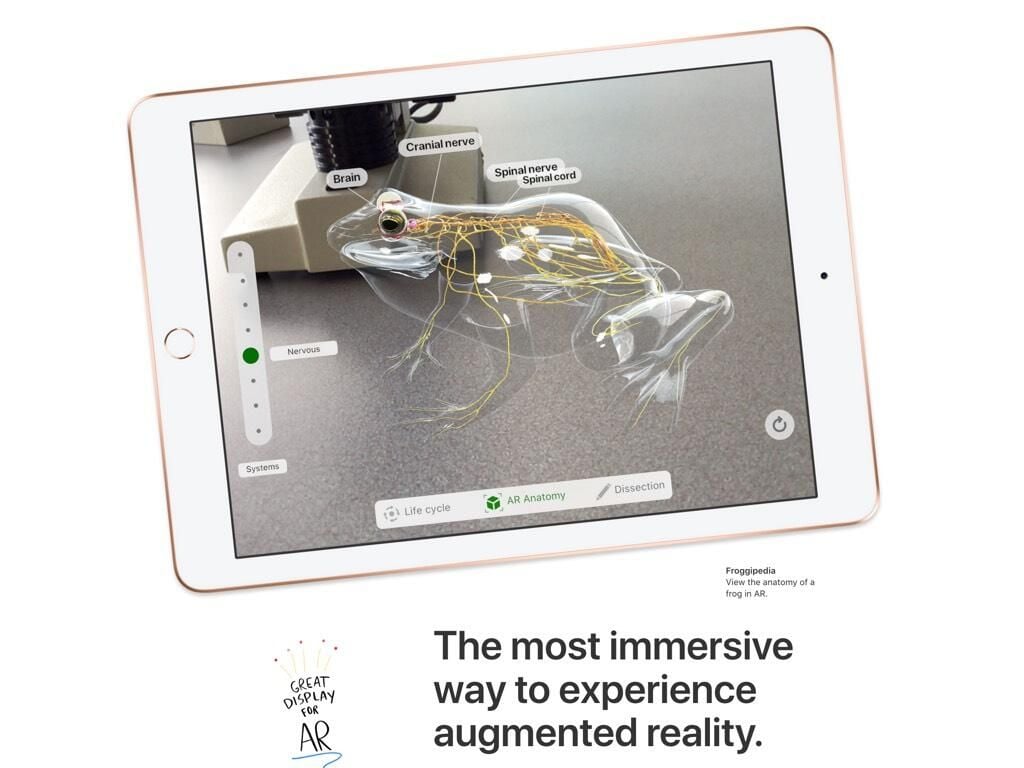
Apple has been investing heavily in augmented reality, and the new iPad’s 9.7-inch screen provides a lot of real estate for viewing AR apps.
In the future, some students may forgo physical frog dissections for virtual ones on the iPad.
AR on the iPad certainly has potential for interesting learning experiences.
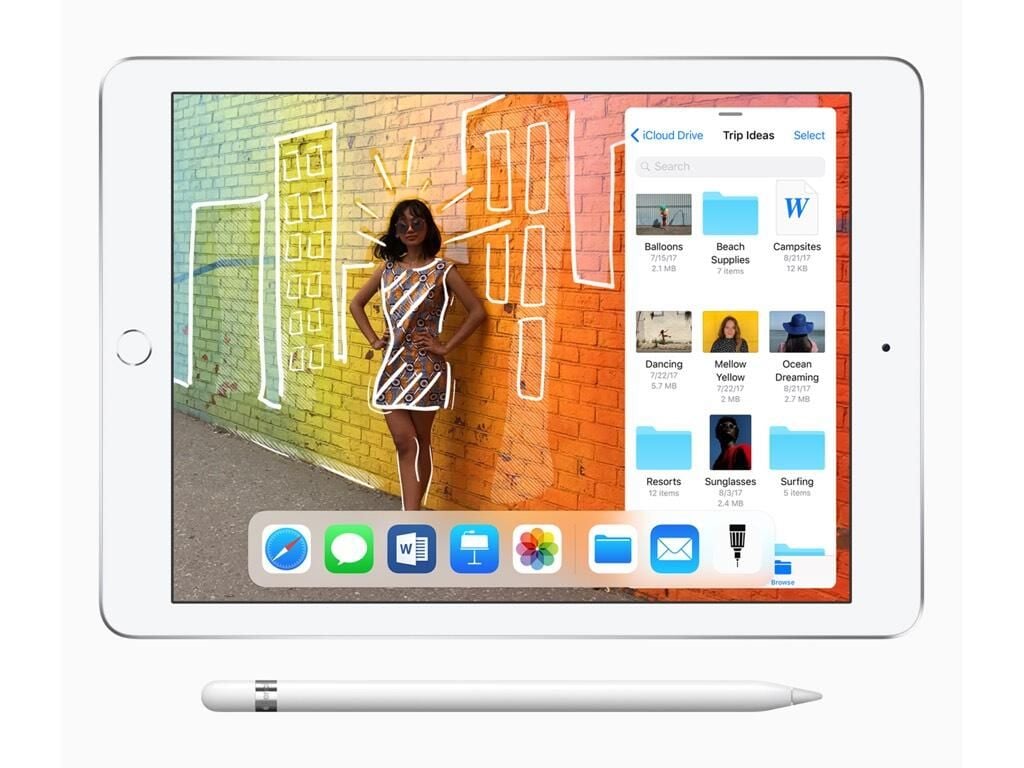
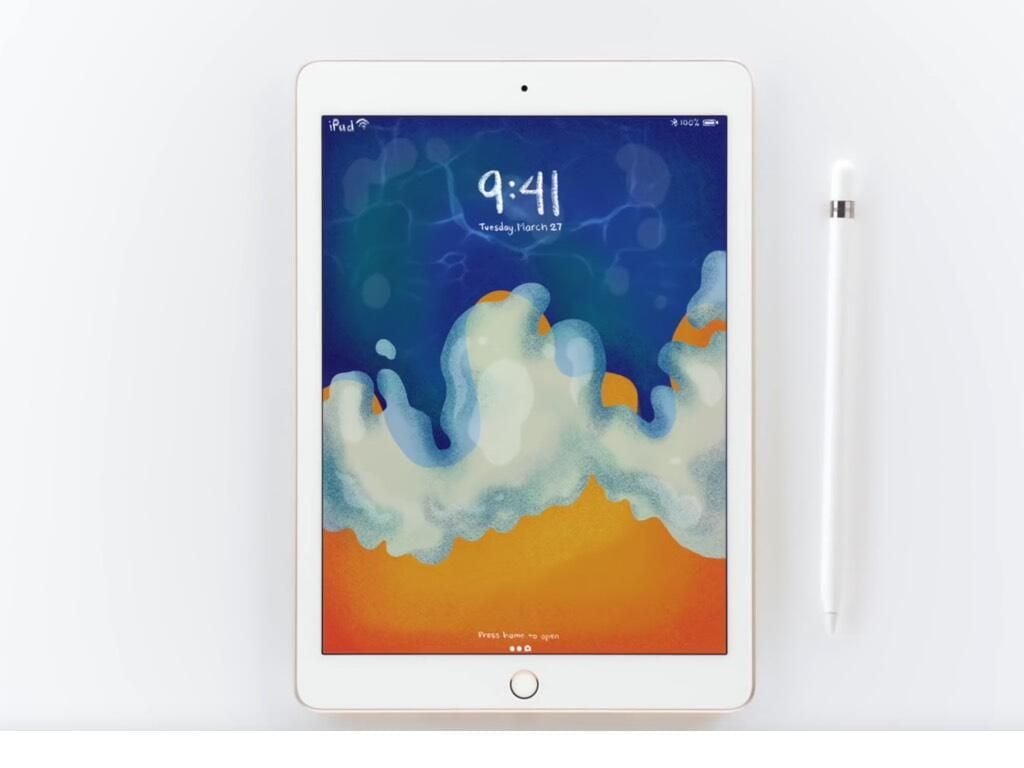
It is impressive what some artists have been able to draw with the Apple Pencil, like this iPad home screen.
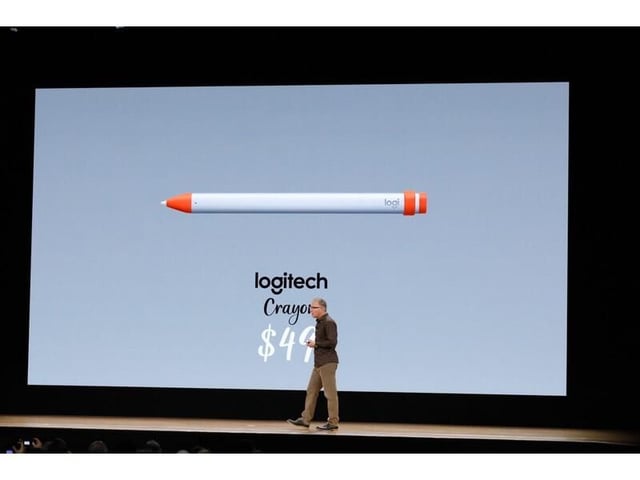
As a less expense alternative to the Apple Pencil, Logitech is offering a $49 “Crayon” that works in similar ways and is presumably aimed at younger users.
Taking notes and making annotations with a stylus like the Apple Pencil is still a phenomenon that looks good in demos but isn’t in wide use.
Perhaps the feature that businesses and professionals care about the most is battery life.
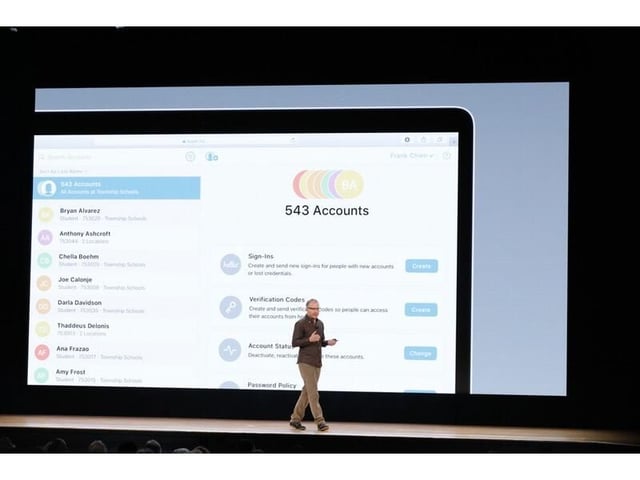
Apple School Manager software gives the IT department the ability to create Apple IDs in bulk. A school of 1,500 can create IDs for the whole school in under a minute.
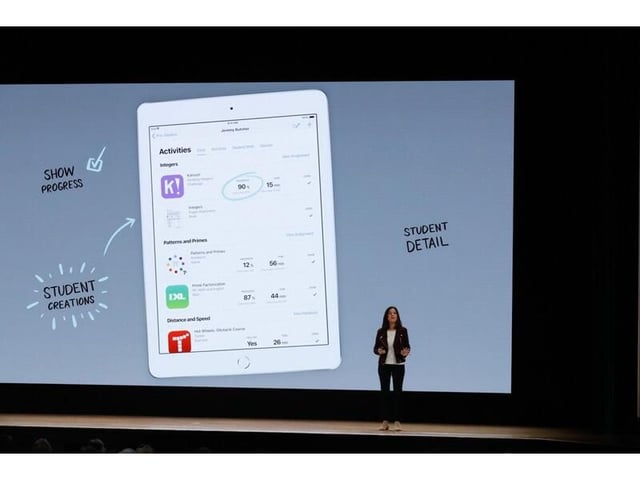
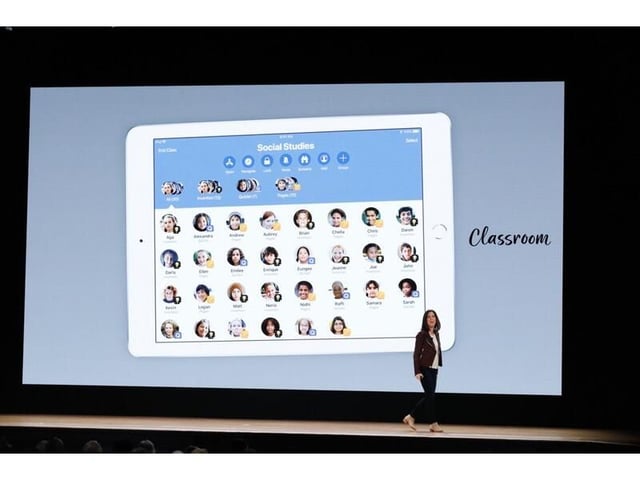
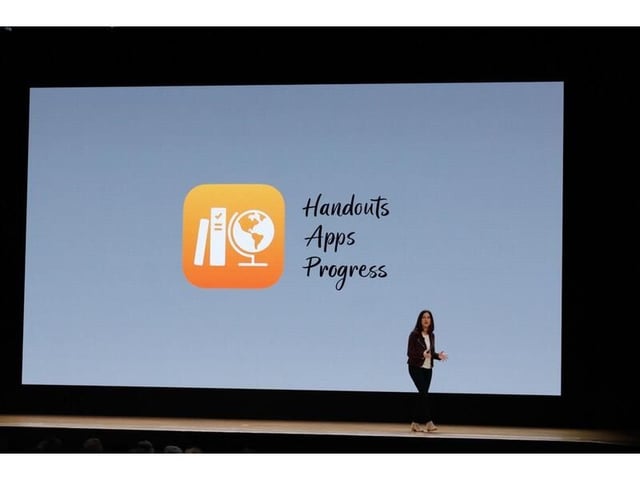
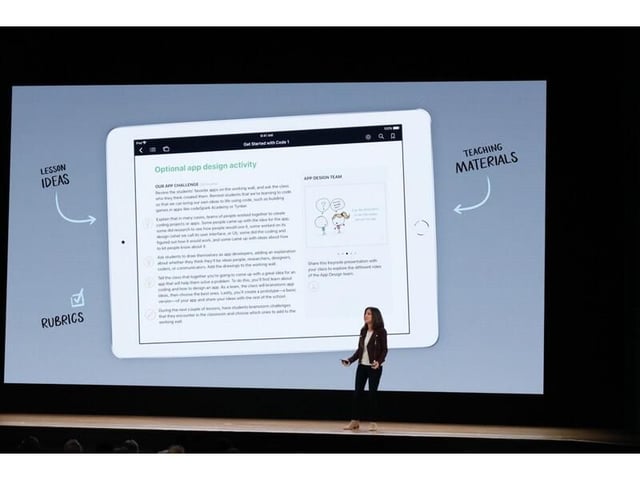
Apple’s tools for teachers look promising. But, it also has an uphill fight against Google Classroom.
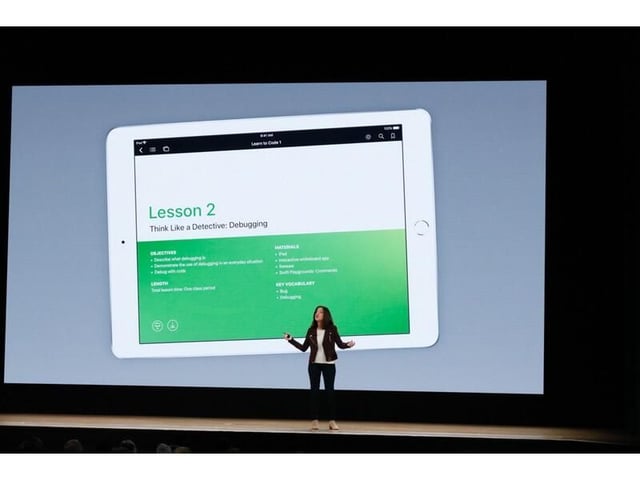
The interface for Apple’s classroom tools look impressive enough in the first demos.
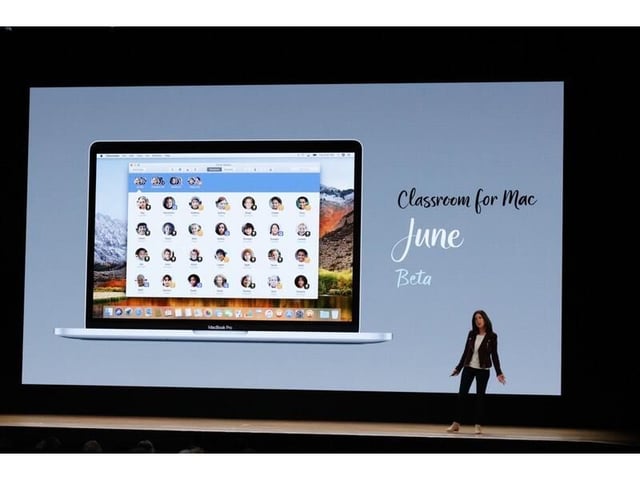
Thankfully, Apple is also bringing its classroom and teachers tools to the Mac as well.
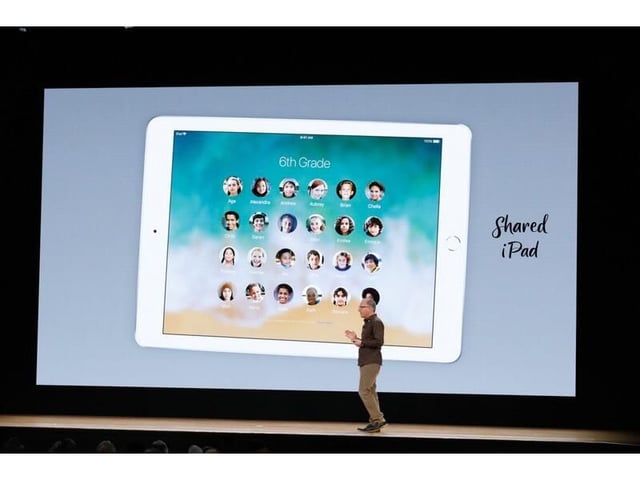
Since a lot of schools have students share technology rather than each student having their own device, the Shared iPad feature is a must-have.
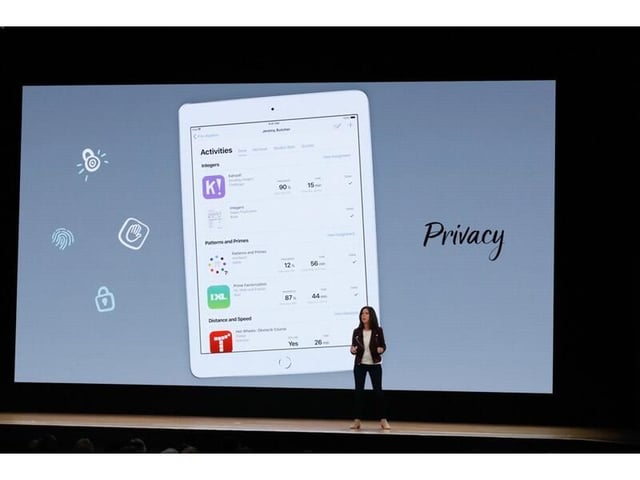
Apple also promised high standards in privacy. It said that its employees cannot see any student or teacher data, for example.
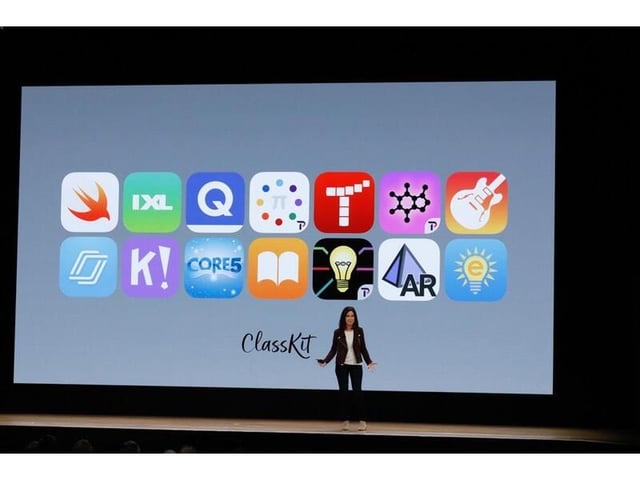
In the mode of HealthKit and HomeKit, Apple also unveiled ClassKit for developers to plug into its new education platform.
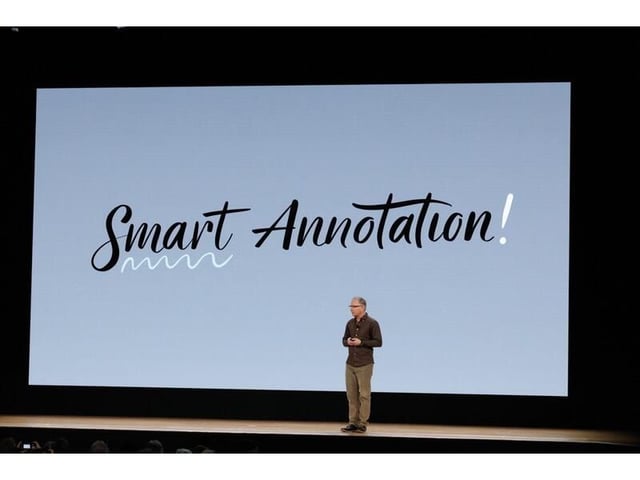
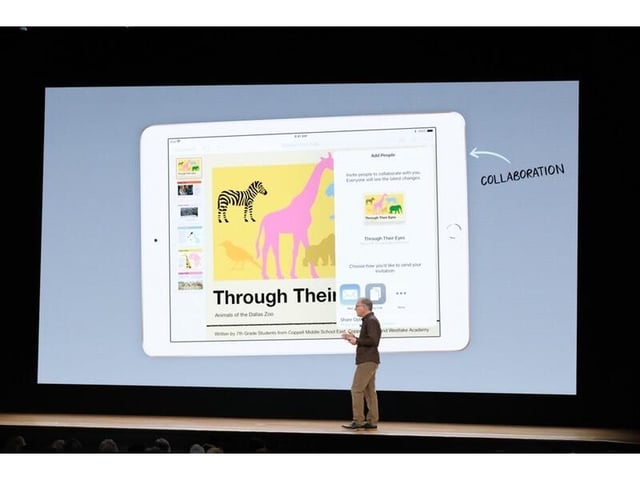
To compete with Google Apps, Apple also announced Smart Annotation so that students, parents, and teachers can collaborate on documents.
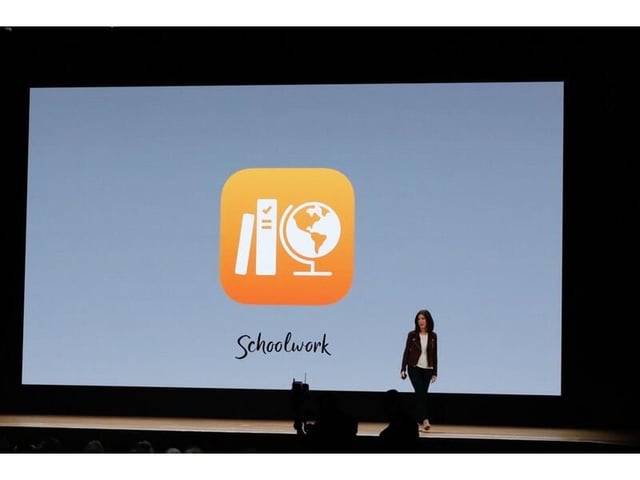
Again, Apple’s Schoolwork app looks like a good experience in the initial demos.