Photos: Behind the scenes on The Imitation Game - TechRepublic

Photos: Behind the scenes on The Imitation Game

  • bletchley1.jpg

    \N

    The Imitation Game tells the story of father of computing and Second World War codebreaker Alan Turing.

    Released\r\n in the US this Friday, the film focuses heavily on the role the British mathematician played in helping the Allied forces crack the Nazi’s coded \r\ncommunications.

    The film has earned many positive reviews, with particular praise for Benedict Cumberbatch’s portrayal of Turing, but also criticisms for where it has deviated from the truth.

    To\r\n mark the movie’s release an exhibition of the props are on\r\n show at Bletchley Park in England, the site of the Government Code and Cypher School where Turing worked during the war.

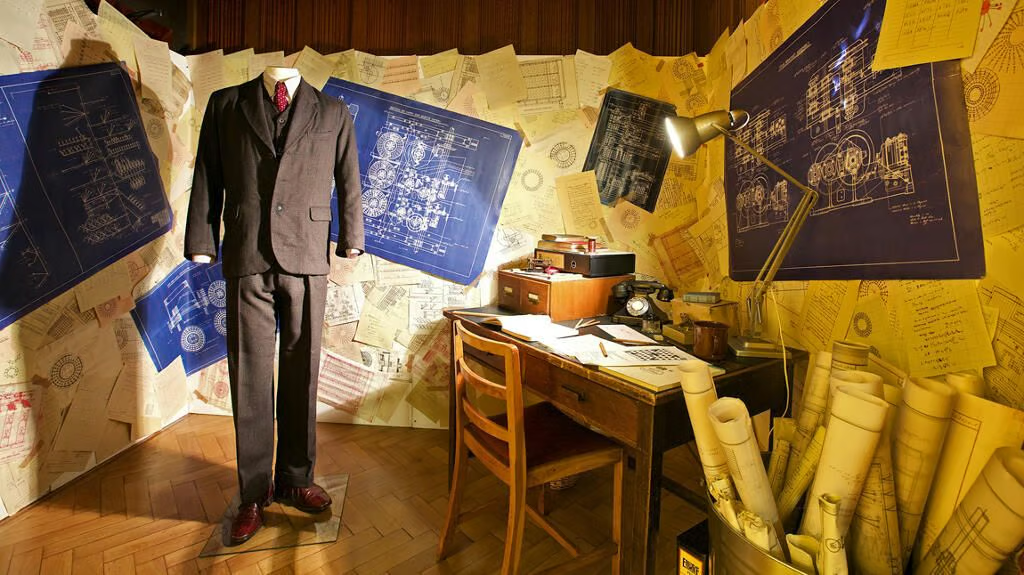
    Bombe sketches

    Turing played a major role in designing the Bombe, an electromechanical machine that \r\npartially automate code-breaking. The Bombe helped \r\ndecipher Nazi military communications that had been encrypted using Enigma \r\nmachines.

    Here, diagrams of the Bombe drawn by Turing during the\r\n film are shown surrounding a recreation of Turing’s desk.

    The Bombe and its \r\nrole in cracking Enigma-coded messages stemmed from the work of a series \r\nof individuals. The Bletchley Park Bombe was later refined by another \r\nBletchley Park codebreaker Gordon Welchman and was actually built outside \r\nBletchley Park by engineer Harold Keen.

    Image: shaunarmstrong/mubsta.com
  • bletchley10.jpg

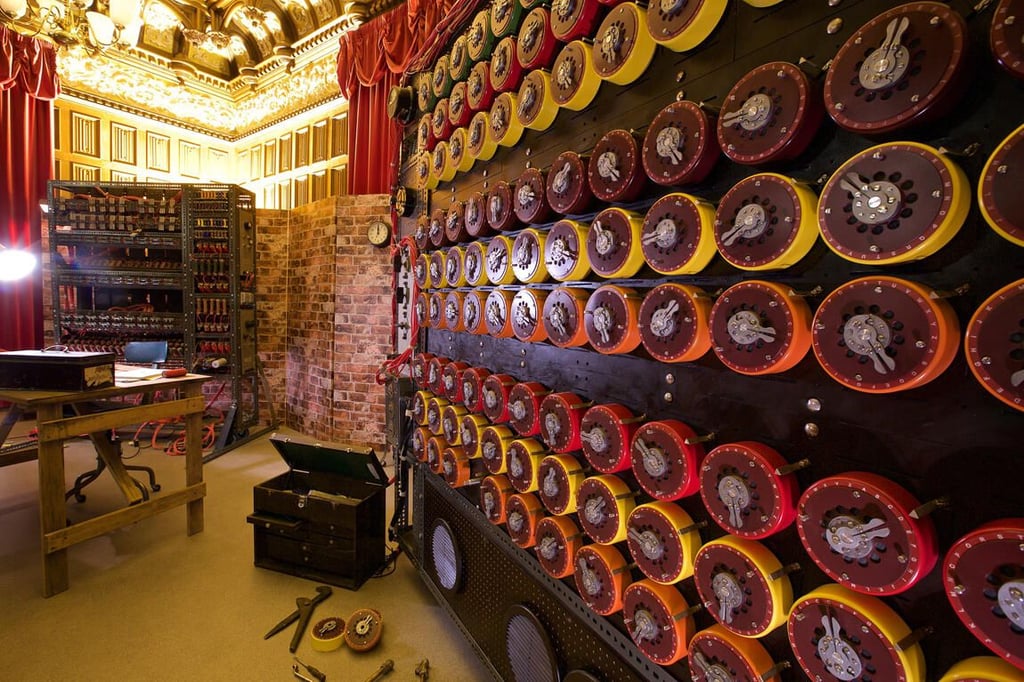
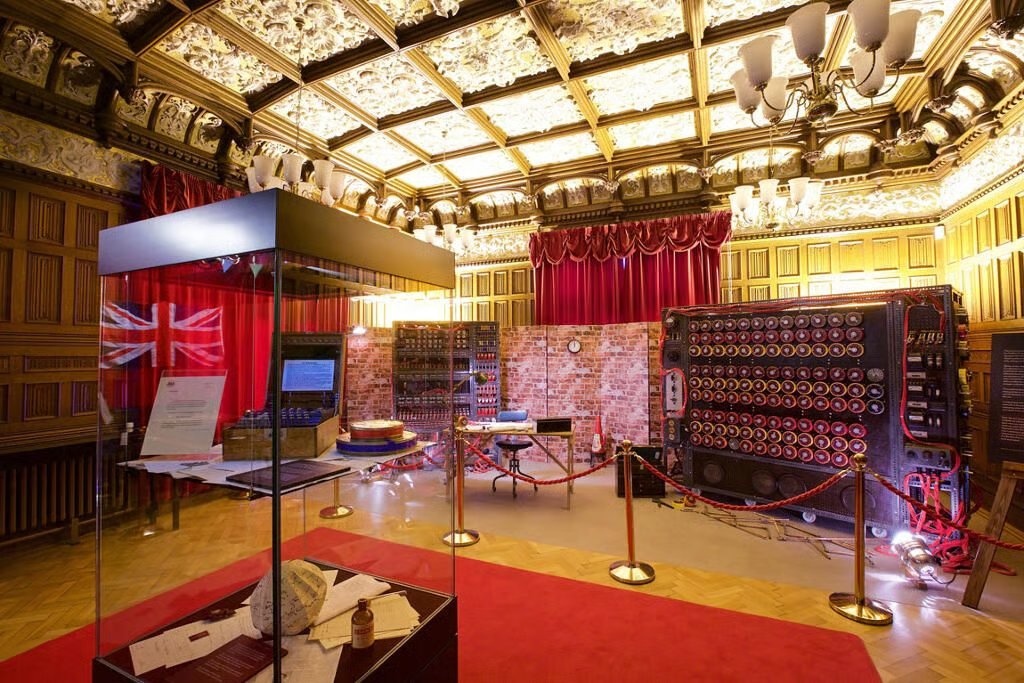
    The Bombe

    The model of the Bombe machine used in the film.

    During the height of the war about 200 Bombes \r\nwere used at Bletchley Park to decipher \r\nmessages sent by the German army, air force and navy.

    By the end \r\nof the war the fleet of Bombe machines were capable of \r\nresolving the settings used to encrypt messages within 20 minutes.

    While\r\n there were 158 milion million million possible settings for encrypting \r\nmessages using Enigma, the number of settings that had to be checked by \r\nthe Bombes was brought down to about one million by human codebreakers, \r\nwho identified cribs that gave clues as to how the Enigma machine had \r\nbeen set up that day.

    Image: shaunarmstrong\/mubsta.com
  • bletchley2.jpg

    Dismantling the Bombe

    After the war the the Bombe machines used at Bletchley were \r\ndismantled by order of Winston Churchill, as were the Colossus machines used to \r\ncrack the Lorenz code used by the Nazi High Command.

    Those who \r\nworked at Bletchley didn’t talk about the work they did until decades \r\nlater, as they were bound by the Official Secrets Act.

    Image: shaunarmstrong\/mubsta.com
  • bletchley3.jpg

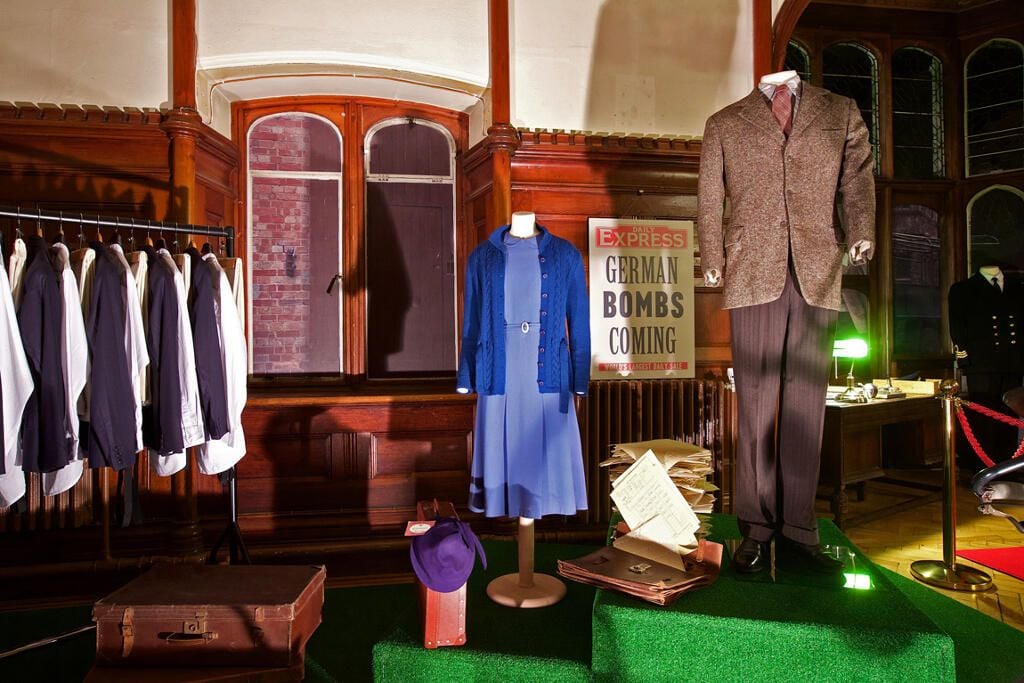
    Costumes

    Outfits from the film. From left, uniforms from Turing’s childhood at Sherborne School in Dorset, a cardigan worn by Turing’s close friend Joan Clarke \r\n(Keira Knightley), and a suit worn by Turing (Benedict Cumberbatch).

    Turing\r\n is said to have proposed to Clarke and have introduced her to his \r\nfamily, but later broke the relationship off in 1941.

    Image: shaunarmstrong\/mubsta.com
  • bletchley4.jpg

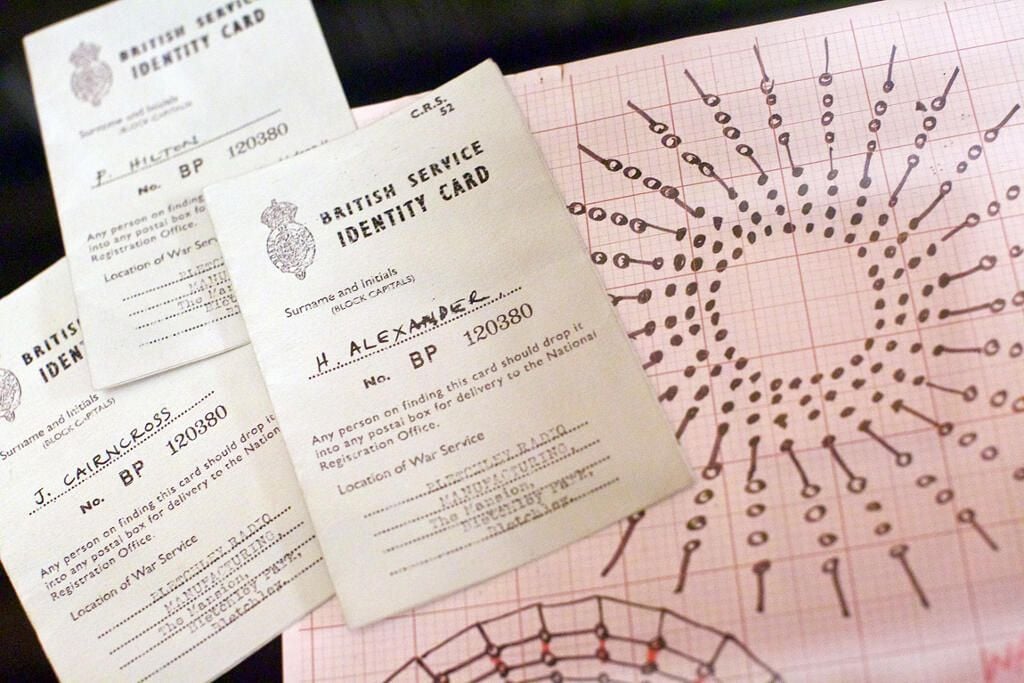
    Official documents

    Characters in the film use replicas of official documents used by staff working at Bletchley during the war.

    Image: shaunarmstrong\/mubsta.com
  • bletchley6.jpg

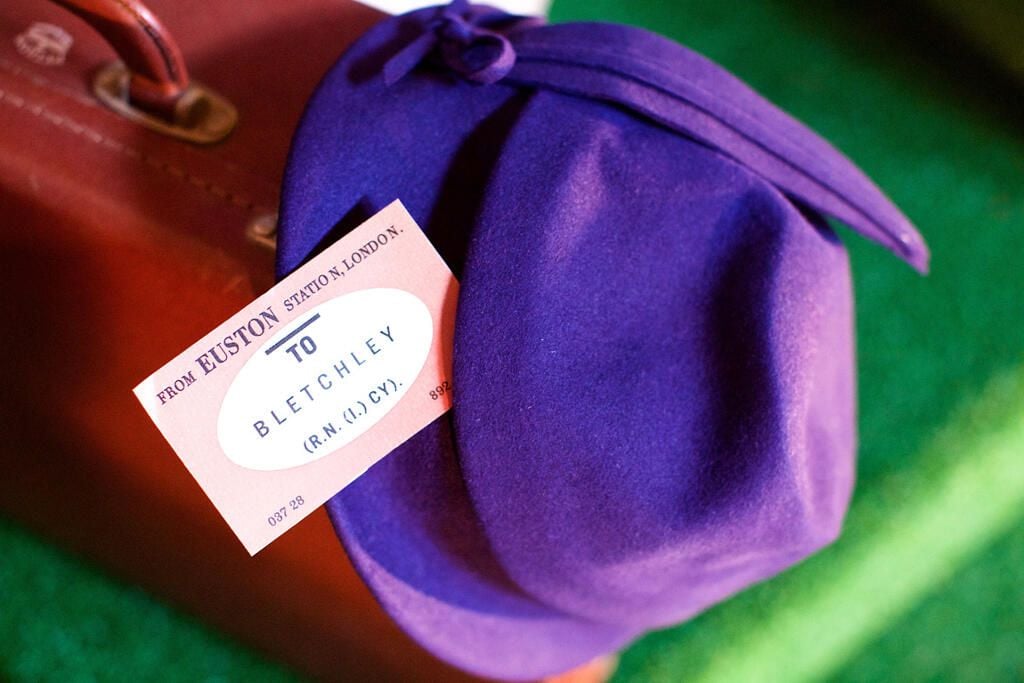
    Joan Clarke

    Clarke’s (Knightley) hat and suitcase from when she arrives at Bletchley in the film. The film has attracted some criticism for focusing on Turing’s friendship with Clarke and not on his homosexual relationships.

    Image: shaunarmstrong\/mubsta.com
  • bletchley7.jpg

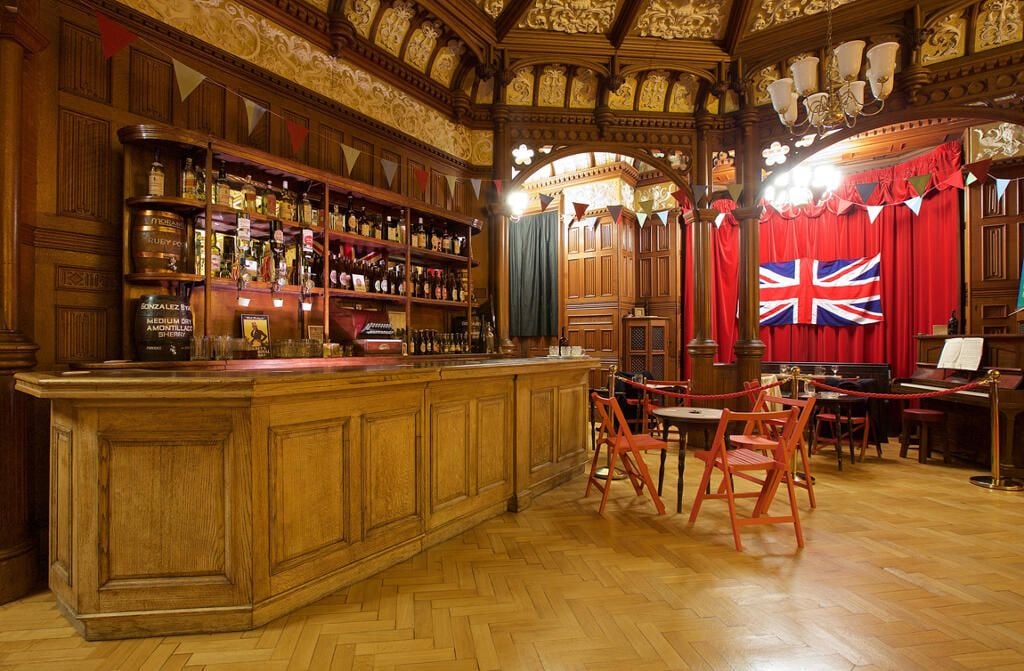
    The bar

    Part of a pub used in the film. Visitors to the exhibit can have their photo taken at the bar.

    Image: shaunarmstrong\/mubsta.com
  • bletchley8.jpg

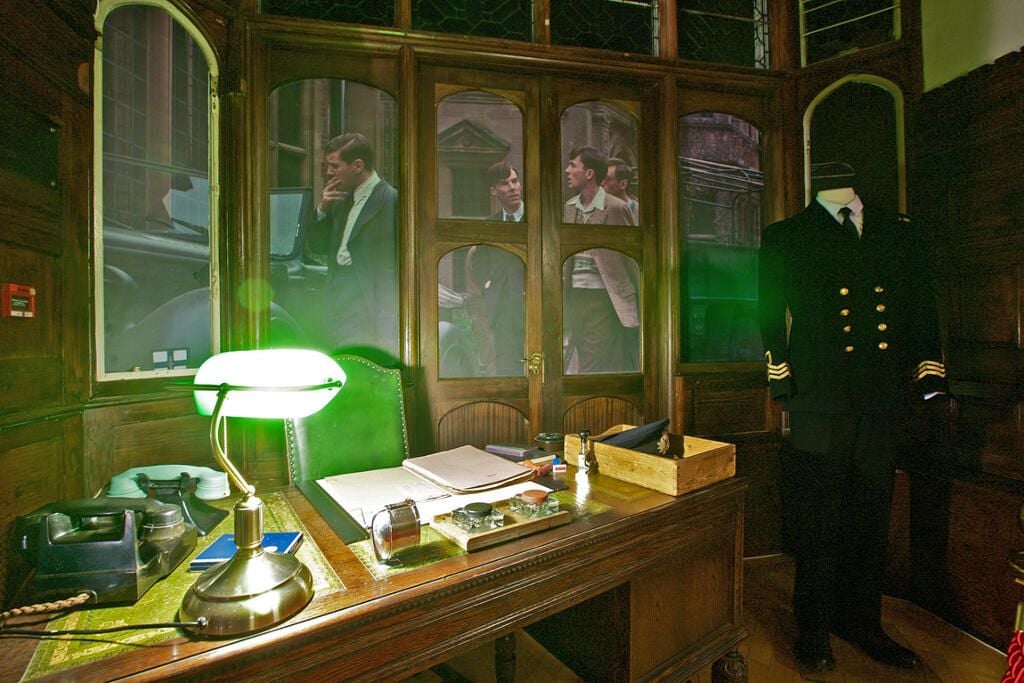
    Denniston's desk

    The film’s recreation of the desk of Commander Alastair Denniston (Charles Dance), \r\nthe head of the Government Code and Cypher School at Bletchley.

    Image: shaunarmstrong\/mubsta.com
  • bletchley9.jpg

    The exhibition

    The Imitation Game exhibition, with an Enigma machine in a glass case and, sat behind, the model Bombe machine used in the film.

    Image: shaunarmstrong\/mubsta.com
  • bletchley11.jpg

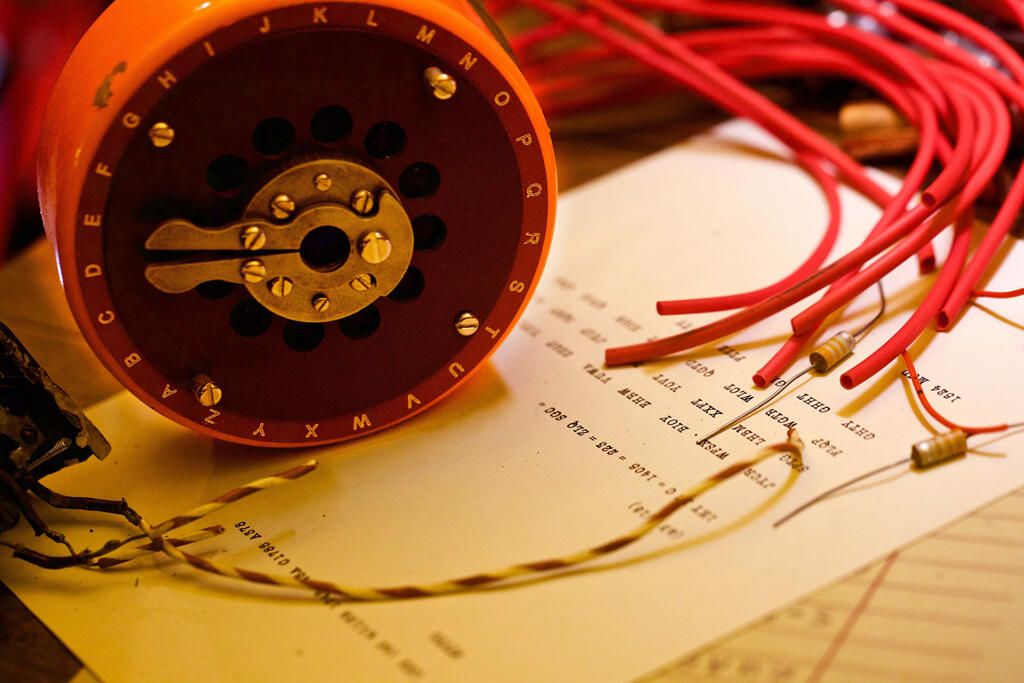
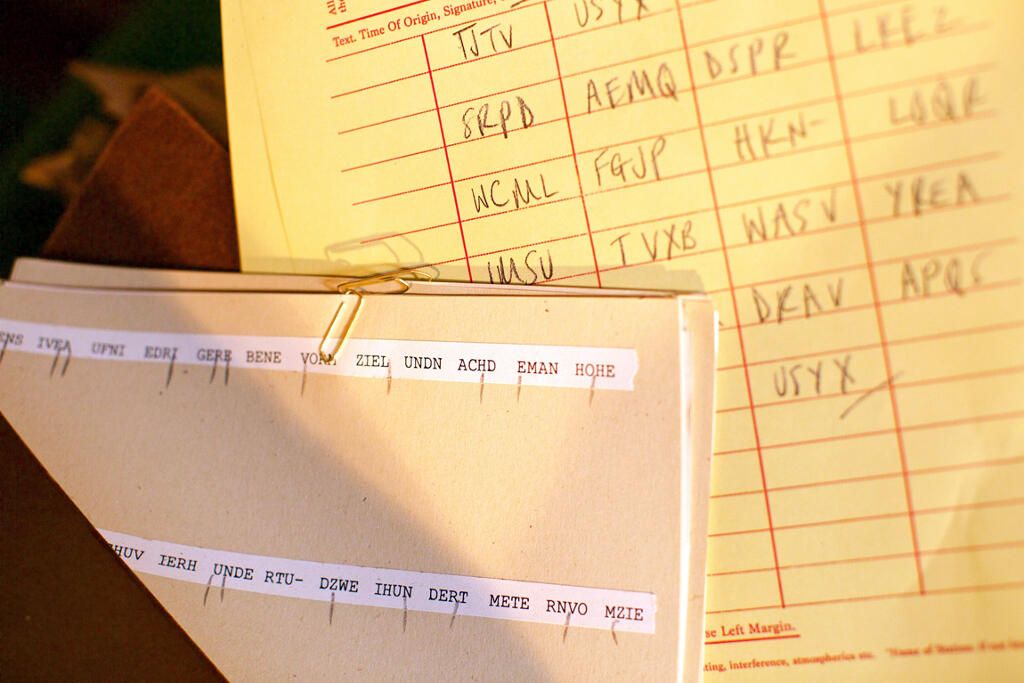
    Coded intercepts

    Tape showing encrypted messages sat on top of notes made during the movie’s portrayal of codebreaking.

    Image: shaunarmstrong\/mubsta.com
  • bletchley12.jpg

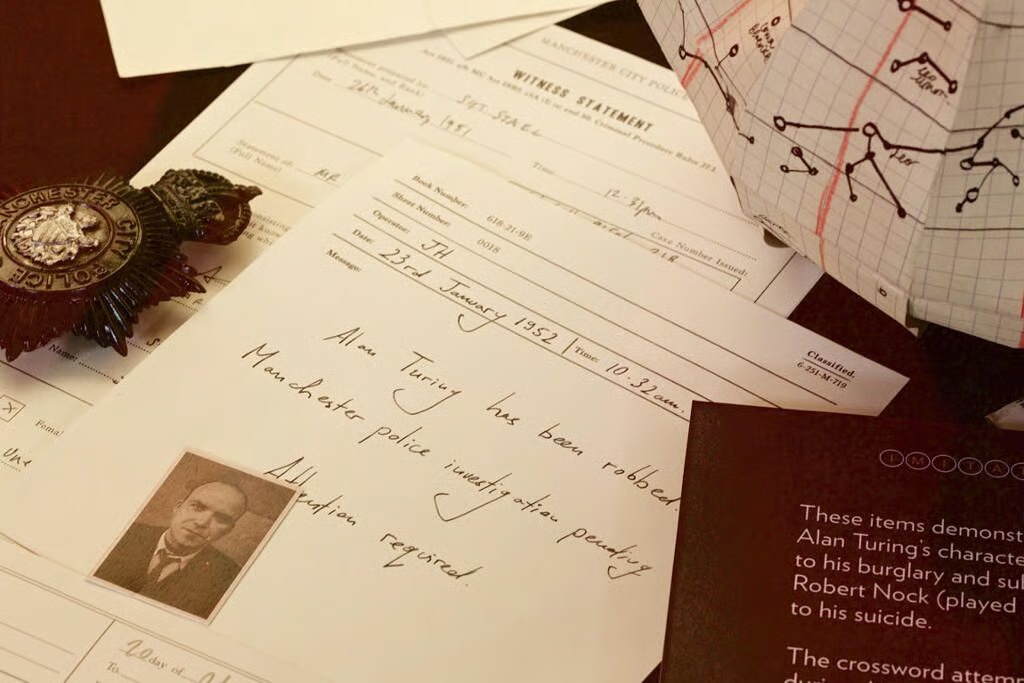
    Turing's prosecution

    In 1952 a burglary at Turing’s home set off a chain of events that \r\neventually led to his prosecution for gross indecency. During the course\r\n of the investigation Turing admitted a homosexual relationship, at a \r\ntime when homosexual acts were illegal.

    Turing’s punishment was \r\nan experimental chemical castration, a treatment whose negative effects \r\nare thought to have contributed to Turing’s decision to kill himself.

    Image: shaunarmstrong\/mubsta.com
1 of 11
Nick Heath

Nick Heath is a computer science student and was formerly a journalist at TechRepublic and ZDNet.