The solar eclipse on August 21 will cross 14 states and will give millions of people a chance to see a once in a lifetime astronomical event. NASA will send up two WB-57 jets to photograph the eclipse so that a team of scientists can use the data for future research.
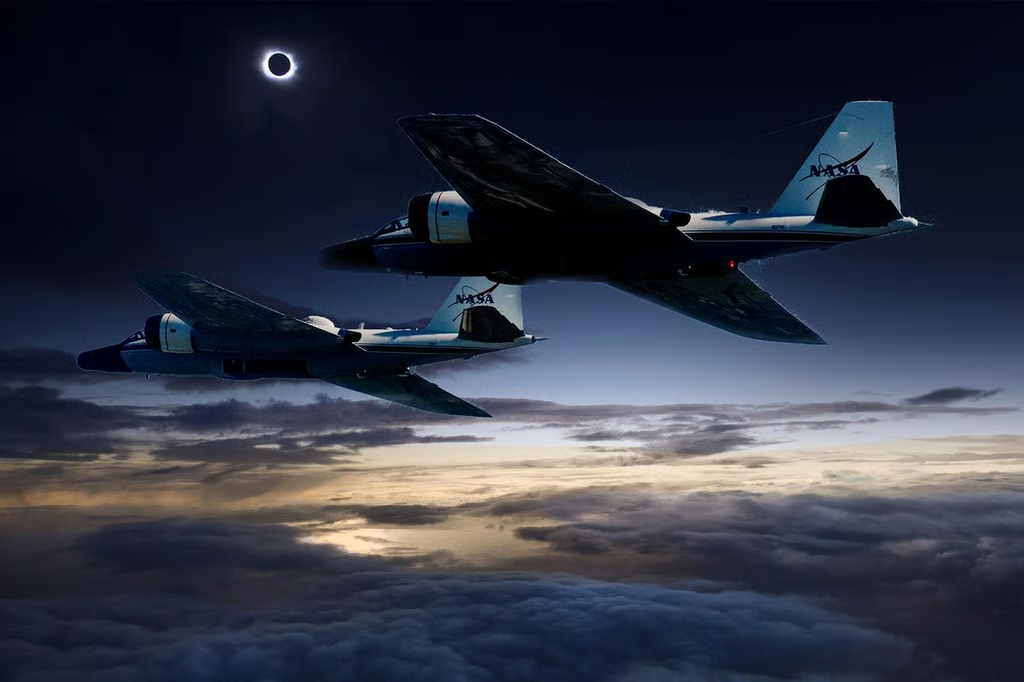
This illustration shows two NASA WB-57 jets flying during a solar eclipse.
SEE: Two NASA jets will chase the solar eclipse for never-before-seen images and massive data collection (TechRepublic)
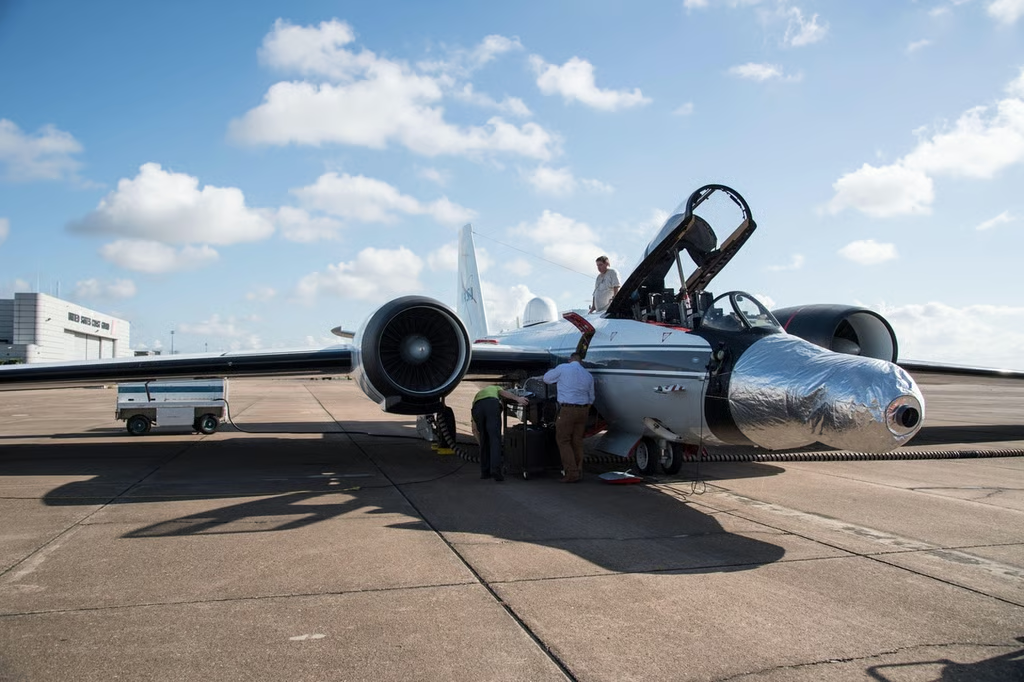
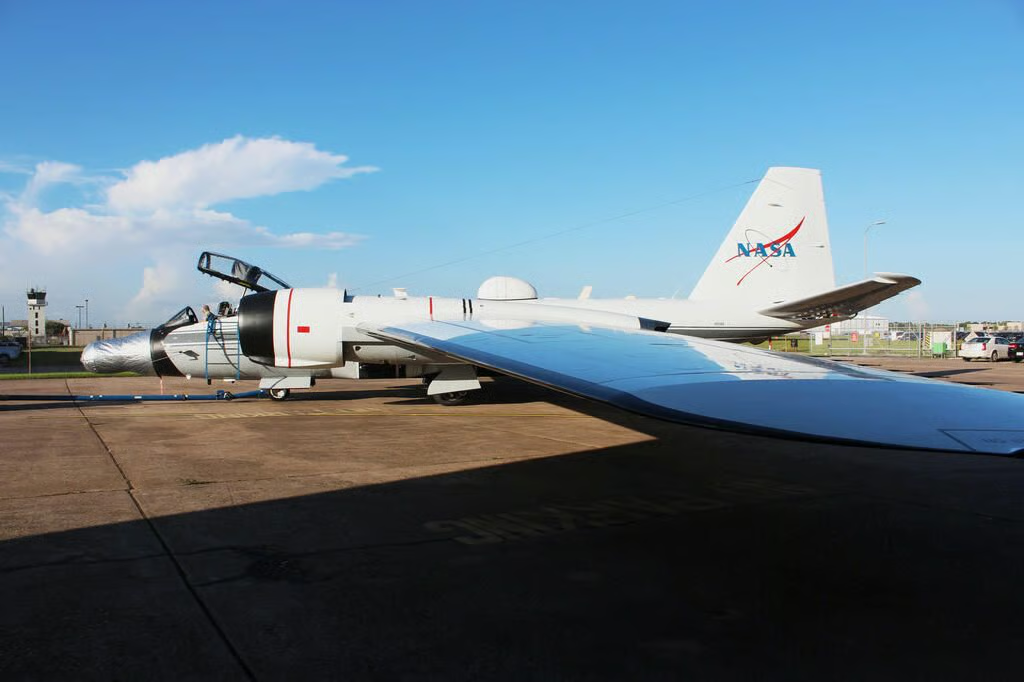
One of the WB-57 jets is being prepared for a test run at NASA’s Johnson Space Center in Houston. The instruments are underneath the silver casing on the plane’s nose.
SEE: Two NASA jets will chase the solar eclipse for never-before-seen images and massive data collection (TechRepublic)
The two WB-57 jets will observe the total eclipse for about three and a half minutes each as they fly over Missouri, Illinois and Kentucky. The jets will cruise over Tennessee as the eclipse is ending the period of totality.
SEE: Two NASA jets will chase the solar eclipse for never-before-seen images and massive data collection (TechRepublic)
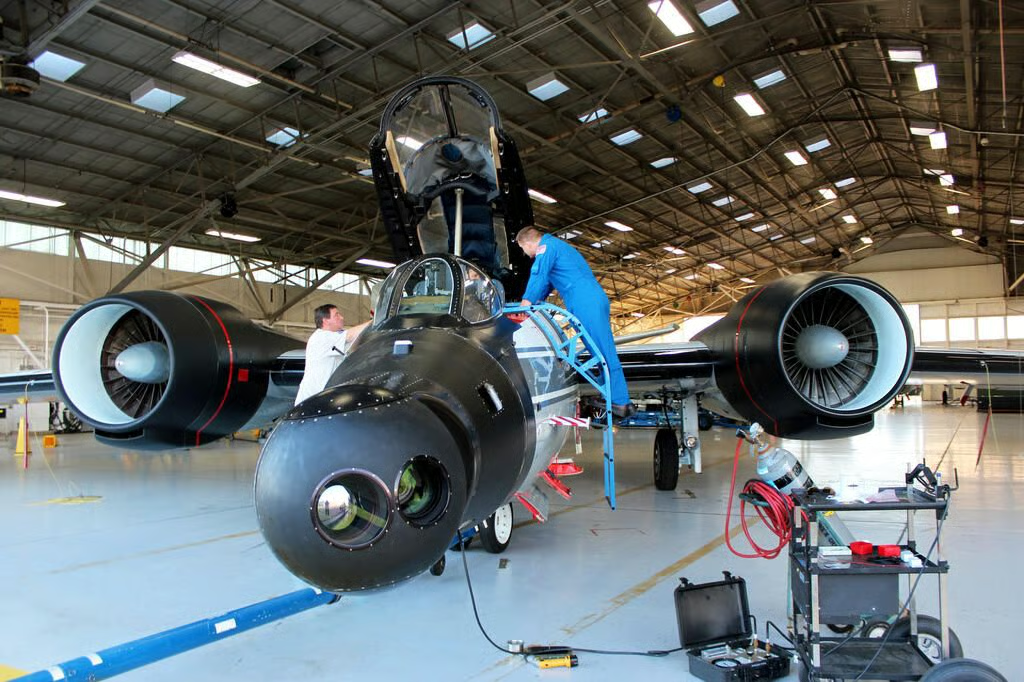
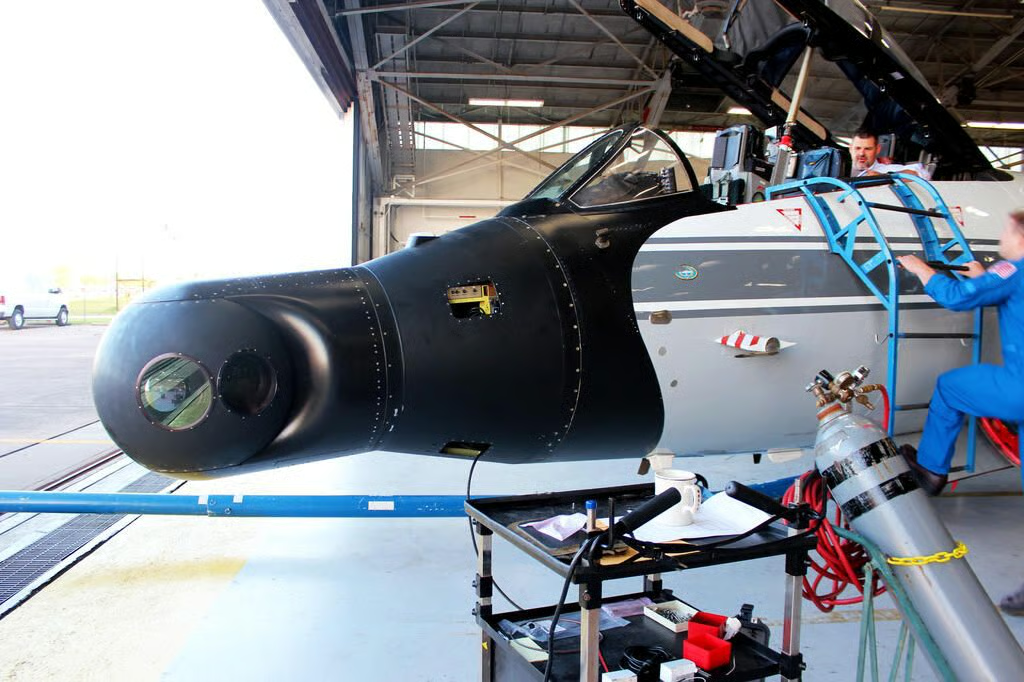
Twin telescopes are mounted on the nose of each WB-57.
SEE: Two NASA jets will chase the solar eclipse for never-before-seen images and massive data collection (TechRepublic)
At a cruising altitude of 50,000 feet, the sky is 20-30 times darker than as seen from the ground, with less atmospheric turbulence so that allowing fine structures and motions in the sun’s corona can be visible. These WB-57 jets will be chasing the eclipse in 2017.
SEE: Two NASA jets will chase the solar eclipse for never-before-seen images and massive data collection (TechRepublic)
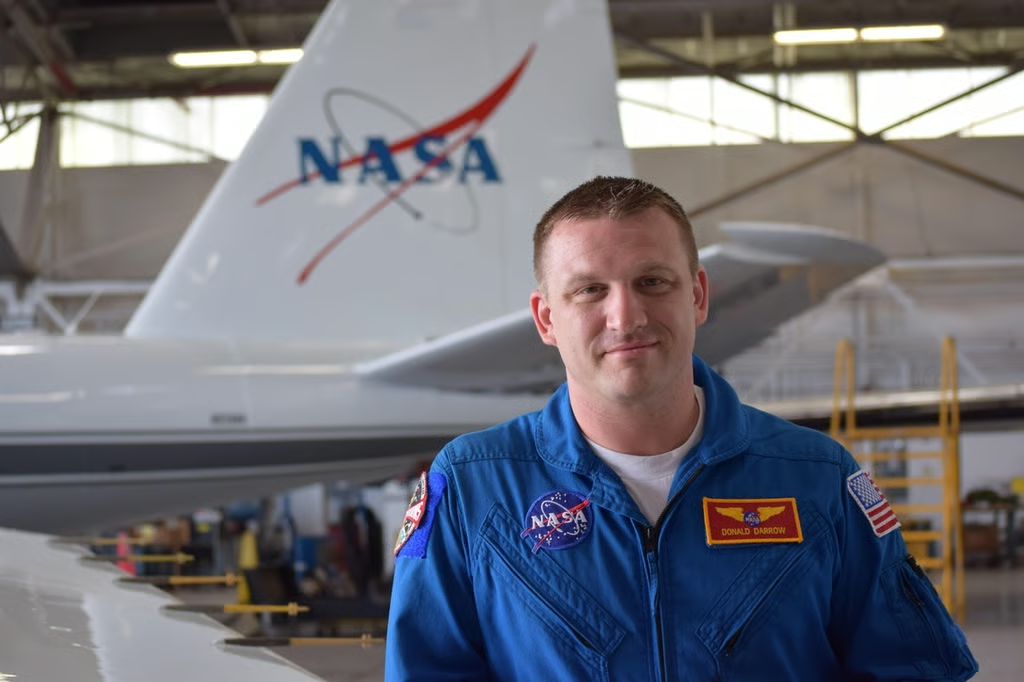
Southern Research’s Donald Darrow will operate the AIRS instrument on a NASA WB-57 aircraft during the total solar eclipse on Aug. 21, 2017.
SEE: Two NASA jets will chase the solar eclipse for never-before-seen images and massive data collection (TechRepublic)
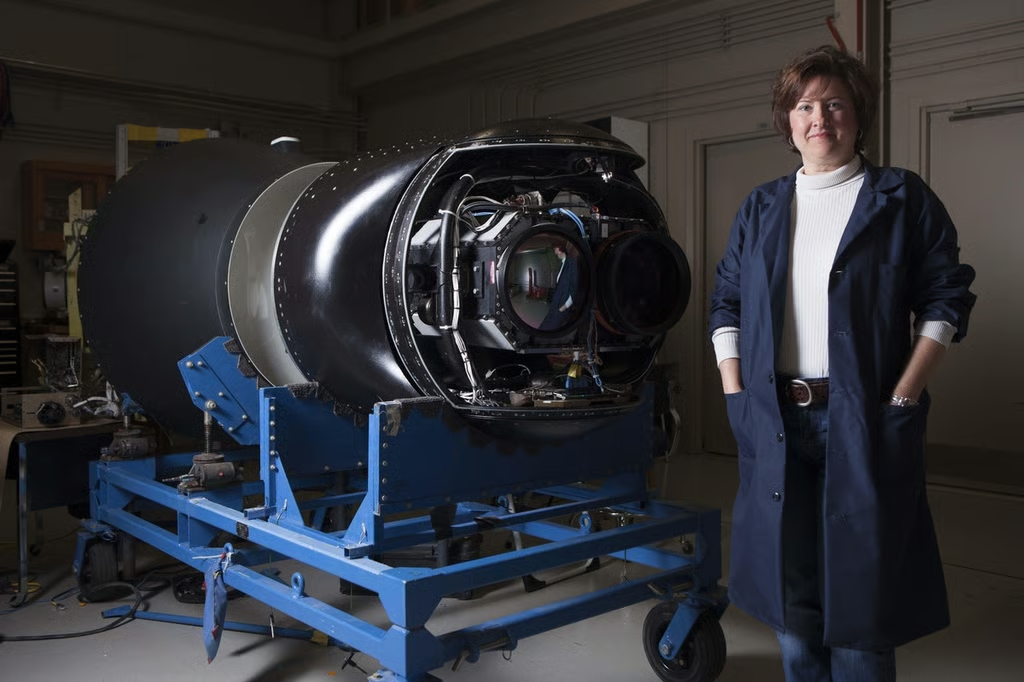
Johanna Lewis, director of Engineering’s Program Management Office at Southern Research, poses with the AIRS/DyNAMITE optical sensor that will provide a unique look at the stratosphere during the 2017 eclipse.
SEE: Two NASA jets will chase the solar eclipse for never-before-seen images and massive data collection (TechRepublic)
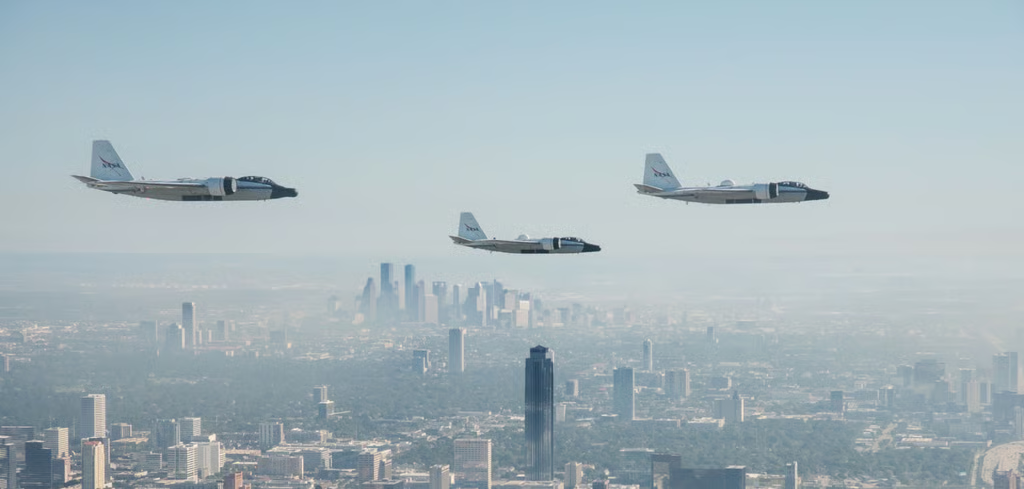
NASA has three WB-57 jets and two will be used to collect images and data from the solar eclipse. Here are the three WB-57 jets flying over Houston.
SEE: Two NASA jets will chase the solar eclipse for never-before-seen images and massive data collection (TechRepublic)
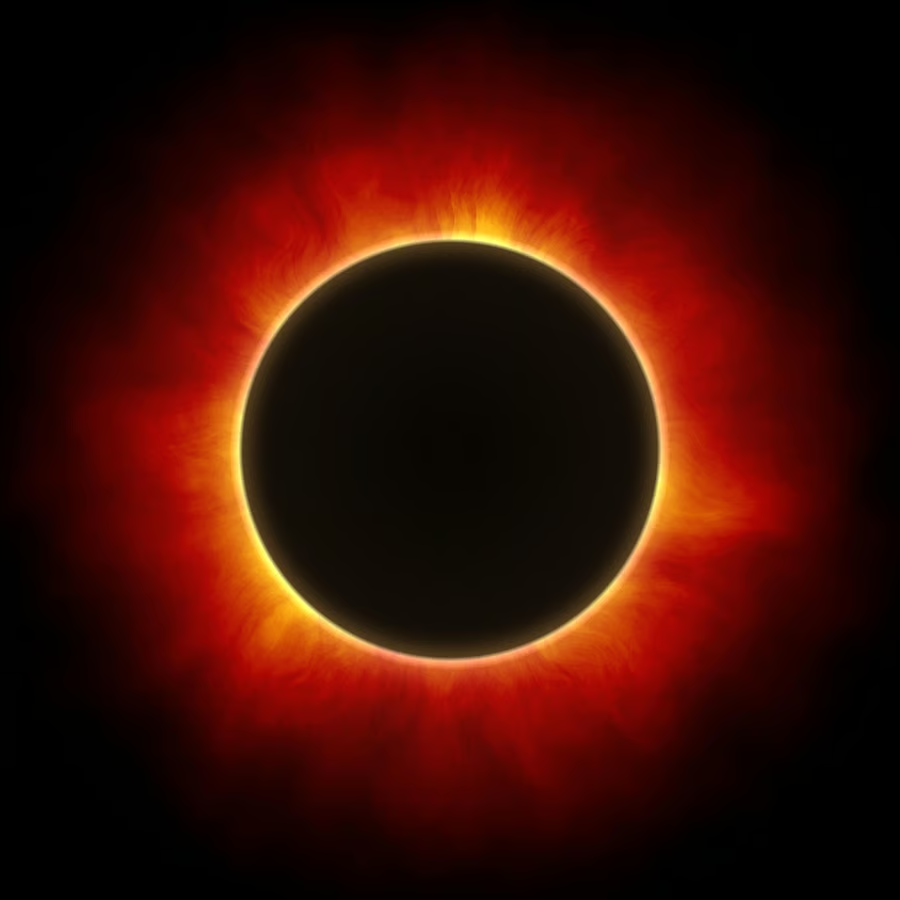
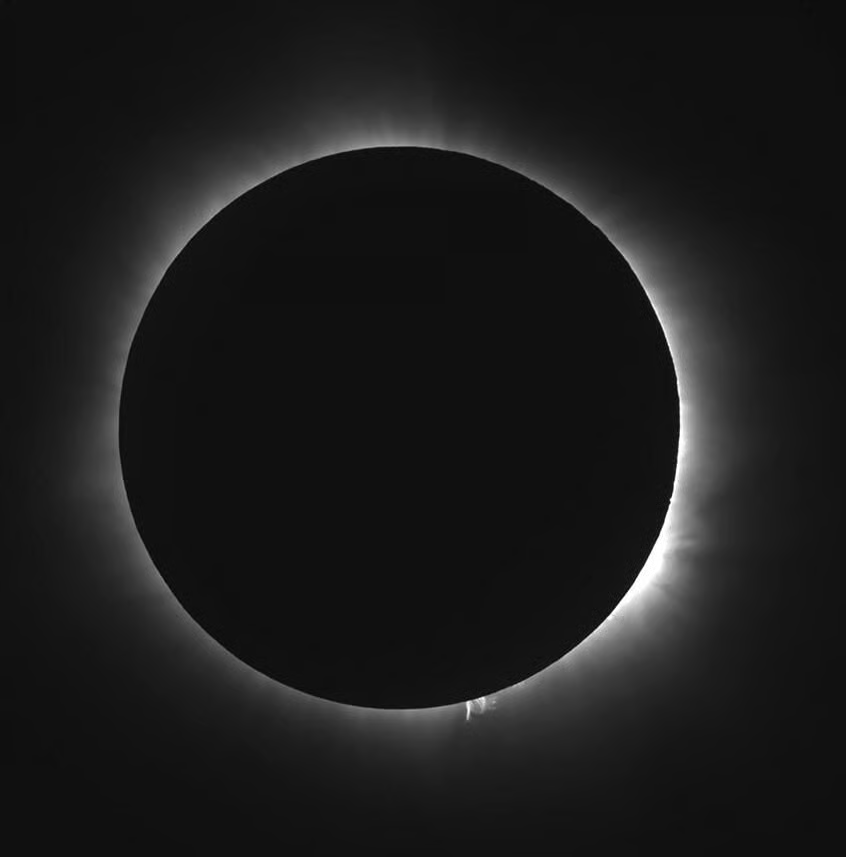
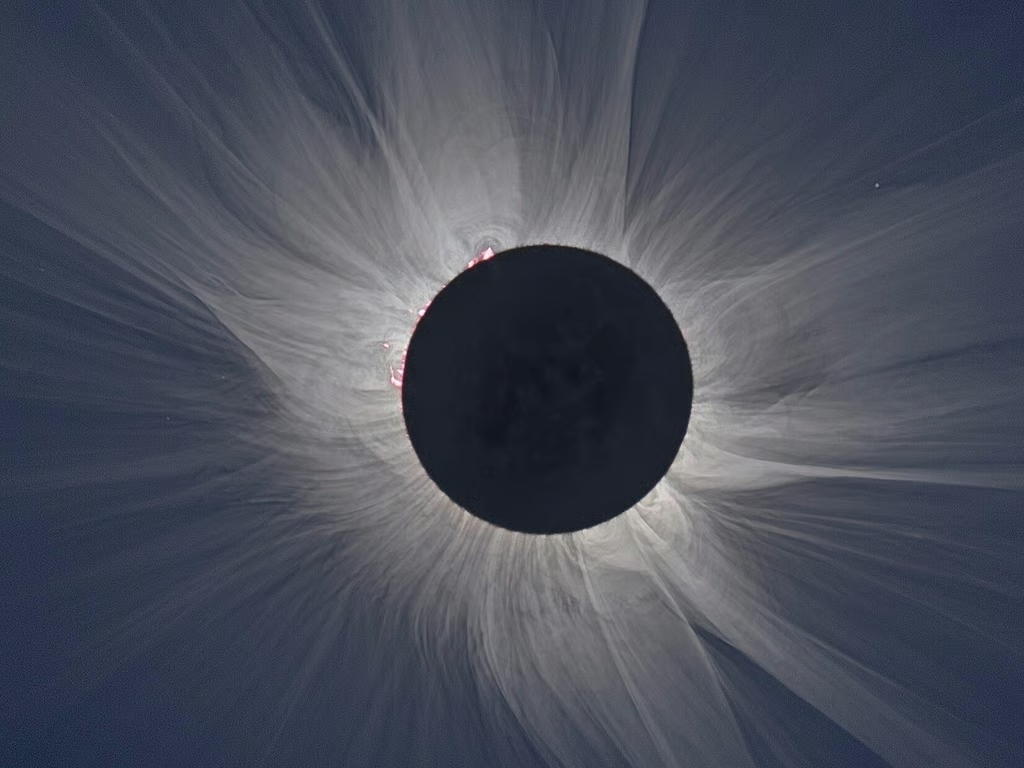
A stunning view of a total solar eclipse.
SEE: Two NASA jets will chase the solar eclipse for never-before-seen images and massive data collection (TechRepublic)
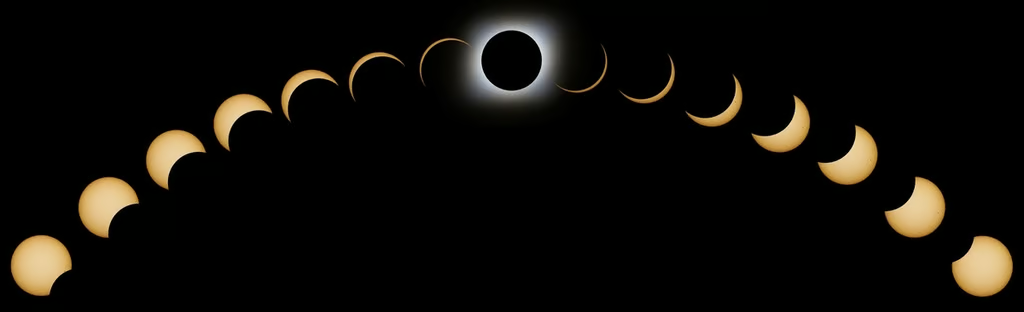
This shows each phase of a solar eclipse from partial to totality before and after the eclipse.
SEE: Two NASA jets will chase the solar eclipse for never-before-seen images and massive data collection (TechRepublic)
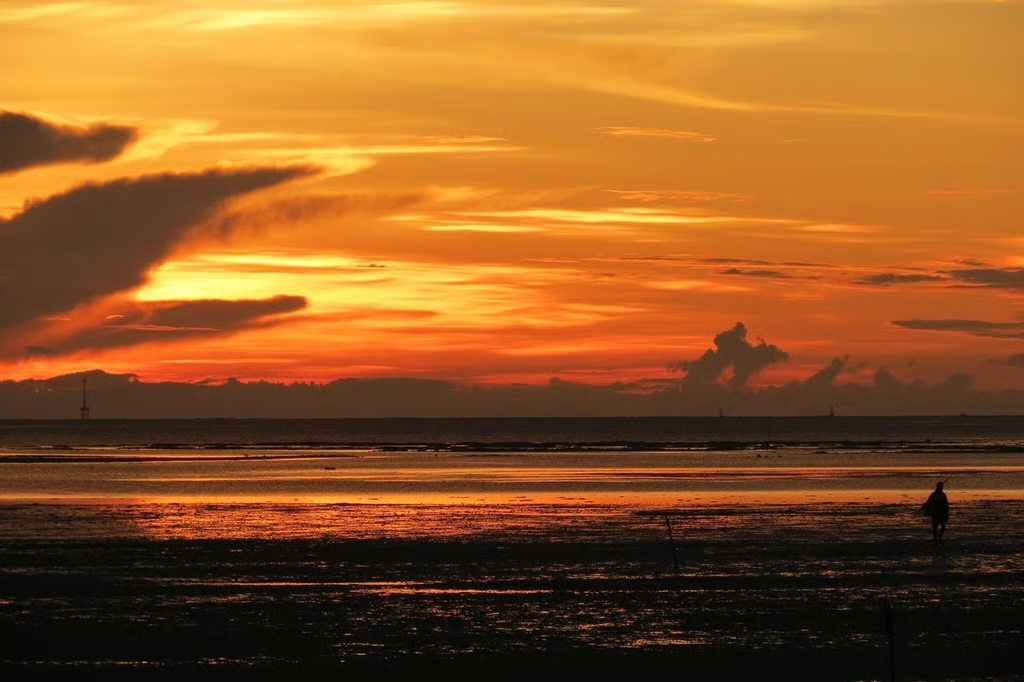
Here is a Citizen CATE (Continental America Telescopic Eclipse) experiment total solar eclipse 2016 low tide image in Indonesia. It was taken in March 2016.
SEE: Two NASA jets will chase the solar eclipse for never-before-seen images and massive data collection (TechRepublic)
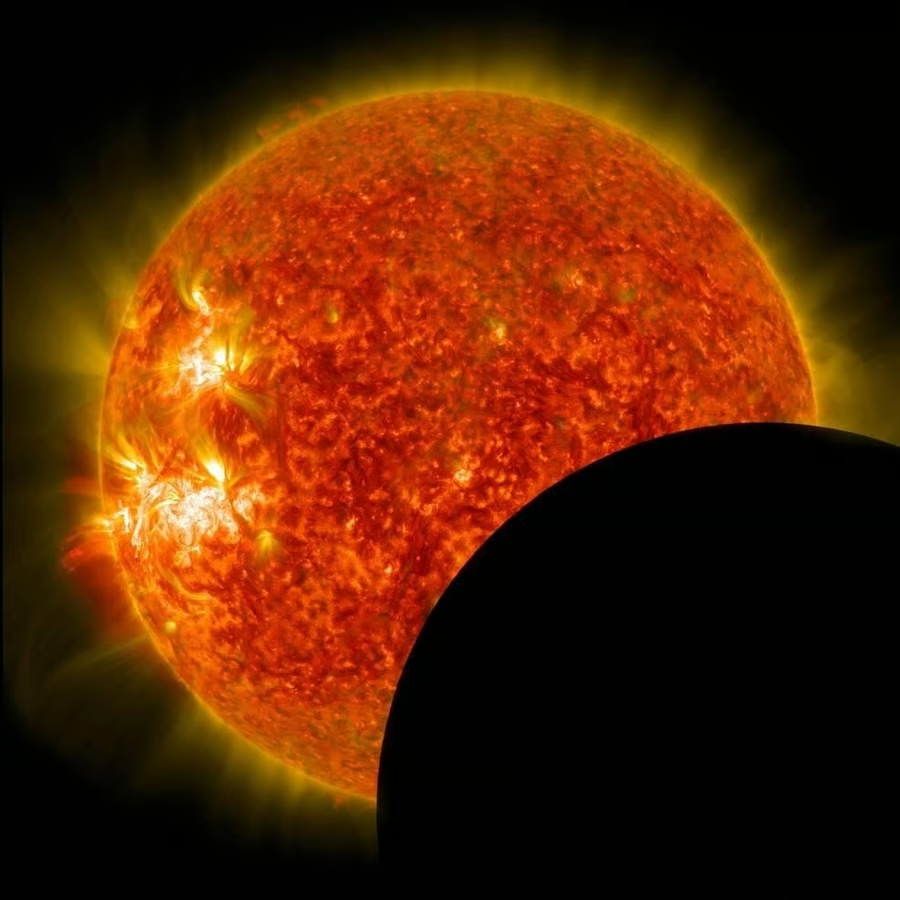
The moon is partially covering the sun in this image of a solar eclipse.
SEE: Two NASA jets will chase the solar eclipse for never-before-seen images and massive data collection (TechRepublic)
A view of totality in the Indonesian solar eclipse in 2016.
SEE: Two NASA jets will chase the solar eclipse for never-before-seen images and massive data collection (TechRepublic)
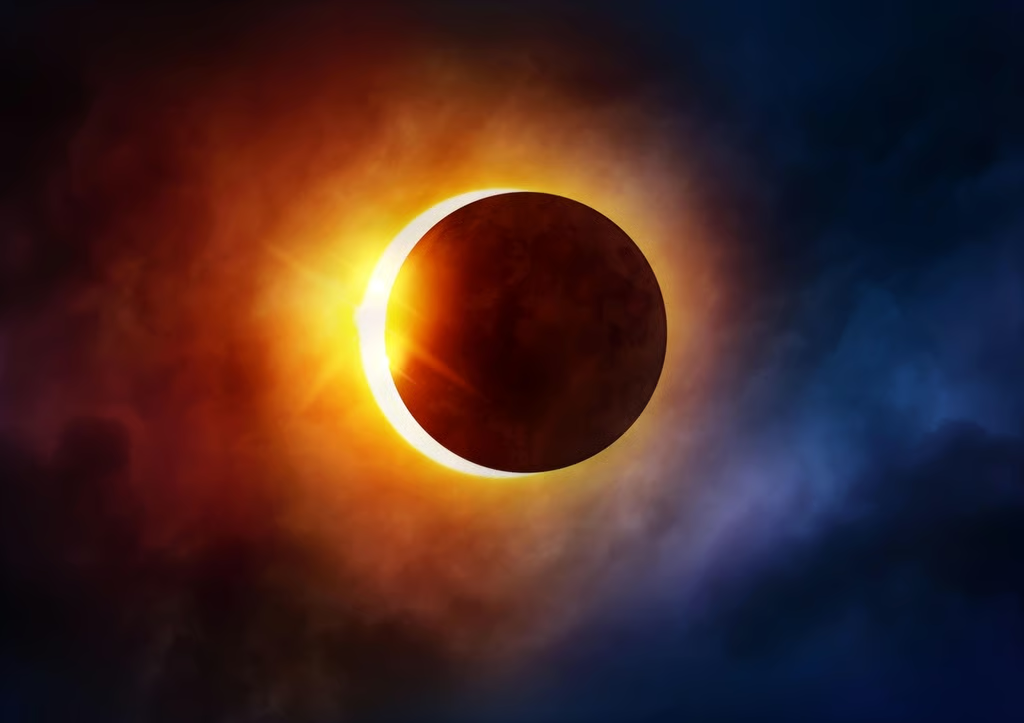
This image shows a solar eclipse beginning to come out of totality, creating the much-photographed diamond-ring effect.
SEE: Two NASA jets will chase the solar eclipse for never-before-seen images and massive data collection (TechRepublic)
Solar eclipse image.
SEE: Two NASA jets will chase the solar eclipse for never-before-seen images and massive data collection (TechRepublic)
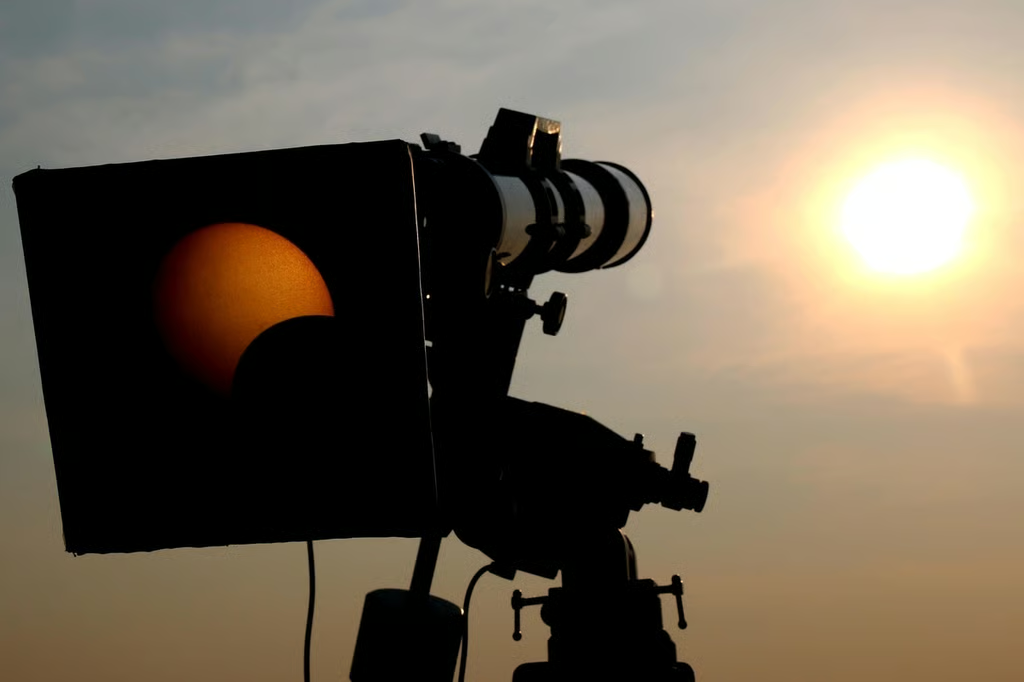
It’s important to use a solar filter when photographing a solar eclipse to prevent damage to your camera. It’s also essential to have a filter in place so that you do not damage your eye by viewing the eclipse through the camera lens.
SEE: Two NASA jets will chase the solar eclipse for never-before-seen images and massive data collection (TechRepublic)
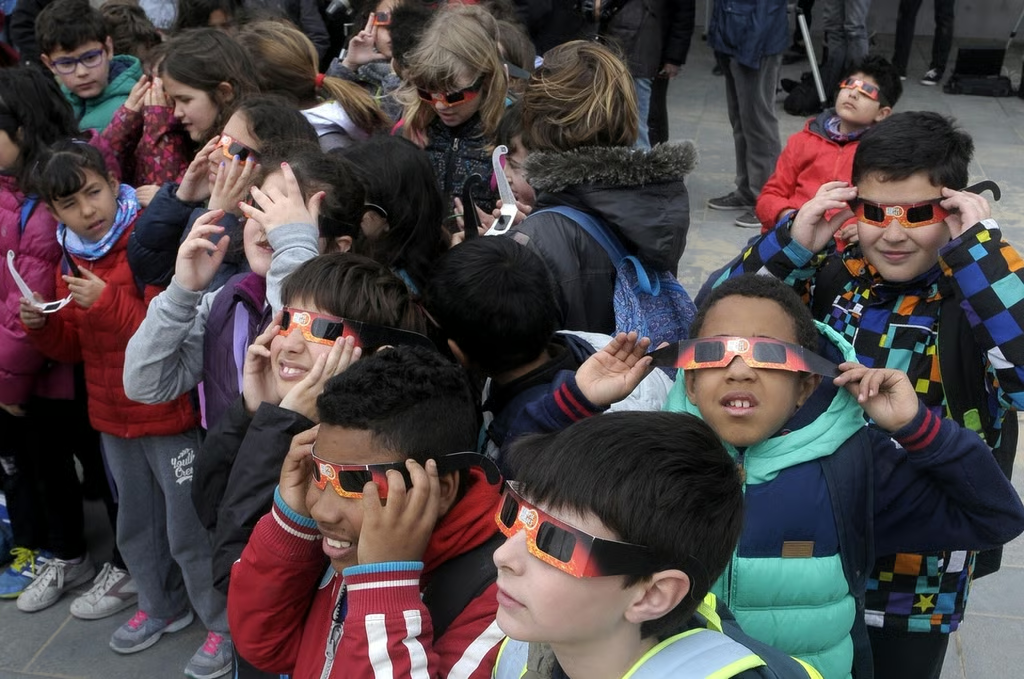
Schoolchildren in Barcelona, Spain are seen here wearing protective solar eclipse glasses at Barceloneta beach during the 2015 eclipse.
SEE: Two NASA jets will chase the solar eclipse for never-before-seen images and massive data collection (TechRepublic)
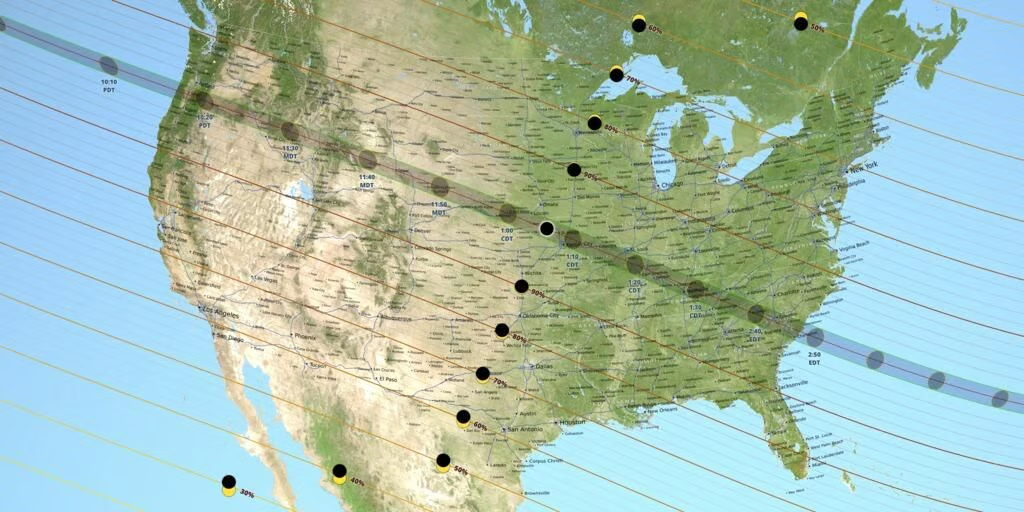
A map of the US showing the path of totality for the August 21, 2017 total solar eclipse.
SEE: Two NASA jets will chase the solar eclipse for never-before-seen images and massive data collection (TechRepublic)
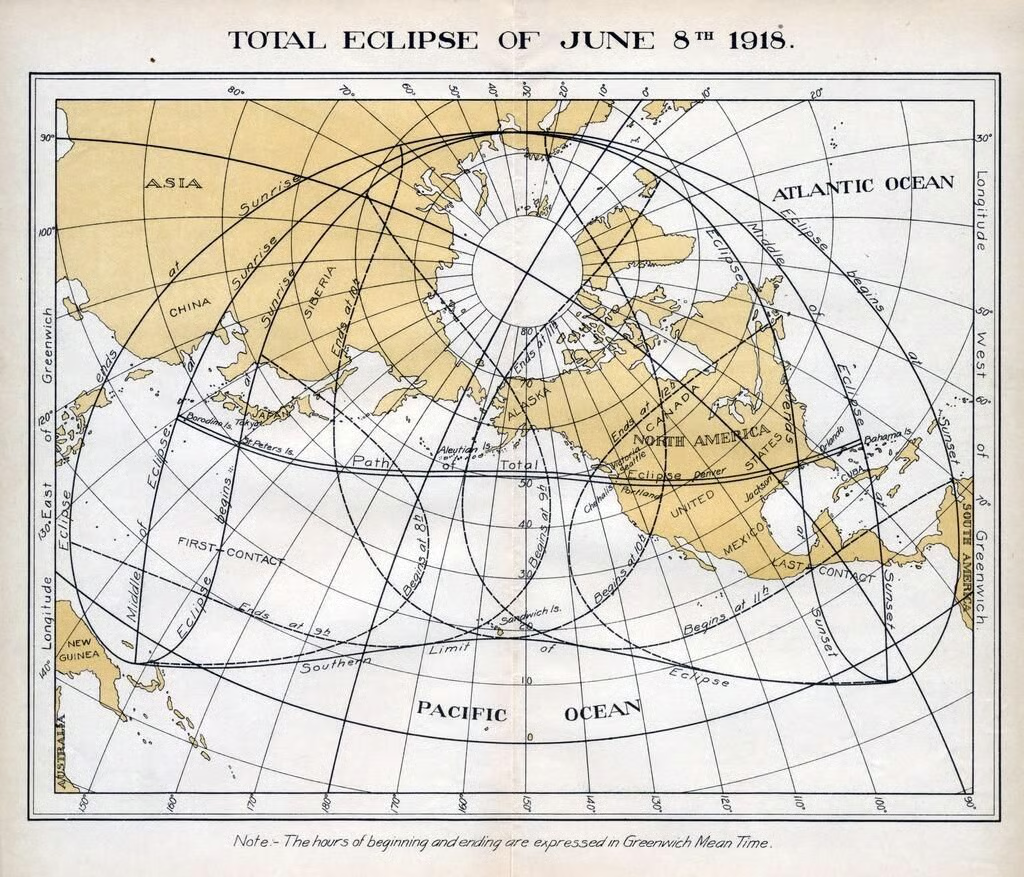
The last time a total solar eclipse spanned the continental US was in 1918. Here is a map of the 1918 total solar eclipse, from the American Ephemeris and Nautical Almanac for the Year 1918.
SEE: Two NASA jets will chase the solar eclipse for never-before-seen images and massive data collection (TechRepublic)
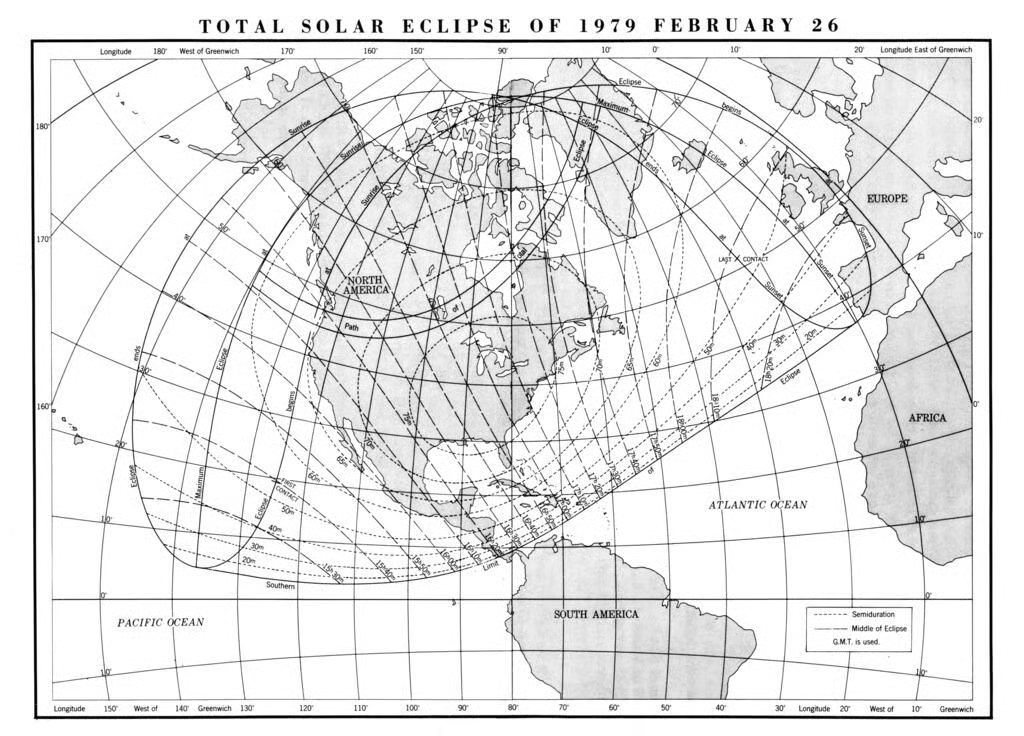
The last total solar eclipse in the continental US was in 1979; totality was visible in Washington, Oregon, Idaho, Montana and North Dakota, as well as parts of Canada and Greenland. This 1979 map shows the solar eclipse path.
SEE: Two NASA jets will chase the solar eclipse for never-before-seen images and massive data collection (TechRepublic)
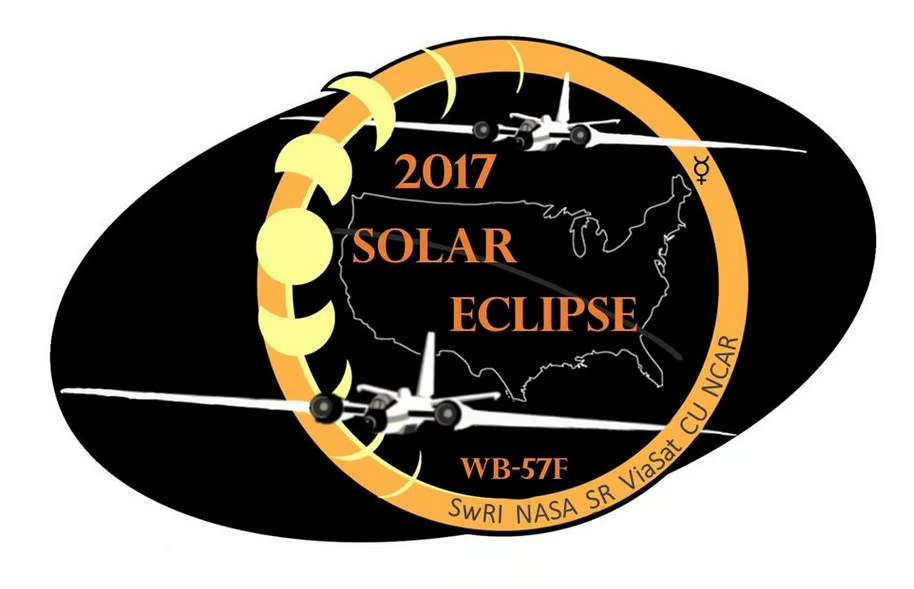
NASA created a solar eclipse patch for the 2017 event.