We are obsessed with these retro computer ads from the early 1980s - TechRepublic

We are obsessed with these retro computer ads from the early 1980s

  • tr-computer-early80s-juki.jpg

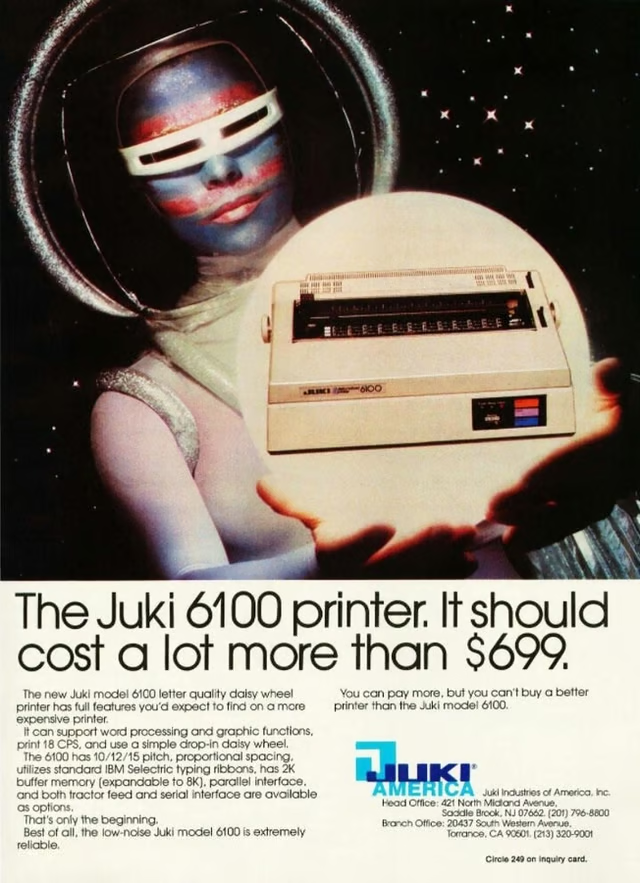
    Juki Printer, 1983

    Despite the space-age imagery, this expensive (and noisy!) daisy wheel printer has more in common with electric typewriters than laser printers. It could print graphics, but only using its period character.
    Juki
  • tr-computer-early80s-konan.jpg

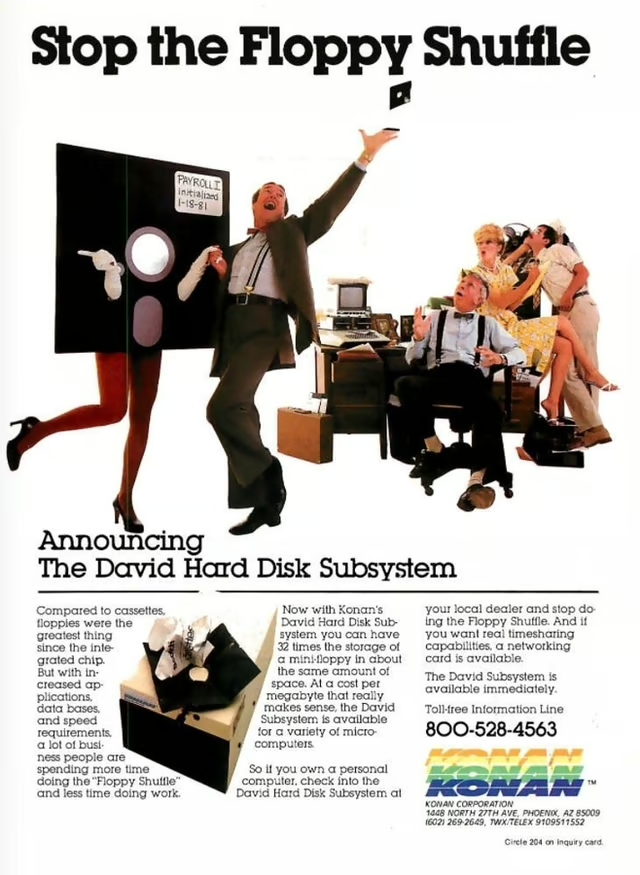
    David Hard Disk Subsystem, 1982

    Early computer peripheral ads were weird. The David Hard Disk Subsystem promised a wild new world of computing, where programs could be stored on “hard drives” rather than on a series of flimsy 5 1/4-inch floppy disks.

    Konan Corporation
  • tr-computer-early80s-printscreen.jpg

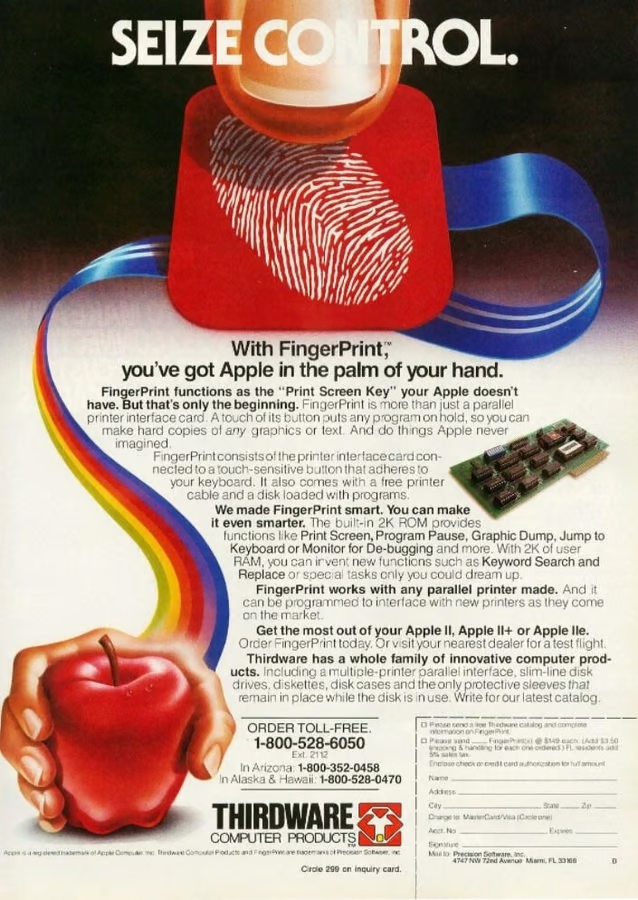
    How you printed your screen in 1984

    It’s something we take for granted today, but there was no easy way to print your screen on an early Apple computer. You’d have needed something like this FingerPrint printer interface card (complete with a “touch-sensitive button” to be added to keyboards) to make hard copies of graphics and text.

    Thirdware
  • tr-computer-early80s-apple-kids.jpg

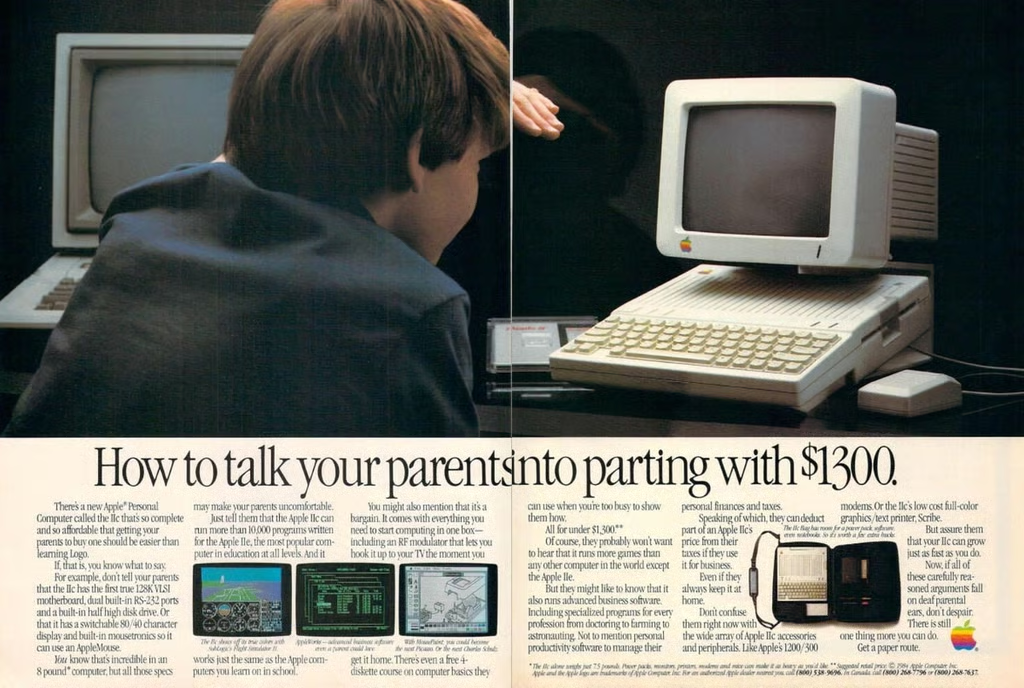
    Apple IIc, 1984

    By 1984, Apple Computers were becoming ubiquitous in U.S. schools. Ads like these hoped to make them just as popular in U.S. homes.

    Apple Computers
  • tr-computer-early80s-flight-sim.jpg

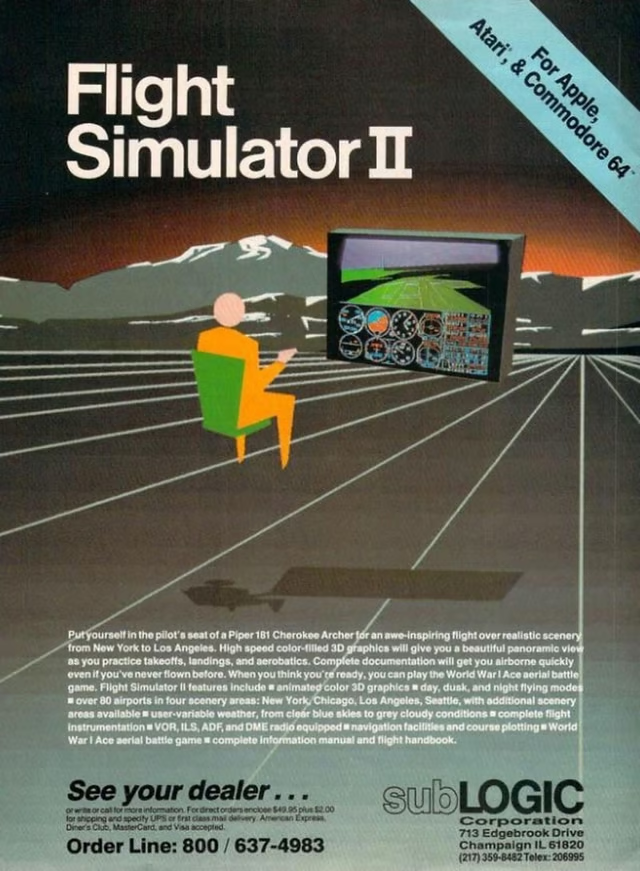
    Flight Simulator II, 1984

    First developed in 1977, SubLogic’s Flight Simulator is one of the longest-running and most successful computer programs of all time. SubLogic made the software available for Apple, Atari and Commodore systems.

    It licensed its IBM PC compatible version to Microsoft in 1982, meanwhile, as Microsoft Flight Simulator.

    SubLogic
  • tr-computer-early80s-ghostbusters.jpg

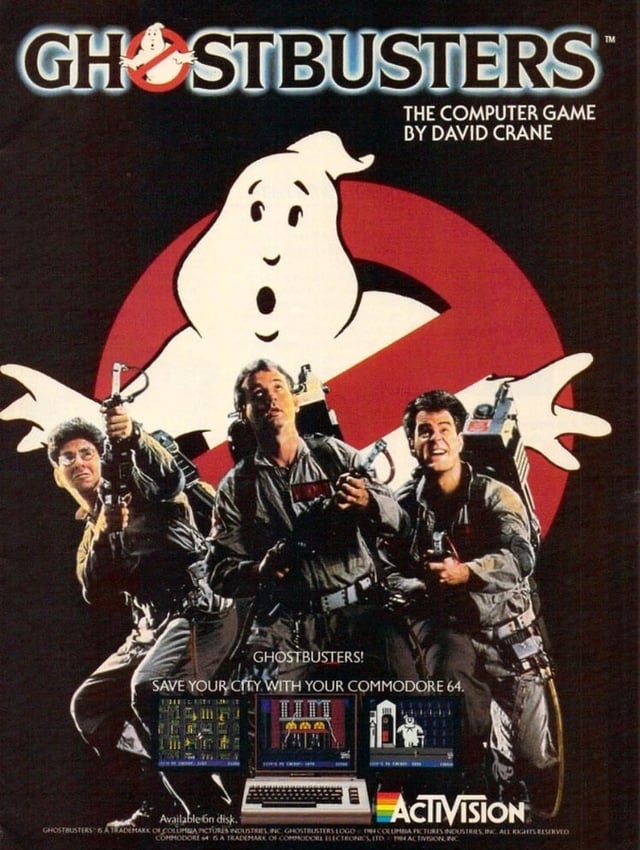
    Ghostbusters, the Computer Game, 1984

    One of the hottest movies of 1984 got its own computer game, of course. This Ghostbusters game was designed and programmed by industry heavyweight David Crane, best known as a co-founder of Activision and the designer of Pitfall!

    Activision
  • tr-computer-early80s-atari-games.jpg

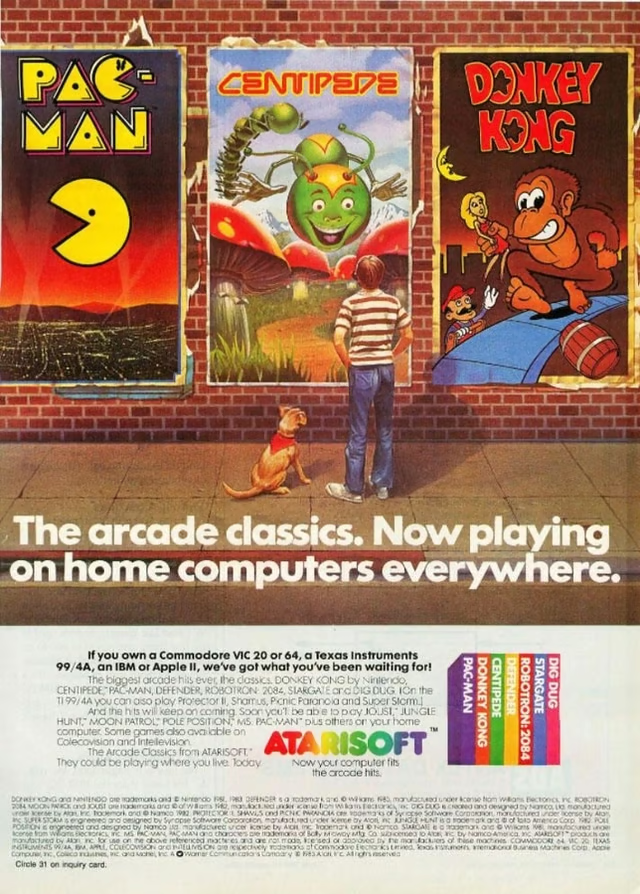
    Atarisoft, 1984

    Early computers weren’t just about programming and productivity — there were plenty of games. Atarisoft made some of the biggest arcade hits of the time available on IBM and Apple Computers alike.

    Atari
  • tr-computer-early80s-osborne.jpg

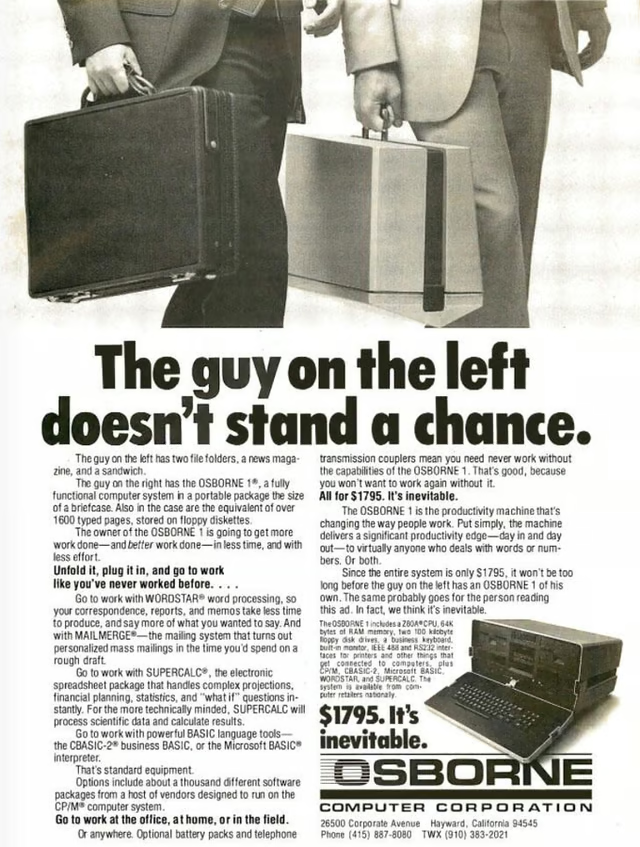
    Osborne 1, 1982

    We hailed the Obsorne 1 as one of the earliest laptop computers ever made, though at 25 pounds, it’s a bit of a beast. This computer is historically important, but it wasn’t a money maker — Osborne Computer Corporation declared bankruptcy in 1983.

    Osborne Computer Company
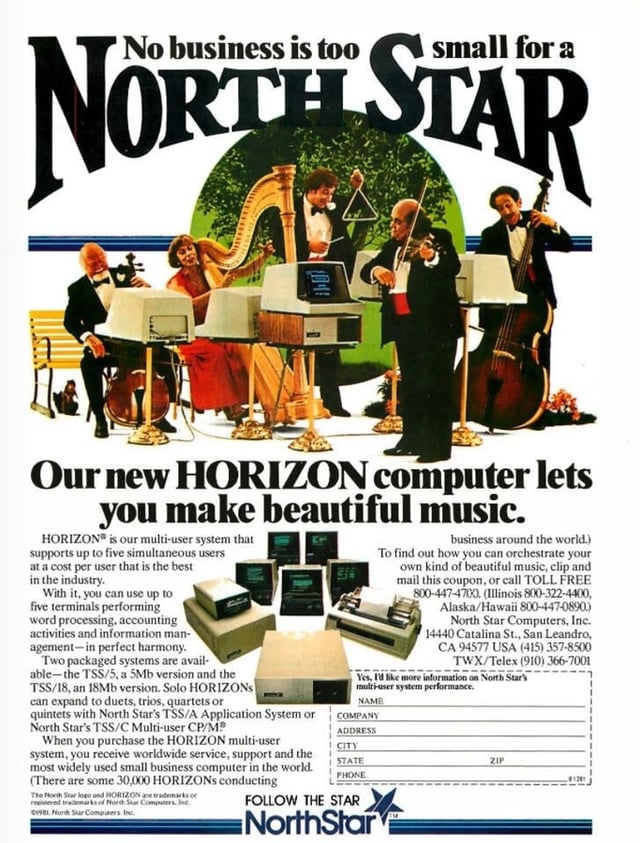
  • North Star Computers, 1982

    One of the earliest computers with a built-in drive, the North Star Horizon here was a major player in late 1970s and early 1980s multi-user computing.

    Unfortunately, the company’s technology failed to keep up with the times. By 1984, North Star was no more.

    North Star
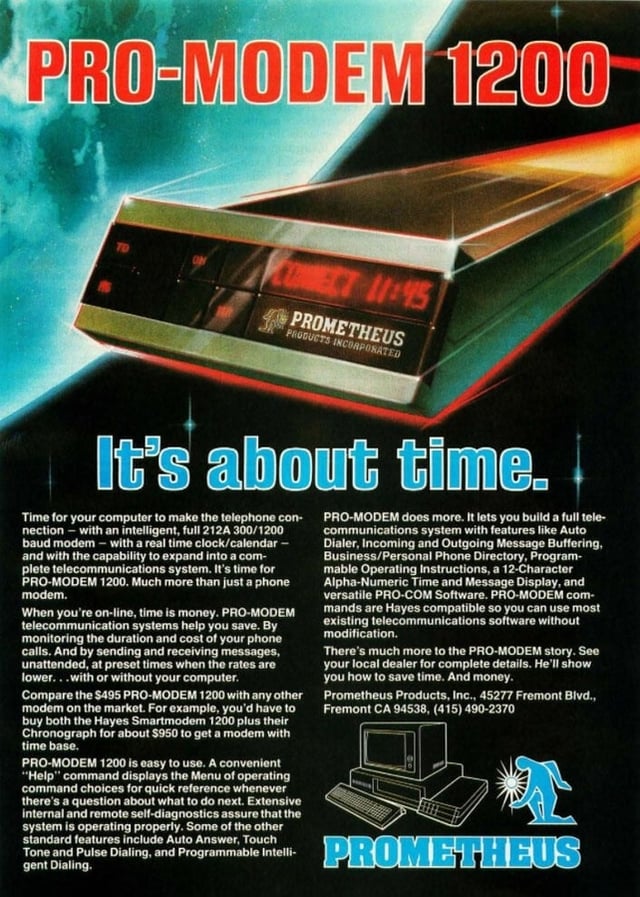
  • tr-computer-early80s-promodem.jpg

    Pro-Modem 1200, 1984

    The clock built in to this early ’80s computer modem enabled you to send e-mail late at night, when per-hour charges of early online services were their lowest. It didn’t come cheap, though — this 1,200 baud modem retailed for a whopping $495.

    Prometheus
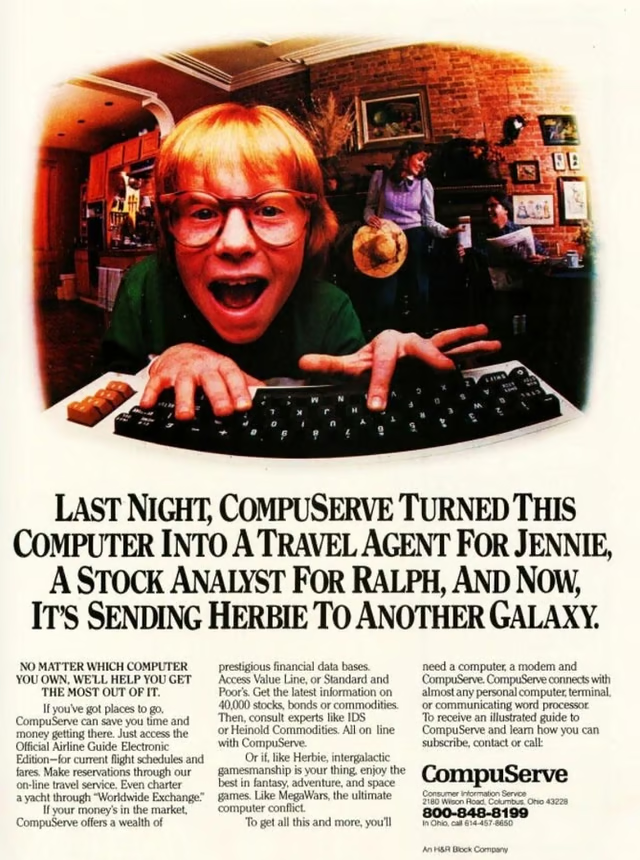
  • tr-computer-early80s-compuserve.jpg

    Compuserve, 1983

    Founded in 1969 and an industry leader throughout the 1980s, Compuserve was the first commercially successful online network. The service offered games like MegaWars and access to stock brokers at a pricey per-hour charge that often topped $10.

    Compuserve
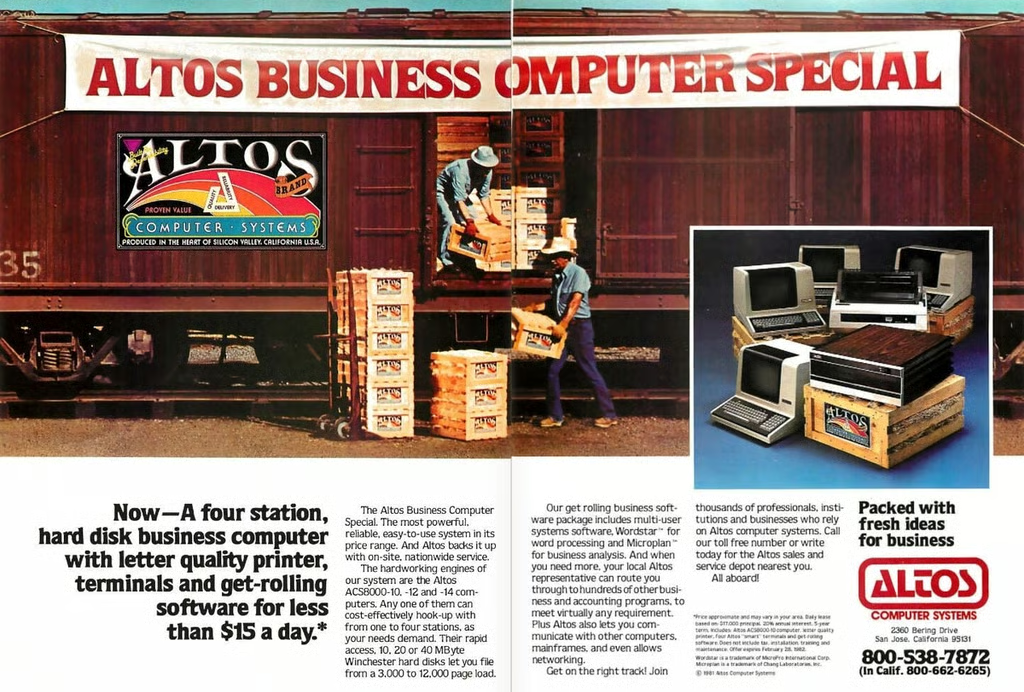
  • tr-computer-early80s-altos.jpg

    Altos Computer Systems, 1982

    Founded in 1977, Altos Computer Systems made a name for itself as a purveyor of low-cost multi-user computers. The company was ultimately acquired by Acer in 1990.

    Altos Computer Systems
  • tr-computer-early80s-hp-85.jpg

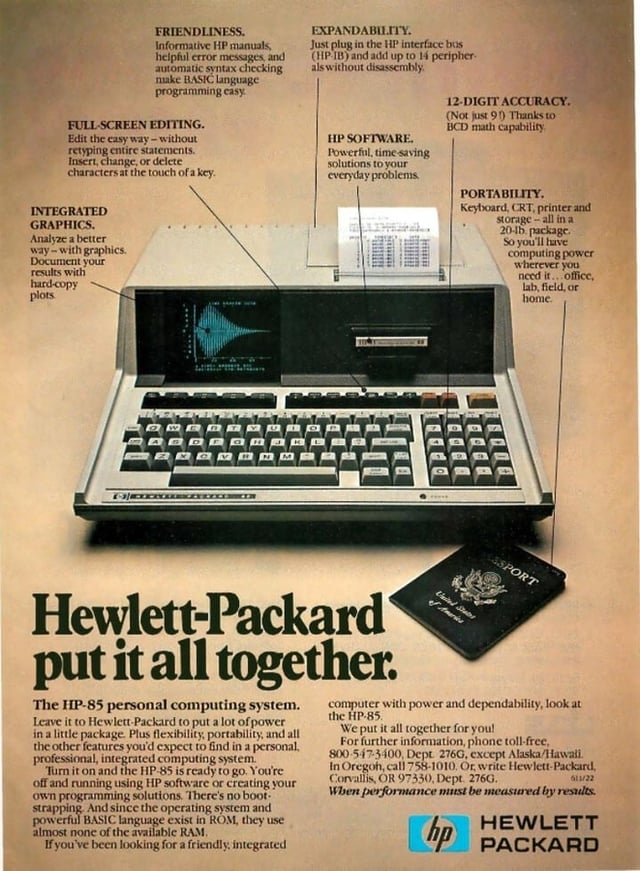
    Hewlett-Packard 85, 1982

    First released in January 1980, the Hewlett-Packard 85 was an early-albeit-expensive ($3,250) portable computer.

    Hewlett-Packard
  • tr-computer-early80s-3-inch.jpg

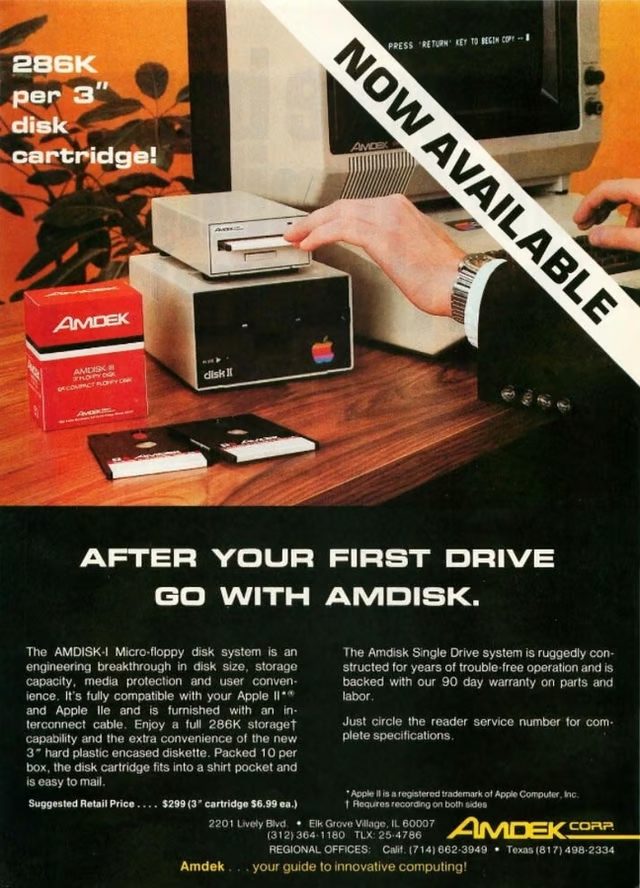
    Amdisk 3" Micro-floppy disk system, 1984

    Sure, you remember 5 1/4-inch floppy disks and 3 1/2-inch floppy disks, but do you remember 3-inch disks (286K)?

    This $299 Amdisk system was an easy add-on for the Apple II and IIe, but the 3-inch floppy format never really caught on.

    Amdek Corp.
  • tr-computer-early80s-texasinstruments.jpg

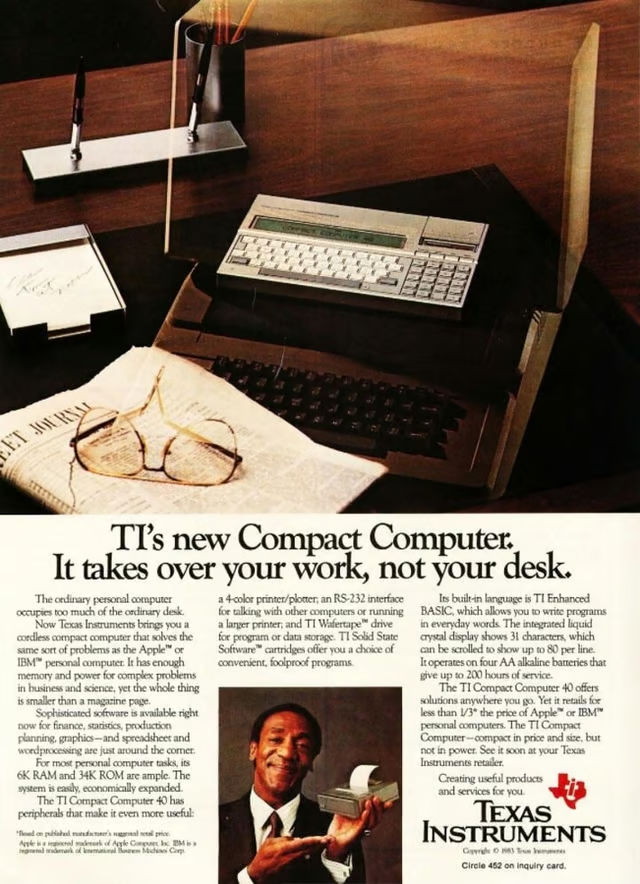
    Texas Instruments Compact Computer 40, 1983

    More than just a calculator maker, Texas Instruments was one of the early leaders in computer sales. Unfortunately, this particular model was panned by Byte magazine as offering “more promise than performance” and no available software.

    Texas Instruments
  • tr-computer-early80s-janus.jpg

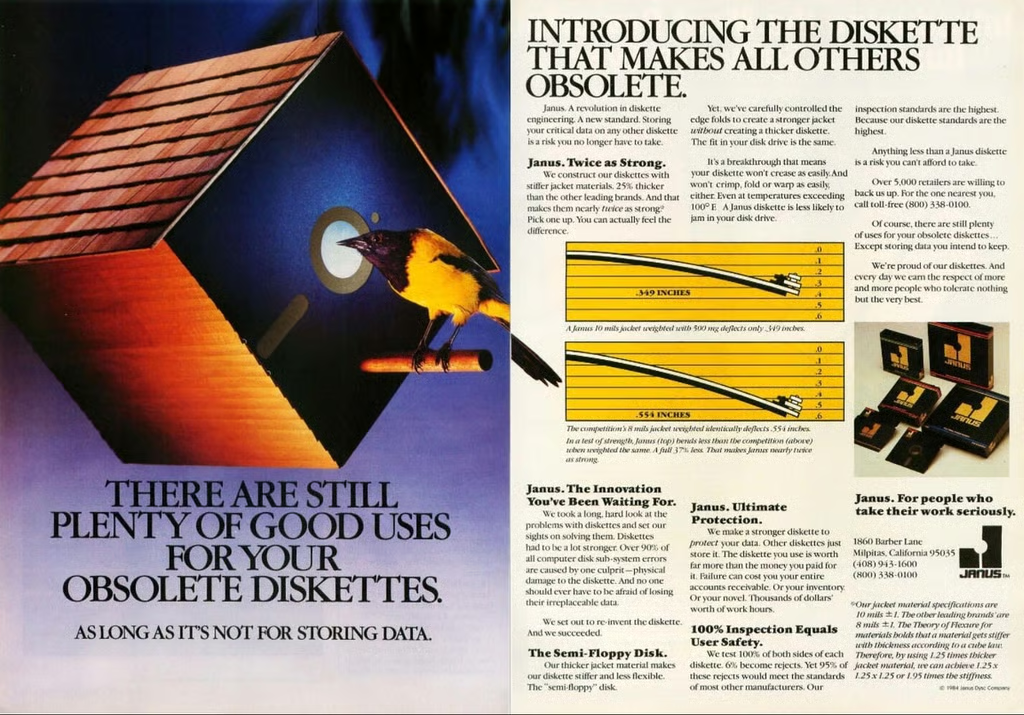
    Janus Diskettes, 1984

    Early floppy disks were … well, floppy. These heavy-weight diskettes from Janus were less likely to warp, even when inserted into a hot machine.

    Janus
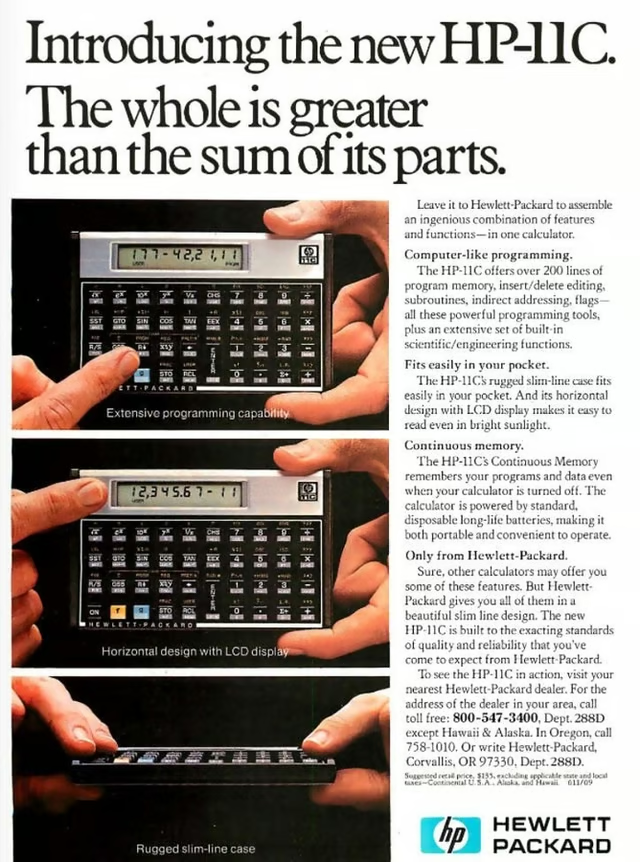
  • tr-computer-early80s-hp-calculator.jpg

    HP-11C Programmable Calculator

    A cross between a computer and a calculator, the programmable HP-11C made life easier for engineers and math students alike. It handled trigonometry and logarithmic functions with ease, while also offering over 200 lines of memory for more complex calculations.

    The Museum of HP Calculators suggests the device had an MSRP of $135 when it was introduced in 1981.

    Hewlett-Packard
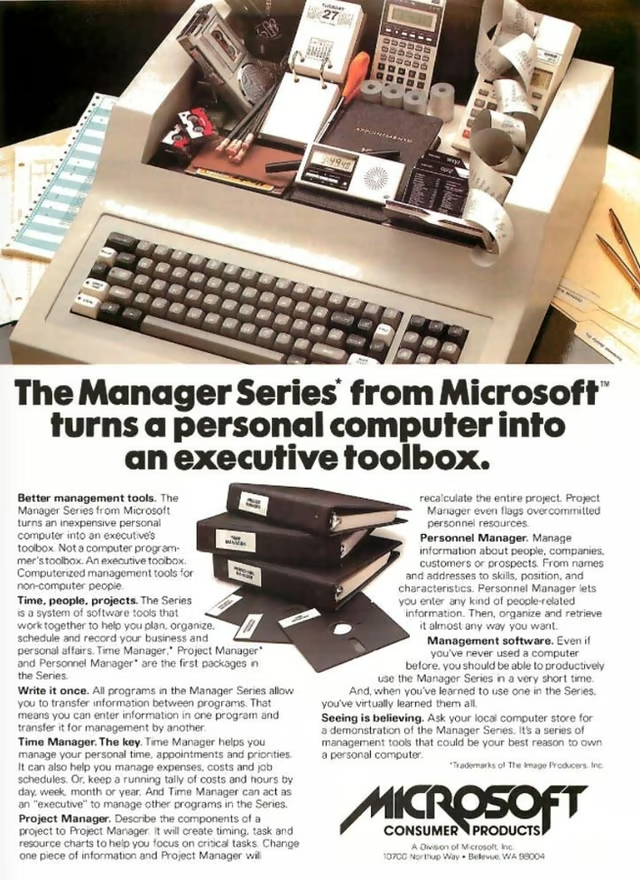
  • tr-computer-early80s-microsoft.jpg

    Microsoft, 1982

    This ad from Microsoft predates most of the company’s smash successes — Word wouldn’t be released until 1983, and the groundbreaking Windows 1.0 wouldn’t arrive until 1985.

    Microsoft
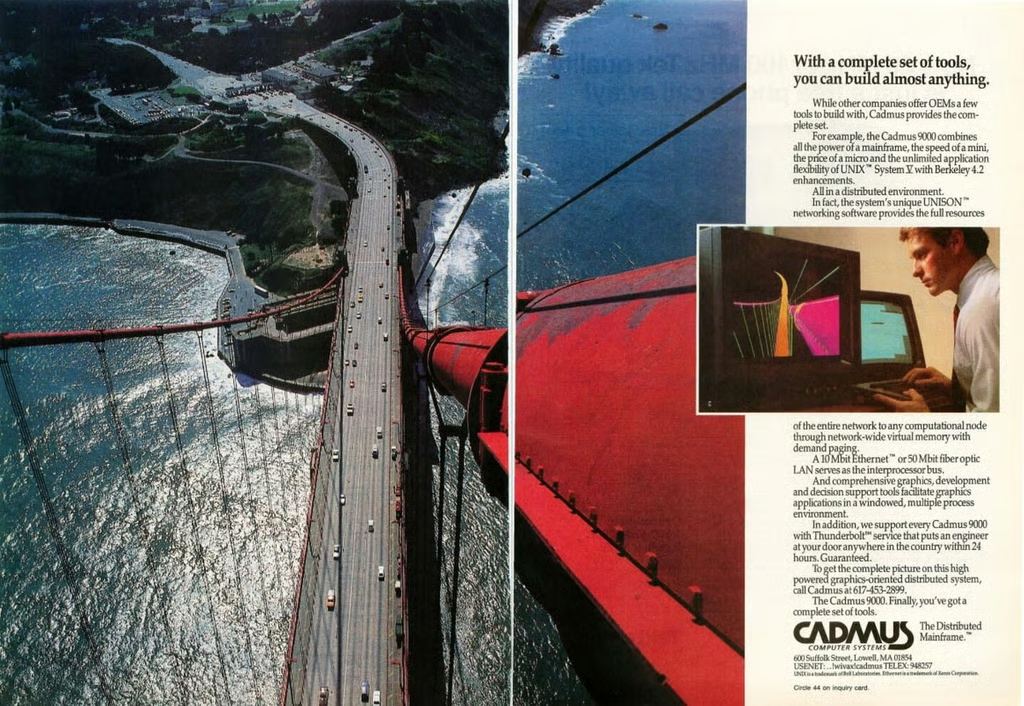
  • tr-computer-early80s-cadmus.jpg

    Cadmus Computer Systems, 1984

    By 1984, graphics-focused computers were already doing amazing things. This ad from Cadmus Computer Systems shows off its machine’s computer-aided design prowess.

    Cadmus Computer Systems
  • tr-computer-early80s-modem.jpg

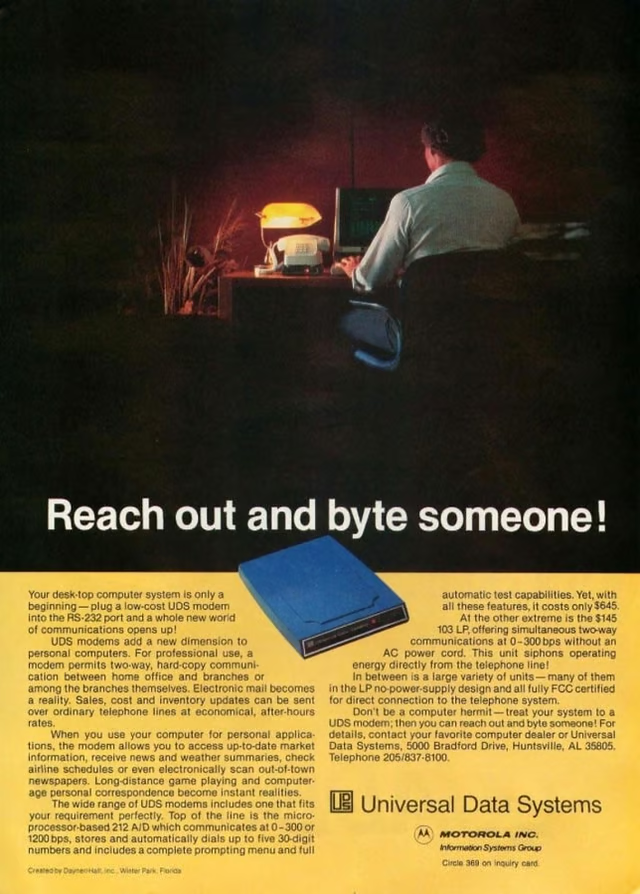
    Universal Data Systems Modem, 1984

    Connecting to a multi-user service like Compuserve required an expensive modem. This Motorola modem from Universal Data Systems offered “top of the line” 1,200 bps connectivity at a cost of “only $645.”

    Universal Data Systems
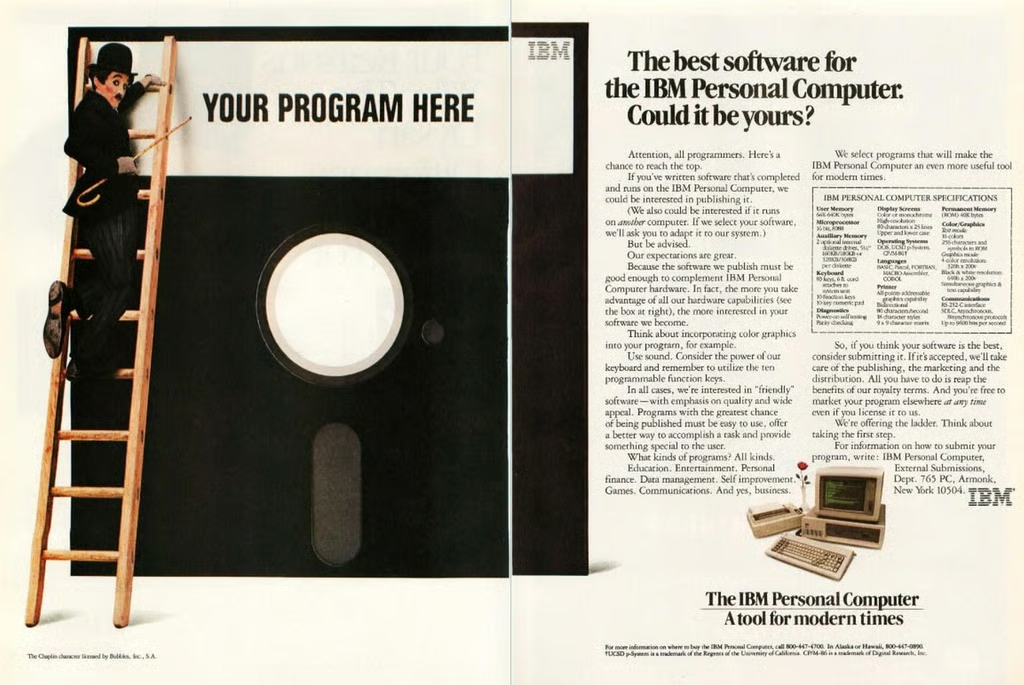
  • tr-computer-early80s-ibm.jpg

    IBM wants your software!, 1984

    In the early ’80s, IBM solicited software submissions from amateur and professional programmers through computing magazines. If the program was useful, IBM would distribute it for you and pay you royalties.

    By the time this ad ran in 1984, Charlie Chaplin’s tramp character had become synonymous with IBM.

    IBM
  • tr-computer-early80s-inside-apple.jpg

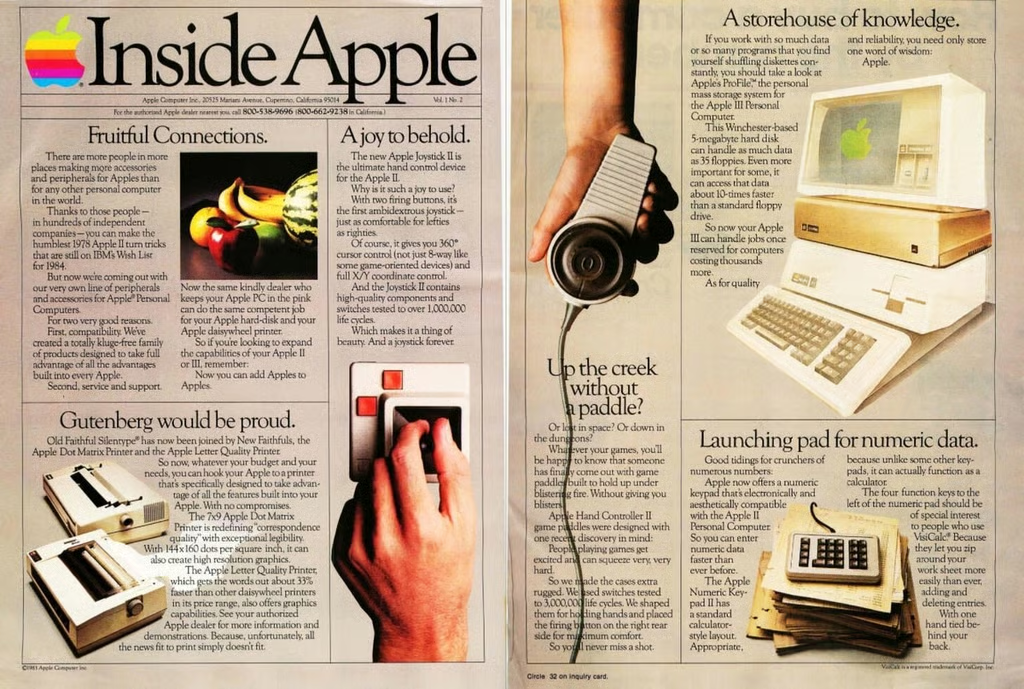
    Inside Apple, 1983

    Some of Apple’s early ’80s advertisements had a newsletter appearance to them. This one from 1983 touts the Apple Joystick II, the Apple Hand Controller II, and the Apple ProFile hard drive that “can handle as much data as 35 floppies.”

    Apple Computer
  • tr-computer-early80s-apple-ad.jpg

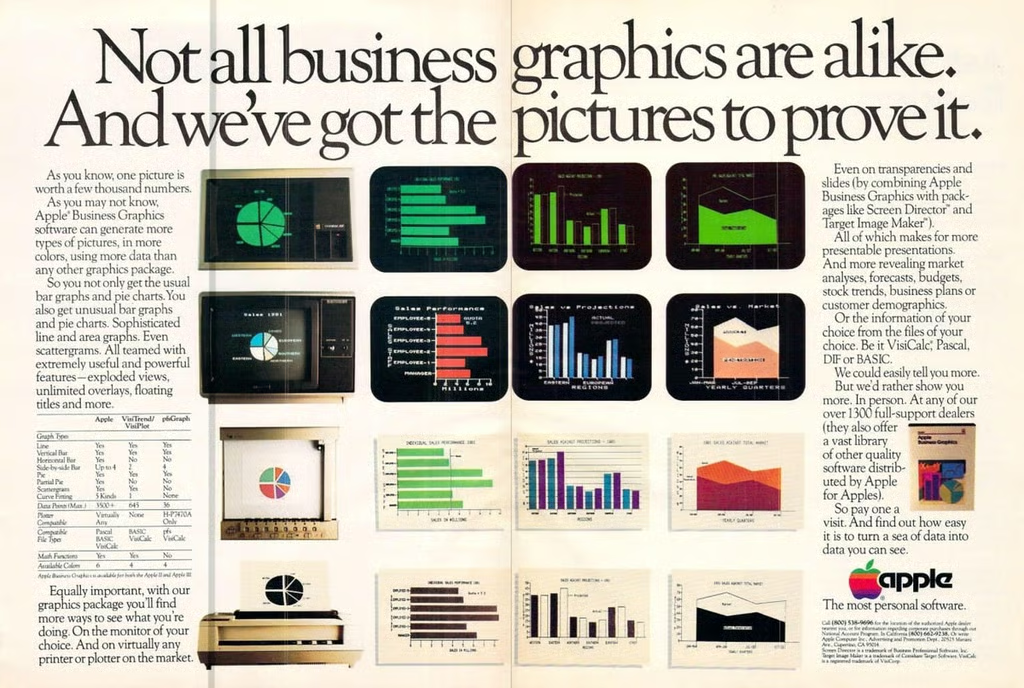
    Apple, 1982

    This 1982 ad from Apple Computers touts the company’s advanced graphics prowess, tempting businesspeople with the promise of full-color pie charts.

    Apple
  • tr-computer-early80s-atari-ad.jpg

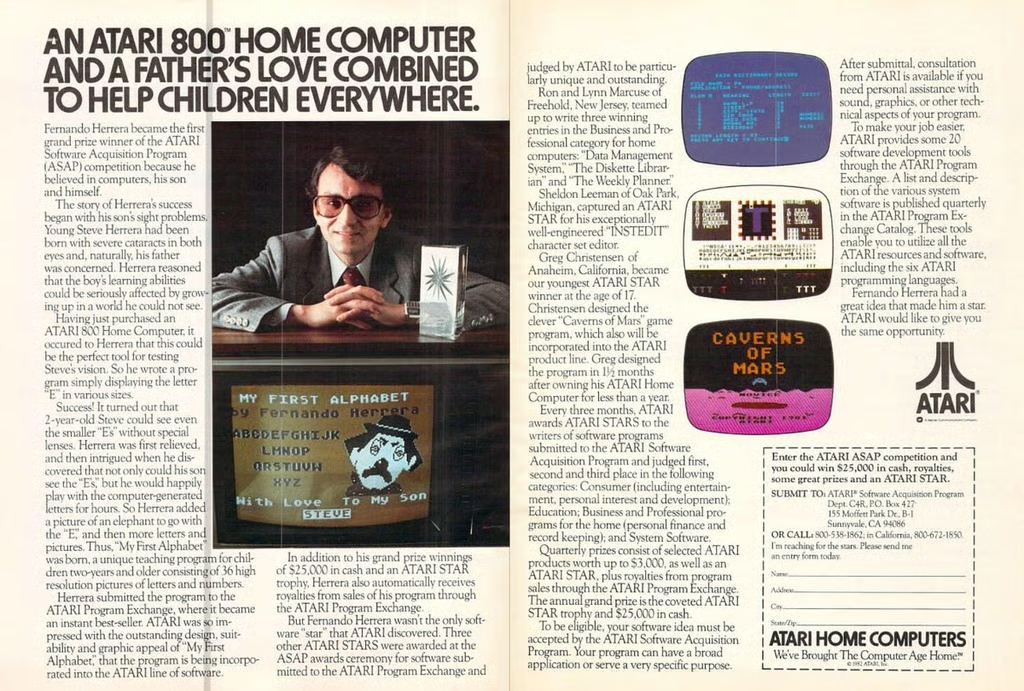
    Atari 800 Home Computer, 1982

    Atari wasn’t just a video gaming company — it was a largely unsuccessful computer maker, too. The Atari 800 Home Computer ran programs off cartridges and cassette tapes, though an external floppy drive was available for an extra $599.95.

    Atari
  • tr-computer-early80s-ibm.jpg

    IBM Personal Computers, 1982

    Business behemoth IBM dominated early computer sales, both inside offices and homes. IBM PCs were expensive, however, and would soon face significant competition from an army of PC clones.

    IBM
1 of 25
Fox Van Allen

Fox Van Allen is a Los Angeles-based writer for CBS Interactive covering technology, tech lifestyle and gaming topics for GameSpot, CNET, ZDNet and TechRepublic. He has previously worked as a news and feature writer for a number of other sites, including Techlicious, Tecca, WoW Insider (Joystiq) and Blizzard Watch. In his spare time, Fox is an amateur skydiver, retro gaming and arcade enthusiast, 8-bit pixel artist, podcaster and Twitch live streamer.