Screenshots: 10 cross-platform messaging apps you shouldn't overlook - TechRepublic

Screenshots: 10 cross-platform messaging apps you shouldn’t overlook

  • BBM (BlackBerry Messenger)

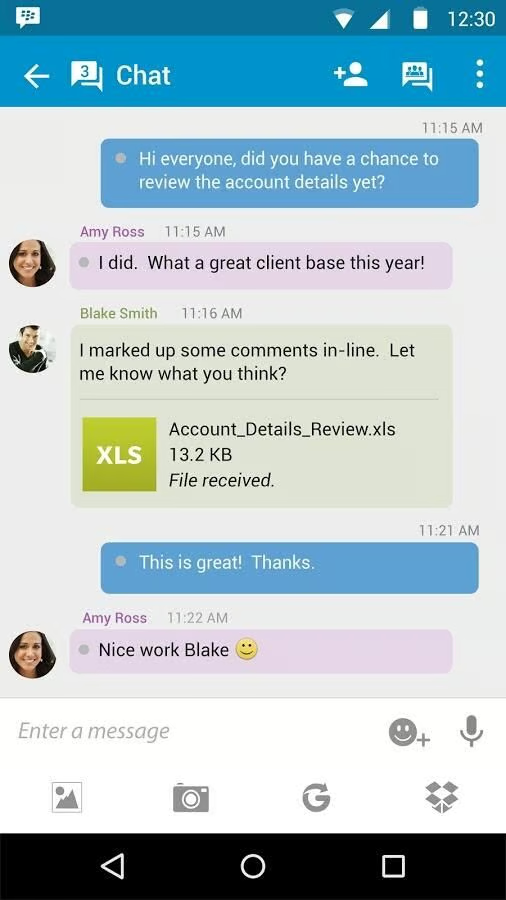
    BBM\r\nwas opened up to non-BlackBerry users in late 2013, and is now available on\r\nAndroid, iOS, and Windows Phone. Unfortunately, there isn’t a desktop version\r\nof BBM.

    Although BBM received only a 1 out of 7 on the EFF’s Secure Messaging Scorecard, the Enterprise version BBM Protected\r\nreceived a 5 out of 7. (Check out other enterprise-targeted messaging platforms for mobile users.)

    Image: BlackBerry, Ltd.
  • LINE

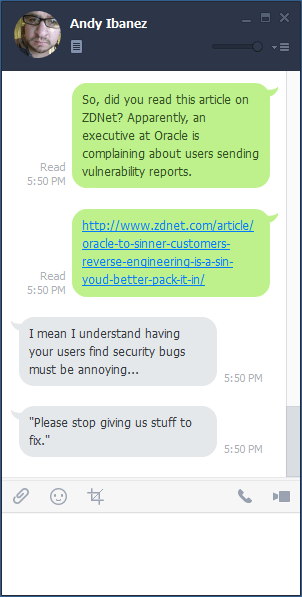
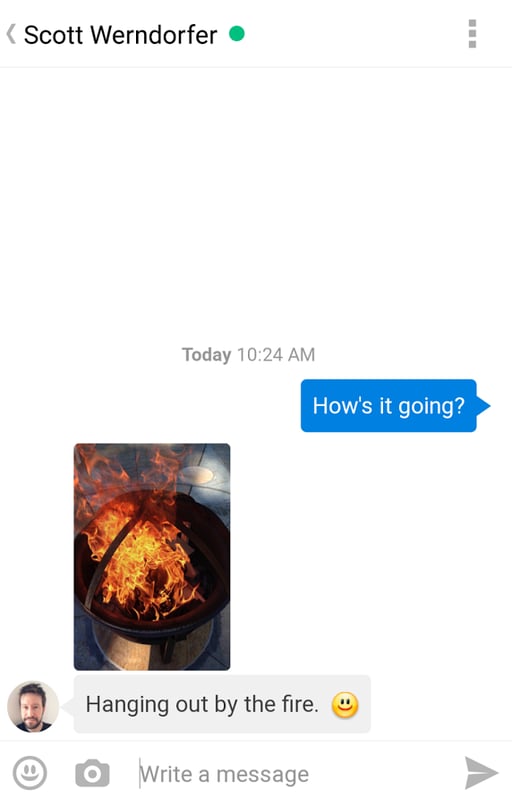
    LINE\r\nwas initially developed as a means to stay in communication after the 2011\r\nT\u014dhoku earthquake, which damaged a great deal of the standard wireline\r\ninfrastructure in Japan. LINE is presently the most popular messaging platform in Japan, and features support for Android,\r\niOS, BlackBerry, Windows Phone, Firefox OS, and Nokia Asha. There are desktop versions\r\nfor Windows and OS X, and an app for the Chrome App store, which works on Linux\r\nas well.

    By default, LINE doesn’t have advertisements in the app, though premium\r\nsticker sets are available for about $1 each, or, free sticker sets can be\r\nobtained by adding corporate accounts to your contact lists and agreeing to\r\nreceive about one message per month.

    Image: James Sanders
  • Ring

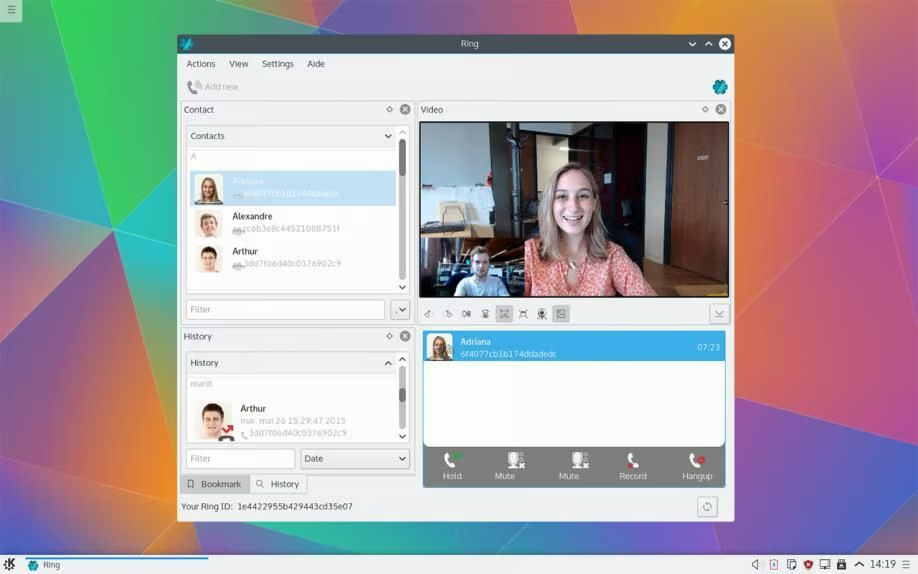
    Ring\r\nis the next generation of the SFLphone project produced by the open source\r\nsoftware firm Savoir-faire Linux. Through 10 years of development as SFLphone, it has refined\r\nthe features typically anticipated in a VoIP client — compatibility with SIP and IAX, multiparty calls, call-recording\r\ncapabilities, and support for various codecs. Ring clients are available for Windows, OS X,\r\nand Linux — with separate native interfaces for GNOME or KDE desktops to match\r\nuser preference.

    Ring uses OpenDHT\r\n(a distributed hash table) to connect users instead of a centralized SIP server\r\nsystem such as Asterisk.\r\nOpenDHT is an implementation of the same decentralized, peer-to-peer system\r\nused in BitTorrent’s distributed tracker, allowing Ring to bypass the\r\nserver-client methodology by passing along user information to each user.

    Image: Savoir-faire Linux
  • Viber

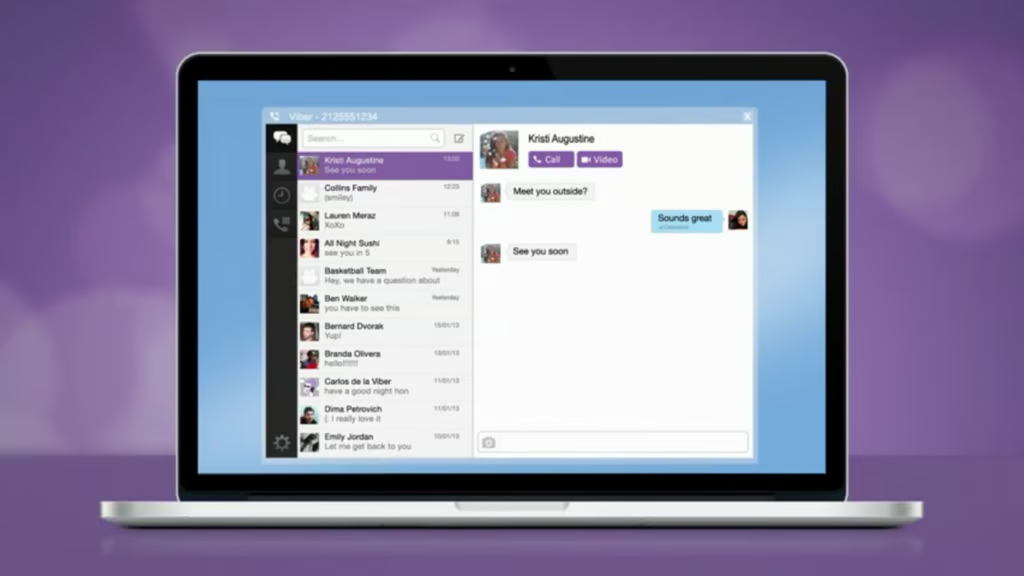
    Viber\r\nhas 600 million registered users around the world,\r\nand offers support for Android, iOS, BlackBerry, Windows Phone, and Nokia Asha\r\ndevices, as well as desktop clients for Windows, OS X, and Linux. Viber was\r\nacquired by the Japanese e-commerce company Rakuten in 2014.

    Image: Viber Media
  • 07-kakaotalk.png

    KakaoTalk

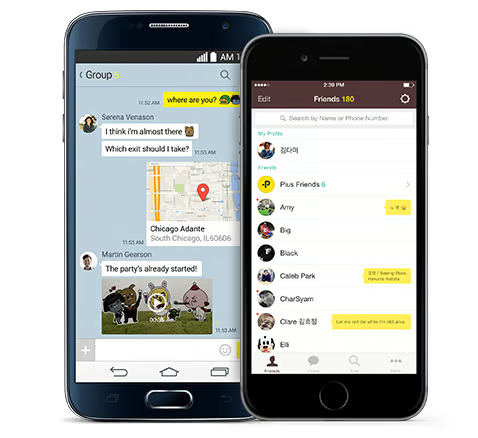
    KakaoTalk\r\nis the messaging platform offered by the South Korean company Daum Kakao. It\r\nhas enjoyed a great deal of popularity in its home country, and is looking to\r\nexpand into other countries with the recent appointment of its new CEO, Rim\r\nJi Hoon, the youngest person to achieve that title in South Korea.\r\nKakaoTalk is available for Android, iOS, BlackBerry, Windows Phone, and Nokia\r\nAsha, as well as having desktop clients for Windows and OS X.

    KakaoTalk has been the source of considerable privacy concerns,\r\nas the South Korean government has routinely subpoenaed the company in order to\r\ngain information about users.

  • Jitsi

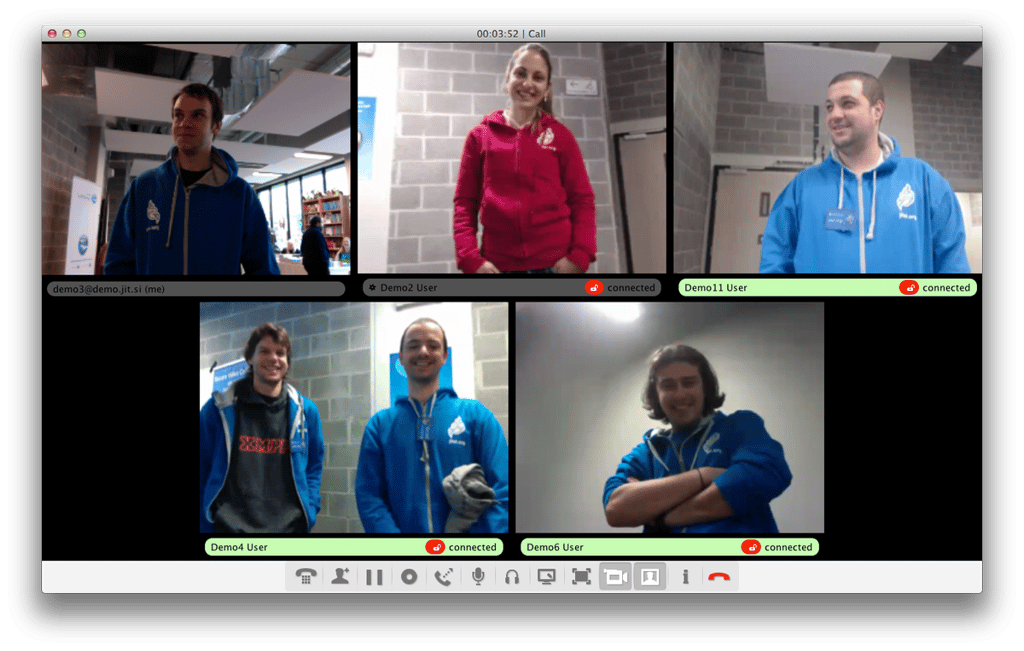
    Jitsi,\r\nformerly SIP Communicator, is a free and open-source messaging program\r\navailable for Windows, OS X, and Linux, with an Android port currently in the\r\nAlpha stage. Jitsi supports VoIP and videoconferencing, with open encryption\r\nprotocols. Of note, it was one of\r\nthe first chat clients to have IPv6 support.

    The combination of Jitsi and Ostel (an open-source encrypted calling service) received a score of 6 out of 7 from EFF’s Secure Messaging Scorecard, losing one point because of the lack of\r\na recent independent code audit.

    Image: Jitsi
  • AIM

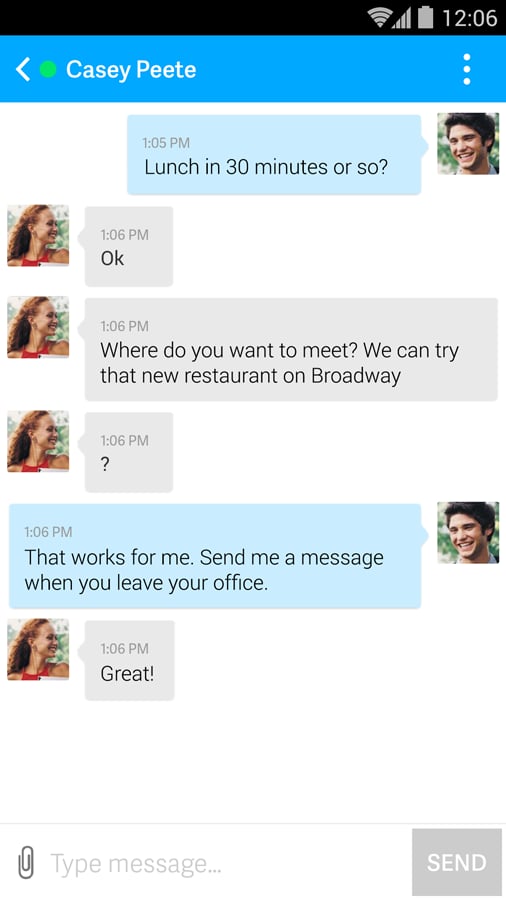
    AIM\r\nhas been around since 1997 — despite that, it’s more of a classic than a\r\nrelic. There are official clients for Windows and OS X, as well as Android,\r\niOS, BlackBerry, and practically\r\neverything else. The protocols were reverse engineered years ago, and AOL\r\nhas seemingly given up on preventing third-party clients from connecting. As a\r\nresult, third-party clients such as the libpurple-based Adium and Pidgin, as\r\nwell as the messaging client in webOS, the Sony Mylo, and decade-old Symbian phones all support AIM.

    Image: AOL, LLC.
  • Trillian

    Trillian\r\nis the original multiplatform messaging client, supporting Facebook Chat,\r\nGoogle Talk, AIM, ICQ, Yahoo!, and XMPP. It’s ad-supported by default, though a\r\npro license is $20 per year, or $60 for a lifetime license. There are clients\r\nfor Windows, OS X, Linux, and mobile clients for Android, iOS and BlackBerry,\r\nas well as a web-based client.

    Image: Cerulean Studios
1 of 8
James Sanders

James Sanders is an analyst for 451 Research. He was formerly a Staff Technology Writer for TechRepublic.