


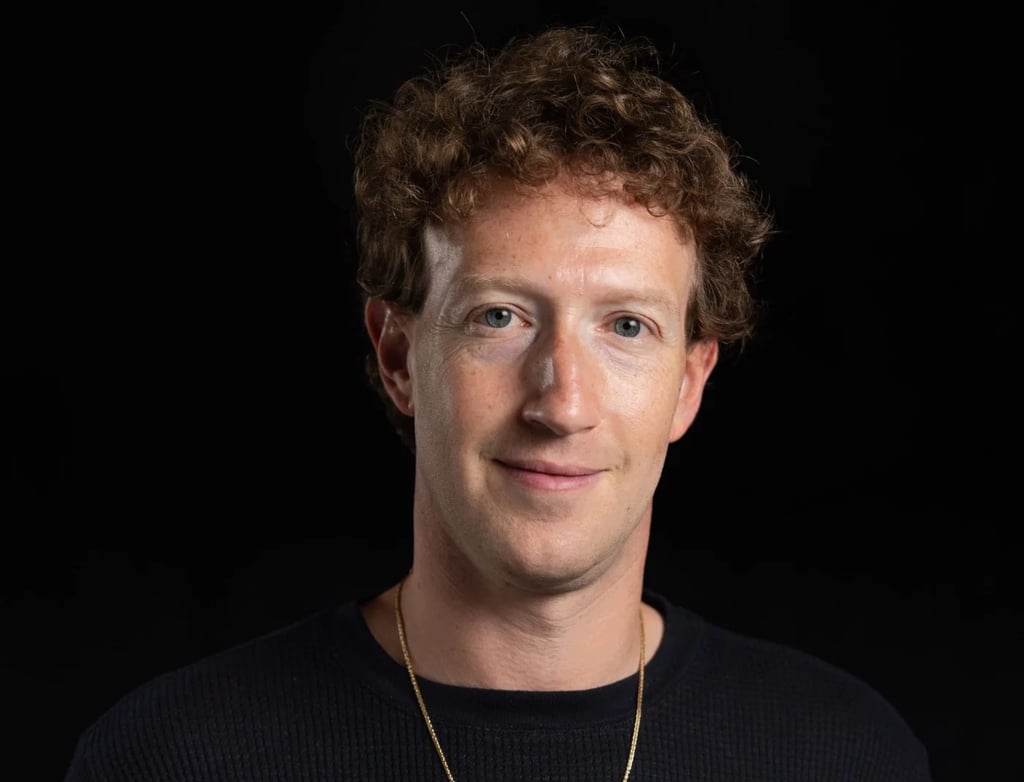
Meta’s aggressive recruitment campaign for its new superintelligence team hit a wall when the company reportedly made job offers to some employees of Thinking Machines Lab (TML), the startup created by OpenAI’s former CTO Mira Murati.
According to Wired, Meta extended jaw-dropping job offers ranging from $200 million to over $1 billion in multi-year compensation packages to multiple members of the TML team. Not a single person accepted.
“This reporting isn’t right in various ways. We made offers only to a handful of people at TML, and while there was one sizeable offer, the details are off,” said Andy Stone, Meta’s communications director, pushing back on the numbers in a statement on Threads.
Murati’s team said no… loudly
Despite Meta’s attempts to dangle these massive pay packages, Murati and her team stood their ground. Thinking Machines Lab was built with a deliberate vision: to explore human-AI collaboration on their own terms. For Murati and her co-founders, that independence seems to matter more than any amount of money.
TML hasn’t released a product yet, but it’s already reached unicorn status. The AI startup raised $2 billion in seed funding and now sits at a $12 billion valuation. That kind of backing offers both runway and leverage, meaning the team isn’t in a rush to align with a tech giant’s agenda.
And this isn’t your average founding crew. Murati brought in a core team of researchers who helped shape today’s AI landscape at OpenAI:
- John Schulman, a co-founder of OpenAI and co-author of several foundational papers in reinforcement learning
- Bob McGrew, former head of research at OpenAI
- Alec Radford, instrumental in developing GPT and DALL·E
- Barret Zoph and Lilian Weng, respected figures in deep learning and model safety
- Jonathan Lachman, another veteran of OpenAI’s research team
Many of these AI experts were involved in key projects like ChatGPT, Codex, and DALL·E, and now they’re applying that expertise at a company built for long-term exploration, not quarterly earnings.
There’s also something to be said about timing. Murati founded TML in February 2025, just months after stepping in as interim CEO at OpenAI. Rather than jumping into another high-profile role at a big tech firm, she opted to build something from the ground up, on her own terms, with her own people.
The rejection of Meta’s offers is as much a cultural statement as it is a financial one. TML seems to be signaling that some of the most experienced minds in AI aren’t just chasing the highest bidder — they’re staking their futures on a different way forward, and one that doesn’t require billion-dollar buyouts or Silicon Valley power plays.
Meta’s AI hiring spree continues elsewhere
While TML held firm, Meta has had more success recruiting elsewhere. The company recently hired Apple’s AI model chief Ruoming Pang with a multi-year compensation package reportedly worth more than $200 million. Meta has also drawn talent from OpenAI in recent months.
Meta’s Superintelligence initiative is a high-stakes bet in the broader AI arms race, and the fact that not even a reportedly billion-dollar carrot could lure away Murati’s team speaks volumes.
Last month, Zuckerberg introduced Meta’s new Superintelligence team, stacked with recruits from OpenAI, DeepMind, Anthropic, and Sesame. Read more about how Meta’s AI talent push is reshaping Big Tech recruiting.