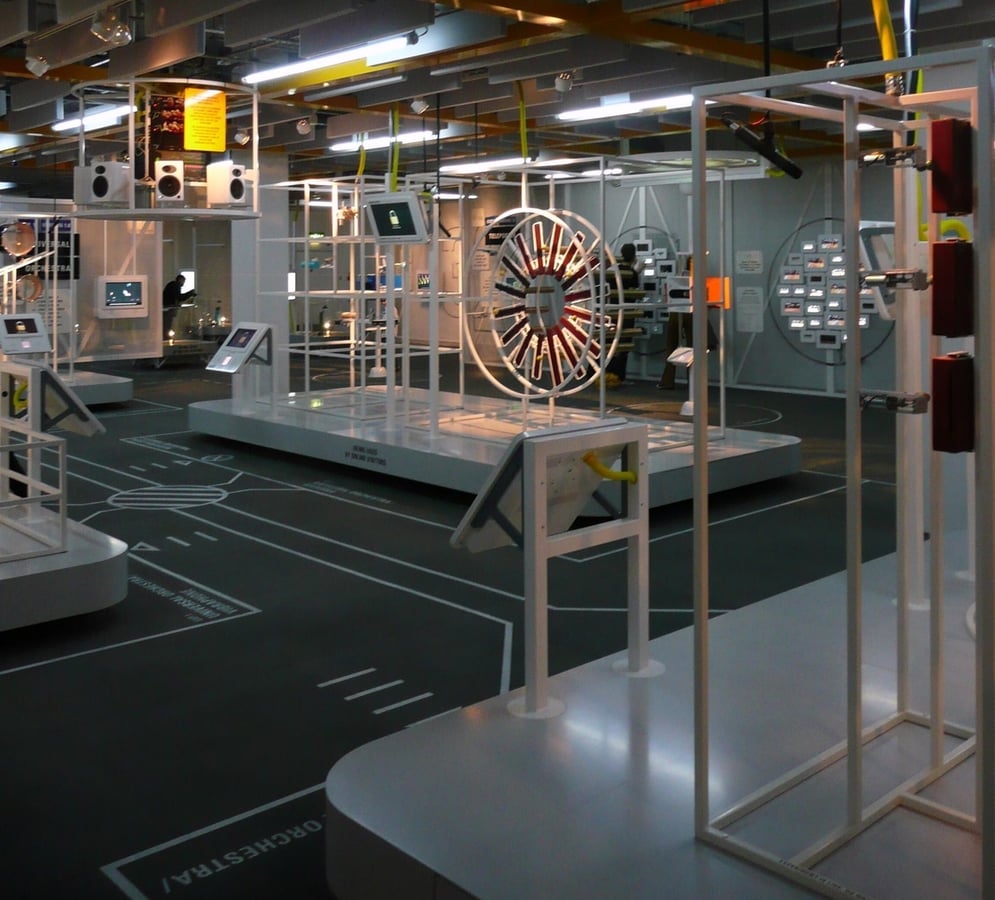
\n\tGoogle offered a glimpse of how the net can overcome barriers to long distance interaction at its Chrome Web Lab exhibition at the Science Museum in London, which opened last week.
\n
\n\tThe exhibition features an orchestra of instruments that can be played over the internet and a school of robot artists sketching portraits of people thousands of miles away. Meanwhile a “teleporter” display allows visitors to look around locations in different corners of the globe.
\n
\n\tThe display shows off the potential of the internet of things, the long-discussed move to embed wirelessly connected computing power in everyday objects to allow them to interact with each other and people over the net.
\n
\n\tThe exhibition contains five experiments, each of which is designed to be explored or controlled over the net.
\n
\n\tPhoto: Nick Heath/TechRepublic
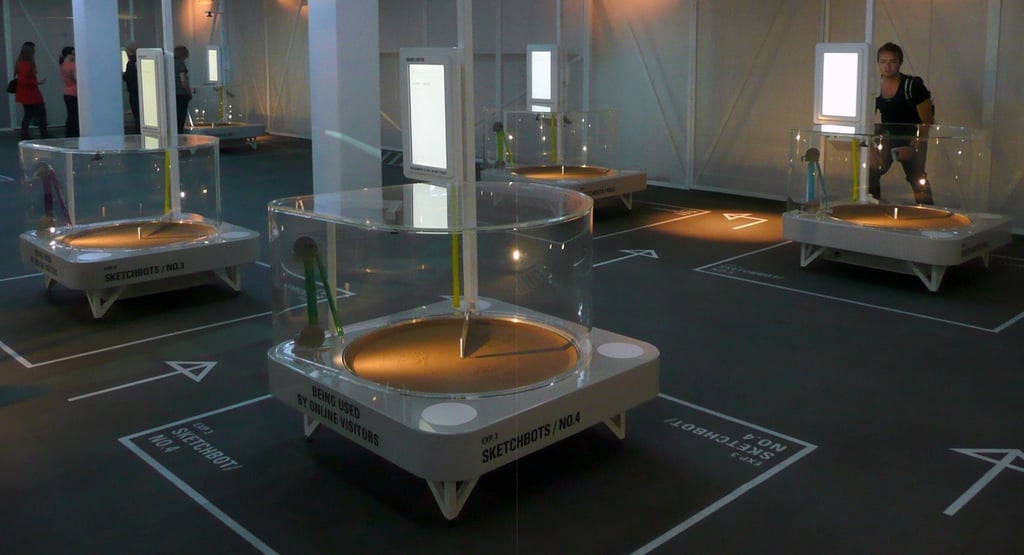
\n\tThe robot arms sketch portraits in tubs of sand.
\n
\n\tHalf of the portraits are of people visiting the exhibition and half are of people who submitted a photo via webcam over the net.
\n
\n\tPhoto: Nick Heath/TechRepublic
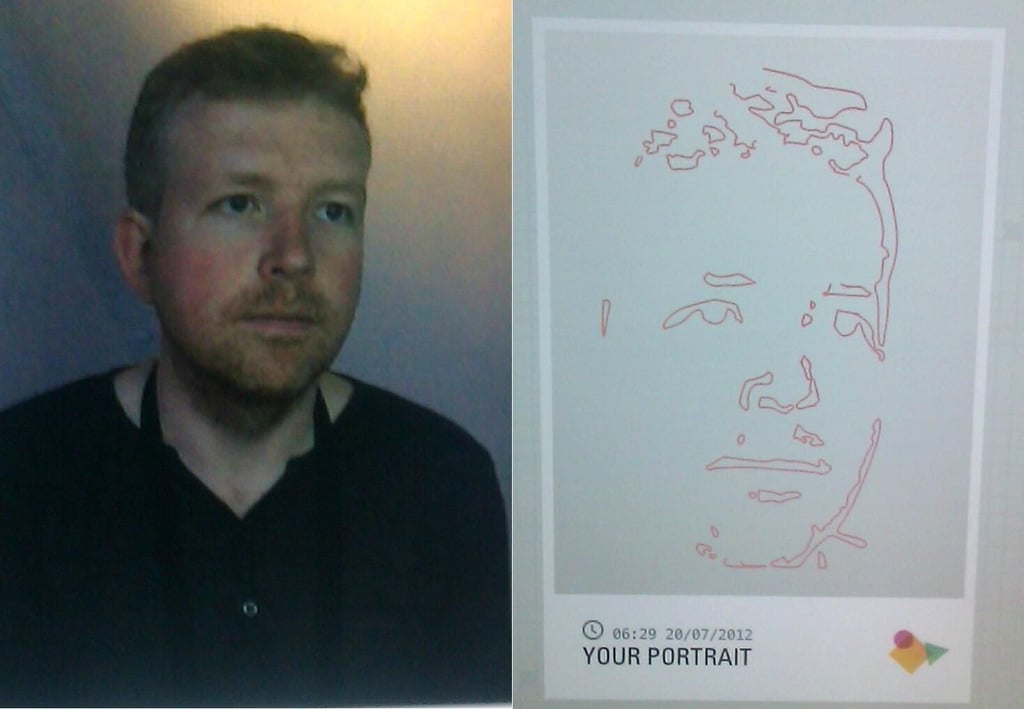
\n\tThe photo on the left is used to produce a line drawing that can be drawn in the sand by the Sketchbot.
\n
\n\tThe system turns the photo into the line drawing via a number of steps, such as cropping the face and using edge detection to form the drawing. The image manipulation is carried out using node.js JavaScript and the HTML5 Canvas element.
\n
\n\tAdam Meyer is an interaction designer with Tellart, the company which helped build the exhibition with Google and other commercial partners.
\n
\n\tHe said the exhibition demonstrated how powerful JavaScript has become since it was conceived as a simple scripting language for the Netscape browser in 1995.
\n
\n\t”It is really interesting to think that JavaScript started out as this incredibly simple language to do browser pop-ups and now we are using it to convert people’s faces into lines and sending these to a robot to be drawn,” he said.
\n
\n\tPhoto: Nick Heath
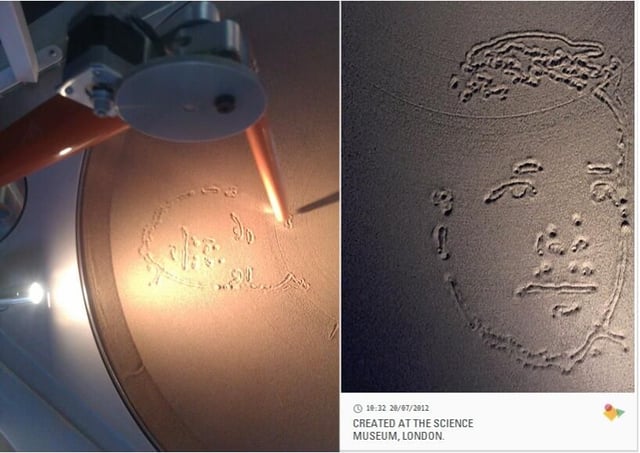
\n\tThe robot arm goes to work sketching my portrait, left, and the finished result.
\n
\n\tPhoto: Nick Heath
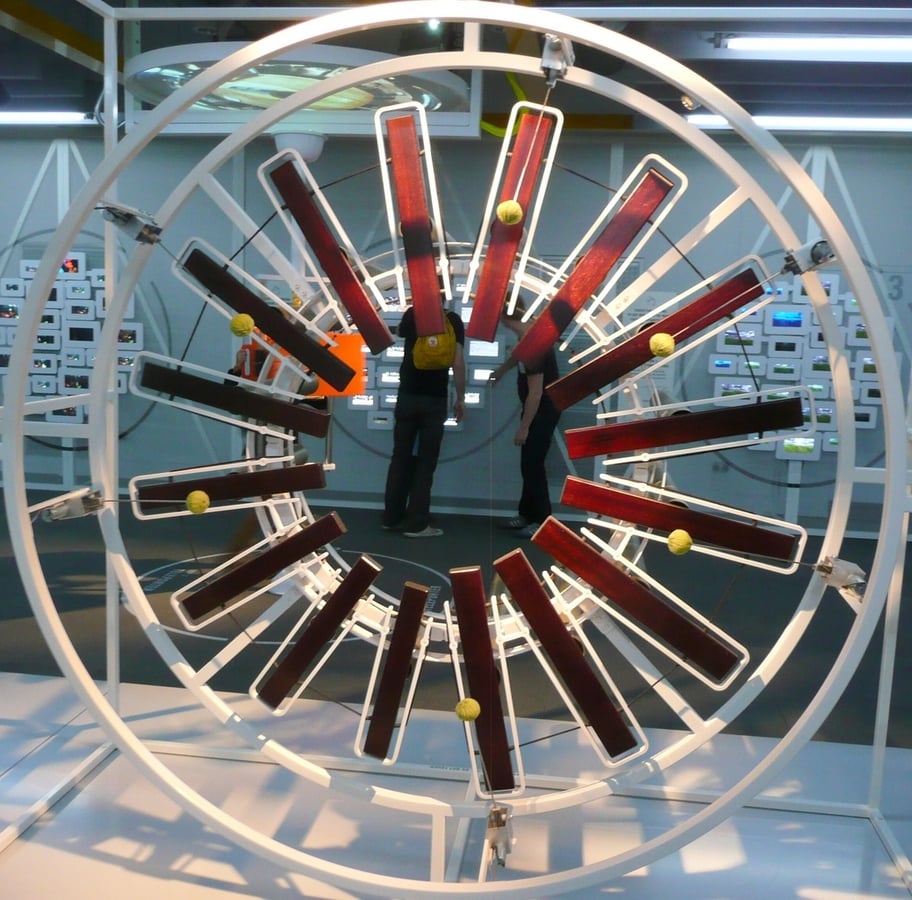
\n\tAn invisible orchestra plays day and night at the exhibition.
\n
\n\tRobotically-controlled mallets hit xylophones and drums to a tune created by visitors and people logging on over the internet.
\n
\n\tFour sets of instruments are controlled by exhibition visitors and four over the internet.
\n
\n\tWhen the museum closes all the instruments are given over to the control of internet users.
\n
\n\tPhoto: Nick Heath
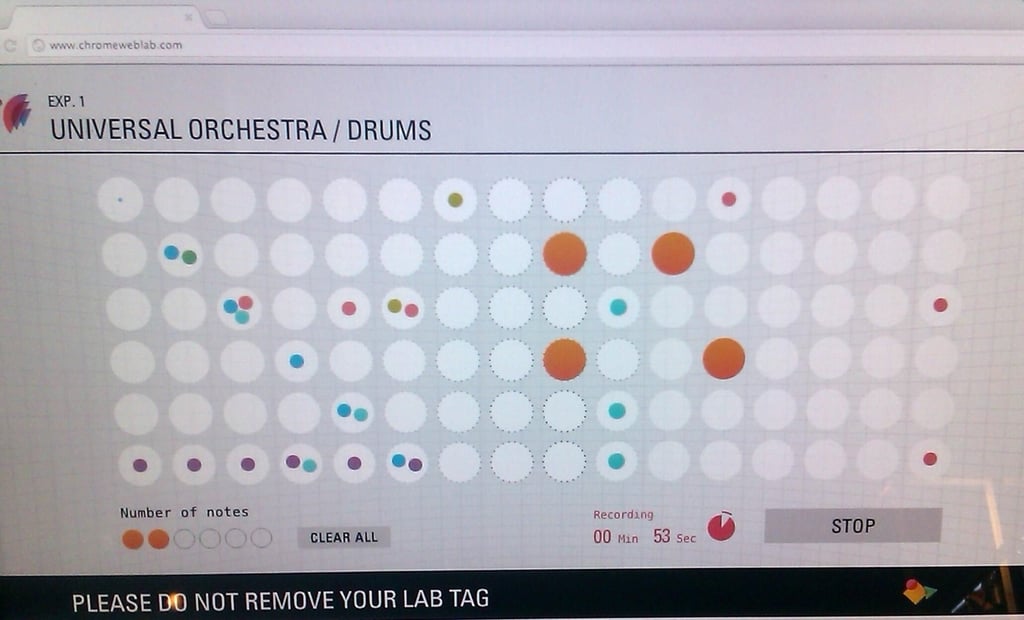
\n\tTo play the instruments users click or touch the empty circles on the screen, each of which corresponds to a different note.
\n
\n\tThe system arranges the selected notes to play at a tempo that complements the tune being played by other instruments.
\n
\n\tThe program that arranges the music and relays the commands to the robotic actuators playing the instruments has been built using JavaScript and is running in the Chrome browser.
\n
\n\tPhoto: Nick Heath
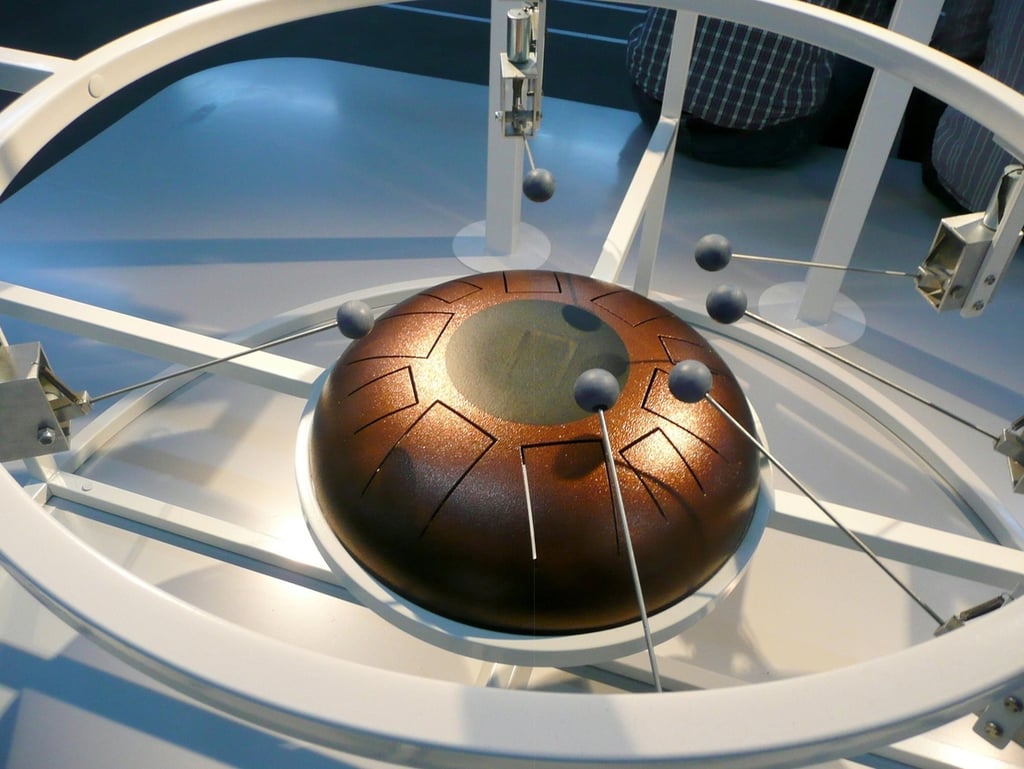
\n\tAnother instrument in the remote controlled orchestra.
\n
\n\tAll the experiments in the labs are either running on either Mac Pros and Mac Minis.
\n
\n\tPhoto: Nick Heath/TechRepublic
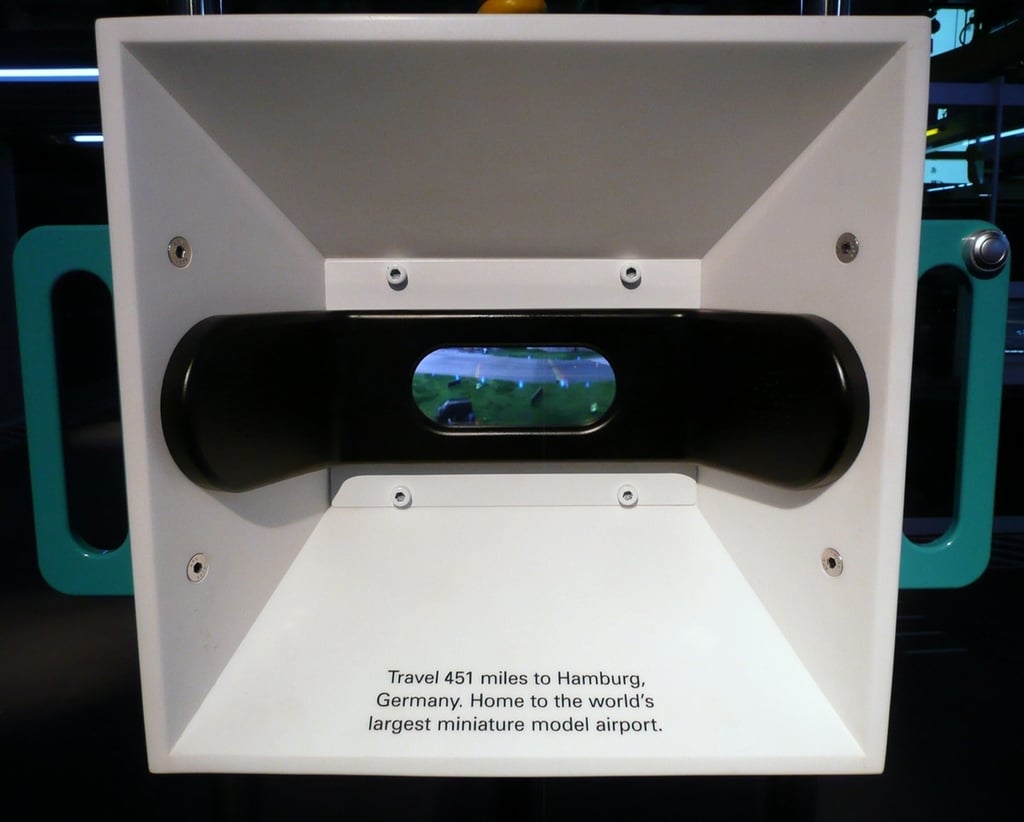
\n\tThe teleporter experiment allows visitors to explore a destination hundreds of miles away – albeit while rooted to the spot.
\n
\n\tBy looking through the periscope visitors can see live video of three locations in Hamburg in Germany, North Carolina in the US and Cape Town in South Africa.
\n
\n\tWhat makes this more than just a video feed is visitors can explore a live 360 view of each location by spinning the periscope. Web visitors can get the same view by interacting with a viewer in their browser.
\n
\n\tThe experiment is able to achieve the panoramic effect by wrapping live video streams onto a cylinder, something that is achieved by using WebGL and graphics shaders to manipulate video.
\n
\n\tPhoto: Nick Heath
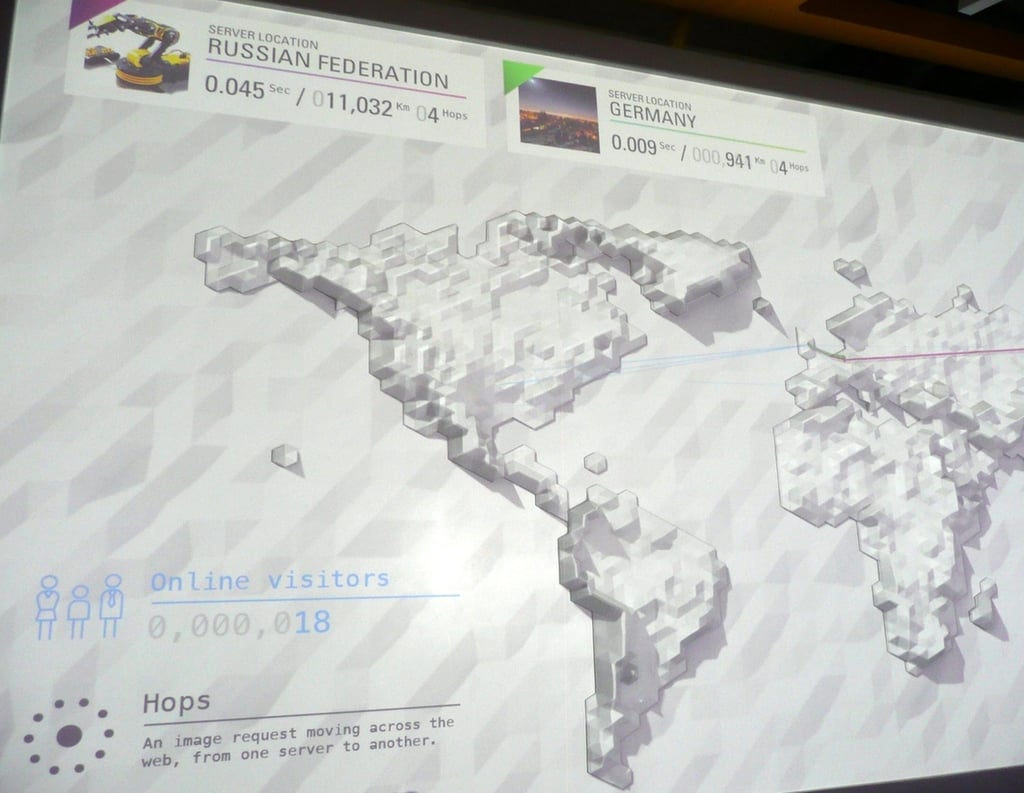
\n\tAnother experiment in the web lab is Data Tracer. The demo uses a tool called Traceroute to record the various servers that a packet of data travels through on its journey to its destination.
\n
\n\tIt plots information from Traceroute on a 3D virtual world map to demonstrate the distance that information travels. The textured 3D map is rendered using WebGL, a JavaScript graphics library that is built into modern web browsers.
\n
\n\tPhoto: Nick Heath
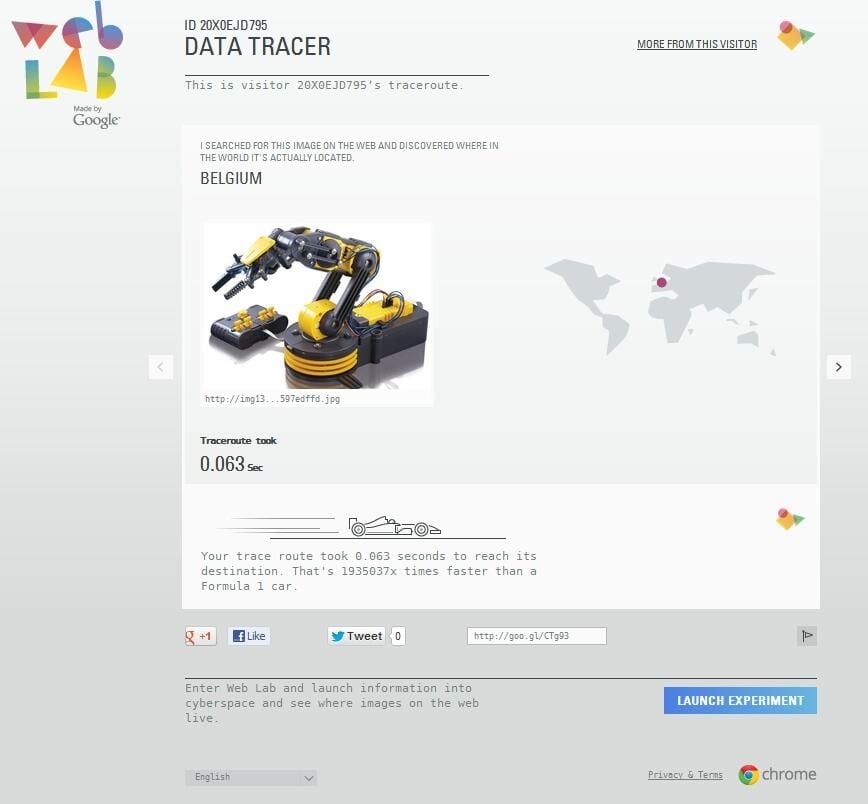
\n\tThe system records the journey made by this image of a robotic arm, from its host server in Belgium to the exhibition hall in London Science Museum.
\n
\n\tThe image arrives within 0.063 seconds, almost two million times faster than a Formula 1 car.
\n
\n\tPhoto: Nick Heath
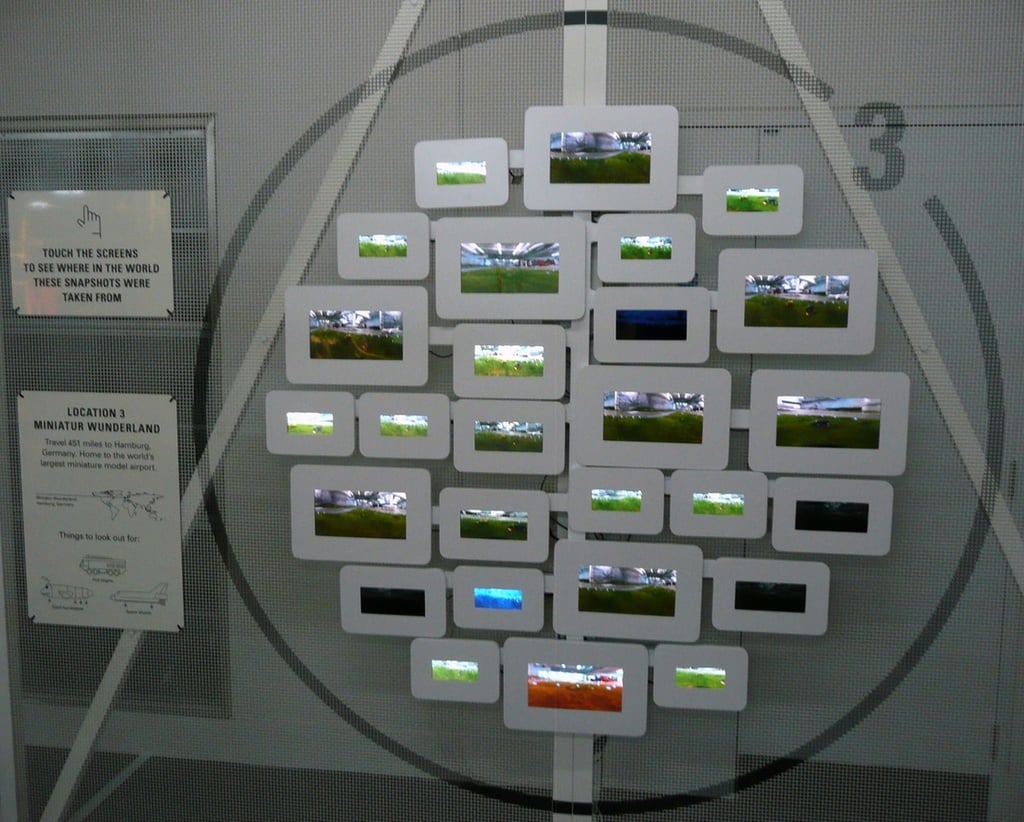
\n\tVisitors can touch each of these tiny screens to find out where the photos they are displaying were taken.
\n
\n\tPhoto: Nick Heath
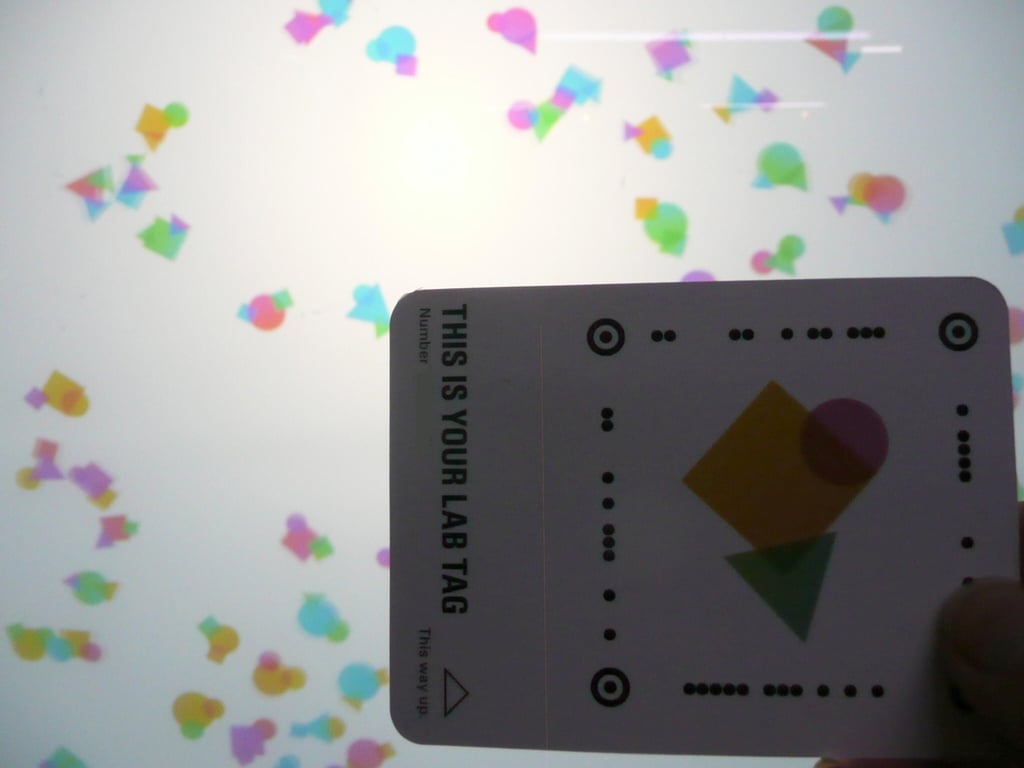
\n\tEach visitor to the web lab can create a lab tag, a code that can be used to identify them. Visitors can recall their interactions with the experiments in the exhibit by logging onto the web lab site and entering their tag code.
\n
\n\tDavid Sjunnesson, interaction designer at Tellart, said: “All of our experiments have different learning goals, showing how people can collaborate online through the orchestra or how images travel online.
\n
\n\t”At the same time if people just come here and have a great time, then that is good too.”
\n
\n\tAs is the norm for many Google products the exhibit is classed as Beta. Feedback from visitors will be used to tweak interfaces and improve the overall experience of using the web lab. The exhibition runs until June 2013.
\n
\n\tPhoto: Nick Heath

Nick Heath is a computer science student and was formerly a journalist at TechRepublic and ZDNet.


