\n\tIt’s only fitting that the engineer Tony Sale should lend his name to an award honouring projects that keep the memory of early computers alive.
\n
\n\tSale, who passed away last year, embarked on a 14-year rebuild of the World War II Colossus – the computer which helped crack ciphers used to protect Hitler’s communications with his generals – with nothing more than eight photos of the machine.
\n
\n\tLast week the winner of the Tony Sale Award for computer conservation was announced in London by the Computer Conservation Society (CCS).
\n
\n\tDr David Link was presented with the award for having “made an outstanding engineering achievement in computer conservation”.
\n
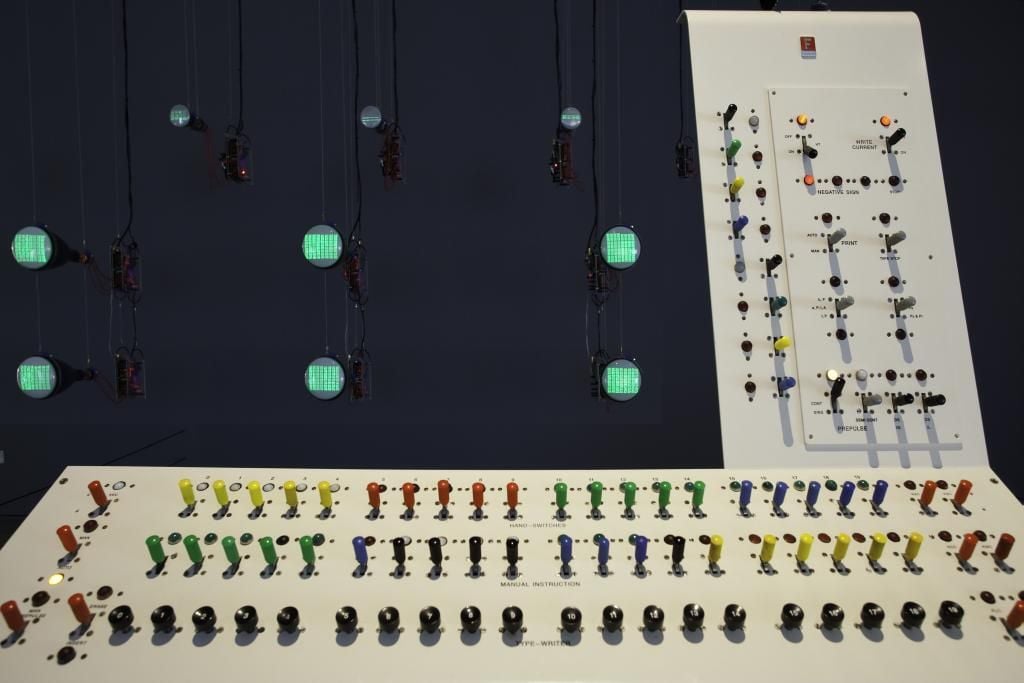
\n\tLink was recognised for recreating a pioneering 1950s program that generated random love letters, and building a replica of the landmark Ferranti Mark I computer it ran on.
\n
\n\tLink spent years sourcing Ferranti parts to build the replica console seen here. Underneath the covers is a modern PC running an emulator of a Ferranti running the LoveLetters program.
\n
\n\tDavid Hartley, member of the CCS Tony Sale Award committee, explained why Link had been chosen to win the inaugural Tony Sale award: “Tony Sale did a remarkable job and he was an incredible character.
\n
\n\t”We wanted to reward someone who had done something creative and clever of an engineering nature – building a machine, a replica or discovering some old software and getting it working. We wanted a project that Tony would recognise as being important,” he said.
\n
\n\tHartley praised Link for his persistence in researching how LoveLetters and the Ferranti worked, and sourcing the parts to build the replica.
\n
\n\tPhoto: David Link
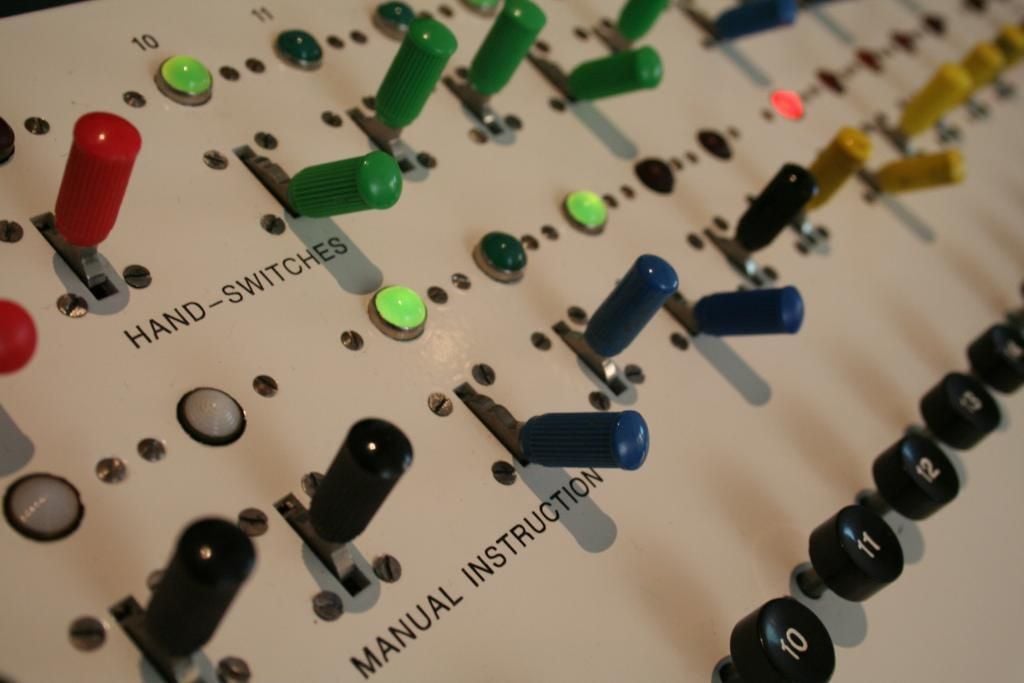
\n\tThe replica console built by Link includes original switches and lights from the Ferranti Mark I, and is the same size as that of the original machine.
\n
\n\tLink said that it took him two years of searching eBay to source the switches and lamps he needed.
\n
\n\tThe switches can input data into the emulator – in five-bit Baudot code – allowing users to enter their name so it can be signed on one of the generated love letters.
\n
\n\tPhoto: David Link
\n\tThe Ferranti Mark I was a commercial version of the Manchester Baby, the University of Manchester research machine built in 1948.
\n
\n\tThe Baby processed instructions significantly faster than the computers that preceded it. Before the Baby computers were fed instructions by slow mechanical or manual sources, such as paper-tape. In contrast the Baby could rapidly read programs and data from its electronic memory.
\n
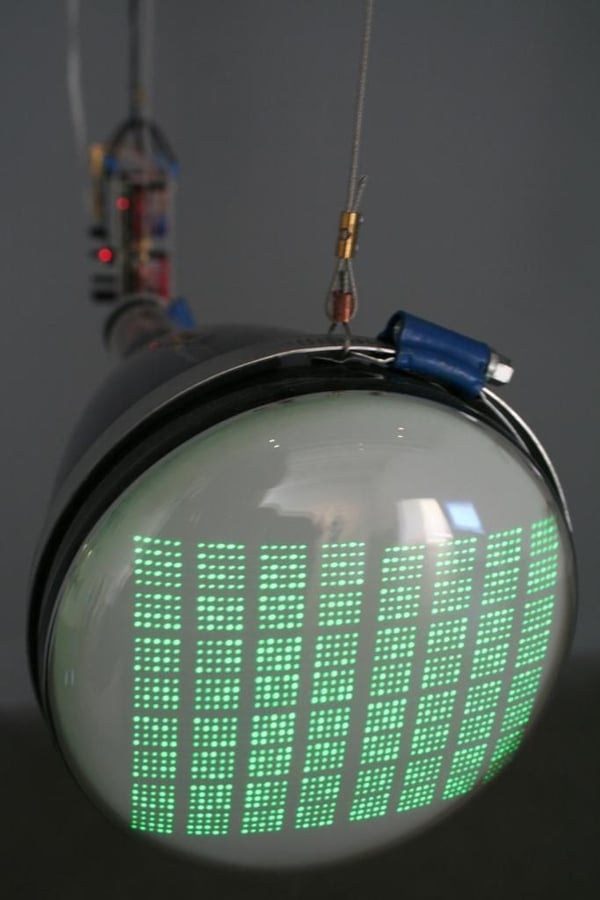
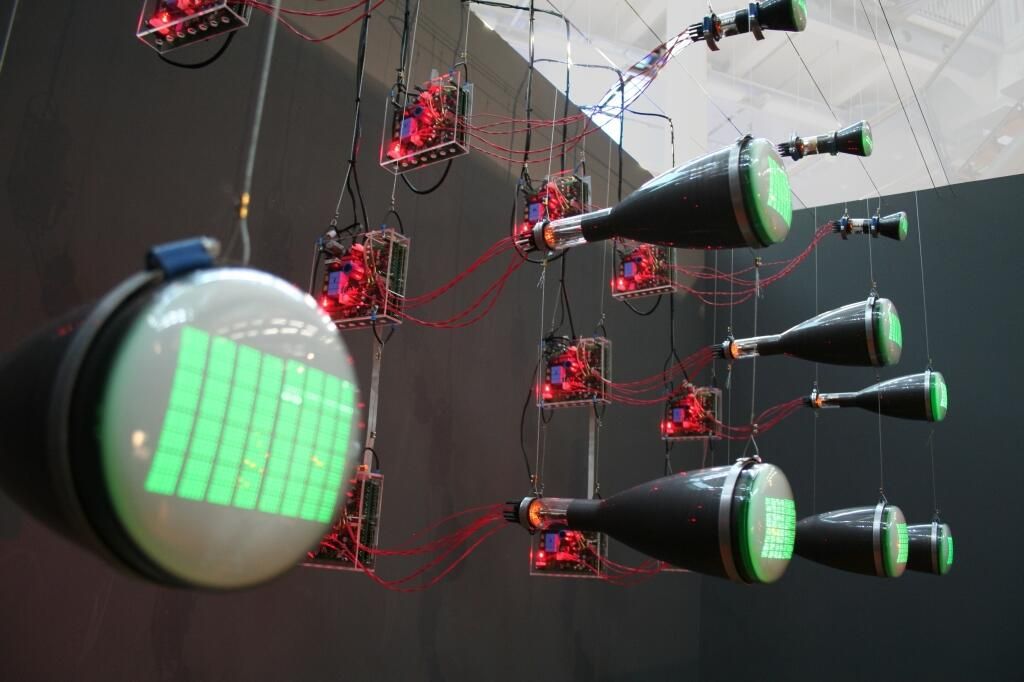
\n\tThe Ferranti’s memory was built from cathode ray tubes (CRT) – that at the time were more commonly used by TV and radar displays. The CRT memory – known as a Kilburn-Williams tube and seen here – writes information in a similar fashion to the way an old CRT TV displays a picture. It fired an electron beam at a phosphor screen to write a binary 0 or 1 – a bit – to memory. The beam alters the distribution of electrical charge on the screen and this change is detected by a metal screen or mesh that sitting alongside the tube.
\n
\n\tBecause the charge dissipates rapidly the beam had to be constantly fired to keep the bit in memory.
\n
\n\tOf course, the memory capacity of the Ferranti was, tiny by modern standards, holding a fraction of the data of a single MP3 album track today. The machine used eight CRTs for its primary memory – each capable of storing 32 40-bit words.
\n
\n\tPhoto: David Link
\n\tLink’s replica Ferranti can be seen running the LoveLetters program in an exhibition called LoveLetters_1.0.
\n
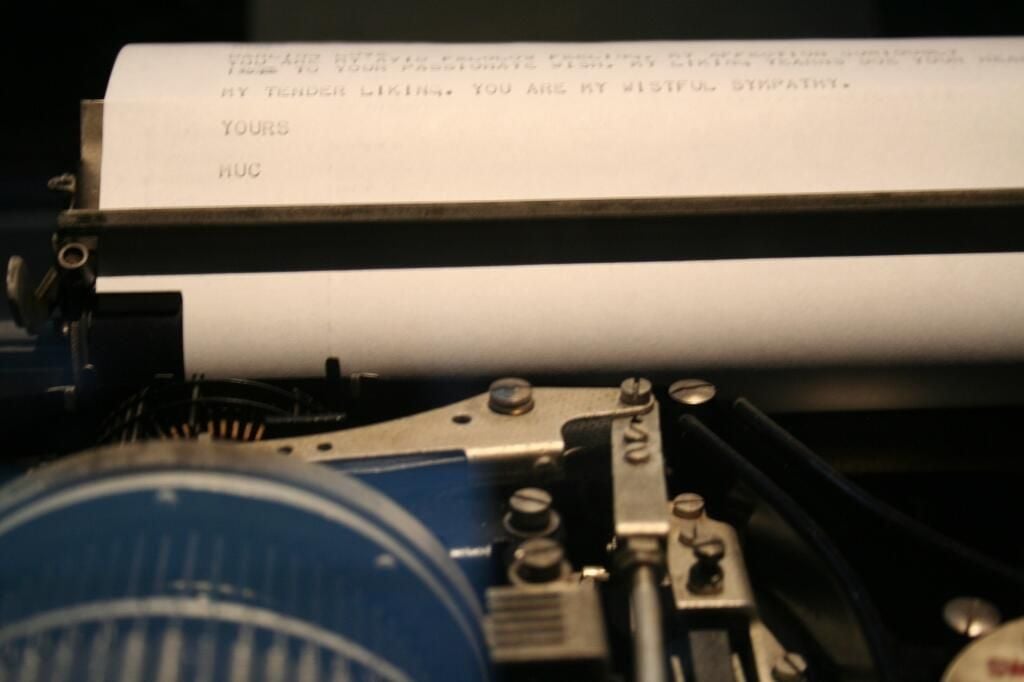
\n\tDuring the exhibition generated letters are displayed on a projector on a wall, are printed out on a reconstructed Creed No. 7 teleprinter from 1931, seen here, and read out by a computer.
\n
\n\tPhoto: David Link
\n\tThe LoveLetters_1.0 exhibition is at the Heinz Nixdorf Forum in Paderborn, Germany from 24 October to 18 November and at the Microwave Festival in Hong Kong from 3 November to 20 November.
\n
\n\tThe love letters generated can also be viewed on the project’s website.
\n
\n\tPhoto: David Link
\n\tAnother project that was nominated for the award was the rebuild of the PDP-1 (Programmed Data Processor-1) by the Computer History Museum in Mountain View, California.
\n
\n\tThe release of the PDP-1 computer in 1959 was a landmark in computing. It was the first commercial computer whose design prioritised usability – starting the journey towards affordable and intuitive computing.
\n
\n\tThe PDP-1 pioneered timesharing – which allowed multiple users to simultaneously use and directly interact with a computer. Prior to this most computing was carried out via batch processing, where a computer is given a series of jobs and carries them out sequentially, leaving the user to wait for their job to finish.
\n
\n\tOnly about 50 machines were produced by the Digital Equipment Corporation but the PDP-1 introduced a new class of machine – the minicomputer – which was significantly cheaper and smaller than the mainframes that dominated computing at the time.
\n
\n\tBefore the PDP-1 computing power had mainly been the preserve of big business with deep pockets but the PDP-1 made relatively powerful computing affordable to small businesses and laboratories for the first time.
\n
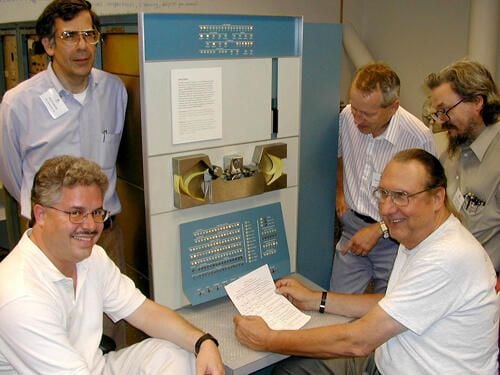
\n\tNearly 45 years after the PDP-1 was announced, in May 2004, the Computer History Museum began restoring an original PDP-1 to working order. The picture shows the rebuilt machine with the restoration team members, from left to right: Joe Fredrick, Bob Lash, Lyle Bickley, Rafael Skodlar, and Tim Coslet
\n
\n\tPhoto: Computer History Museum
\n\tThe restoration of a 1963 PDP-1 was completed in October, 2005 and is now on display in the Museum’s Restorations Display Area.
\n
\n\tThe first step of the project, and one of the most time-consuming, was the repair and testing of the machine’s power supplies to ensure it wouldn’t damage the computer circuitry when turned on.
\n
\n\tBut while the machine’s CPU worked almost perfectly right away, restoring the peripherals – such as the paper tape reader and punch, a screen with a light pen and a typewriter – proved to be more challenging.
\n
\n\tAfter the Computer History team completed work on the hardware they began testing original software, and in March 2005 they ran the 1962 game Spacewar!.
\n
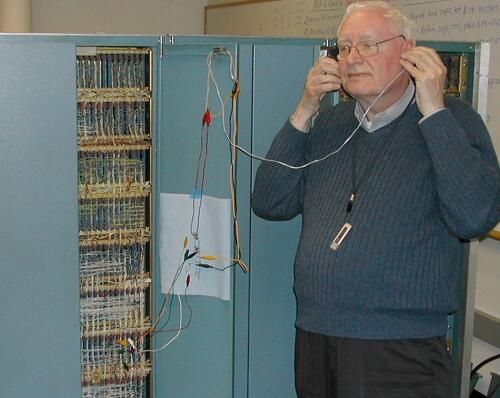
\n\tHere is PDP-1 restoration team member, Peter Samson listening to music programmed for the DEC PDP-1. During the course of the restoration project, original MIT hacker Samson, read the music data tapes, reverse-engineered their data format, and wrote a program to play them.
\n
\n\tThe usability of the machine is credited with giving birth to the hacker culture at institutions like the Massachusetts Institute of Technology (MIT), and a slew of programs followed its release, such as debugging, text editing, and music programs, as well as games such as Spacewar!.
\n\tAnother nominee for the Tony Sale award was this restoration of the 1940s electromechanical calculator Z3.
\n
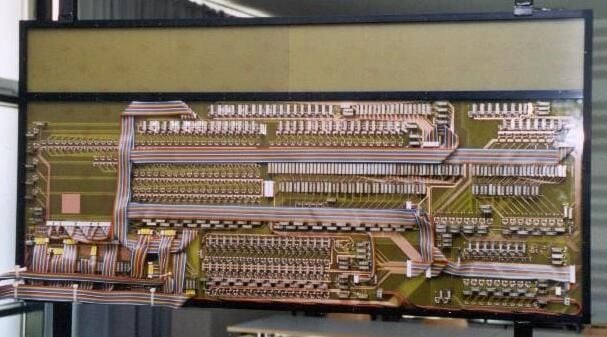
\n\tWork on the reconstructed machine – seen here – was initiated by Professor Ra\u00fal Rojas, of Freie Universit\u00e4t, Berlin, and Dr Horst Zuse, of Technische Universit\u00e4t, Berlin.
\n
\n\tThe great, grandaddy of the modern computer, the Z3 was the first working machine whose processing architecture resembled that of a modern computer.
\n
\n\tJust like today’s PCs the Z3 had a CPU where arithmetic was carried out, memory in which to store data, was programmable via its tape reader, and had a unit to display the output of its calculations. The other thing that that it had in common with today’s computers was that it used binary to carry out its calculations – which greatly simplified the structure of its components. The memory was made up of 2,600 telephone relays – basically electromechanical switches that could represent binary 0s and 1s – that allowed it to handle 64 22-bit numbers.
\n
\n\tThe Z3 was the world’s first operational general-purpose program-controlled calculator and was used by the German Aircraft Research Institute to perform statistical analyses of wing flutter to aid aircraft design during the Second World War. Unfortunately the Z3 was a casualty of the war, and was destroyed in an Allied bombing raid on Berlin.

Nick Heath is a computer science student and was formerly a journalist at TechRepublic and ZDNet.


