By Drew McBee
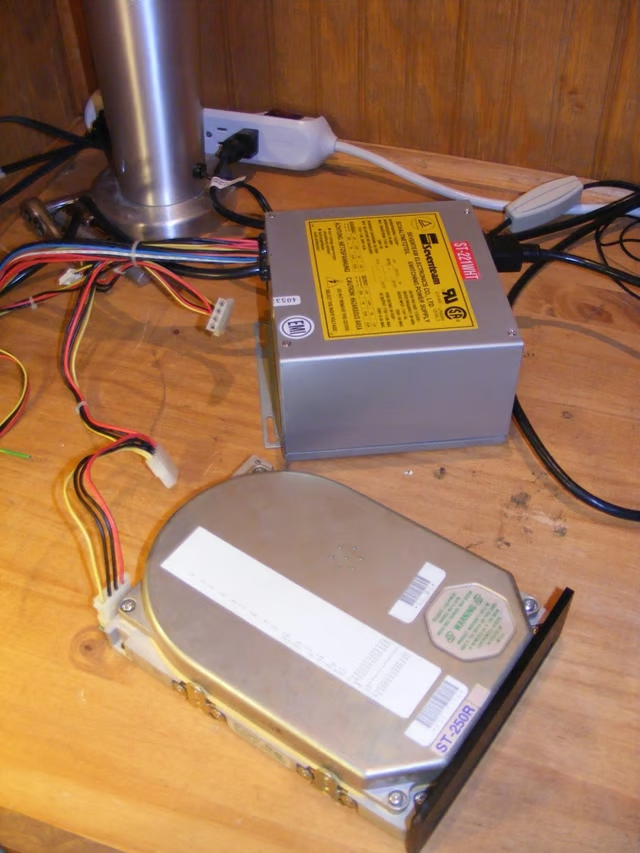
Here we have our Seagate ST-250R and old RLL HDD that sports a 50M unformatted and a 42M formatted capacity. I believe you would use an MFM controller for this. I actually used it in a 286 running IBM-DOS back in the day.
I did power it up and it seems to run properly. Nice to know that before I crack it open.
Note: This gallery was originally published on January 28, 2008. It was republished on October 22, 2010 to be featured in our TR Dojo newsletter. — Bill Detwiler
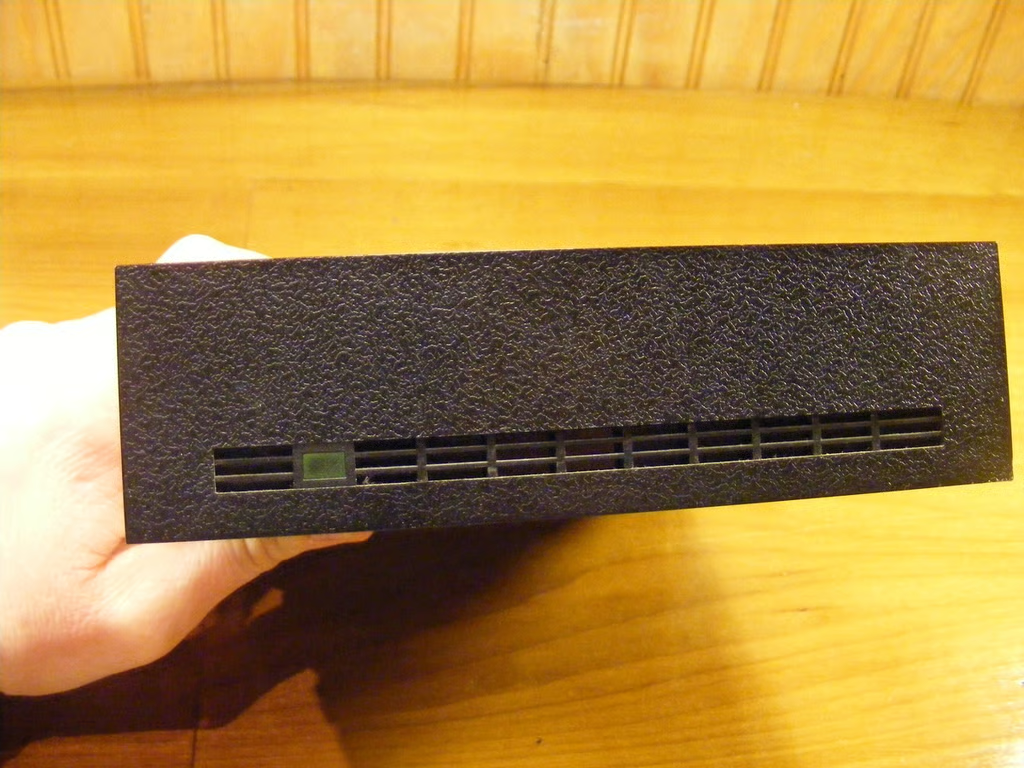
This fits into a 5.25 bay in the PC.
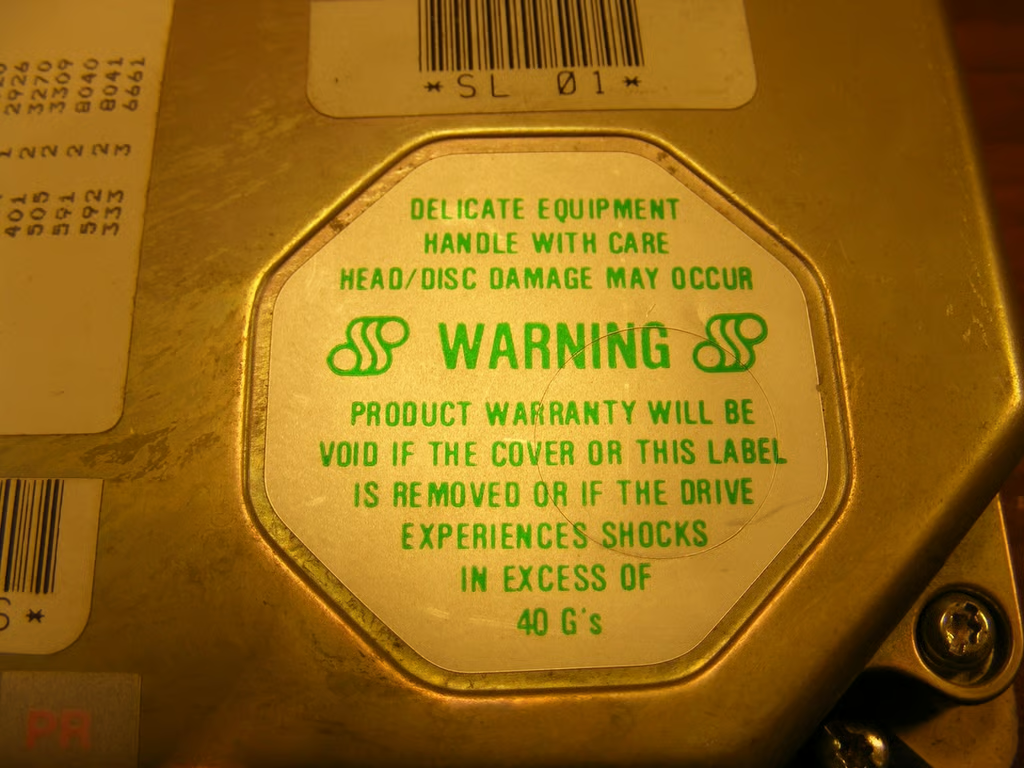
This will have to come off…
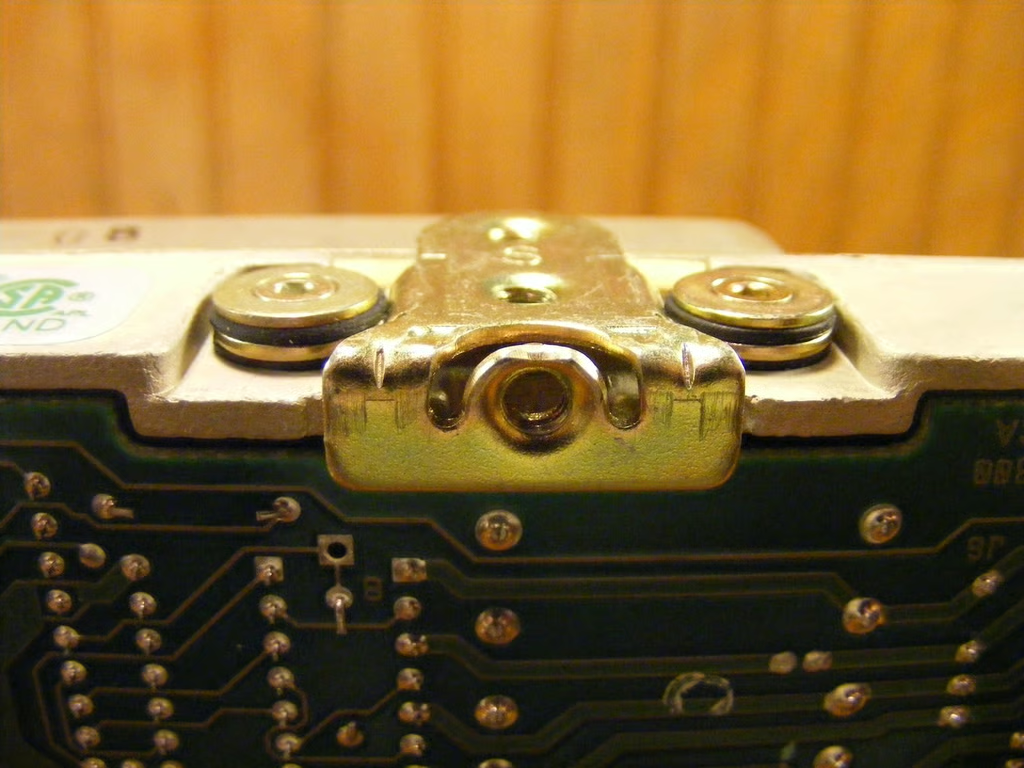
I found this cool.
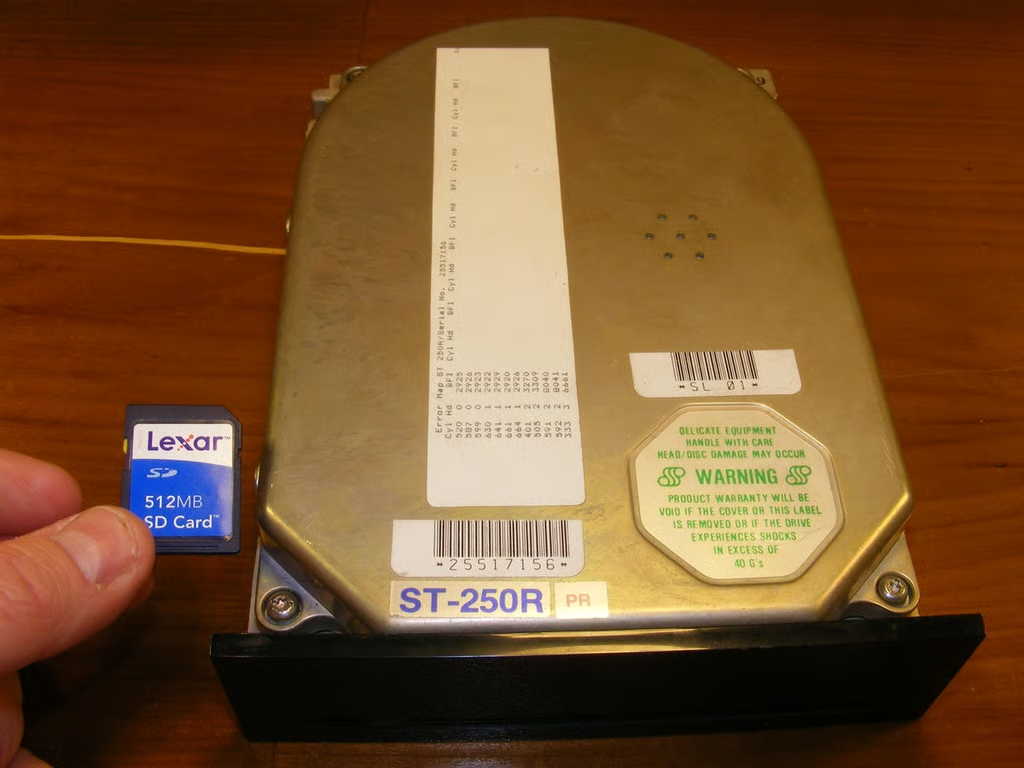
As a visual point of reference, I give you an SD card. As another unintentional point of reference, this little SD card holds 10x what our Seagate here holds, and faster.
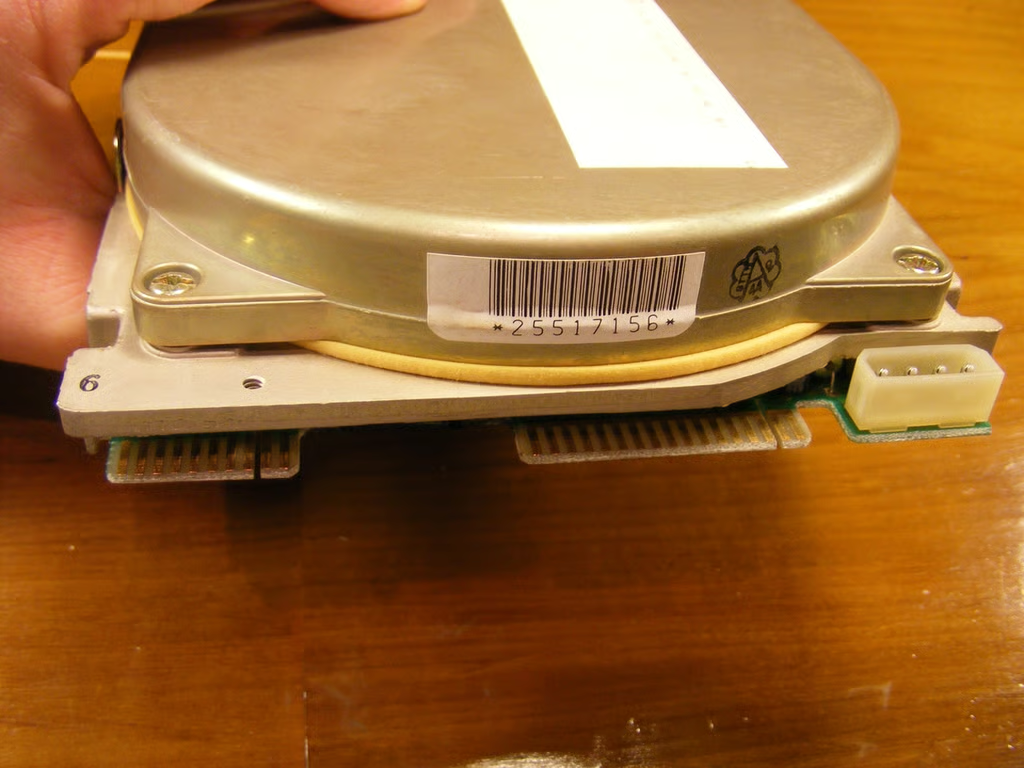
The MFM tabs.
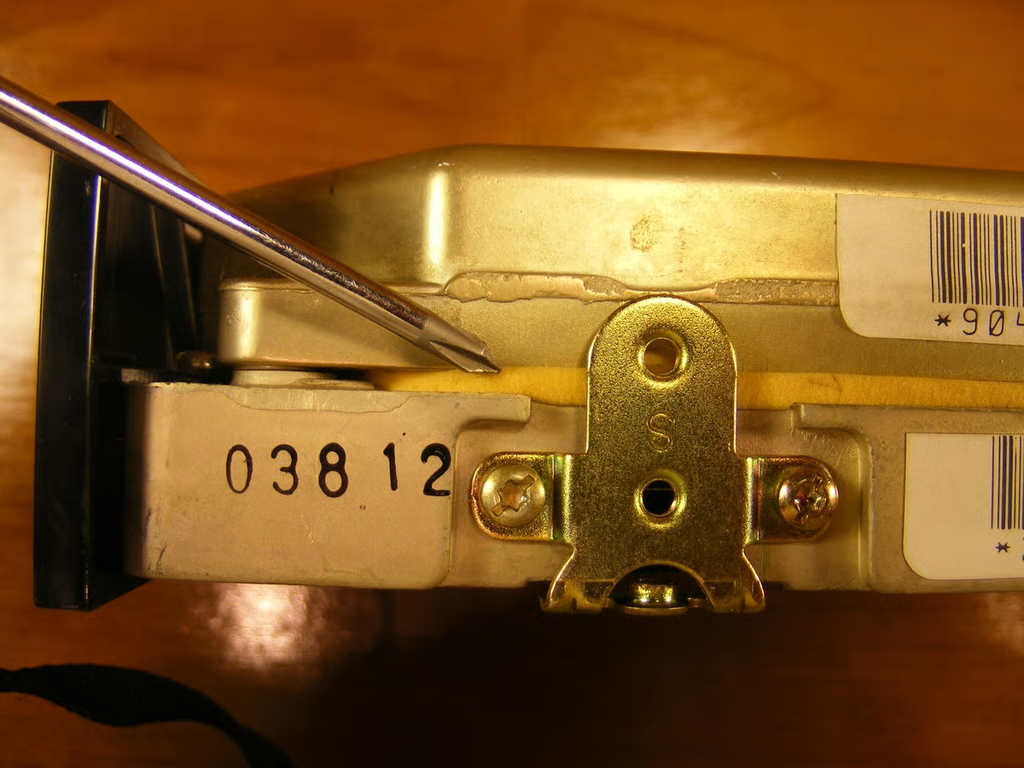
Interesting fat foam seal between the cover and base. Cheap looking, even.
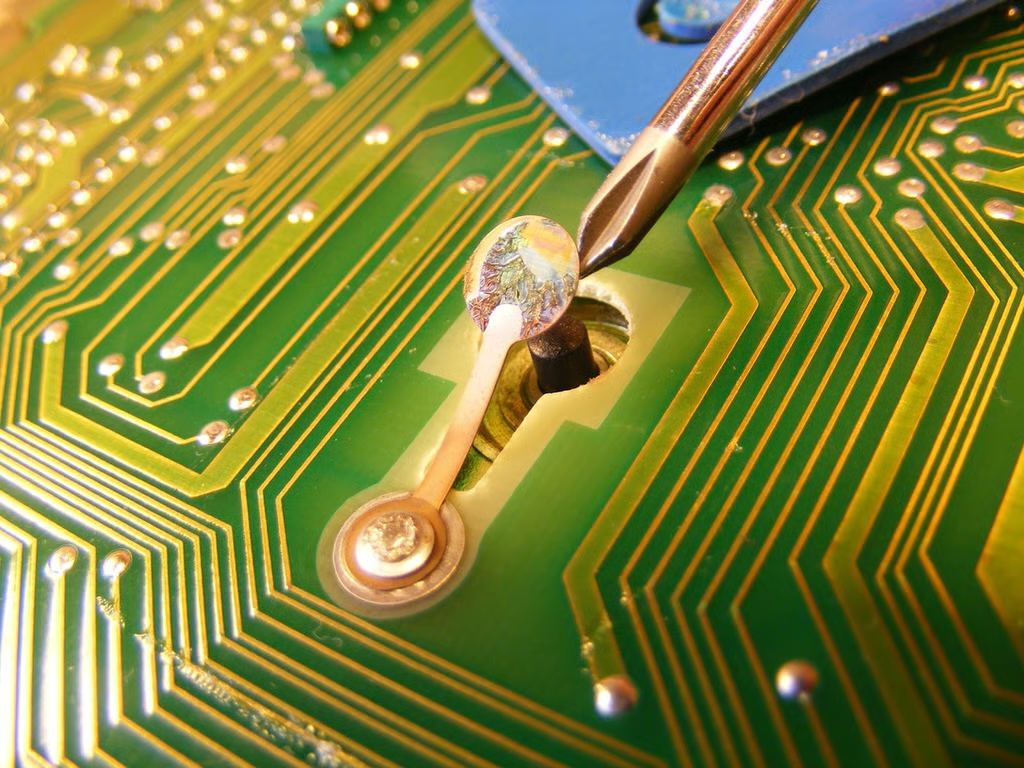
This appears to be the ground for the drive motor — like the brushes in an electric motor. The blue plastic tab in the background was glued to the circuit board on top of it, and held the tab down.
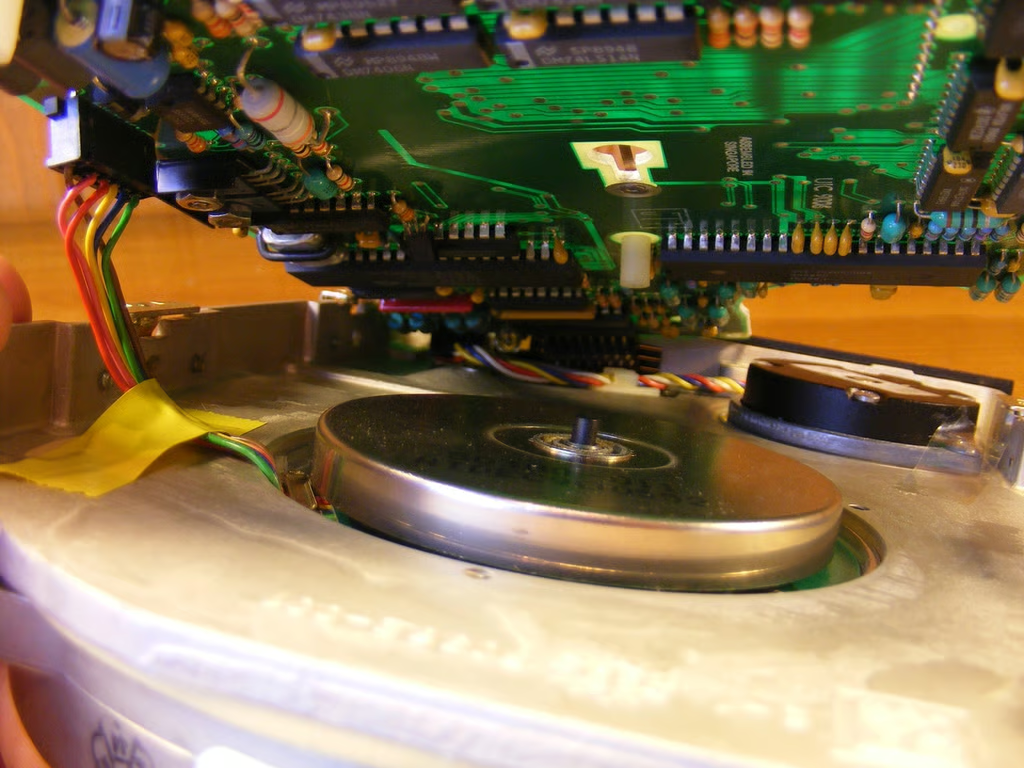
Here we lift the board from the body and get a good look at the bottom of the drive motor, and the actuator motor. There were a total of three connections to the board one for the drive motor, one for the actuator motor, and one for the ribbon that runs the heads, which we’ll see a bit better later.
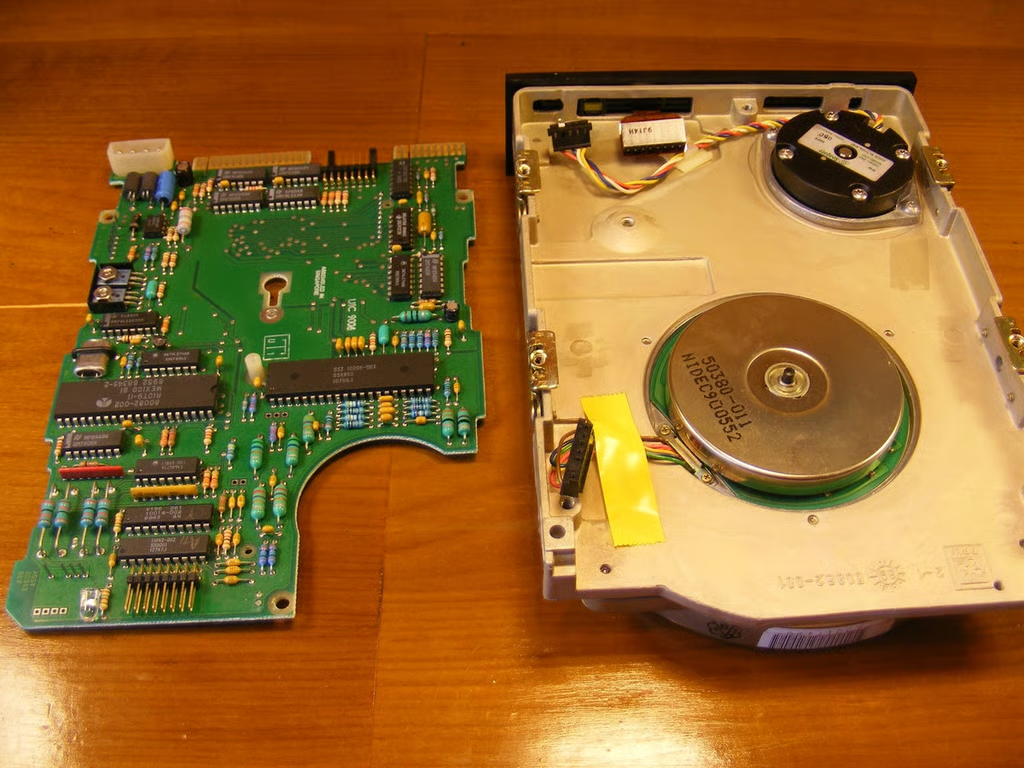
The board next to the body.
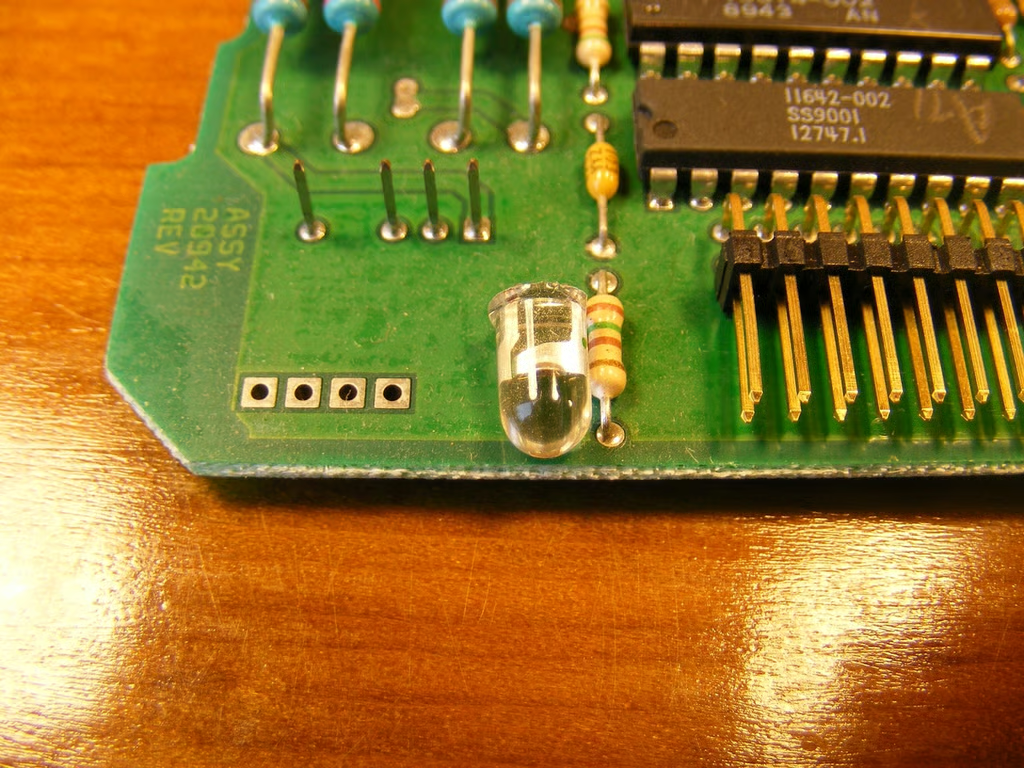
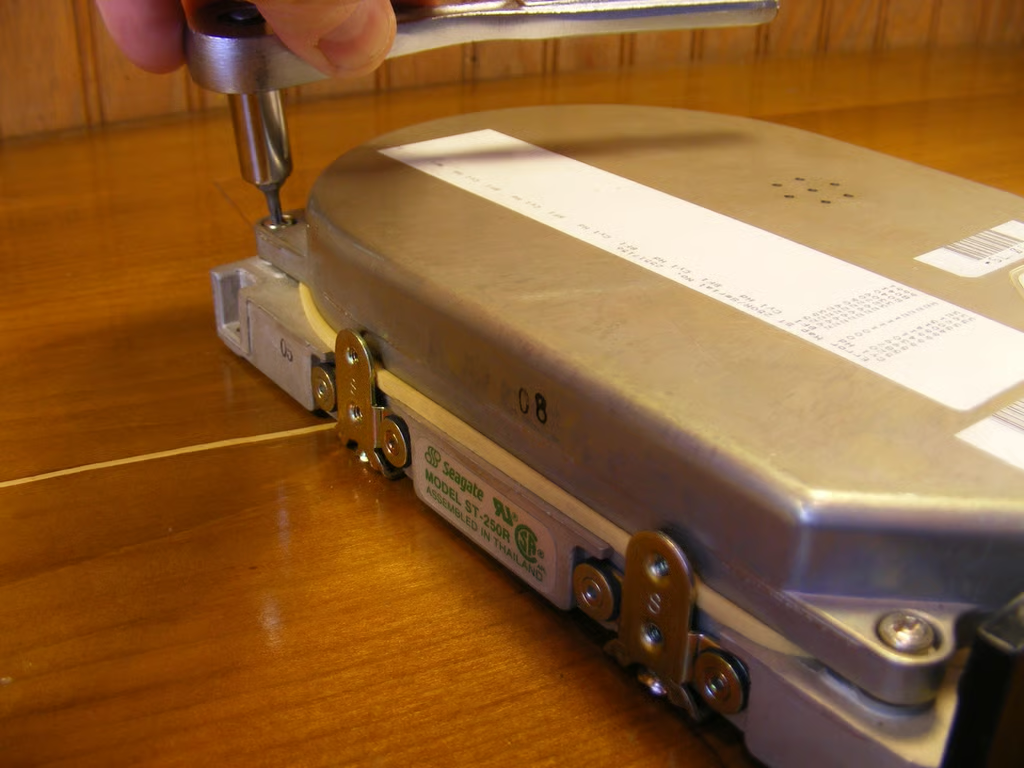
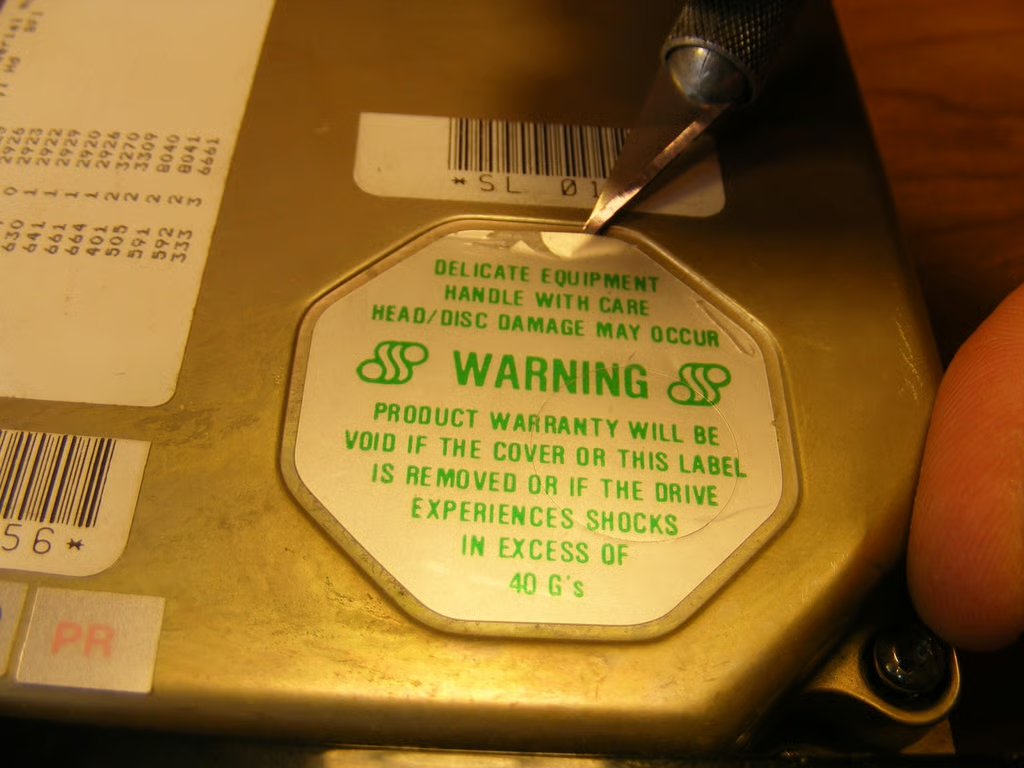
Don’t ask me why I feel compelled to do it…
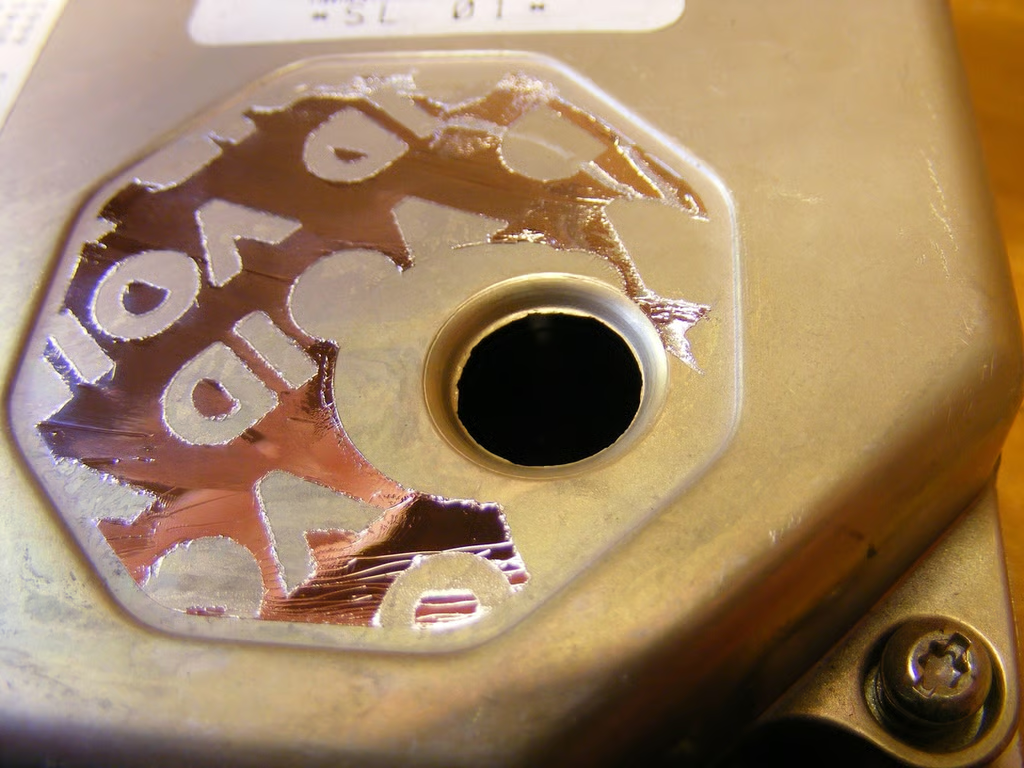
Can’t see much. Disappointing. It did smell like new electronics, though.
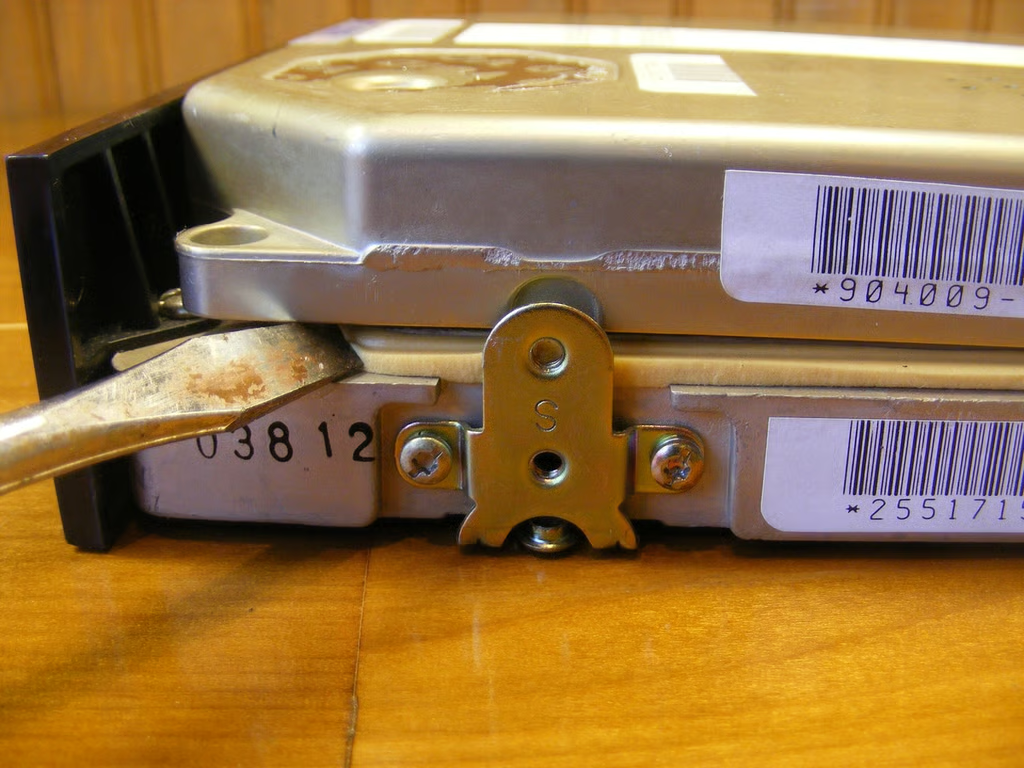
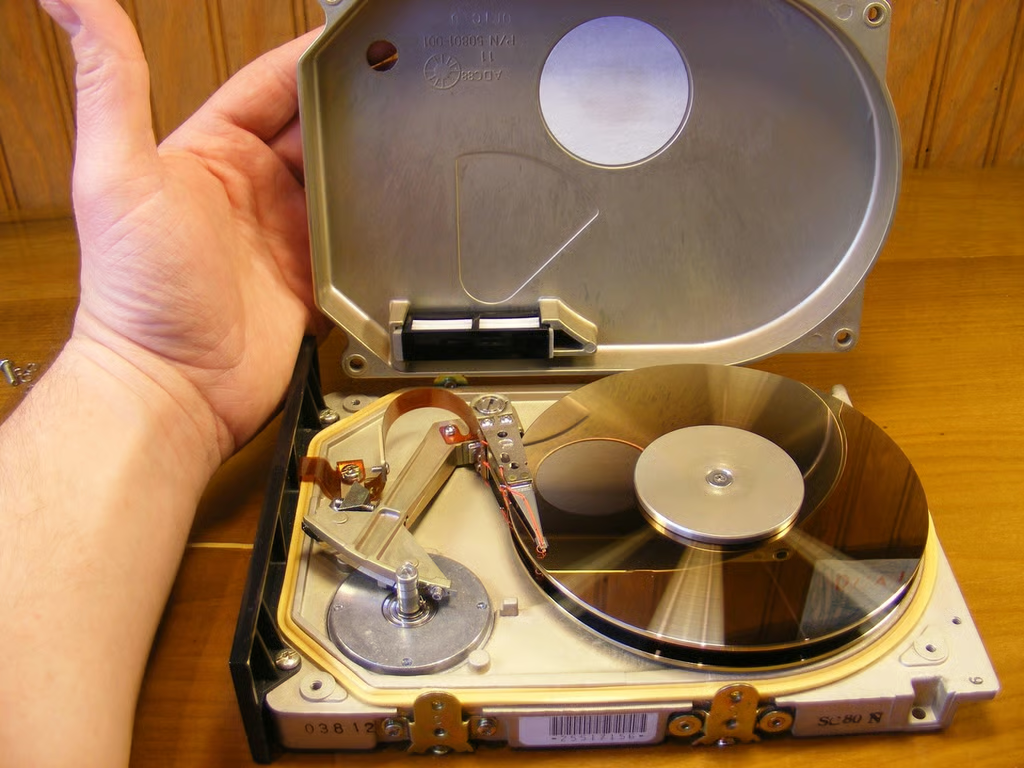
I was kind of surprised to see only two platters. Interesting actuator mechanism.
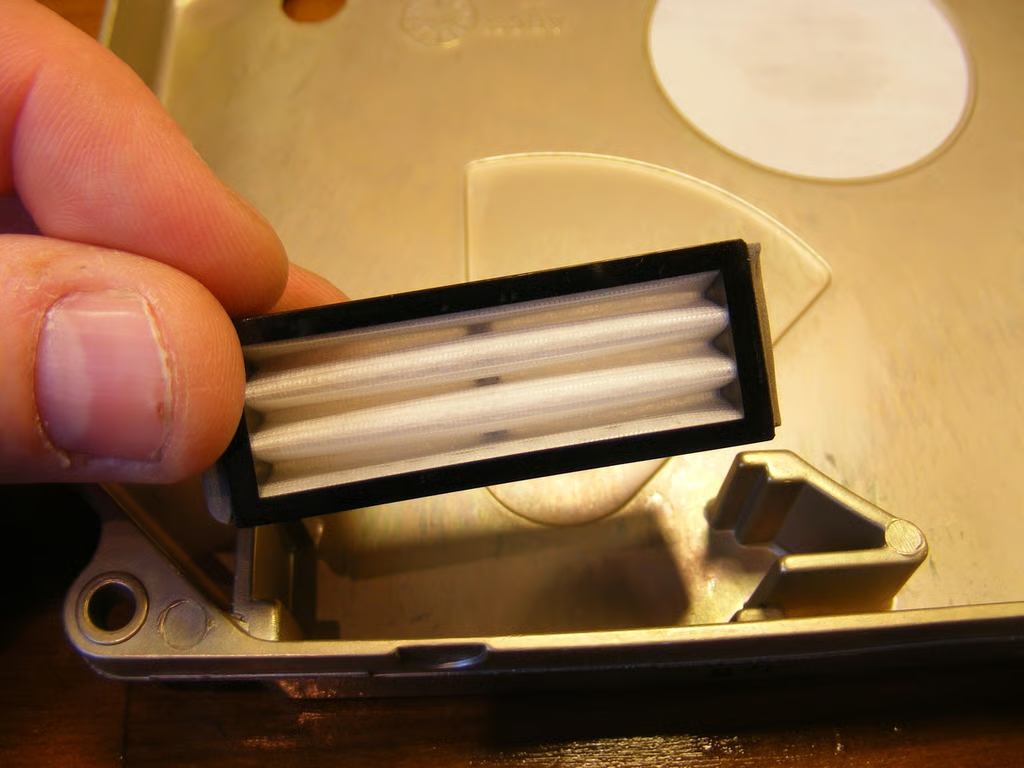
The filter/dessicant looks like a cartridge that they expect to be replaceable.
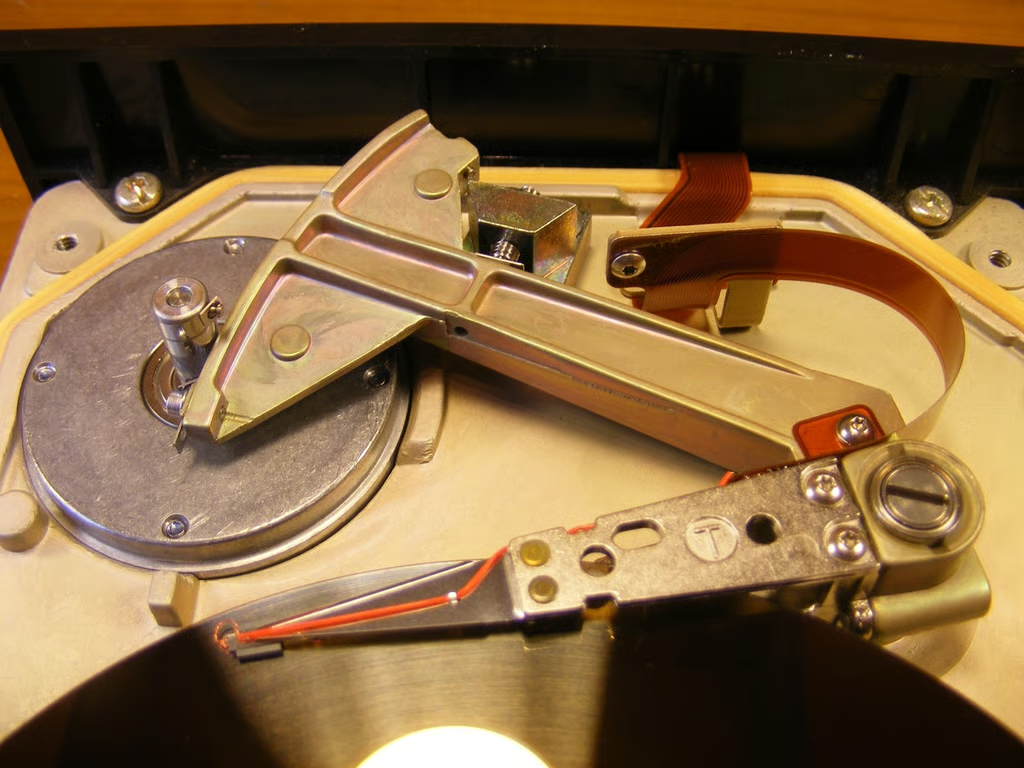
A good look at the actuator mechanism.
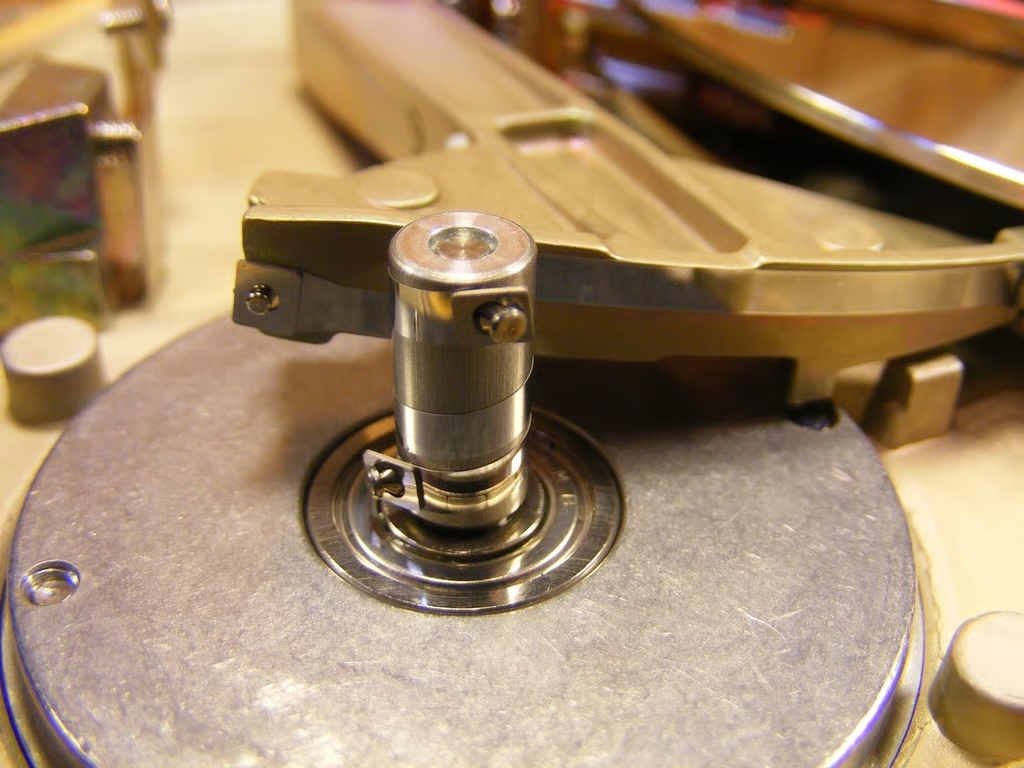
This, to me, is the most interesting part of the device. The actuator is driven by opposing metal bands. Over in the next three pictures, you can see how it winds and unwinds…
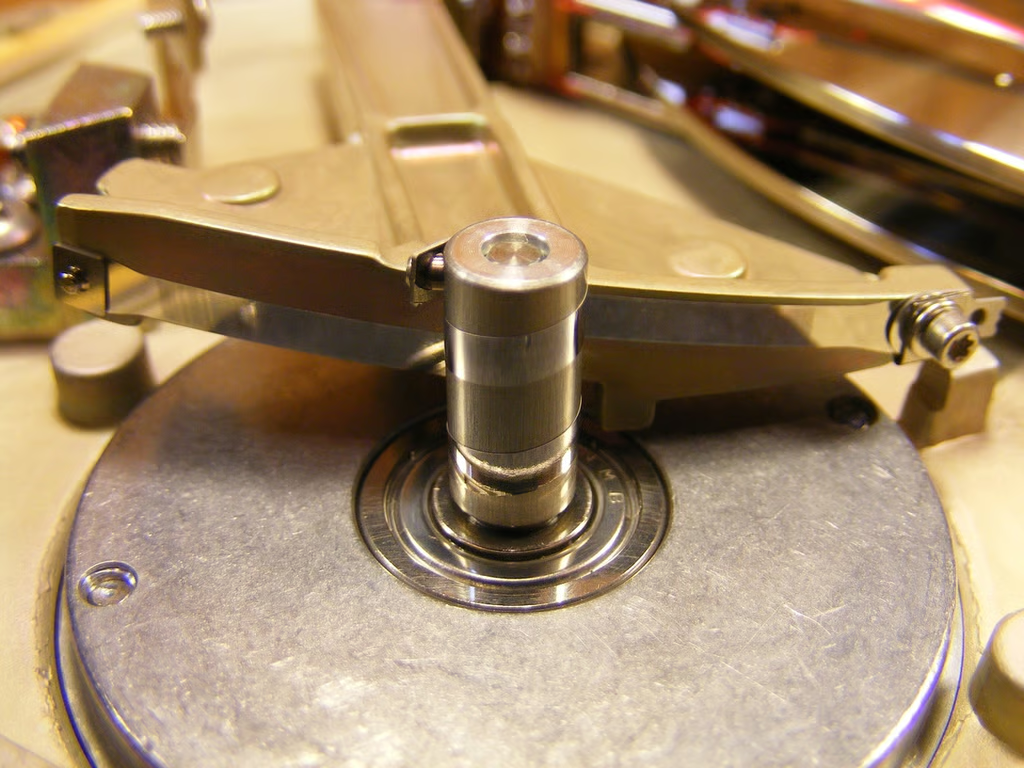
Midway through its cycle.
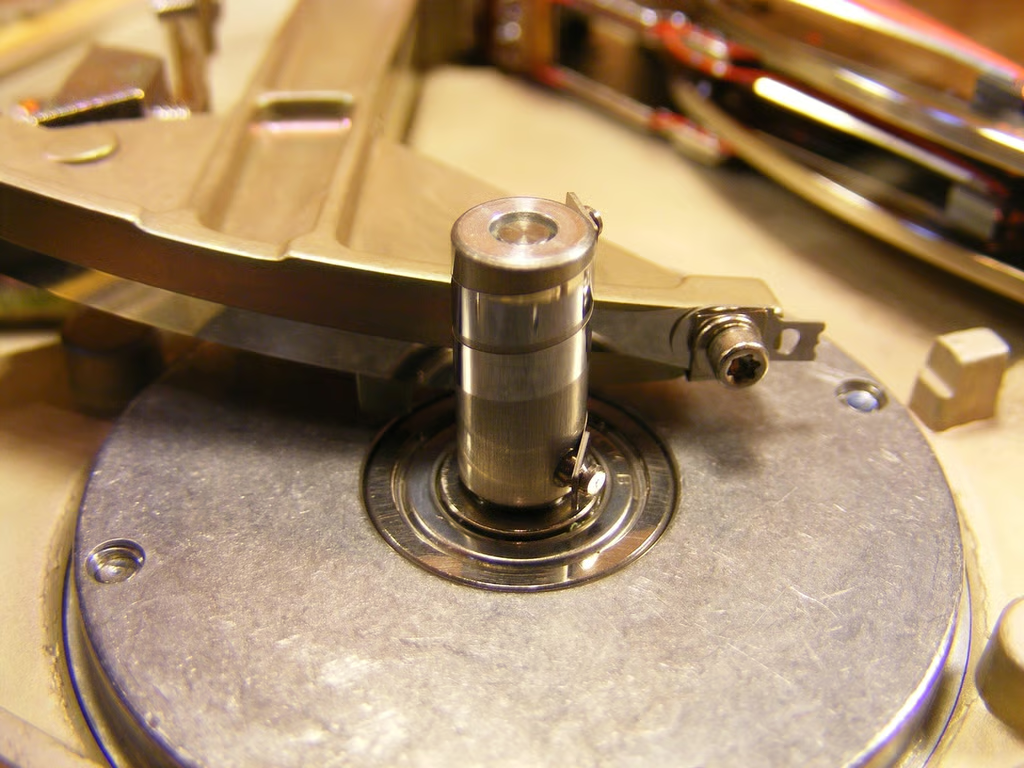
…And at the end. You can see the torx screw here that must have been used to do some kind of final adjustment during assembly.
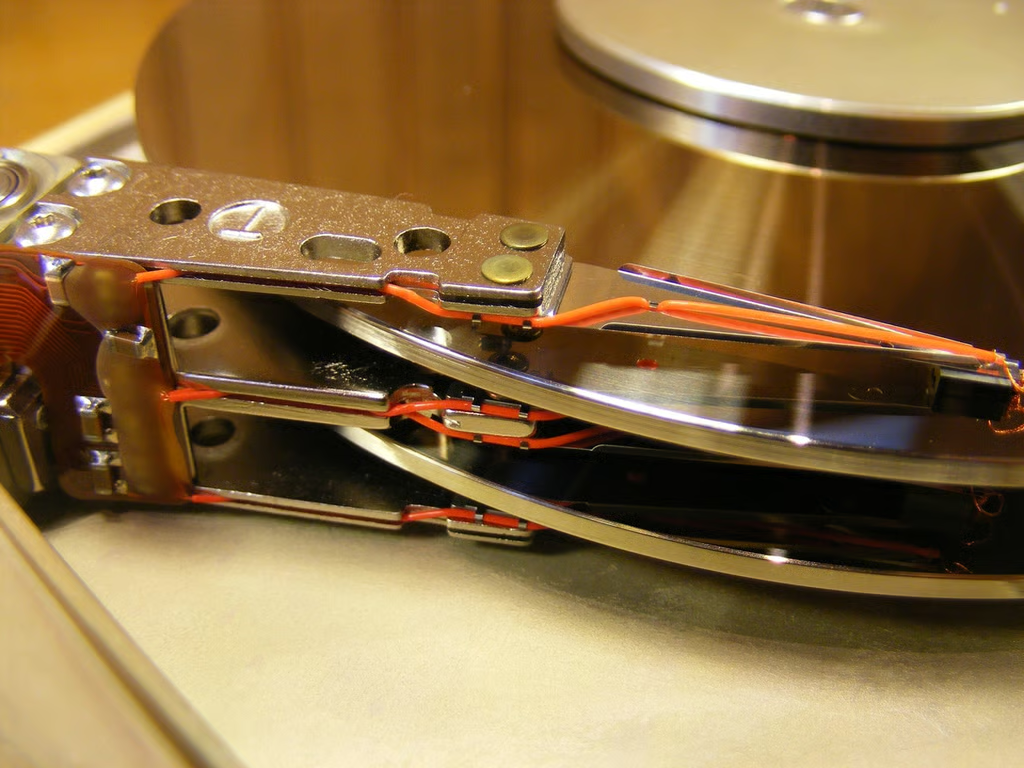
A good look at the head assembly.
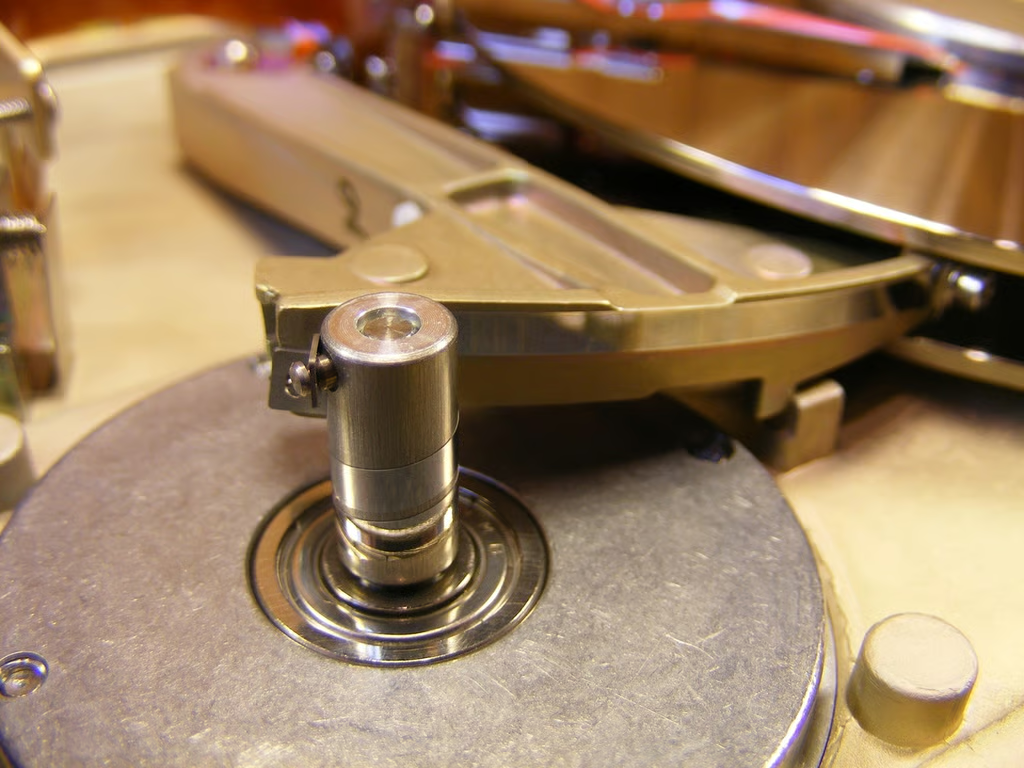
This view shows how the actuator extends in between the two platters when fully extended. (I should have had the platters in focus here…)
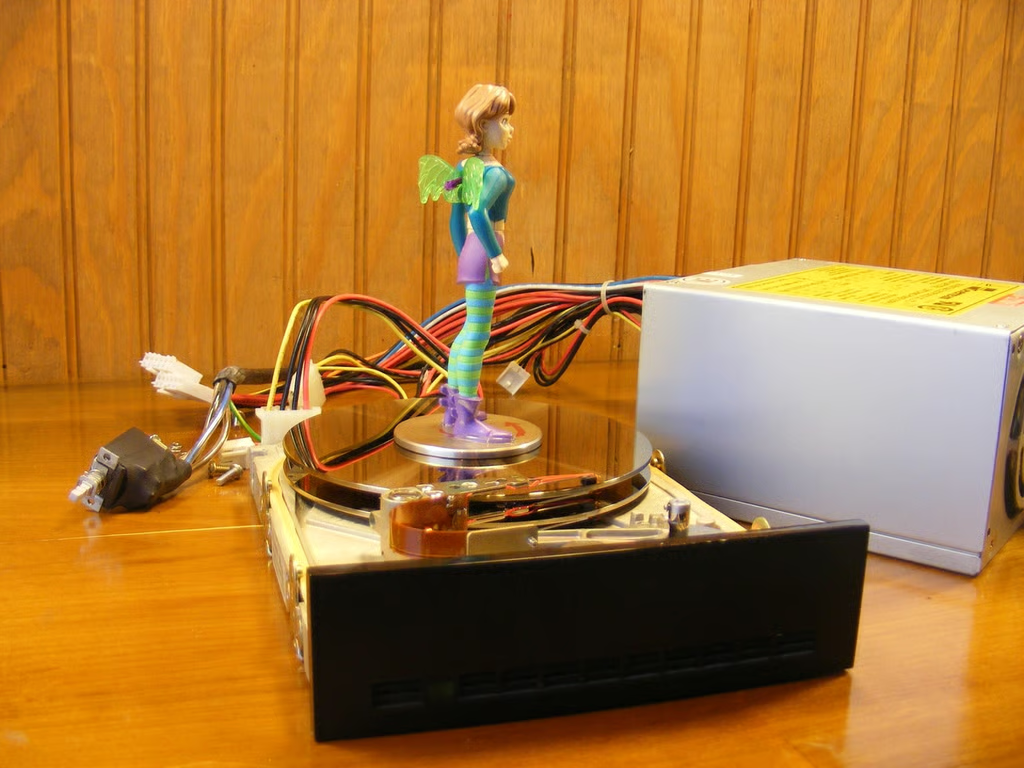
Well, I’ve always wanted to power up a big HDD when disassembled, but never got around to it. Here is my big chance. It was going to be hard to demonstrate the platter spinning in a picture, however, so — I give you ‘Irma’, my eight-year-old daughter’s doll. Irma is going for a ride. I glued her feet to the center of the platter for our entertainment.
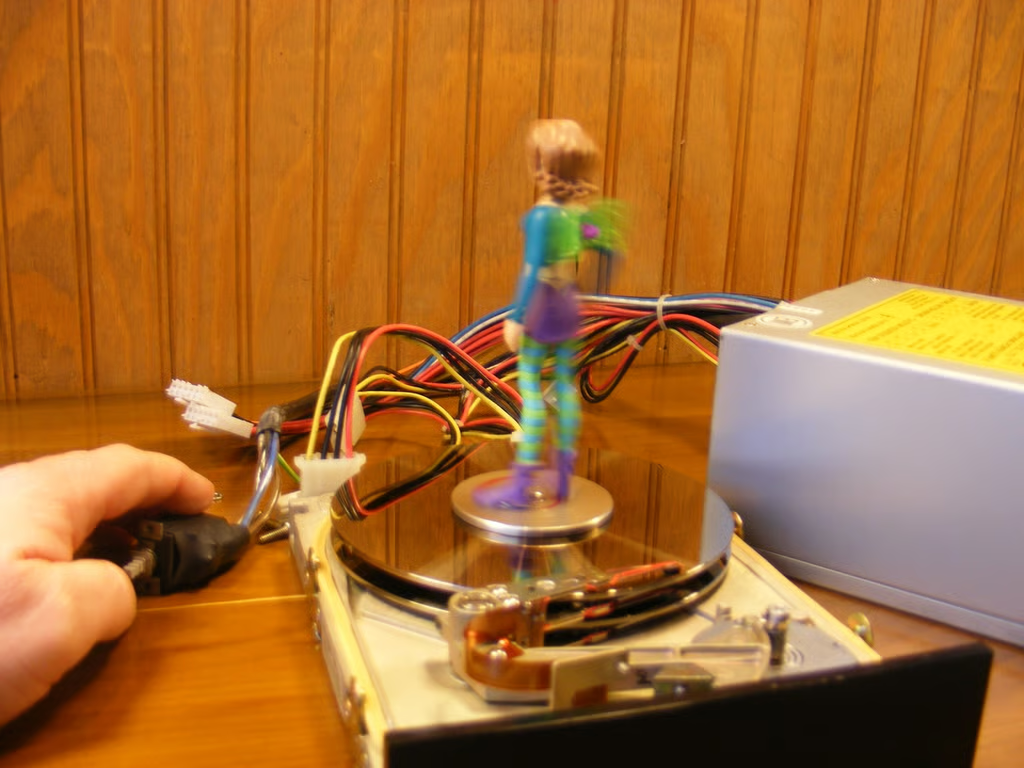
On goes the power, Scottie. She spun for about 6 seconds, when the whole assembly began to shake violently and try to walk off of the bench. Just as I went to hold it down…
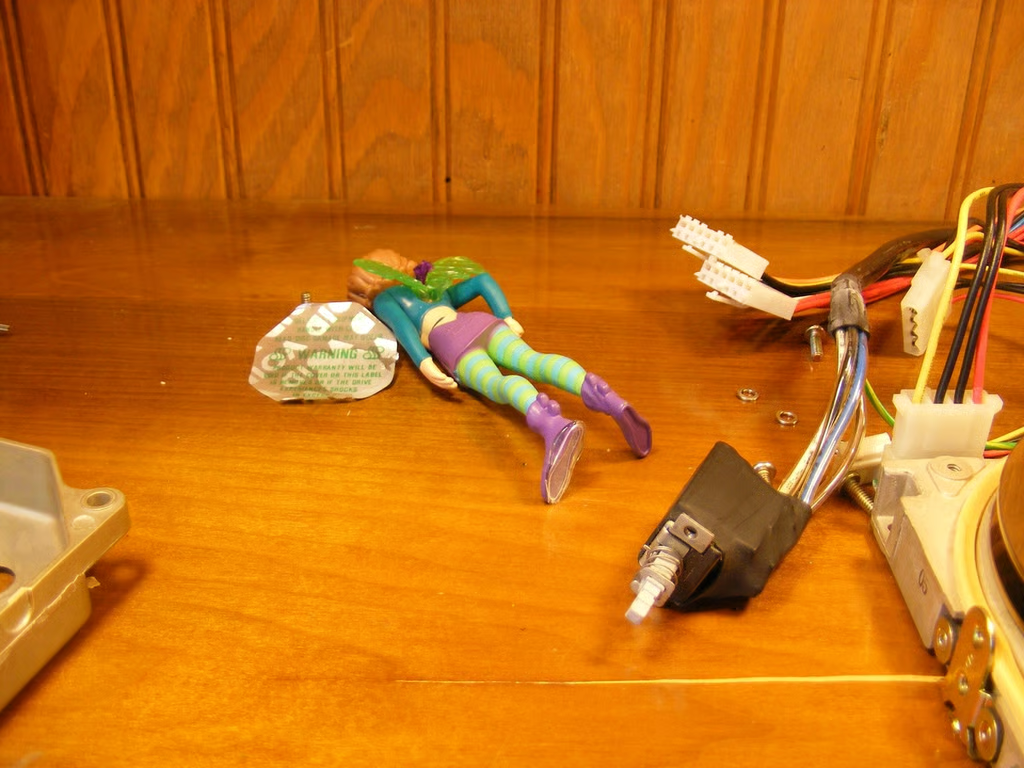
The aftermath: after a head-first trip into the wall, Irma is face down in a pile of hardware.
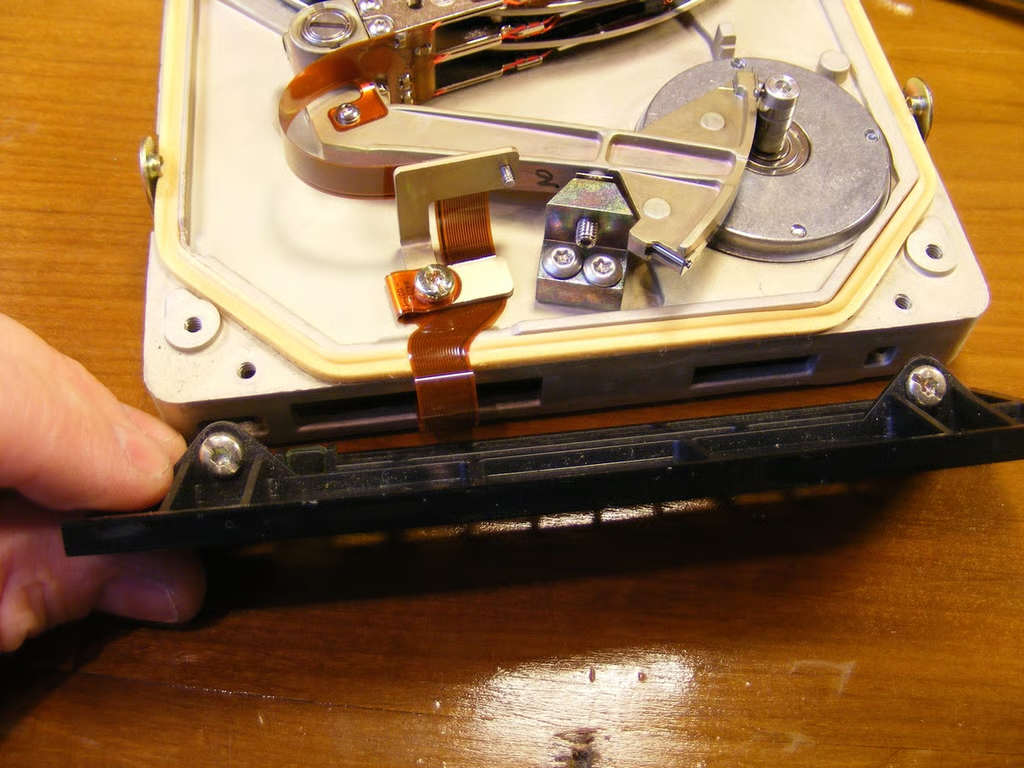
Okay, on with the project. Here I’m taking off the “front cover.” Notice how the ribbon for the heads was just pinched in between the cover and the seal.
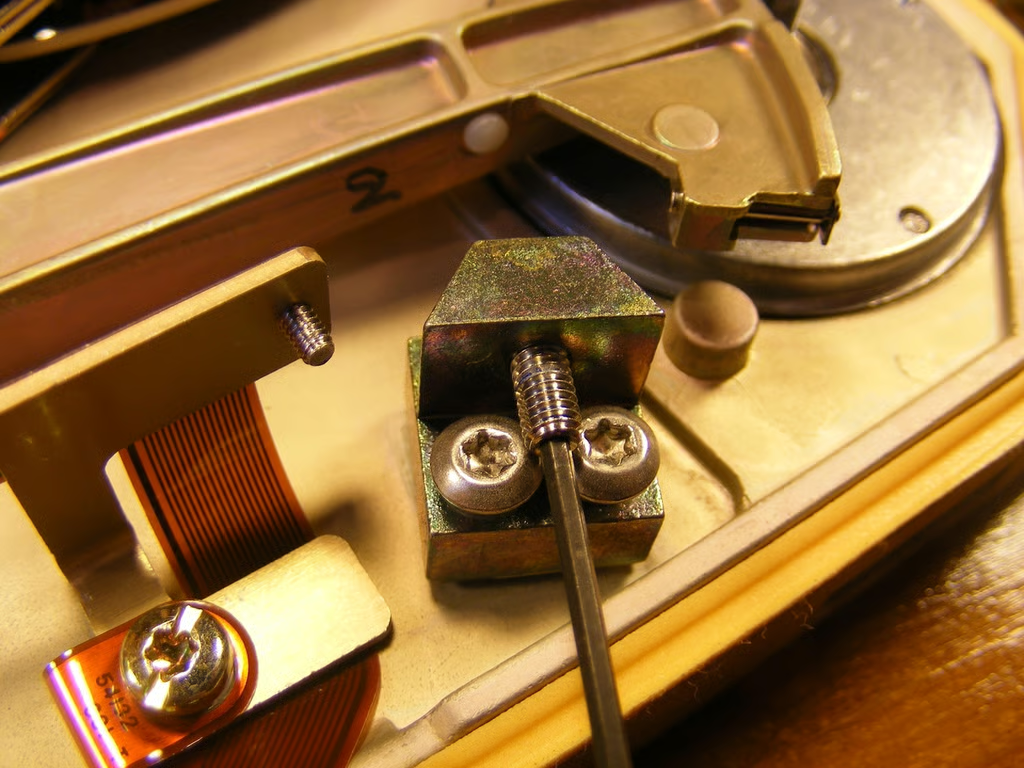
There seems to be a lot of adjustable parts.
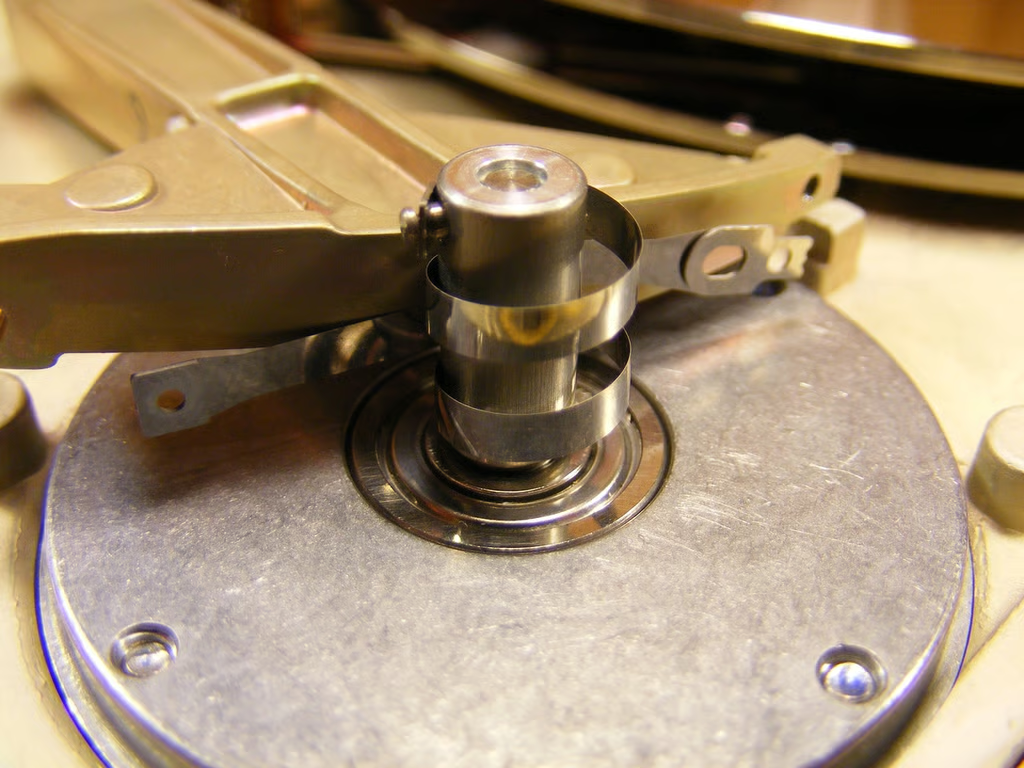
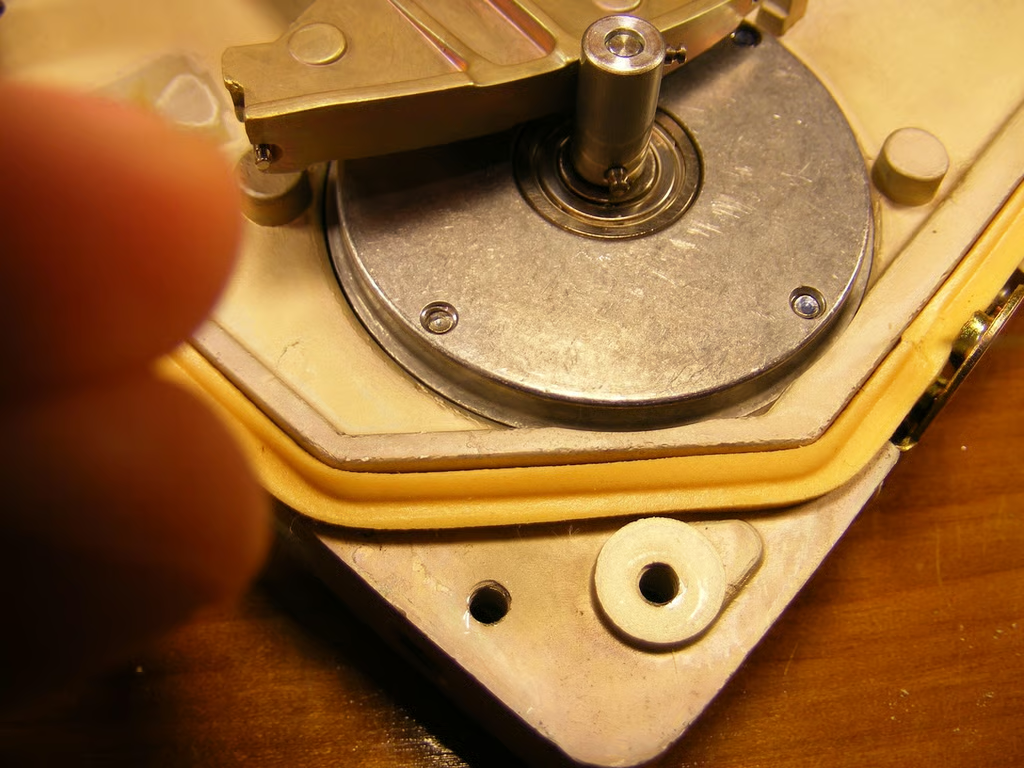
I wanted to show how thin these were, but they didn’t show at all in the picture. I guess that says plenty. They were .0015″ each.
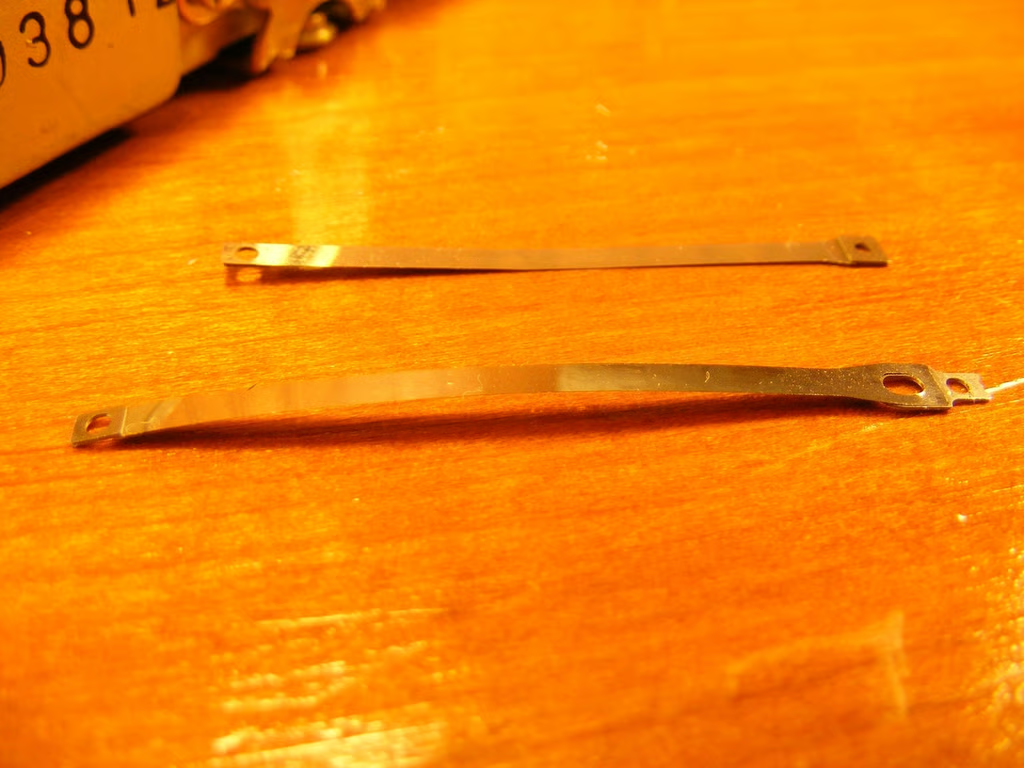
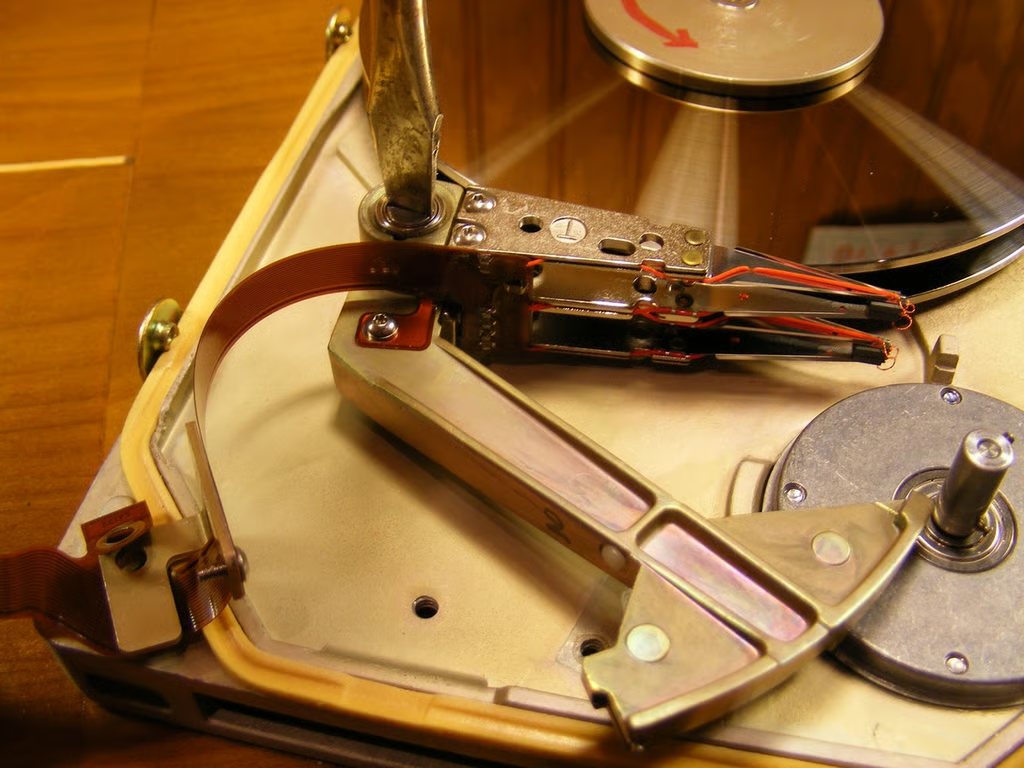
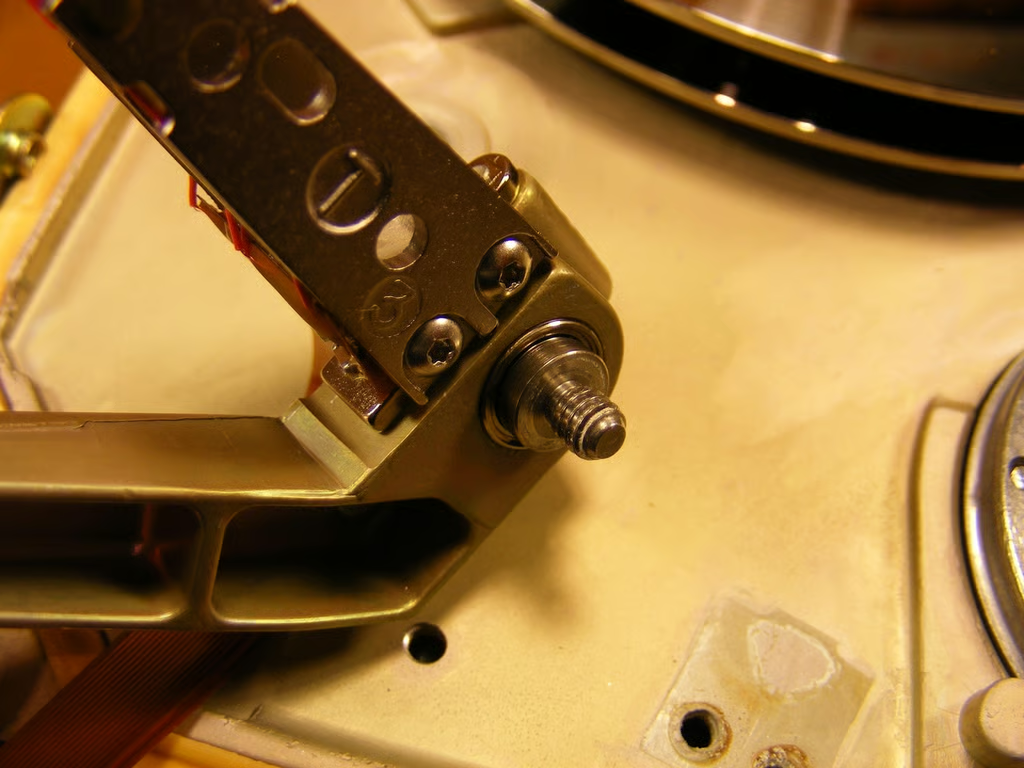
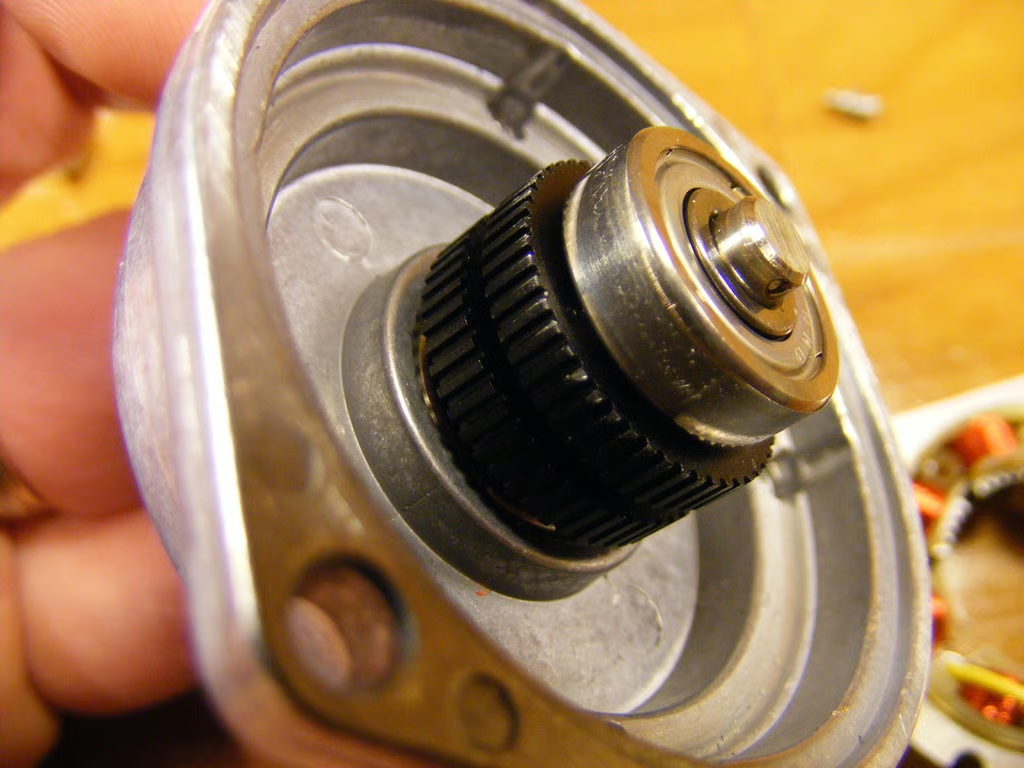
The mounting screw appears to be one piece and pressed into the bearing.
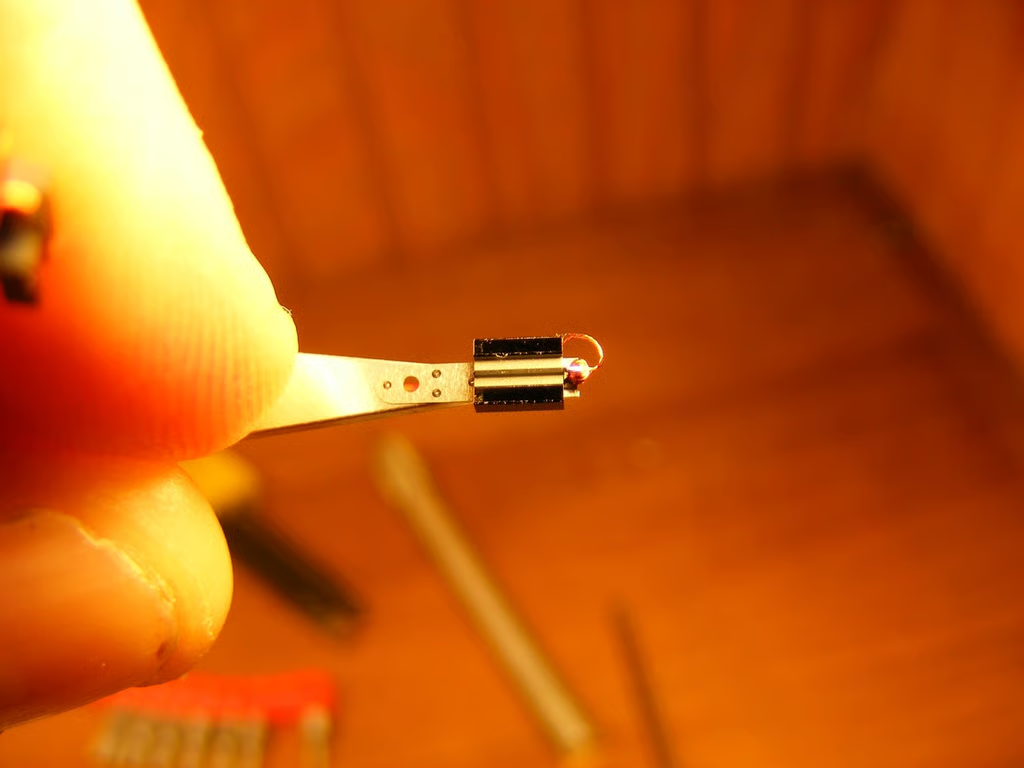
A nice view of the r/w head, This is a fairly hi-res image, if you save and zoom in on it, you can see the little coil at the tip.
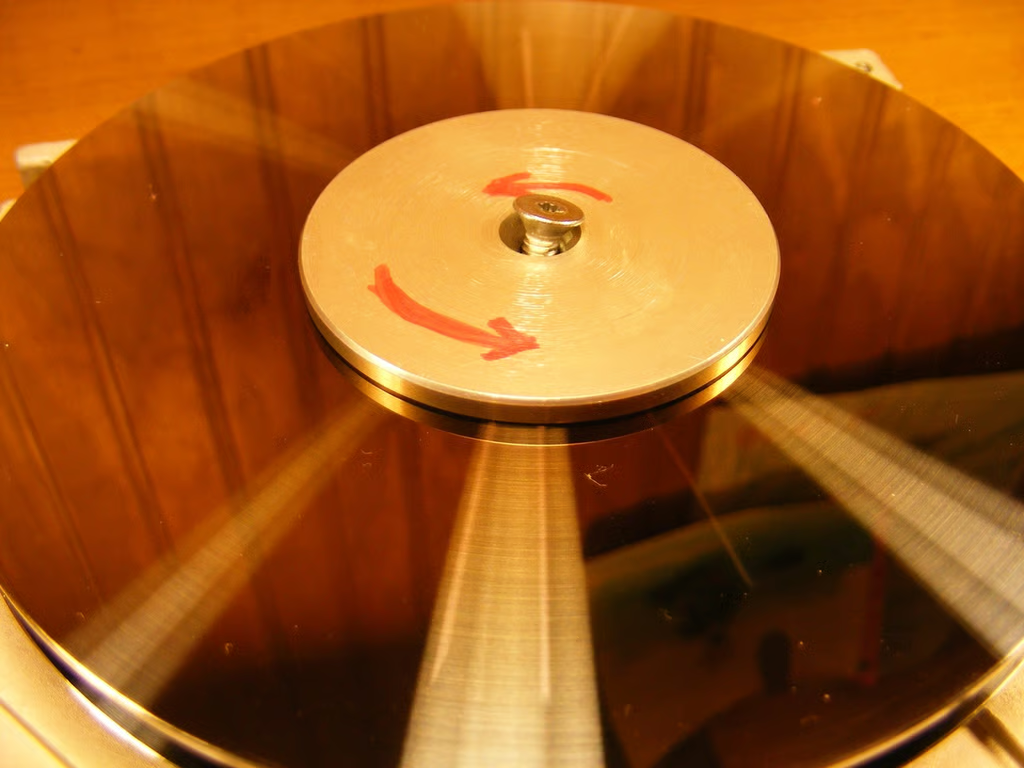
The next four pictures show each step of taking the platters apart. The arrows were initially intended to show the rotation when spinning — but then there was Irma….
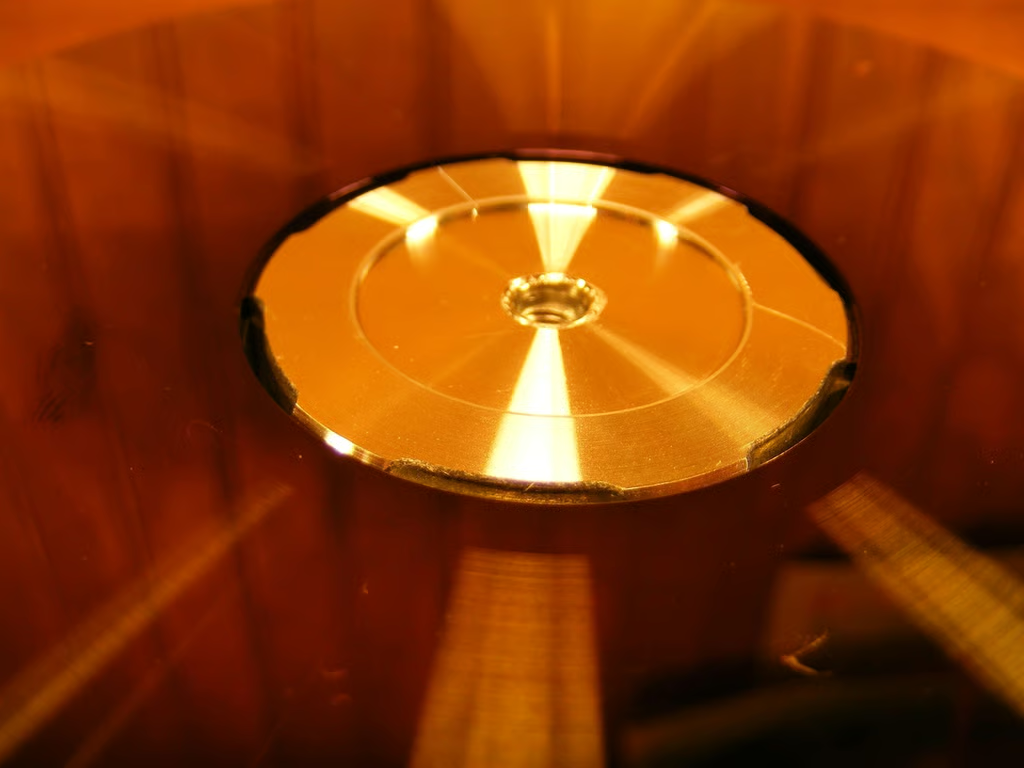
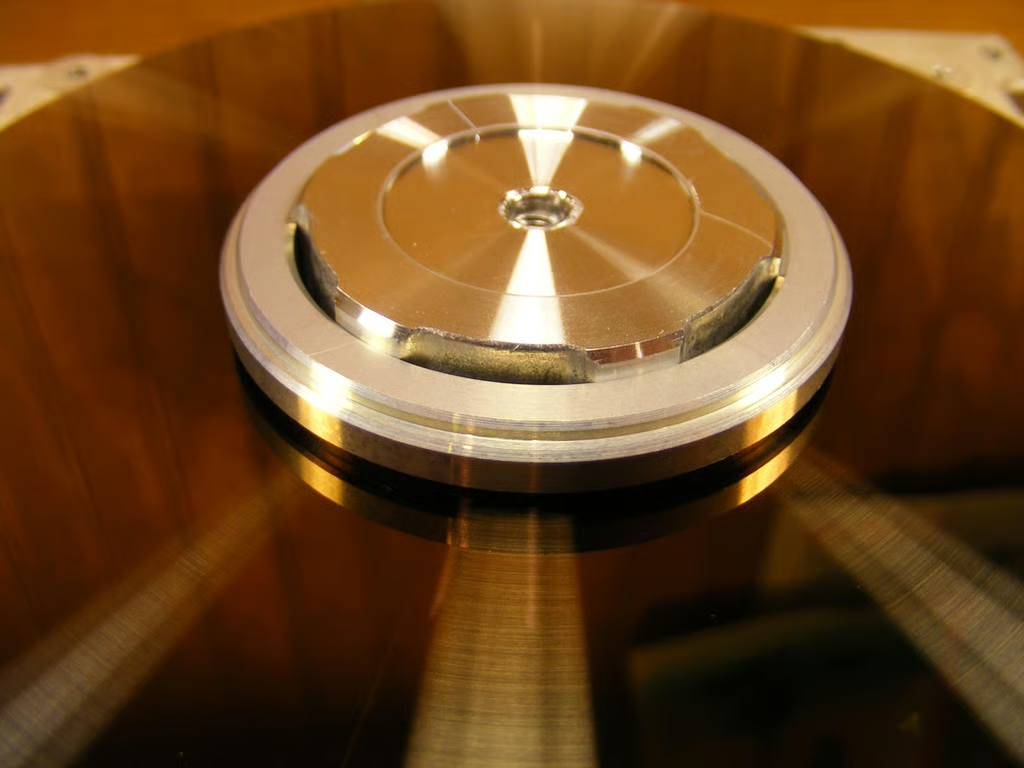
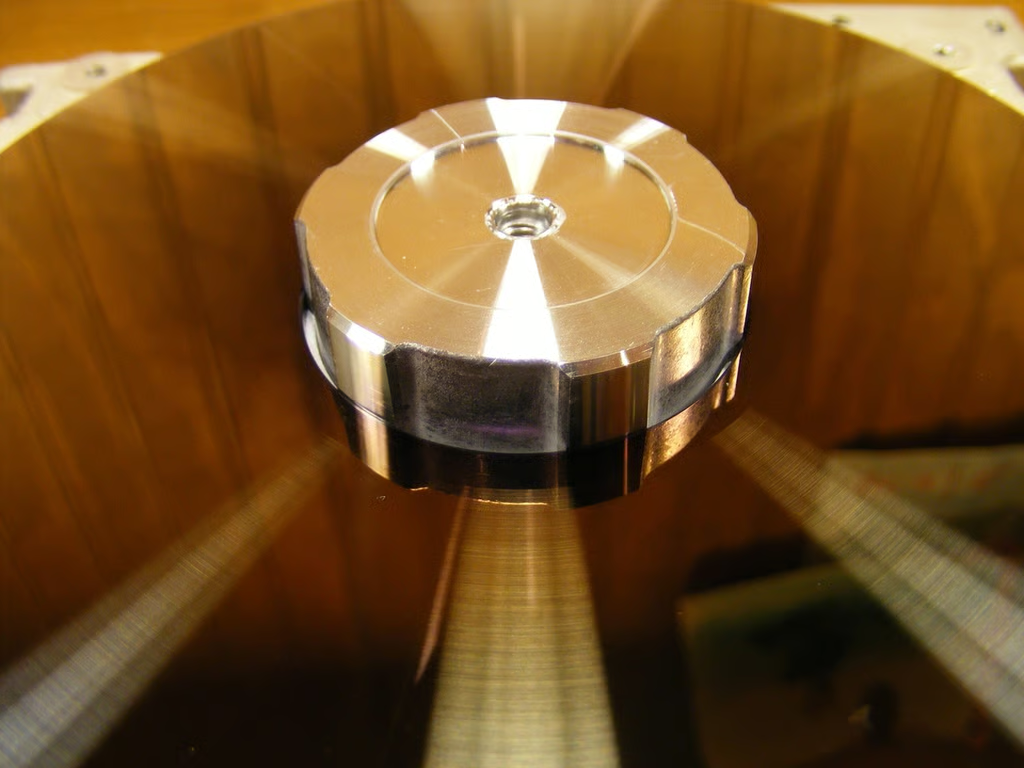
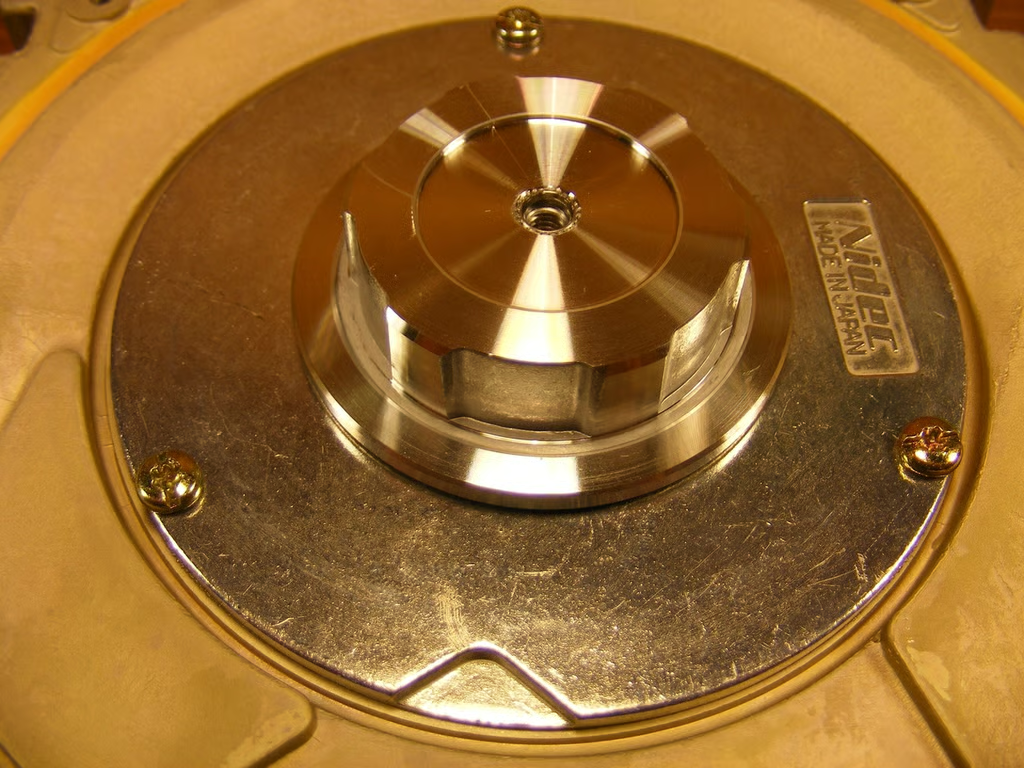
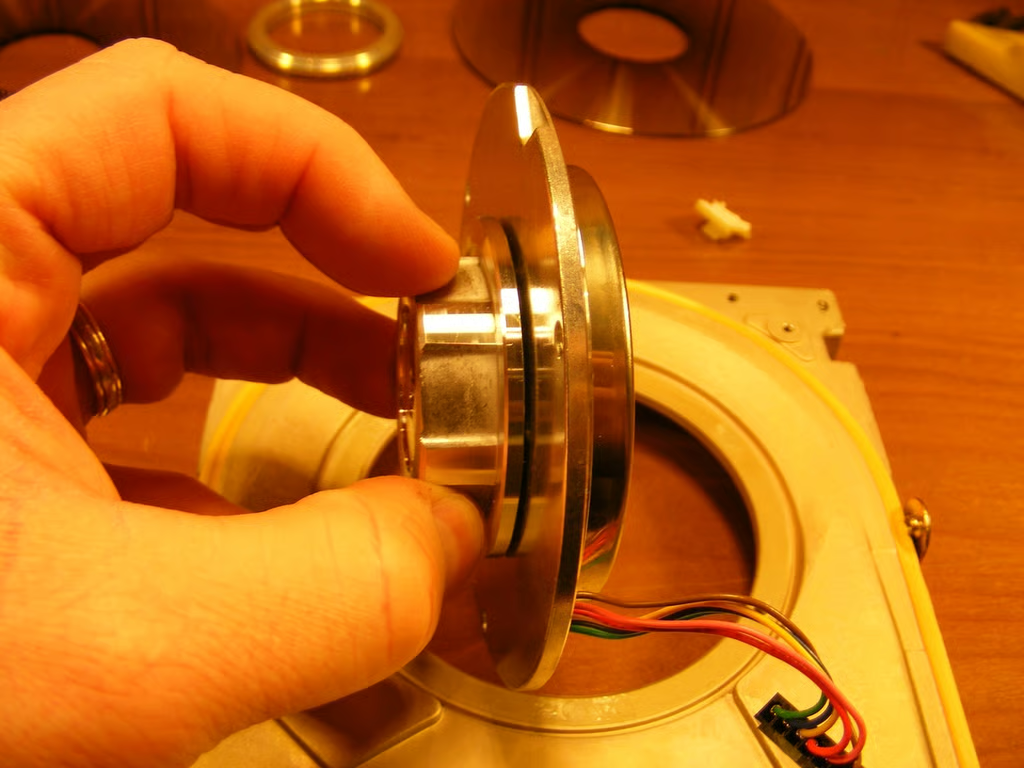
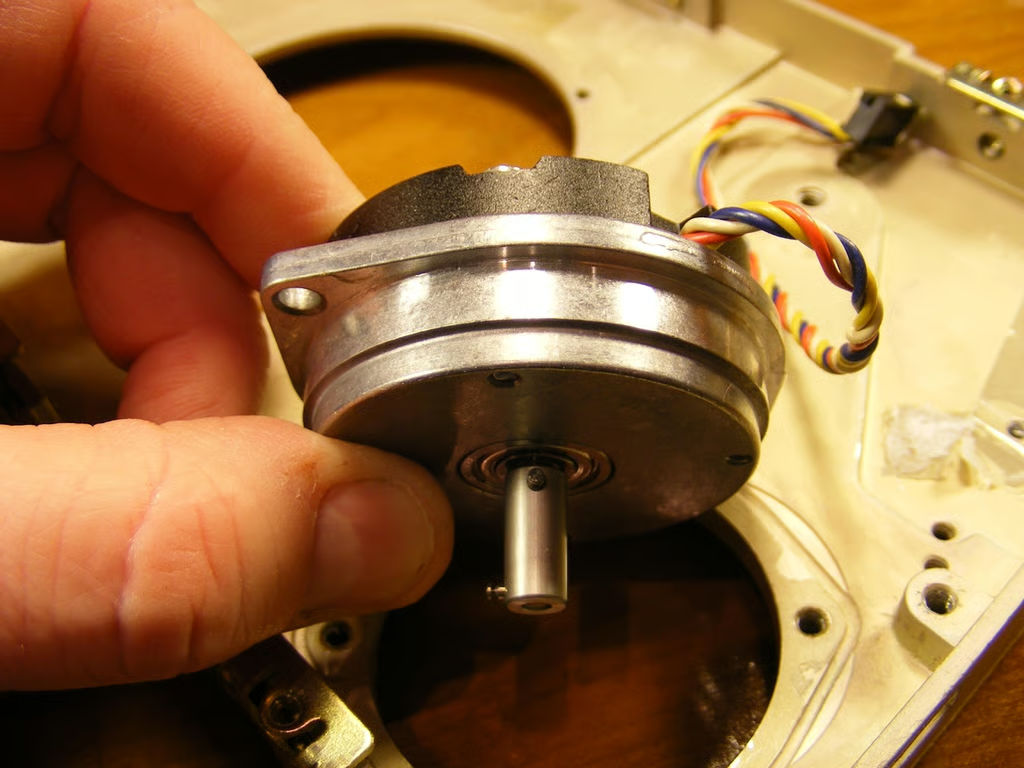
Here is the motor itself, a Nidec. I’ve seen that brand in another HDD; I’m sure that is a common brand.
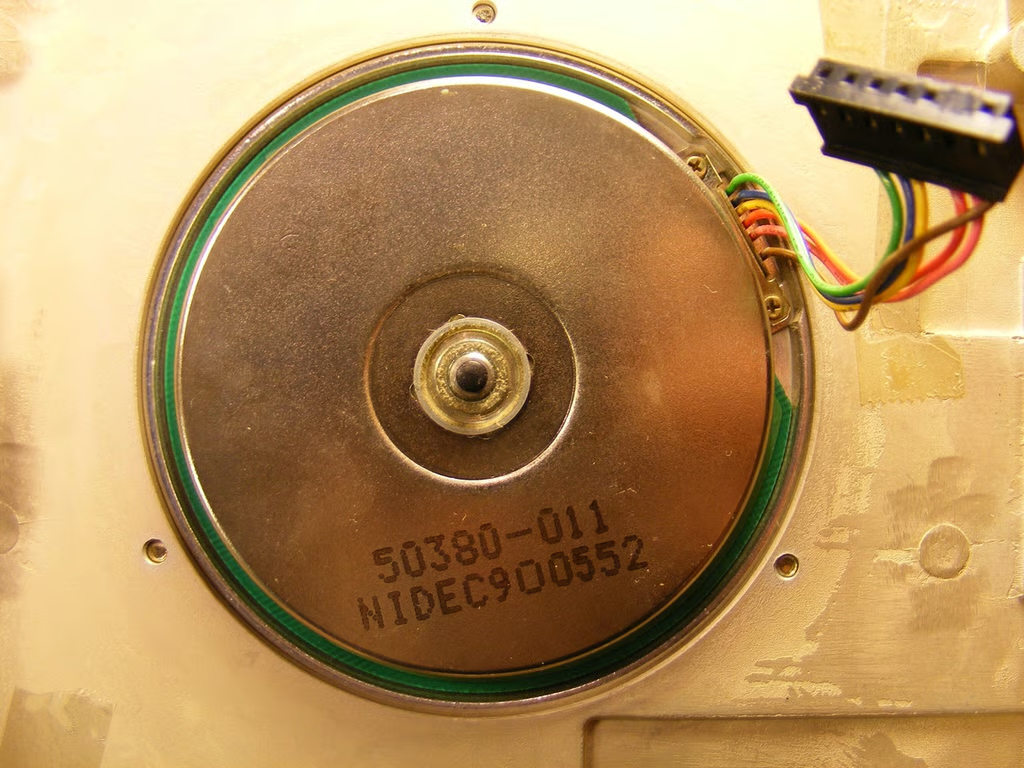
A good look at the bottom of the motor before removal. Also a good look at the carbon button.
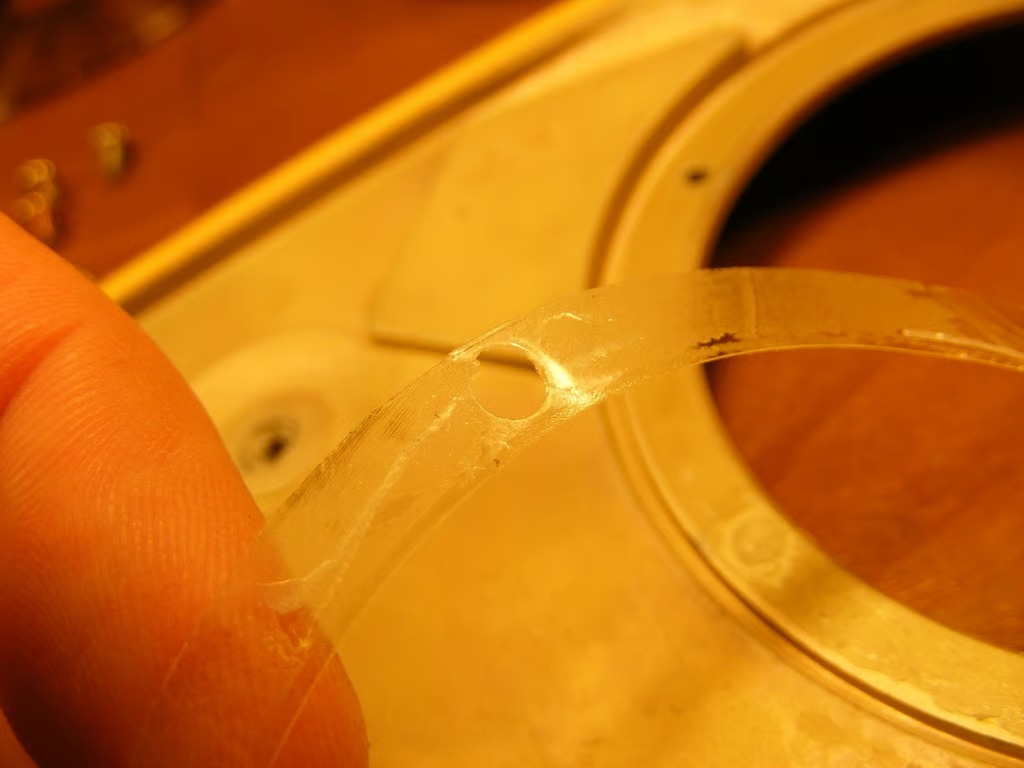
I noticed a thin plastic seal for the drive motor that I didn’t see before.
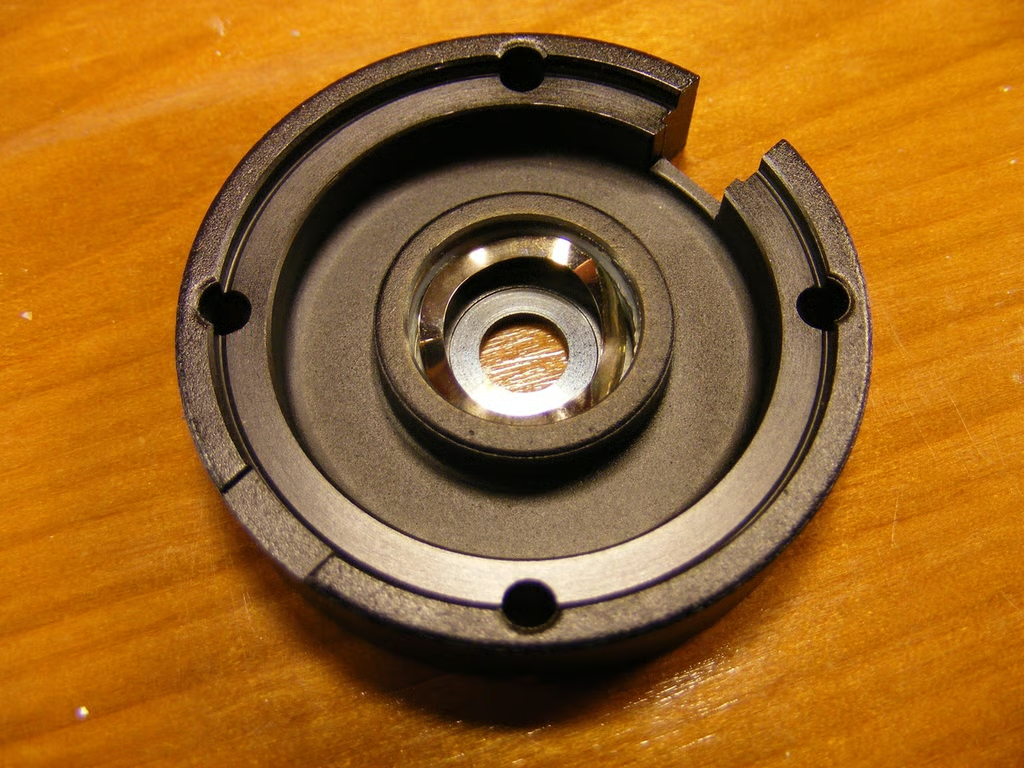
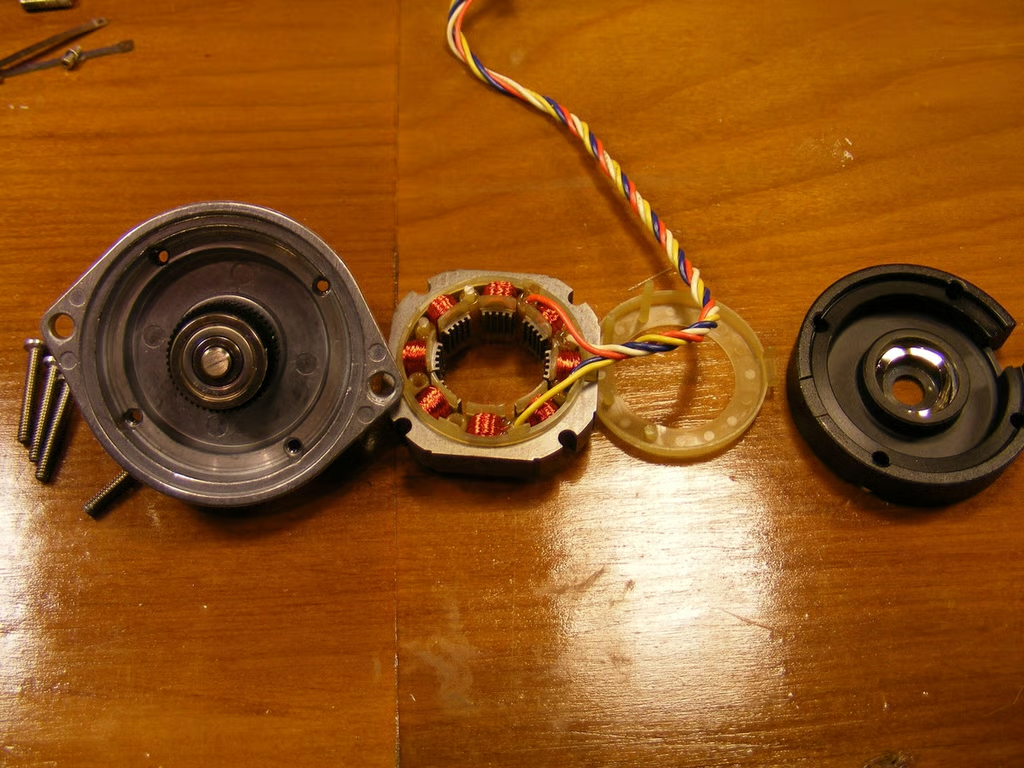
I had to pry the black cover off, and there was a wavy washer in the bearing cup to keep pressure on the bearing.
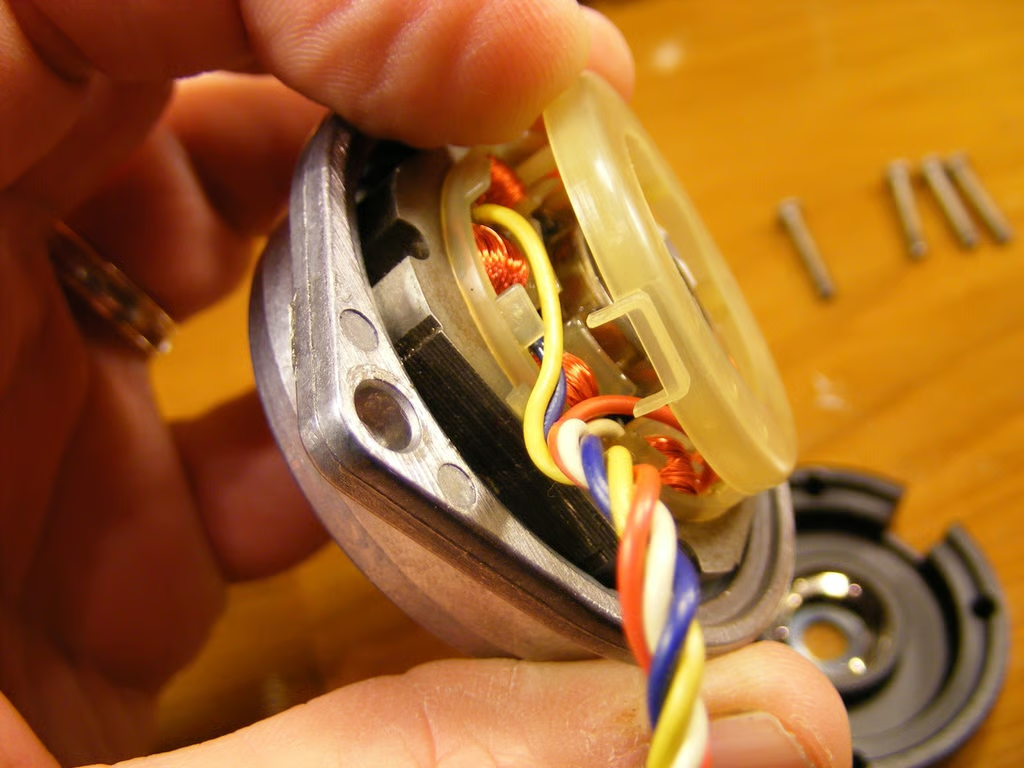
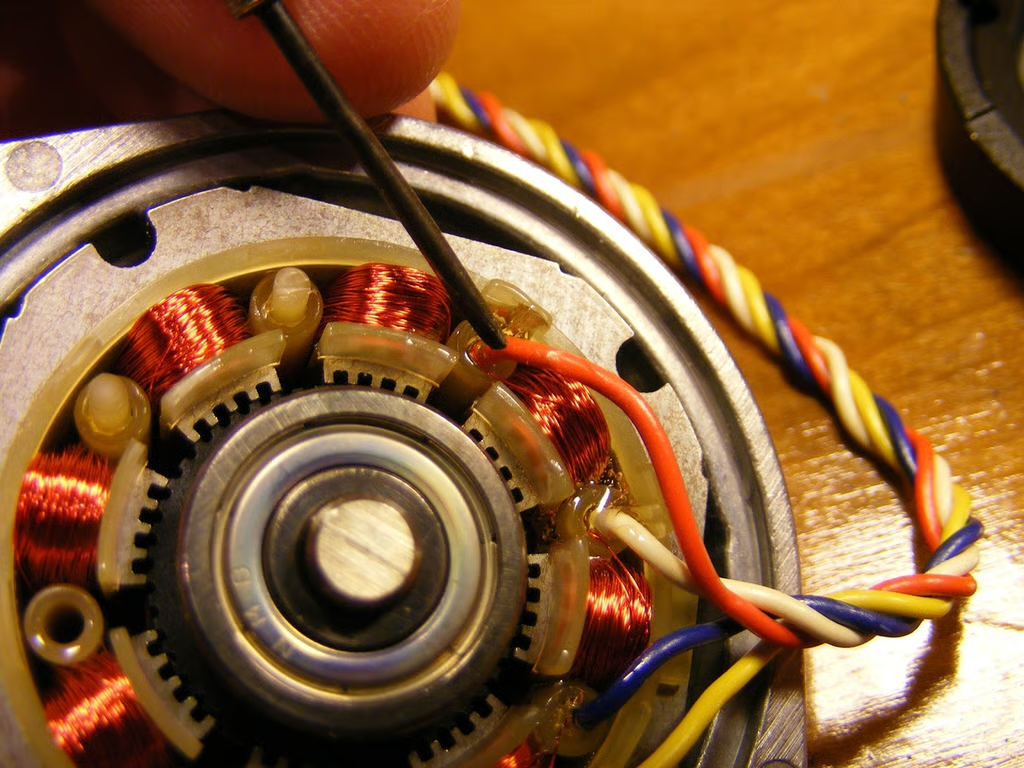
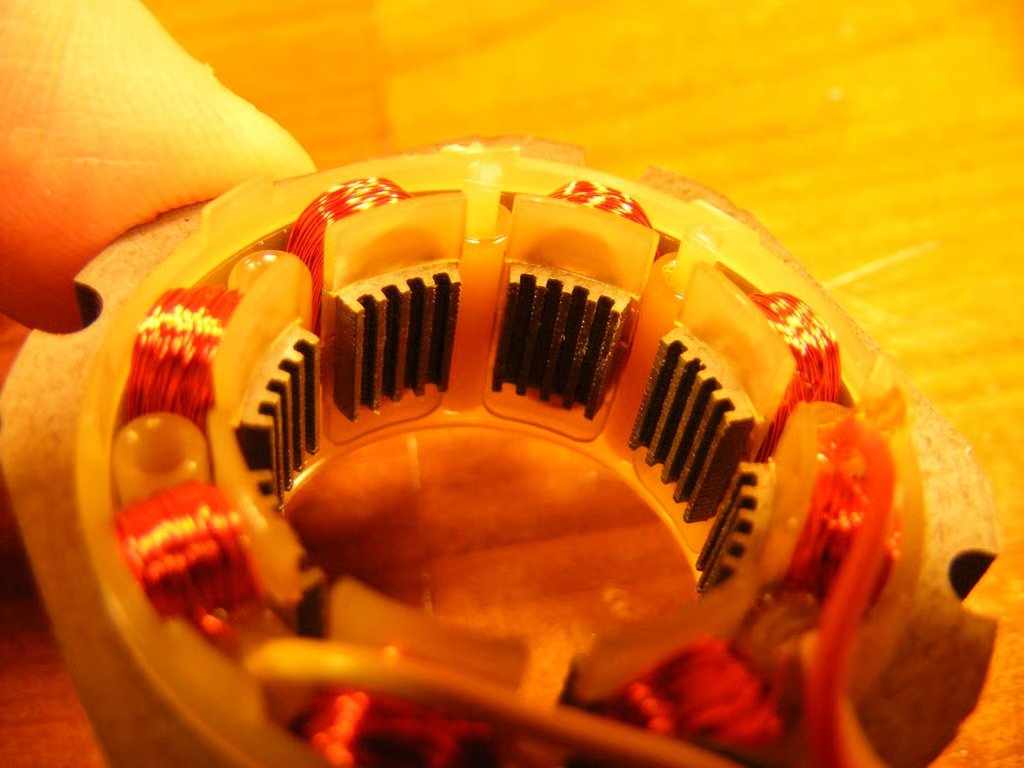
Nice. I’m no electrical engineer, but it looks like there are two sets of controls — a start and stop signal for each direction. If you look closely, you can see where each wire taps into its respective coil.
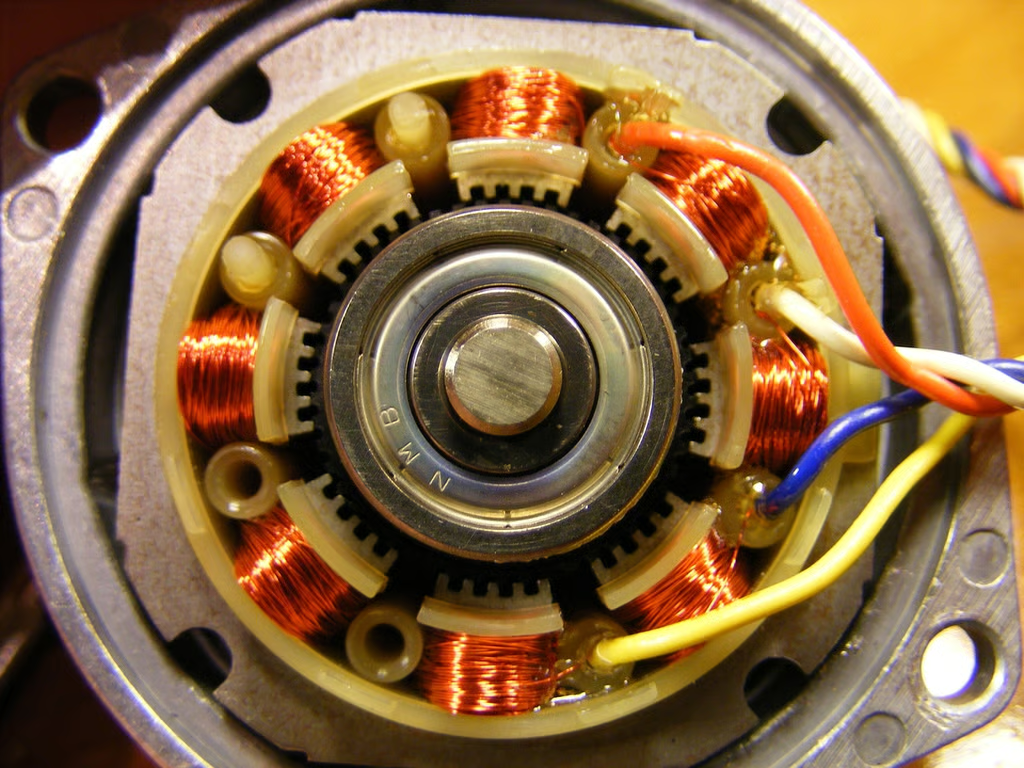
Maybe someone out there knows exactly what this type of motor is called?
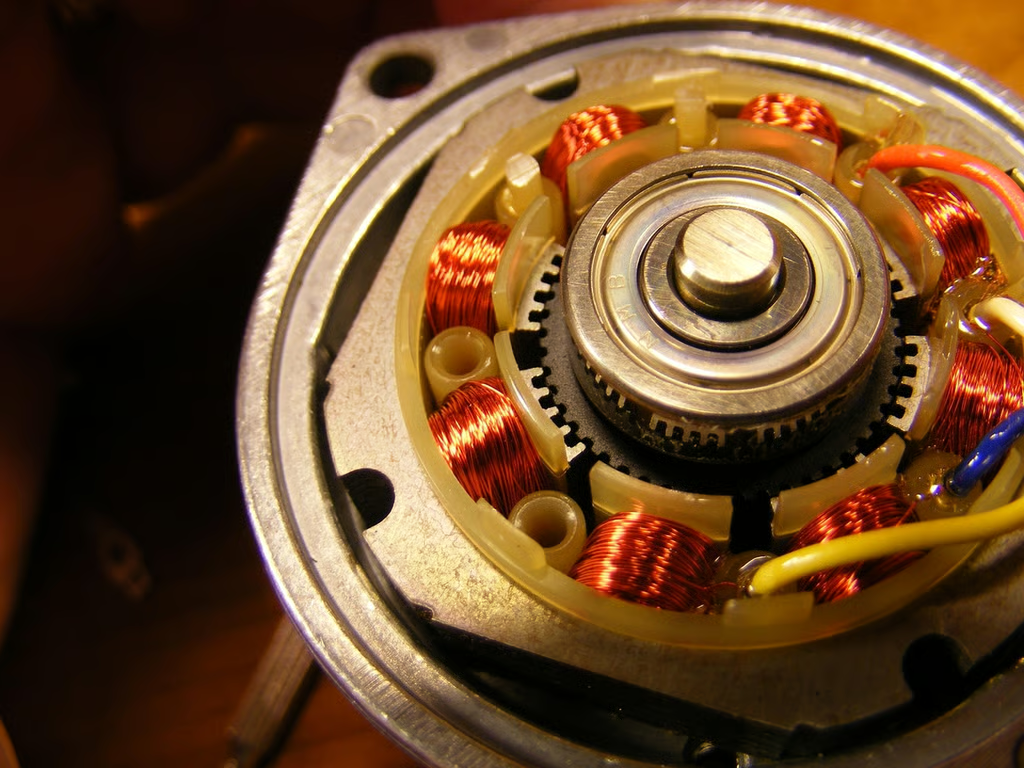
After the coil came out, it put up a bit of a fight.
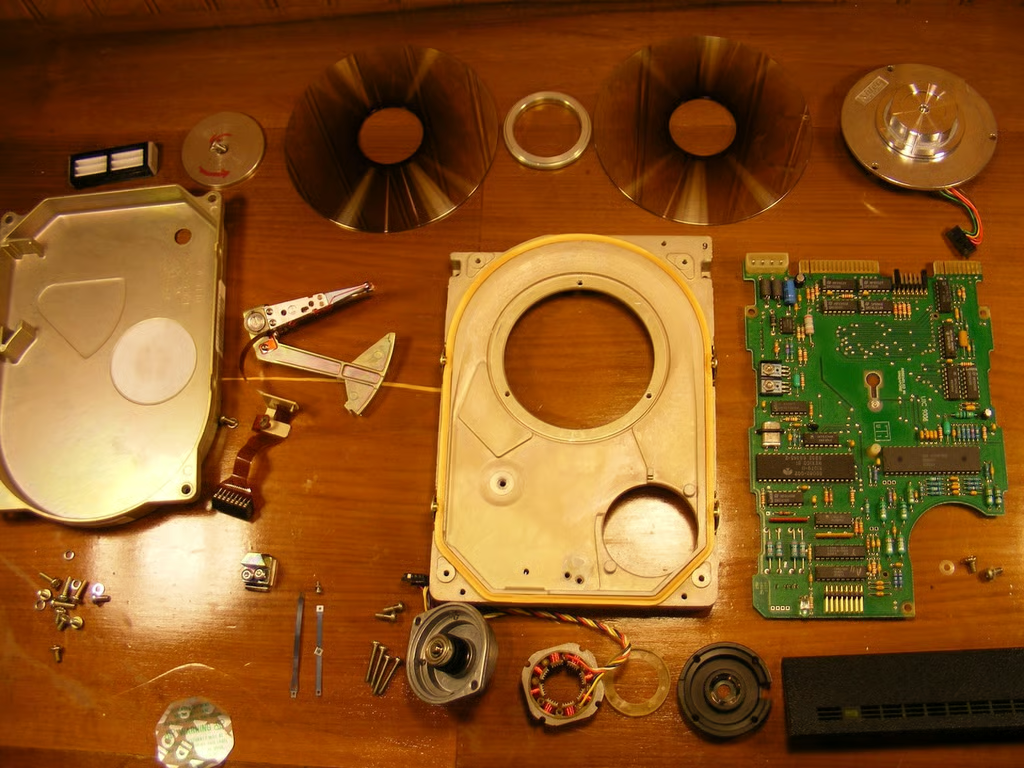
And finally, the whole drive blown up. If you are wondering, yes, it went back together and ran as it did before, though the heads made a bit of noise, and I’m pretty sure that I wouldn’t try to store anything important on it, even if I did have the right controller.

Cara Reynolds an editor on TechRepublic's content team. She has been working in educational, licensed, and Web publishing for more years than she cares to admit and hosts the Right Tool for the Job blog on TechRepublic.


