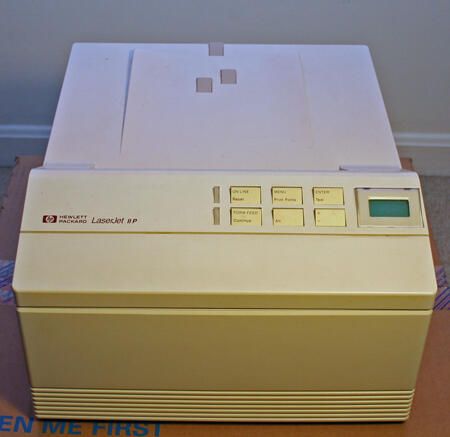
\n\tThe Hewlett Packard LaserJet IIP popularized the desktop personal laser printer. Released in 1989, the model was among the very first laserjets available for less than $1,000. Deemed a “milestone” printer by the New York Times, the paper touted the unit’s light weight (the IIP weighed *just* 25 pounds). Here’s what made the IIP tick.
\n\t
\n\tThe design was beige and boxy.
\n
\n\t\n\n
\n
\n\tNote: This gallery was originally published in May, 2007, but I’m resurfacing it to celebrate the HP LaserJet IIP’s 21st birthday in 2010.
\n\t
\n\tPhoto by: Erik Eckel / TechRepublic.com
\n
\n\t
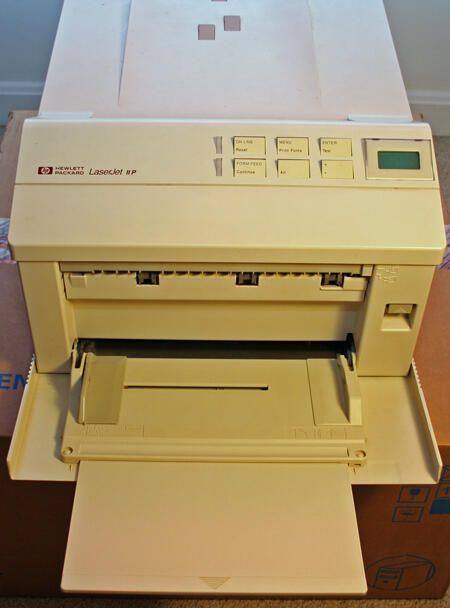
The IIP held a nominal amount of paper in its default configuration. Printing envelopes, meanwhile, required removing the main paper source.
Photo by: Erik Eckel / TechRepublic.com
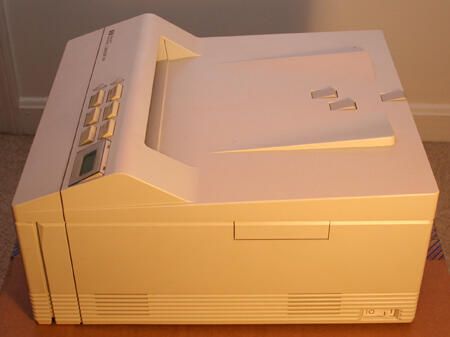
The IIP’s power switch was on its right side, along with an expansion slot visible toward the case’s top side.
Photo by: Erik Eckel / TechRepublic.com
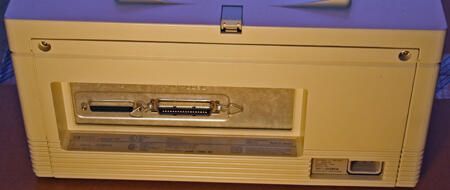
USB wasn’t a popular standard, yet, in 1990. Thus, most IIPs were connected using parallel print cables.
Photo by: Erik Eckel / TechRepublic.com
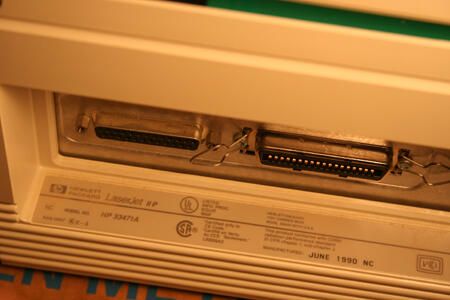
This IIP, the subject of this Crack It Open gallery, was manufactured in June 1990. Seventeen years later it still worked, if only to produce four pages per minute.
Photo by: Erik Eckel / TechRepublic.com
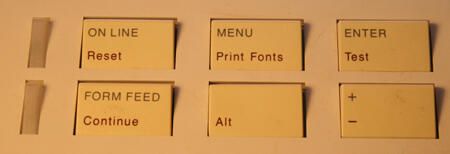
The HP IIP controls were straightforward with few frills.
Photo by: Erik Eckel / TechRepublic.com
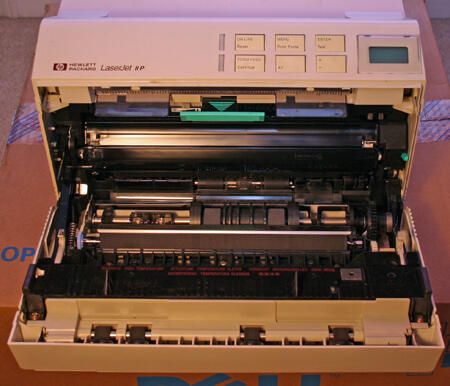
Opening the IIP reveals the toner cartridge, roller assembly and the fuser mechanism.
Photo by: Erik Eckel / TechRepublic.com
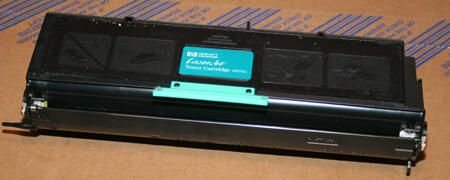
The IIP required HP’s 92275A toner cartridges.
Photo by: Erik Eckel / TechRepublic.com
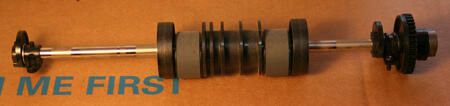
The pick up roller assembly from the IIP.
Photo by: Erik Eckel / TechRepublic.com

A roller from within the fuser assembly.
Photo by: Erik Eckel / TechRepublic.com
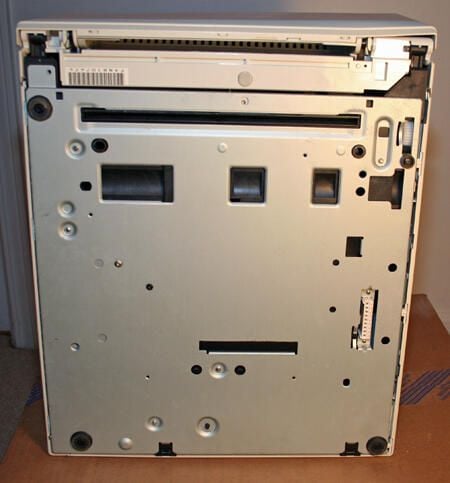
The IIP featured an efficient design. Many internal components connected directly to the unit’s metal chassis bottom, shown here.
Photo by: Erik Eckel / TechRepublic.com
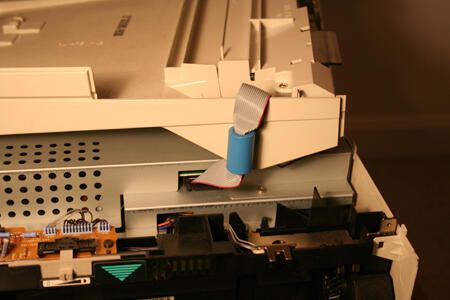
A traditional ribbon cable connected the IIP’s basic monochrome LCD display to the unit’s circuit board.
Photo by: Erik Eckel / TechRepublic.com
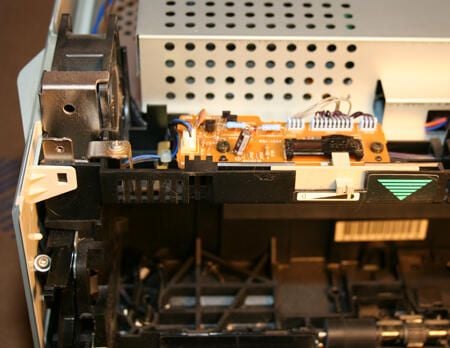
The IIP’s density adjusting PCB assembly.
Photo by: Erik Eckel / TechRepublic.com
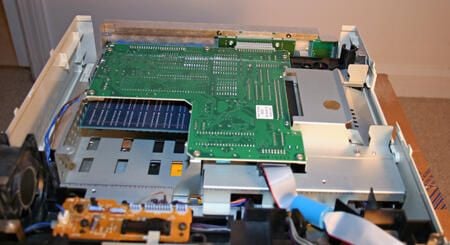
The IIP’s video controller assembly circuit board. The backside is visible when removing the assembly’s metal cover.
Photo by: Erik Eckel / TechRepublic.com
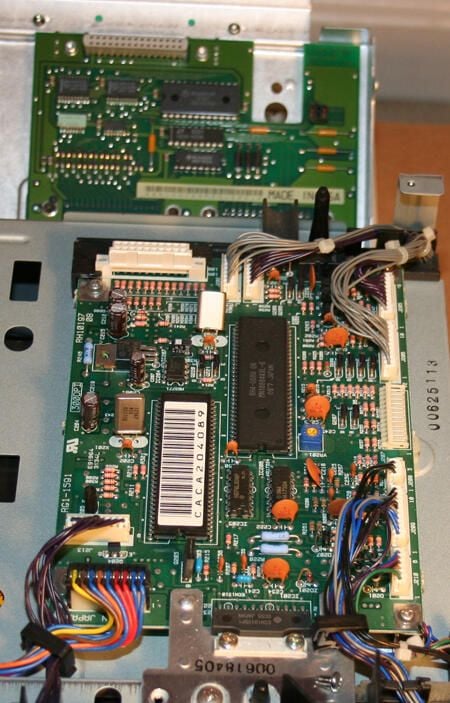
Disassembling the IIP from the top down reveals the DC controller, next.
Photo by: Erik Eckel / TechRepublic.com
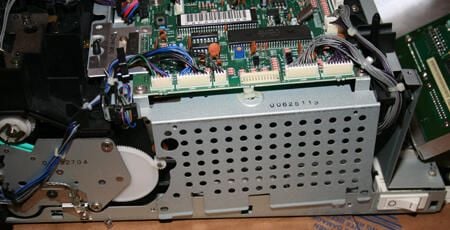
The DC controller assembly PCB sits beneath the video controller board (now removed in this image). Here you see the DC controller board in a side view of the IIP.
Photo by: Erik Eckel / TechRepublic.com
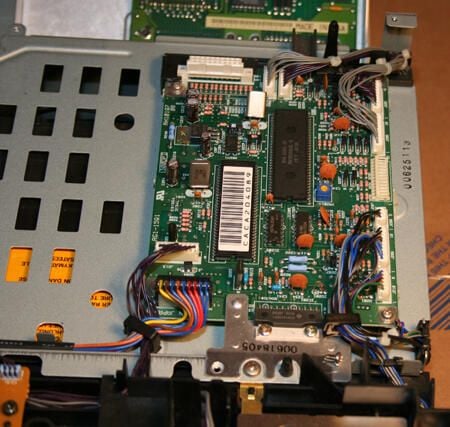
In this view of the DC controller, you can just make out the cover (look for the orange sticker with black lettering) of the unit’s scanner motor.
Photo by: Erik Eckel / TechRepublic.com
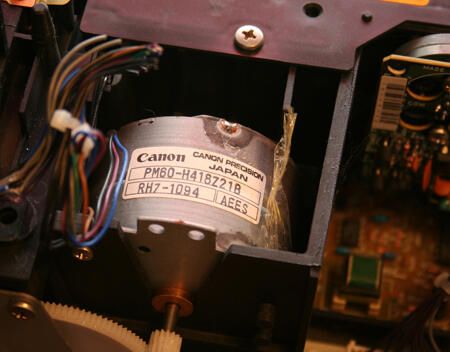
The IIP’s stepping motor was manufactured by Canon.
Photo by: Erik Eckel / TechRepublic.com
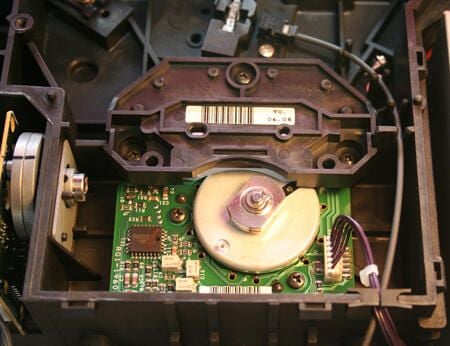
The Scanner motor, as viewed from the front of the printer.
Photo by: Erik Eckel / TechRepublic.com
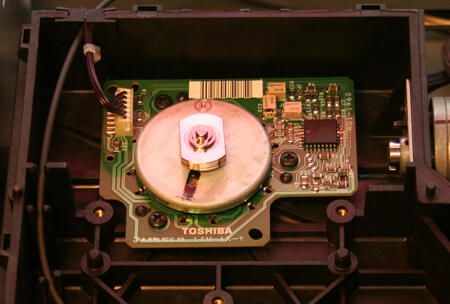
Toshiba manufactured the scanner motor unit used in HP’s IIP LaserJet.
Photo by: Erik Eckel / TechRepublic.com
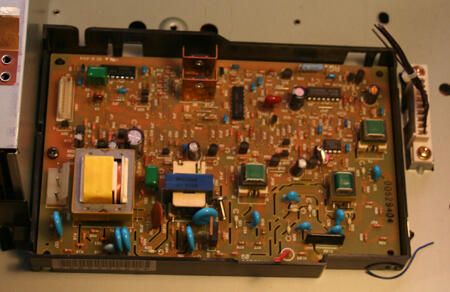
At the bottom of the IIP sat this high-voltage power supply PCB.
Photo by: Erik Eckel / TechRepublic.com
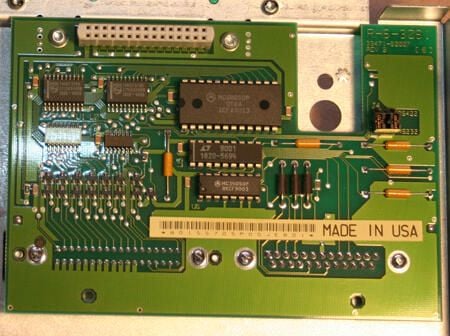
This interface assembly sat in the IIP’s rear cover and powered I/O operations for parallel and serial connections.
Photo by: Erik Eckel / TechRepublic.com
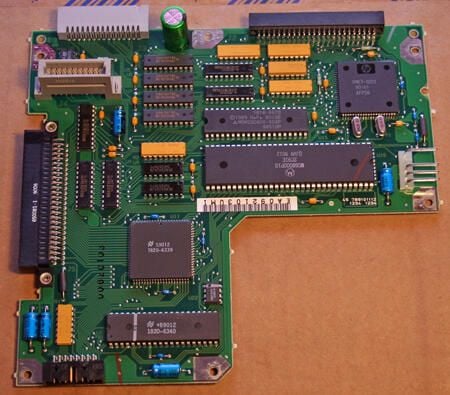
Here’s a front-side view of the IIP’s controller/formatter PCB assembly. This unit possessed the IIP’s revised design (as evidenced by its pronounced L shape).
Photo by: Erik Eckel / TechRepublic.com
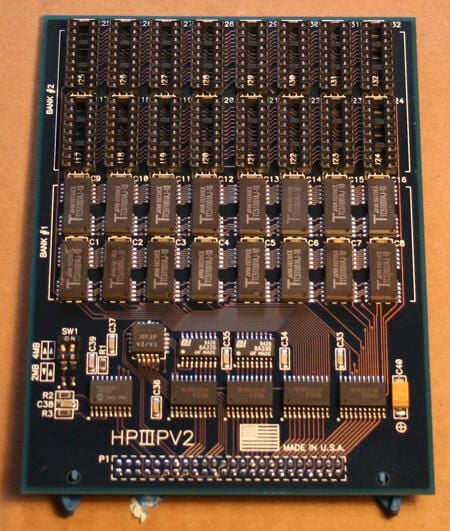
This IIP boasted a 2MB memory expansion board, albeit one built for an HP IIIP.
Photo by: Erik Eckel / TechRepublic.com

Erik Eckel is a managing partner at Louisville Geek and president of Eckel Media Corp. He previously served as Executive Editor at TechRepublic. He received Microsoft Engineer accreditation from Sullivan University and earned his Bachelor's Degree in English from the University of Louisville. He's earned Network+, Windows NT 4.0 MCP+I and MCSE, and Windows 2000 Professional MCP accreditations.


