By Drew McBee
Remember the legendary Motorola StarTAC? Released in 1996, it was the smallest cell phone available, and the first to feature the now-ubiquitous clamshell design. It was also the first mobile to sport the vibrate option. In addition, in 2005 it was number six on PCWorld’s “Top 50 Gadgets of the last 50 years.” Not too shabby. Naturally, we had to crack one open.
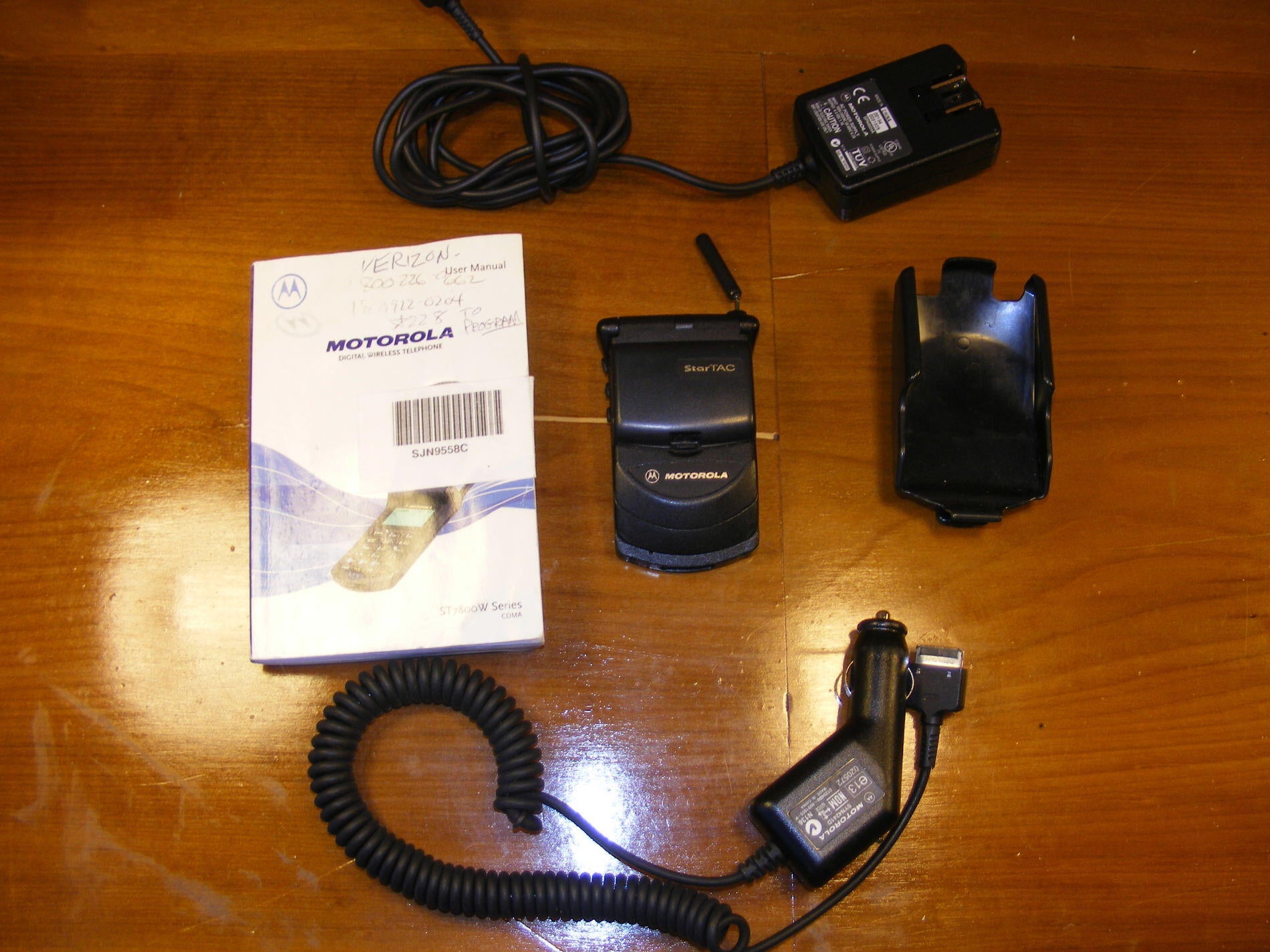
Here we have the intrepid “Wearable Cellular Telephone,” as it was called by Motorola, along with its accessories for your viewing pleasure. As I recall, these phones were very expensive at the time.
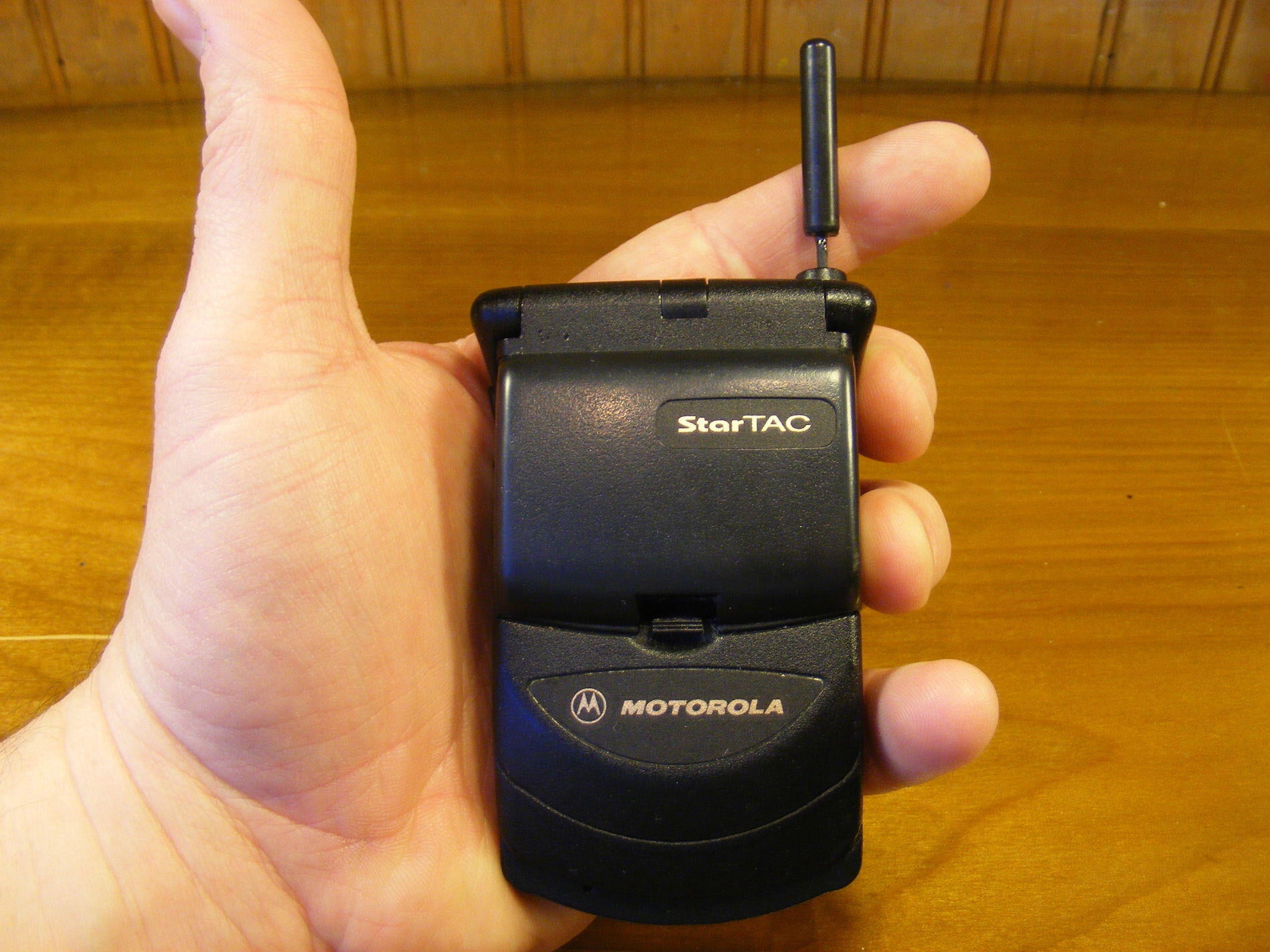
Really a nice size, considering most phones then were close to the size of a pop can.
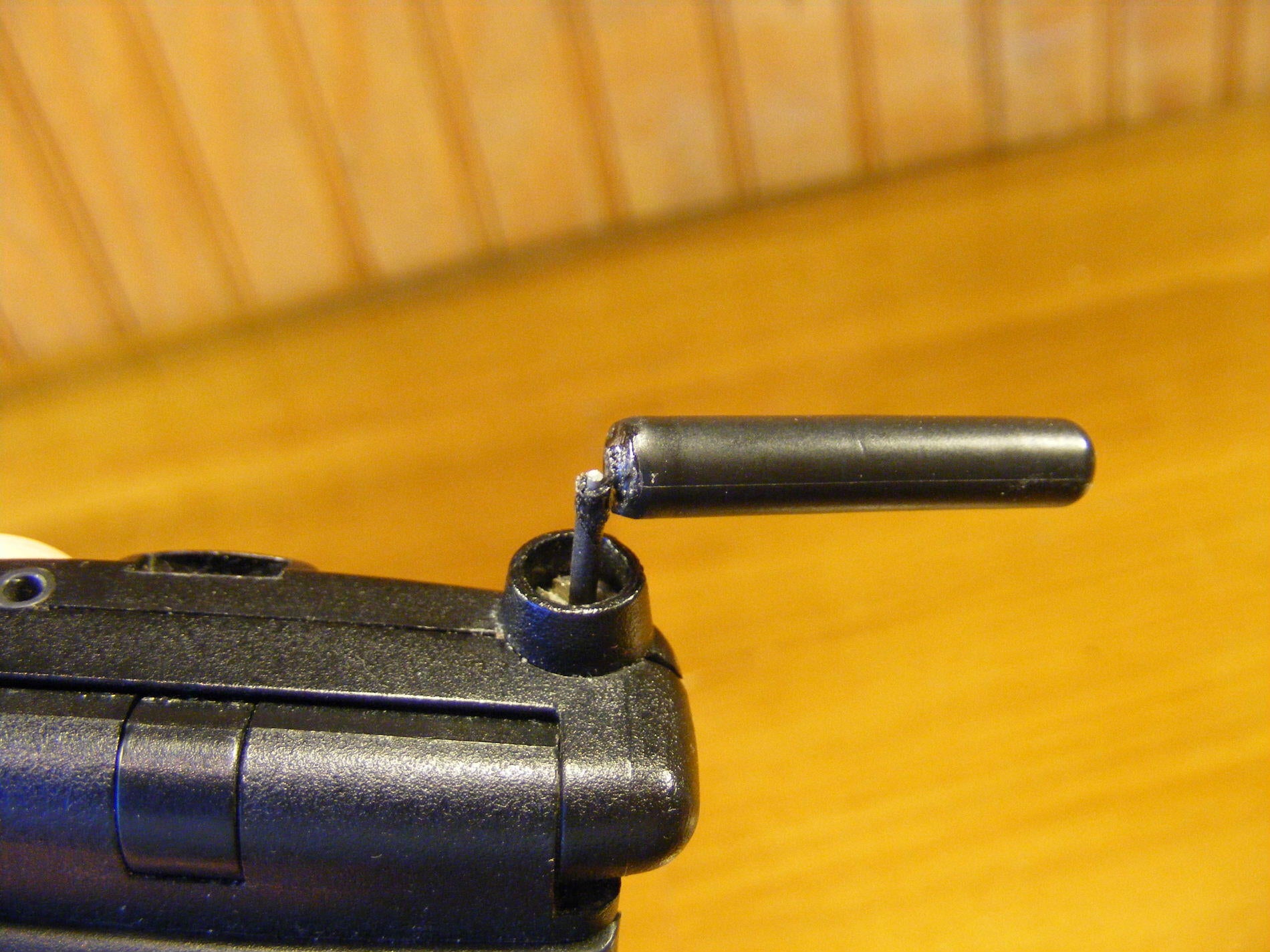
This has never happened to you, has it?
The antenna was broken on this unit when I received it, as were most extendable antennae, at some time or other, I think.
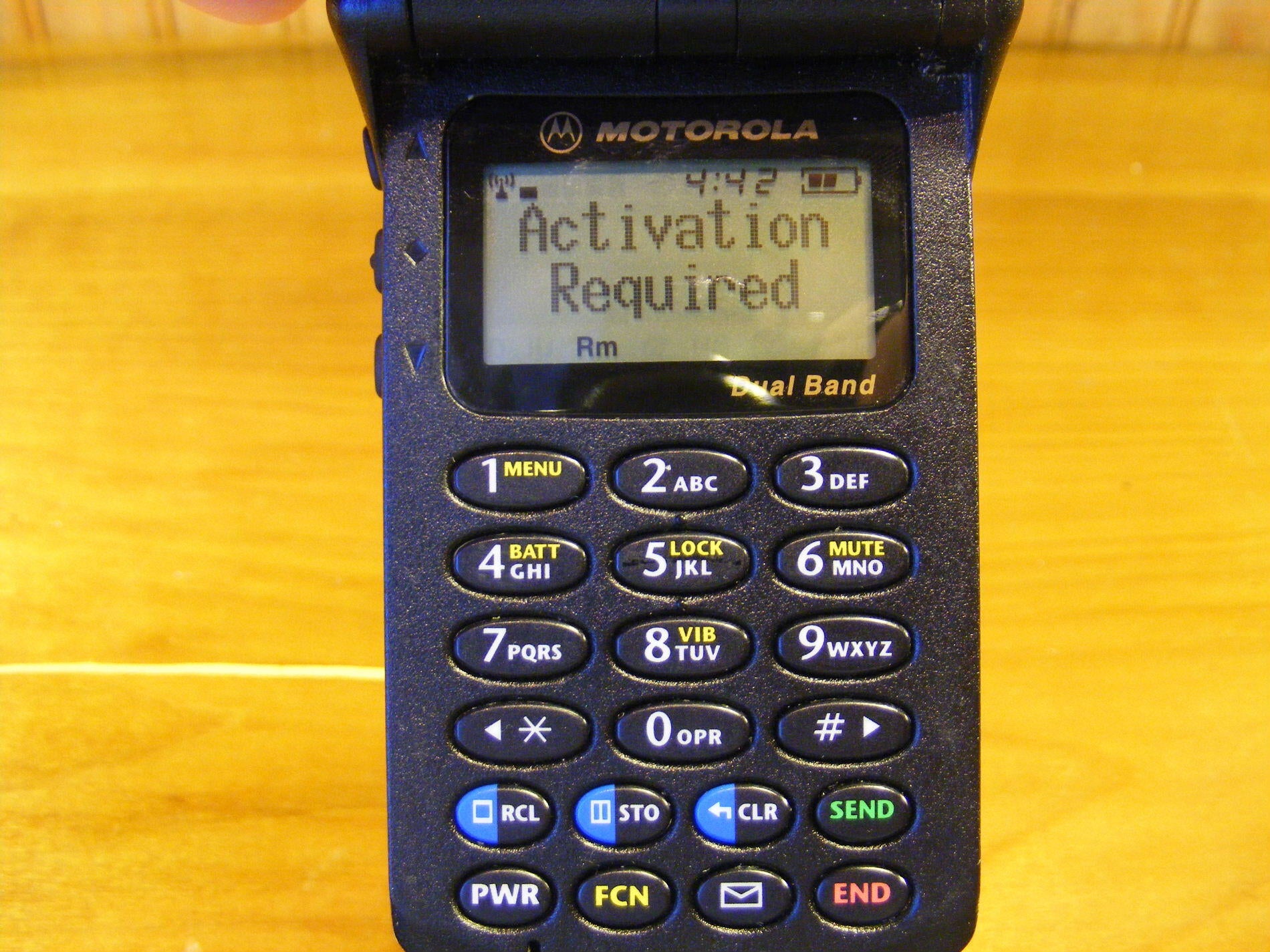
Nice view of the keypad and screen.
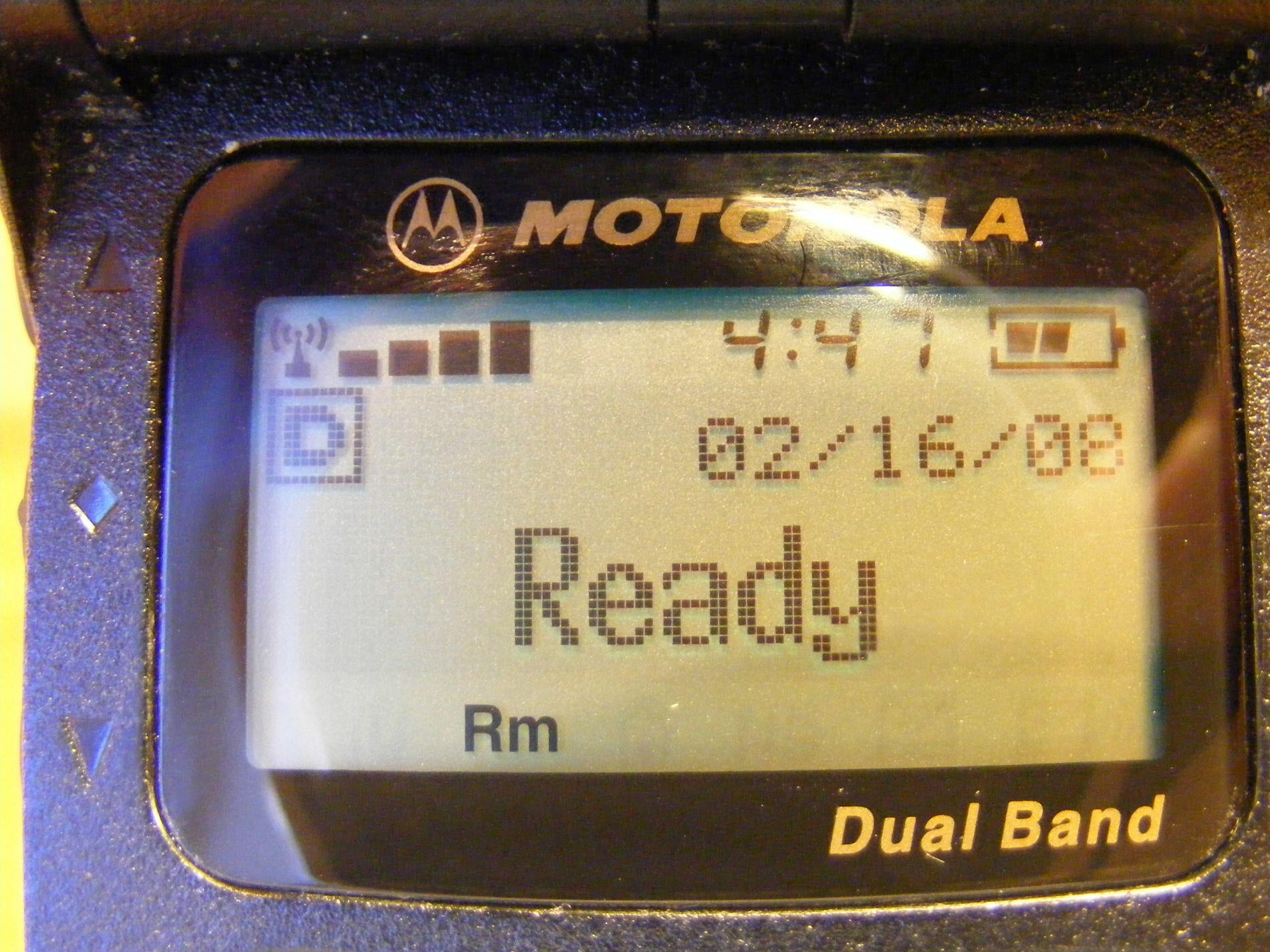
A closer view of the screen – Ready now.
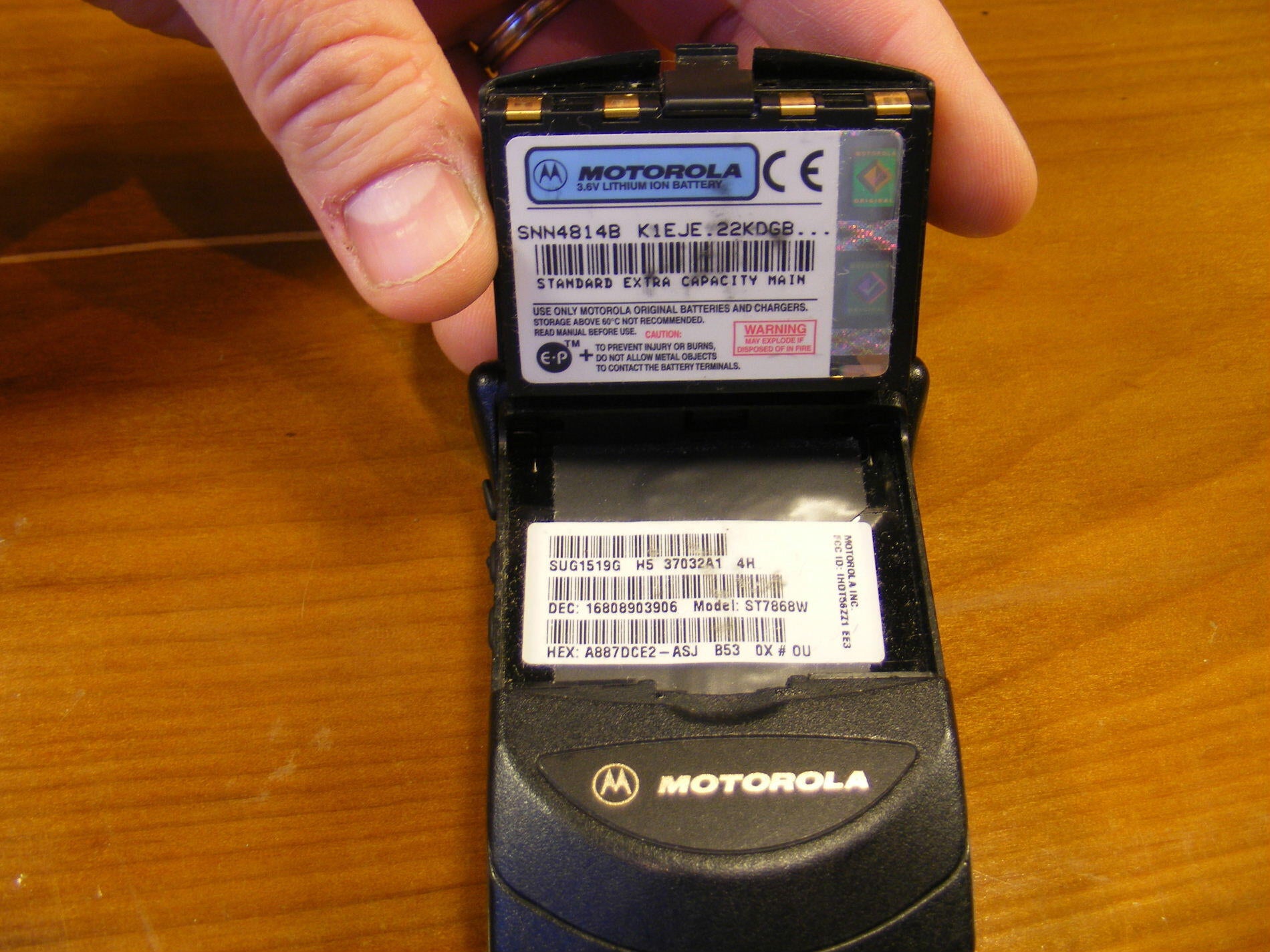
Removing the battery. This happens to be an extended life battery, as you can see.
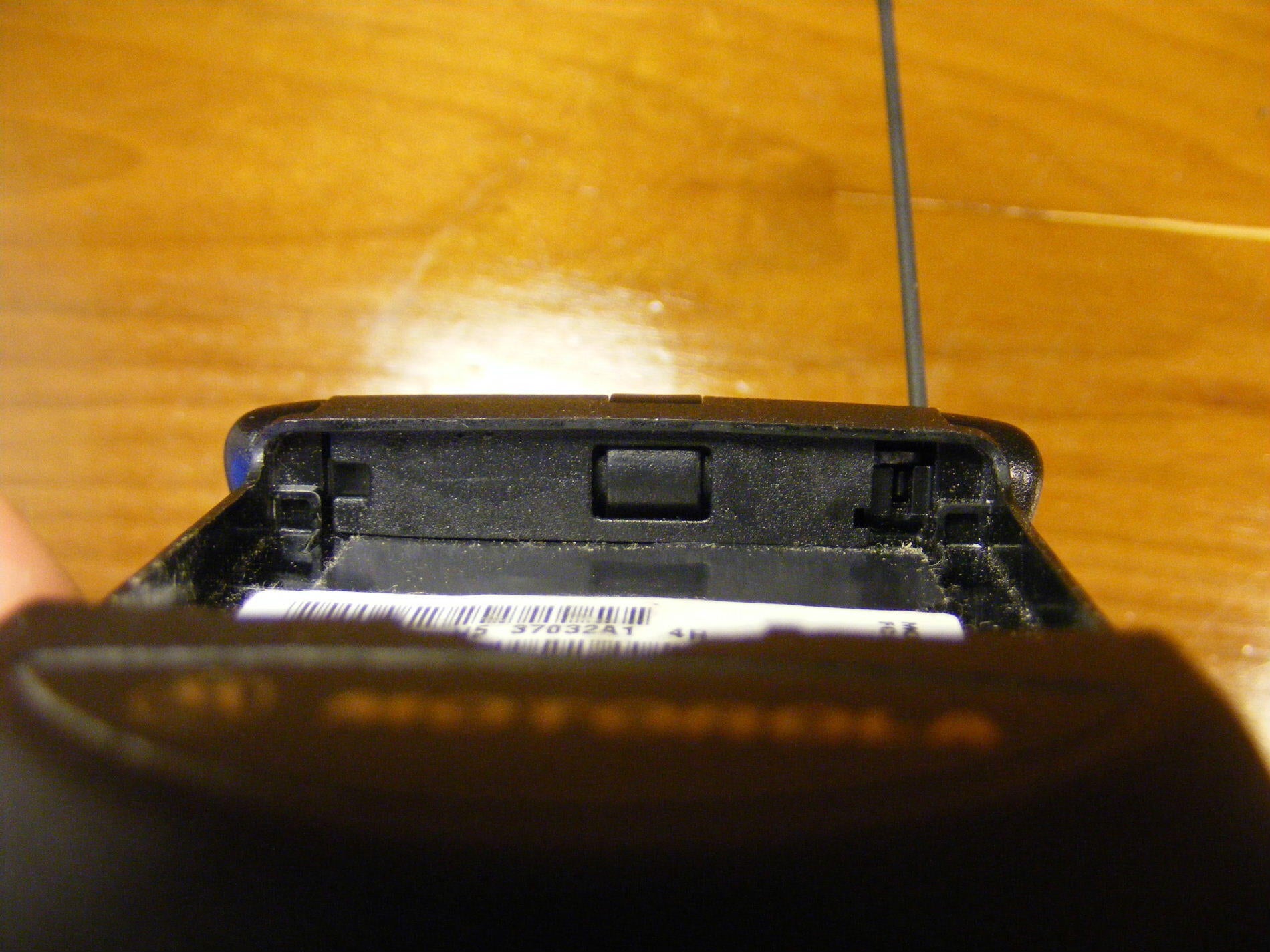
It appears that this will be an important piece of the puzzle in getting the lid separated from the base.
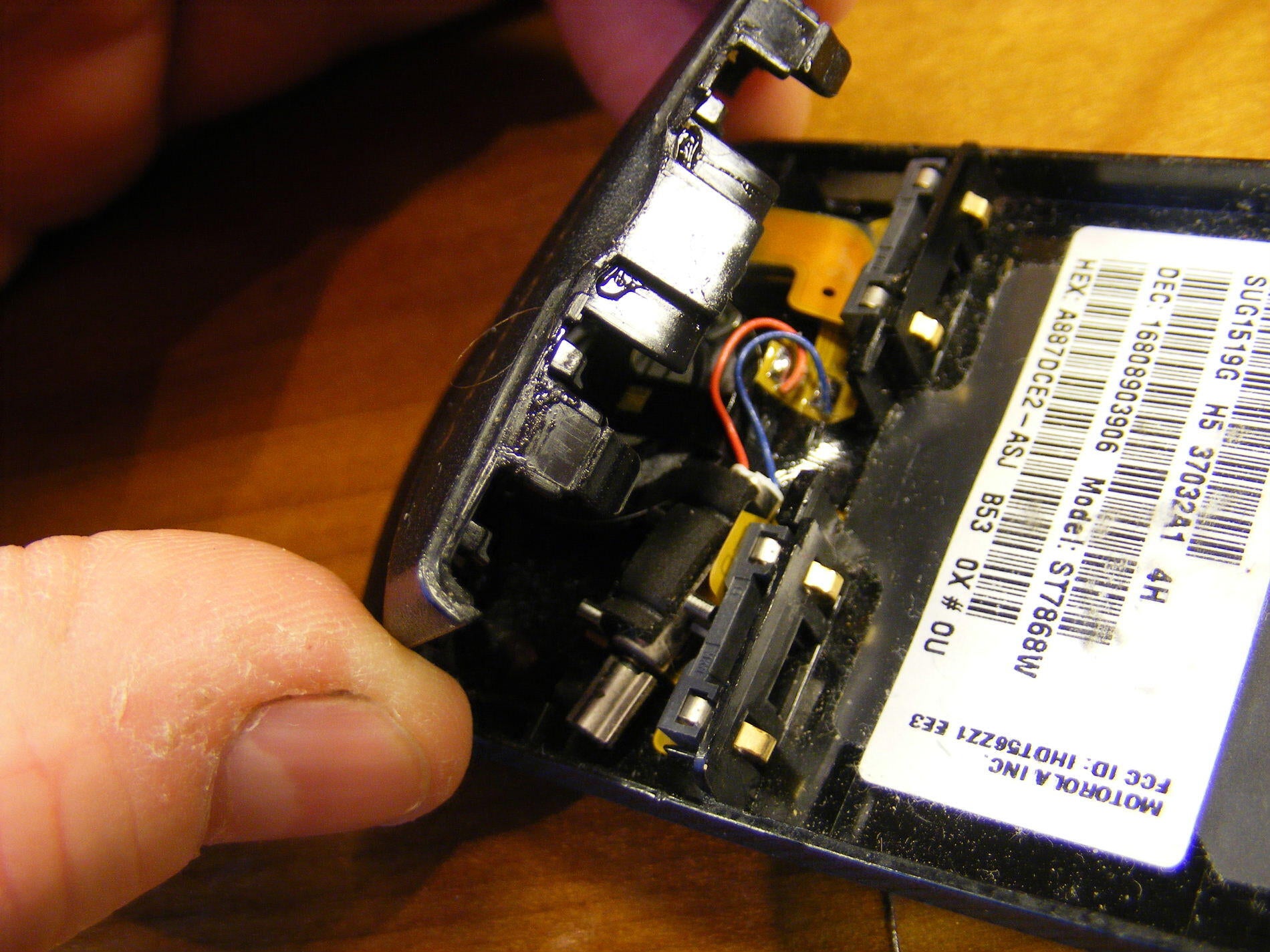
So now we get down to brass tacks. Looks like this houses our speaker and our “vibrate device.”
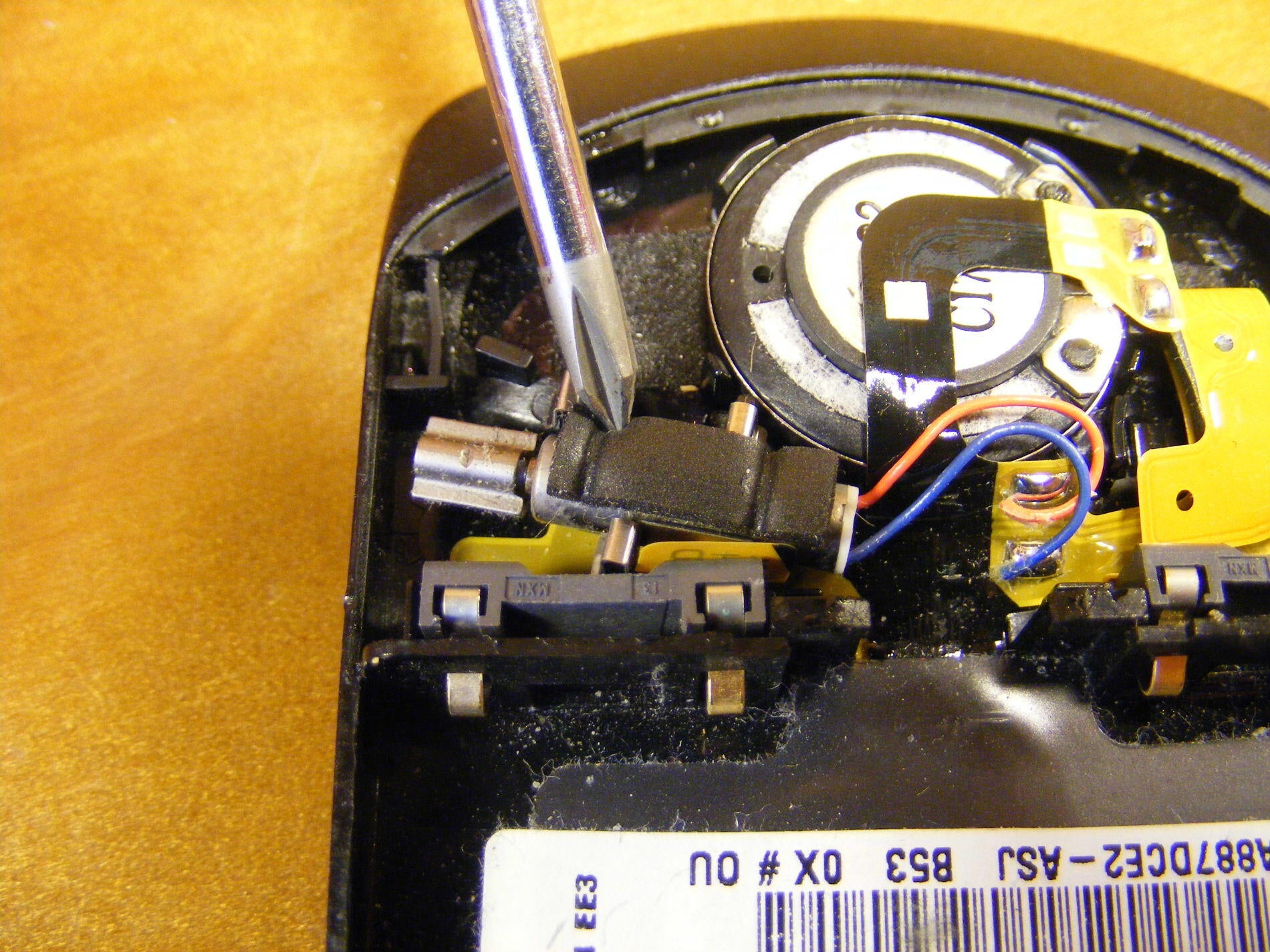
Yes, there she is \u2013 simple little specimen. We see here our speaker, our power pickups and what appears to be the ribbon that runs under the protective black tape and back to the main unit.
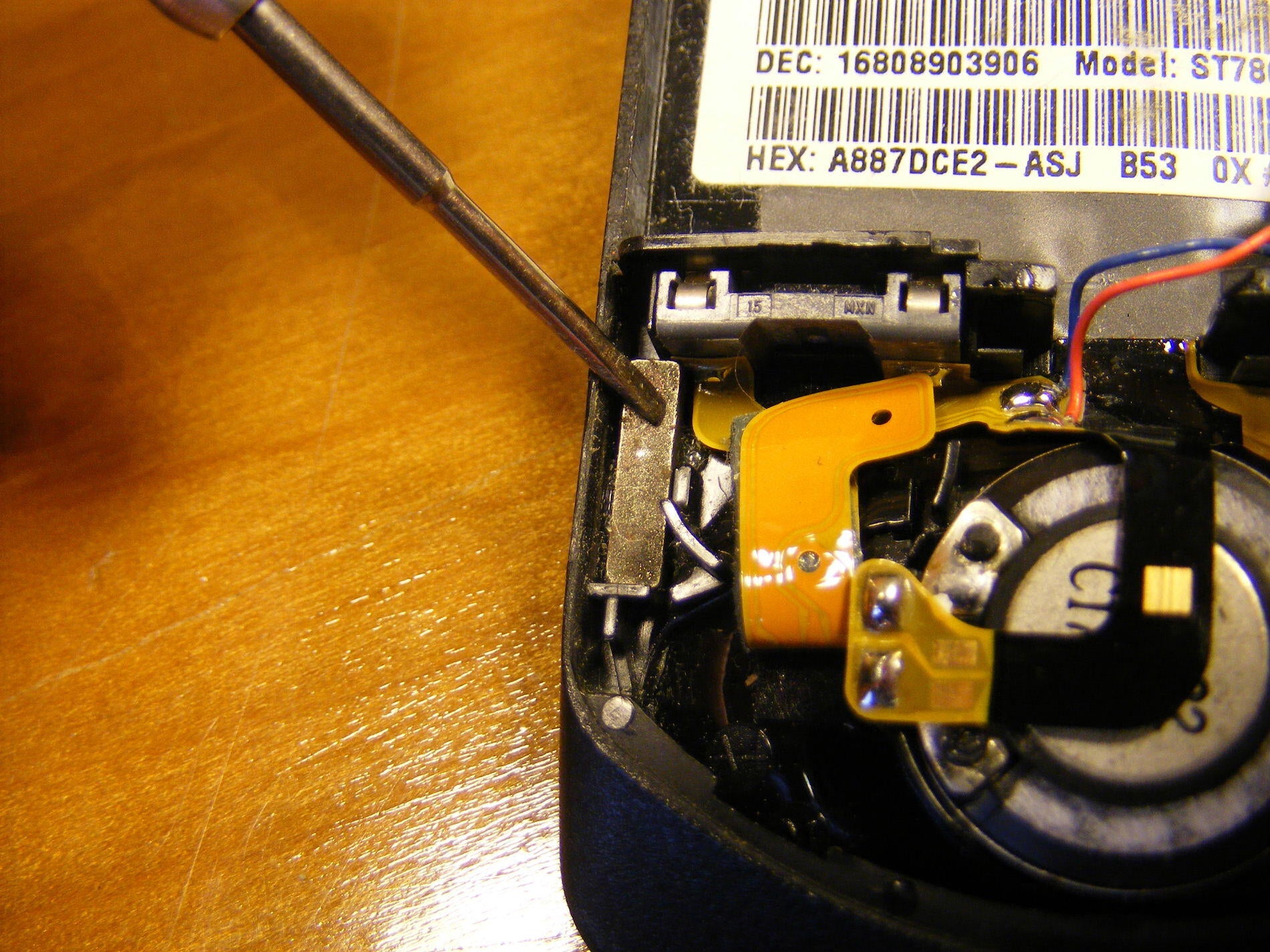
Anyone know what purpose this serves? At first I though it might be something for noise cancellation, but it is not magnetic…
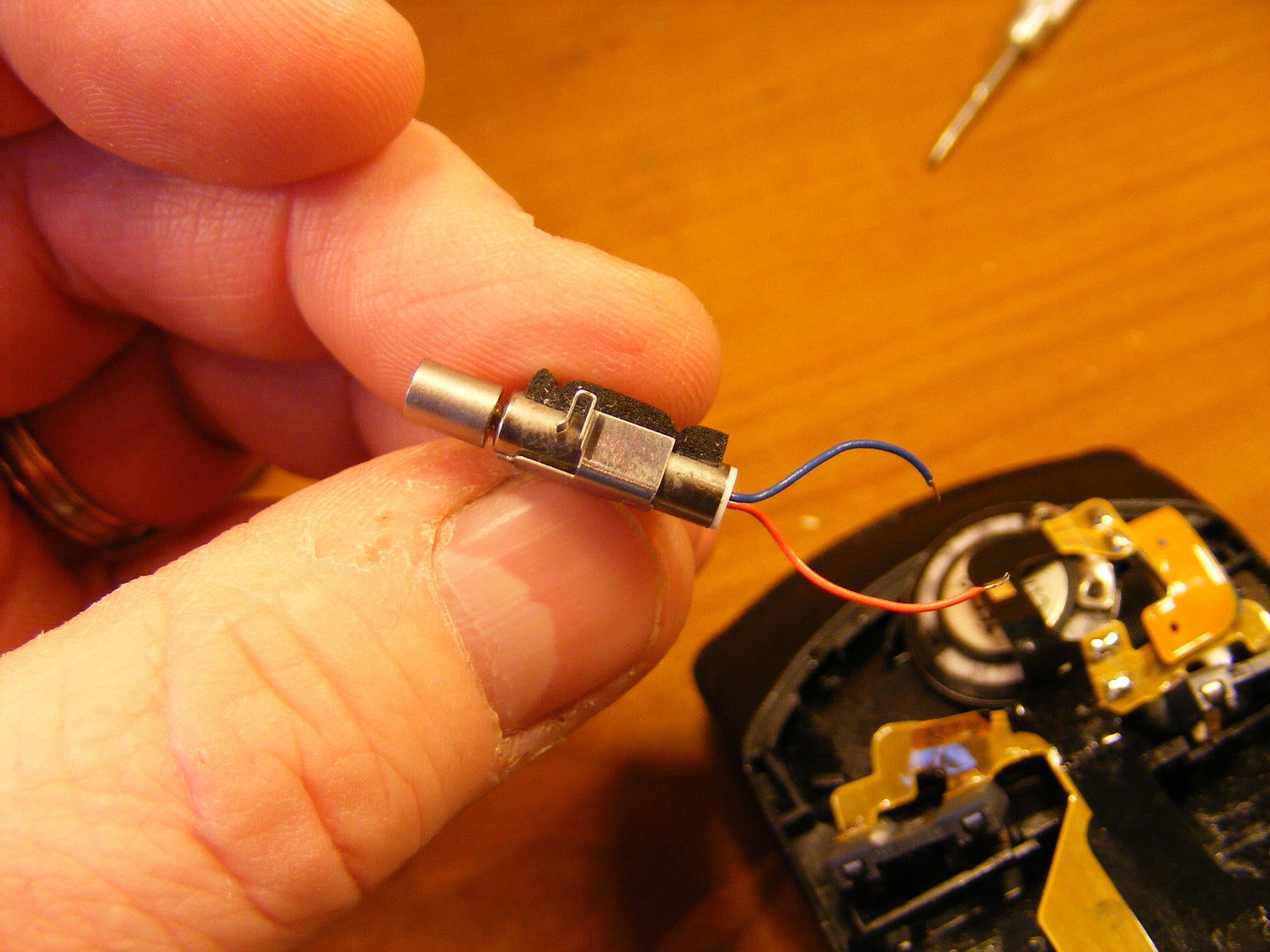
The \u201cvibra-motor\u201d broke off \u2013 looks like a good time for fun with batteries.
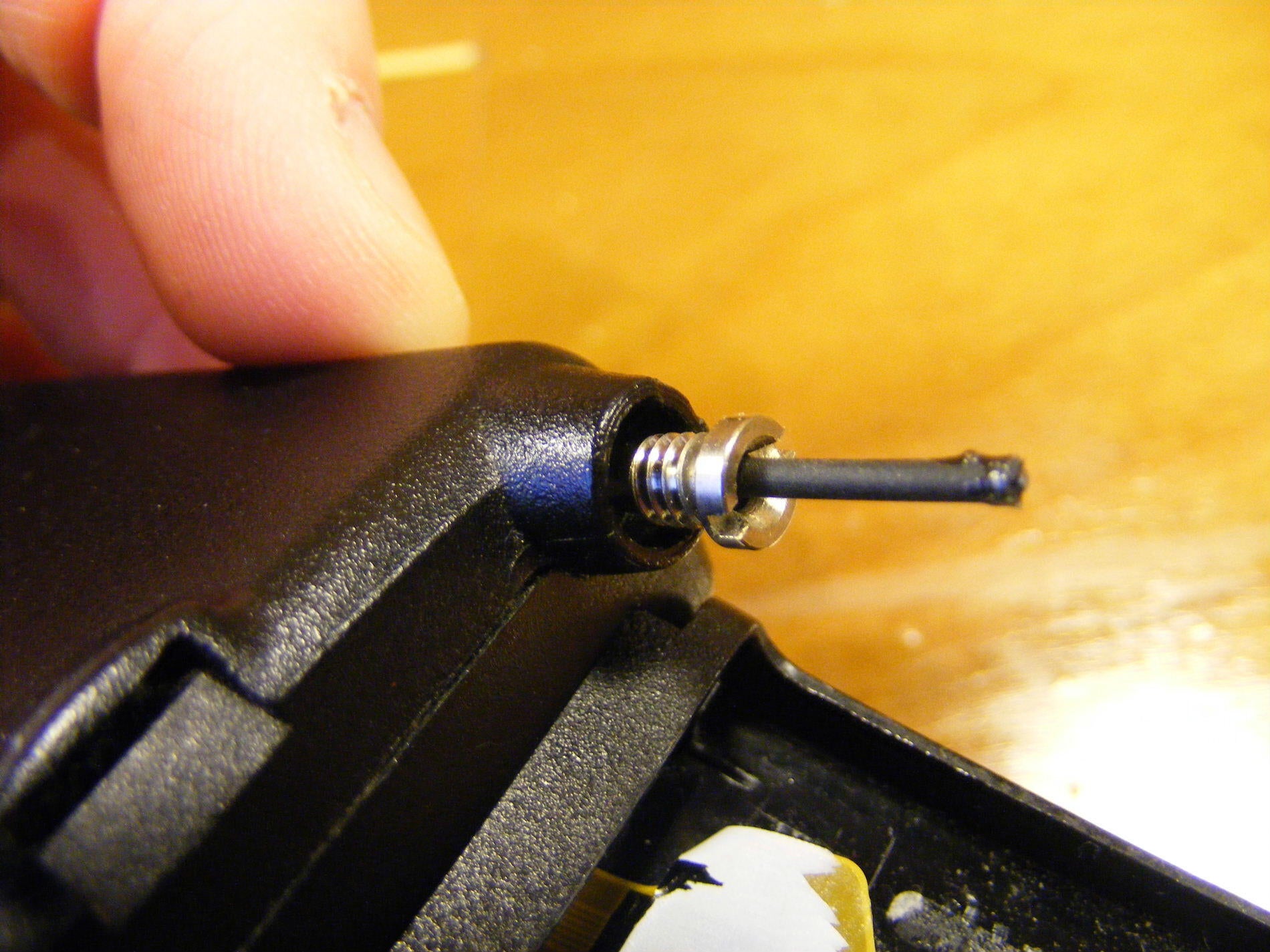
Minus the sagging antenna tip.
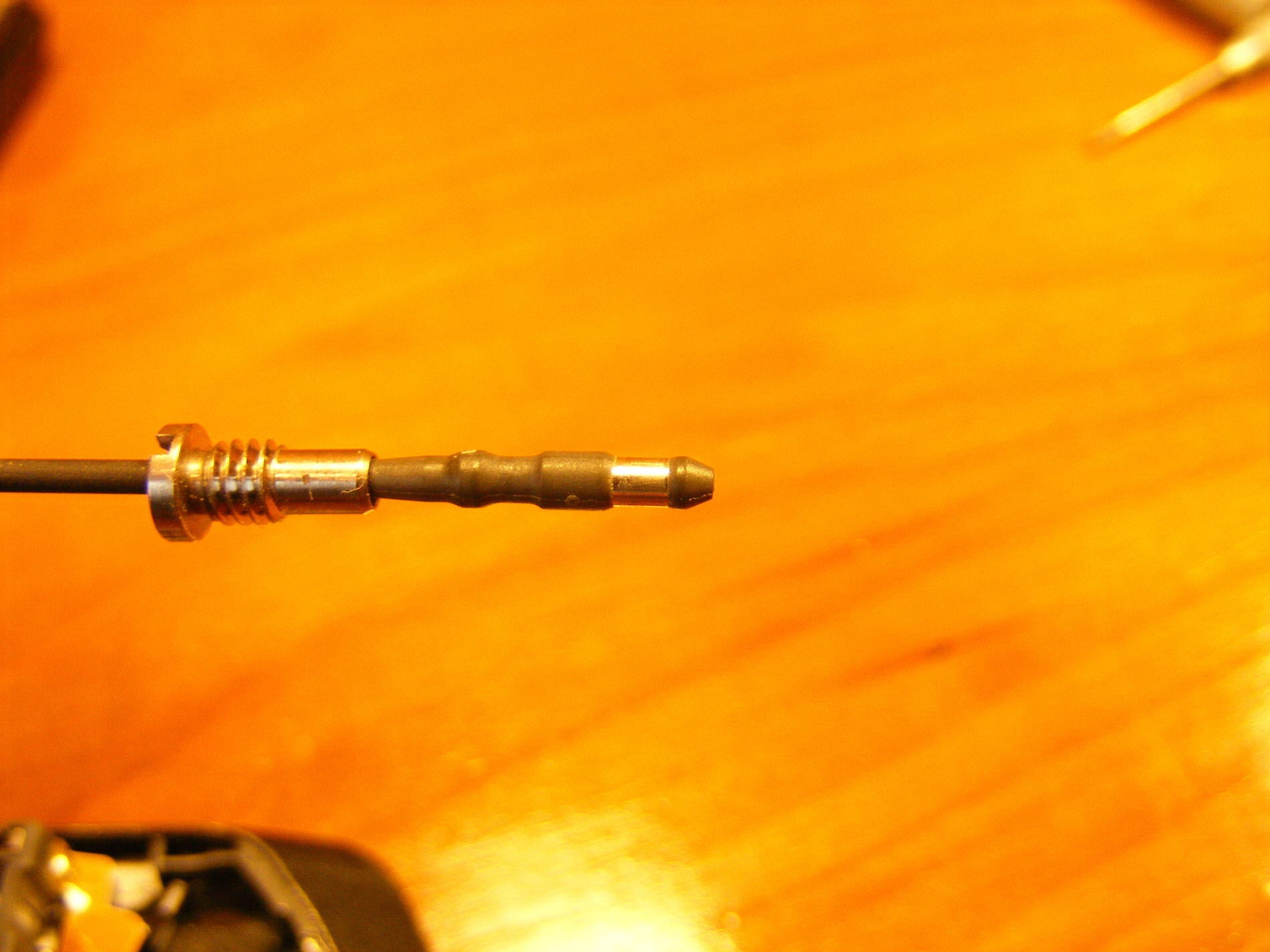
Not much remarkable here \u2013 anyone who has broken their antenna before has seen this.
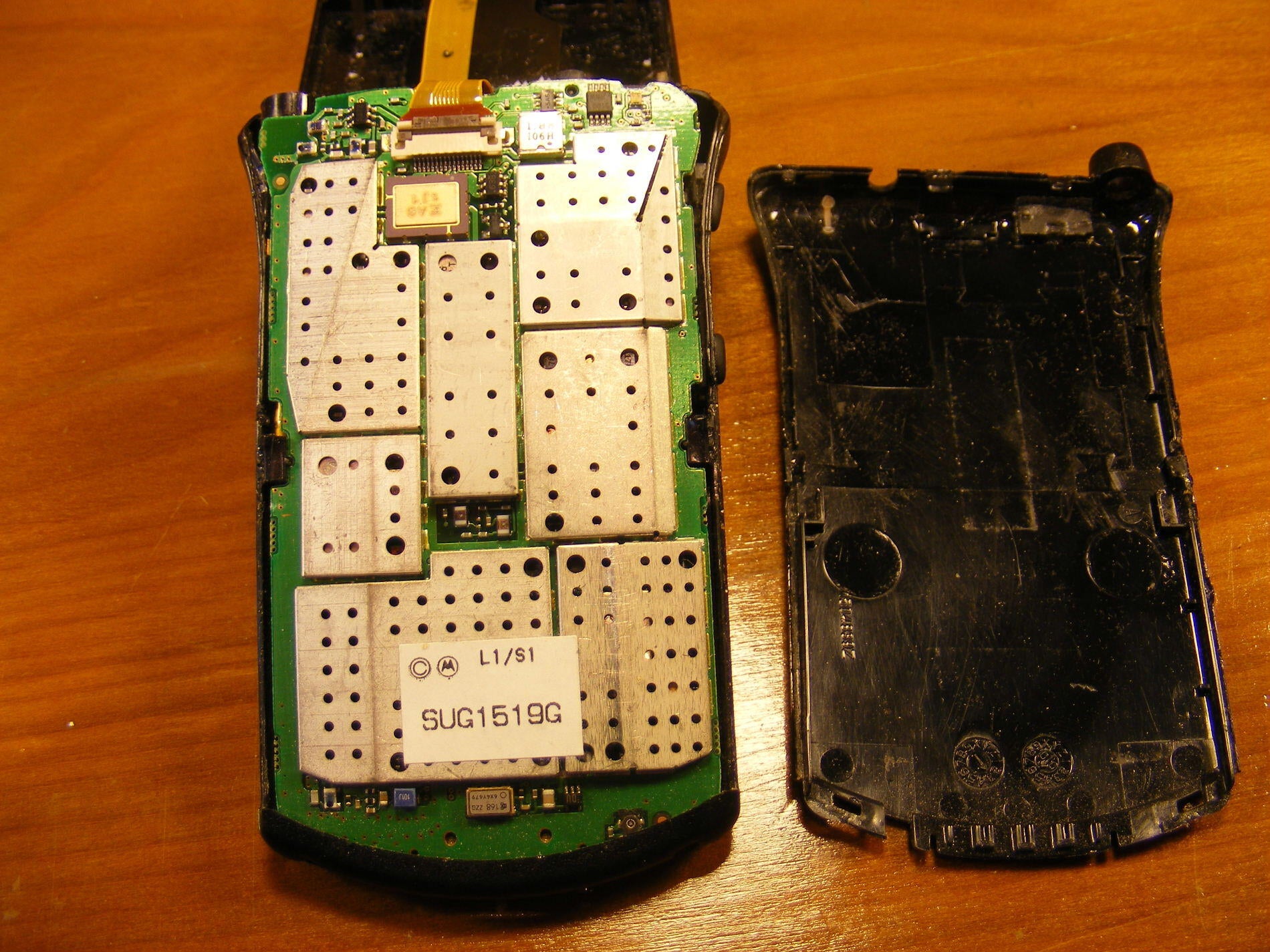
Here we have the cover off to reveal lots of silicon body armor. I don’t know if they do this on all phones, but it sure looks like a good idea. These steel covers are all soldered into place. I didn’t see much point in removing them \u2013 just chips underneath. Maybe these doubled as heat sinks for the board as well. At the top you can see where our speaker, etc ties into the mainboard.
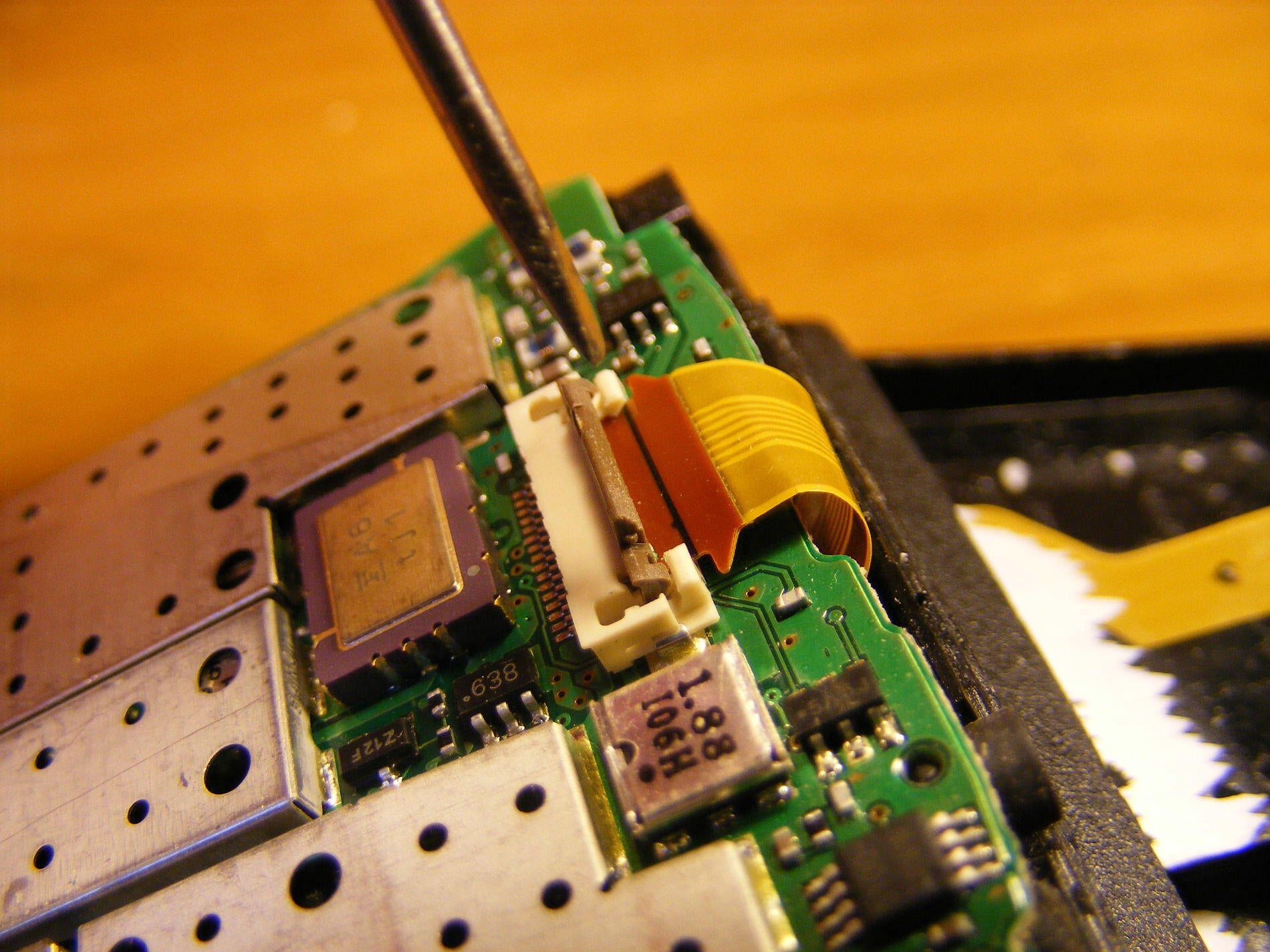
Close up of the connector lock.
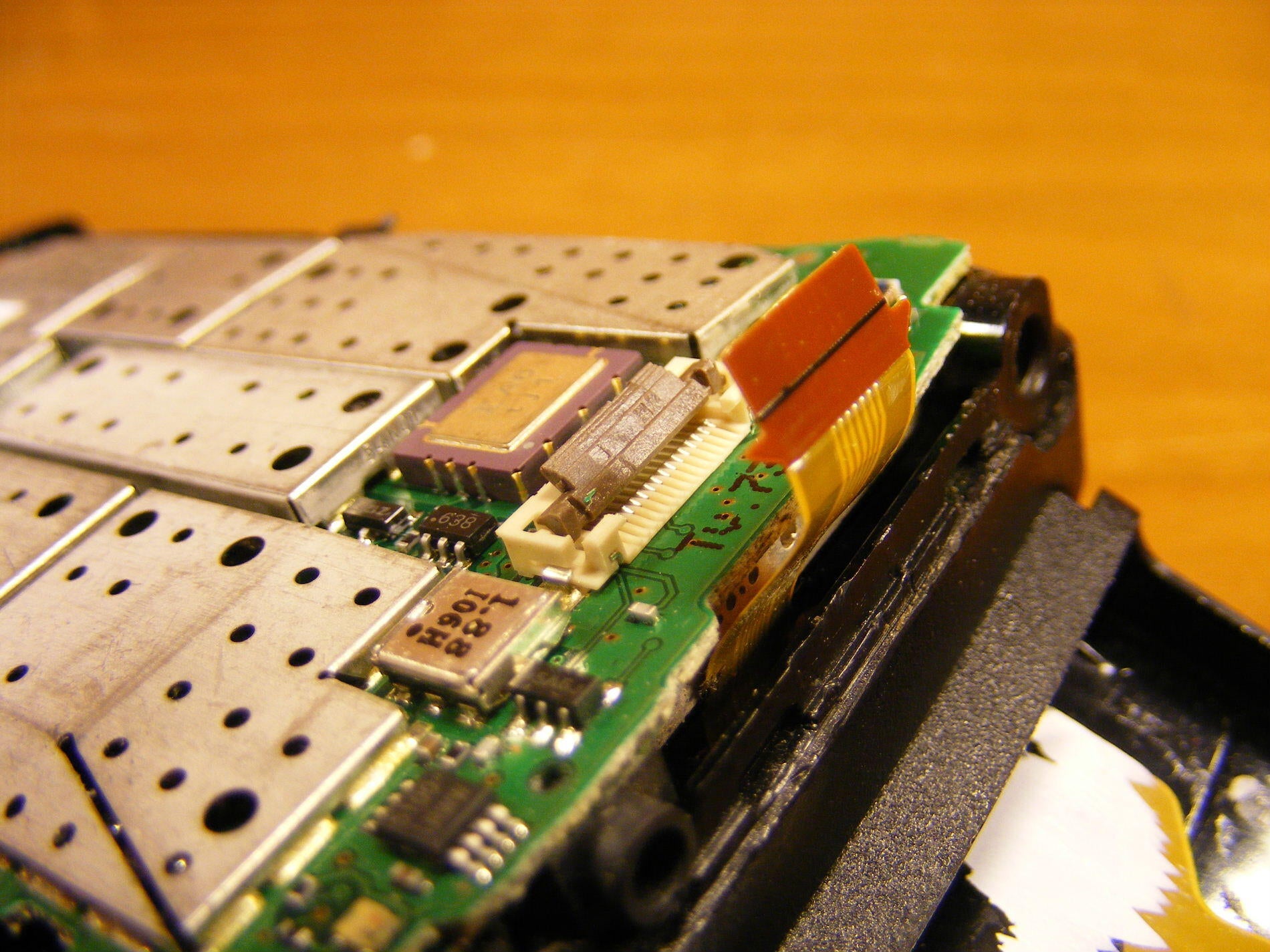
Another close up of the ribbon disconnected. In the back ground you can see where it snakes out from behind the hinge.
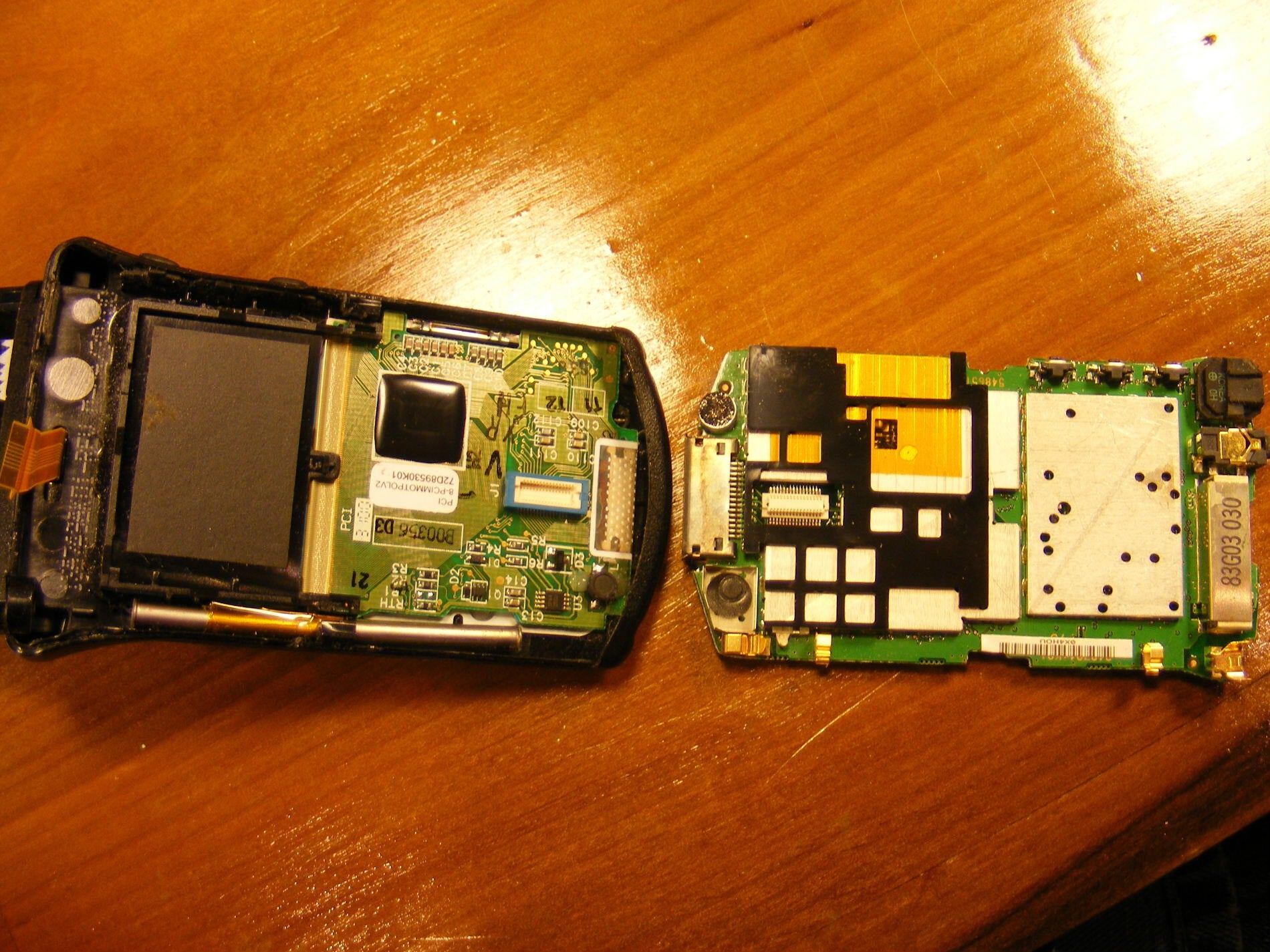
After the ribbon came out, I found that the board separated into two parts.
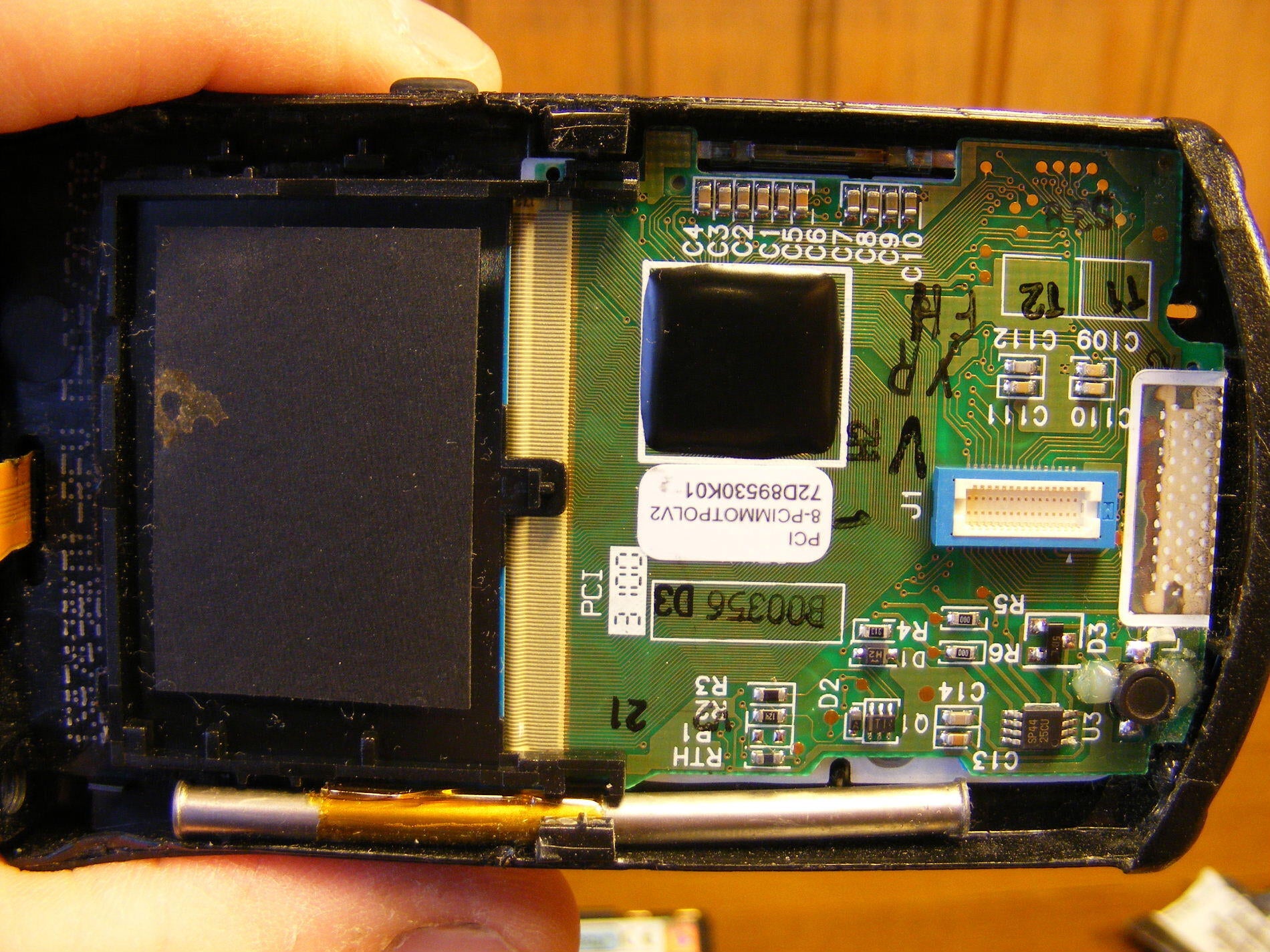
Here we can see the antennae tube at the bottom of the the case, and the back of the LCD. Actually, this is not the LCD itself, but the backlight screen for the LCD – as you will see later.
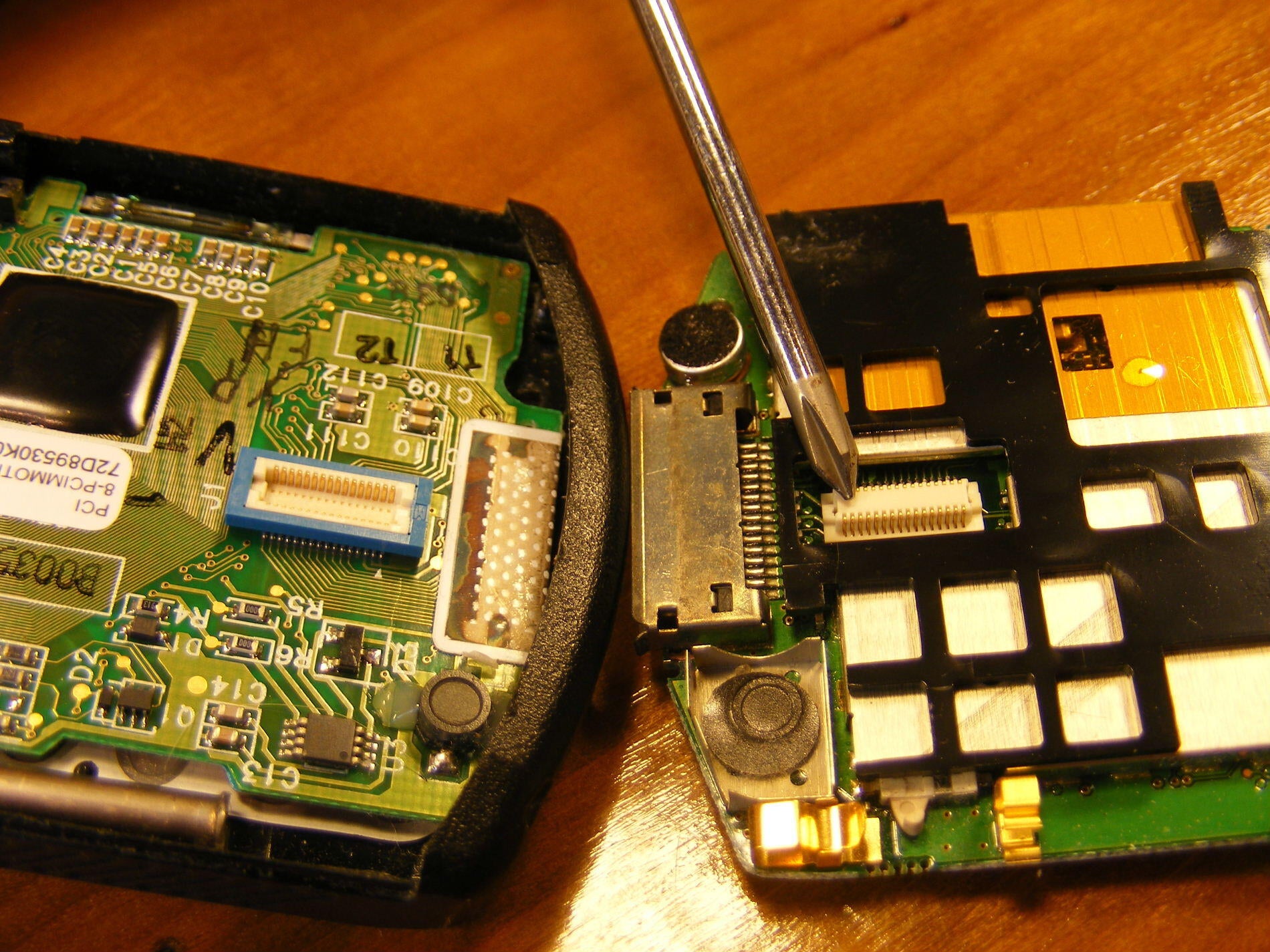
Notice the nifty little socket that connects the two boards together. Anyone know what that is called specifically?
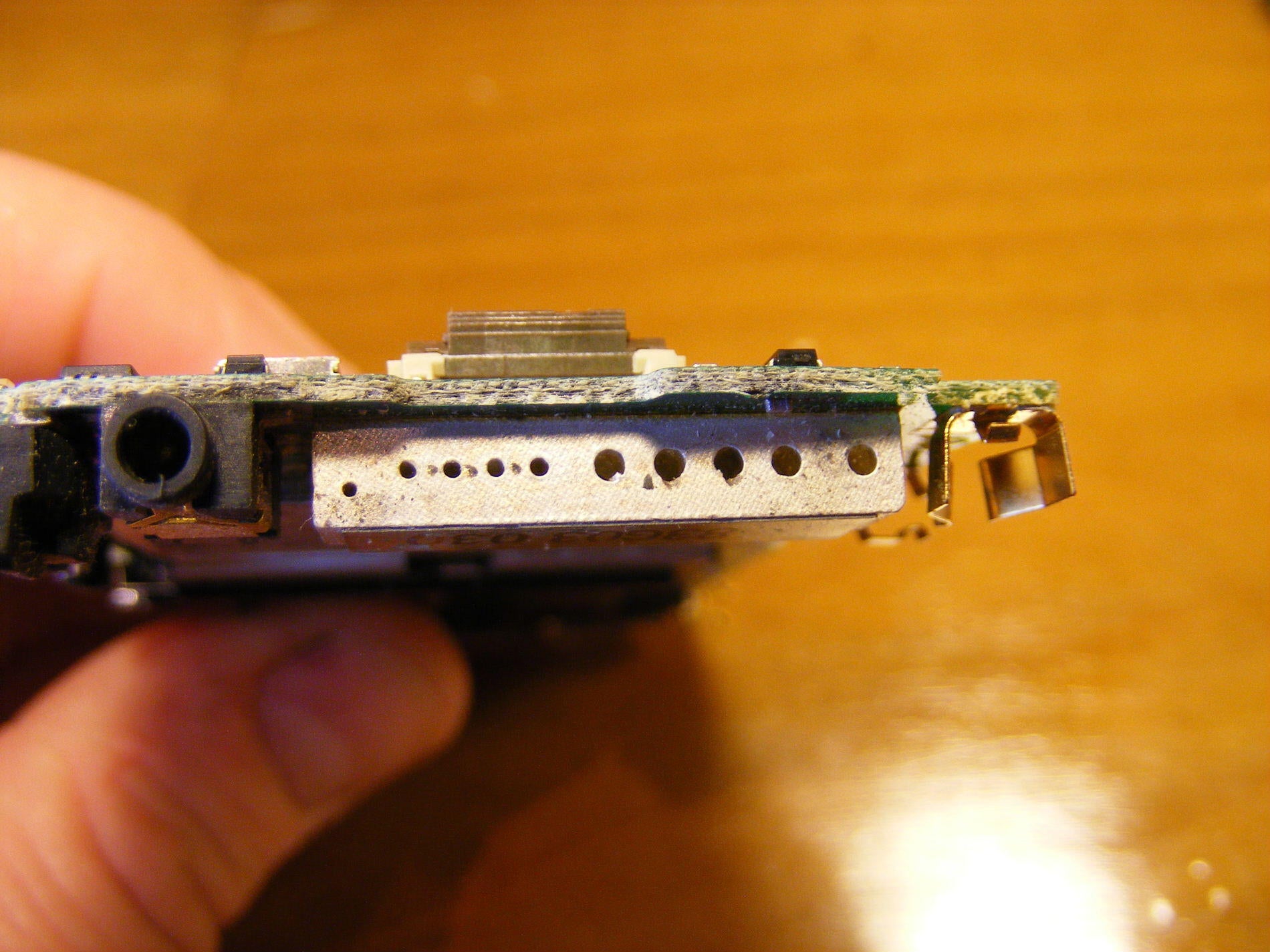
This is the block that is covered by the steel cover mentioned before. It looks like it is phenolic, and does not appear to have any contacts inside. Maybe used as part of the manufacturing process, but since it has a heat shield, it has to have a purpose.
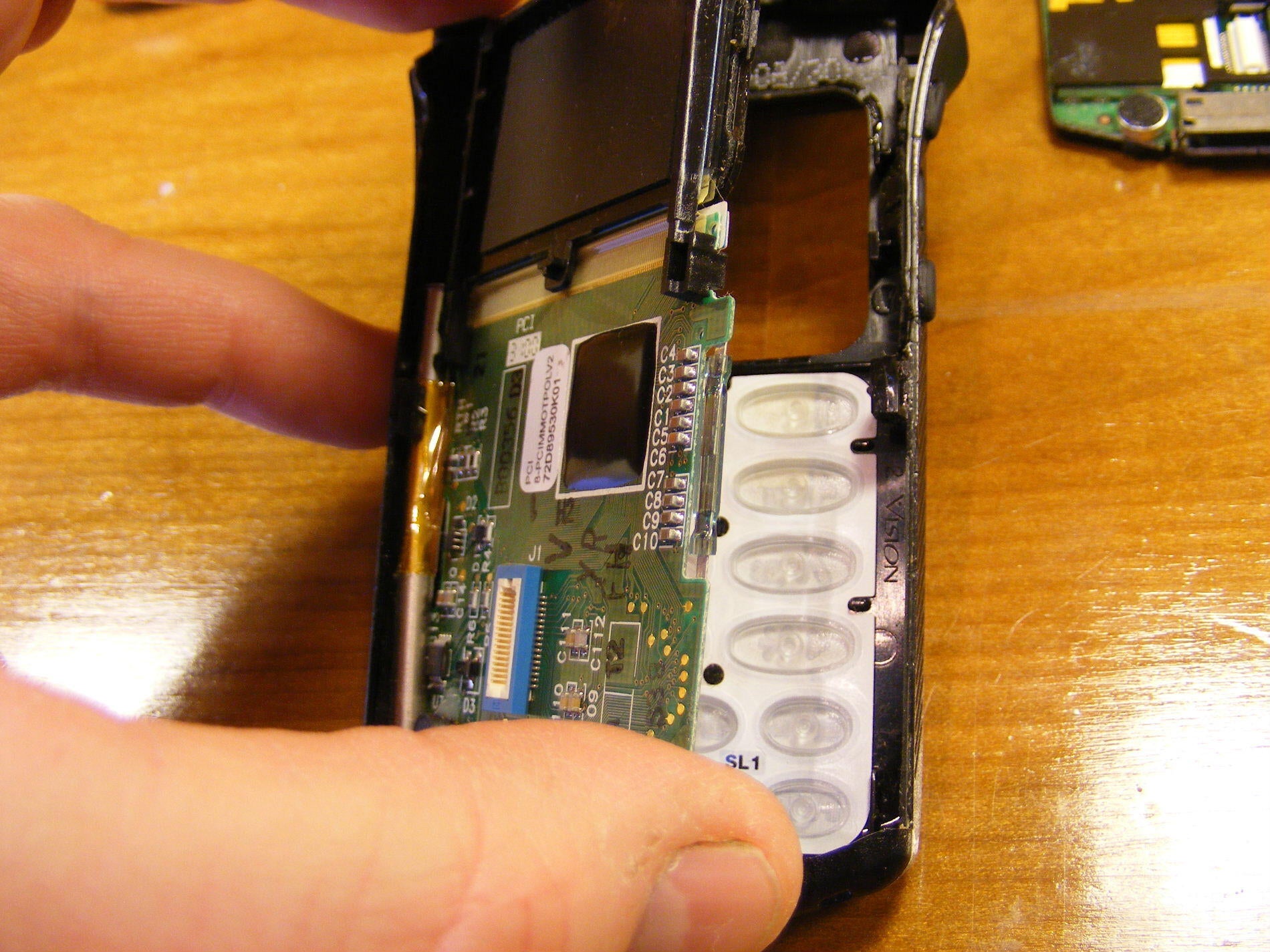
Removing the bottom board to reveal the plactic/rubber keypad below.
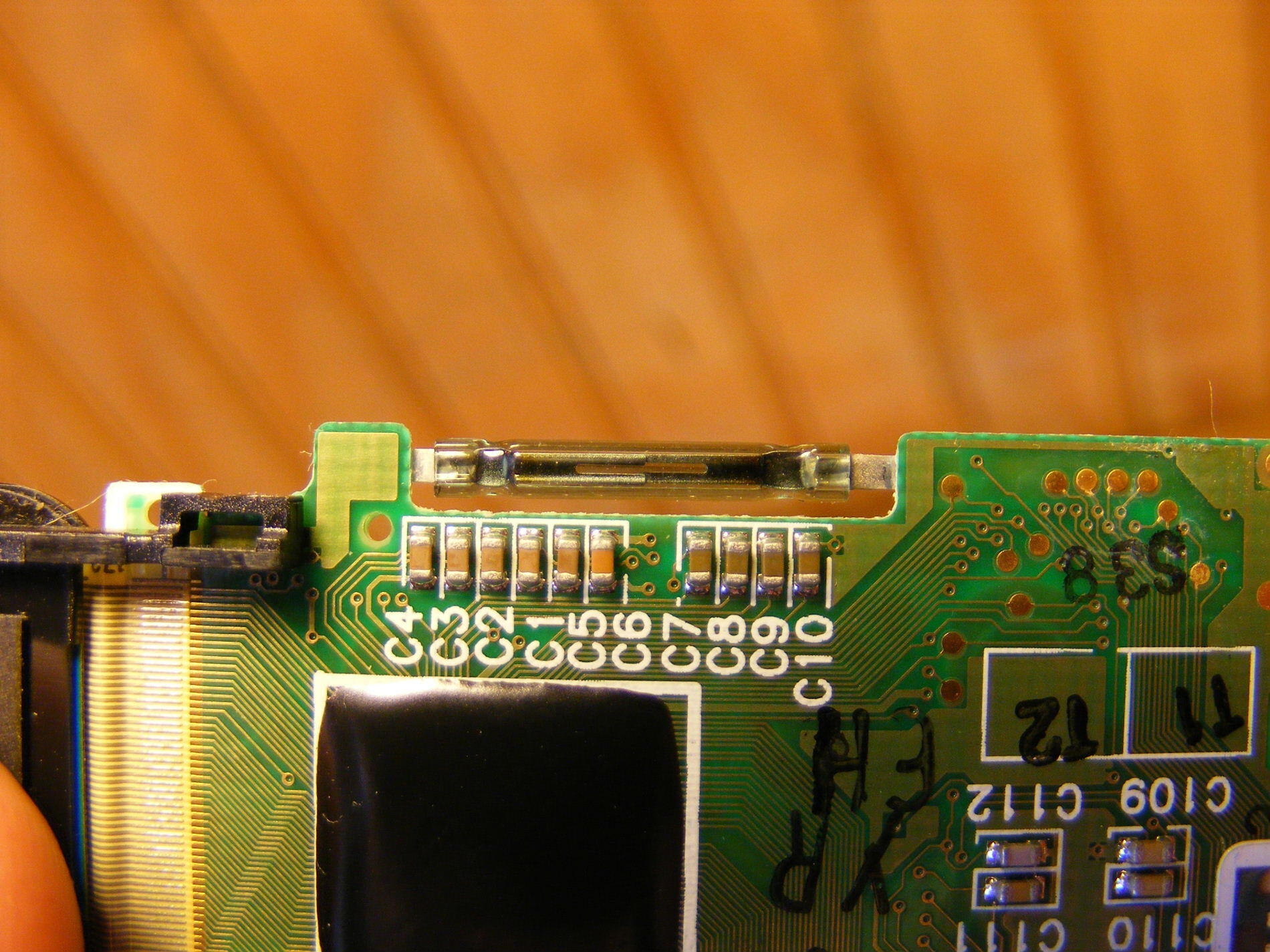
Not sure, but this looks to me like a thermal fuse. Its got two overlapping fingers that would indicate such.
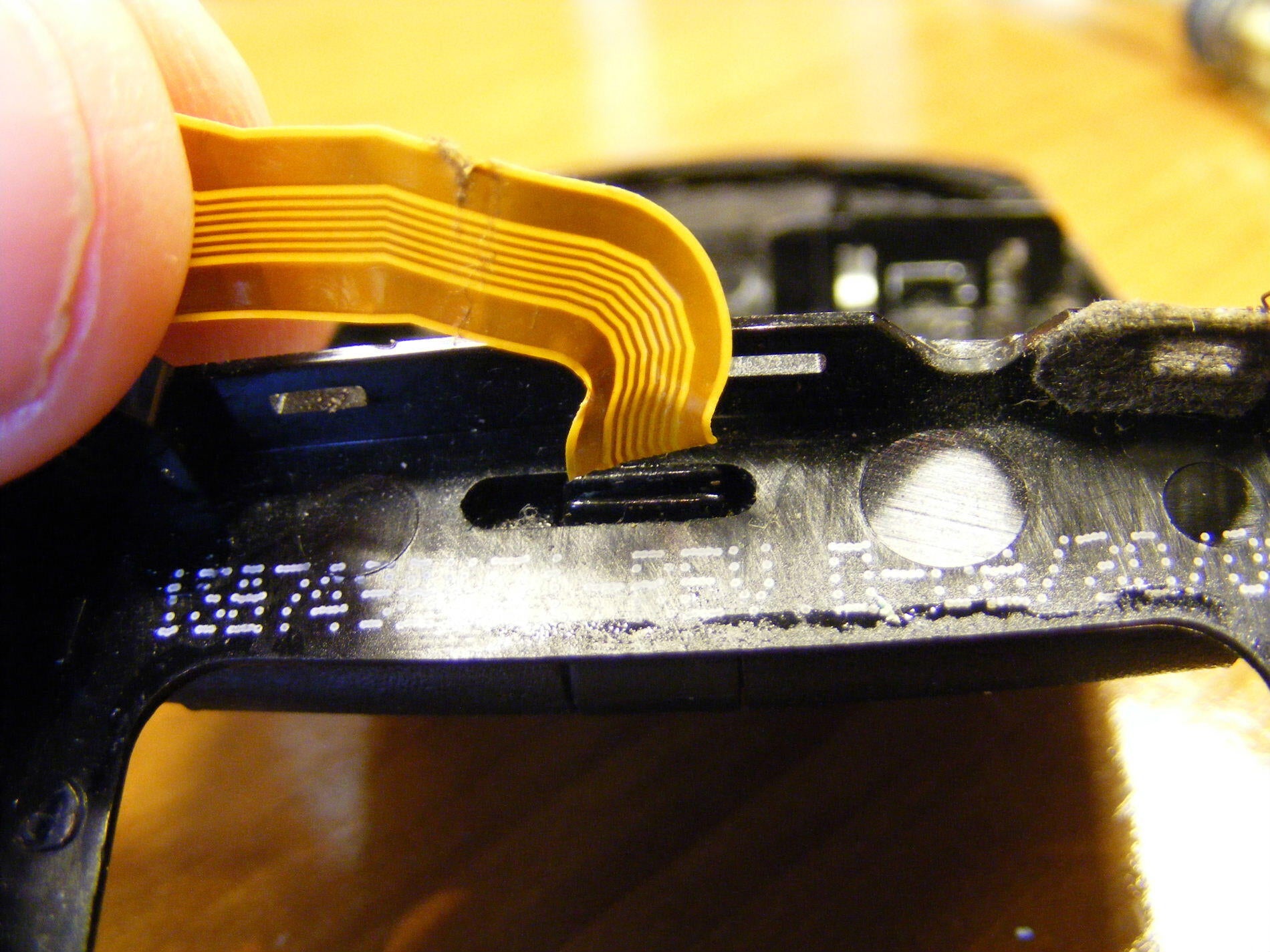
I broke the ribbon connecting the two halves when trying figure out how it fished through the hinge. Bummer \u2013 wanted to get that out in one piece.
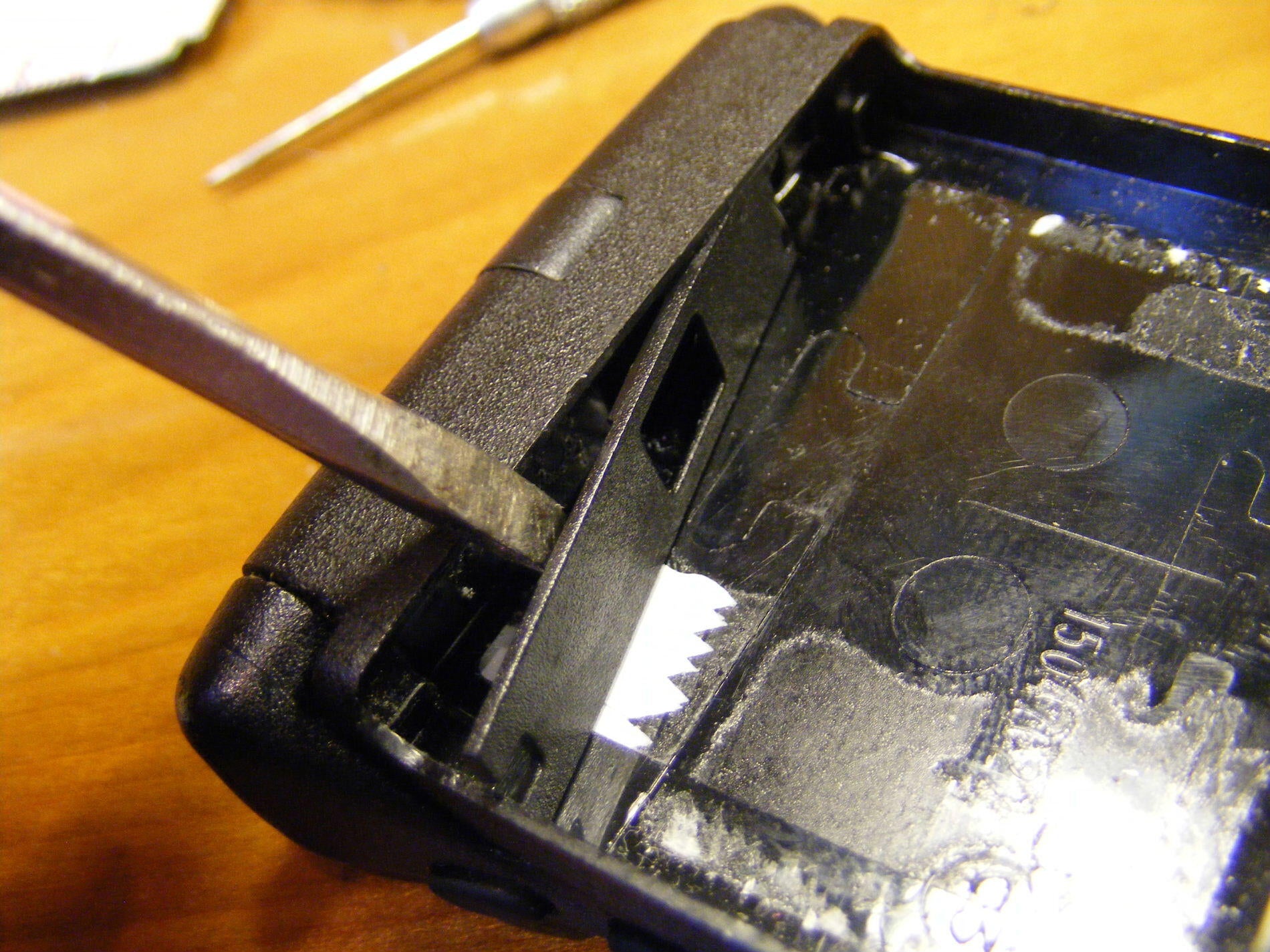
Okay \u2013 so now to get that hinge apart without breaking it. After some prodding, I found that this little piece swings out like a trap door and ….
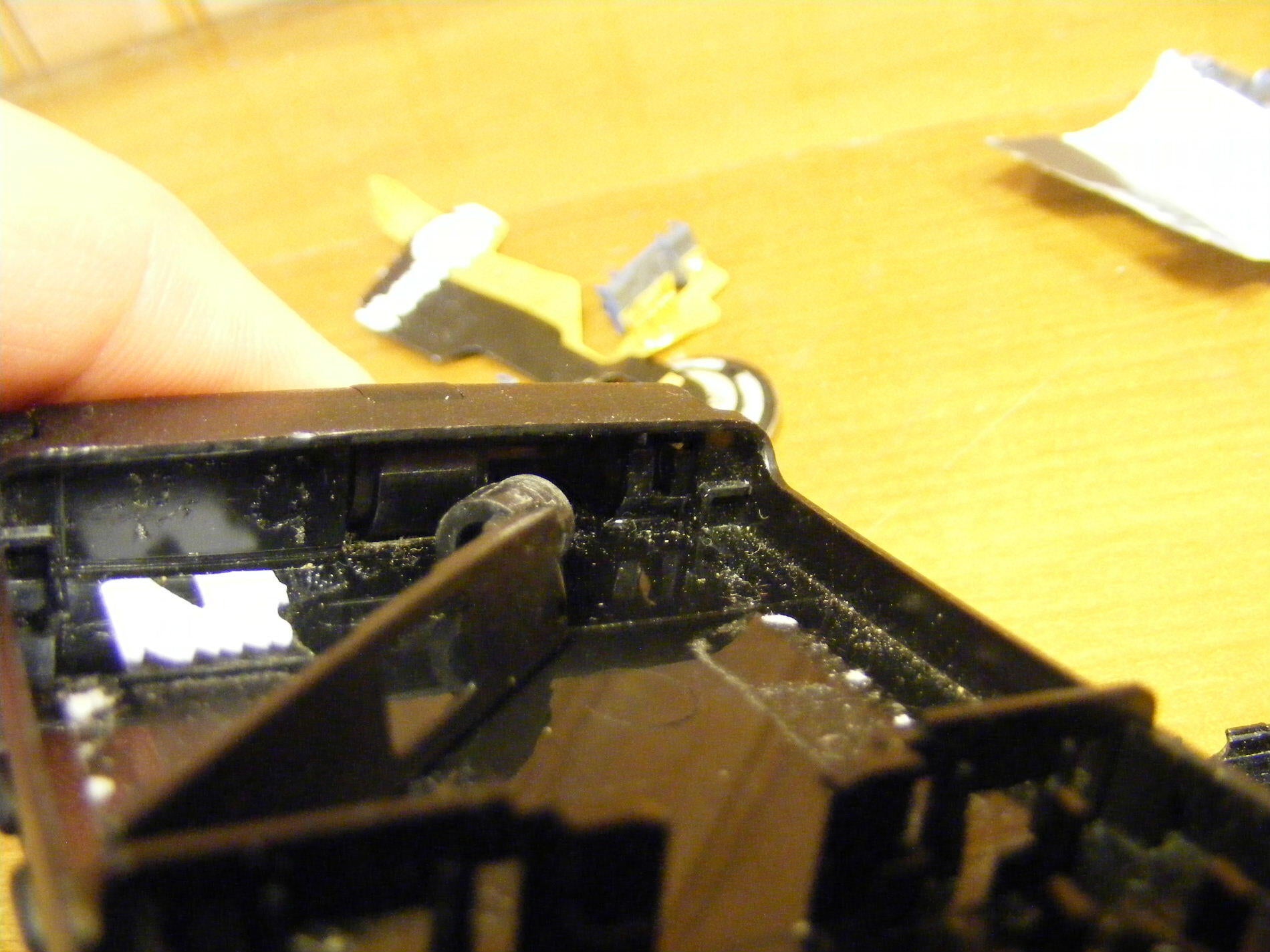
It is revealed that this is a kind of floating pin, holding the two pieces together.
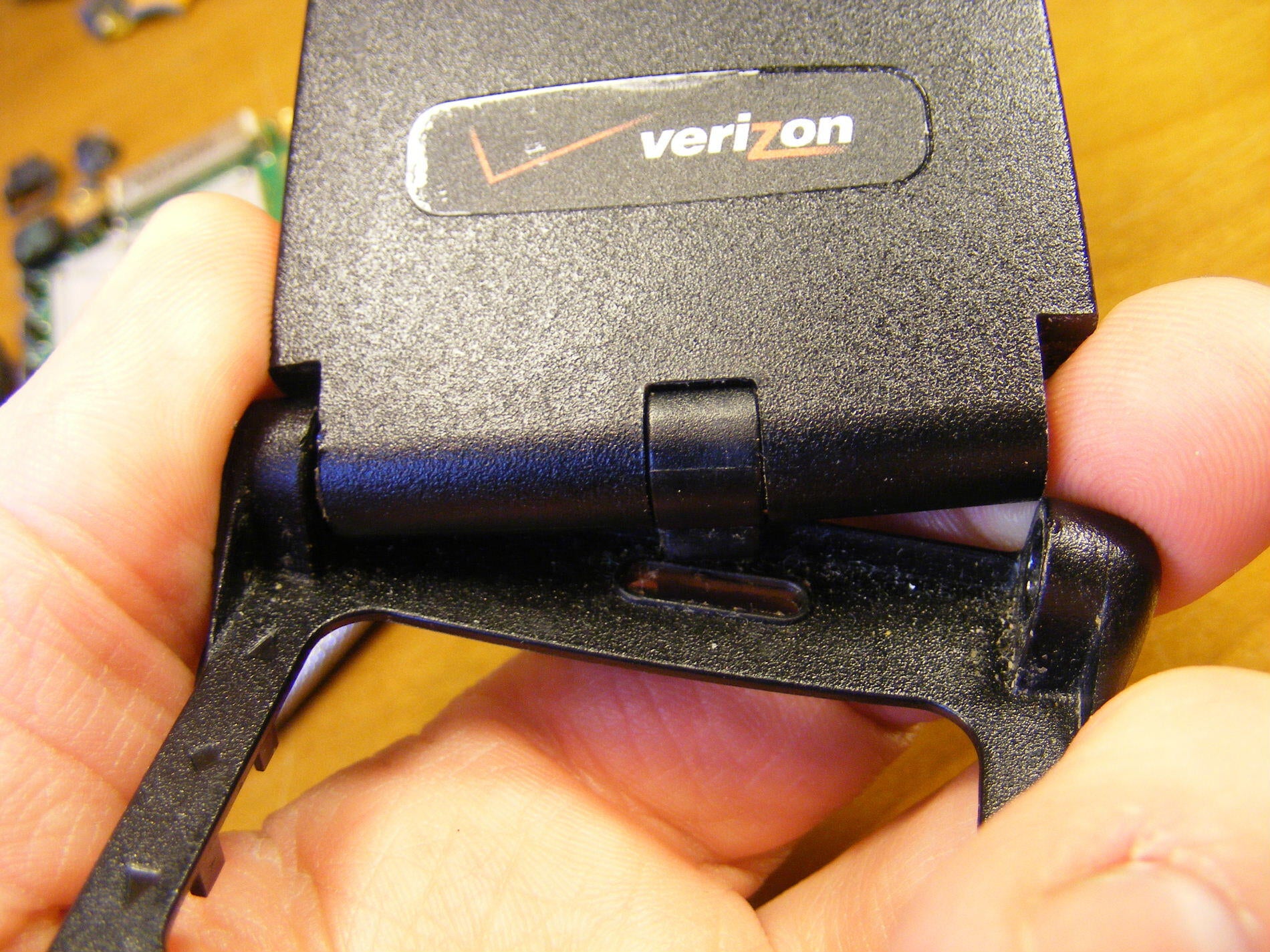
One half can then be lifted up and slid away from the other…
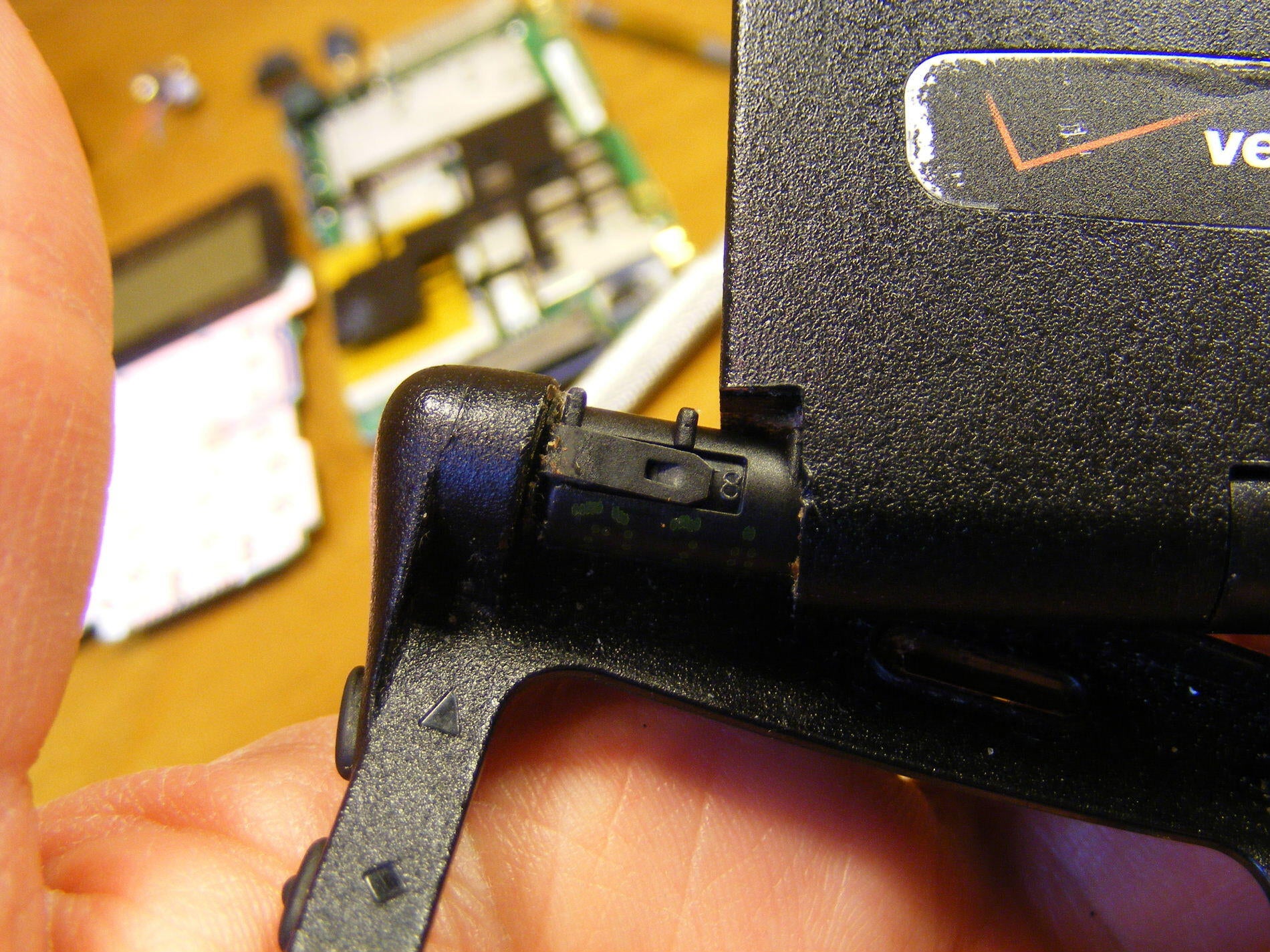
To reveal the simple, modular unit that holds the lid open and closed.
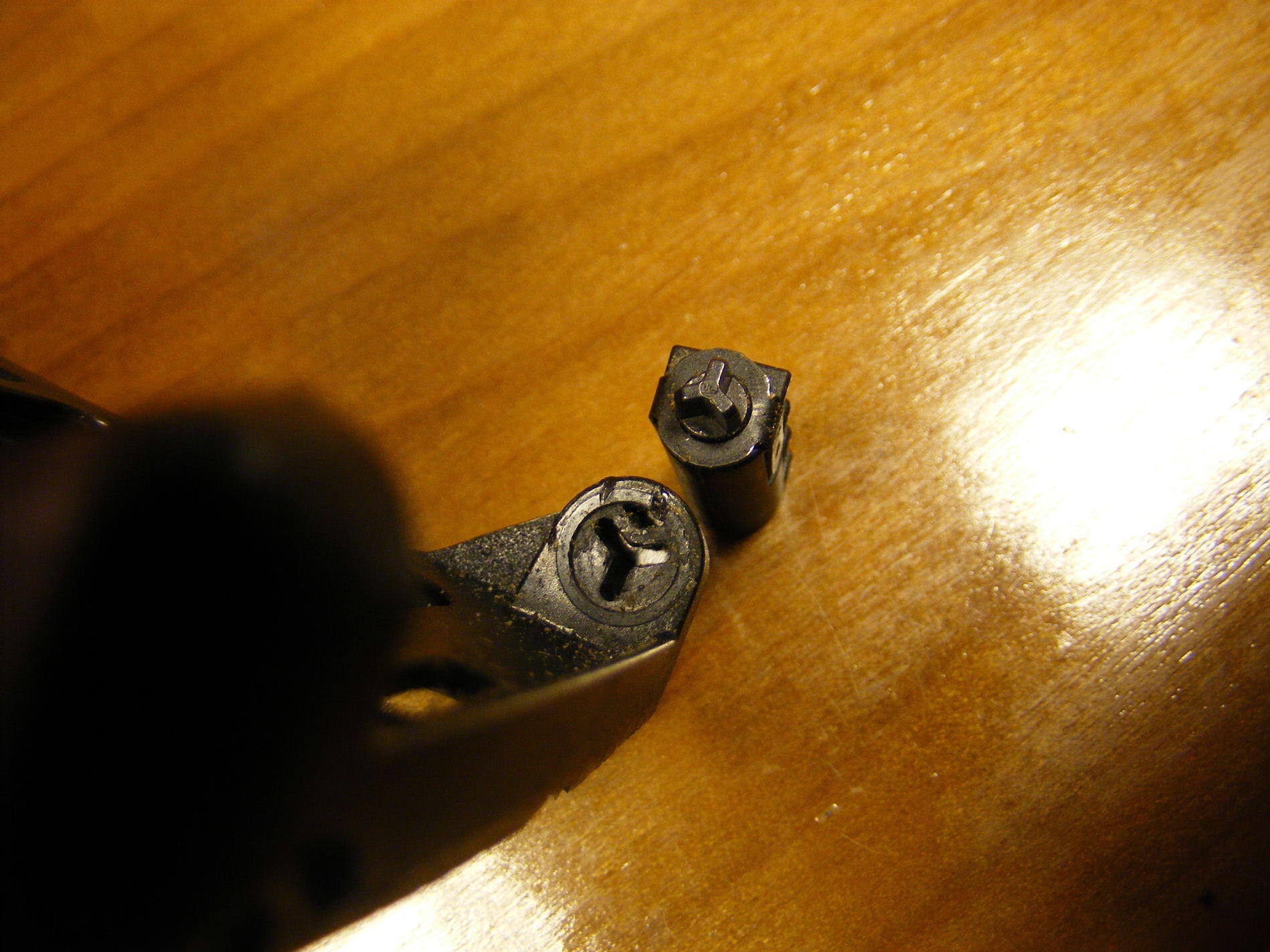
This shows the little spring loaded unit removed, and shows how it mated with the base via a very durable triangle type of configuration.
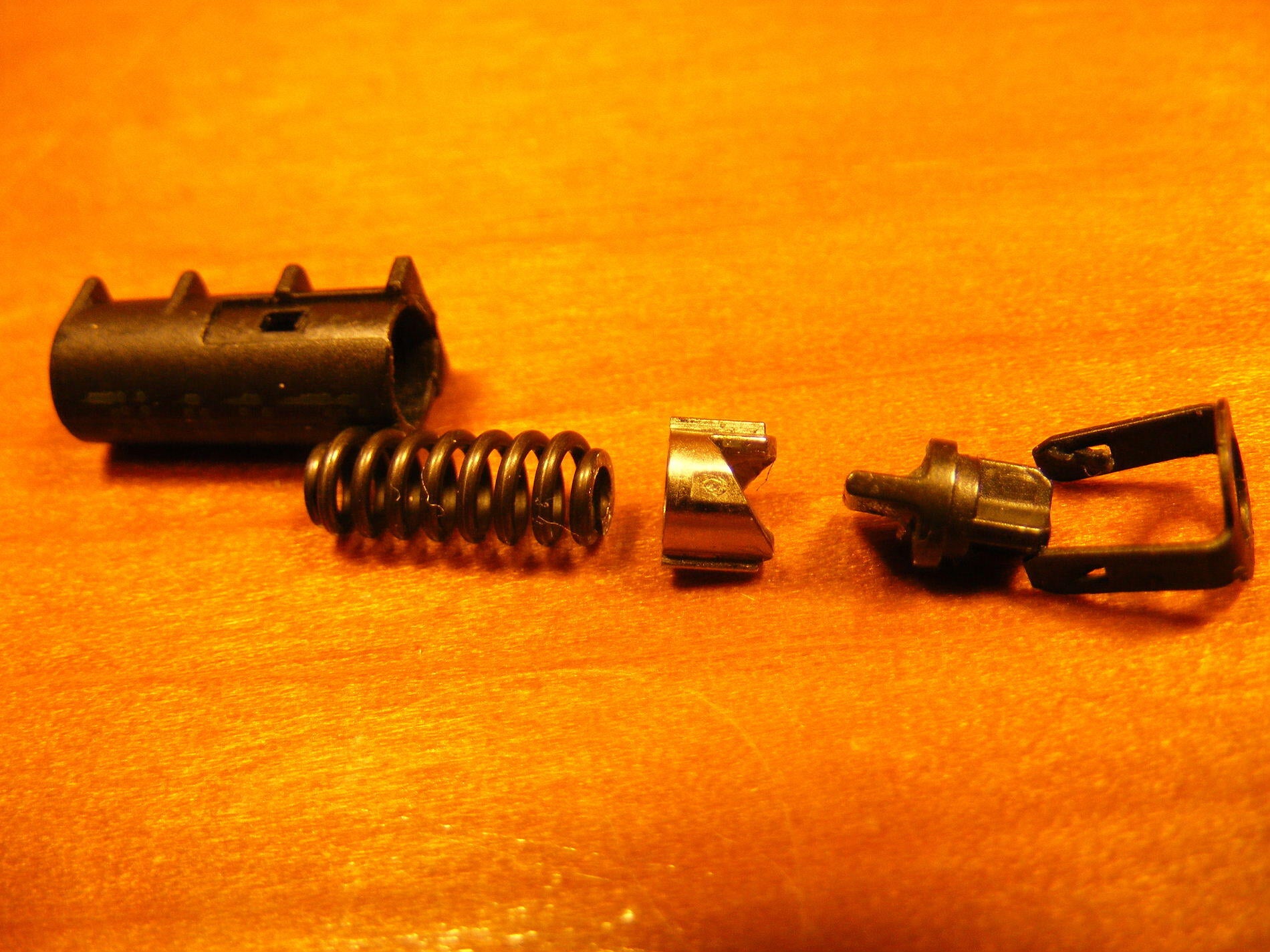
I had to find out what made that thing so strong and durable. I can’t turn it at all with my fingers, and it is tough with a small pair of pliers. Flip phones in general open and close a thousands of times and I have never heard of anyone having trouble with them.
So, there it is \u2013 a simple little spring-loaded cam-operated deal.
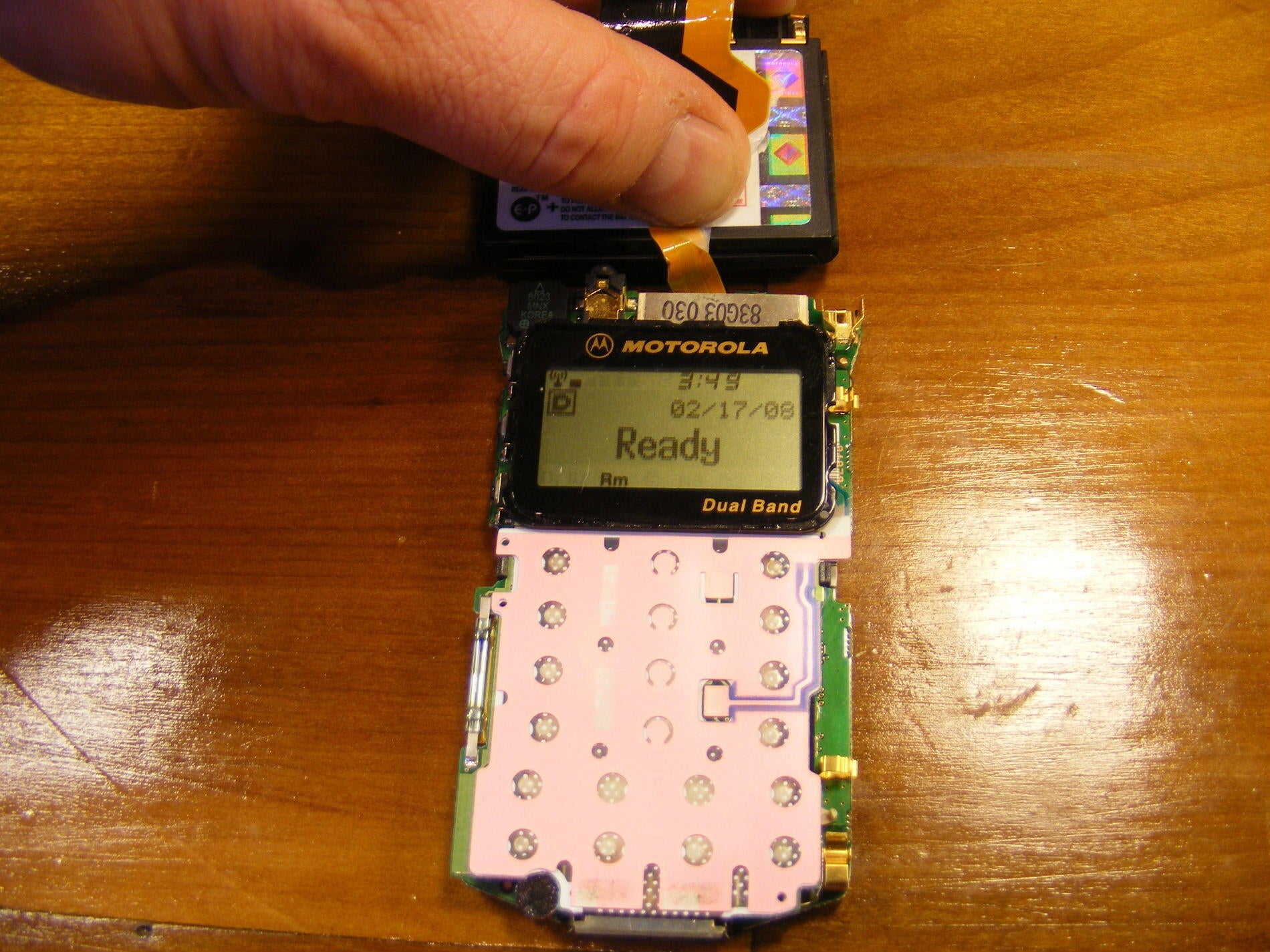
It lives, IT LIVES! I put the pieces back together and powered it up. I had to hold my broken ribbon together, since the kids did something with my hemostats. Still getting a digital signal, even.
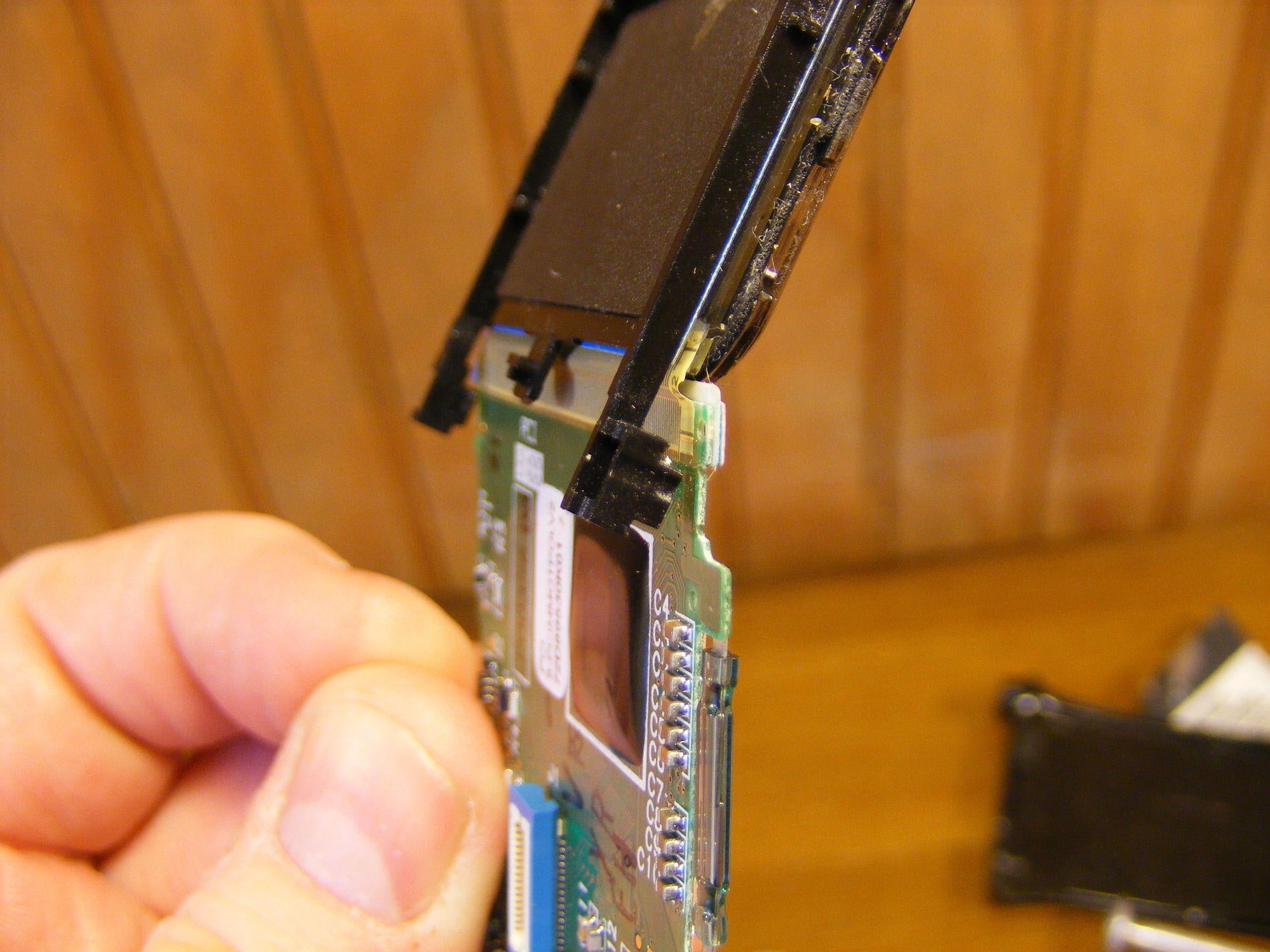
The only thing holding the lcd to the board were these two little black clips and the ribbon itself.
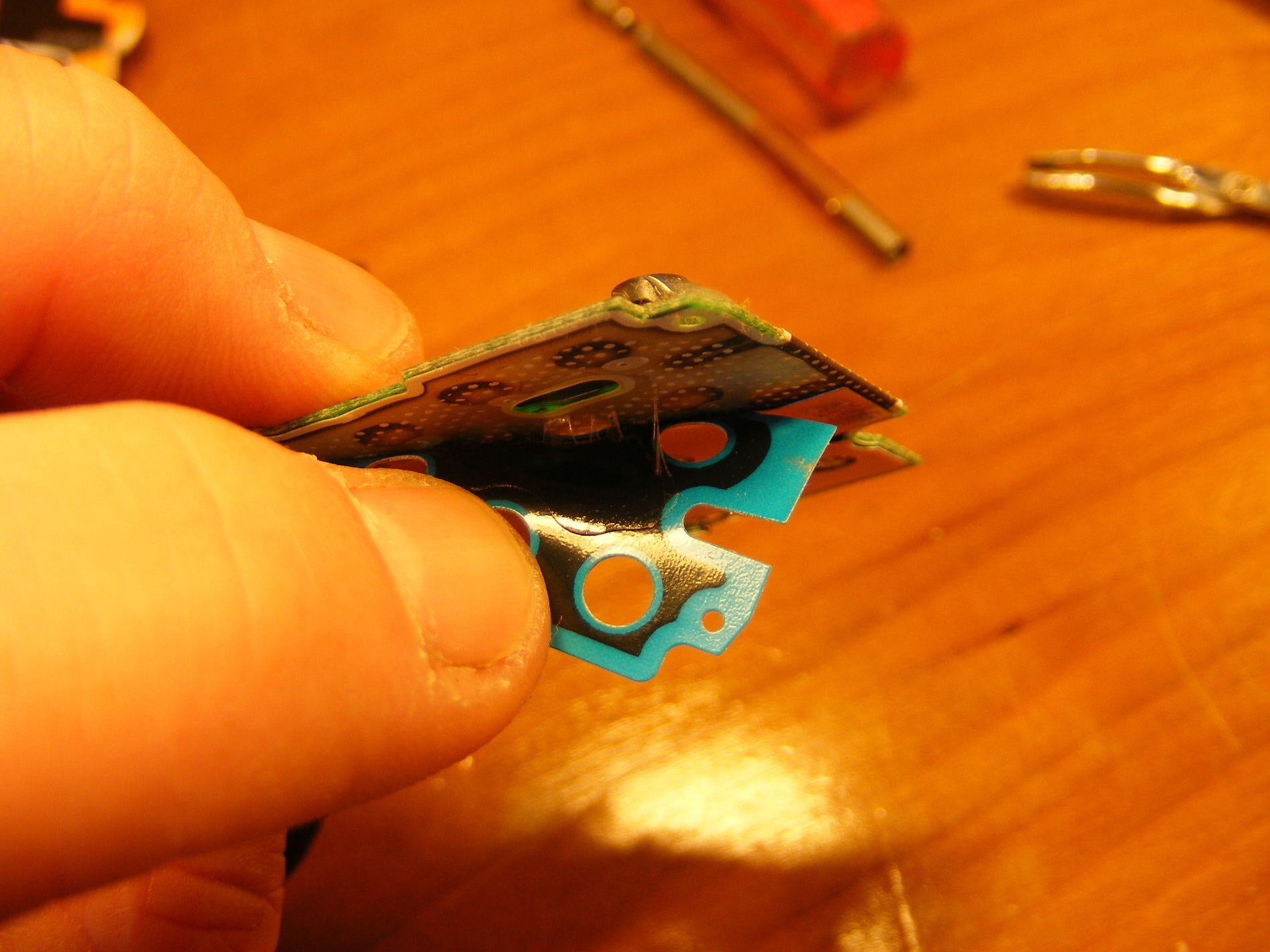
Next I decided to strip down that pink keypad membrane.
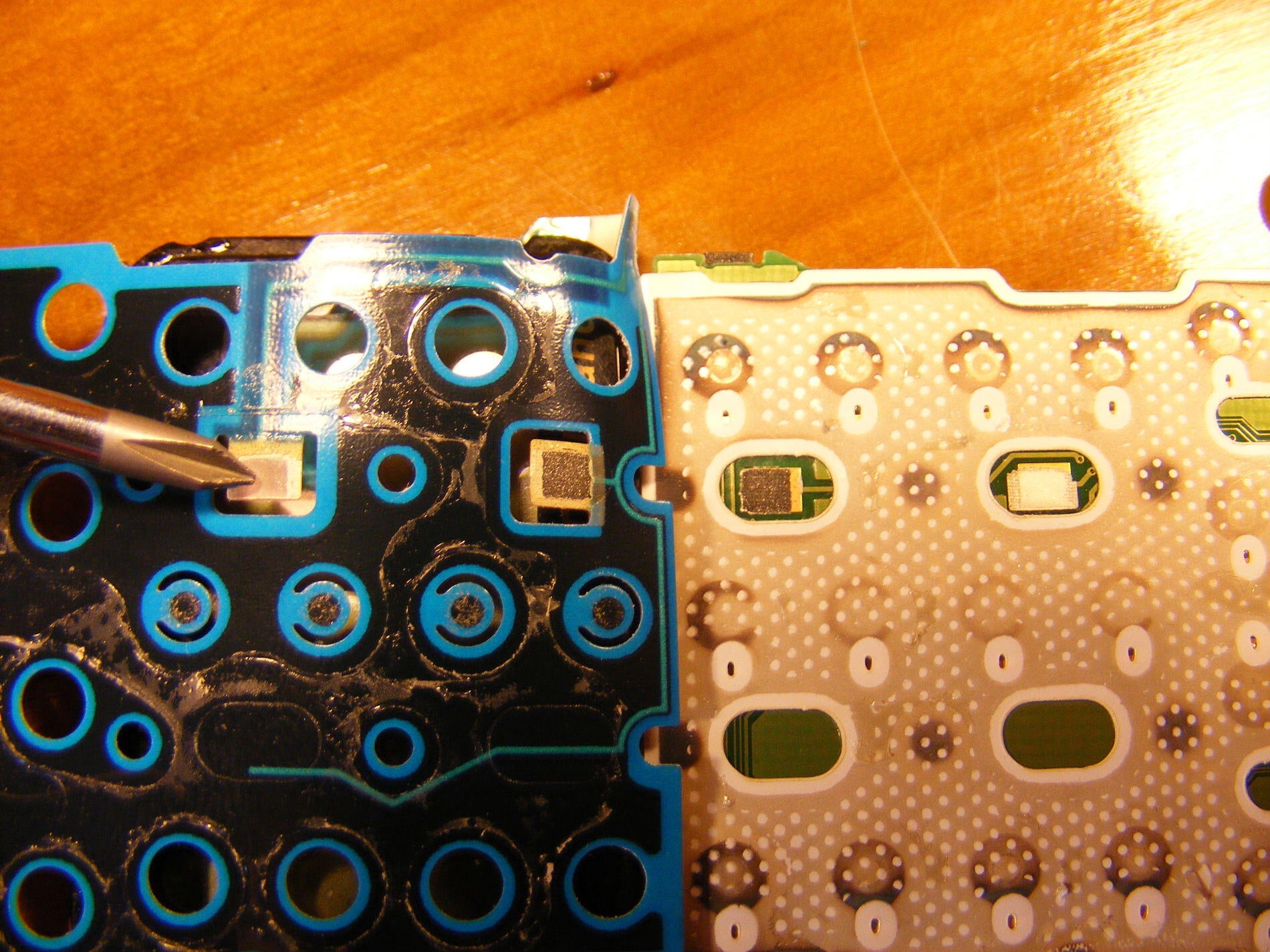
As it turns out, that pink membrane over the LCD board only had one function…
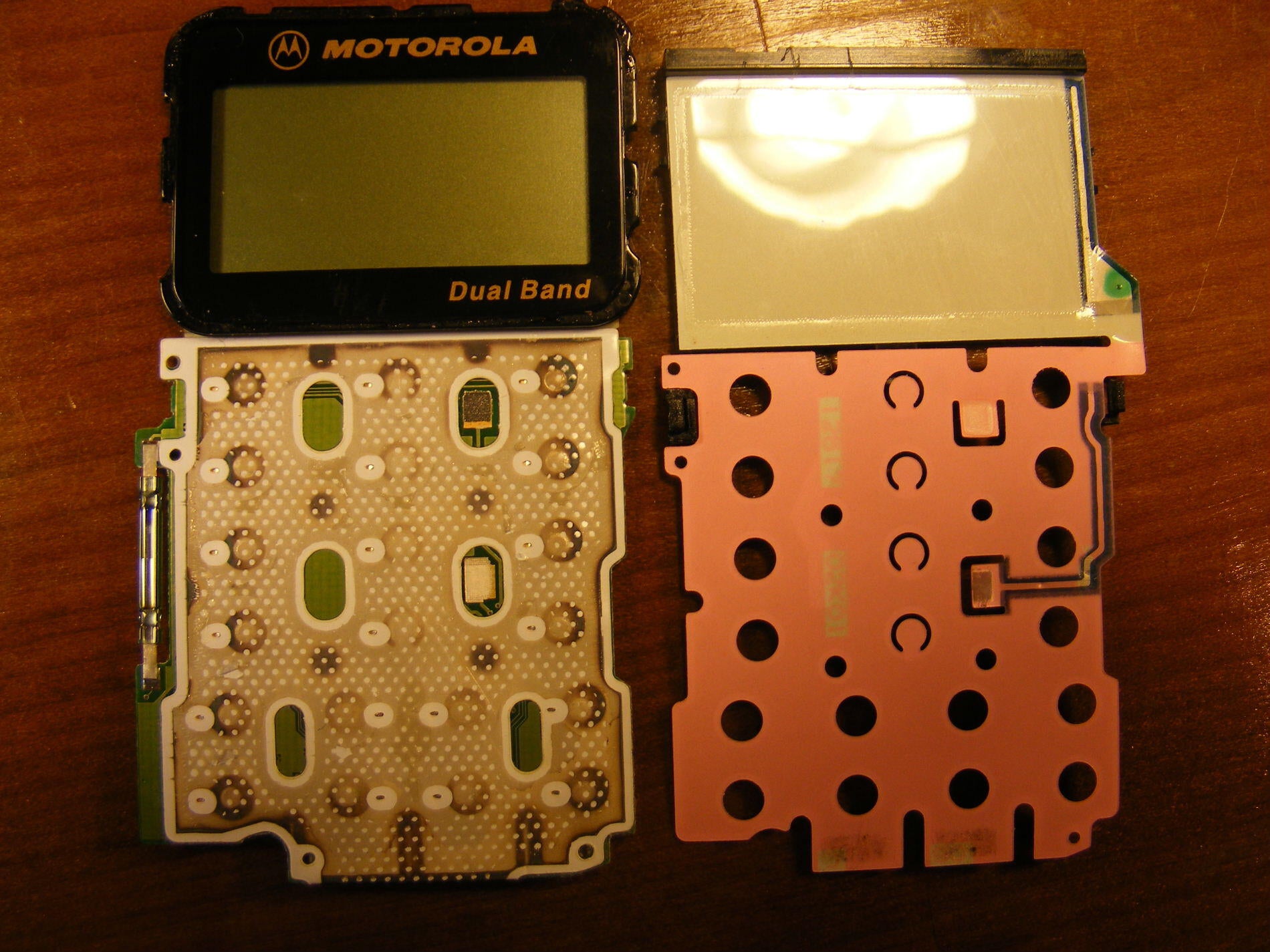
The two little tabs on the pink membrane were only to pick up power for the back light.
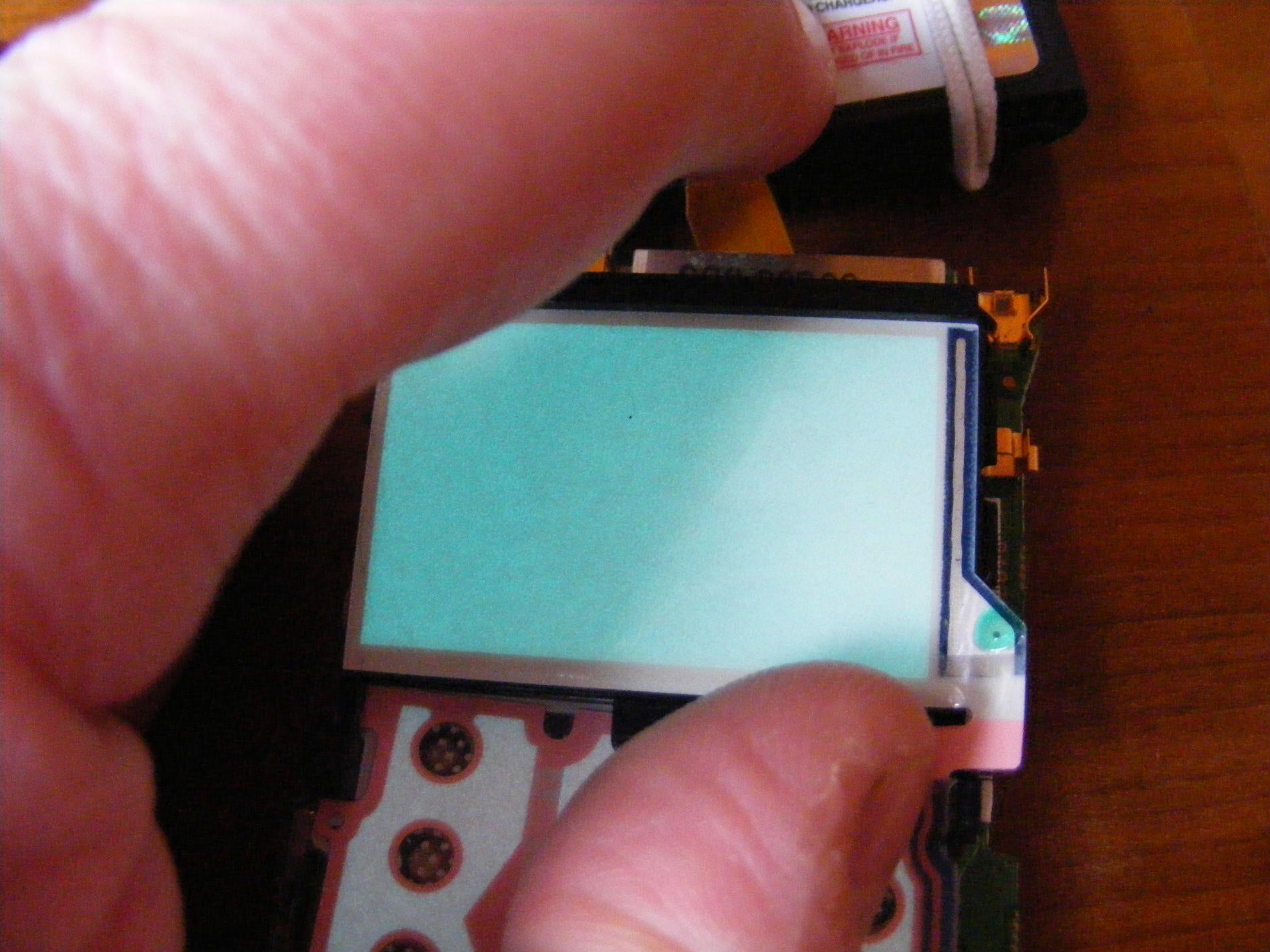
This is a not-so-good picture of the backlight, well \u2013 lit. I laid it over the lcd board, and had to apply a little pressure to make contact.
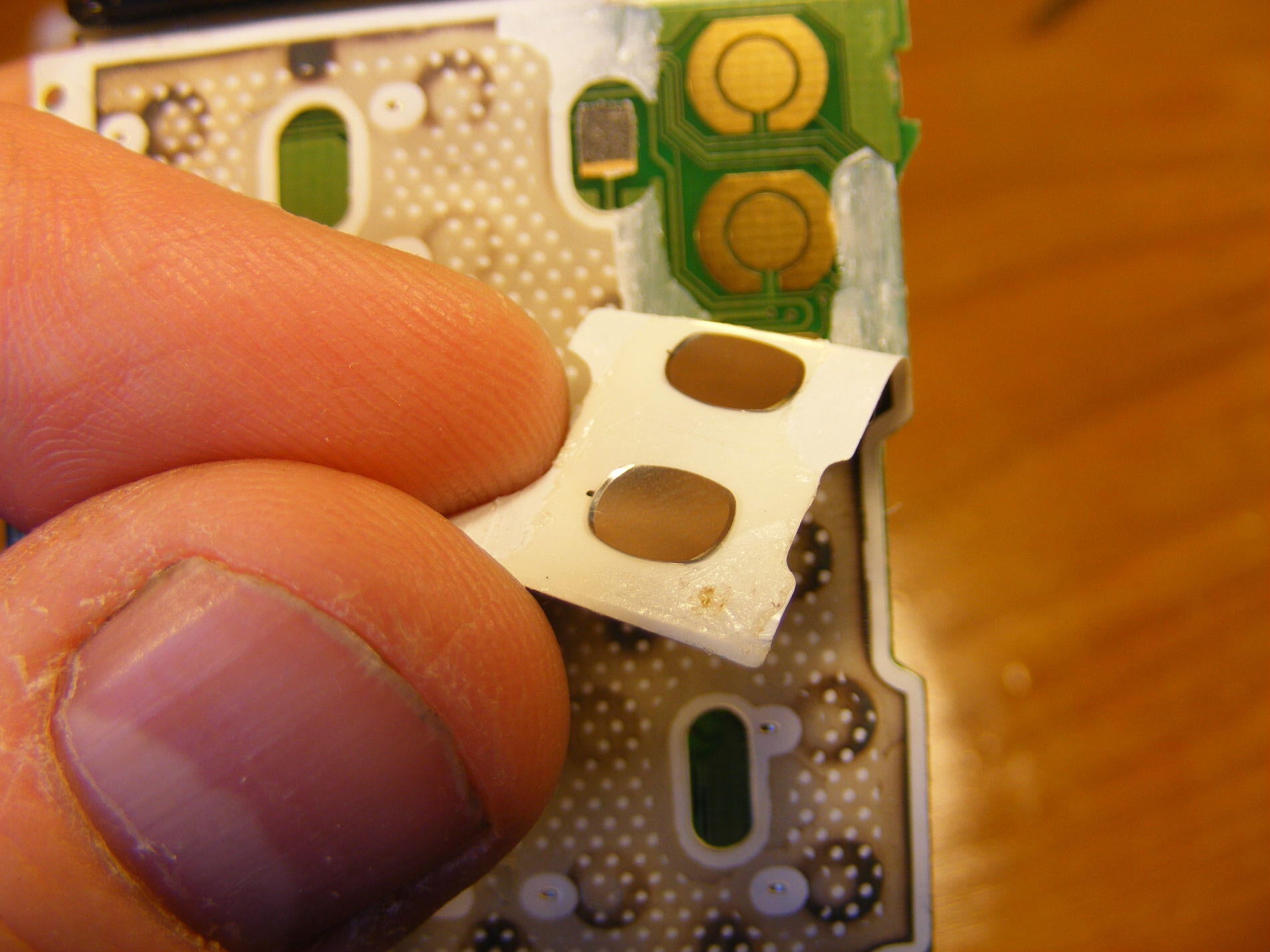
Next to get a look under the keypad membrane. Simple little metal cups close the circuit for each key. Notice the interesting little hole next to it \u2013 presumably for air passage \u2013 lest the membrane get an air bubble in it.
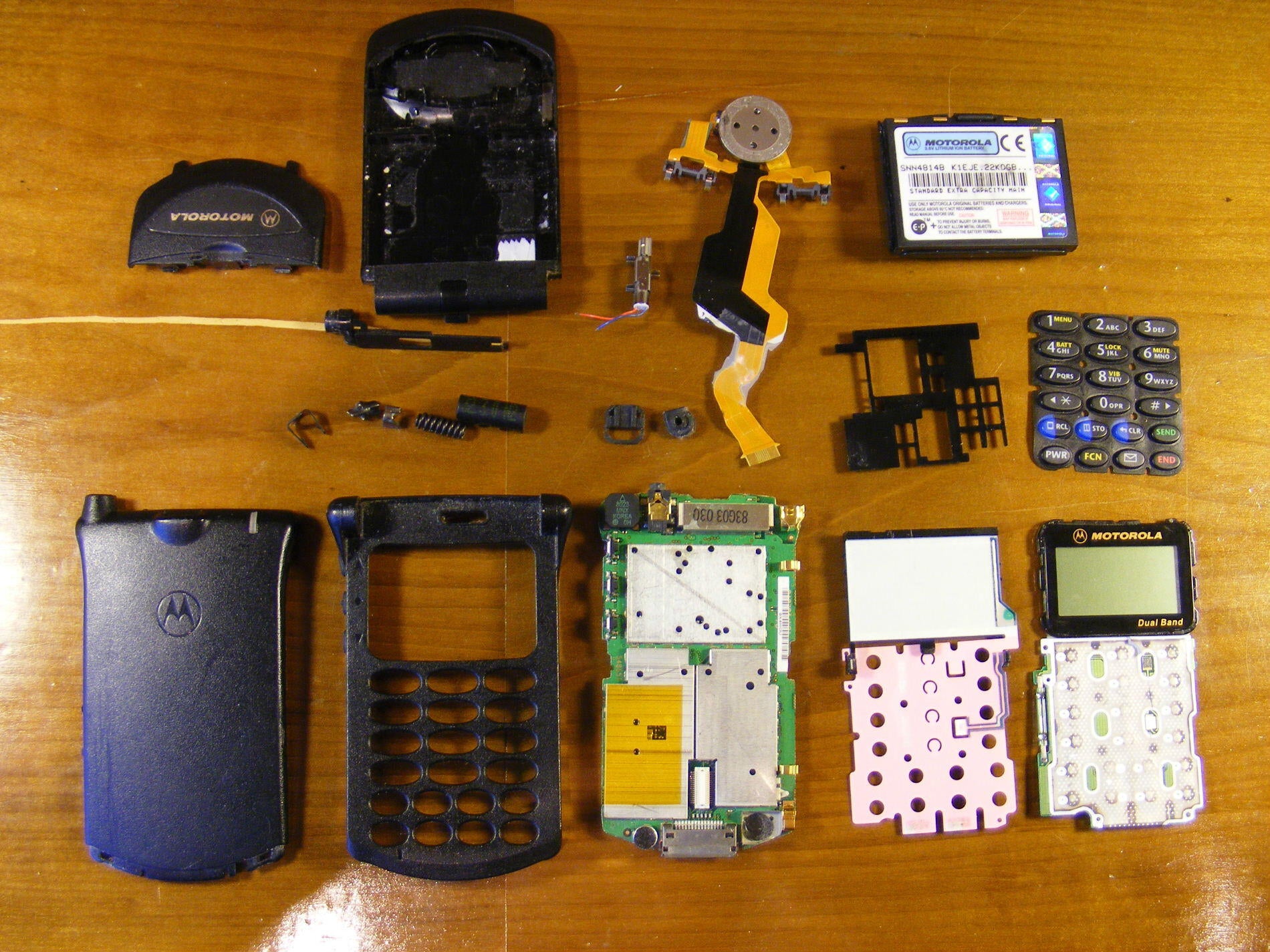
And here we have the whole unit, blown up for your enjoyment.
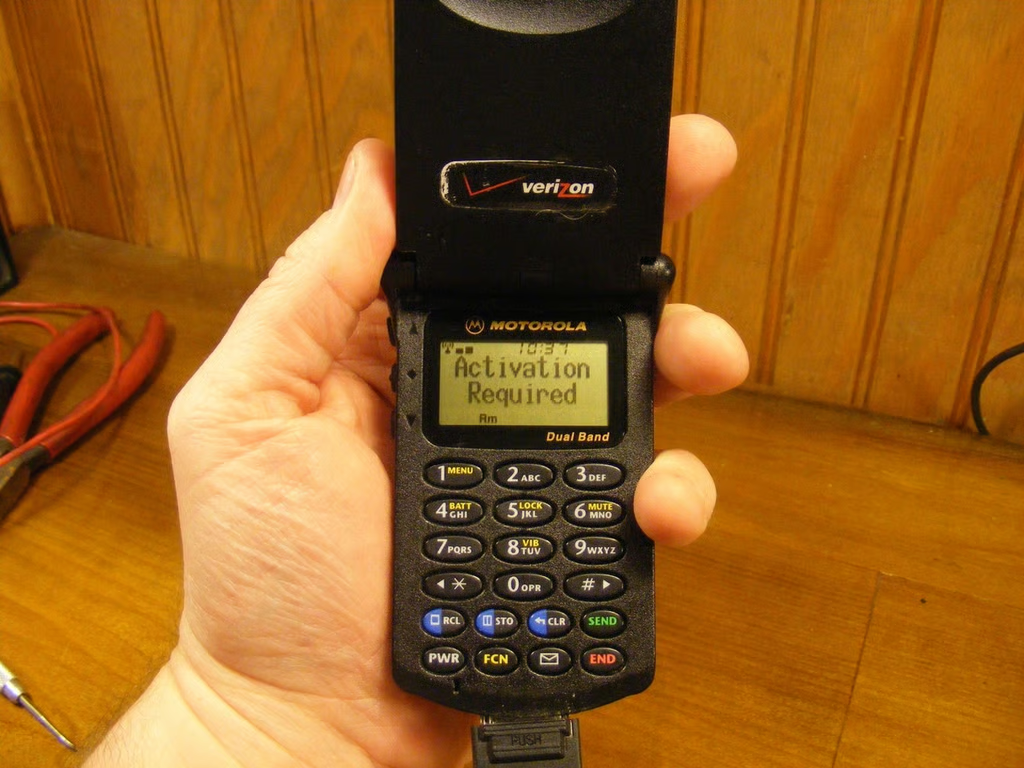
If you were wondering, yes, it did go back together and worked properly. I had to solder the motor back on, and “fix” that broken ribbon first.


