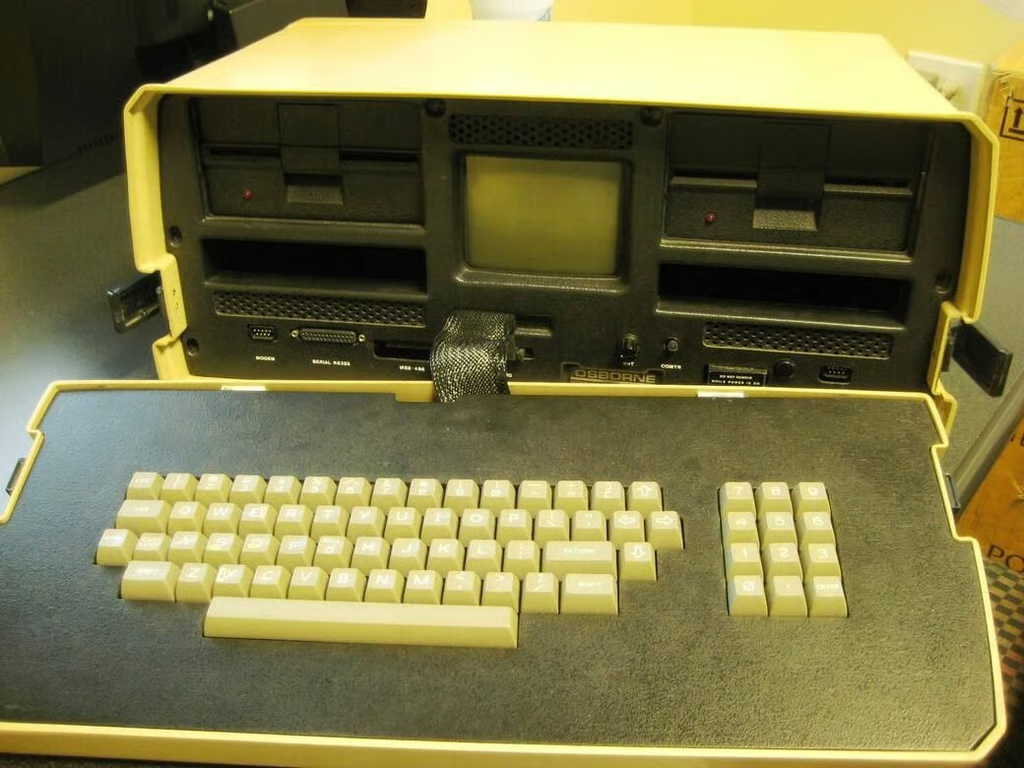
The Osborne 1 was the word’s first self-contained portable personal computer. Many of the design decisions and innovations first seen in the Osborne 1 are still being used today some 25-plus years later. We could not resist taking a look inside this piece of computing history in this TechRepublic Cracking Open Photo Gallery.
A quick note on the Cracking Open Photo Galleries: I am not an engineer and these galleries are not attempts to name every chip we see. So please, if you have knowledge about what is inside the Osborne 1, share it with us.
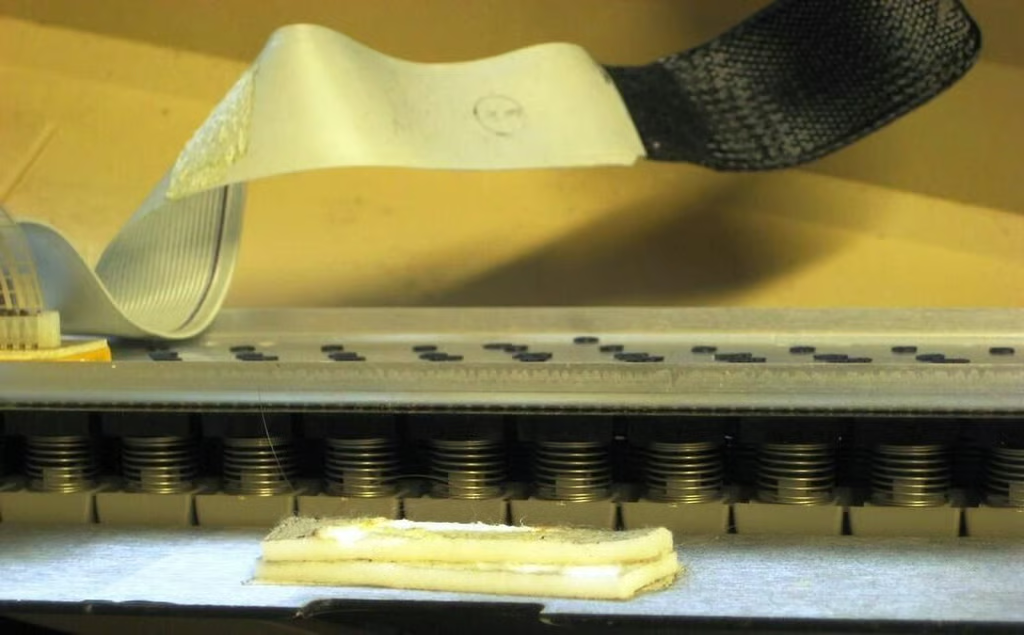
The keyboard is a throwback to the era of typewriters.
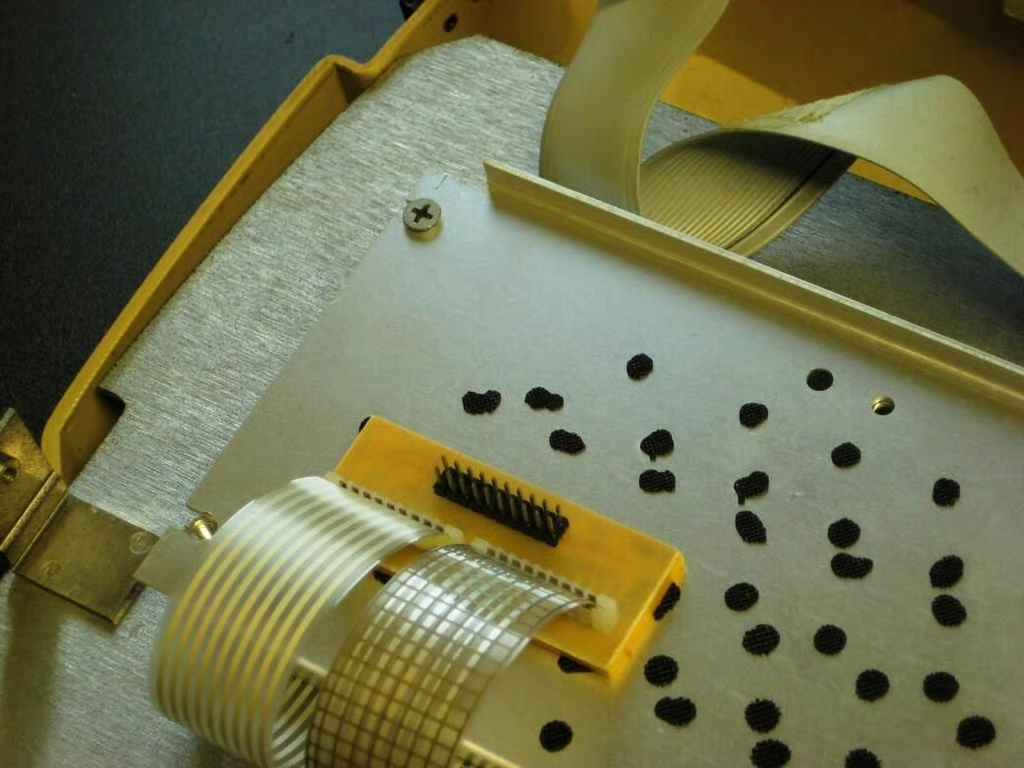
No solder used for this connection.
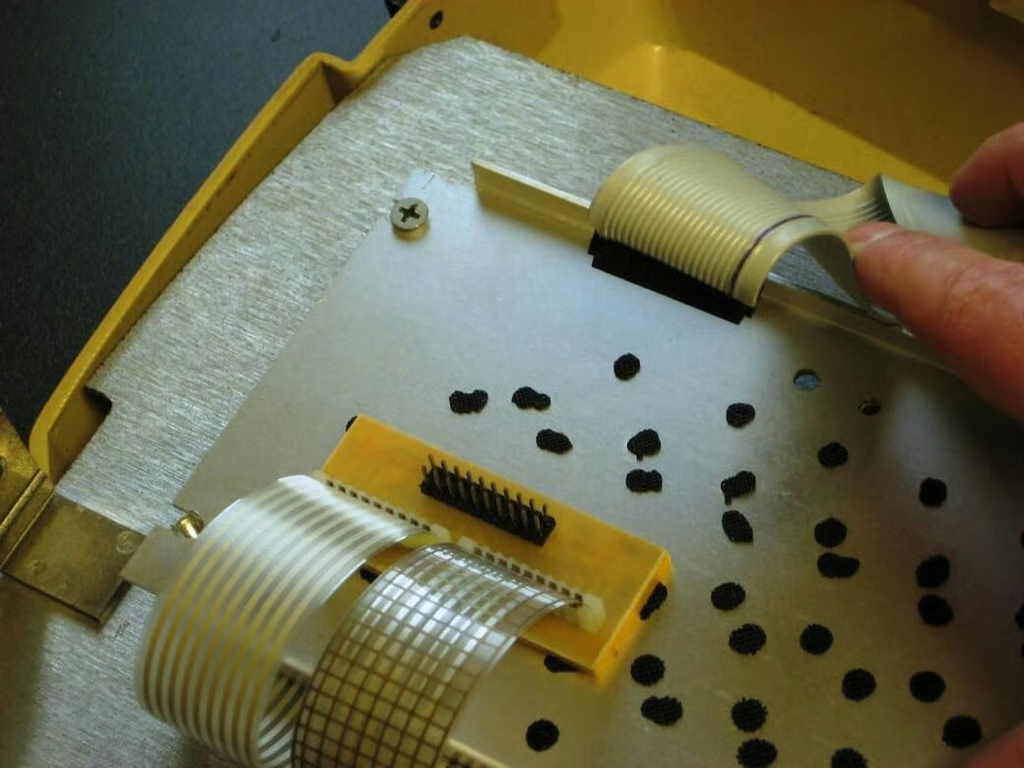
This connection system could not be any more familiar.
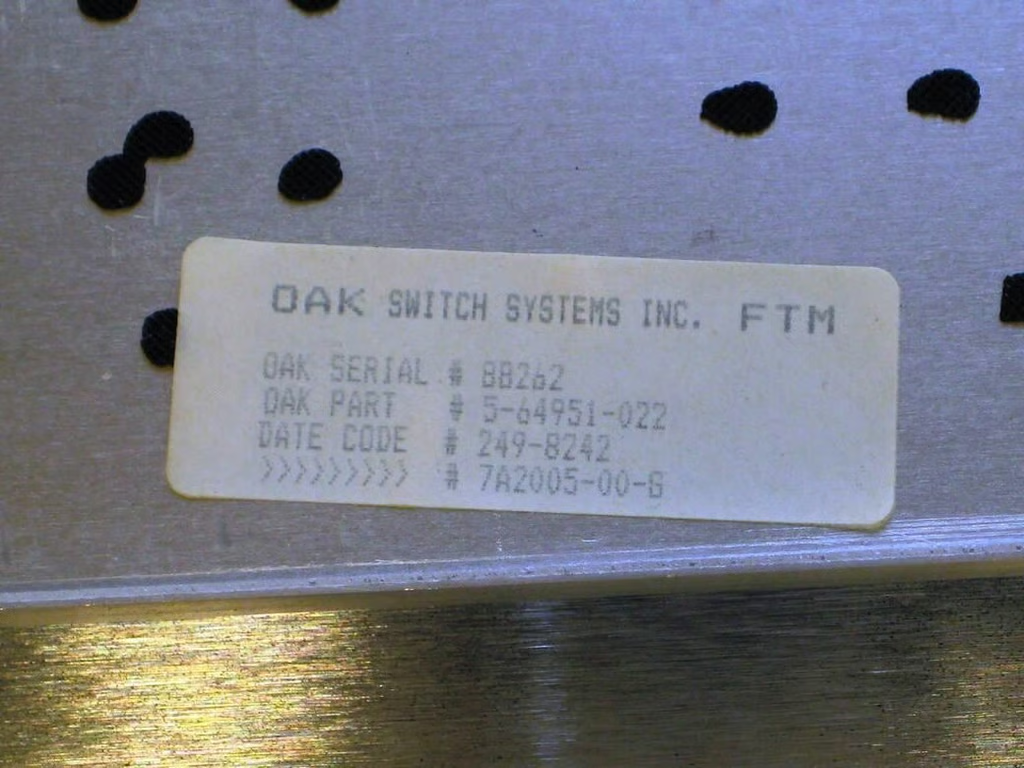
Oak Industries was eventually acquired by Corning Inc.
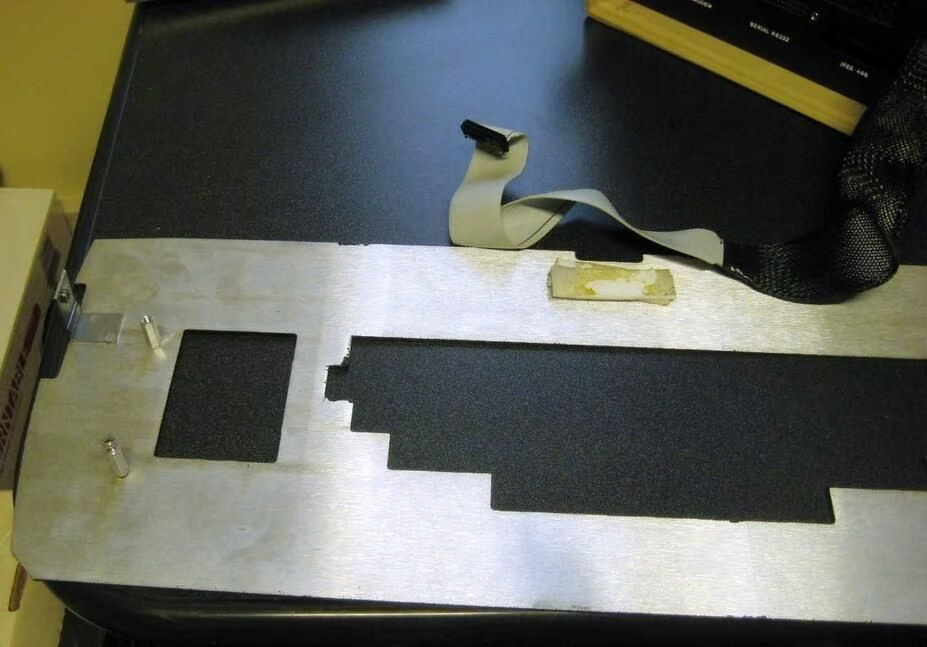
The keyboard assembly is mounted on a steal plate.
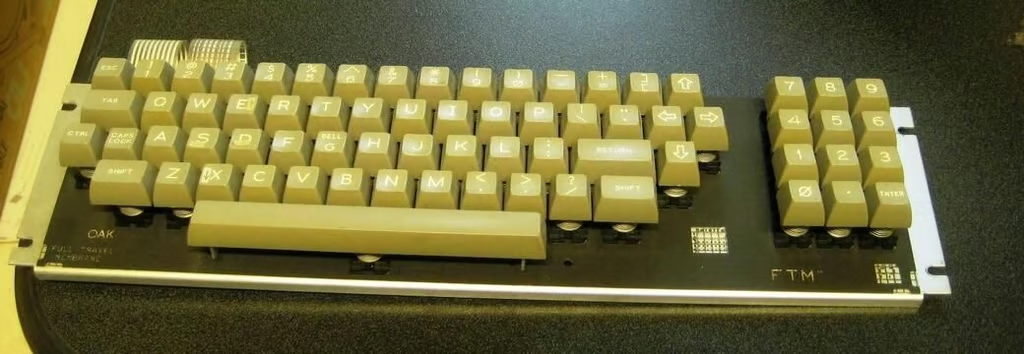
Not much electronics to look at in the keyboard.
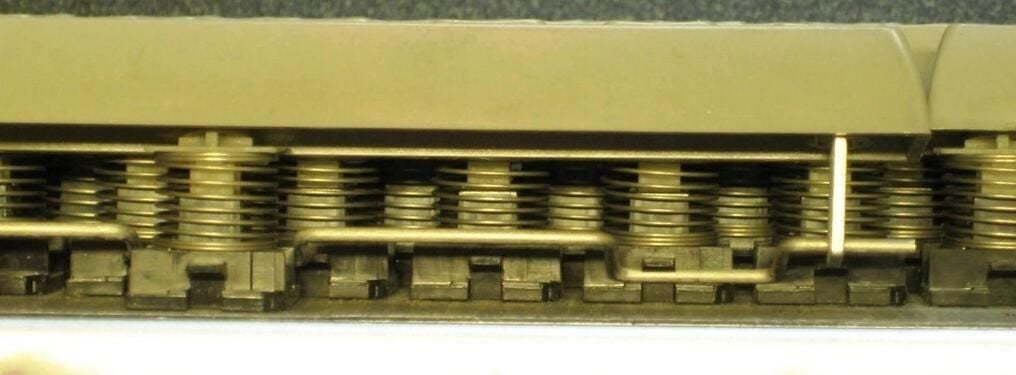
The mechanical system for the keyboard reminds me of a recent TechRepublic Photo Gallery: Mod your computer keyboard, steampunk style.
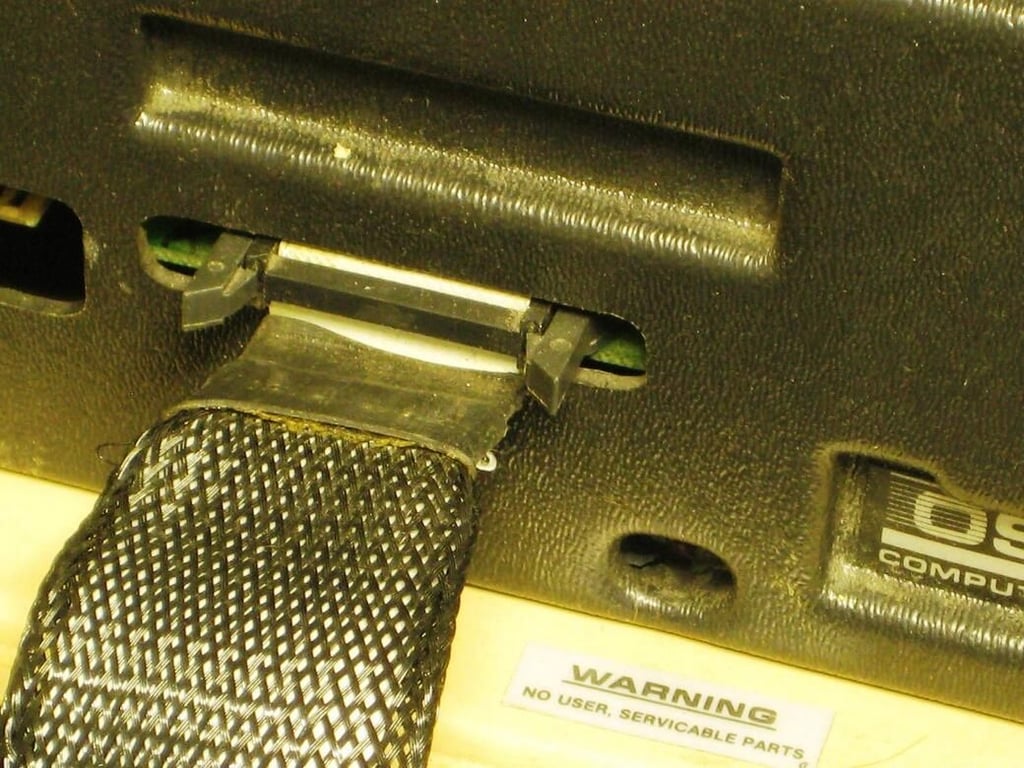
The keyboard connects to the Osborne 1 using a ribbon cable and latch system.
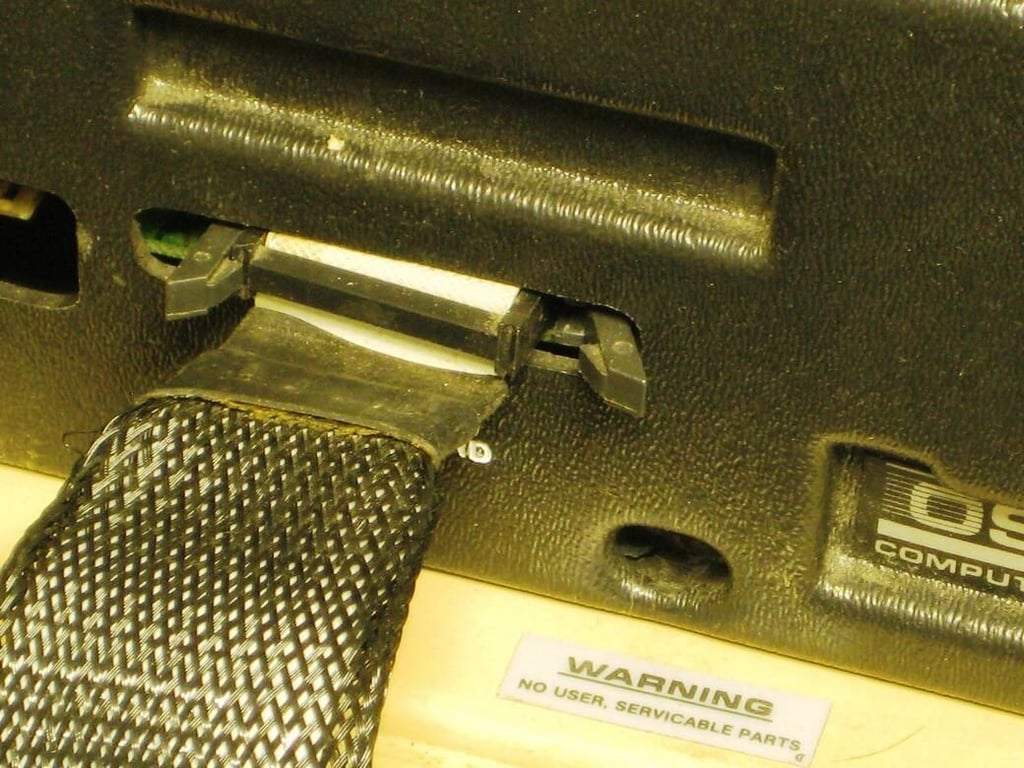
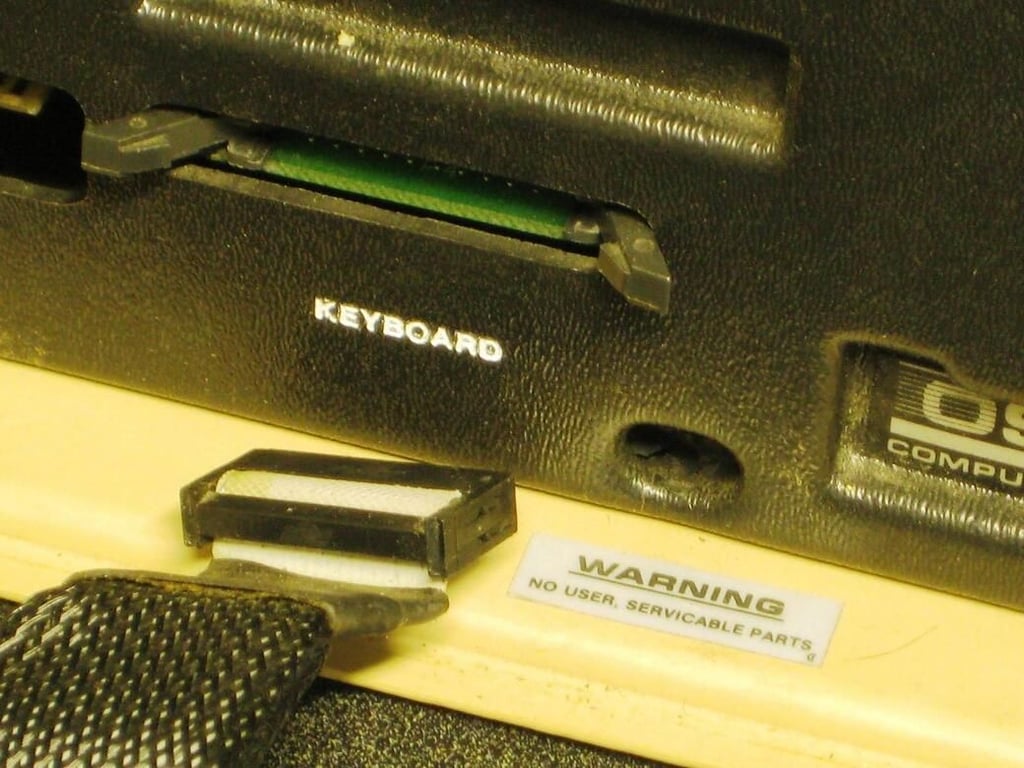
The keyboard can be easily removed and then reattached.
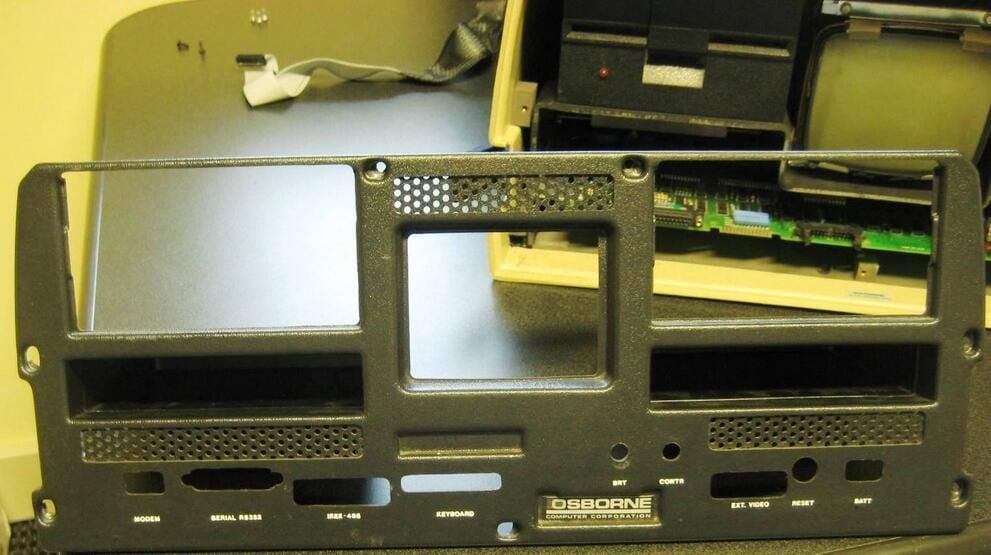
Our Osborne 1 has seen some time in a basement, attic, or some other place were the plastic could lose some of its strength. Notice that some of the screw holes have deprecated to the point where they don’t actually hold the cover to the case anymore.
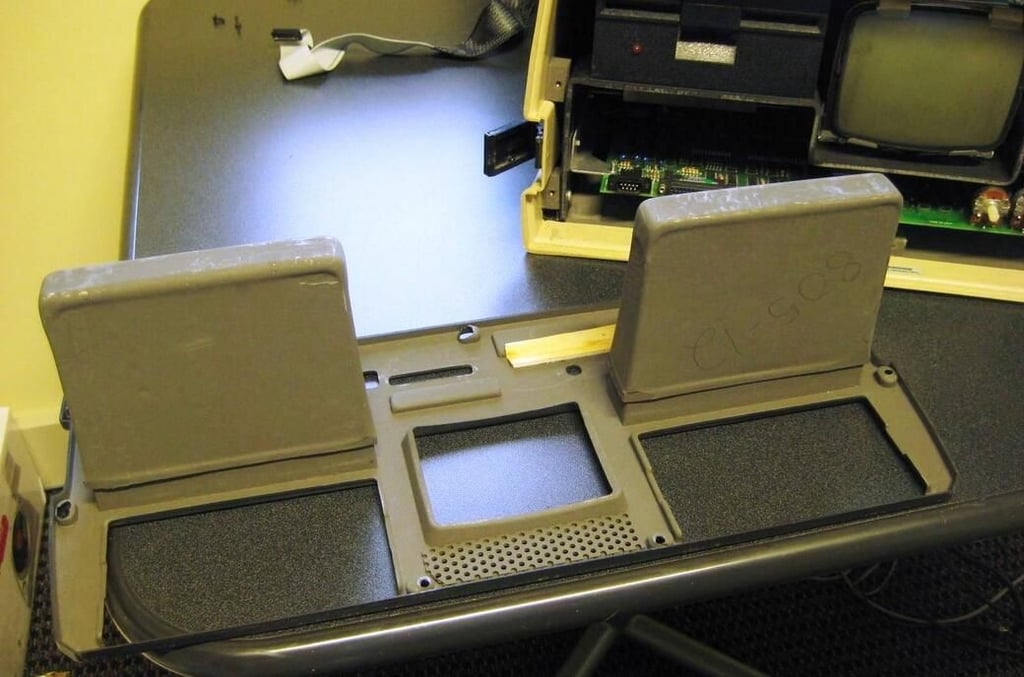
From this angle you can see where the some of the screw holes have disintegrated.
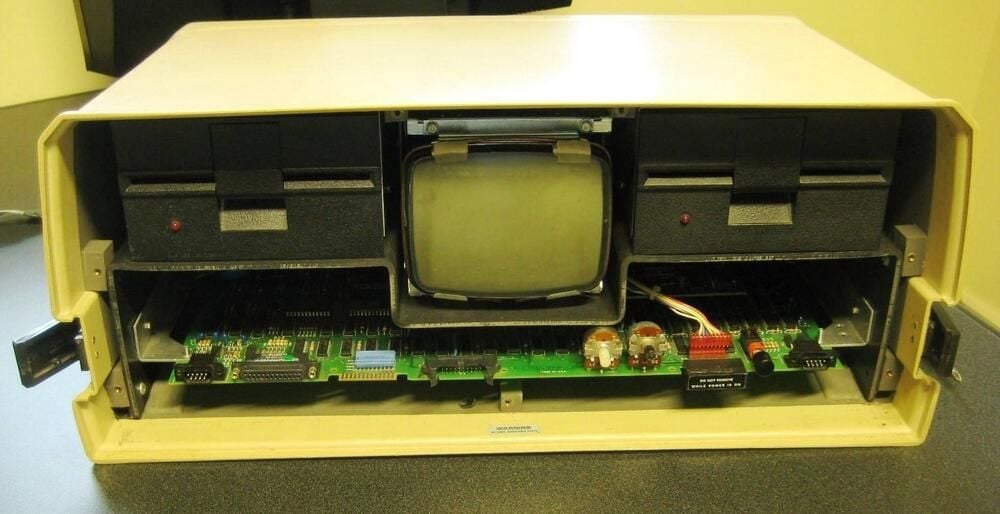
Apparently our Osborne 1 has been cracked open before — there are several screws missing and later on I discover screws that just don’t belong.
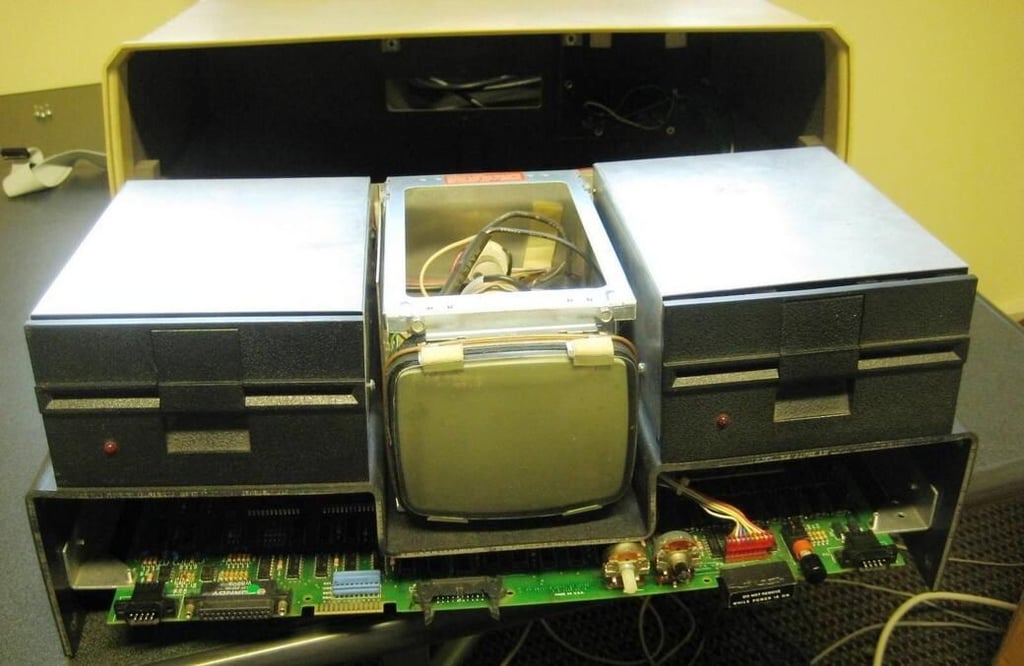
With the case removed the most dominate parts seem to be the floppy drives.
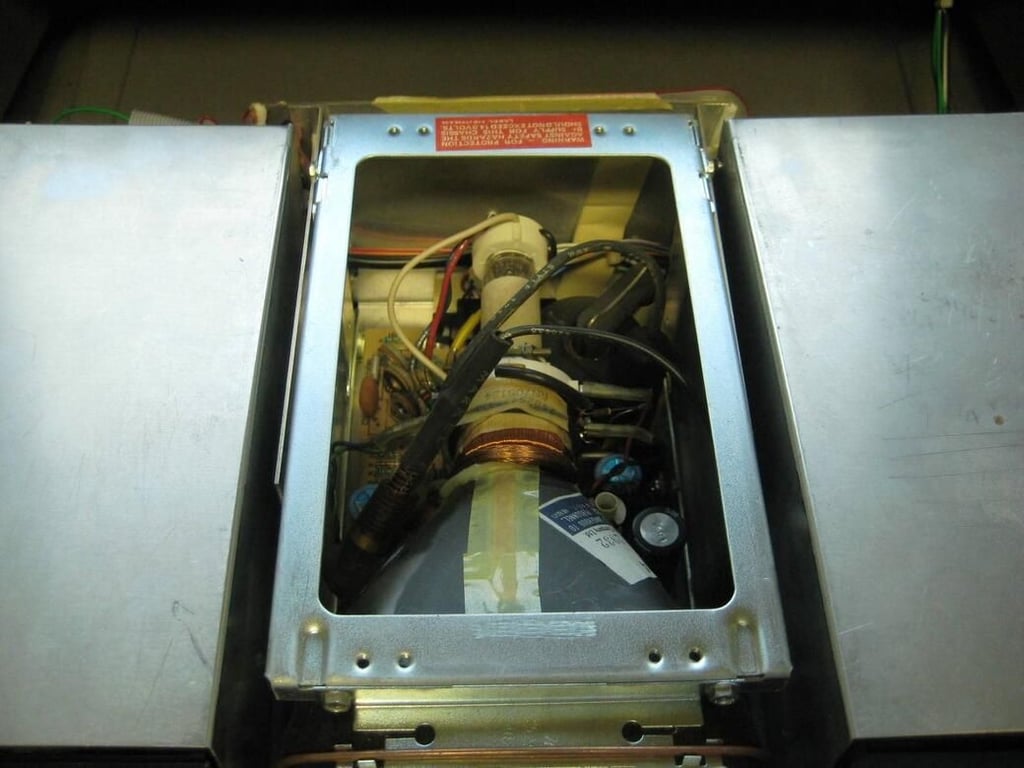
Our first look at the cathode ray tube for our display. This is by far the heaviest part in the Osborne 1.
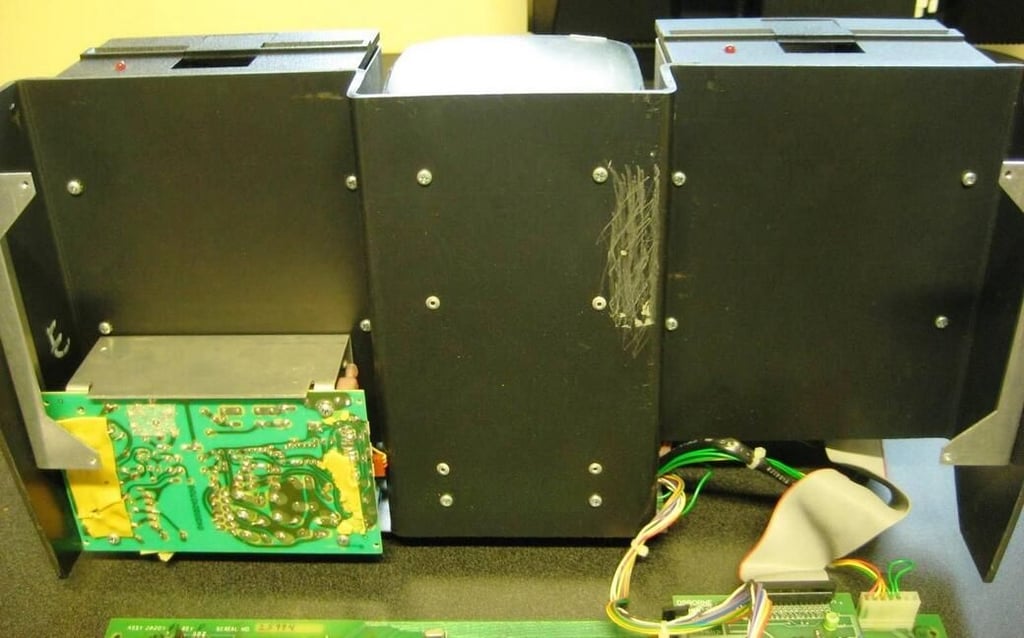
The remaining circuit board is associated with the power system. I have no idea what those scratches on the plastic frame is all about.
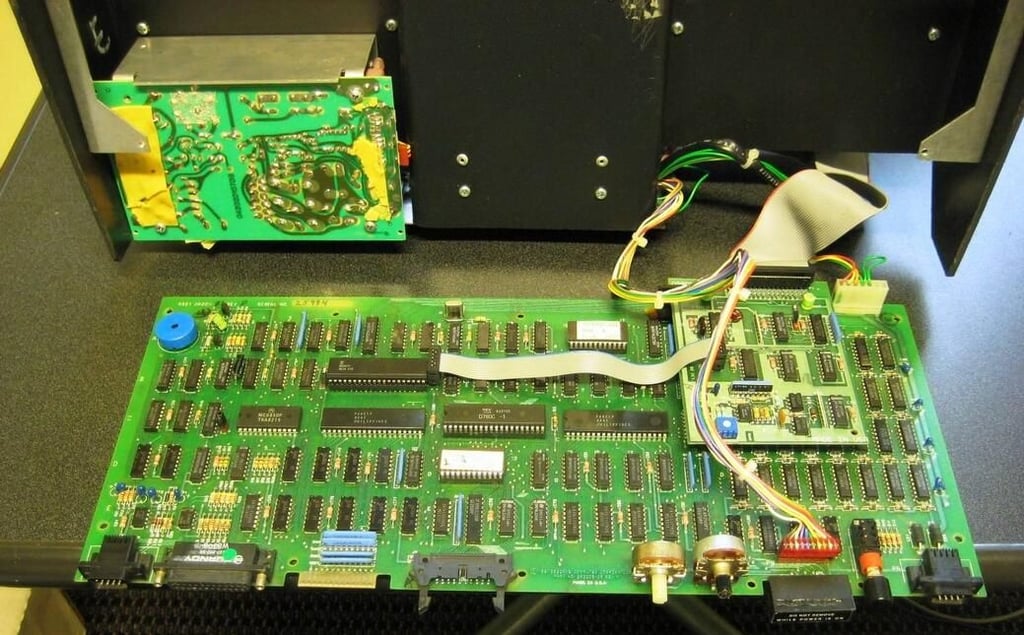
Our Osborne 1 doesn’t skimp when it comes to the overall number of chips.
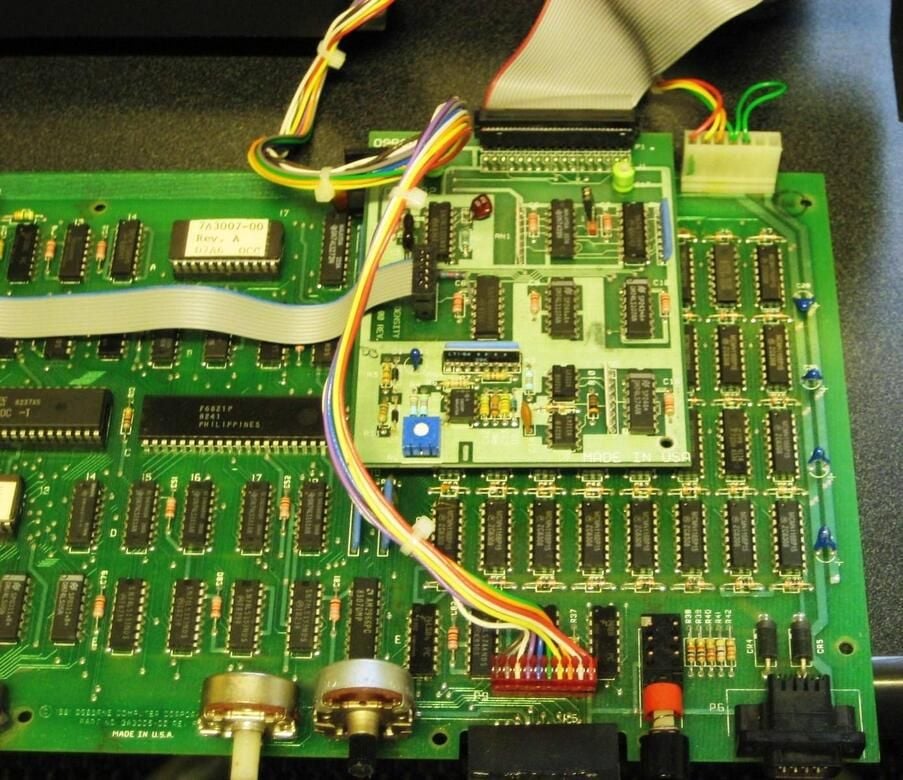
Apparently our Osborne 1 was upgraded with the double density floppy disk drive controller daughter board. I cannot explain why several screws went missing during that upgrade or subsequent maintenance.
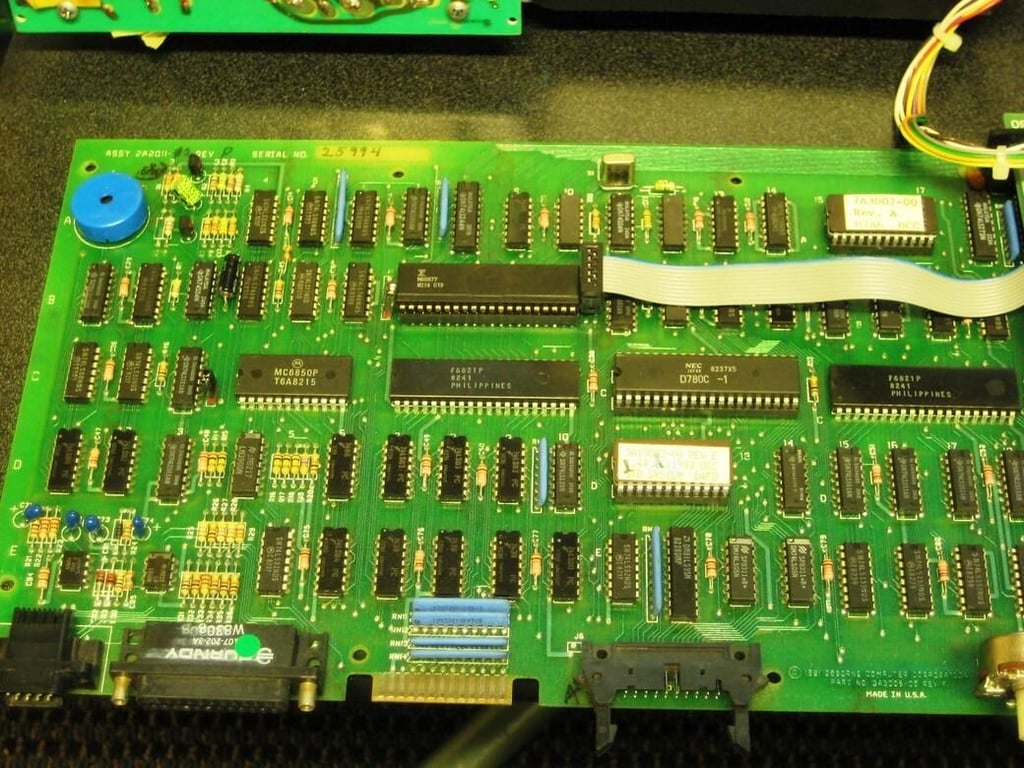
The CPU can be found on this end of the board. The Osborne 1 used the Zilog Z80 processor running at 4MHz. Or at least a processor based on the Z80.
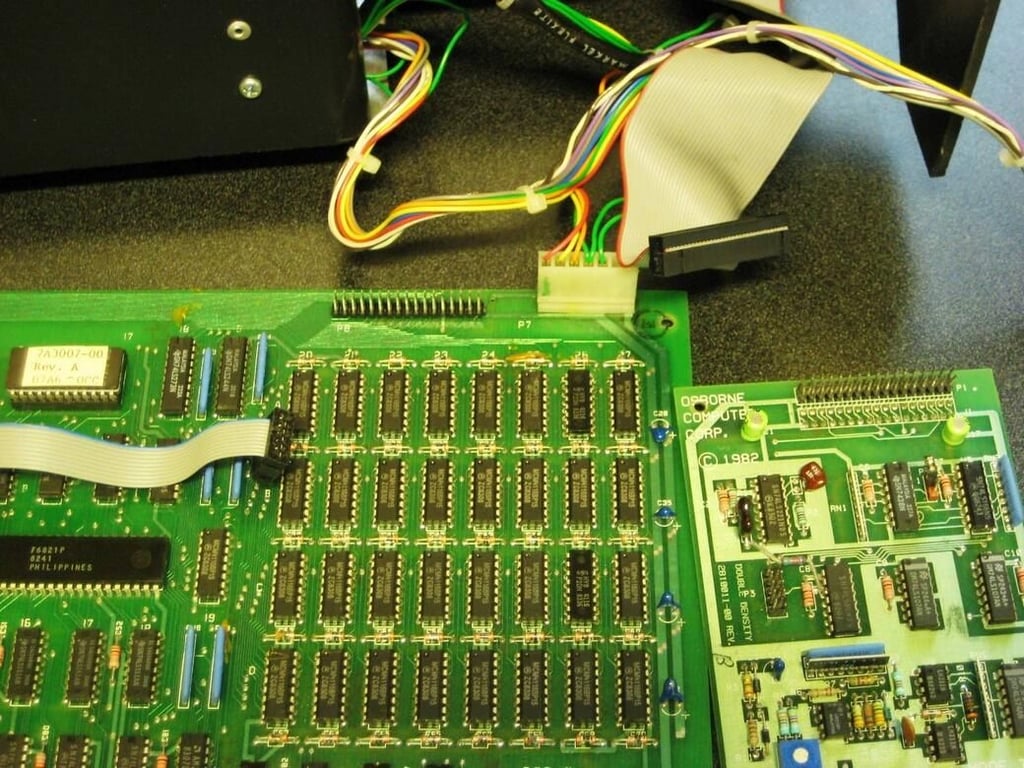
64K RAM takes up more room then you might think in 1981.
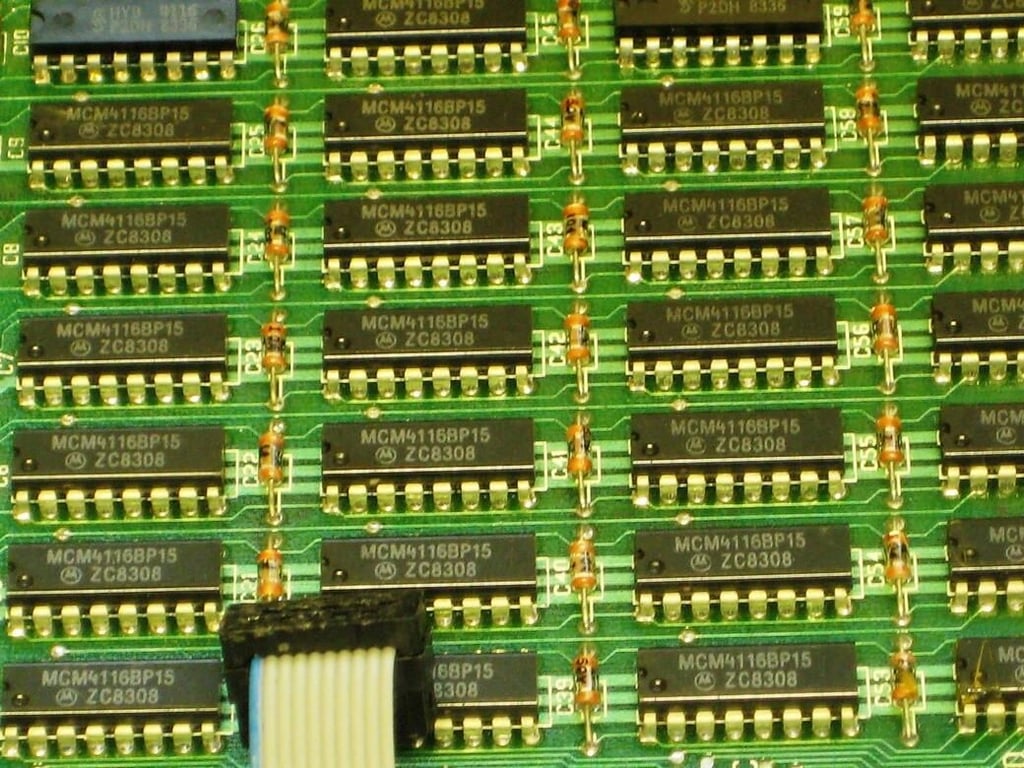
These memory chips were provided by Motorola.
Except for that chip in the upper left corner. Perhaps this Osborne 1 was opened more than once.
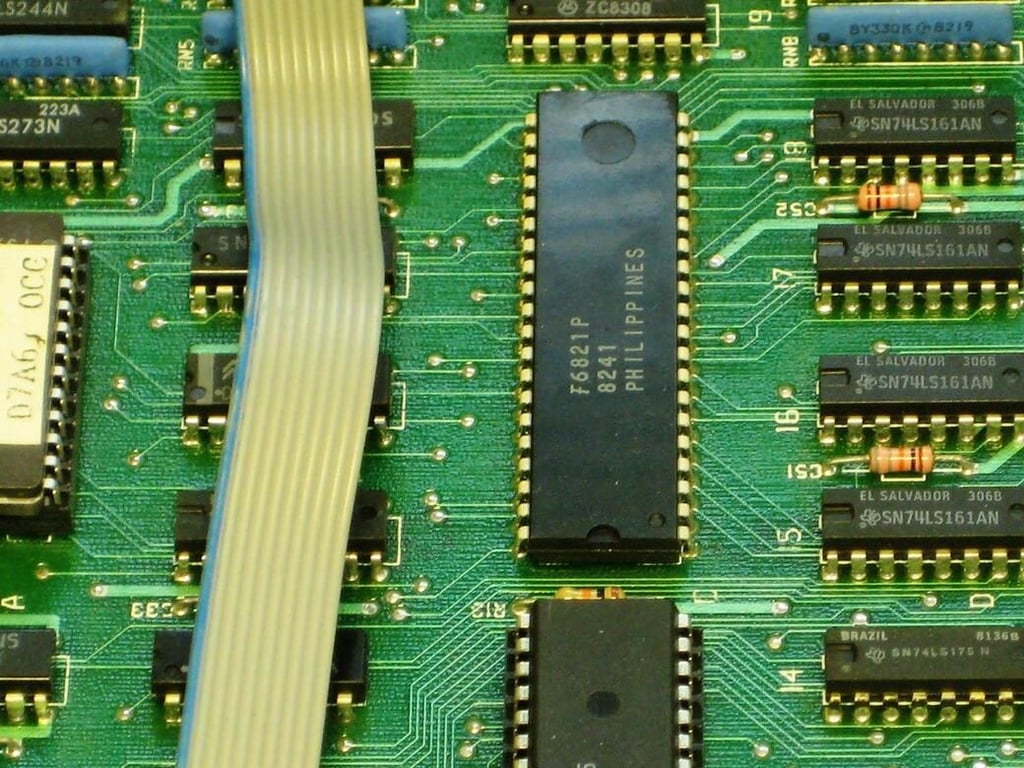
Even in 1981, PC making was an international effort. You can see stamps from the Philippines, El Salvador, and Brazil.
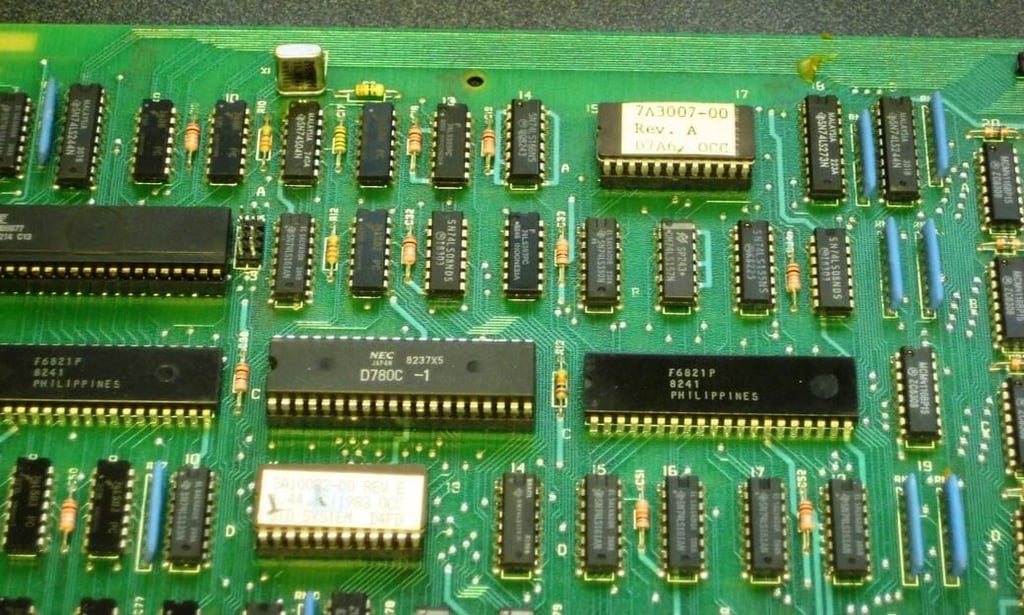
Okay all you engineers out there — what are the two chips from the Philippines for?
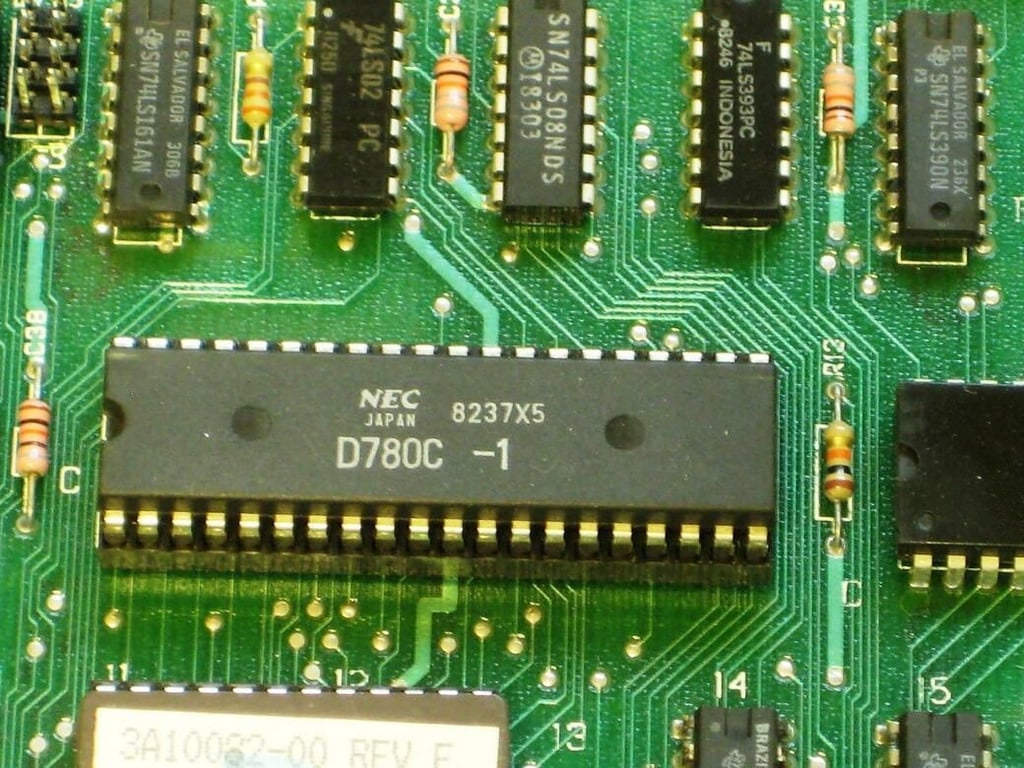
This Osborne 1 has the NEC version of the Z80 processor.
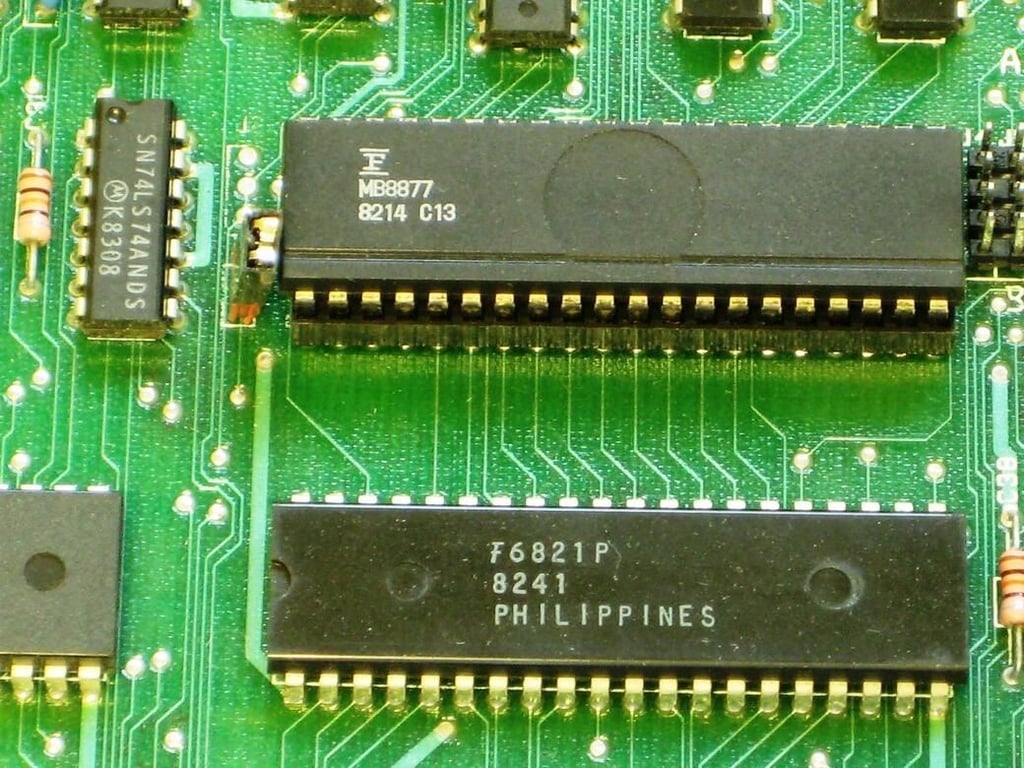
The large chip above the unknown one from the Philippines is from Fujitsu. According to the chip’s data sheet it is a Floppy Disk Formatter / Controller. That makes sense because of the floppy disk connection right next to the chip.
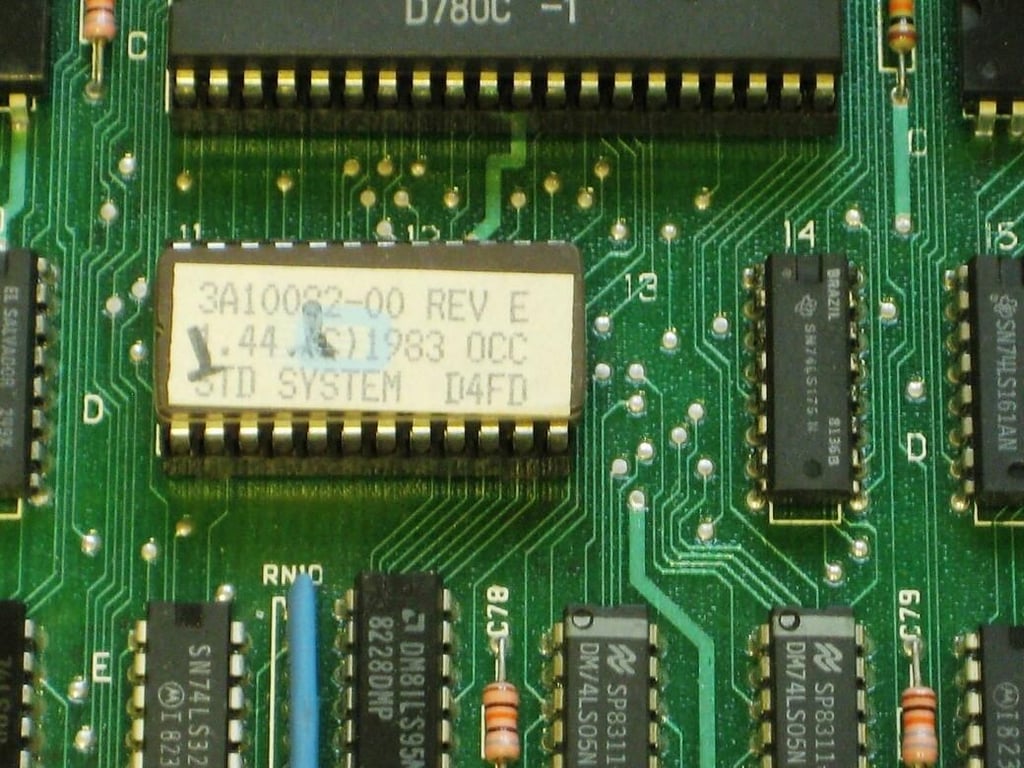
Which ROM is this?
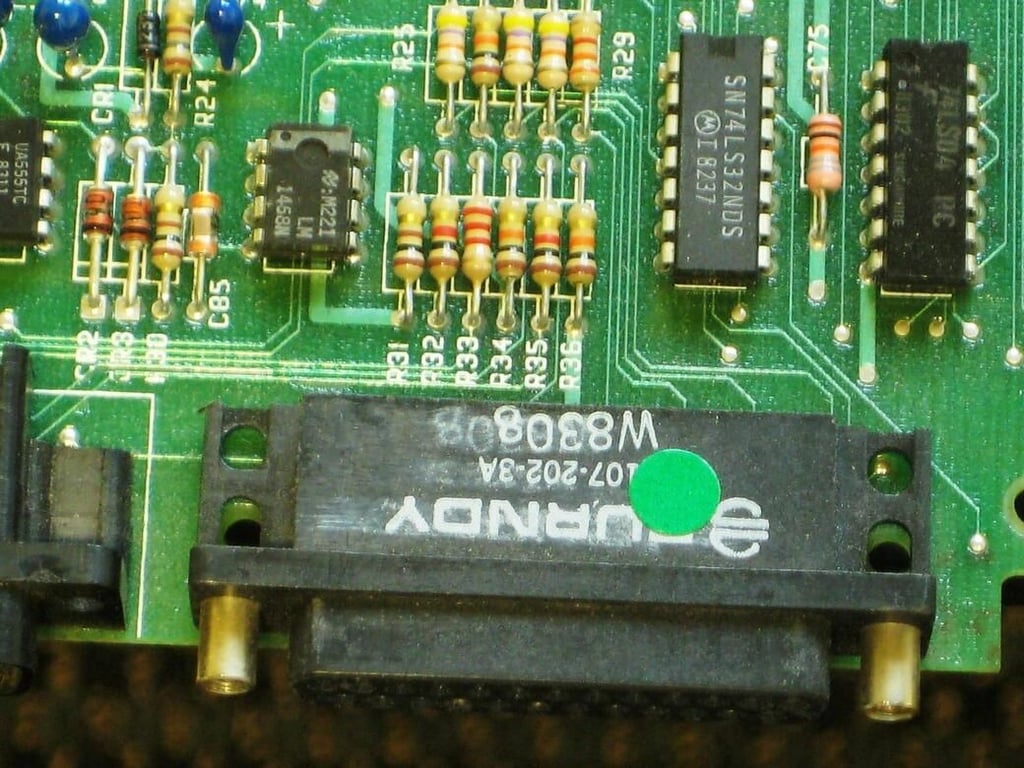
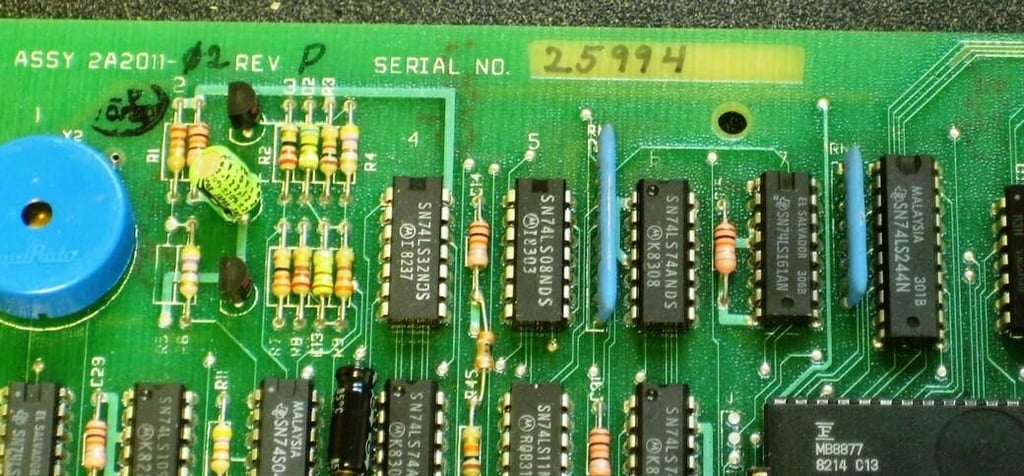
Here are some more details about the origin of our Osborne 1.
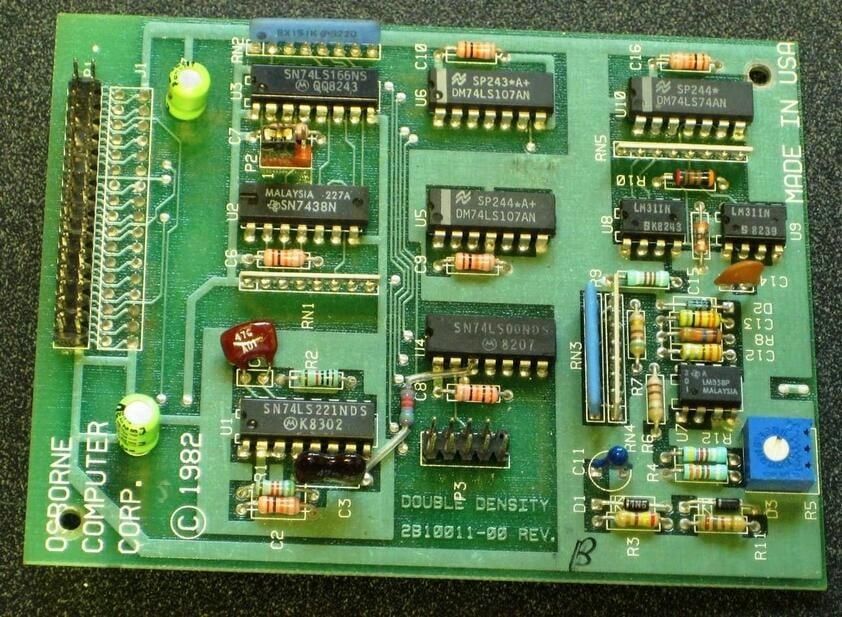
A close up look at the double-density controller board.
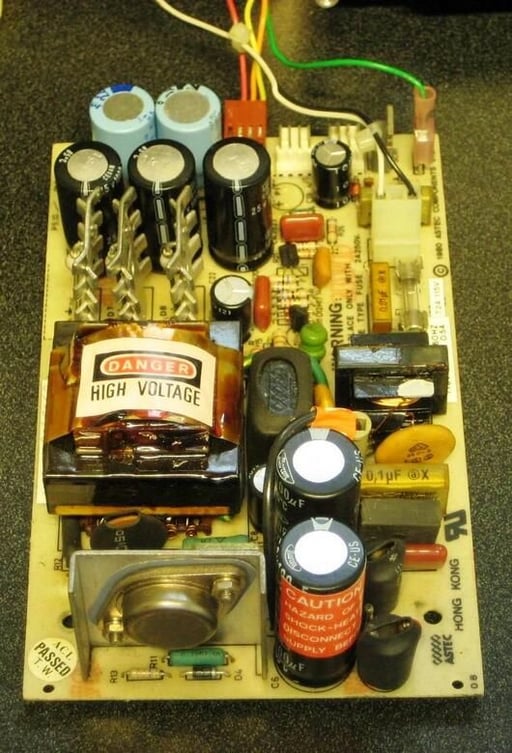
There certainly are a lot of capacitors.
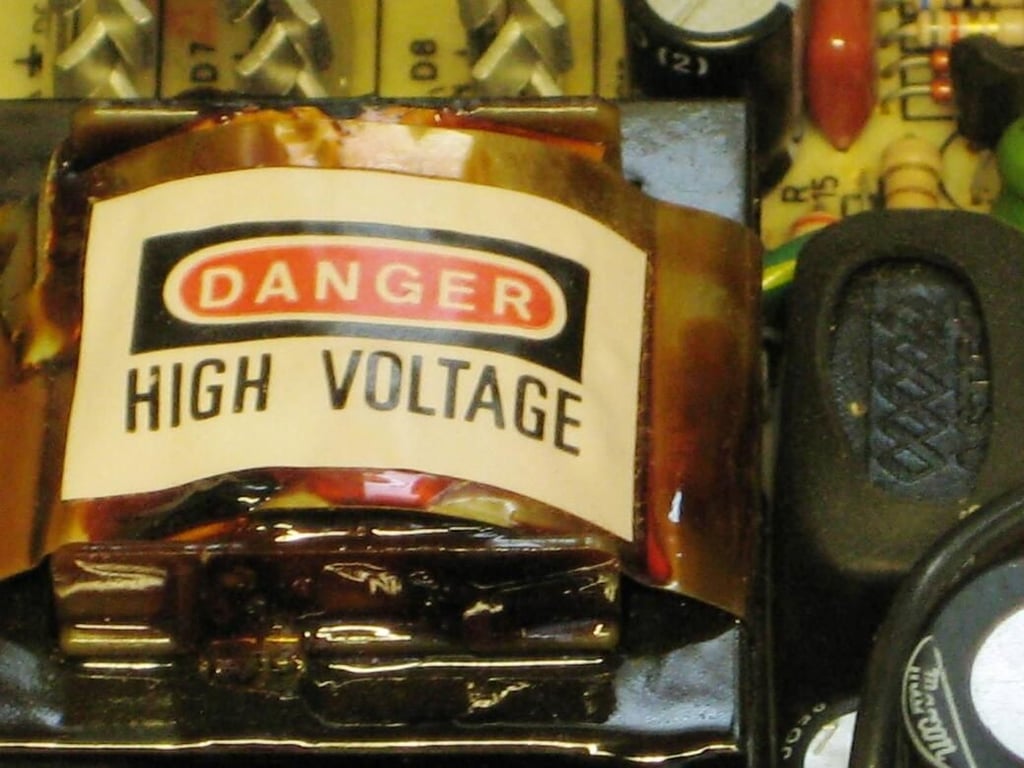
I guess it is dangerous – I was careful.
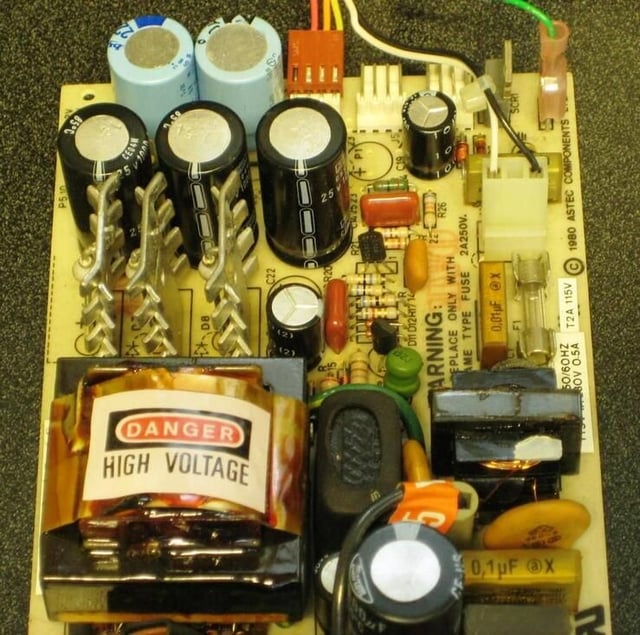
Over 25 years old and no leaks — take that Dell.
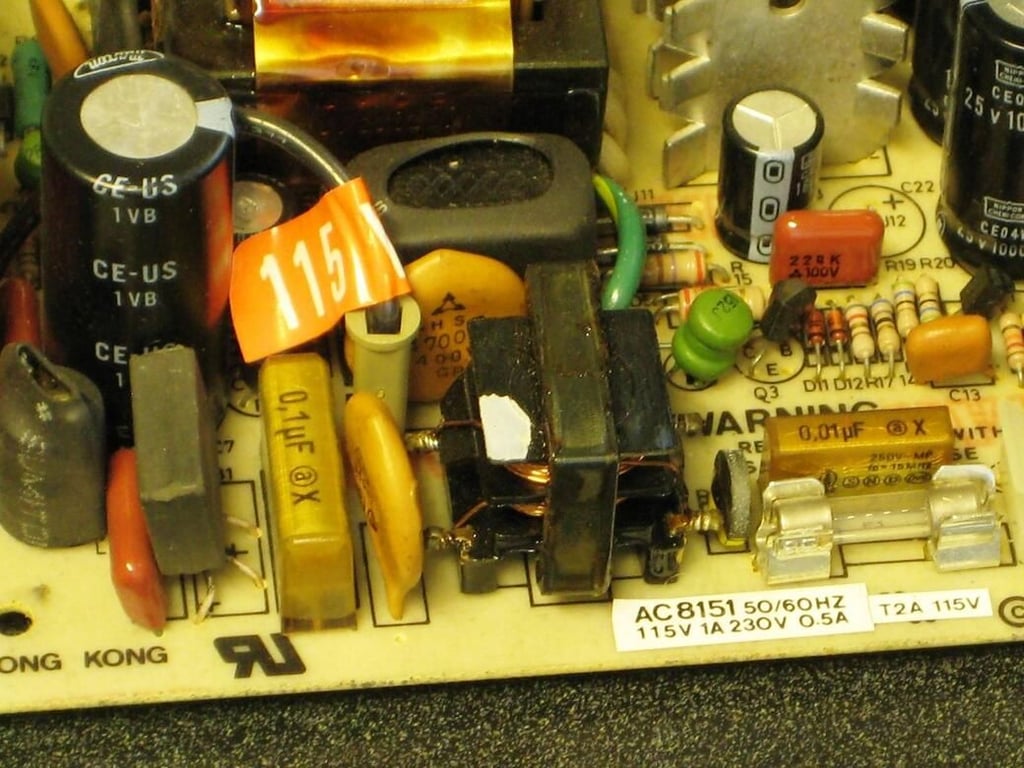
The Osborne 1 uses an old fashioned fuse. I wonder if this had to be replaced before?
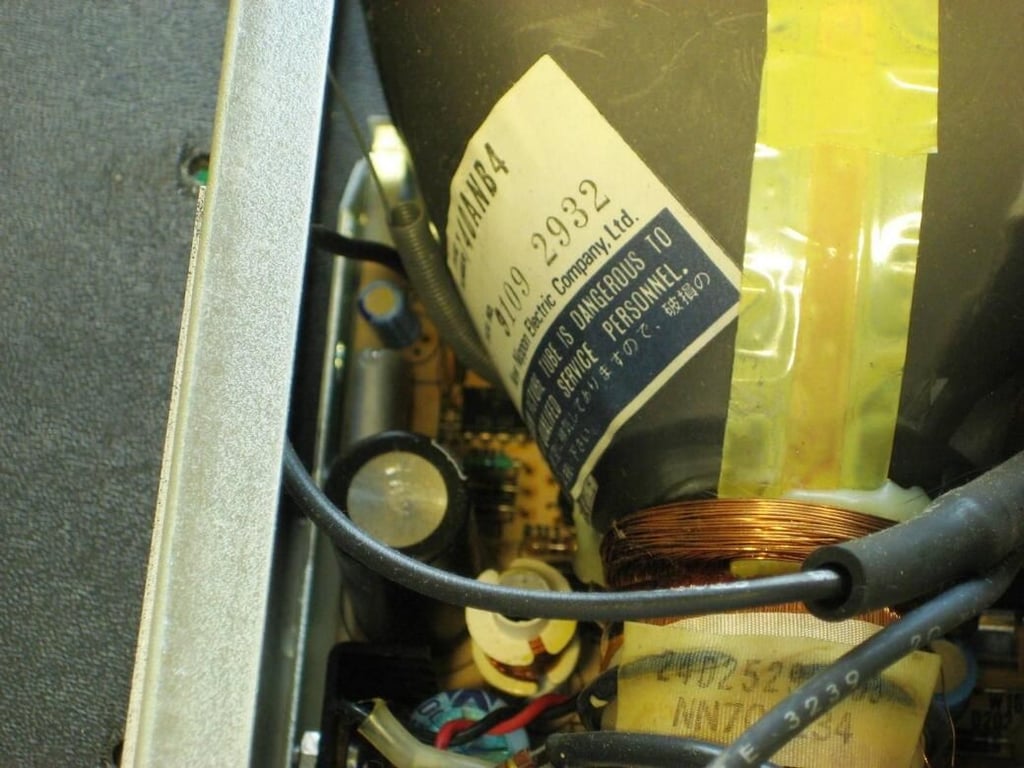
The CRT, at least in part, seems to be from our friends at the Nippon Electric Company in Japan.
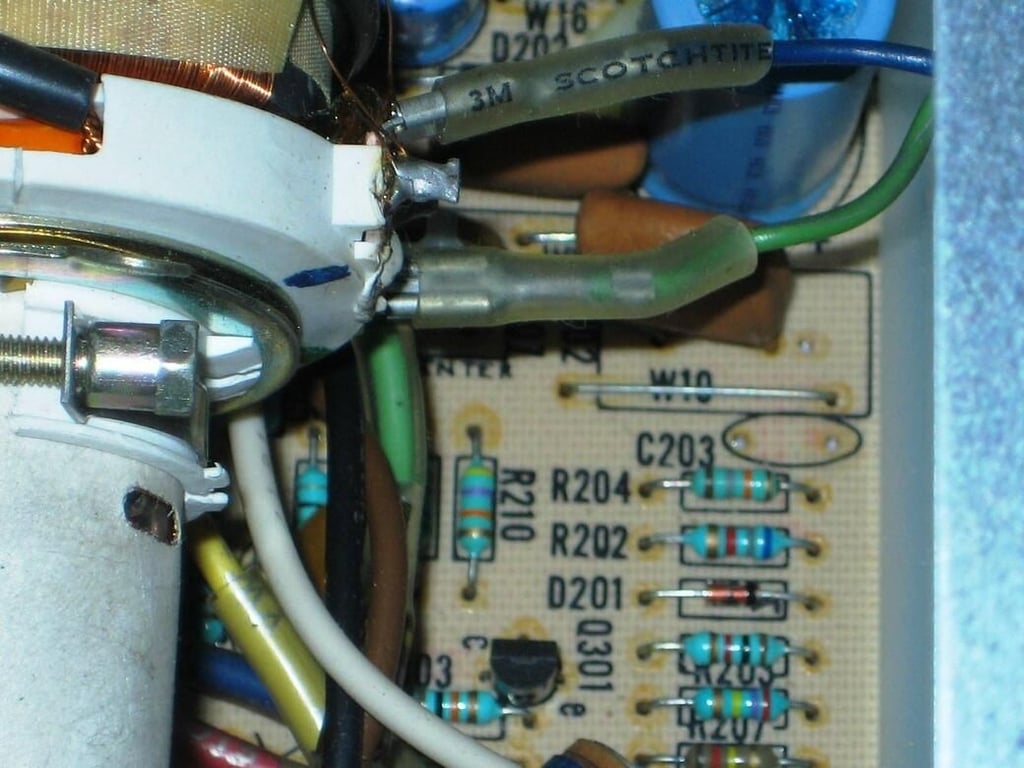
Get the parts where you get the parts.
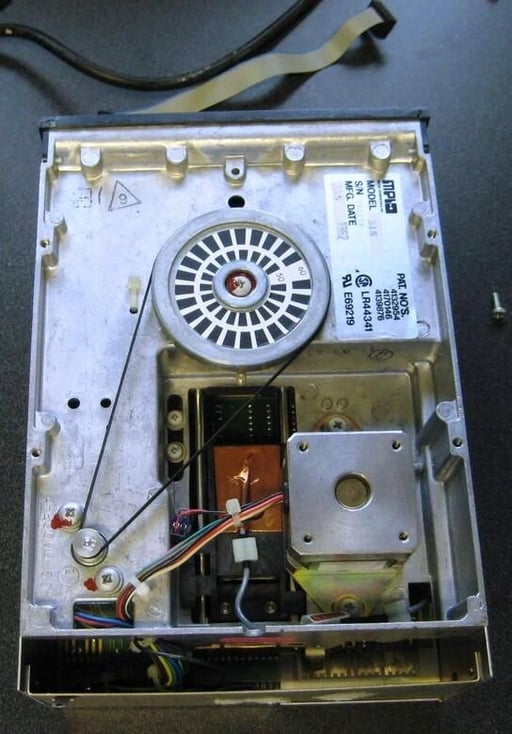
The floppy drives are called full-sized but this is ridiculous. This drive is almost the size of a modern notebook computer.
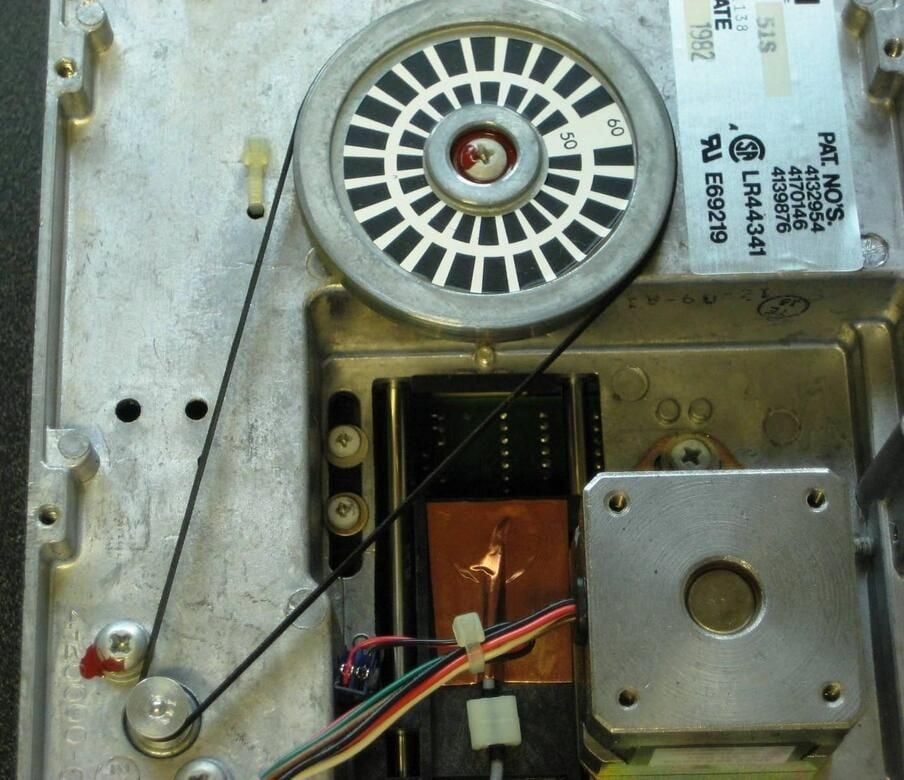
The drive mechanism is belt driven — seems to be asking for failure.
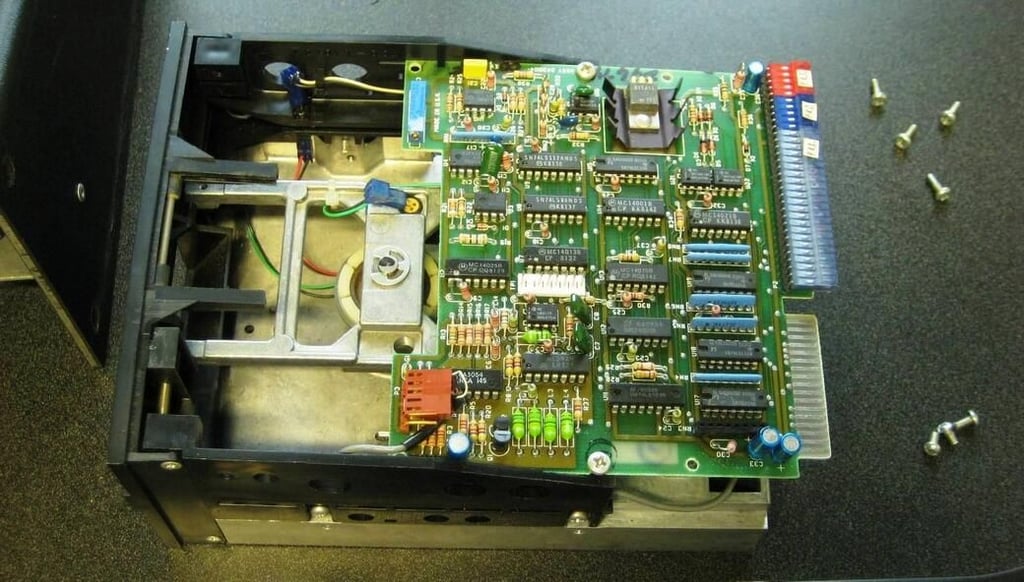
It took quite a bit of computing power to read and write files to a floppy disk in 1981, if the number of chips involved can be used as a measure.
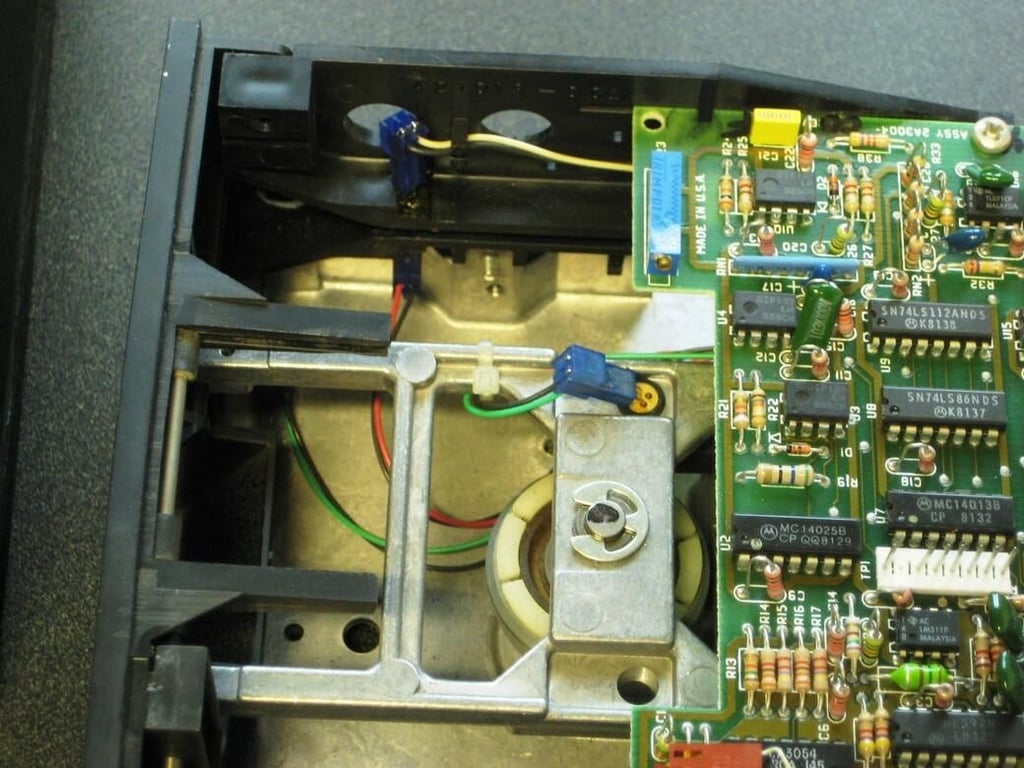
No wonder later iterations of the floppy drive were cut in half — most of this drive is wasted empty space.
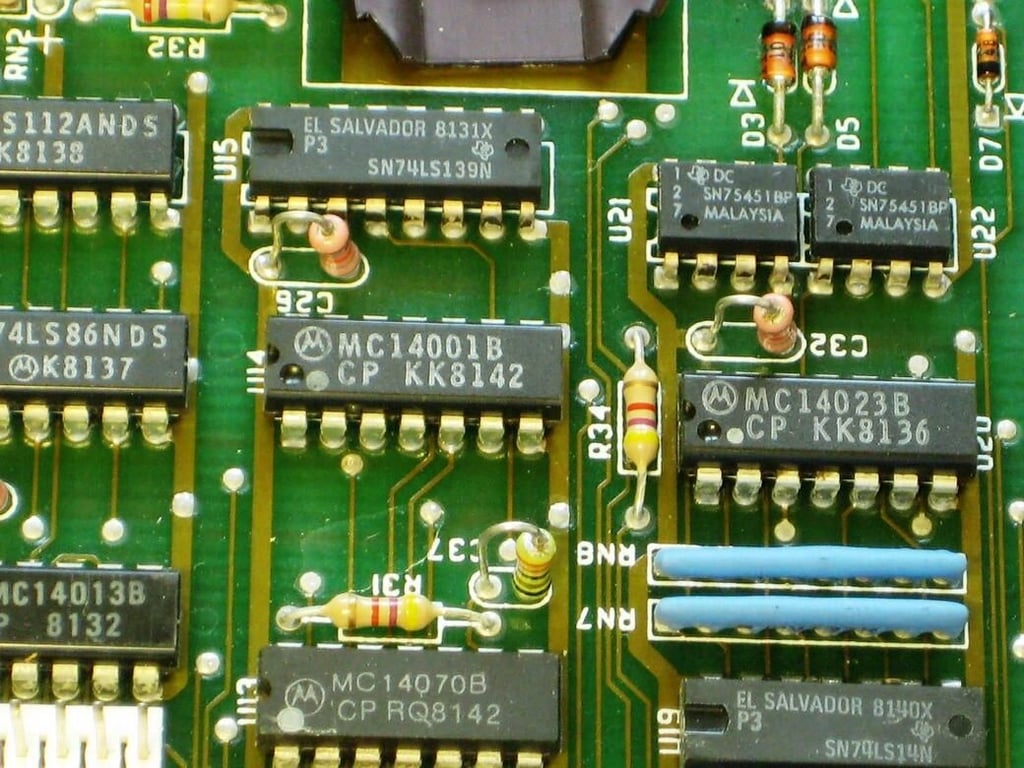
More international evidence — Malaysia is represented.
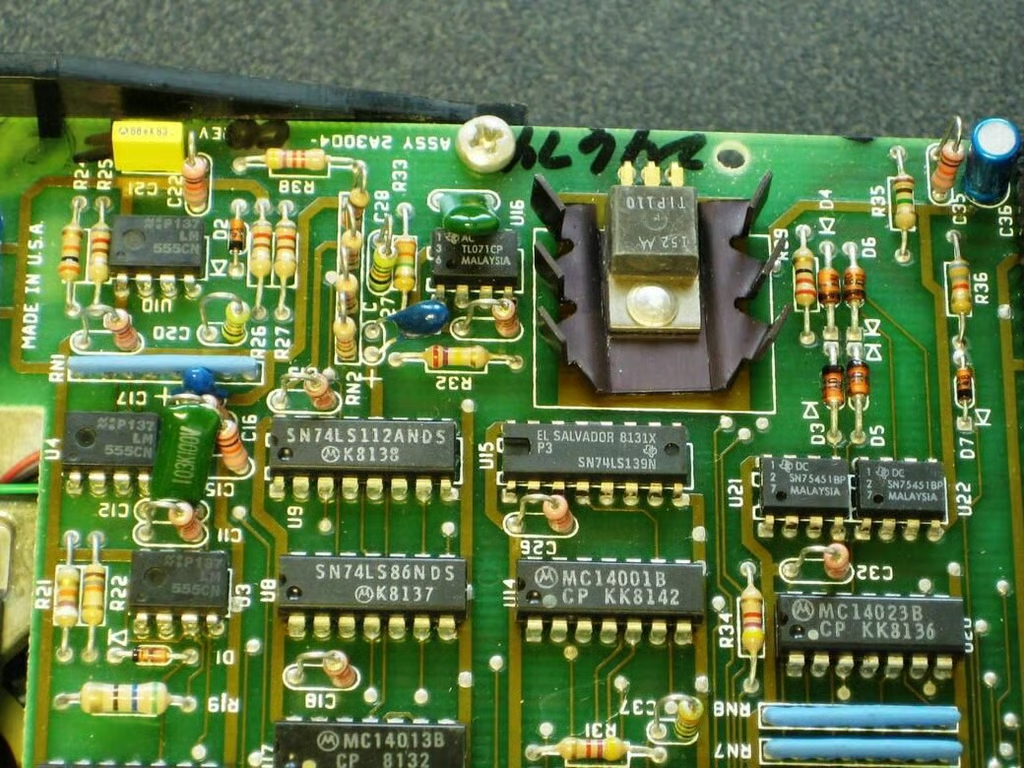
Okay, I need some help here. Is that part with the “wings” a heat sink?
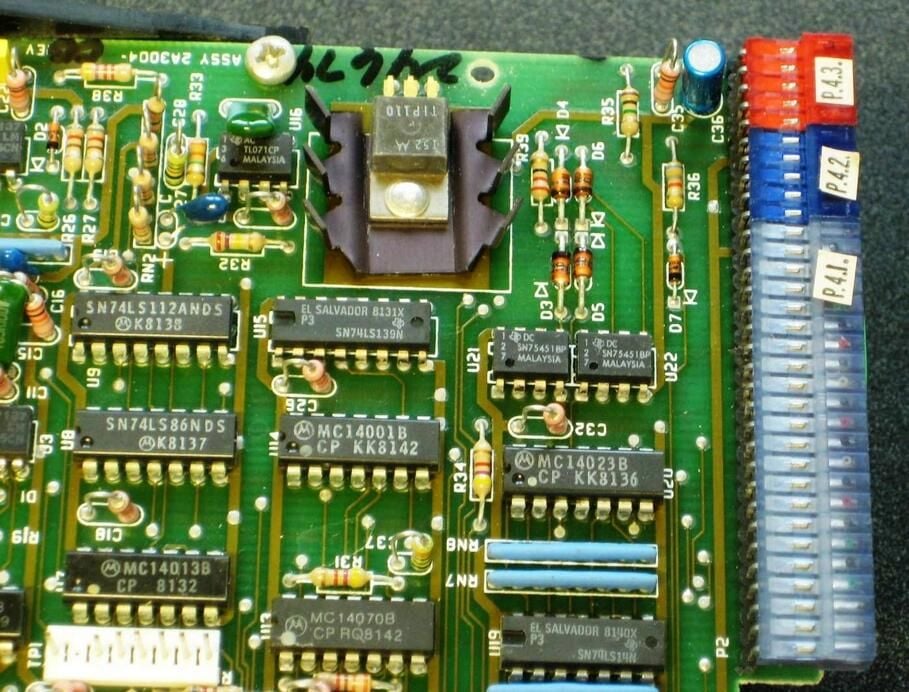
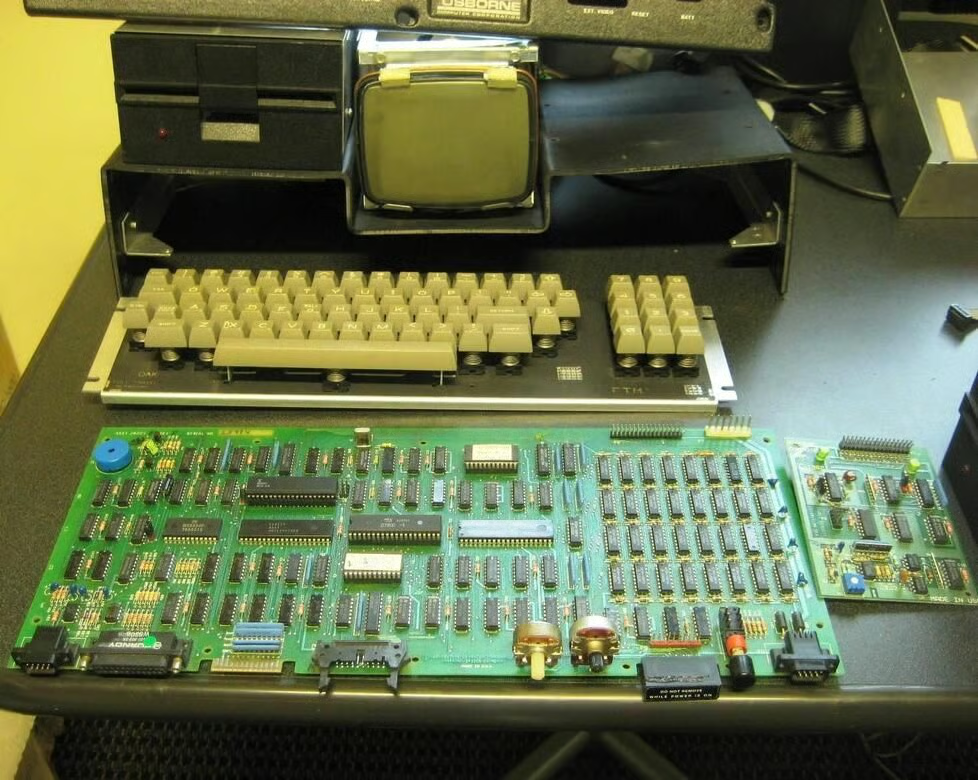
There were a surprisingly large number of parts in the Osborne 1. I will be interesting to see if the TRS-80 Model 4P has as many.

Mark W. Kaelin has been writing and editing stories about the information technology industry, software, hardware, gaming, finance, accounting, and technology geekdom for more than 30 years.


