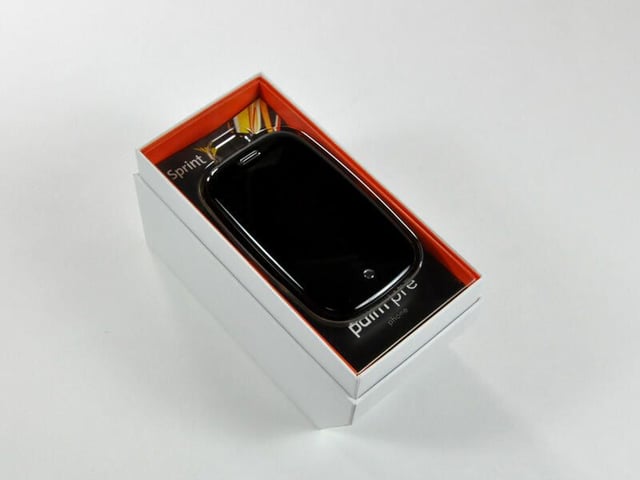
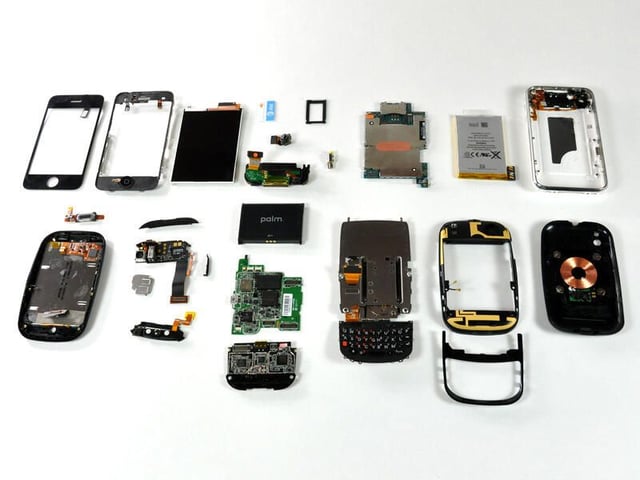
The Palm Pre is the latest smartphone to create buzz in the marketplace. In partnership with iFixit and Phonewreck, TechRepublic presents this Cracking Open Photo Gallery. Let’s see if the Palm Pre can really stand up to the iPhone.
Photo by iFixit, used by permission
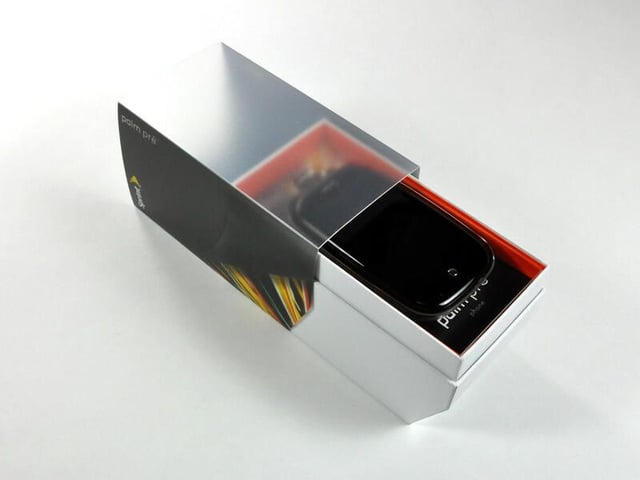
Just like the Apple iPhone, the Palm Pre sports some fancy packaging.
Photo by iFixit, used by permission
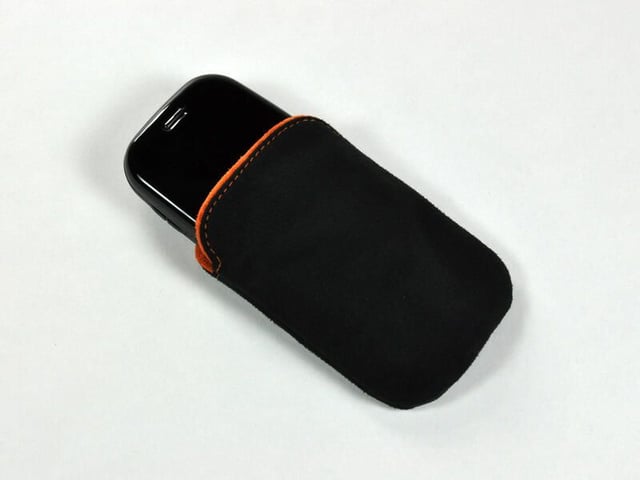
The Pre comes with a stylish and rugged case, a slide-out QWERTY keyboard, earbuds and USB cable.
Photo and description by iFixit, used by permission
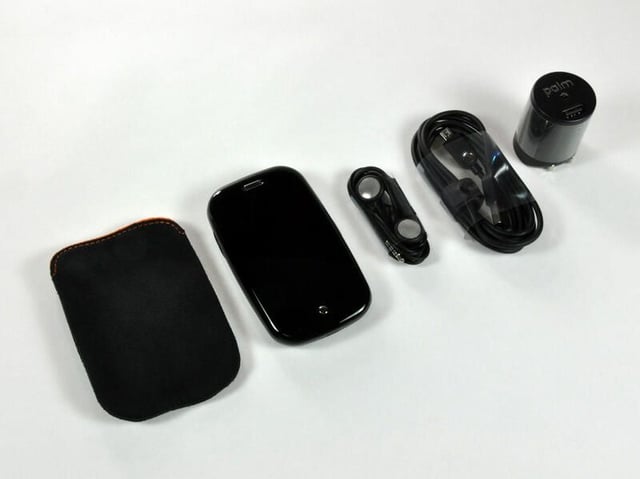
Photo by iFixit, used by permission
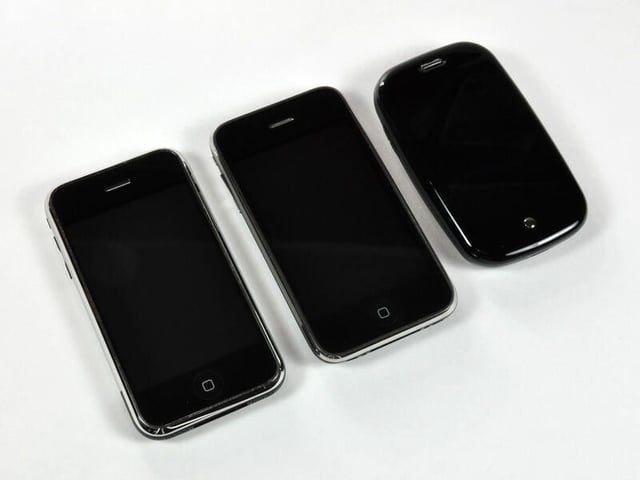
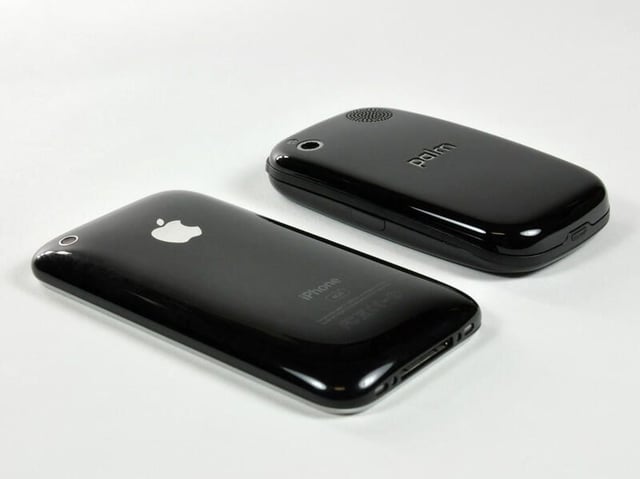
Notice the extra thickness of the Pre compared to the iPhone (17mm vs 12mm). Not only does this allow the engineers more flexibility in designing the physical layout of components, but it also makes the Pre conform really well to our palm.
Photo and description by iFixit, used by permission
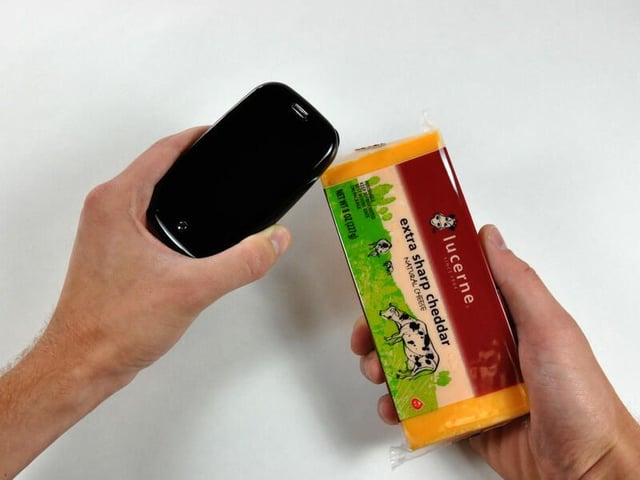
Cheese does not cut Pre. Evidently it only works the other way around.
Photo and description by iFixit, used by permission
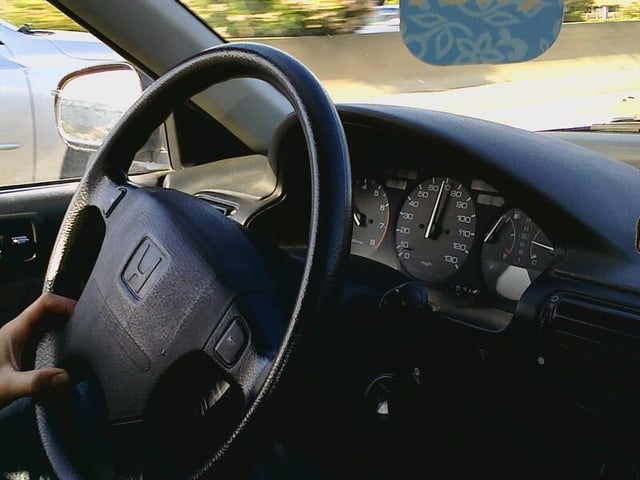
The 3 megapixel camera does take great pictures though (we took the last photo here using our Pre in the car).
Photo and description by iFixit, used by permission
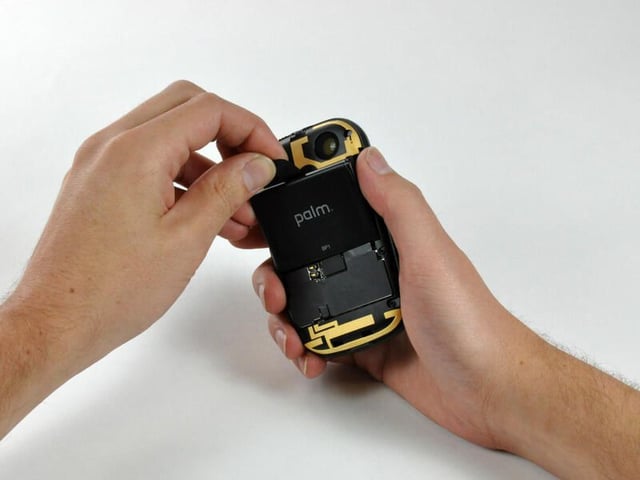
The Pre’s battery capacity is 1150 mAh, exactly the same as the iPhone 3G, though the Pre is reported to have slightly worse battery life due to its background process capability (but we don’t mind).
Photo and description by iFixit, used by permission
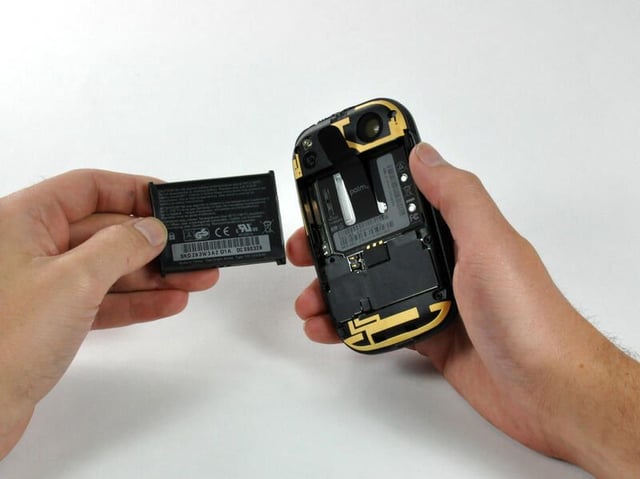
Though Sprint will eventually sell replacement and/or backup batteries, our store did not have them available today.
Photo and description by iFixit, used by permission
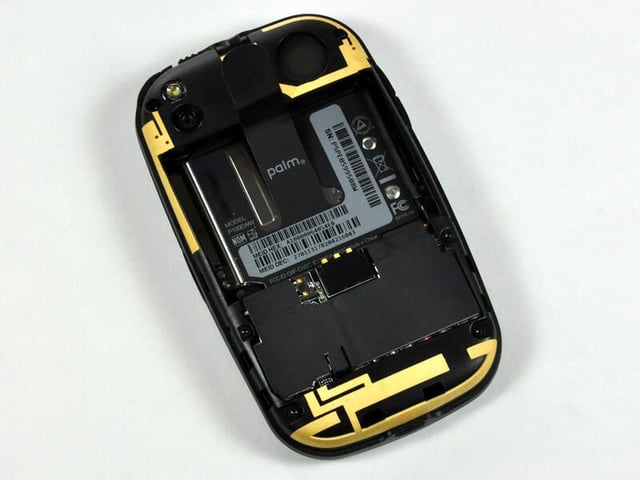
\n
\n
Photo and description by iFixit, used by permission
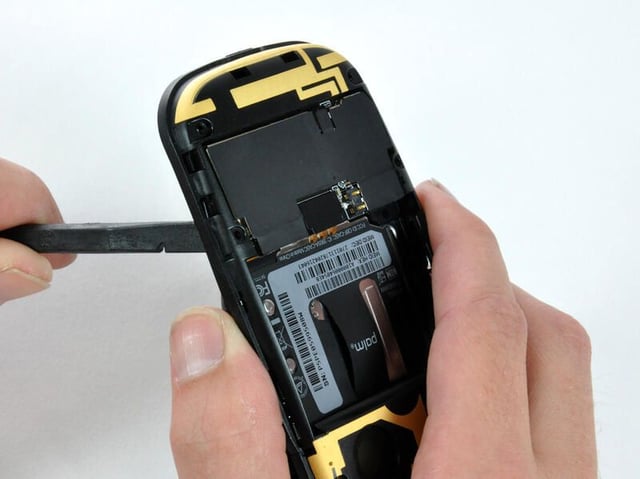
There are interlocking tabs securing the backplate.
Photo and description by iFixit, used by permission
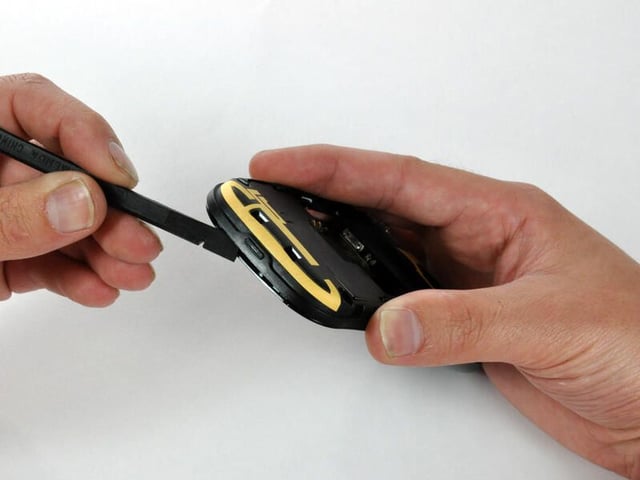
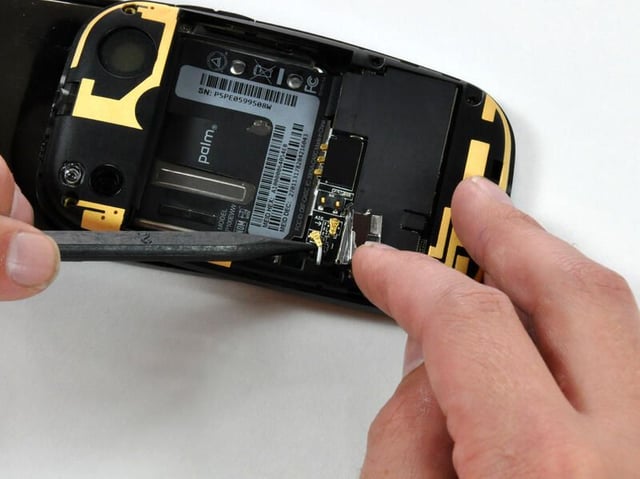
Carefully work around the phone releasing the tabs as you go.
Photo and description by iFixit, used by permission
\n
\n
Photo and description by iFixit, used by permission
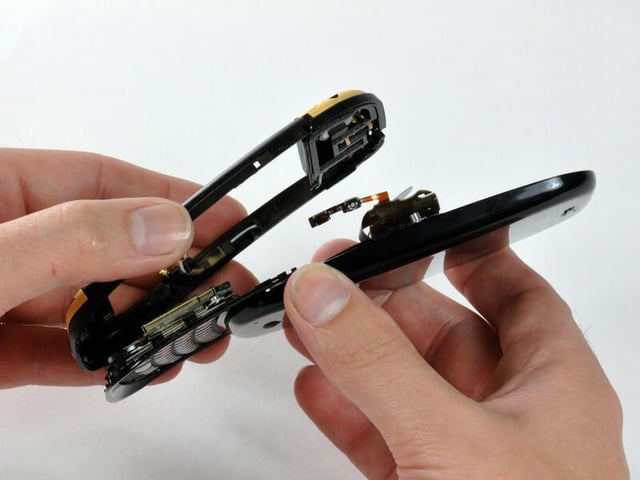
Photo by iFixit, used by permission
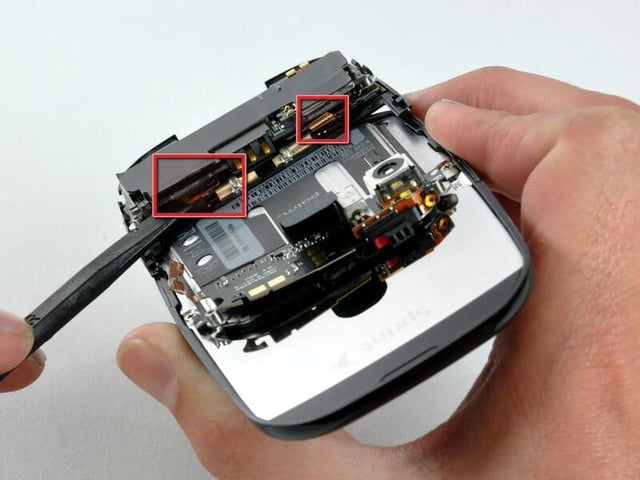
Two connectors need to be disconnected in order to remove the black PCB.
Photo and description by iFixit, used by permission
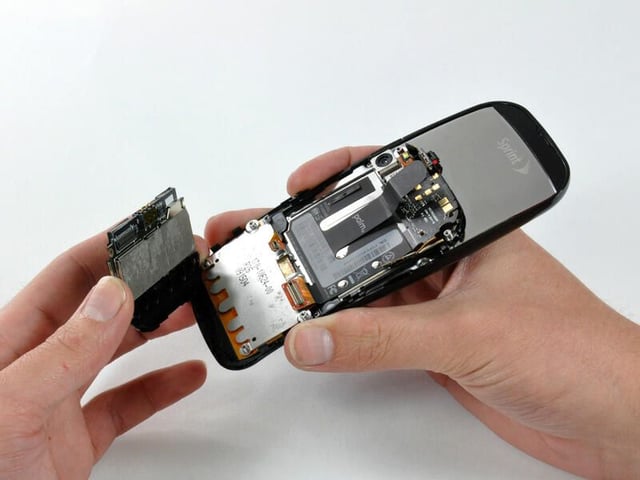
The PCB is glued to the rest of the Pre. A gentle pry with the spudger separates the two.
Photo and description by iFixit, used by permission
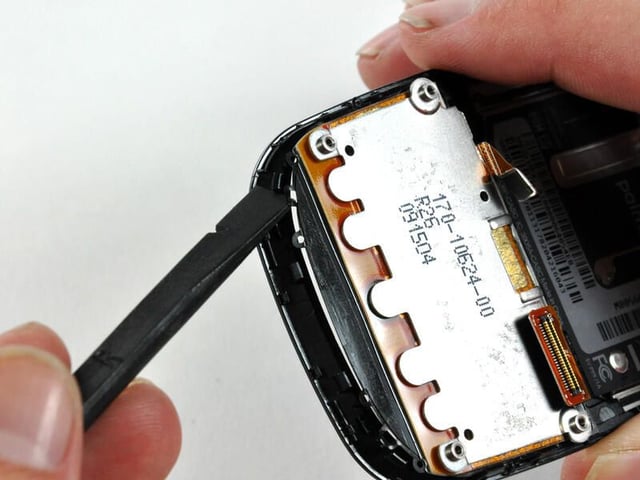
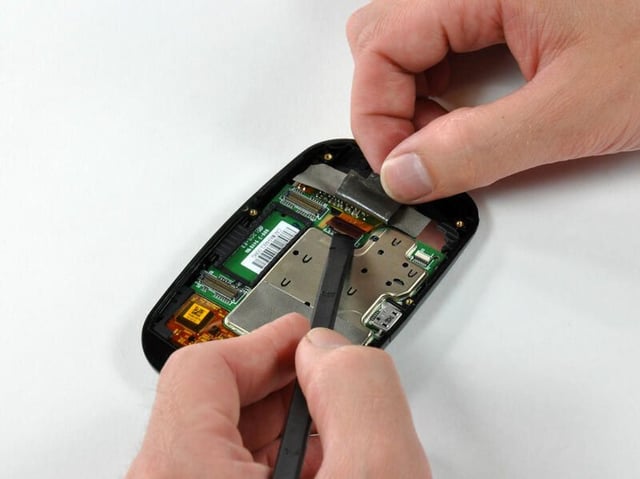
Like the original iPhone, the Pre has two main boards, the logic board and the communications board.
Photo and description by iFixit, used by permission
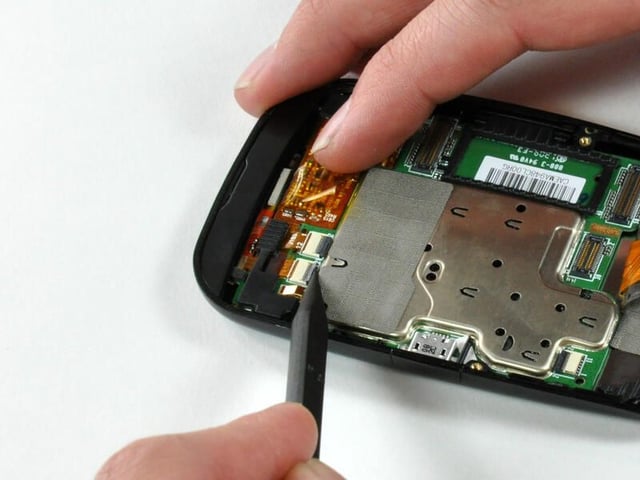
Unfortunately, everything interesting is carefully hidden beneath metal EMI shields. Not only are the shields soldered to the board, there’s epoxy holding them down as well. Palm definitely didn’t make it easy to see what makes the Pre tick.
Photo and description by iFixit, used by permission
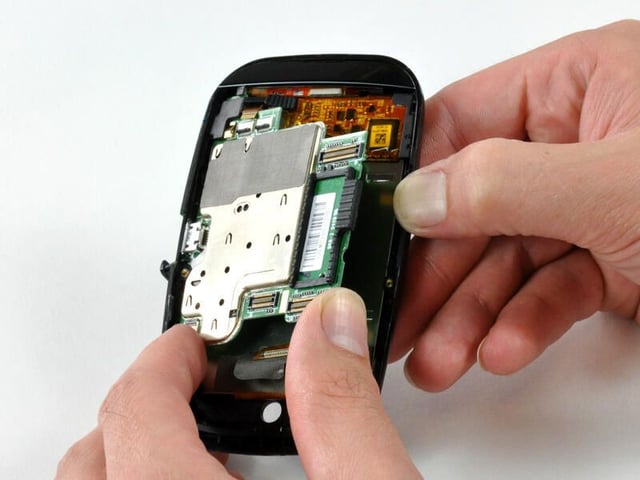
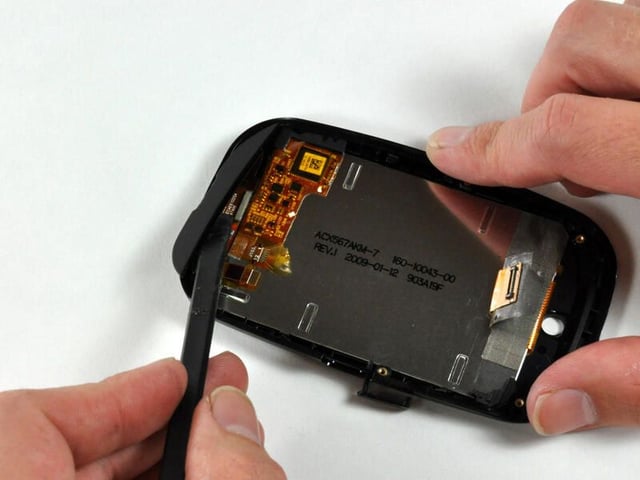
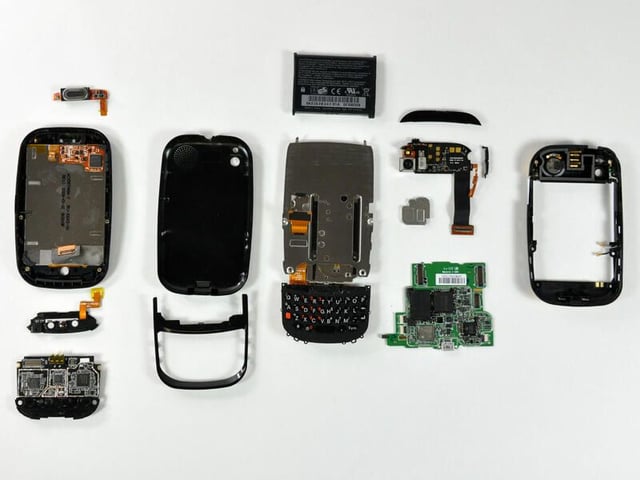
The Pre is definitely not an easy phone to service. There are lots of fragile and tricky tabs that will make putting the phone back together challenging.
Photo and description by iFixit, used by permission
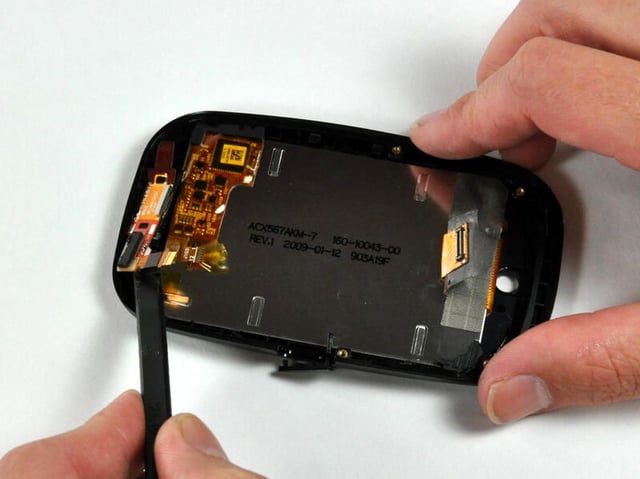
We wish manufacturers would put more effort into making their devices easily repairable.
Photo and description by iFixit, used by permission
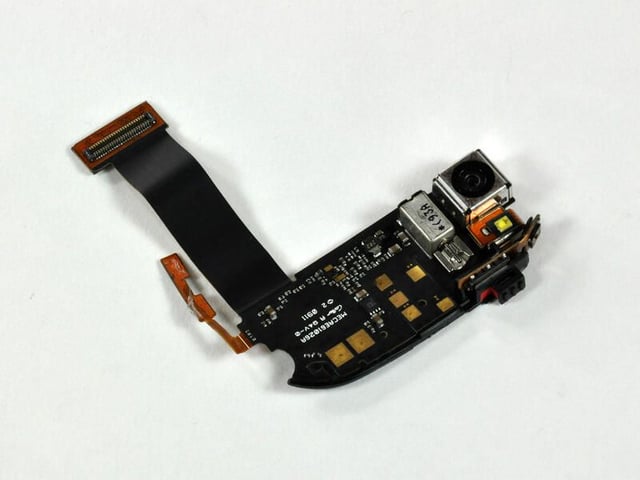
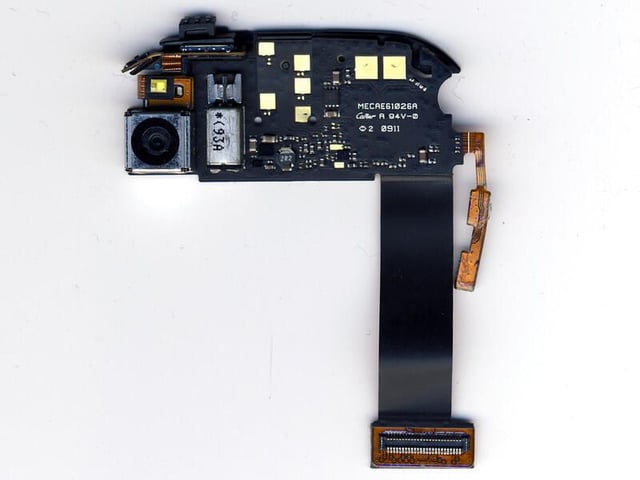
This is an incredibly thin, flexible PCB.
Photo and description by iFixit, used by permission
\n
\n
\n
Photo and description by iFixit, used by permission
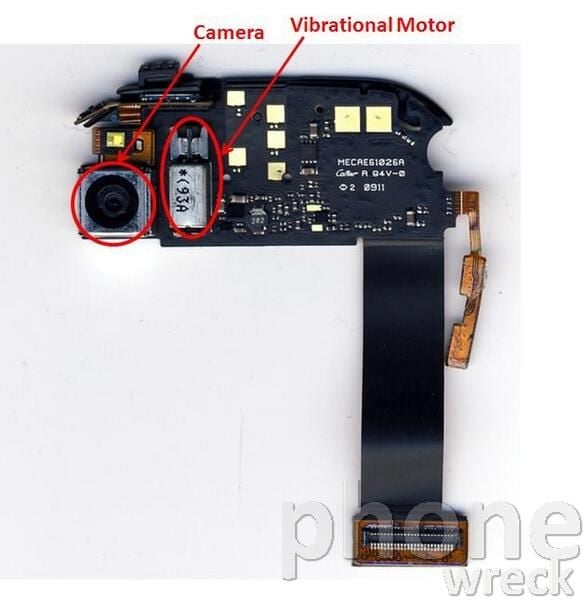
Photo by Phonewreck, used by permission
\n\n
\n
\n
\n
\n
\n
Photo and description by iFixit, used by permission
\n
\n
\n
Photo and description by iFixit, used by permission
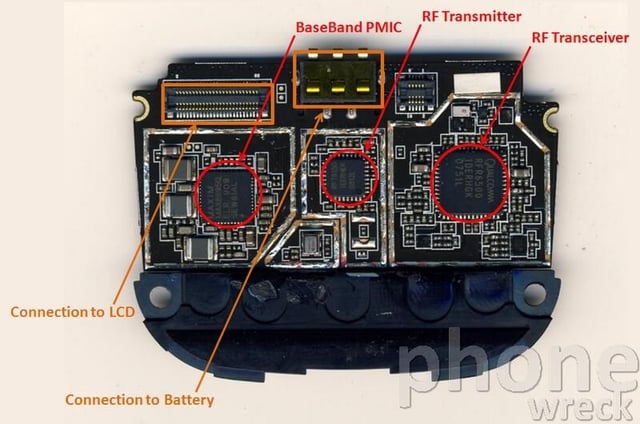
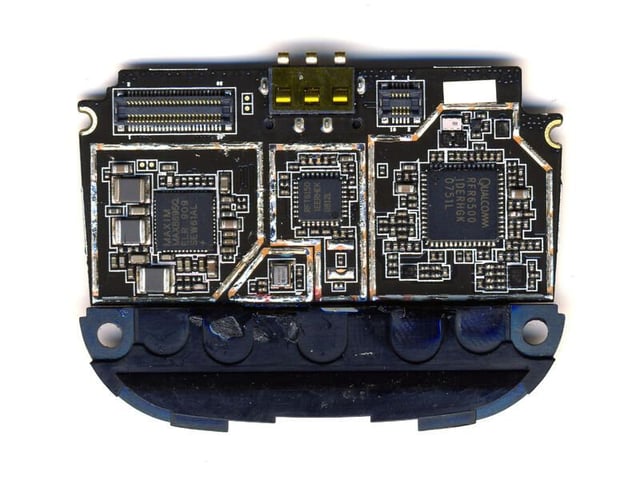
On the bottom of the communications board we can spot the BaseBand PMIC (Maxim MAX8695Q), RF Transmitter (RFT6150) and the RF Tranceiver (RFR6500) both by Qualcomm.
Photo and description by Phonewreck, used by permission
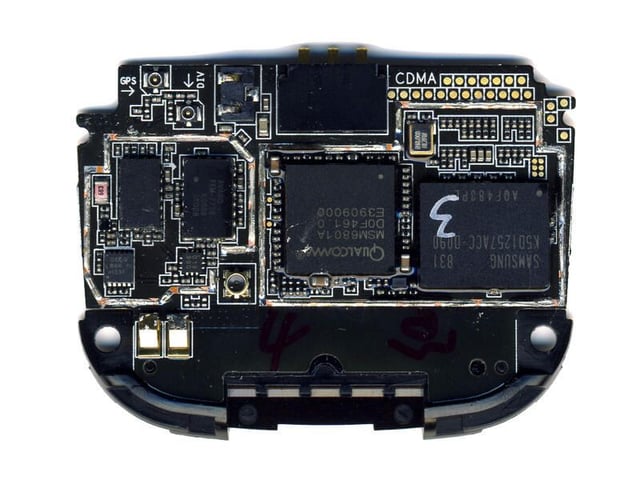
Photo by iFixit, used by permission
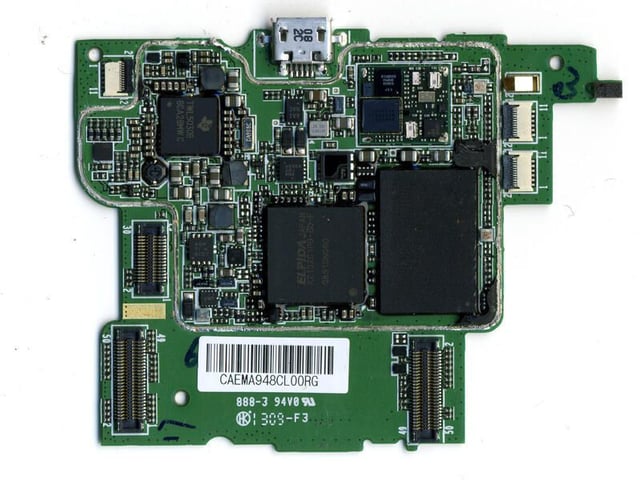
There are some pretty interesting things that popped up on the Pre’s PCB’s. This is the first production device we’ve seen on the OMAP3 (Open Media Applications Processor) platform. OMAP3 is powered by the 600MHZ ARM Cortex A8, PowerVR SGX 530 (GPU), 430MHz C64x, DSP and ISP (Image Signal Processor) and was clearly designed to pack a punch – Dr. Wreck thinks we’re going to see this processor popping up in future netbook endeavors.\n
\nOn the connections side we see the usual wifi/bluetooth combo going to Marvell and CSR with the W8686 and 63823 respectively. We also see the BaseBand win going to Qualcomm with the heavily integrated MSM6801A platform. The OMAP3 PMIC comes loaded with a USB tranceiver and Audio codec which even further reduces the overall board density of this device. We’re not fully sure – but it looks as if the Pre’s cool new multi-touch Touch Screen Controller win went to Cypress Semiconductor with the CP6944BA device.\n
\nThe device packs a 1150mAh battery – just like the iPhone 3G.\n
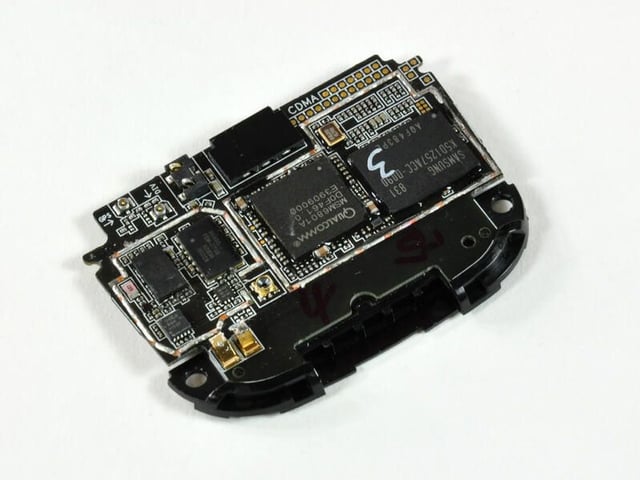
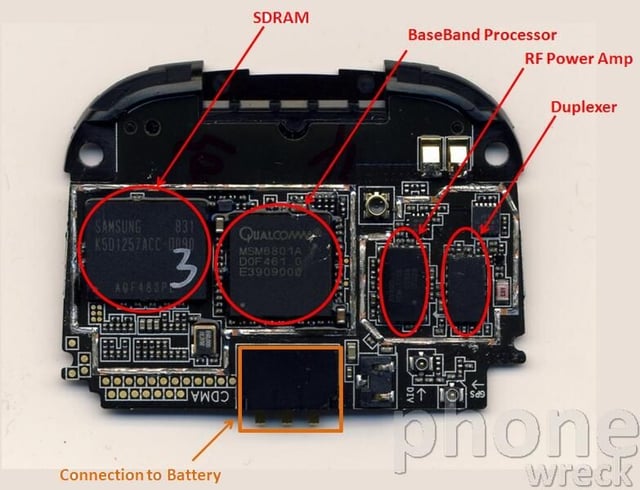
\nOn the top of the communications board we can spot the BaseBand Processor (Qualcomm MSM6801A), SDRAM, RF power amp and Duplexer by TriQuint.
Photo and description by Phonewreck, used by permission
\n
\n\n
\n
\n
\n
\n
\n
\n
Photo and description by iFixit, used by permission
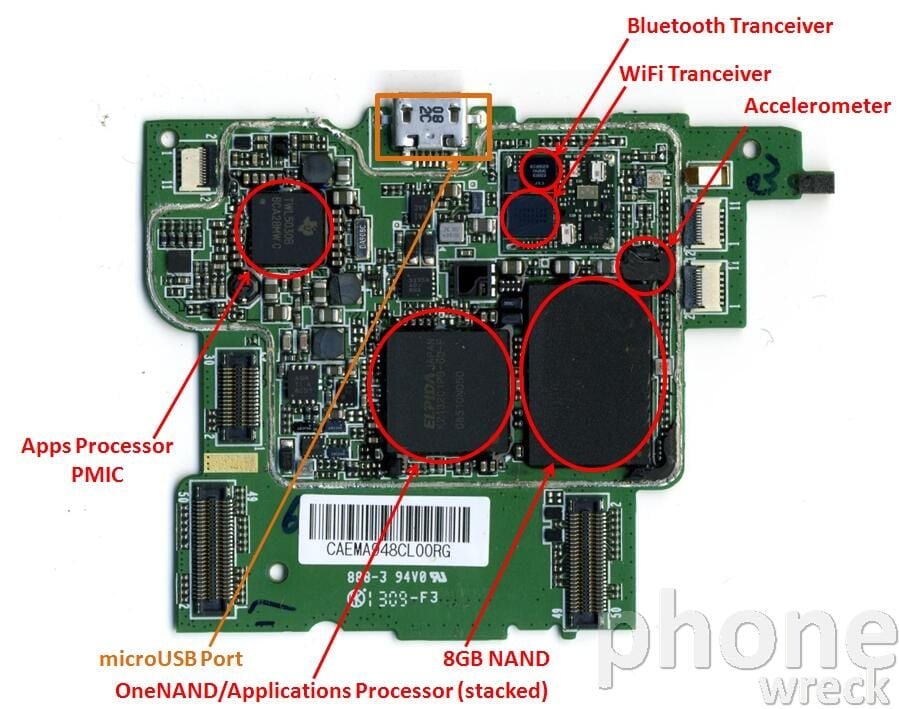
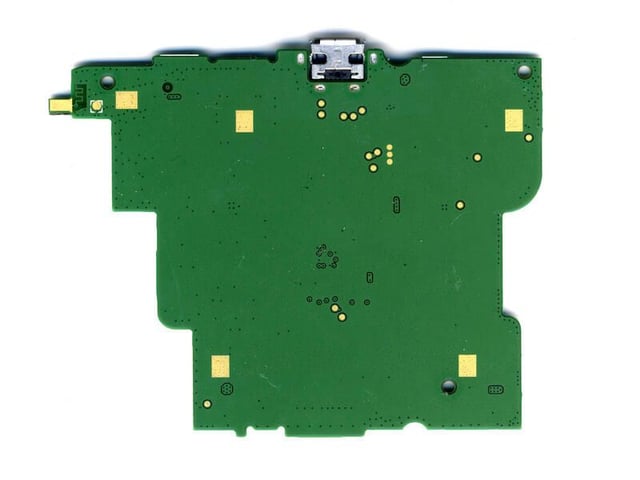
On the main logic board, we see the OMAP3 PMIC – the Texas Instruments TWL5030. As mentioned before, this PMIC is packed with a USB Traceiver as well as Audio Codec. We also see the Bluetooth and Wifi Tranceivers with the earlier discussed wins from both Marvell and CSR. This device contains a microUSB port and 8GB of internal memory from Samsung.\n
\nElpida offers up some mobile DDR memory and is stacked on top of the venerable OMAP3 processor. We’ll have to wait and see how this thing benchmarks.
Photo and description by Phonewreck, used by permission
\n
Photo and description by iFixit, used by permission
\n
\n
\n
\n
\n
Photo and description by iFixit, used by permission
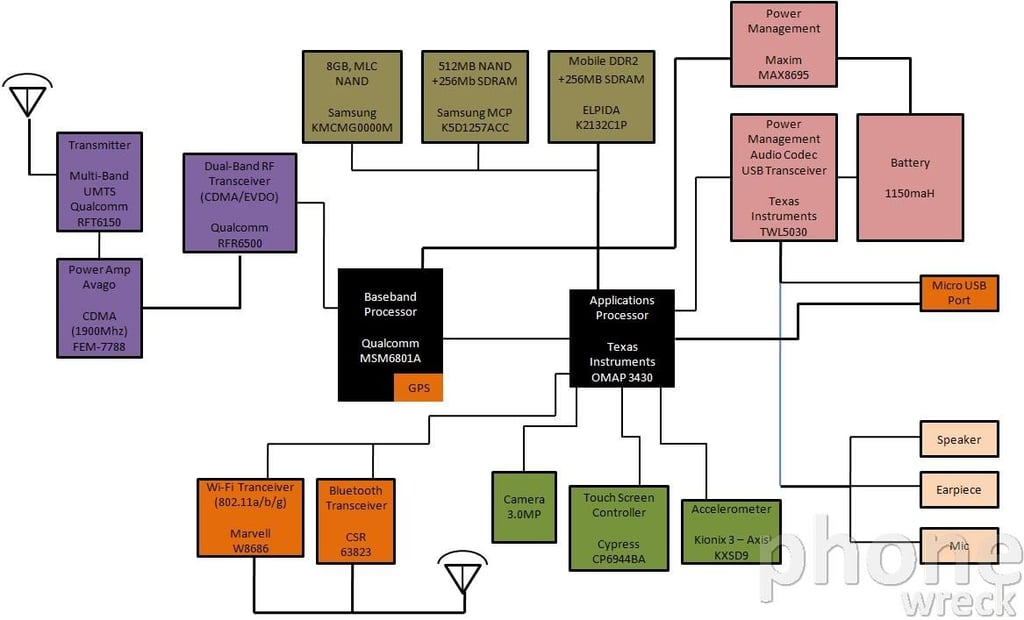
Photo by Phonewreck, used by permission

Mark W. Kaelin has been writing and editing stories about the information technology industry, software, hardware, gaming, finance, accounting, and technology geekdom for more than 30 years.


