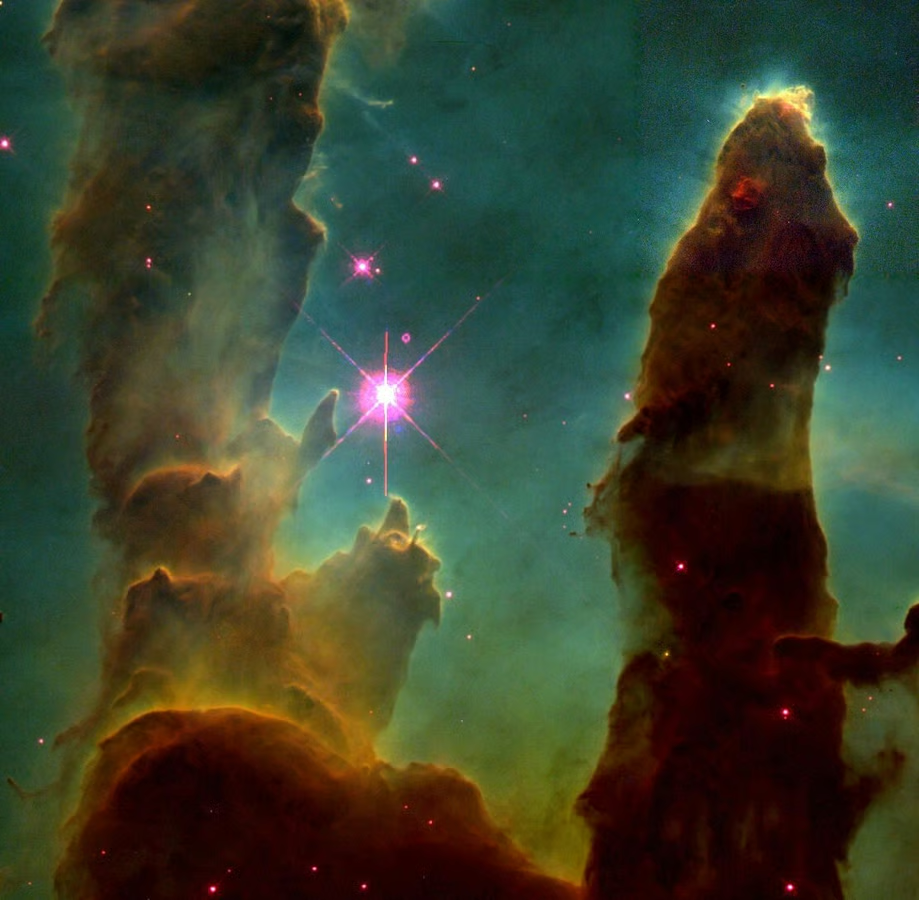
\n\tThe mysterious nebula is arguably the most awe-inspiring cosmological phenomena known. The images published by our friends at NASA reveal the vastness of the universe and make for some mesmerizing desktop wallpaper.
\n
\n\tOne of the most striking images produced by the Hubble Telescope was this view of the Eagle Nebula showing columns of cool interstellar hydrogen gas and dust.
\n
\n\tNote: All of the images and descriptions are courtesy of NASA and many more are available on the NASA Web site. For best results, click the View full size link under each image. This gallery was originally published in November 2011.
\n
\n\tCredit: NASA
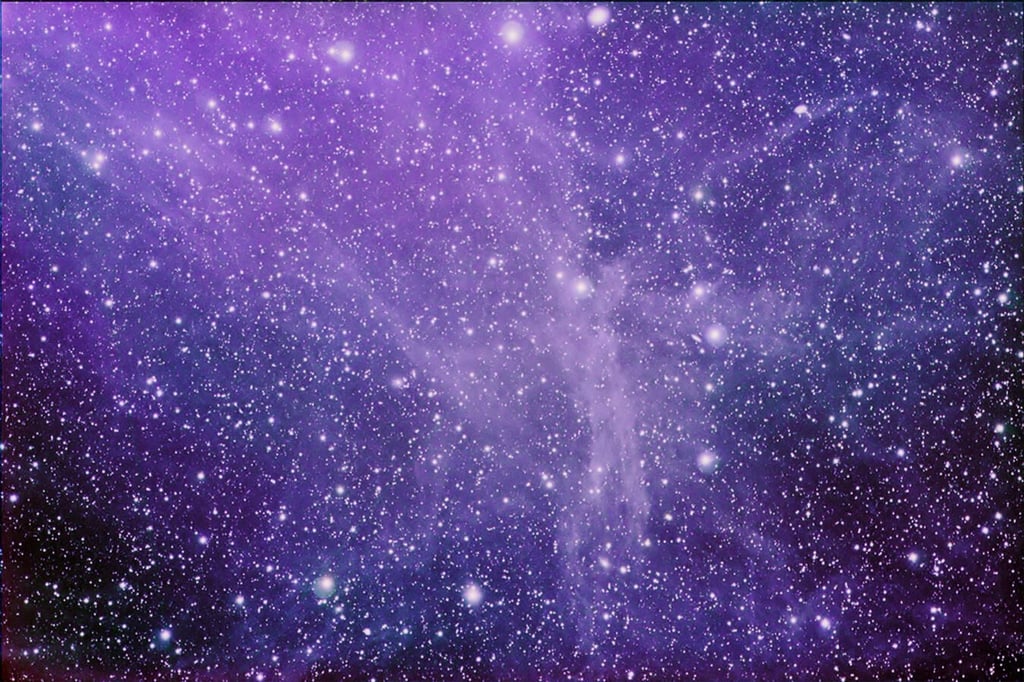
\n\tThe combined light of the stars of the Milky Way are reflected by this cosmic dust cloud that soars some 300 light-years above the plane of our Galaxy. Dubbed the Angel Nebula by astronomer Steve Mandel’s 13 year old son, the dusty apparition is part of an expansive complex of dim and relatively unexplored diffuse nebulae, traced over large regions seen toward the North and South Galactic poles.
\n
\n\tCredit & Copyright: Steve Mandel, Galaxy Images
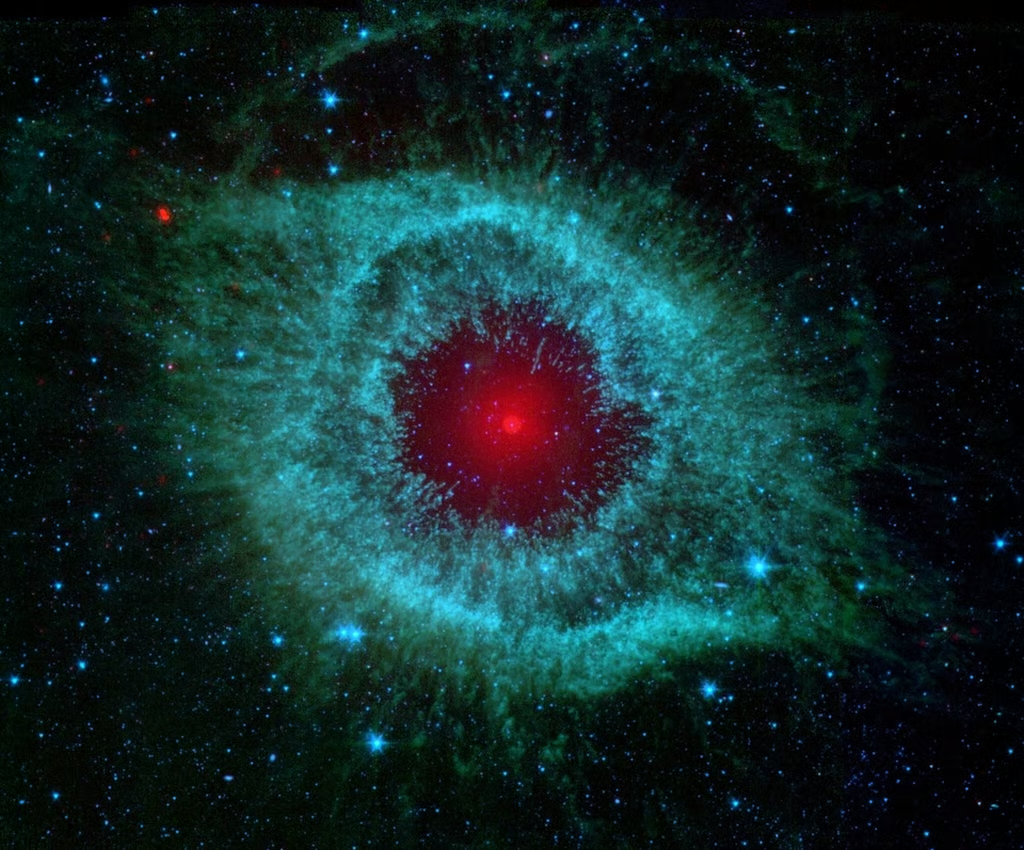
\n\tDust makes this cosmic eye look red. The eerie Spitzer Space Telescope image shows infrared radiation from the well-studied Helix Nebula (NGC 7293) a mere 700 light-years away in the constellation Aquarius.
\n
\n\tNASA, JPL-Caltech, Kate Su (Steward Obs., U. Arizona), et al.
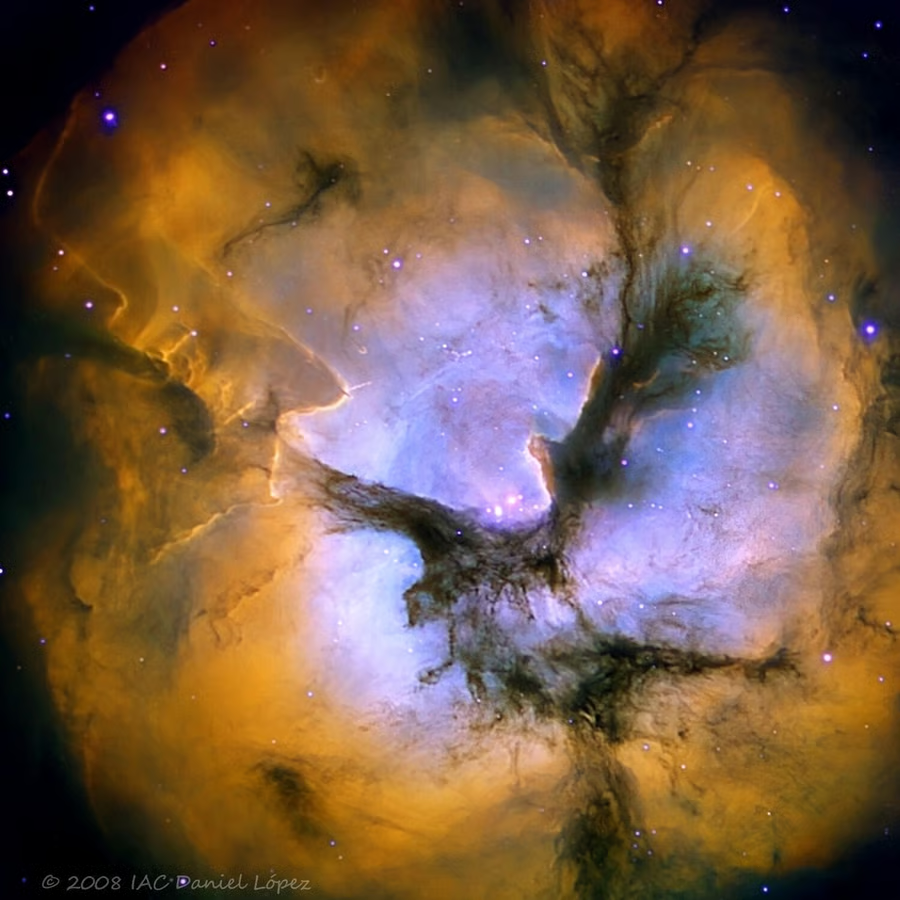
\n\tClouds of glowing gas mingle with dust lanes in the Trifid Nebula, a star forming region toward the constellation of Sagittarius.
\n
\n\tCredit & Copyright: Daniel Lopez (Observatorio del Teide)
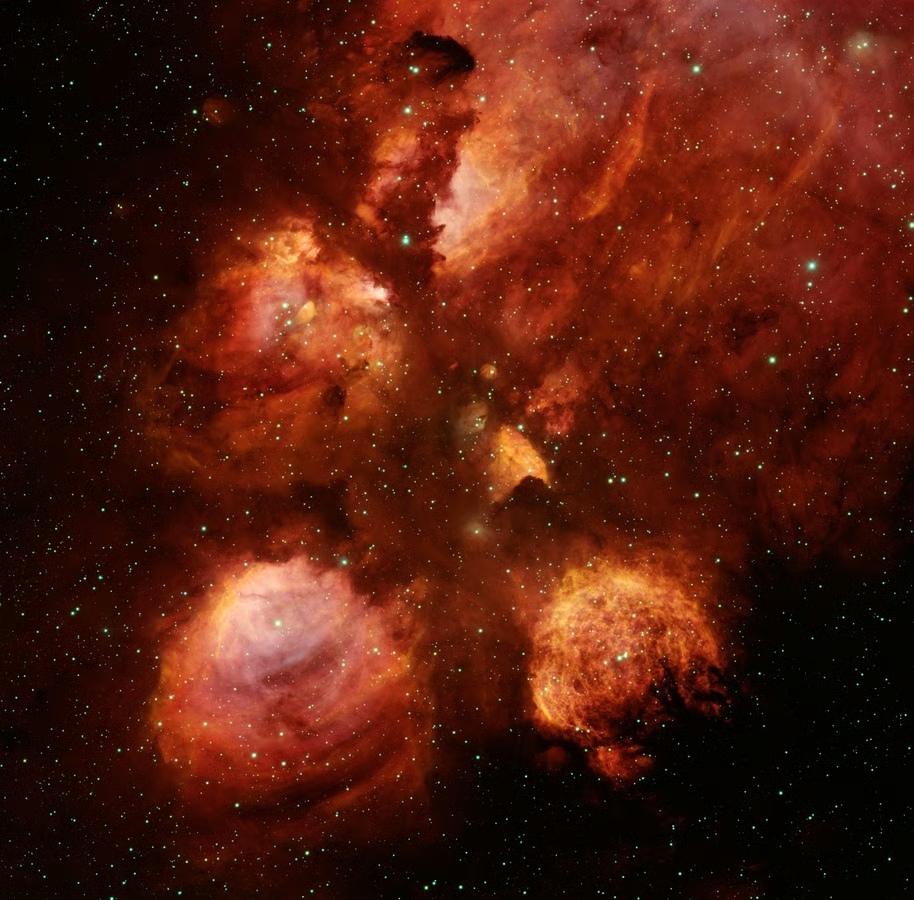
\n\tAt 5,500 light years distant, Cat’s Paw is an emission nebula with a red color that originates from an abundance of ionized hydrogen atoms.
\n
\n\tCredit & Copyright: T. A. Rector (U. Alaska), T. Abbott, NOAO, AURA, NSF
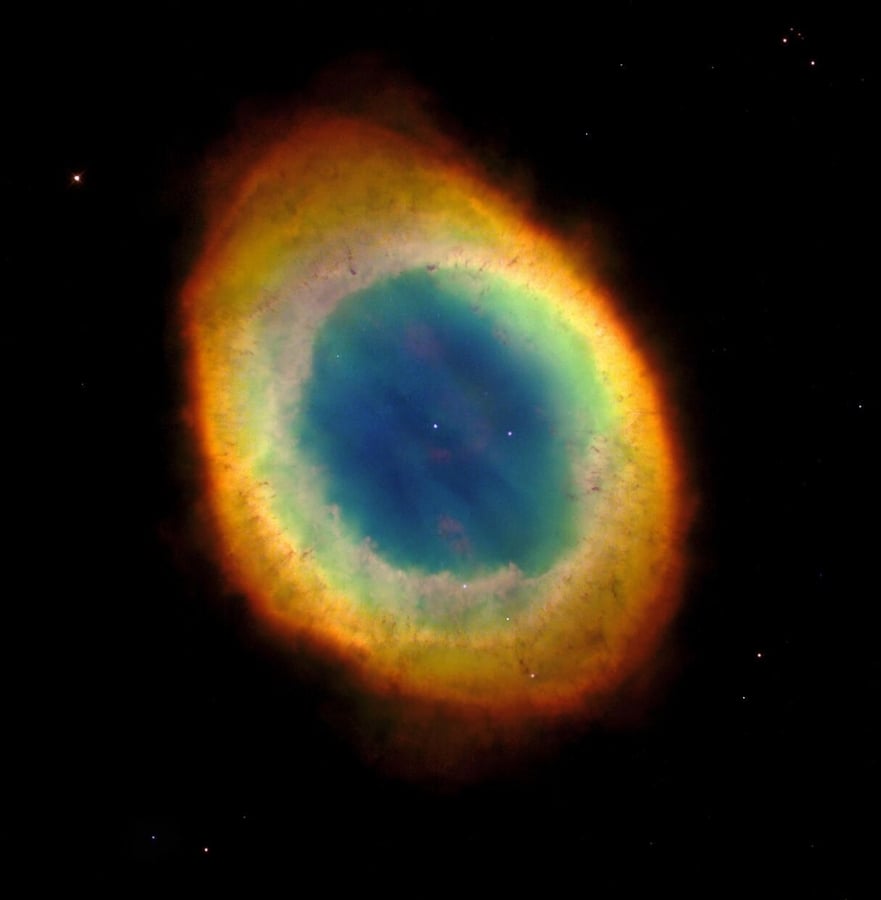
\n\tExcept for the rings of Saturn, the Ring Nebula (M57) is probably the most famous celestial band. This planetary nebula’s simple, graceful appearance is thought to be due to perspective — our view from planet Earth looking straight into what is actually a barrel-shaped cloud of gas shrugged off by a dying central star.
\n
\n\tCredit: H. Bond et al., Hubble Heritage Team (STScI /AURA), NASA
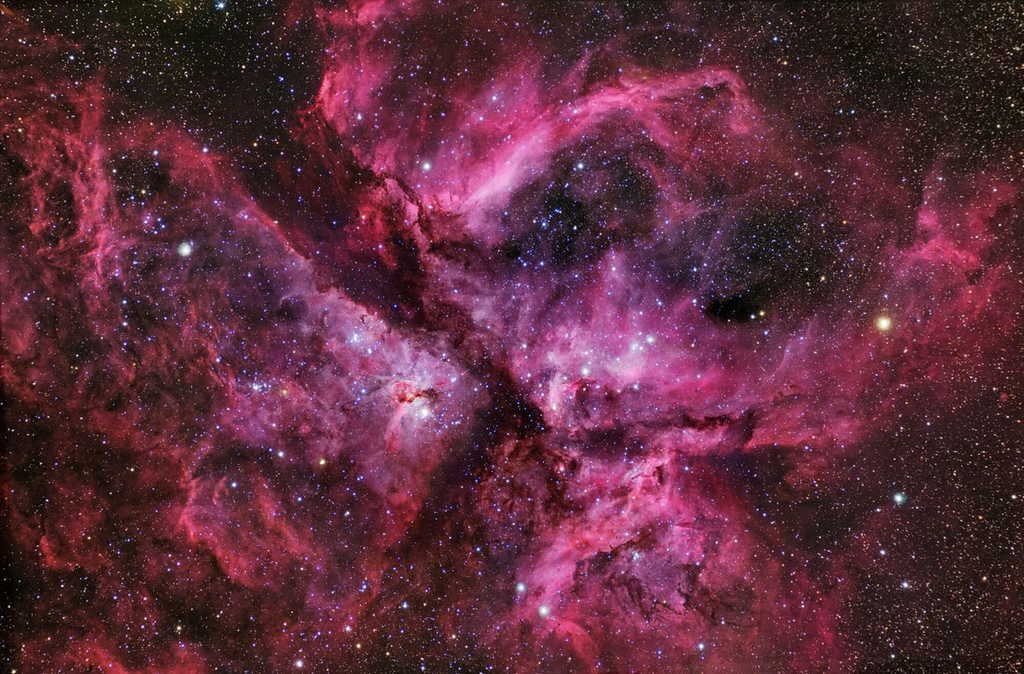
\n\tA jewel of the southern sky, the Great Carina Nebula, aka NGC 3372, spans over 300 light-years, one of our galaxy’s largest star forming regions.
\n
\n\tCredit & Copyright: Robert Gendler and Stephane Guisard
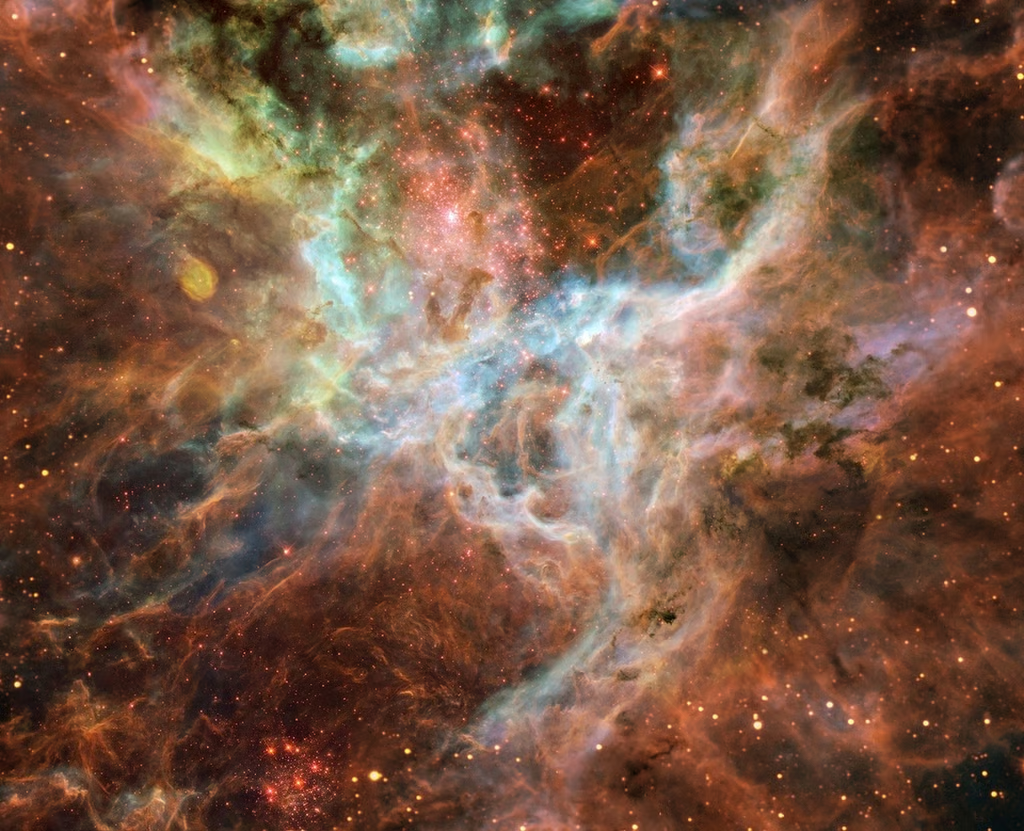
\n\tIn the heart of monstrous Tarantula Nebula lies huge bubbles of energetic gas, long filaments of dark dust, and unusually massive stars. In the center of this heart, is a knot of stars so dense that it was once thought to be a single star.
\n
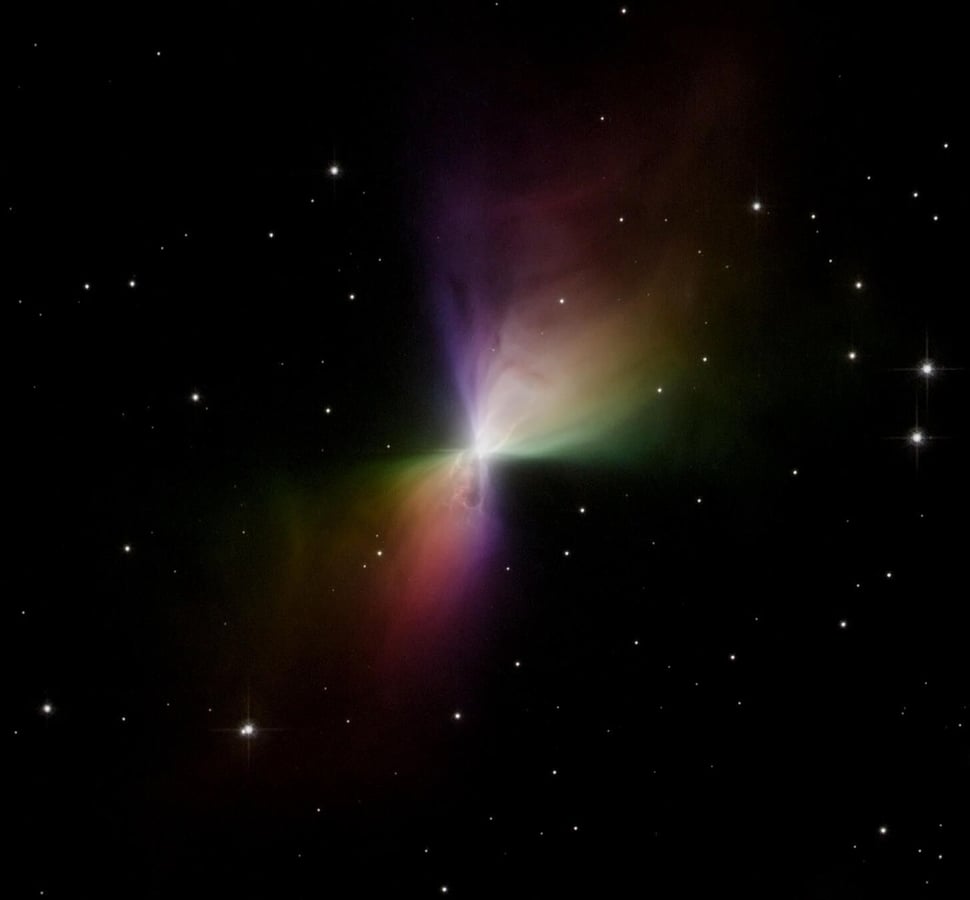
\n\tThis symmetric cloud dubbed the Boomerang Nebula was created by a high-speed wind of gas and dust blowing from an aging central star at speeds of nearly 600,000 kilometers per hour.
\n
\n\tCredit: Hubble Heritage Team, J. Biretta (STScI) et al., (STScI/AURA), ESA, NASA
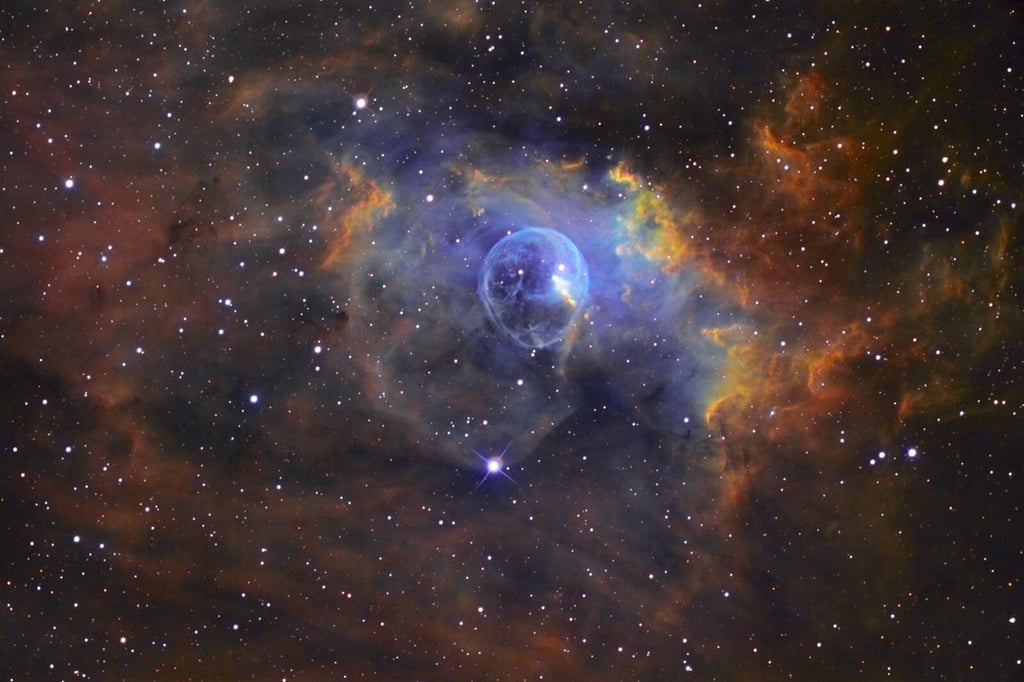
\n\tThe Bubble Nebula, is being pushed out by the stellar wind of massive central star BD+602522. Next door, though, lives a giant molecular cloud, visible above to the lower right.
\n
\n\tCredit & Copyright: Russell Croman
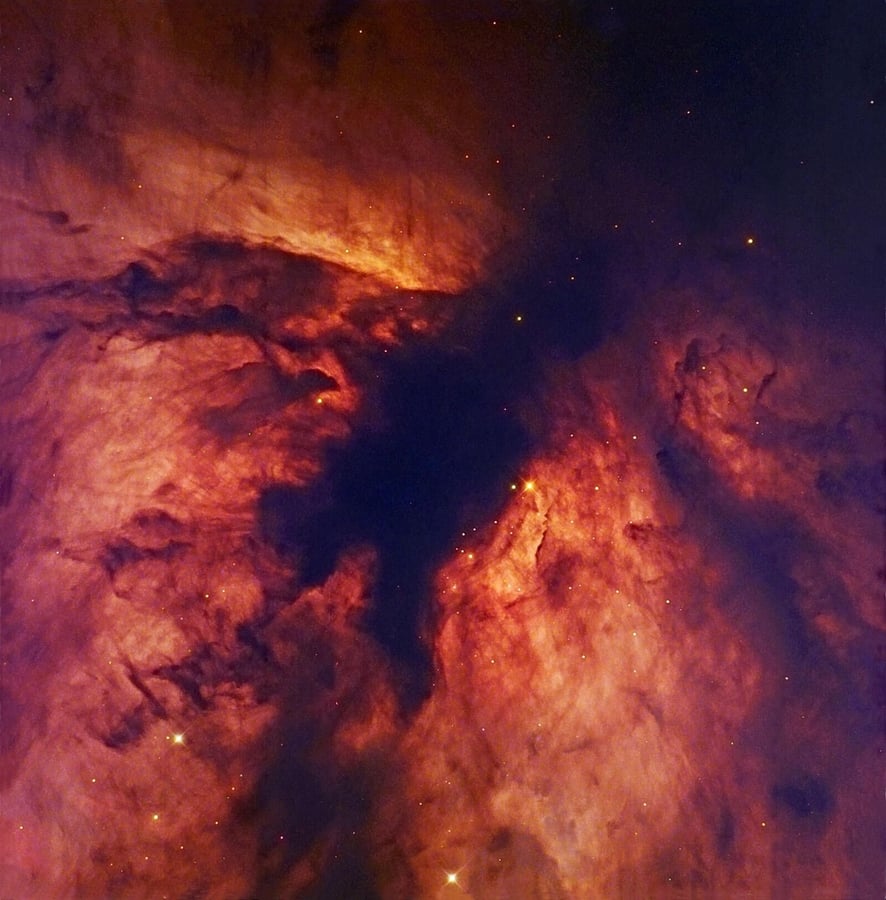
\n\tThe Flame Nebula’s suggestive reddish color is due to the glow of hydrogen atoms at the edge of the giant Orion molecular cloud complex some 1,500 light-years away.
\n
\n\tCredit & Copyright: Robert Gendler, Jan-Erik Ovaldsen
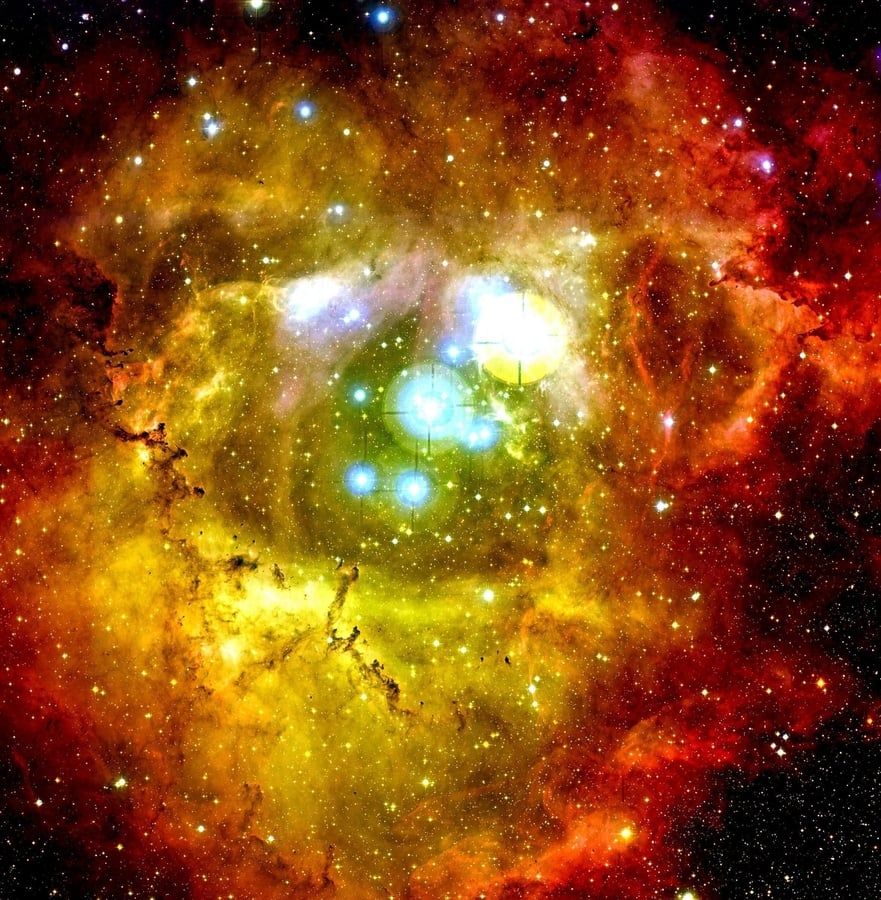
\n\tIn the heart of the Rosette Nebula lies a bright open cluster of stars that lights up the nebula.
\n
\n\tCredit & Copyright: MegaPrime Camera, Canada-France-Hawaii Telescope
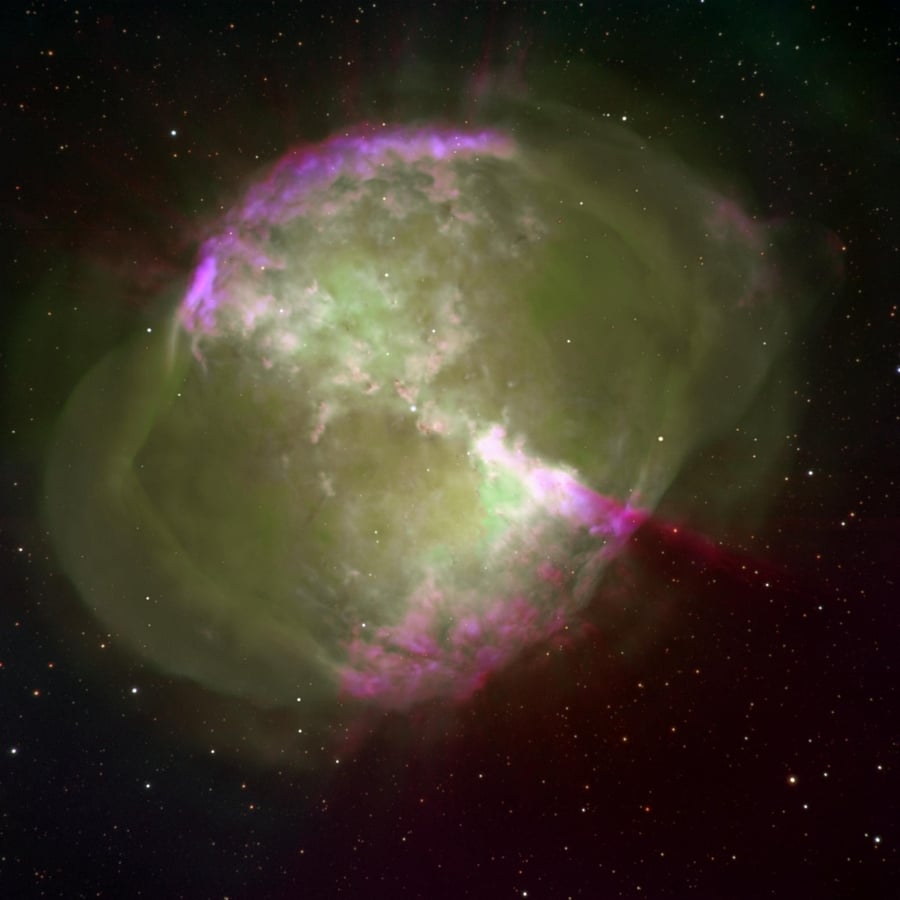
\n\tThe Dumbbell Nebula is a planetary nebula, the type of nebula our Sun will produce when nuclear fusion stops in its core.
\n
\n\tCredit & Copyright: Michael Pierce (Indiana U.) et al., WIYN, AURA, NOAO, NSF
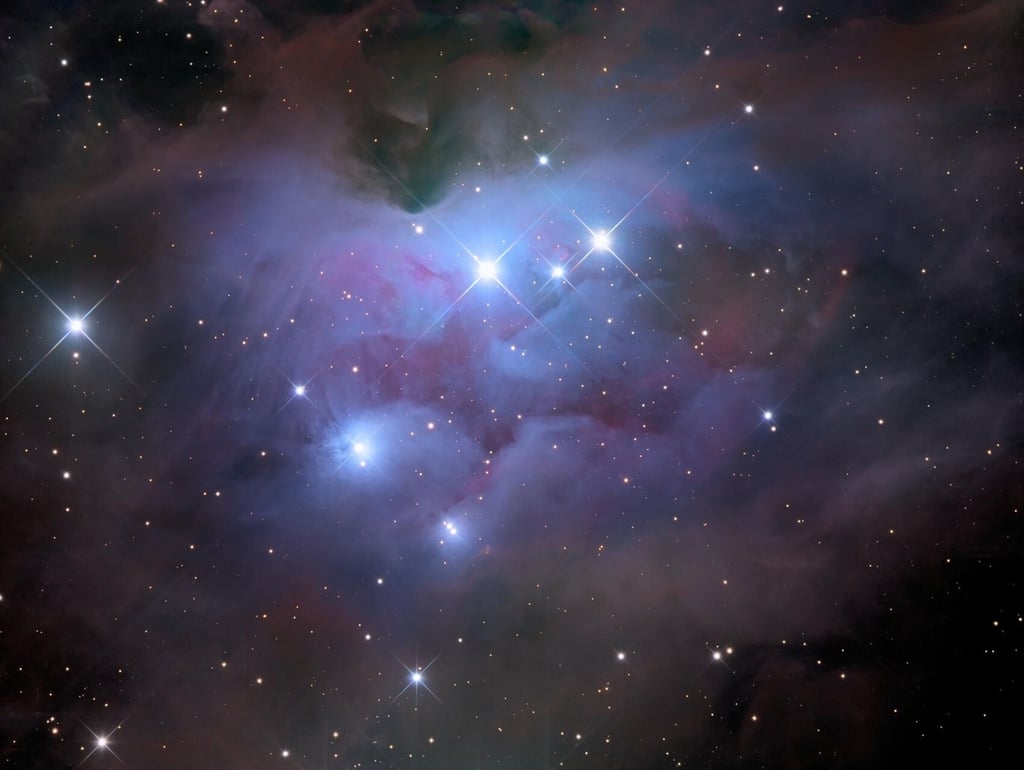
\n\tFound along Orion’s sword just north of the bright Orion Nebula complex, these reflection nebulae are also associated with Orion’s giant molecular cloud about 1,500 light-years away, but are dominated by the characteristic blue color of interstellar dust reflecting light from hot young stars.
\n
\n\tCredit & Copyright: Martin Pugh
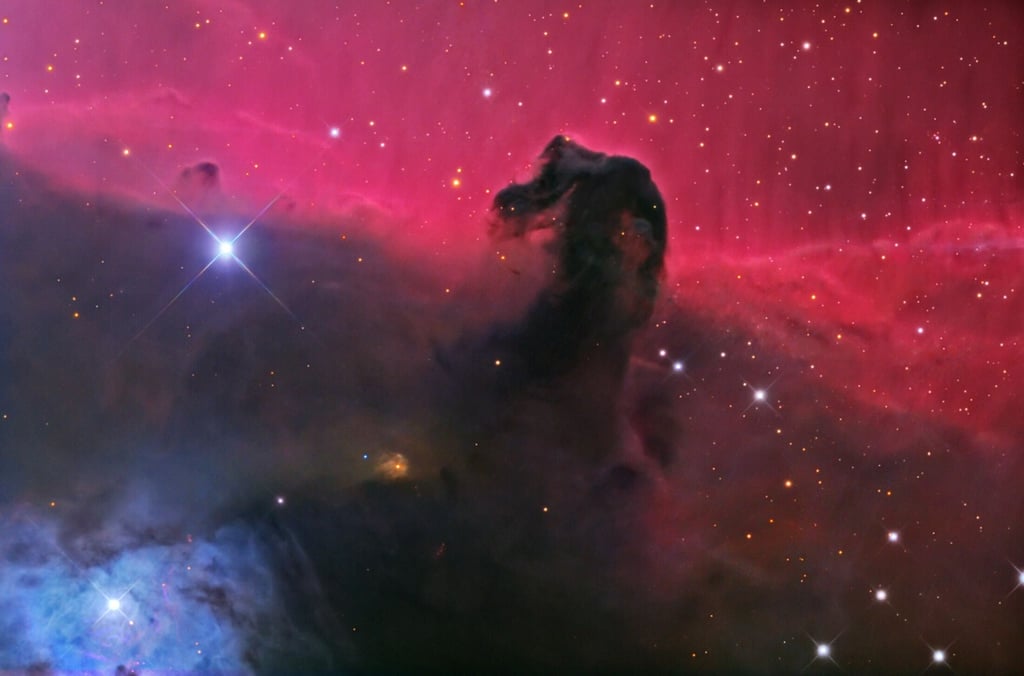
\n\tOne of the most identifiable nebulae in the sky, the Horsehead Nebula in Orion, is part of a large, dark, molecular cloud. Also known as Barnard 33, the unusual shape was first discovered on a photographic plate in the late 1800s.
\n
\n\tCredit & Copyright: Adam Block, Mt. Lemmon SkyCenter, U. Arizona
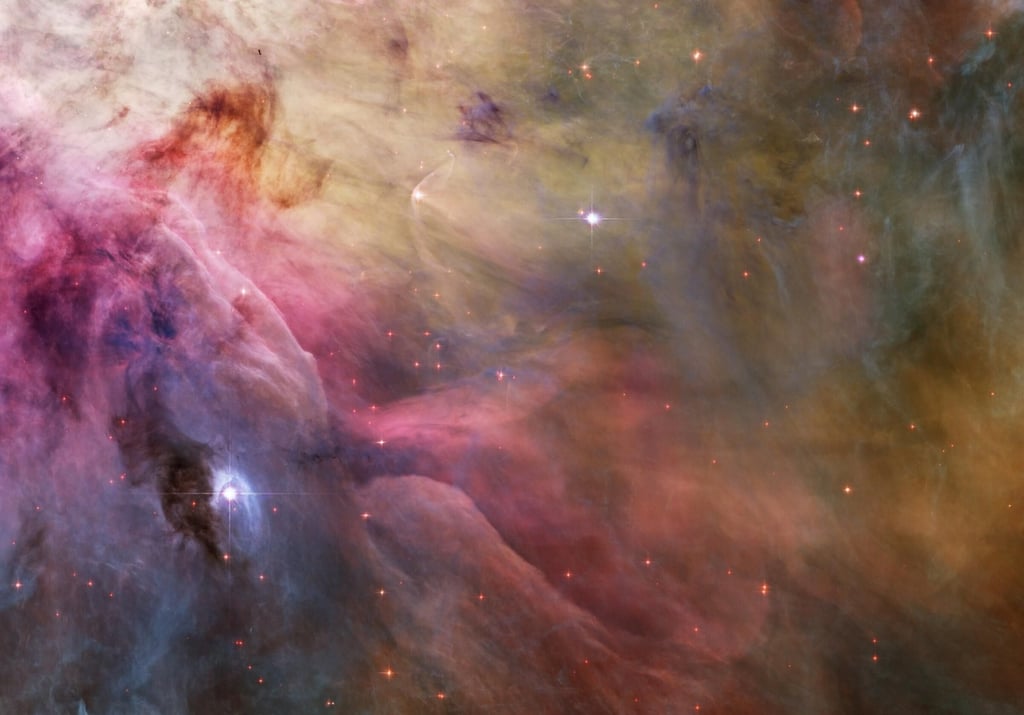
\n\tThis is an esthetic close-up of cosmic clouds and stellar winds features LL Orionis, interacting with the Orion Nebula flow.
\n
\n\tCredit: NASA, ESA, and The Hubble Heritage Team
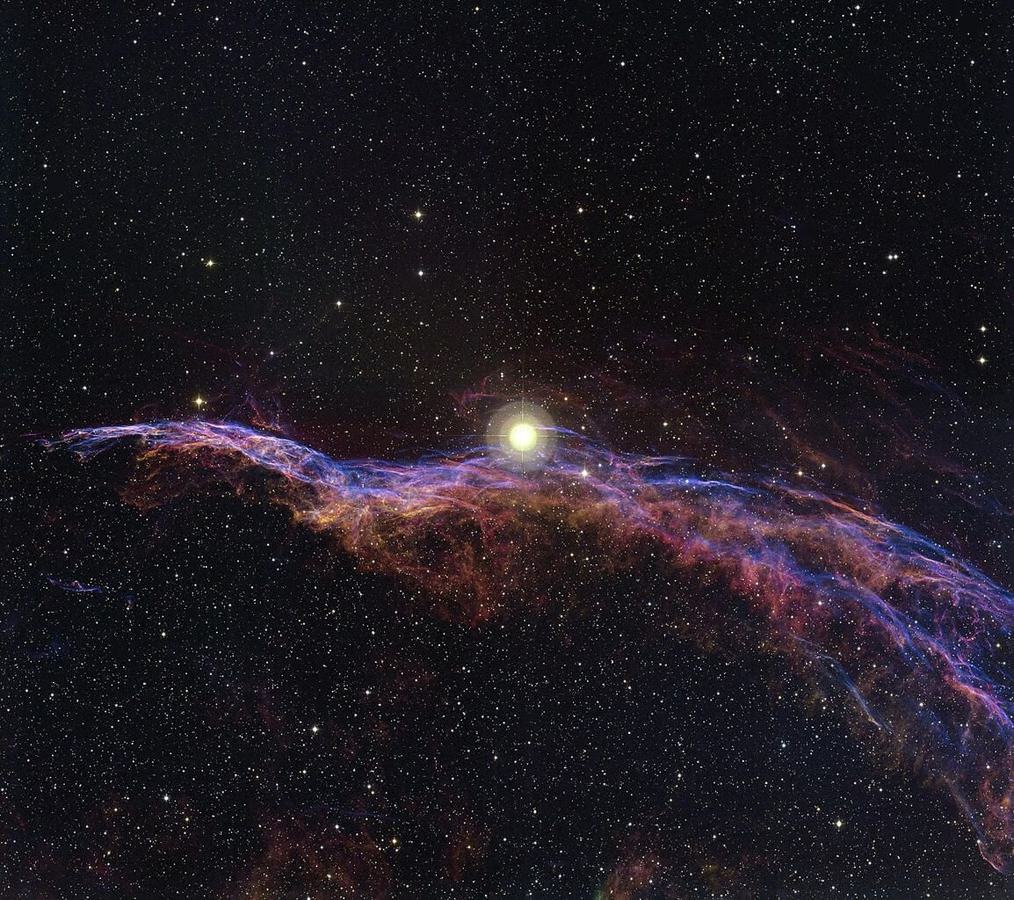
\n\tTen thousand years ago, before the dawn of recorded human history, a new light must suddenly have appeared in the night sky and faded after a few weeks. Today we know this light was an exploding star and record the colorful expanding cloud as the Veil Nebula. Pictured above is the west end of the Veil Nebula known technically as NGC 6960 but less formally as the Witch‘s Broom Nebula.
\n
\n\tCredit & Copyright: T. A. Rector (U. Alaska), WIYN, NOAO, AURA, NSF
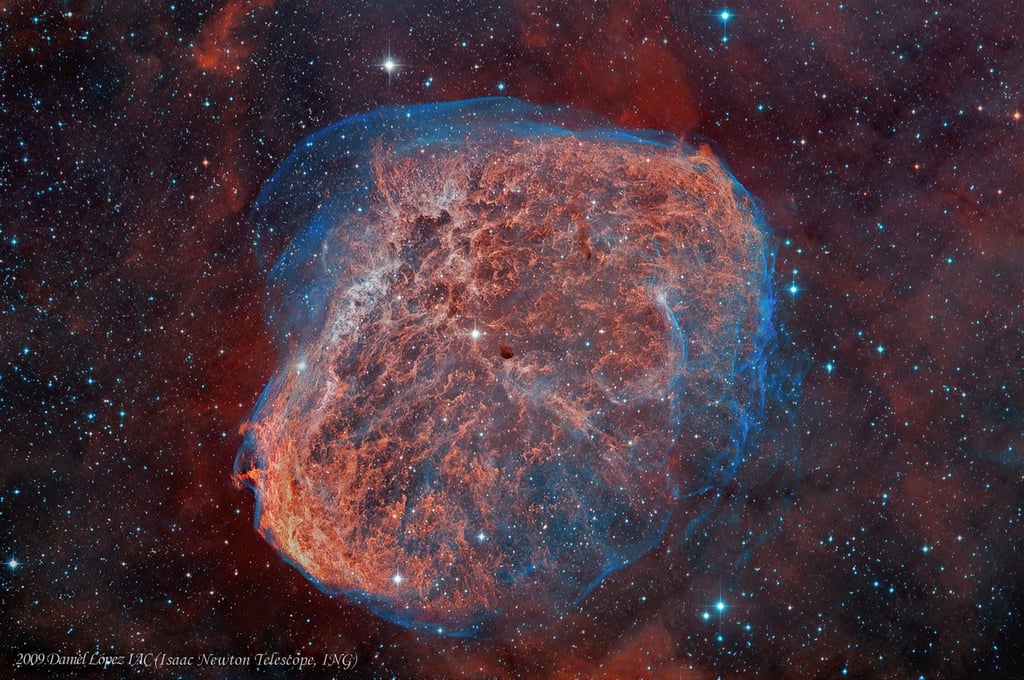
\n\tthe Crescent Nebula, is a cosmic bubble about 25 light-years across, blown by winds from its central, bright, massive star. This beautiful portrait of the nebula is from the Isaac Newton Telescope at Roque de los Muchachos Observatory in the Canary Islands.
\n
\n\tCredit & Copyright: Daniel L\u00f3pez, IAC
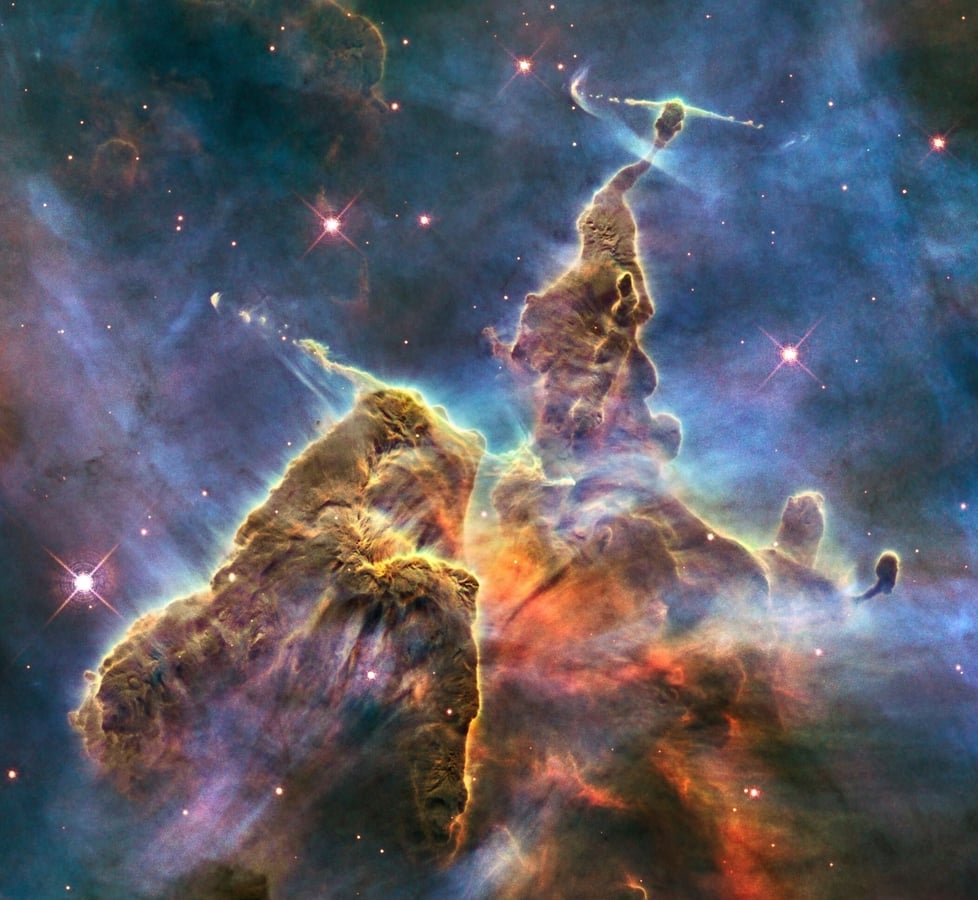
\n\tThe monster, on the right, is actually an inanimate pillar of gas and dust that measures over a light year in length. The star, not itself visible through the opaque dust, is bursting out partly by ejecting energetic beams of particles.
\n
\n\tCredit: NASA, ESA, and M. Livio and the Hubble 20th Anniversary Team (STScI)

Mark W. Kaelin has been writing and editing stories about the information technology industry, software, hardware, gaming, finance, accounting, and technology geekdom for more than 30 years.


