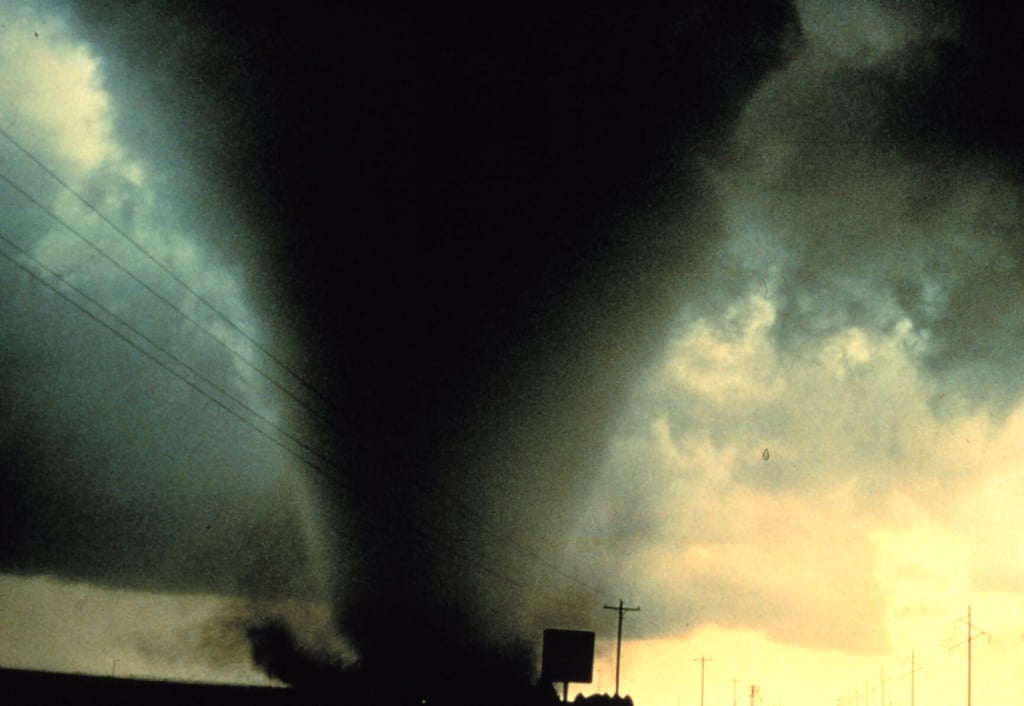
\n\tWeather can be an awesome and dangerous thing and these images from the National Oceanic and Atmospheric Administration prove it.
\n\t
\n\tOn April 3, 1974, Louisville was one of the hundreds of cities to be hit by a tornado. I was 12 and the memory of the destruction delivered that day is still vivid. The power revealed by those events has fueled a life-long fascination with extreme weather. The images in this gallery are mesmerizing and ominous and never cease to amaze.
\n\t
\n\tNote: Since I am sure someone will bring it up \u2013 yes some of these images are grainy or a non-perfect resolution, but they are public domain and often have historical significance. If you want better images, they are available, but I cannot display them in a gallery like this without violating copyright laws.
\n\t
\n\tPhoto credit: National Oceanic and Atmospheric Administration (NOAA)
\n
\n\tThis photo gallery was originally published in November 2010.
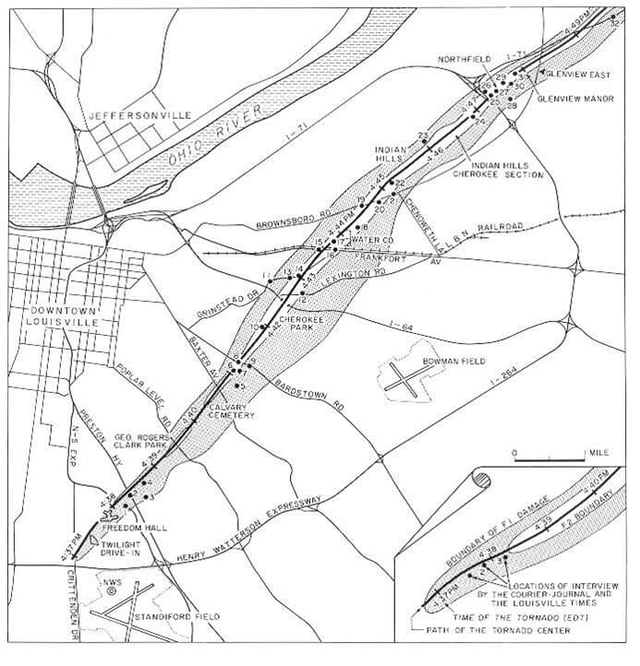
This is a map of the path the April 3, 1974 F4 tornado took through Louisville. I was about a mile from this path along the L&N railroad at the time. I was in the basement listening to the radio broadcast of the event. Dick Gilbert’s description of the storm from his small traffic helicopter is fantastic.
Photo credit: National Oceanic and Atmospheric Administration (NOAA)
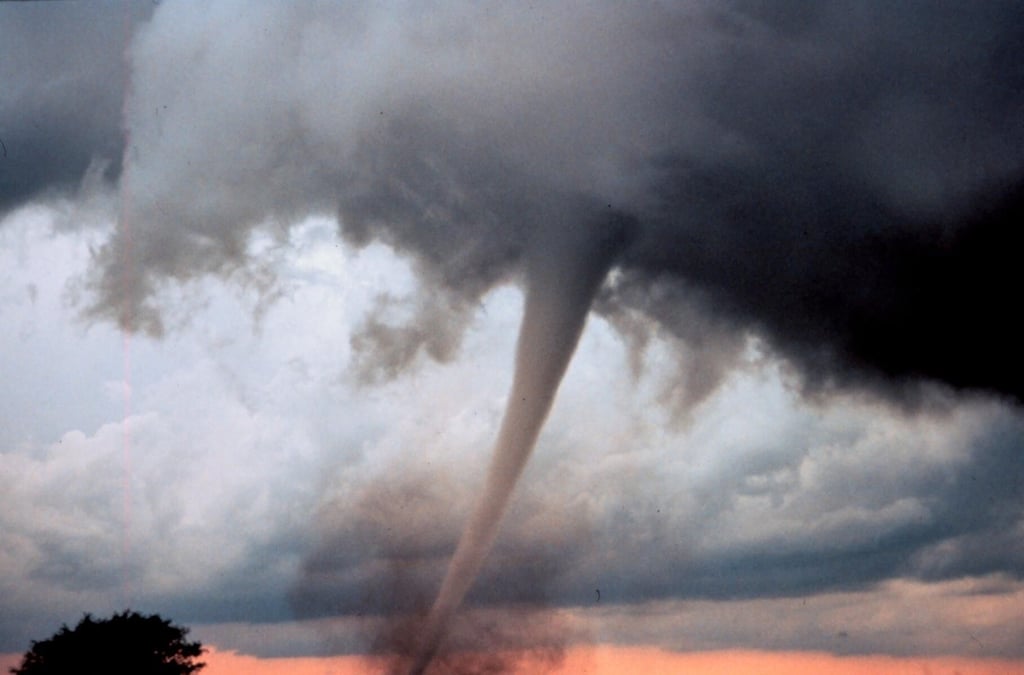
Occluded mesocyclone tornado. Occluded means old circulation on a storm; this tornado was forming while the new circulation was beginning to form the tornadoes which preceeded the F5 Oklahoma City tornado.
Photo credit: National Oceanic and Atmospheric Administration (NOAA)
Photo credit: National Oceanic and Atmospheric Administration (NOAA)
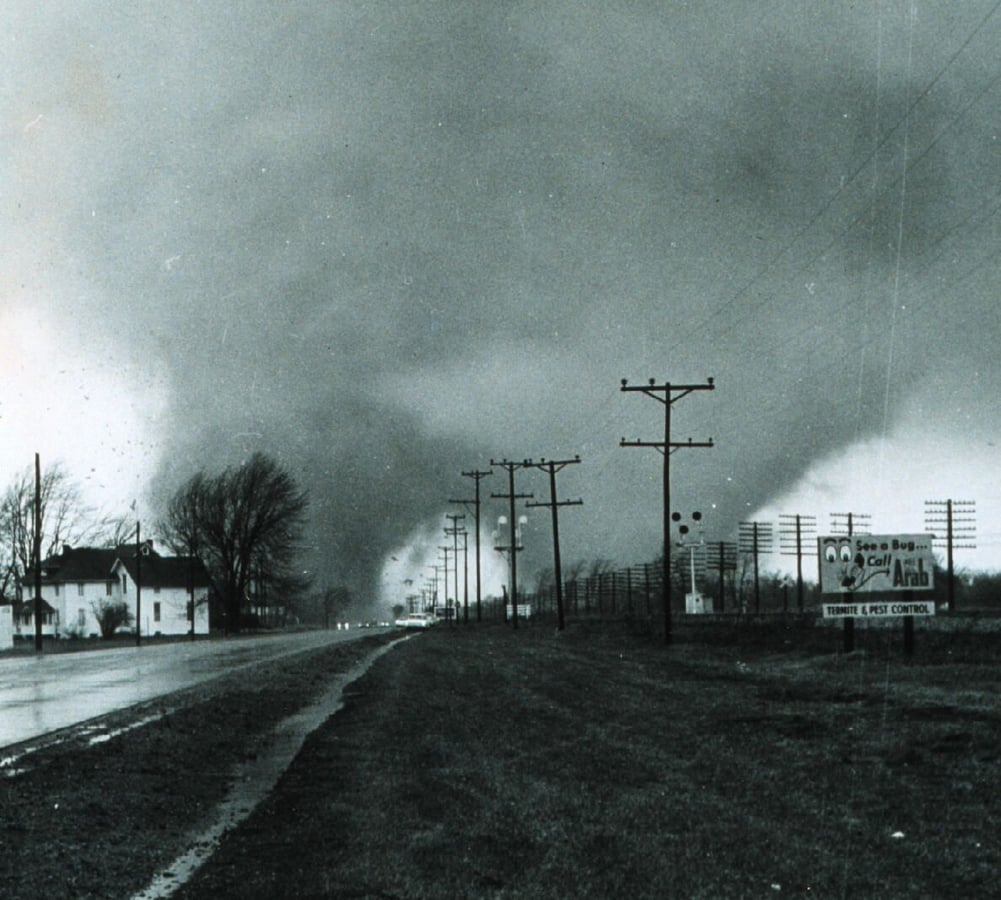
Photo credit: National Oceanic and Atmospheric Administration (NOAA)
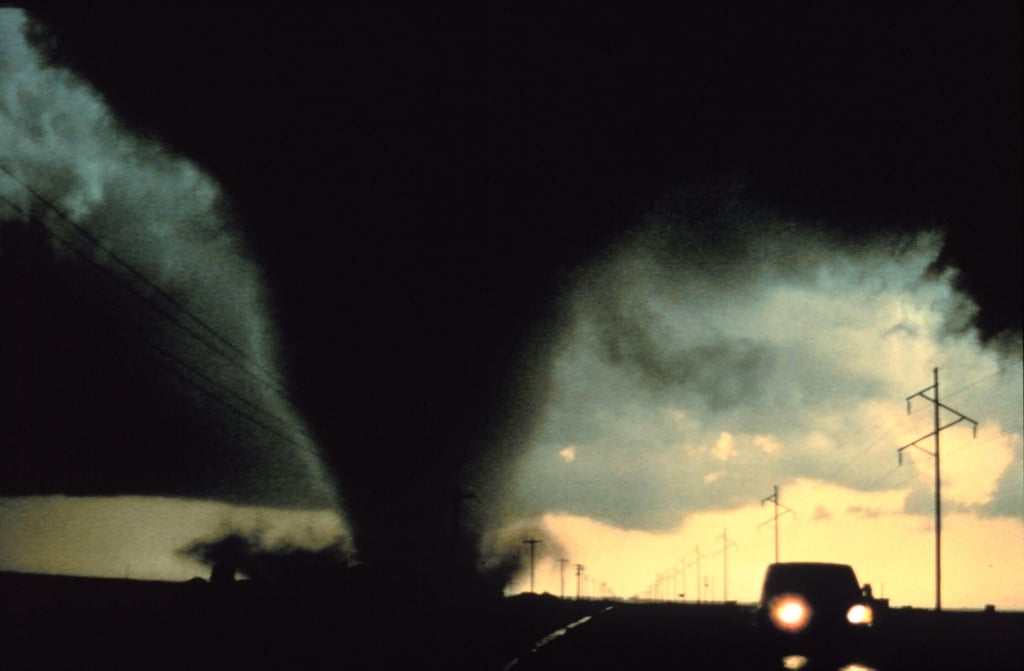
Photo credit: National Oceanic and Atmospheric Administration (NOAA)
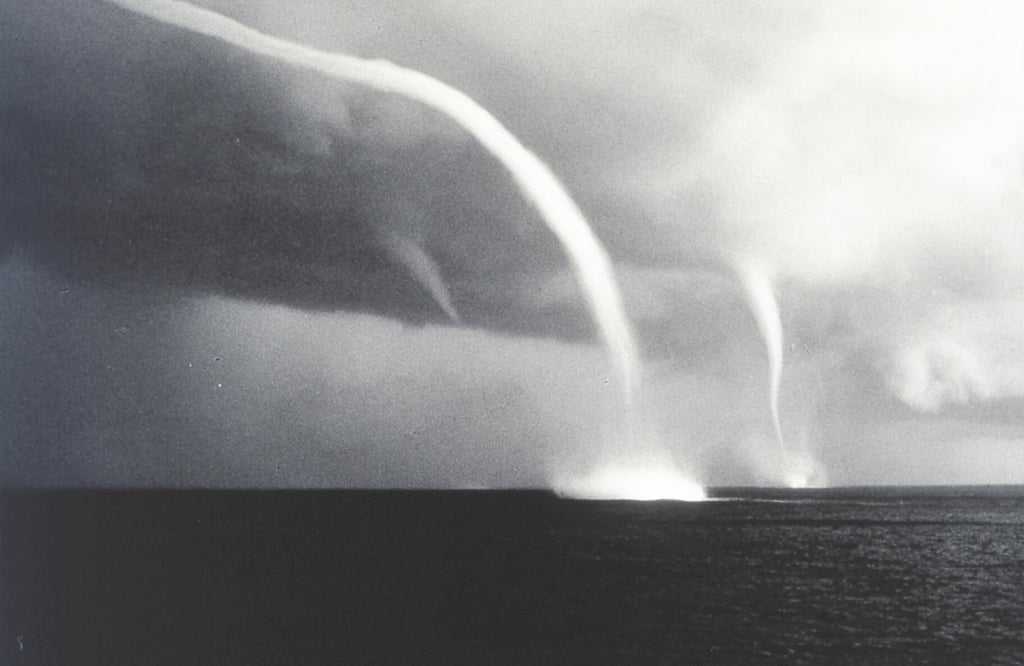
Photo credit: National Oceanic and Atmospheric Administration (NOAA)
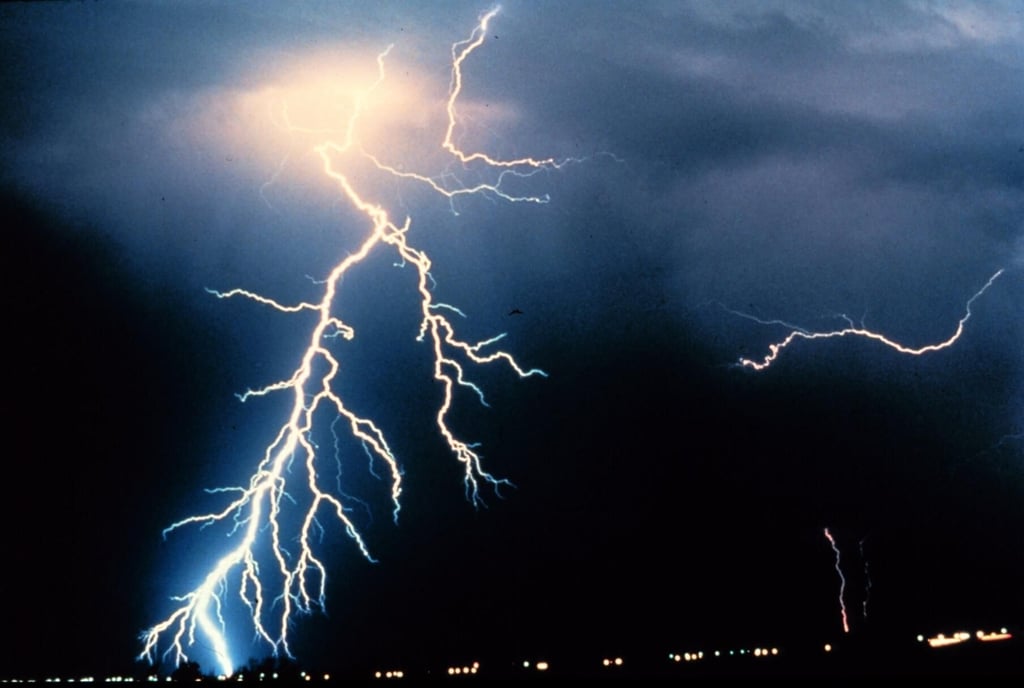
Photo credit: National Oceanic and Atmospheric Administration (NOAA)
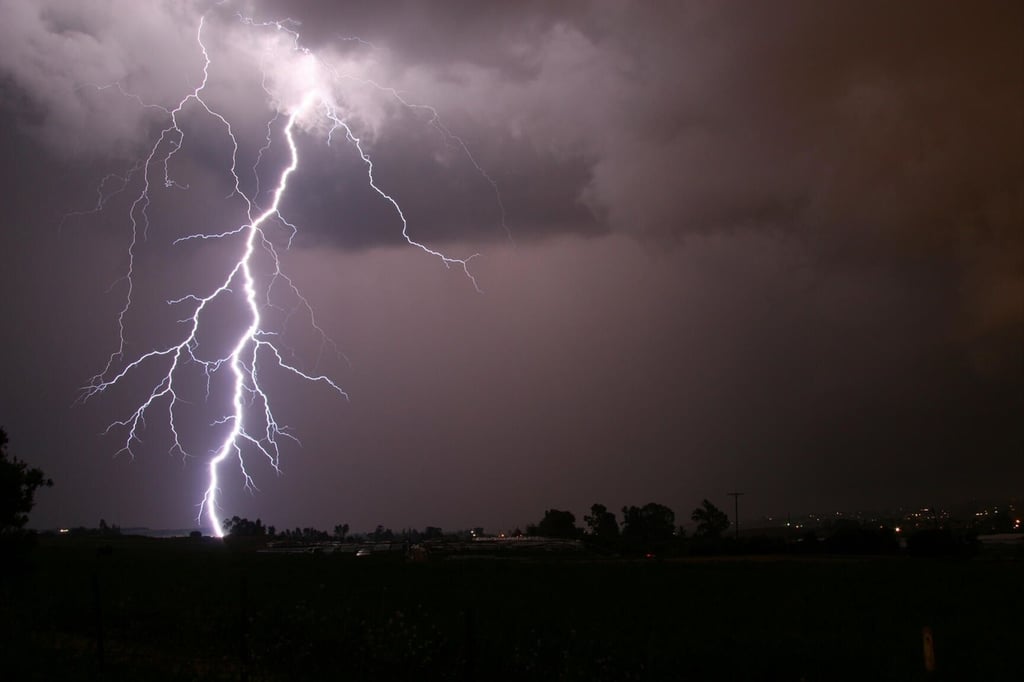
Lightning strikes more than 400 people in the United States each year.
Photo credit: National Oceanic and Atmospheric Administration (NOAA)
Photo credit: National Oceanic and Atmospheric Administration (NOAA)
Photo credit: National Oceanic and Atmospheric Administration (NOAA)
Photo credit: National Oceanic and Atmospheric Administration (NOAA)
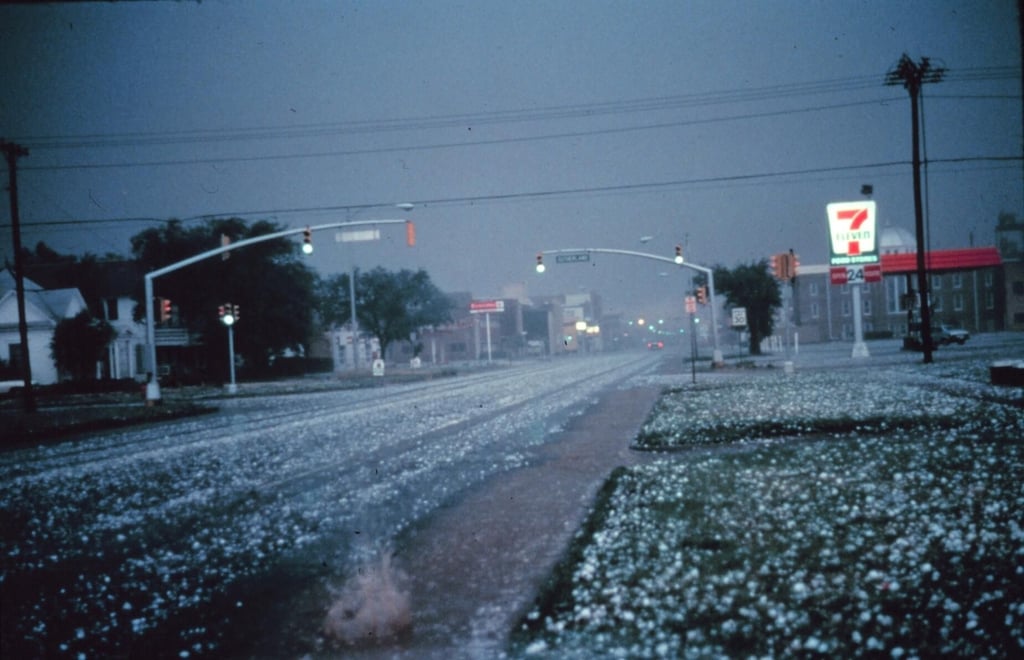
Large hail collects on streets and grass during severe thunderstorm. Larger stones appear to be nearly 2 to 3 inches in diameter.
Photo credit: National Oceanic and Atmospheric Administration (NOAA)
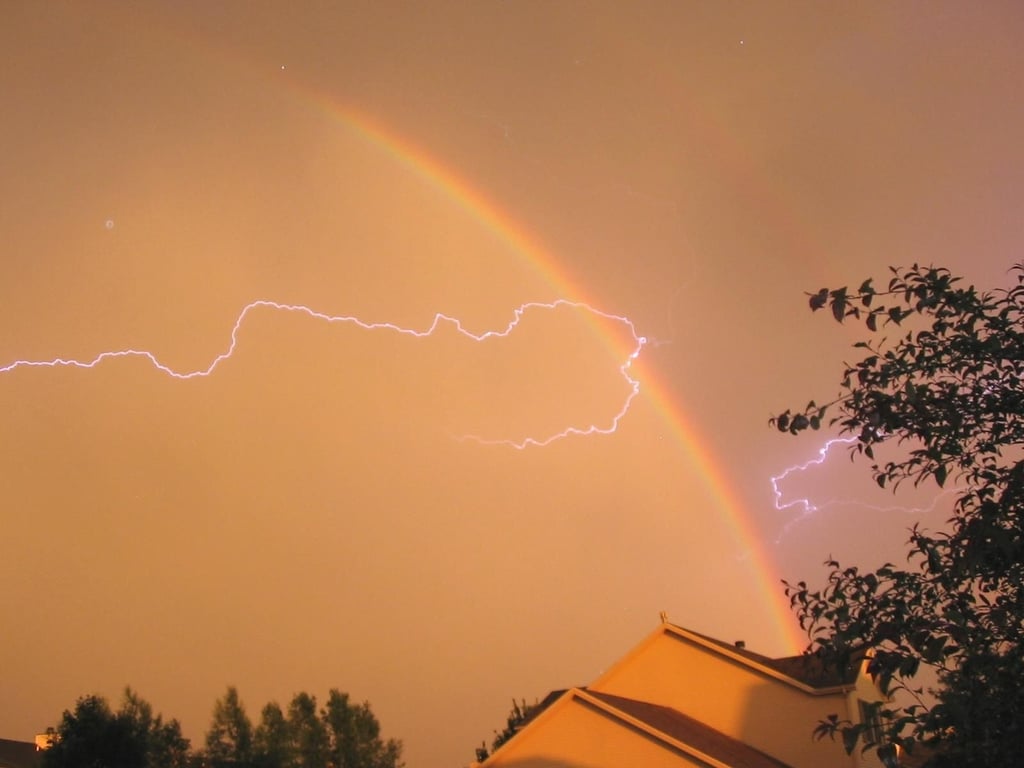
Photo credit: National Oceanic and Atmospheric Administration (NOAA)
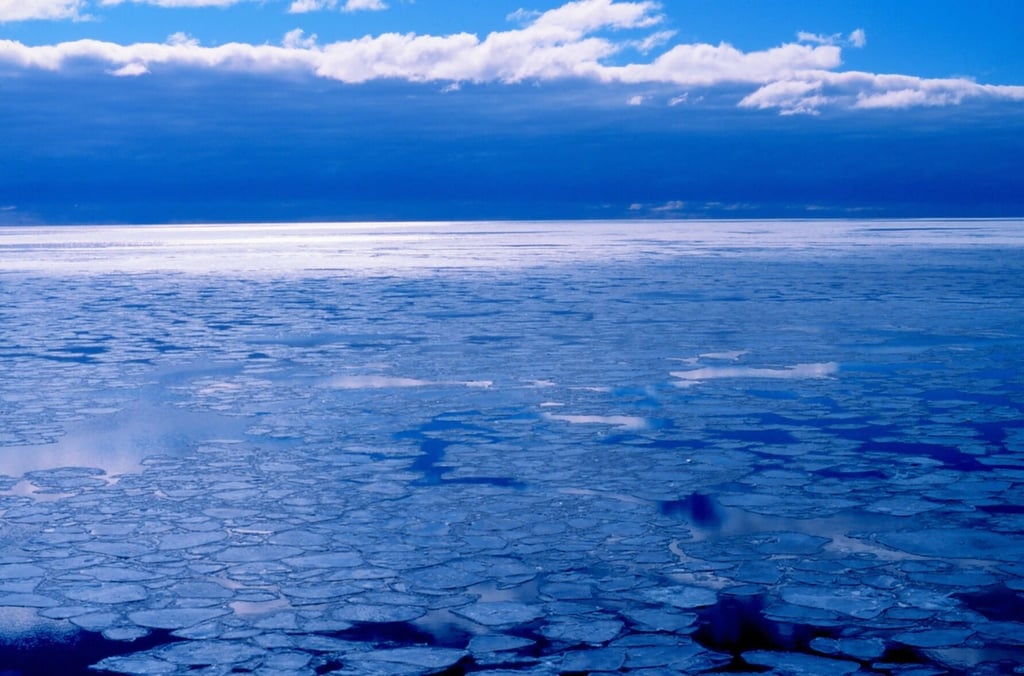
Photo credit: National Oceanic and Atmospheric Administration (NOAA)
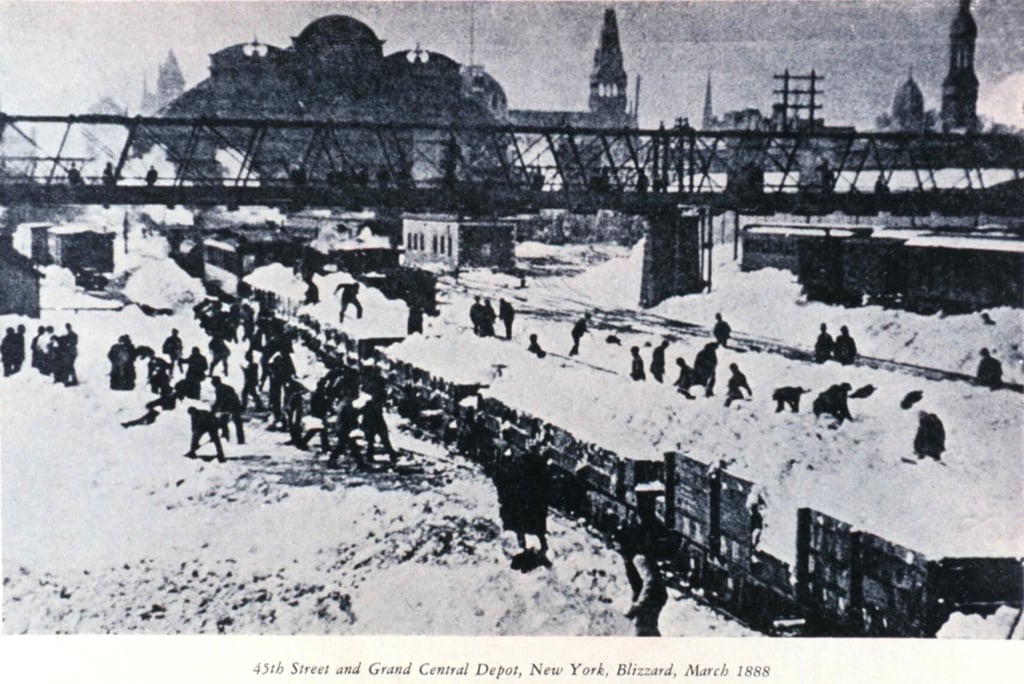
Photo credit: National Oceanic and Atmospheric Administration (NOAA)
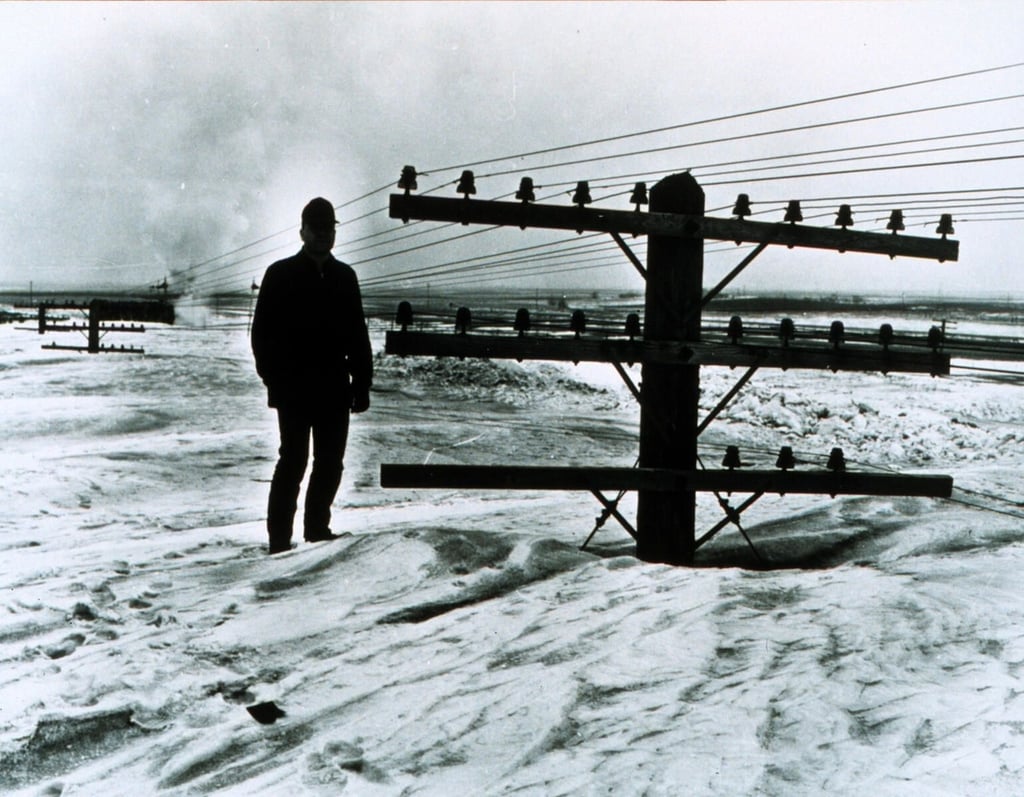
Standing tall on North Dakota snow A March blizzard nearly buried utility poles. Caption jokingly read “I believe there is a train under here somewhere!”
Photo credit: National Oceanic and Atmospheric Administration (NOAA)
Photo credit: National Oceanic and Atmospheric Administration (NOAA)
Photo credit: National Oceanic and Atmospheric Administration (NOAA)
Photo credit: National Oceanic and Atmospheric Administration (NOAA)
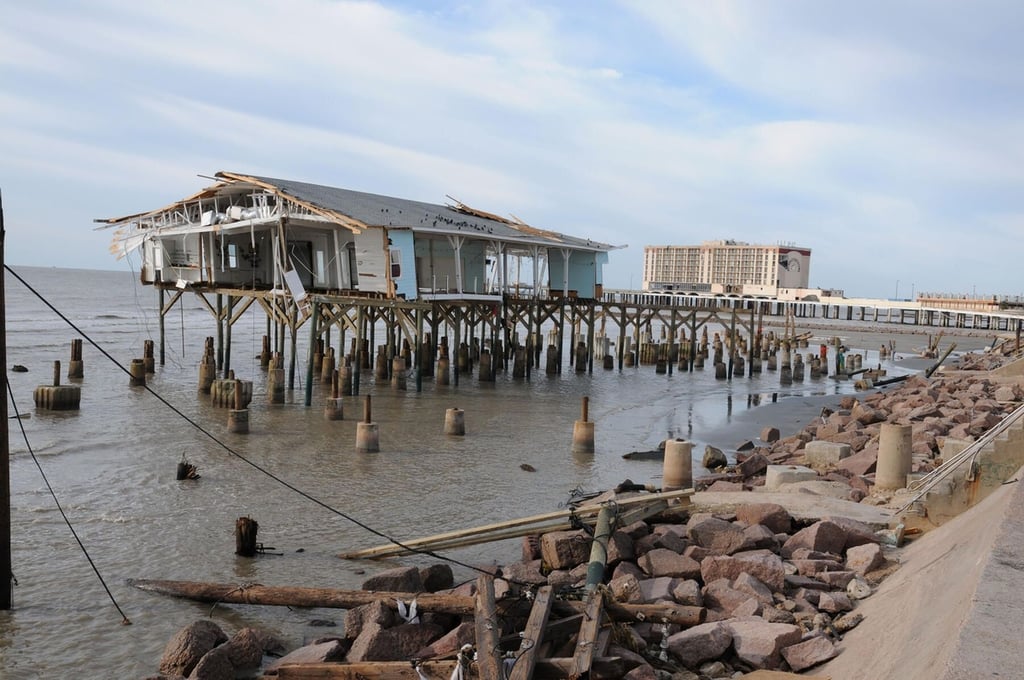
Photo credit: National Oceanic and Atmospheric Administration (NOAA)
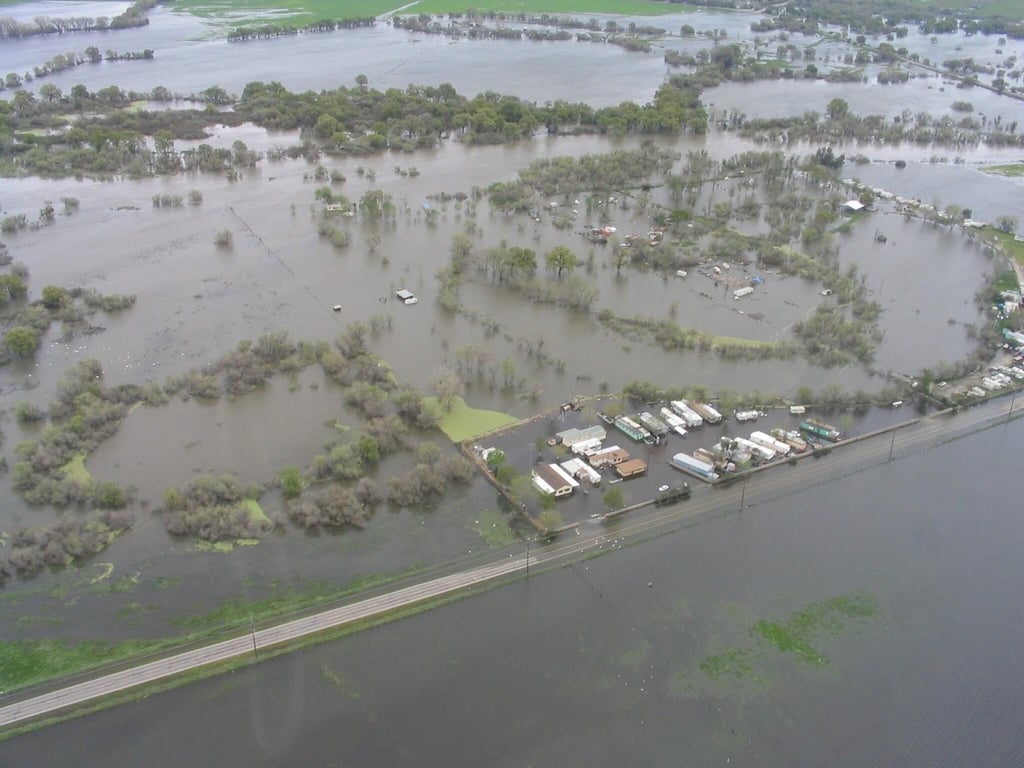
Photo credit: National Oceanic and Atmospheric Administration (NOAA)
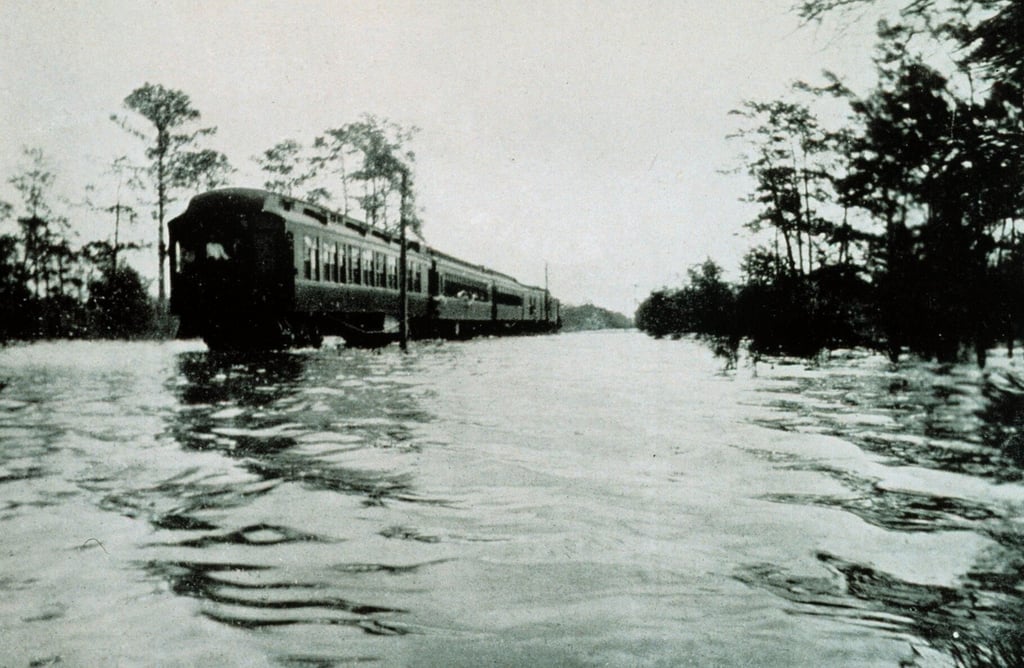
Photo credit: National Oceanic and Atmospheric Administration (NOAA)
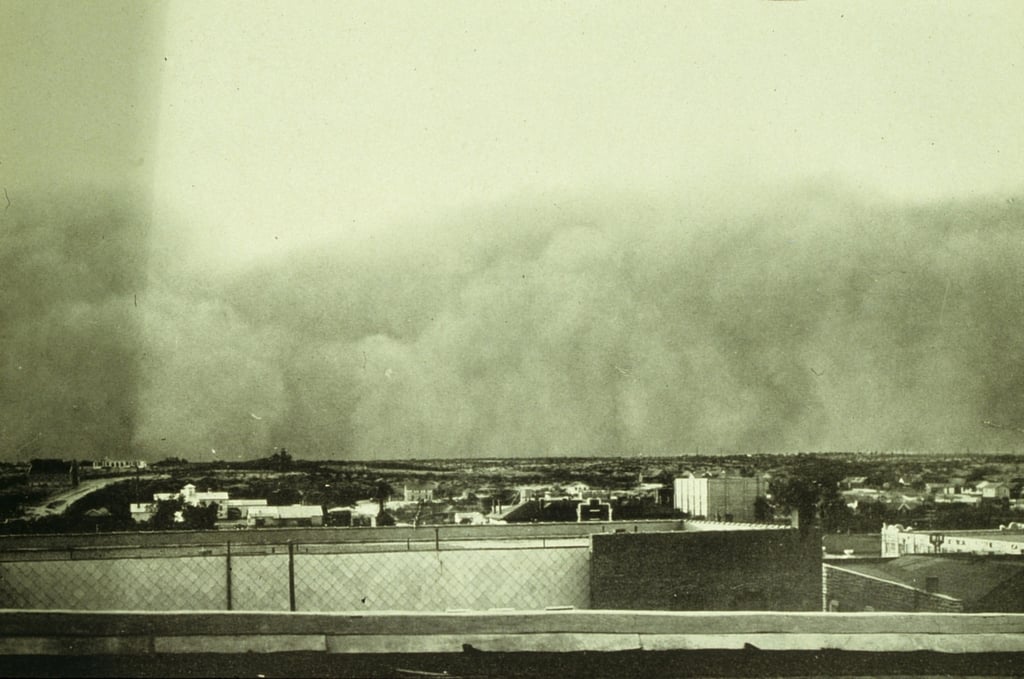
Photo credit: National Oceanic and Atmospheric Administration (NOAA)
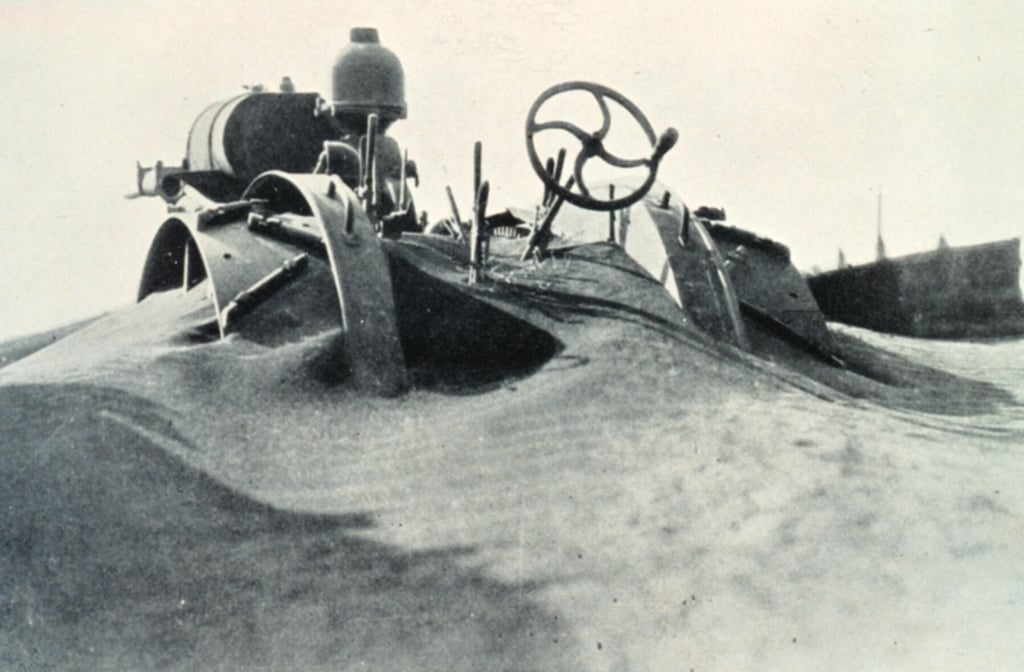
Dust buried farms and equipment, killed livestock, and caused human death and misery during the height of the Dust Bowl years.
Photo credit: National Oceanic and Atmospheric Administration (NOAA)
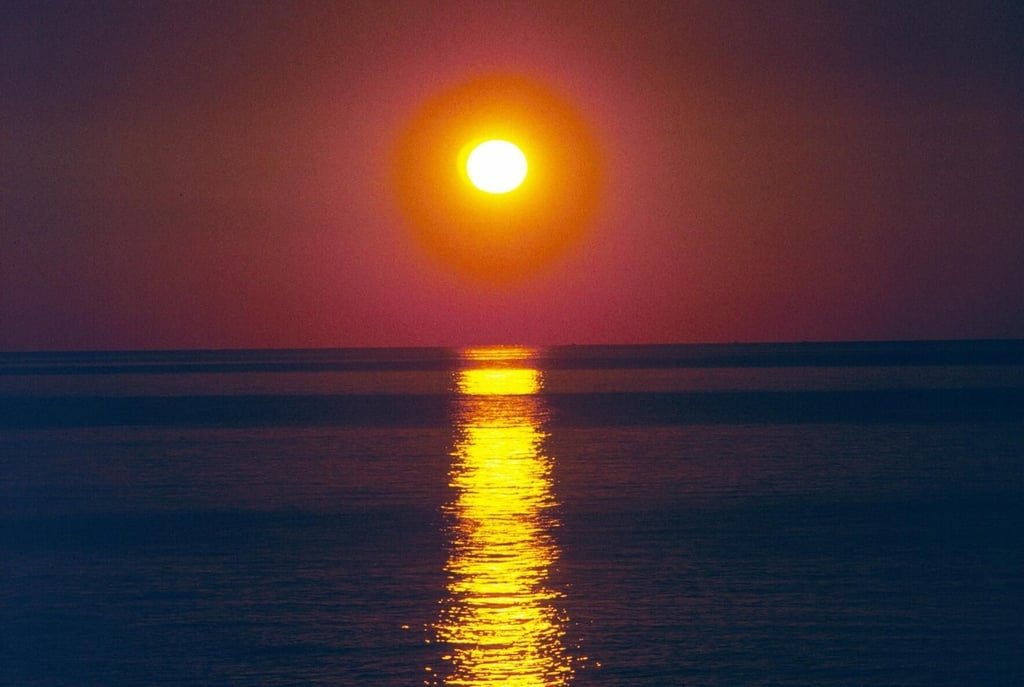
Photo credit: National Oceanic and Atmospheric Administration (NOAA)
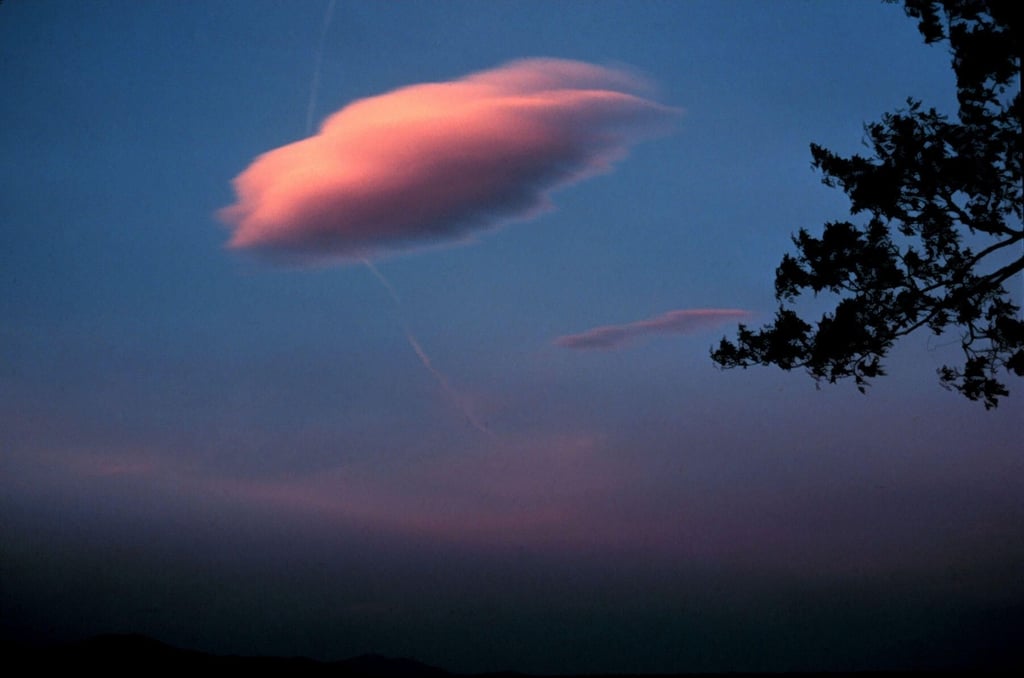
Photo credit: National Oceanic and Atmospheric Administration (NOAA)
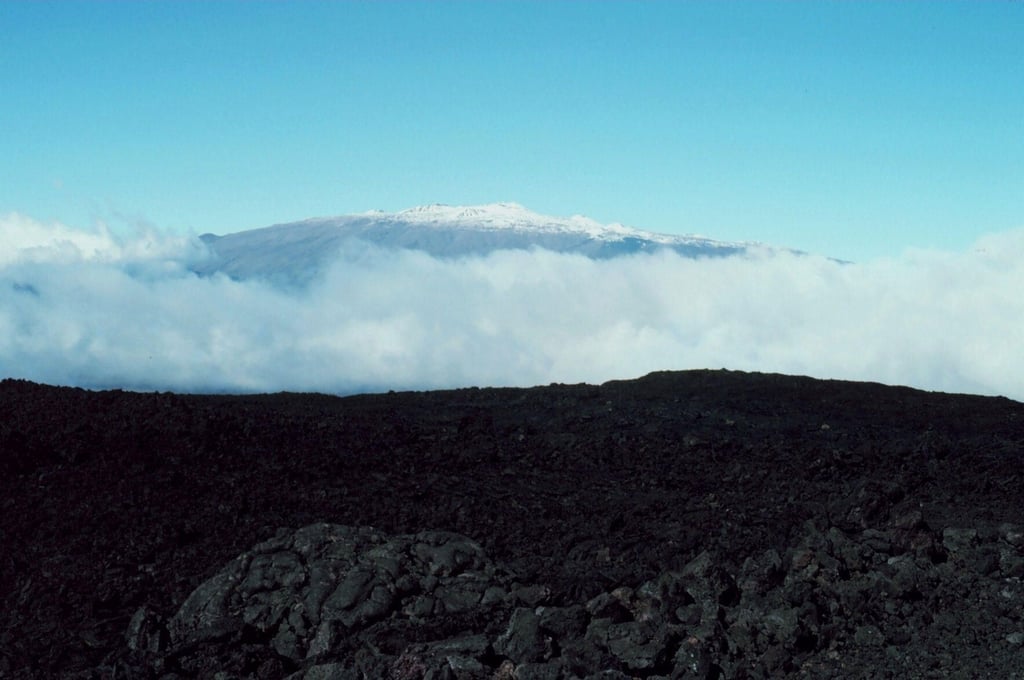
Each day the cloud cover rolls up Mauna Loa from the Hilo area. It fills the saddle first, then reaches the observatory by late afternoon. This is a daily cycle.
Photo credit: National Oceanic and Atmospheric Administration (NOAA)
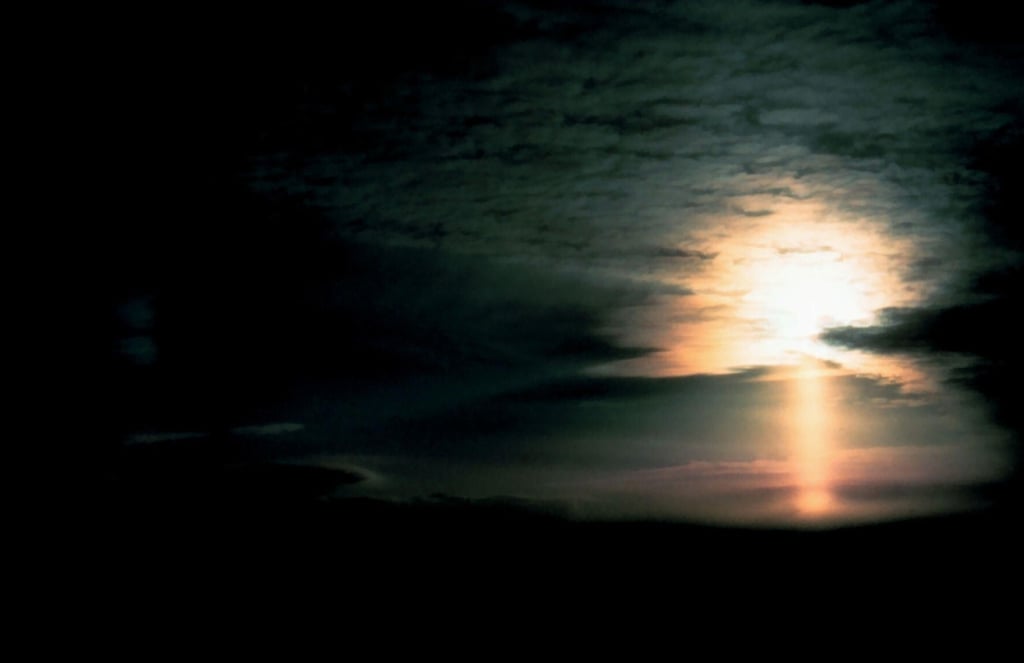
Sun pillar below the sun, sun dog to the left of sun One hour before sunset.
Photo credit: National Oceanic and Atmospheric Administration (NOAA)

Mark W. Kaelin has been writing and editing stories about the information technology industry, software, hardware, gaming, finance, accounting, and technology geekdom for more than 30 years.


