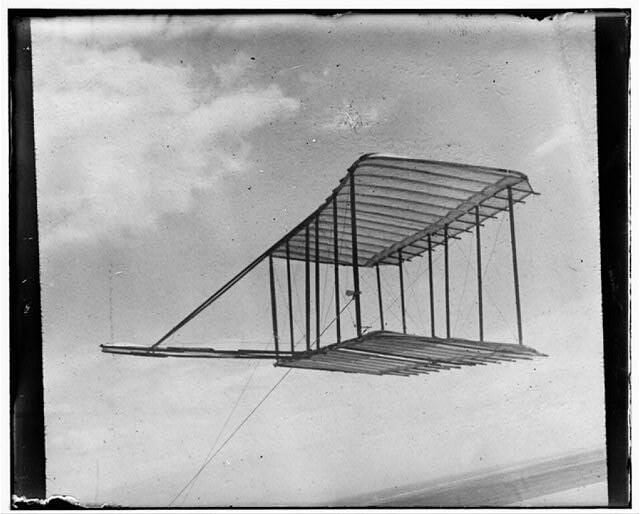
This gallery offers a fascinating look at the history of flight through the camera lens of the Wright Brothers. They did a great job of documenting their earliest failures and successes.
\n
There are ample resources to study the Wright Brothers; here, I’ve usually provided only the spare captions attached to the individual pictures in the collection.
\n\n
These images are in the public domain, from the Collection: Glass negatives from the Papers of Wilbur and Orville Wright, housed in the Library of Congress Prints and Photographs Division, Washington, D.C. 20540 USA.
\n\nFor the full collection, click here.
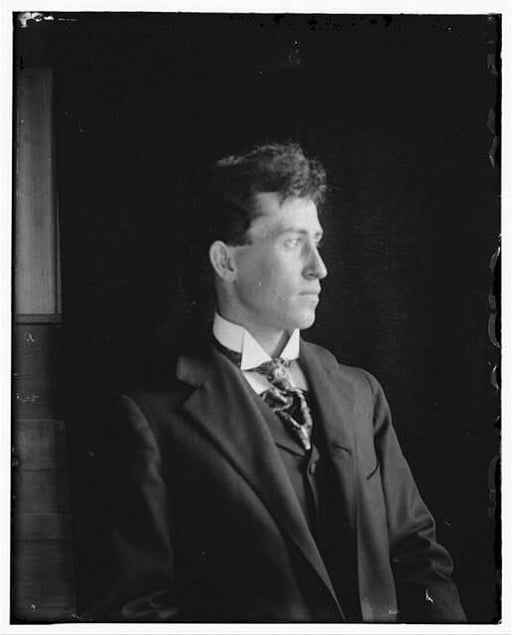
Before the big moustache
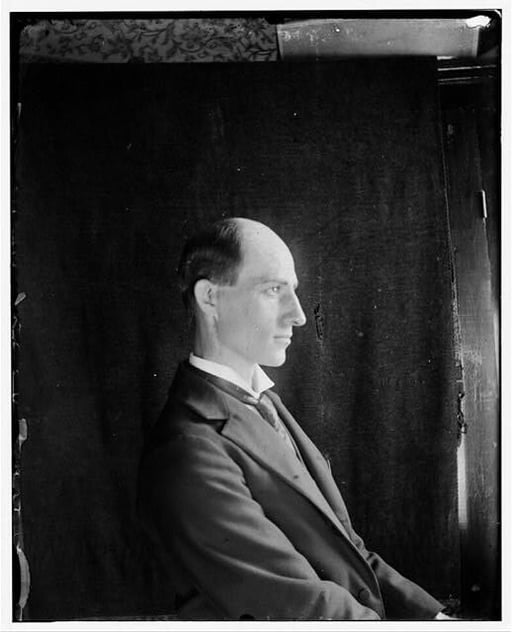
Wilbur at age 30
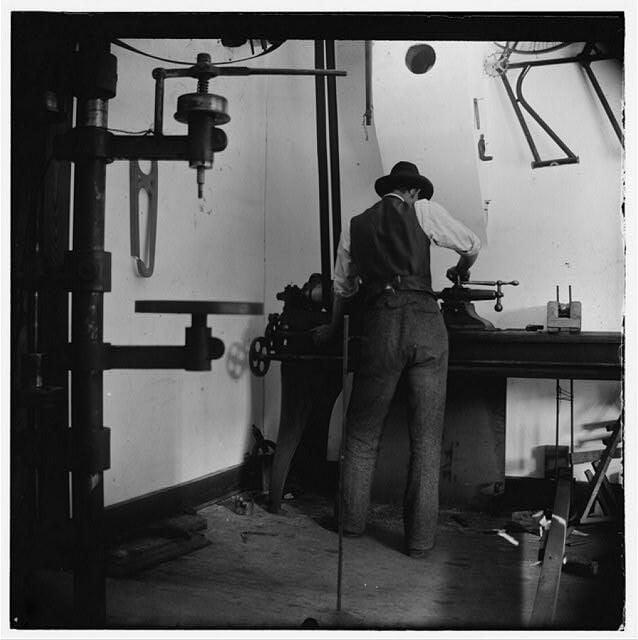
Wilbur working in the bicycle shop in Dayton, Ohio
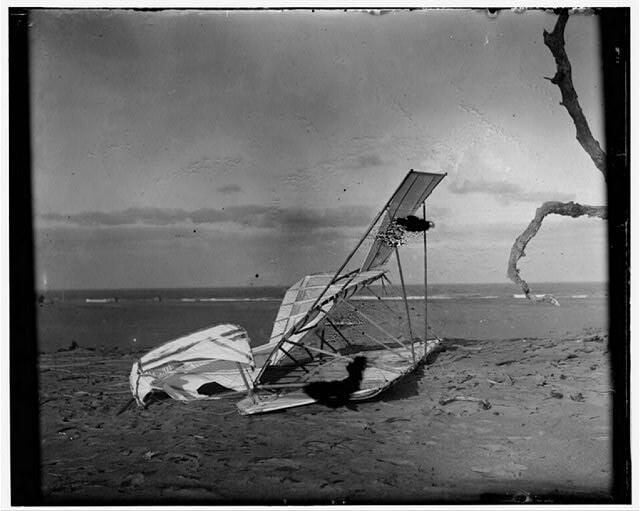
Crumpled glider wrecked by the wind on Hill of the Wreck (named after a shipwreck)
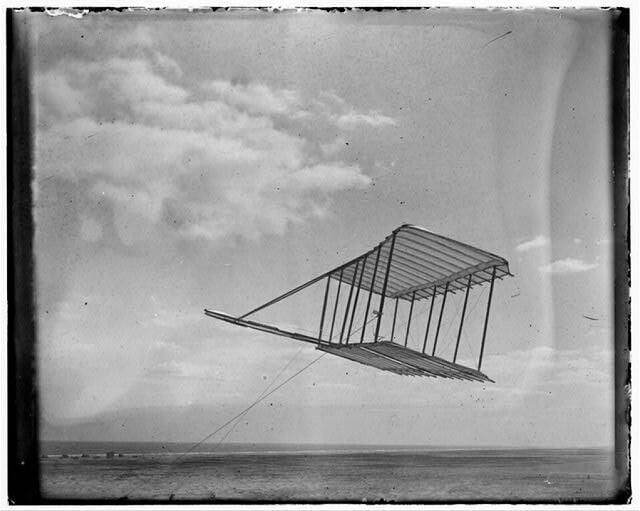
Left side view of the 1900 Wright glider before installation of forward horizontal control surface, flying as a kite, tipped forward; Kitty Hawk Lifesaving Station and Weather Bureau buildings in background to the left
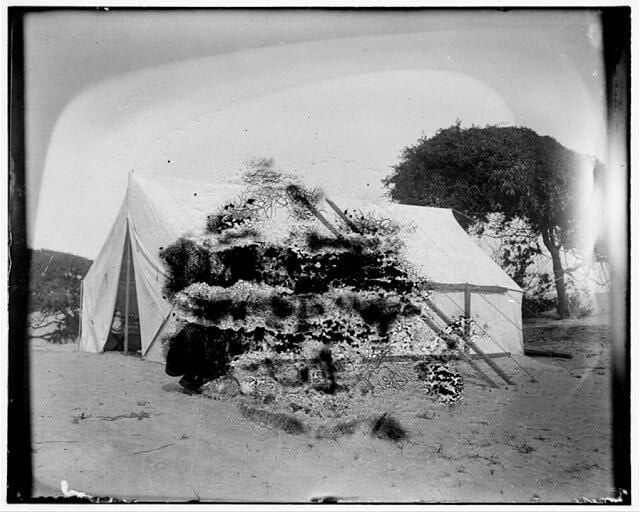
Closeup view of the Wright brothers’ tent at Kitty Hawk
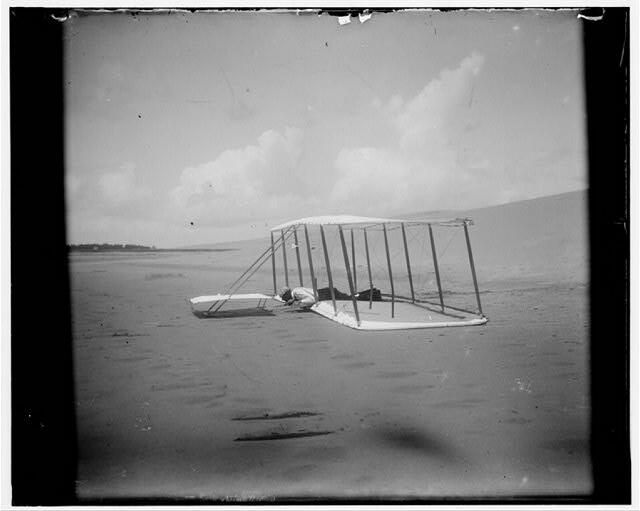
Wilbur Wright in prone position on glider just after landing, its skid marks visible behind it and, in the foreground, skid marks from a previous landing; Kitty Hawk, North Carolina
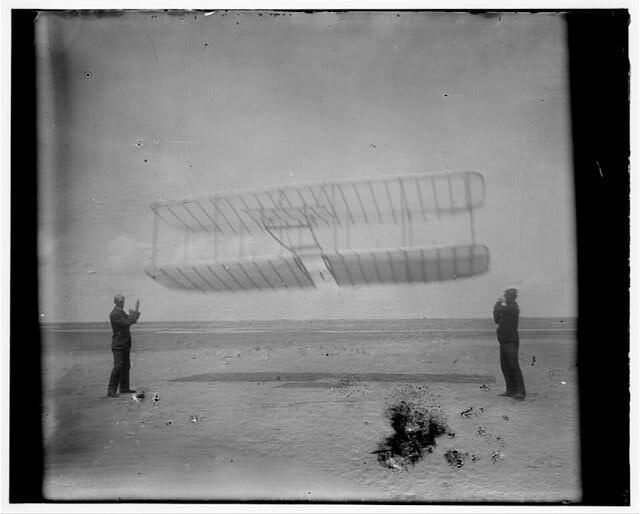
Wilbur at left side, Orville at right; Kitty Hawk, North Carolina
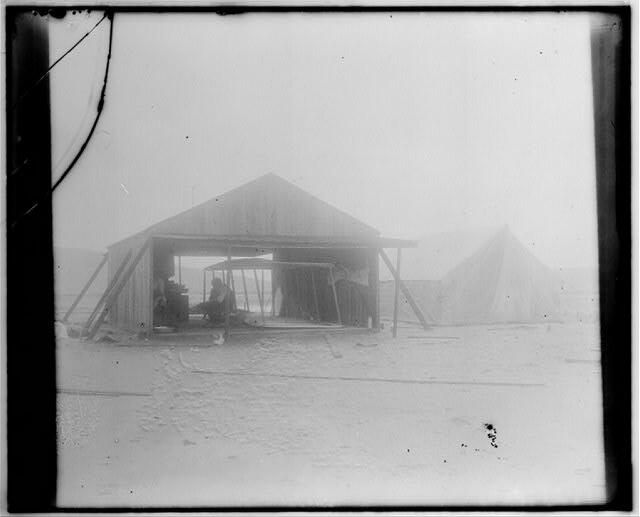
Wright brothers rebuilding their glider in a wooden shed erected in July to serve as a workshop and to house the glider in bad weather, August, 1901; Kitty Hawk, North Carolina
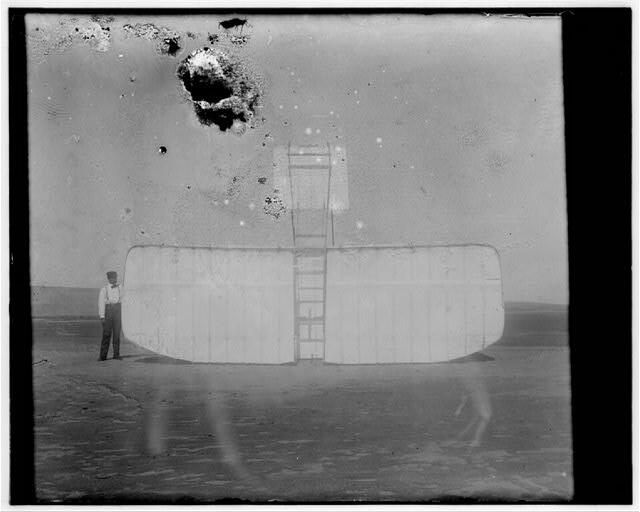
Orville at left wing end of upended glider, bottom view; Kitty Hawk, North Carolina
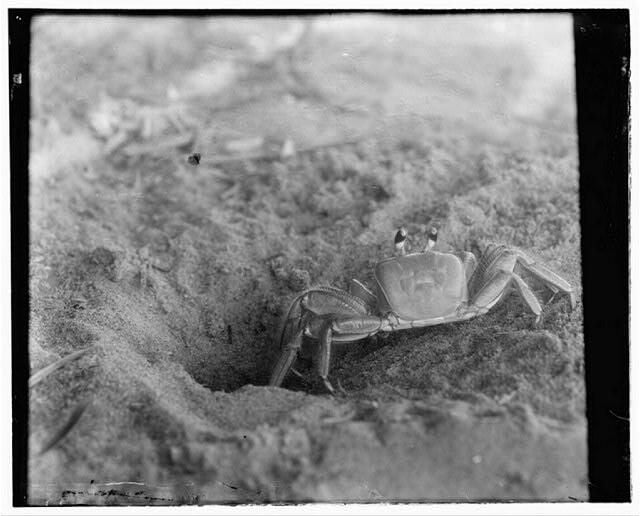
Sand crab; Kitty Hawk, North Carolina
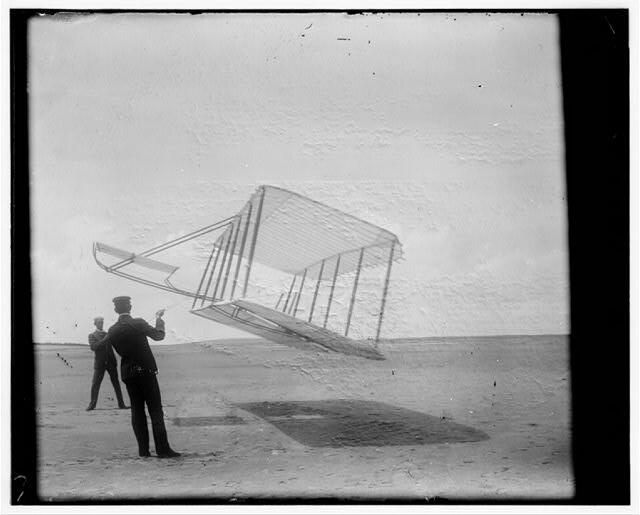
Side view of glider flying as a kite near the ground, Wilbur at left and Orville at right, glider turned forward to right and tipped downward
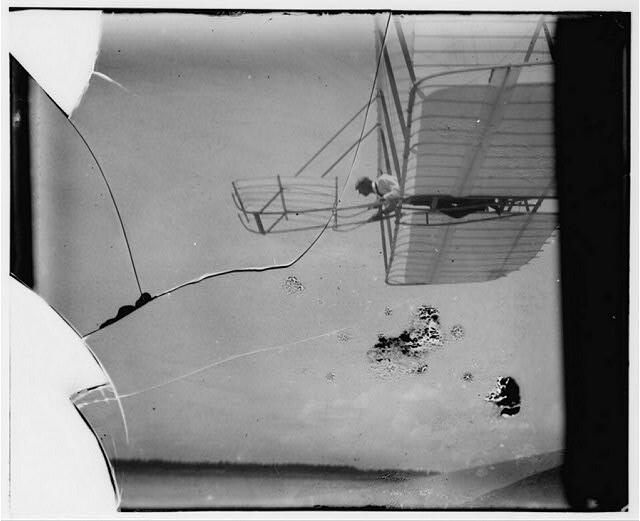
Side view of Wilbur Wright piloting a glider in level flight almost overhead, moving to left, showing bottom wing and elevator
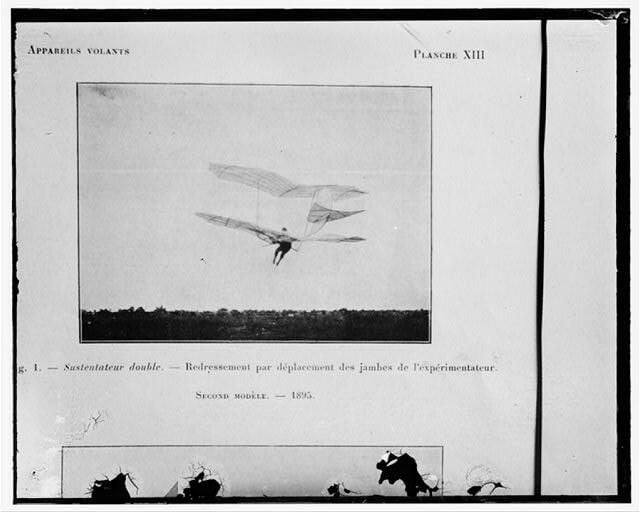
Otto Lilienthal glider, 1895 (from a magazine or newspaper)
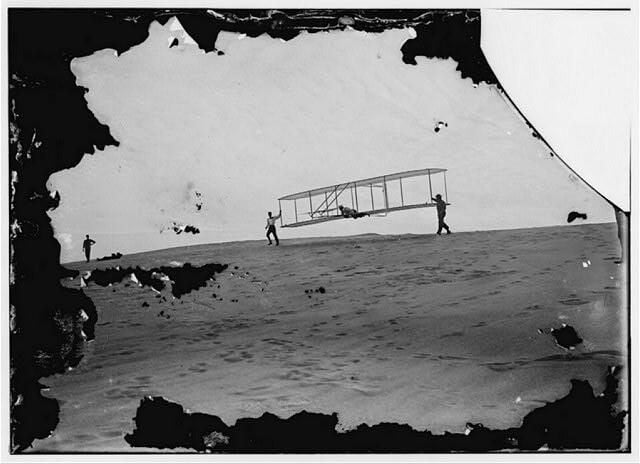
Start of a glide; Wilbur in motion at left holding one end of glider (rebuilt with single vertical rudder), Orville lying prone in machine, and Dan Tate at right; Kitty Hawk, North Carolina
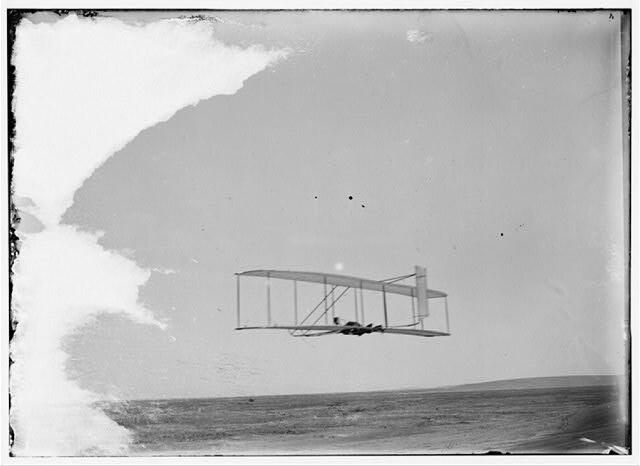
Wilbur gliding in level flight, single rear rudder clearly visible; Kitty Hawk, North Carolina
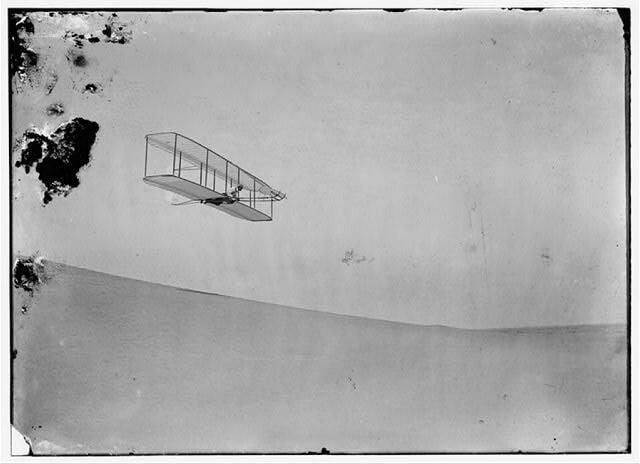
Wilbur gliding down steep slope of Big Kill Devil Hill; Kitty Hawk, North Carolina
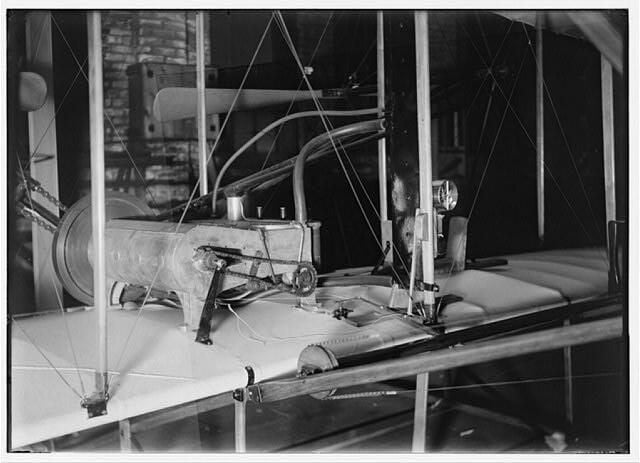
Powered 1903 machine in the shop
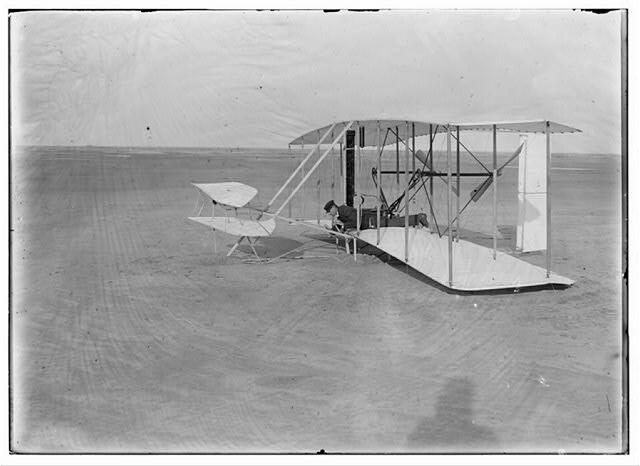
Wilbur in prone position in damaged machine on ground after unsuccessful trial of December 14, 1903; Kitty Hawk, North Carolina
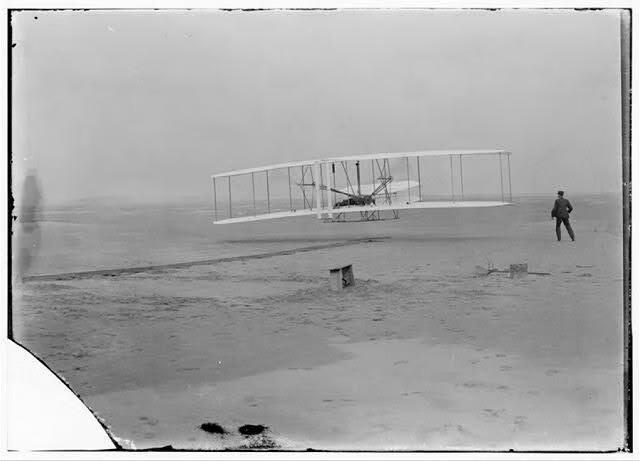
First flight, 120 feet in 12 seconds, 10:35 a.m.; Kitty Hawk, North Carolina
\n\n
The Wright Brothers invented and built the world’s first successful airplane and made the first controlled, powered and sustained heavier-than-air human flight on 17 December 1903. They are officially credited worldwide through the F\u00e9d\u00e9ration A\u00e9ronautique Internationale, the standard setting and record-keeping body for aeronautics and astronautics. The Wright Brothers later developed their flying machine into the first practical fixed-wing aircraft through the invention of flight controls.
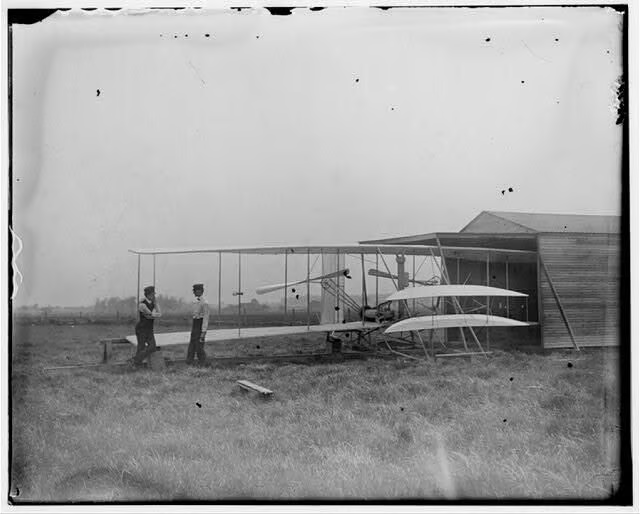
Wilbur and Orville Wright with their second powered machine; Huffman Prairie, Dayton, Ohio
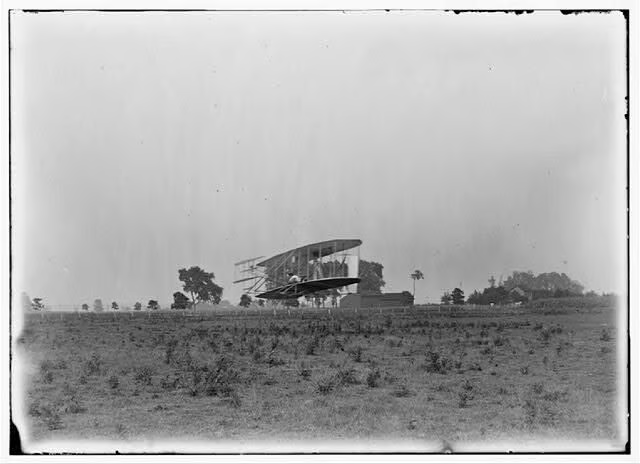
Flight 19: Orville piloting, covering a distance of 356 feet, machine close to the ground; Huffman Prairie, Dayton, Ohio
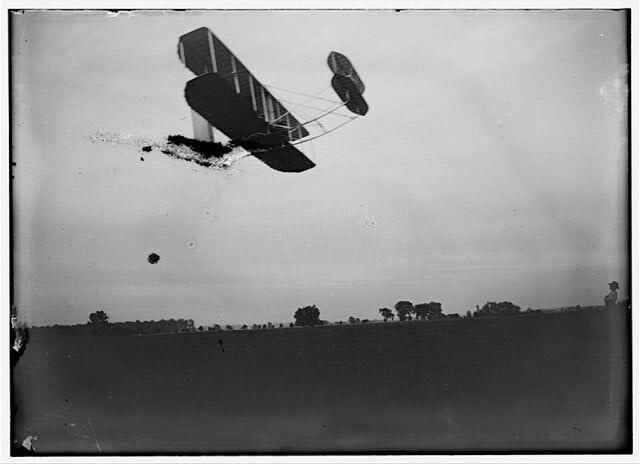
Side view of flight 41, showing the machine traveling to the right, with double horizontal rudder in front and double vertical rudder behind, as Orville flew 12 miles; Huffman Prairie, Dayton, Ohio
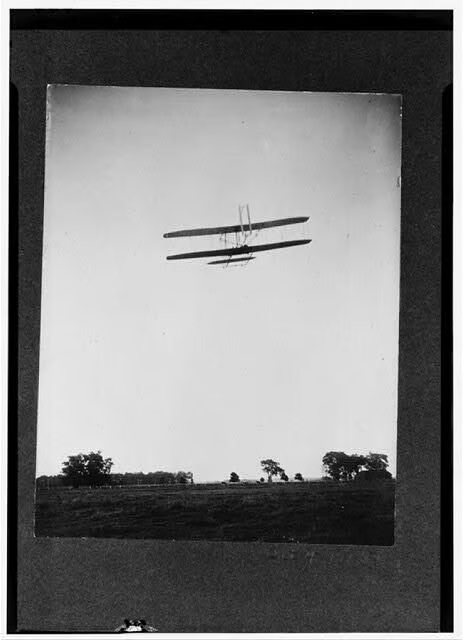
Rear view of flight 46, Orville shown flying at a high altitude over Huffman Prairie, Dayton, Ohio.
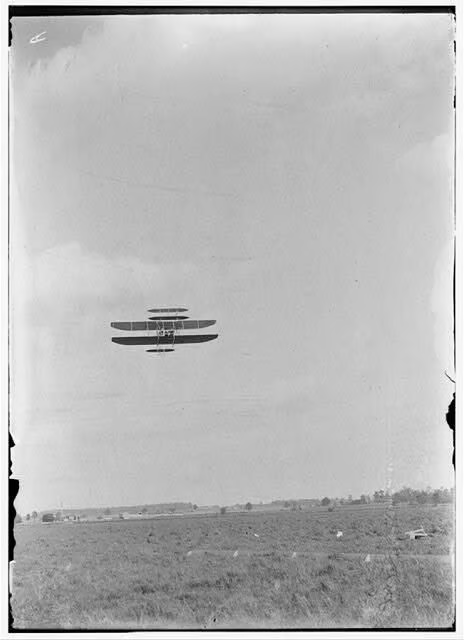
Series of flights from May through July, just after the opening of the Wright Flying School, probably Orville acting as instructor; Simms Station, Dayton, Ohio
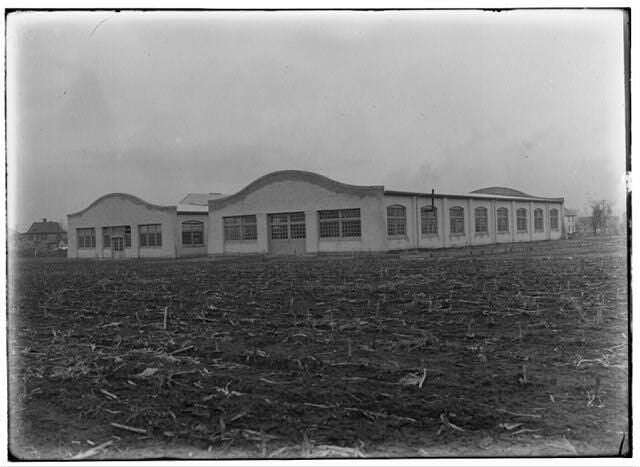
The Wright Company was incorporated on November 22, 1909. The factory was completed in November 1910 and a duplicate building was erected in 1911. The buildings continued in use until the Wright Company was sold, October 15, 1915.
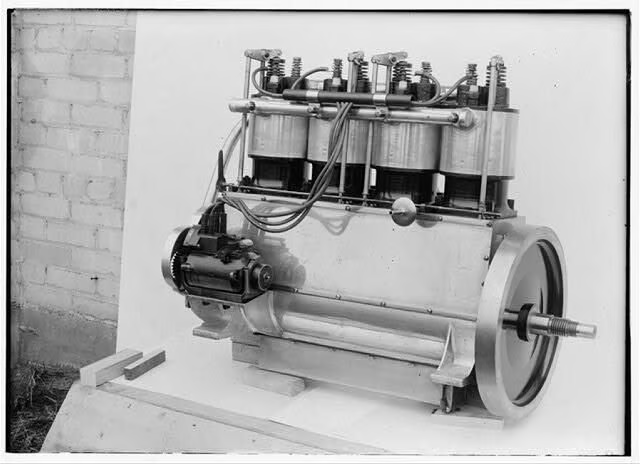
Magneto side of the Wright four-cylinder motor used in 1911
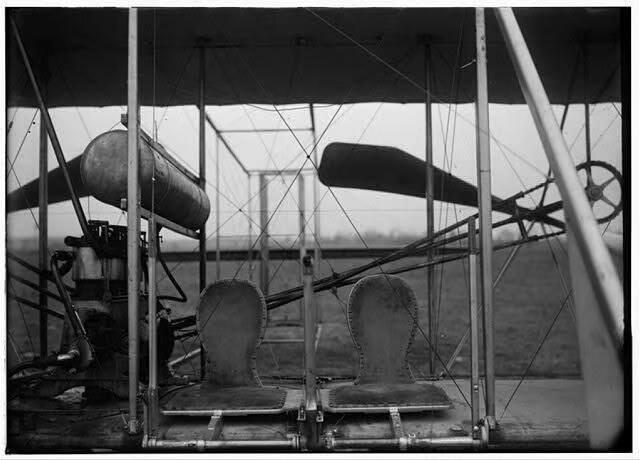
Close-up view of airplane, including the pilot and passenger seats
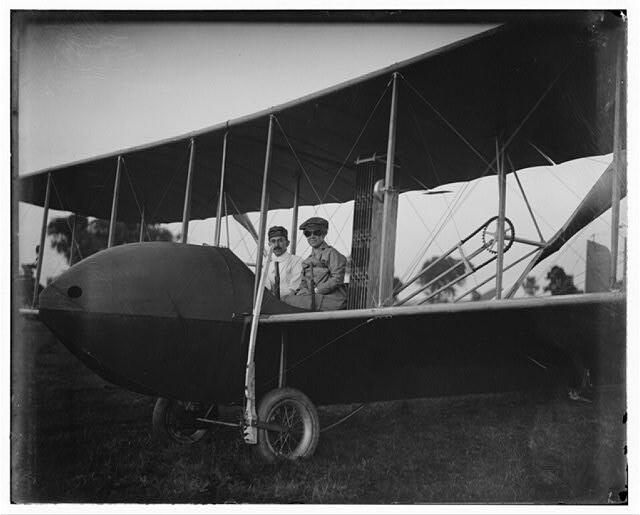
Katharine Wright, wearing a leather jacket, cap, and goggles, aboard the Wright Model HS airplane with Orville, 1915
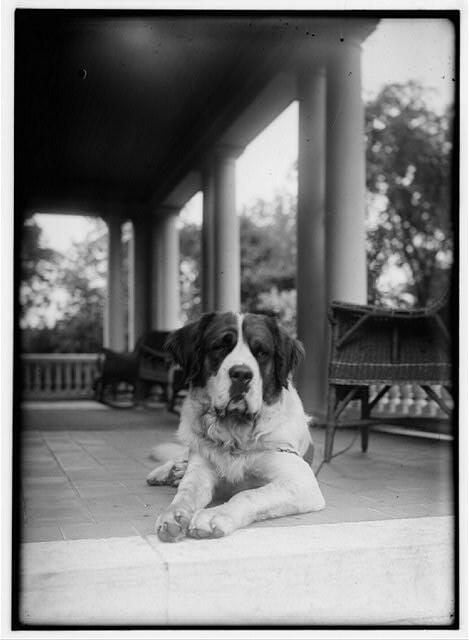
Scipio, a St. Bernard dog Orville acquired in March, 1917
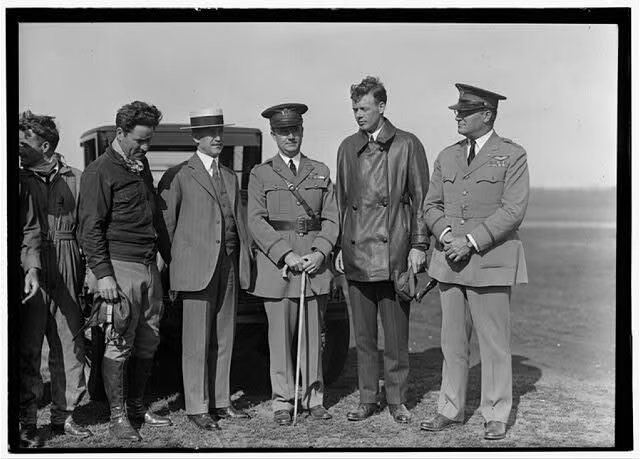
Orville Wright, Major John F. Curry, and Colonel Charles Lindbergh, who came to pay Orville a personal call at Wright Field, Dayton, Ohio. June 22, 1927 [Wilbur died in 1912]
\n\n
Charles Lindbergh famously piloted the first non-stop flight between New York and Paris in the Spirit of St. Louis in May 1927.
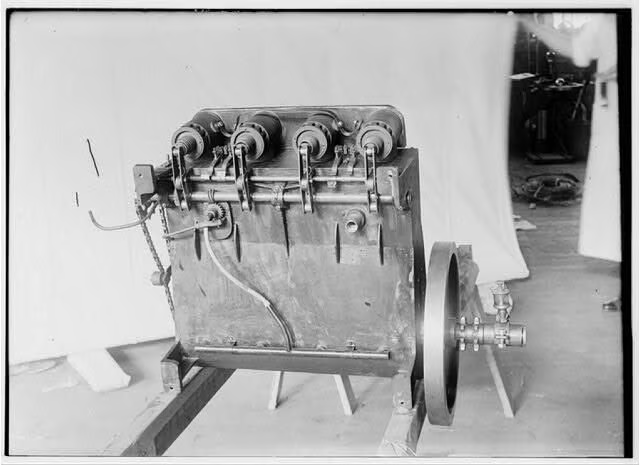
Underside view of the Wright brothers’ reconstructed 1903 motor
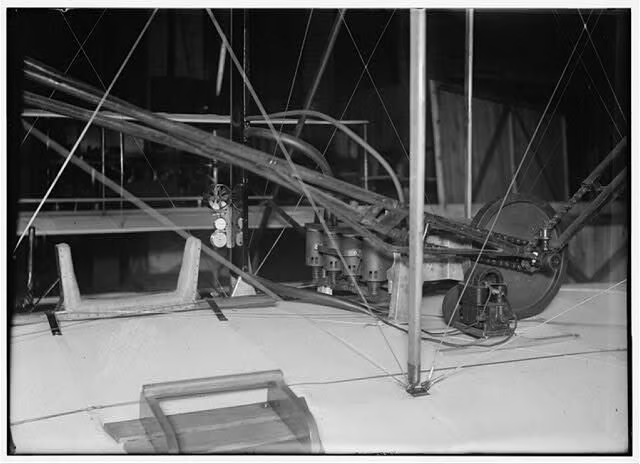
Rear view of the Wright brothers’ four-cylinder motor as installed in their 1903 airplane

Selena Frye is a former Senior Editor for TechRepublic. Her background is in technical writing, editing, and research. I edit the Data Center, Linux and Open Source, Apple in the Enterprise, and IT Security blogs.


