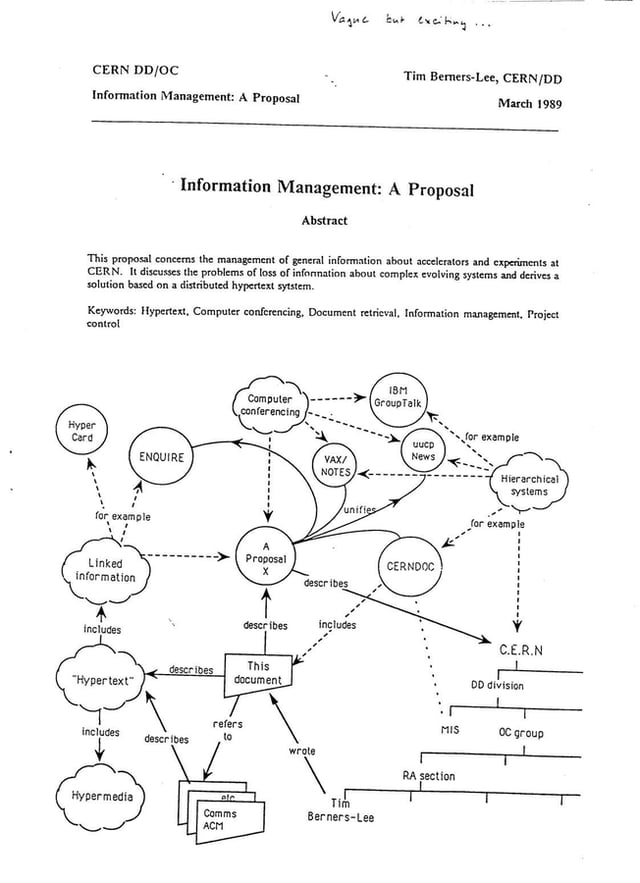
In March 1989, Tim Berners-Lee submitted a paper called “Information Management: a Proposal” to his supervisor Mike Sendall. This document, called “vague, but exciting” by Sendall, became the blueprint for the World Wide Web which launched the following year. \n\n
Click on any photo to enlarge. Credit: Cern
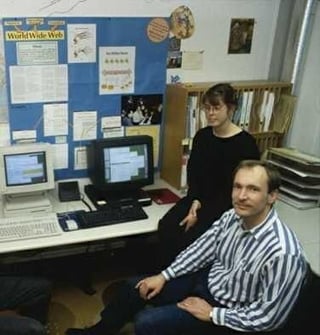
Nicola Pellow, the writer of the line-mode browser for the World Wide Web, sits with Tim Berners-Lee and the NeXT computer in 1991.\n
\nCredit: Cern
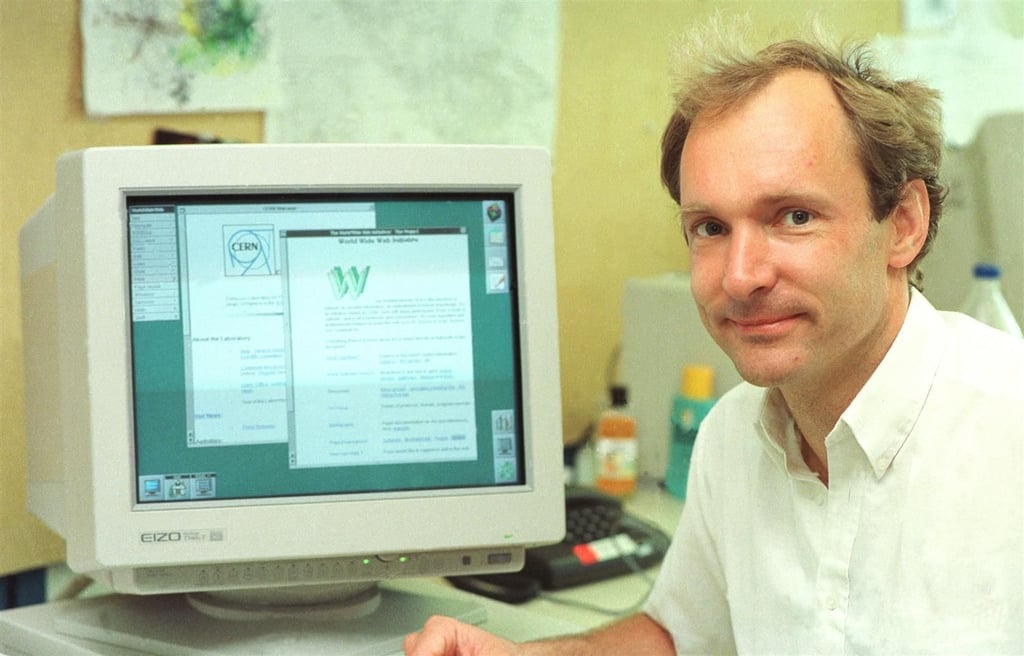
Tim Berners-Lee in 1994.\n
\nCredit: Cern
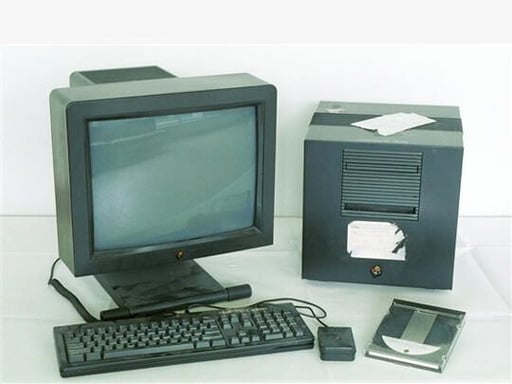
In 1990, the first Web server went on line.\n
\nCredit: Cern
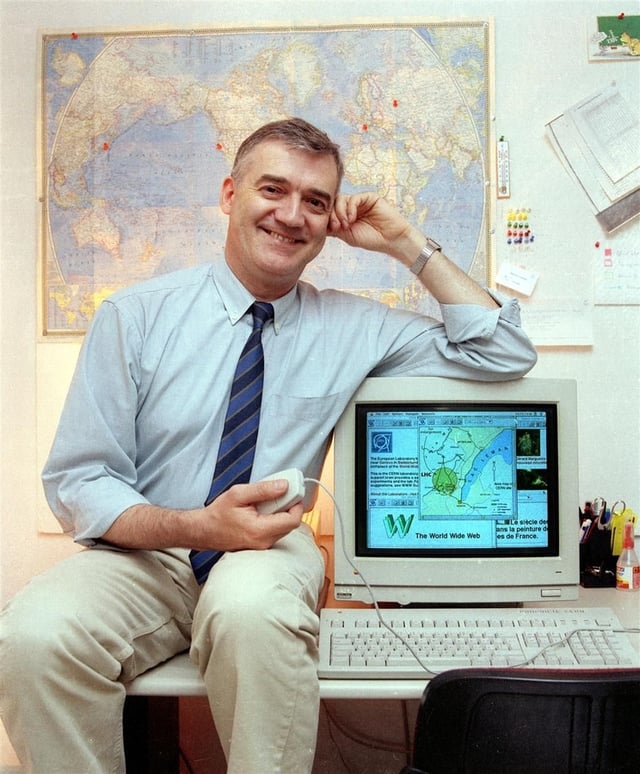
Robert Cailliau as he appeared in this 1995 photo was credited for working with Tim Berners-Lee to refine his World Wide Web proposal in 1990. He is credited with being the first Web surfer.\n\n
\nCredit: Cern
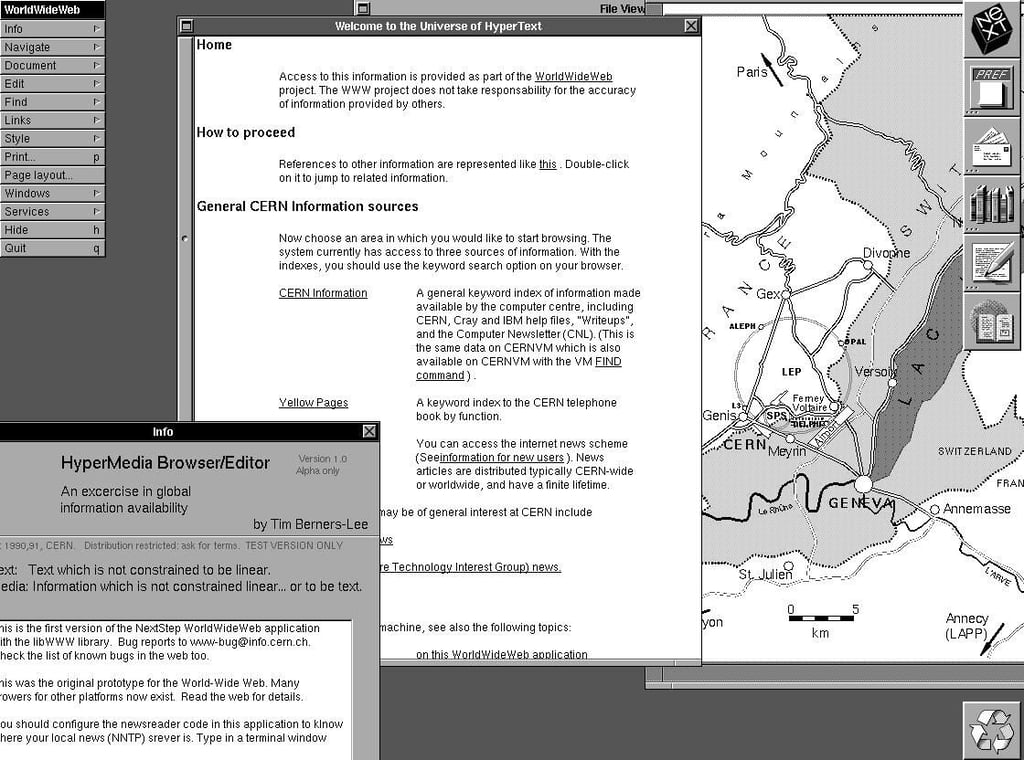
Here’s a screen shot on the NeXT screen of Tim Berners-Lee’s computer with the HyperText application used to browse the WWW in 1990. \n
An early WWW system, which included a simple browser, web server software and a library that helped developers build their own software, was released to the high energy physics community via the CERN program library in 1991. \n\n
The first web server was introduced in the United States came on-line in December 1991, at the Stanford Linear Accelerator Center in California.\n\n
\nCredit: Cern
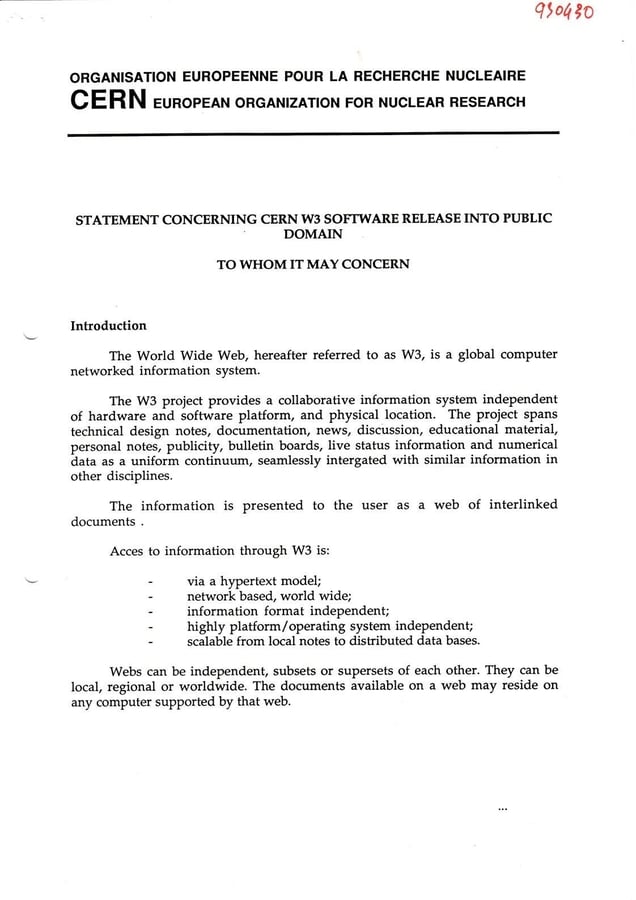
The document that officially put the World Wide Web into the public domain on April 30, 1993.\n
\nCredit: Cern
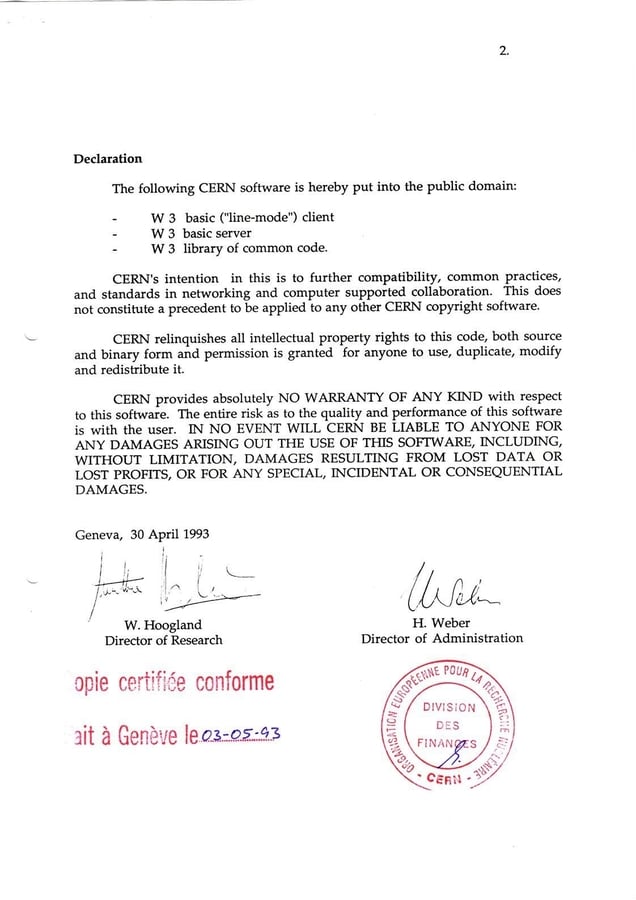
Page 2 of the WWW document.\n
\nCredit: Cern
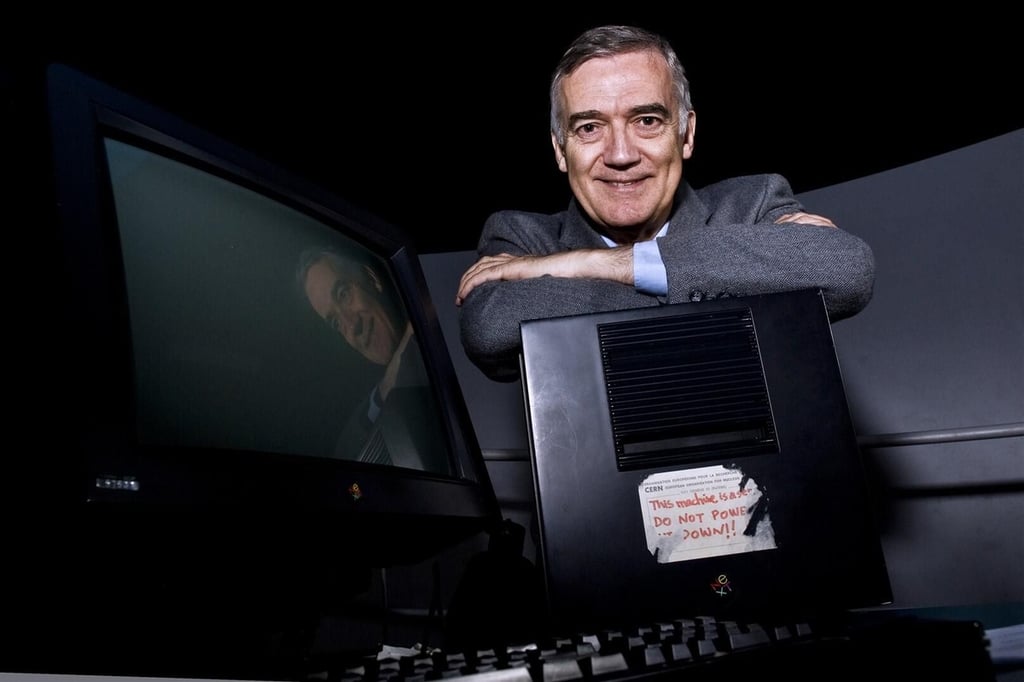
Robert Cailliau, Web pioneer, in front of the NeXT computer and original proposal for the Web at CERN’s Microcosm museum in June 2007.\n\n
\nCredit: Cern
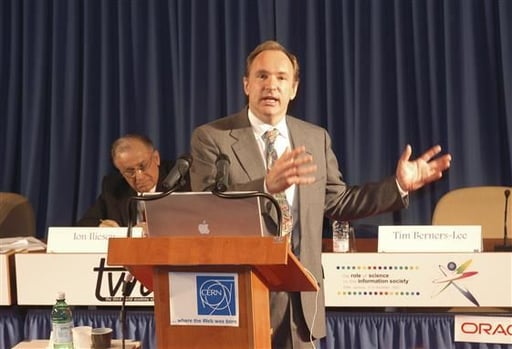
Berners-Lee at the RSIS conference in December 2003.\n
\nCredit: Cern
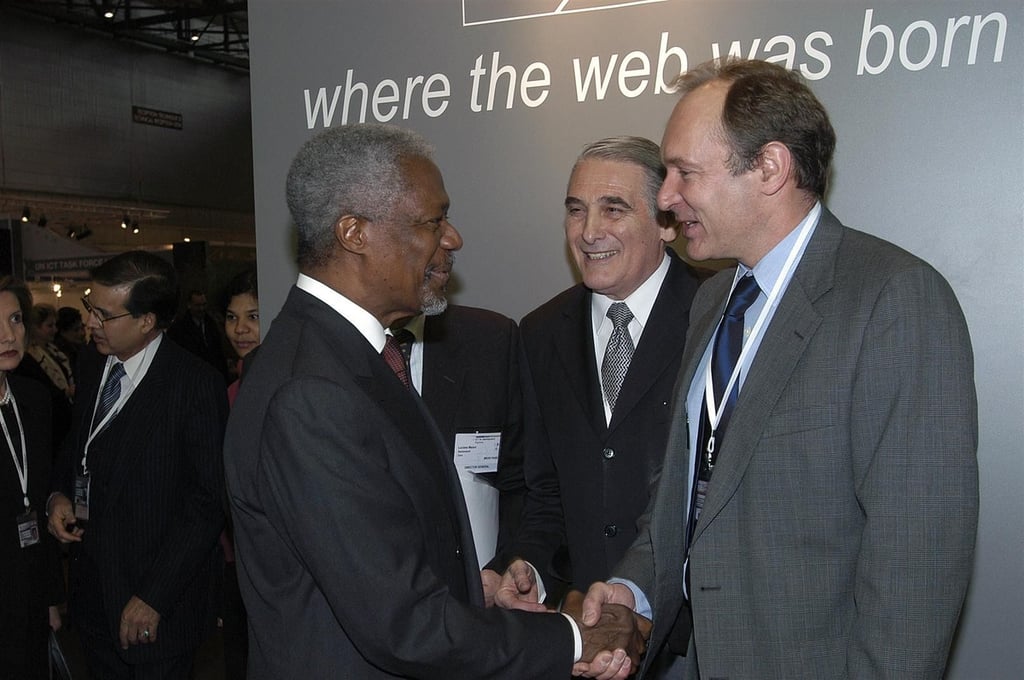
Berners-Lee greets United Nations Secretary General Kofi Annan in 2003.\n
\nCredit: Cern
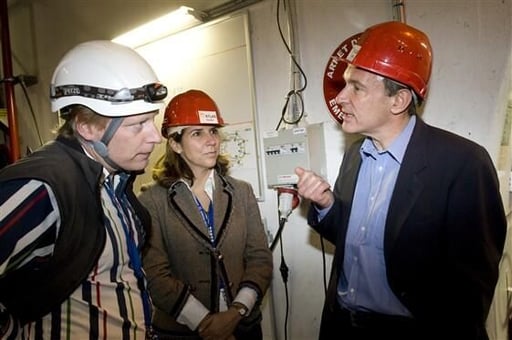
Tim Berners-Lee visits the ATLAS cavern on the 20th anniversary of the World Wide Web. ATLAS is a particle physics experiment at the Large Hadron Collider at Cern. \n
\nCredit: Cern


