\n\tFor fans of creaky 1992 Pierce Brosnan movie The Lawnmower Man, a research project in Switzerland should strike a chord. Silicon.com’s Tim Ferguson takes a look at a real virtual reality experiment.
\n
\n\tHowever, unlike the film, in which the local odd-job man becomes a threat to mankind as the result of virtual reality experiments aimed at boosting intelligence, the research project at the \u00c9cole Polytechnique F\u00e9d\u00e9rale de Lausanne (EPFL) is looking at the effect virtual reality has on people’s perceptions of themselves and their bodies.
\n
\n\tNeurologist at the EPFL’s Brain Mind Institute, Professor Olaf Blanke is leading the Real Avatar project to improve understanding of self-awareness through cognitive science, virtual reality and brain-imaging technology.
\n
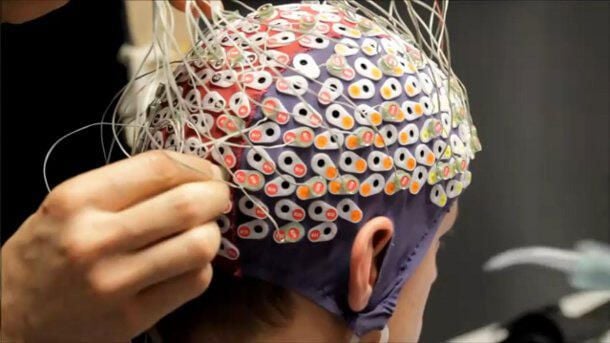
\n\tSubjects are immersed in the body of an avatar using a virtual reality headset and their brain electrical activity is monitored by electrodes fitted to a skullcap, shown above, as they are exposed to different 3D environments controlled by the researchers.
\n
\n\tPhoto: EPFL
\n
\n\tCaptions: Tim Ferguson silicon.com
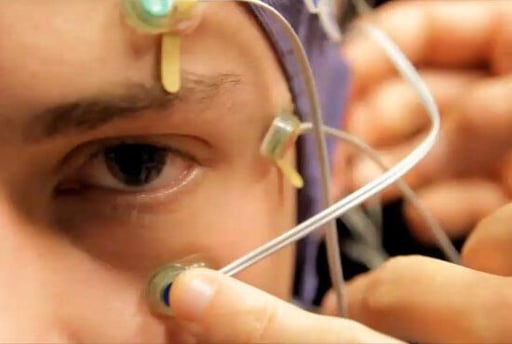
\n\tThe work is building on clinical studies of neurological patients who have reported out-of-body experiences. These episodes often show themselves through increased activity in the temporoparietal and frontal regions of the brain that translate touch and vision into coherent perception.
\n
\n\tPhoto: EPFL
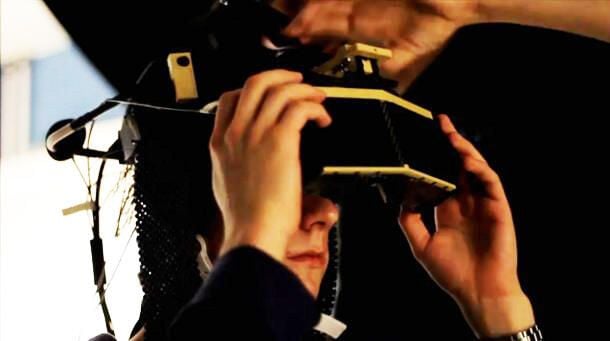
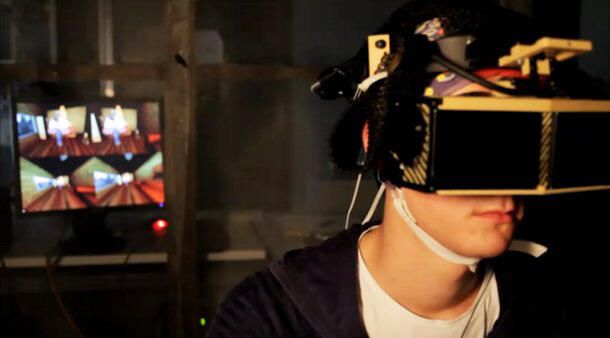
\n\tAs well as the electrodes, subjects are fitted with a stereoscopic visor that puts them in a virtual world, where they interact with other avatars and experience their own avatar from a first- and third-person perspective.
\n
\n\tPhoto: EPFL
\n\tThe questions the research is trying to answer include where people feel they are located in space and what they perceive to be their body, both of which are fundamental aspects of consciousness.
\n
\n\tEPFL’s Blanke said traditional approaches have not been looking at the right information to understand the notion of the ‘I’ of conscious feeling and thinking. “Our research approaches the self, first of all, as the way the body is represented in the brain and how this affects the conscious mind,” he added.
\n
\n\tPhoto: EPFL
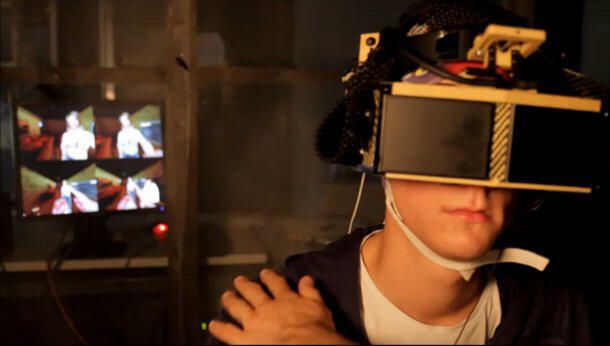
\n\tSubjects are able to stand, move their heads and walk while wearing the virtual reality headsets. To affect the responses of subjects, researchers touch them on the arm or shoulder, either at the same time as another avatar in the environment or slightly out of sync, to gauge the different reactions.
\n
\n\tPhoto: EPFL
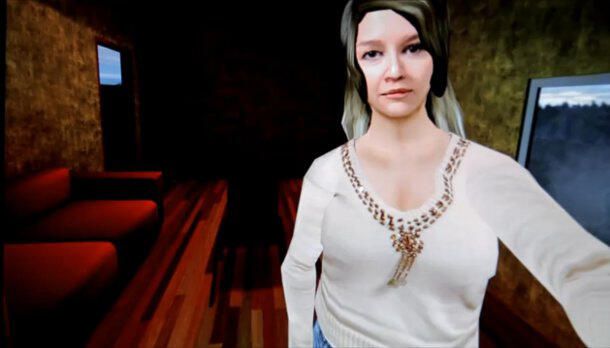
\n\tShown above is the view a subject has of another avatar touching them on the shoulder. The way they react to the visual and tactile sensations is measured by the electrodes attached to their head.
\n
\n\tThe research team has also looked at how brain activity reacts to men being projected onto female avatars and vice versa, as well as people being swapped between first-person and third-person perspectives.
\n
\n\tPhoto: EPFL
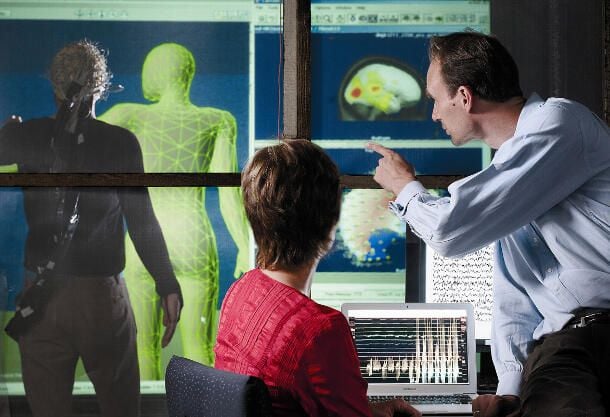
\n\tThe work being carried out by EPFL’s Blanke and his team could lead to improvements in neuro-rehabilitation and pain management, and in treating neurological and psychiatric disease. It could also contribute to the development of robotics and virtual reality.
\n
\n\tThe next step in the research is to study the brain’s response to changes to the balance and position of subjects’ limbs – which are two important body cues – while in virtual environments.
\n
\n\tWhen subjects are in situations where they are unable to distinguish between the real and virtual self, the researchers believe they will be in a position to ascertain factors that create self-awareness.
\n
\n\tPhoto: EPFL

My name is Sonja Thompson. I've worked for TechRepublic since October of 1999, starting with the enewsletter team, then with the Premium Products group (creating books and CDs), as well as programming some of the elements on the site. After leading the Tech News team on TR, I jumped at the opportunity to switch gears and try my hand at video editing, podcasts, and other forms of multimedia on the site. I'm currently the host of the Smartphones blog, plus I edit the TR Dojo video series. \ \ I graduated from the University of Louisville. Since then, I've also completed several technology related courses from SmartPlanet. My goal is to learn about the TR community, interact with members on the site, and hopefully encourage more people to participate - and more often.


