\n\tThe mission of NASA’s Kepler Space Telescope research program sounds simple: to explore the Milky Way galaxy and find other habitable planets. In some ways, it’s the real version of the U.S.S. Enterprise’s mission — to find new worlds and seek out new life, or at least a place we can move once we’ve outgrown the blue planet. Read my Geekend post, NASA’s Kepler Space Telescope searches for habitable planets, for details about some of the Kepler Space Telescope’s recent findings.
\n
\n\tThis gallery features images from the Kepler Space Telescope, as well as images from other space telescopes — specifically, Chandra, Hubble, and Spitzer — that offer valuable insight into the Kepler research project’s objective.
\n
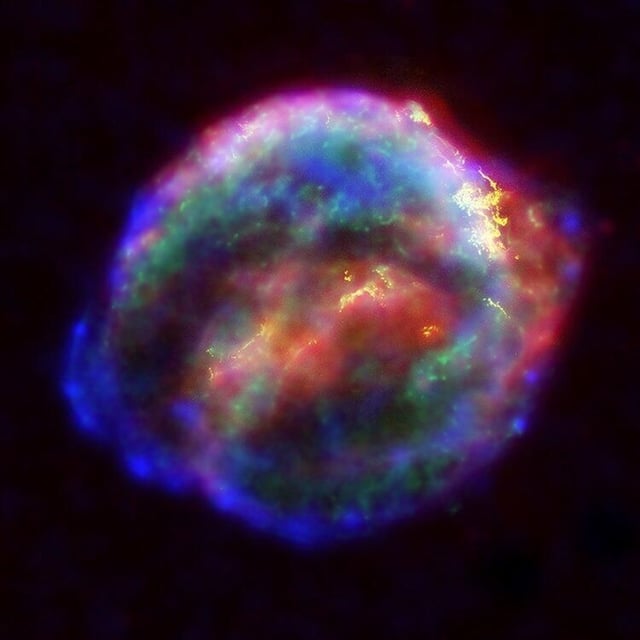
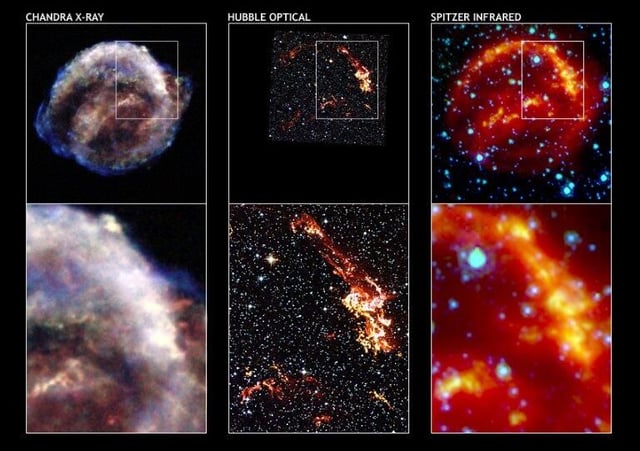
\n\t”Kepler’s Supernova” was viewed by astrologist Johannes Kepler on October 9, 1604. NASA was able to study the remnants of this supernova using optical, infrared, and x-ray light.
\n
\n\tImage credit: NASA
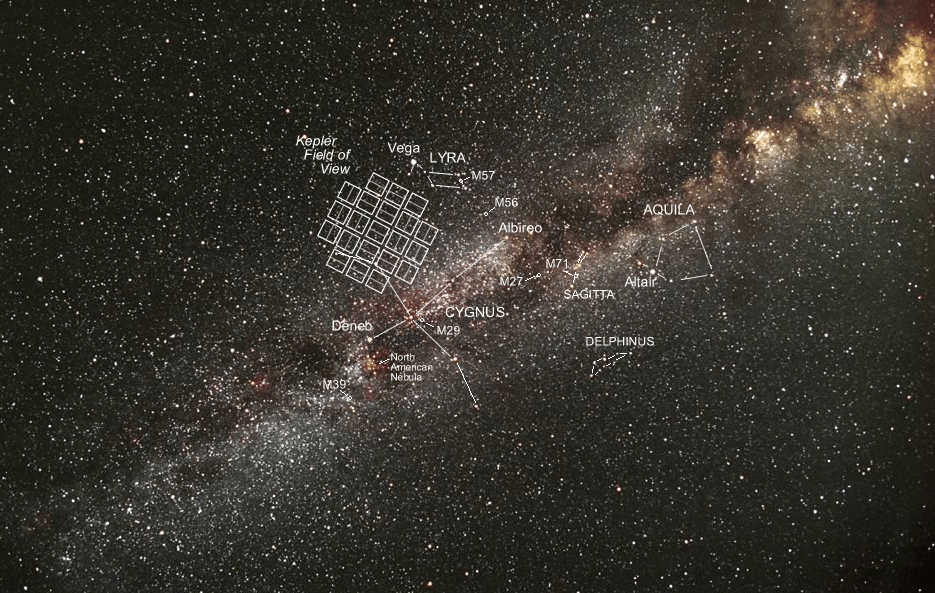
\n\tThe Kepler Space Telescope’s field of view of the Milky Way galaxy superimposed over the night sky from Earth.
\n
\n\tImage credit: NASA
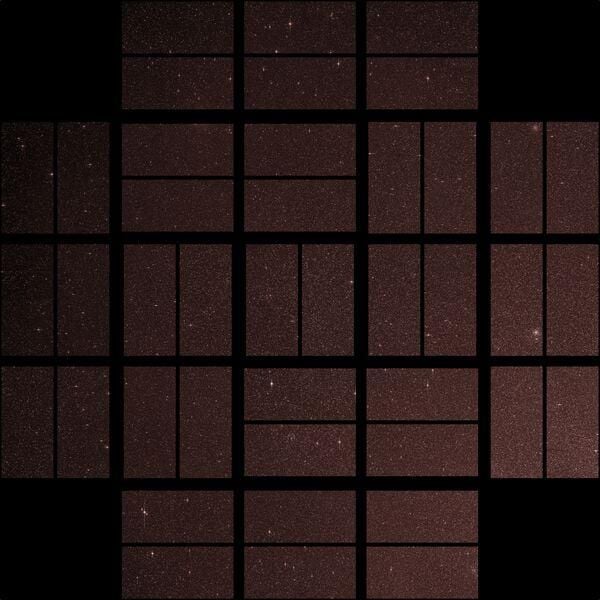
\n\tKepler’s full field of view.
\n
\n\tImage credit: NASA
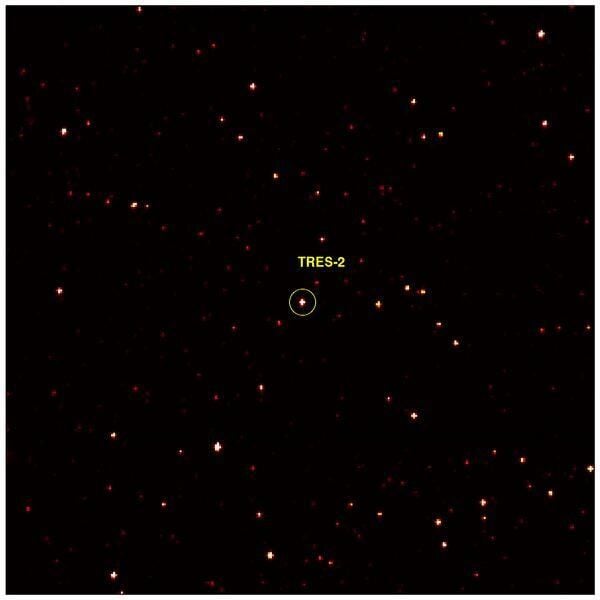
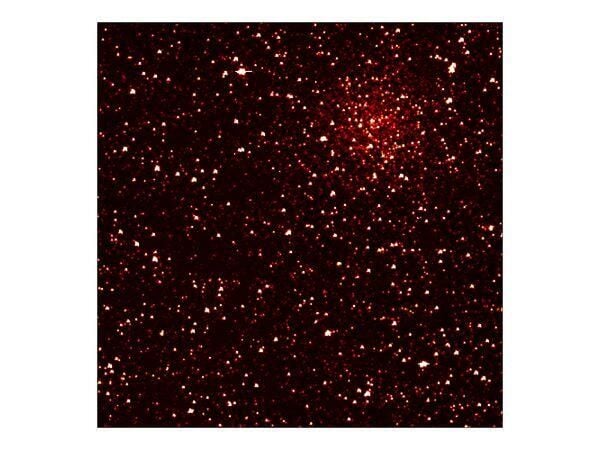
\n\tThe star cluster NGC 6791.
\n
\n\tImage credit: NASA
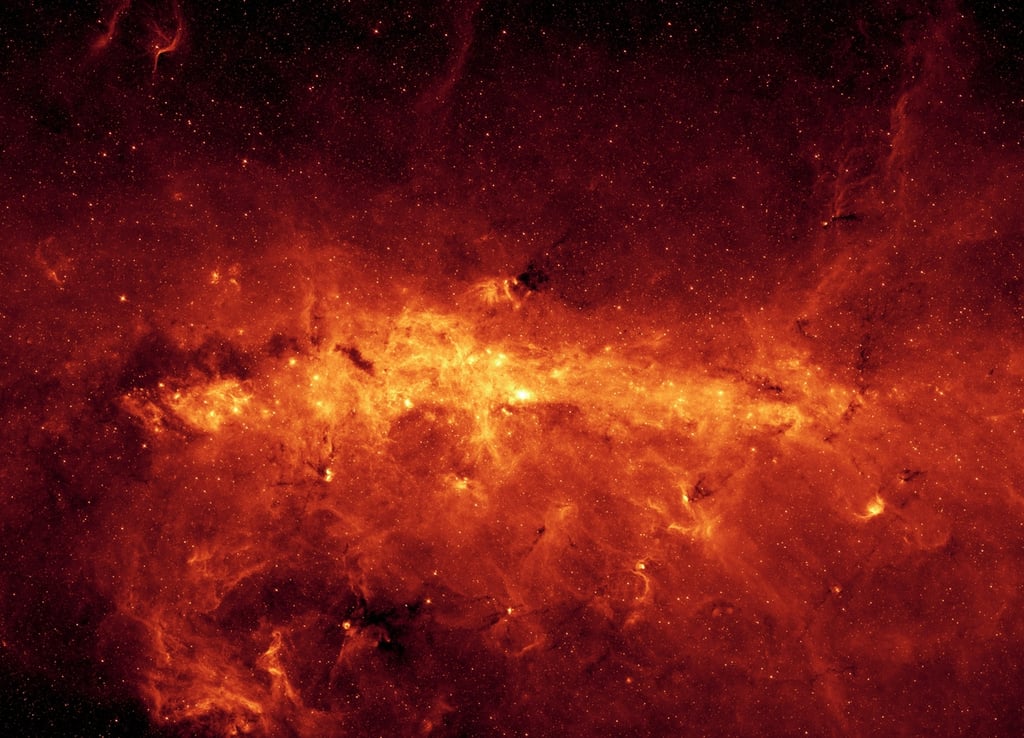
\n\tThe center of the Milky Way galaxy, taken by the Spitzer Space Telescope.
\n
\n\tImage credit: NASA
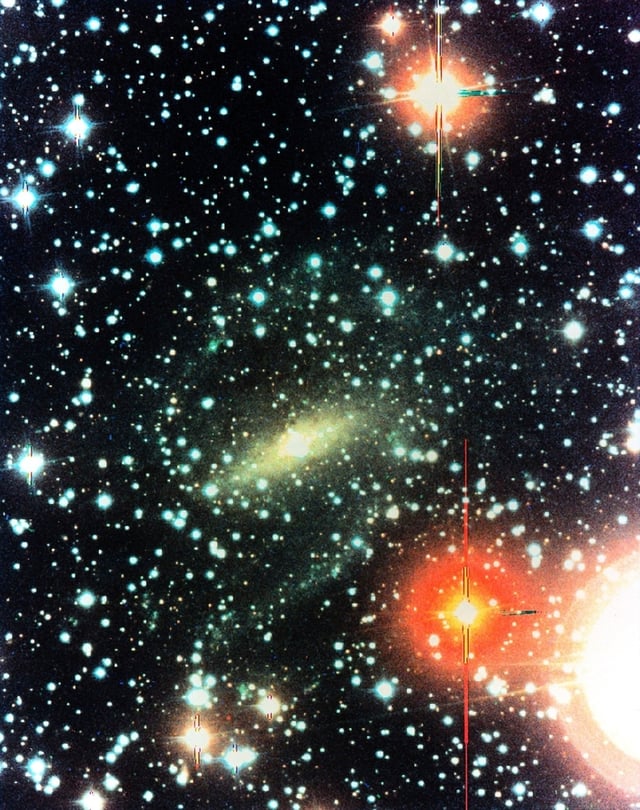
\n\tThe Hubble Space Telescope found a spiral galaxy hidden behind the Milky Way.
\n
\n\tImage credit: NASA
\n\tThe Chandra Space Telescope found a tidal disruption in our galaxy.
\n
\n\tImage credit: NASA
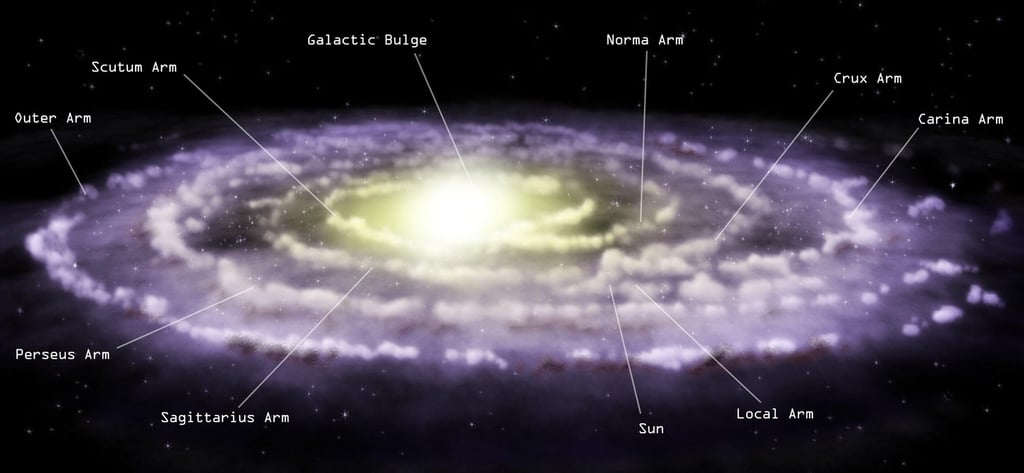
\n\tAn illustrated map of the Milky Way with important landmarks.
\n
\n\tImage credit: NASA
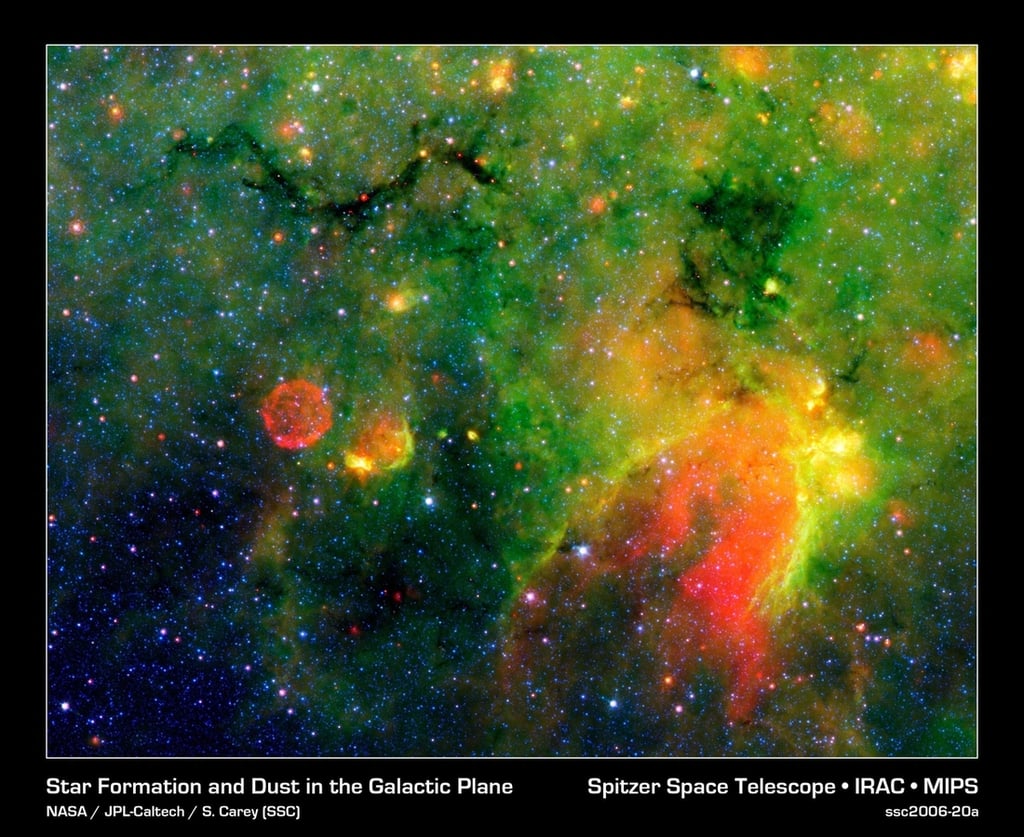
\n\tTake a look at the astrological \u201csnake\u201d in the upper left corner of this infrared image taken by the Spitzer Space Telescope. NASA scientists believe the belly of this \u201csnake\u201d holds forming planets and stars.
\n
\n\tImage credit: NASA
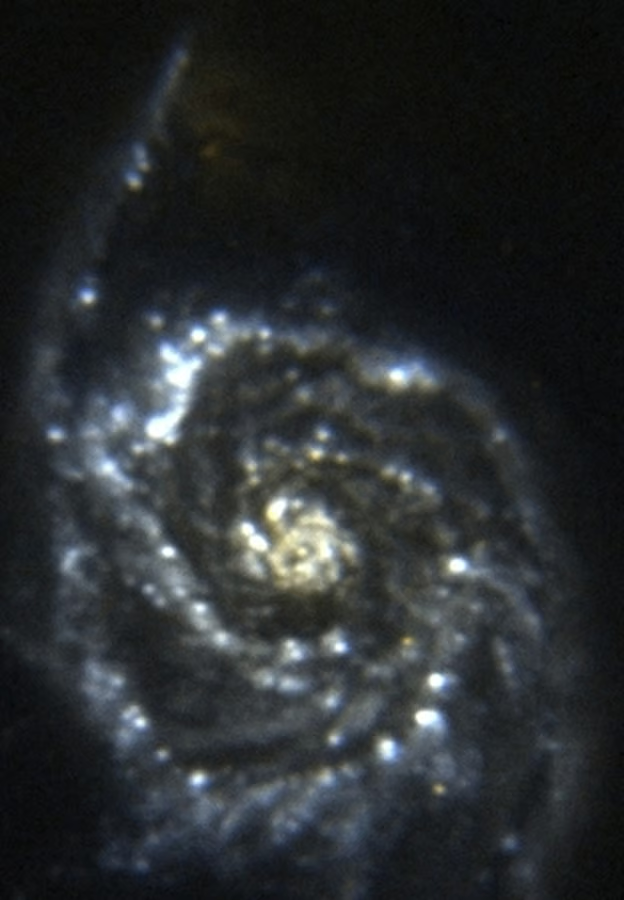
\n\tWhat happens when you take an X-ray of the galaxy? The Chandra Space Telescope took this ultraviolet picture of the Whirlpool Galaxy M51.
\n
\n\tImage credit: NASA
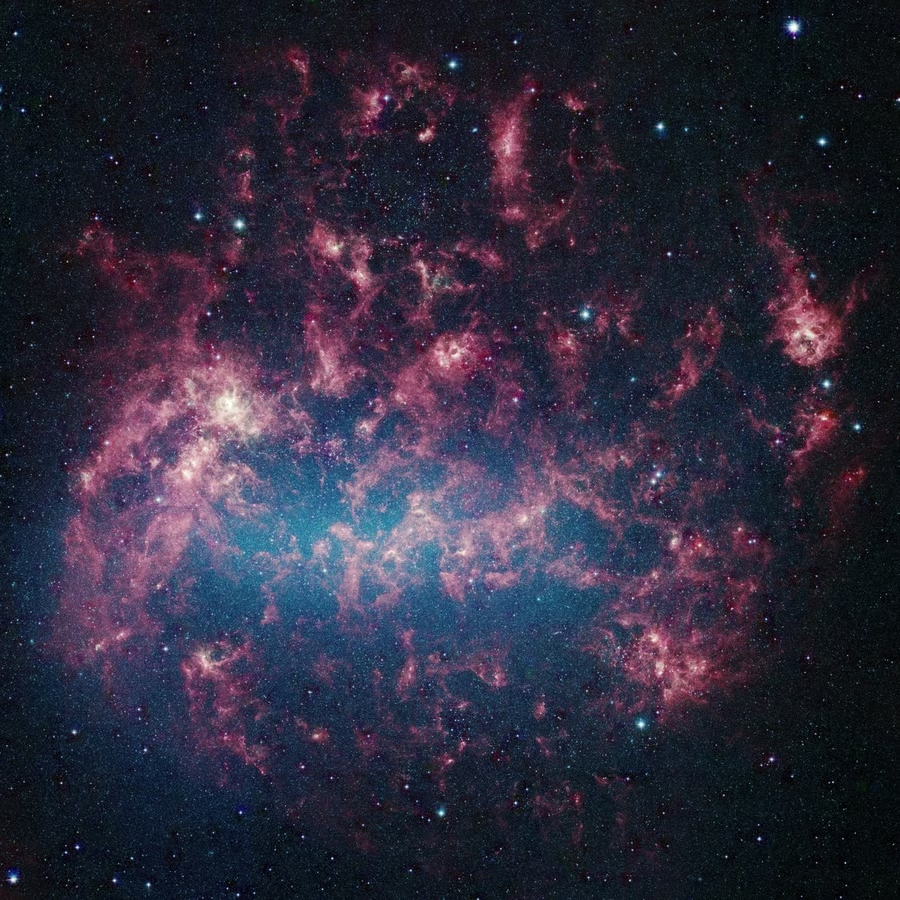
\n\tThis image of the Magellanic Cloud, taken by the Spitzer Space Telescope, shows the Milky Way’s satellite galaxy.
\n
\n\tImage credit: NASA
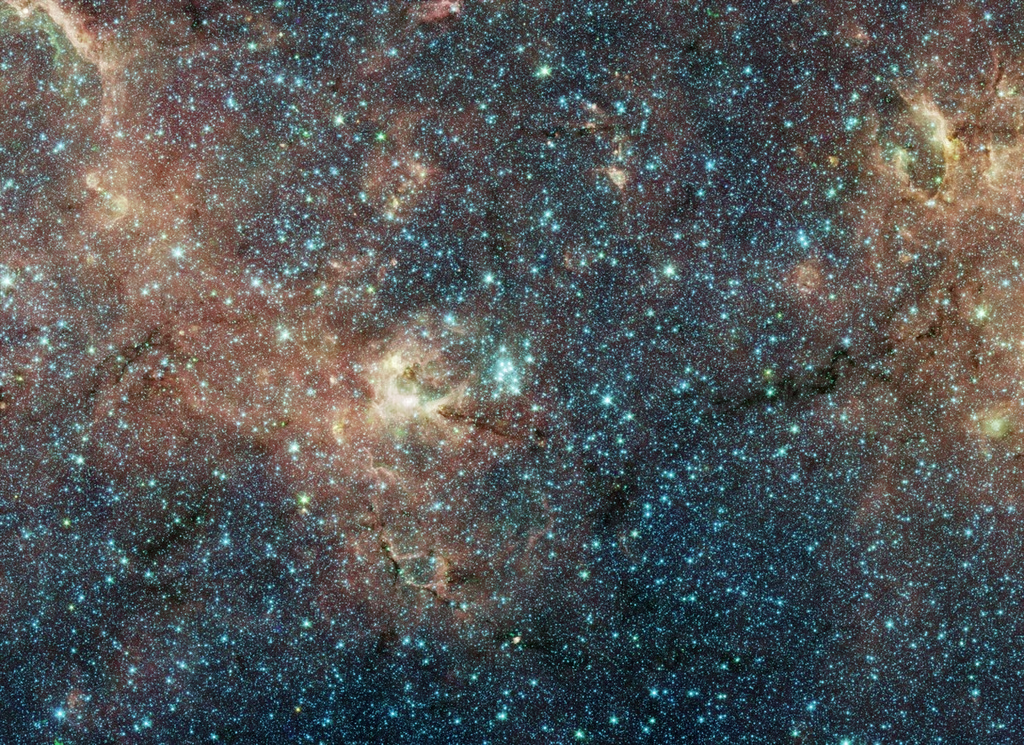
\n\tThis enormous star cluster, captured by the Hubble Space Telescope, was finally found to be the source of gamma ray and X-ray explosions.
\n
\n\tImage credit: NASA

Nicole Bremer Nash is Director of Content and Social Media for HuTerra, where she uses SEO and social media to promote charitable organizations in their community-building and fundraising efforts. She enjoys volunteering, arts and crafts, and conducting science experiments at home. Nicole has a Bachelor of Arts degree in English from Transylvania University, and has experience in copywriting for education, print, business, and the web. You can find her on Facebook and Twitter via @HuTerra.


