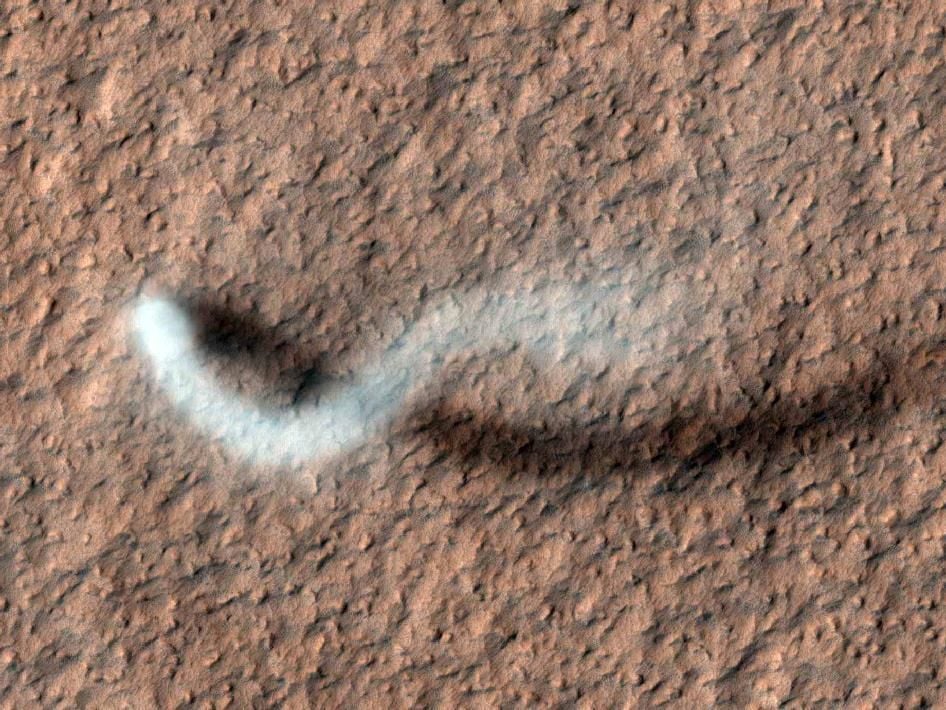
\n\tThe phenomenon of dust devils on the Martian surface has been known for year but the best image of one was recently taken by NASA’s High Resolution Imaging Science Experiment (HiRISE) camera on NASA’s Mars Reconnaissance Orbiter.
\n
\n\tDust Devils are spinning columns of air that pull dust from the surface to form a column. They are similar to a tornado on Earth but they differ because they are usually developed on a clear day when the sun warms the ground and air directly above. Then the warmer air rises through a small pocket of cooler air and may begin to rotate. Dust Devils occur on Earth, too.
\n
\n\tThis twister is about a half a mile tall.
\n
\n\tCredit: NASA/JPL-Caltech/Univ. of Arizona
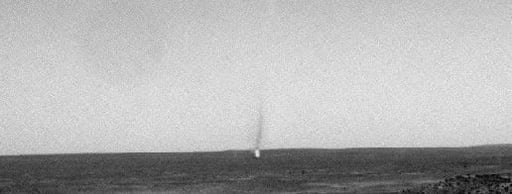
\n\tAlthough we knew dust devils existed on Mars, the Mars rover Spirit got the first real look at one in 2005.
\n
\n\tCredit: NASA/JPL-Caltech/Univ. of Arizona
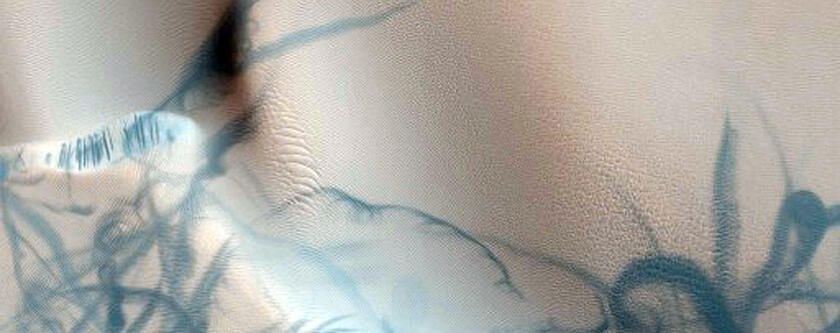
\n\tHere are dust devil tracks as they left their mark on the Martian surface.
\n
\n\tCredit: NASA/JPL/University of Arizona
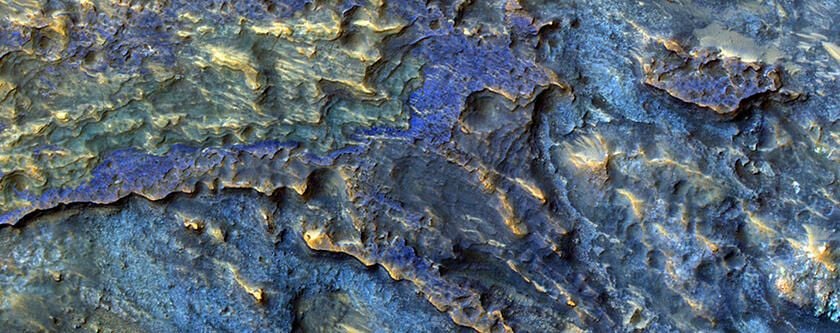
\n\tThe rest of this gallery is made up of other recent photos from the HiRISE camera on the Mars Reconnaissance Orbiter.
\n
\n\tThis enhanced photo of the floor of an ancient impact crater shows layers of water deposited sediment.
\n
\n\tNASA/JPL/University of Arizona
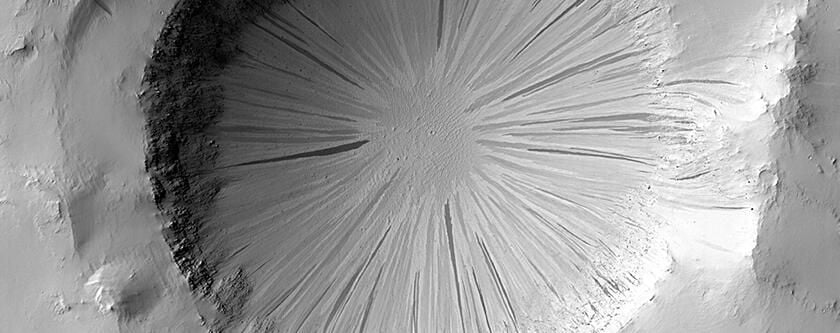
\n\tSlope streaks run down a crater wall.
\n
\n\tCredit: NASA/JPL/University of Arizona
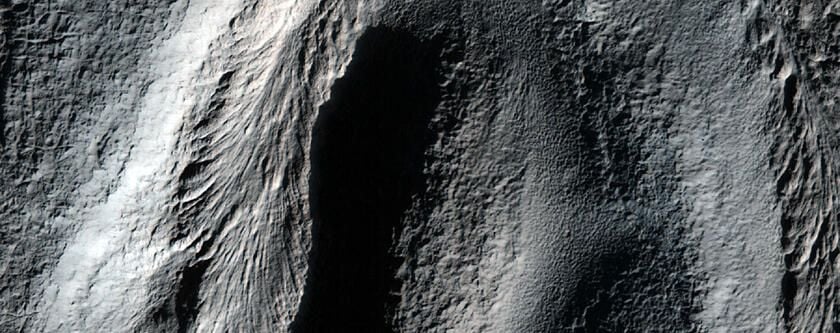
\n\tThis image shows areas that have long thought to be due to flowing ice, have been confirmed to be icy by the Shallow Radar (SHARAD) experiment on MRO.
\n
\n\tCredit: NASA/JPL/University of Arizona
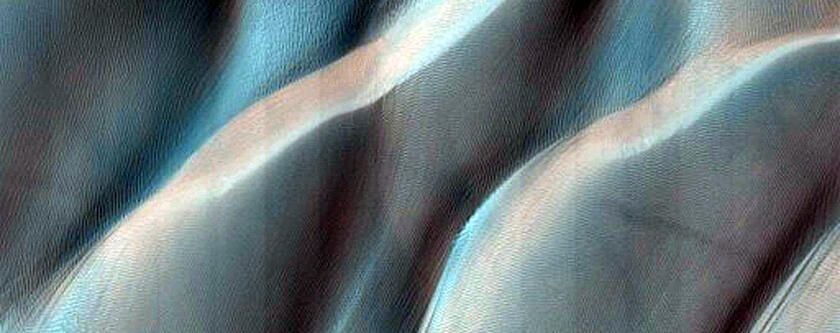
\n\tSand dune fields in Aonia Terra indicate that surface winds have changed direction – either over time or from one location to the next.
\n
\n\tYou can even see faint dark tracks from dust devils.
\n
\n\tCredit: NASA/JPL/University of Arizona
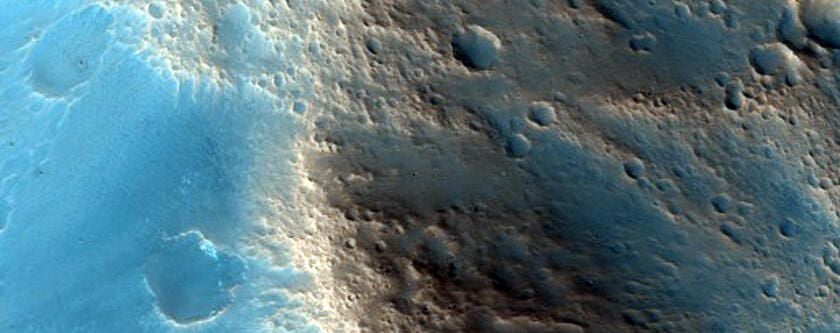
\n\tThis enhanced image in Acidalia Planitia almost looks like a coastline on Earth. This photo shows some well-preserved craters.
\n
\n\tCredit: NASA/JPL/University of Arizona
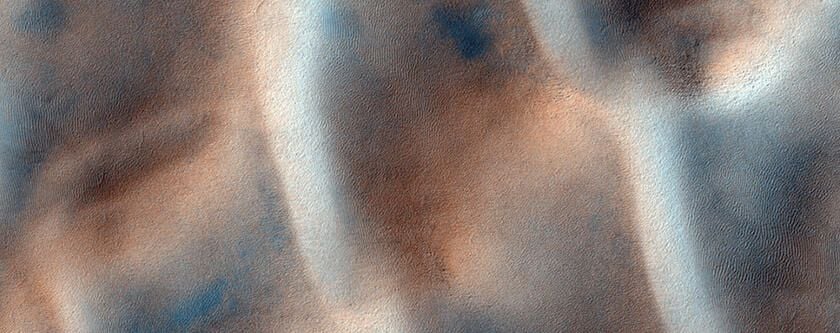
\n\tMore dunes.
\n
\n\tCredit: NASA/JPL/University of Arizona
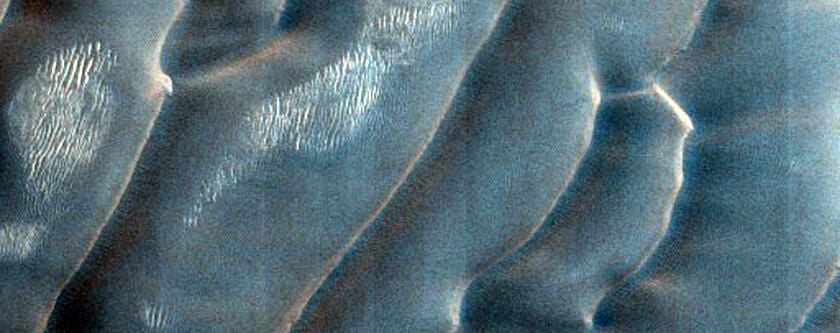
\n\tThis image shows exposed gypsum.
\n
\n\tCredit: NASA/JPL/University of Arizona
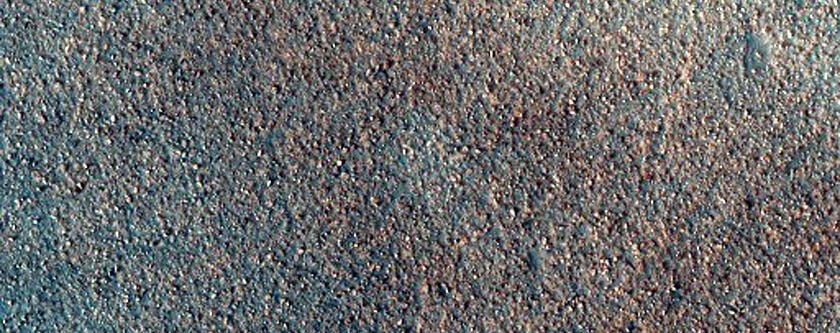
\n\tSurface morphology.
\n
\n\tCredit: NASA/JPL/University of Arizona


