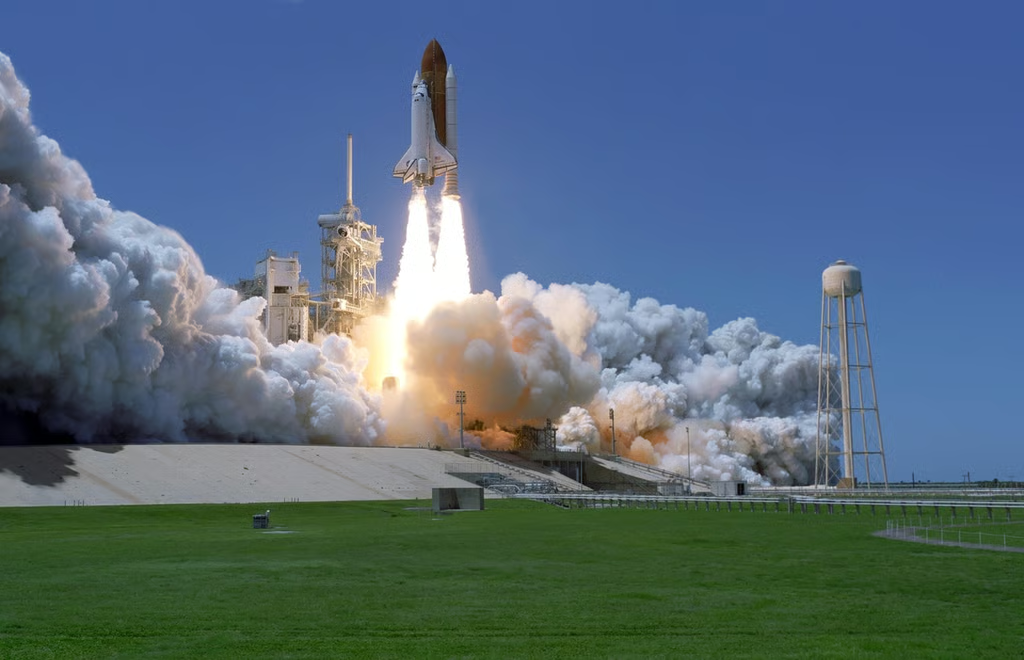
\n\tLast week’s NASA-based desktop wallpaper gallery was so popular we thought you would like to see more examples of the kind of images available for free from the NASA website.
\n\t
\n\tPlease, keep in mind this is just a sampling \u2013 there are thousands of images available if you want to check them out. This week’s gallery is concentrating on launches, which I think is one of the most exciting events you will ever see.
\n\t
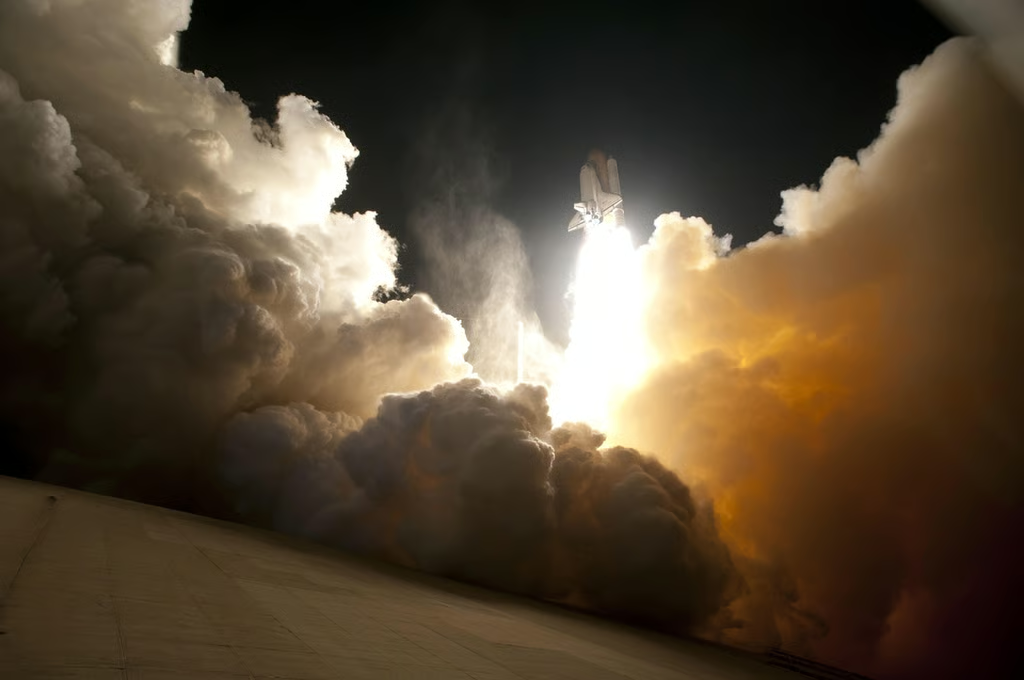
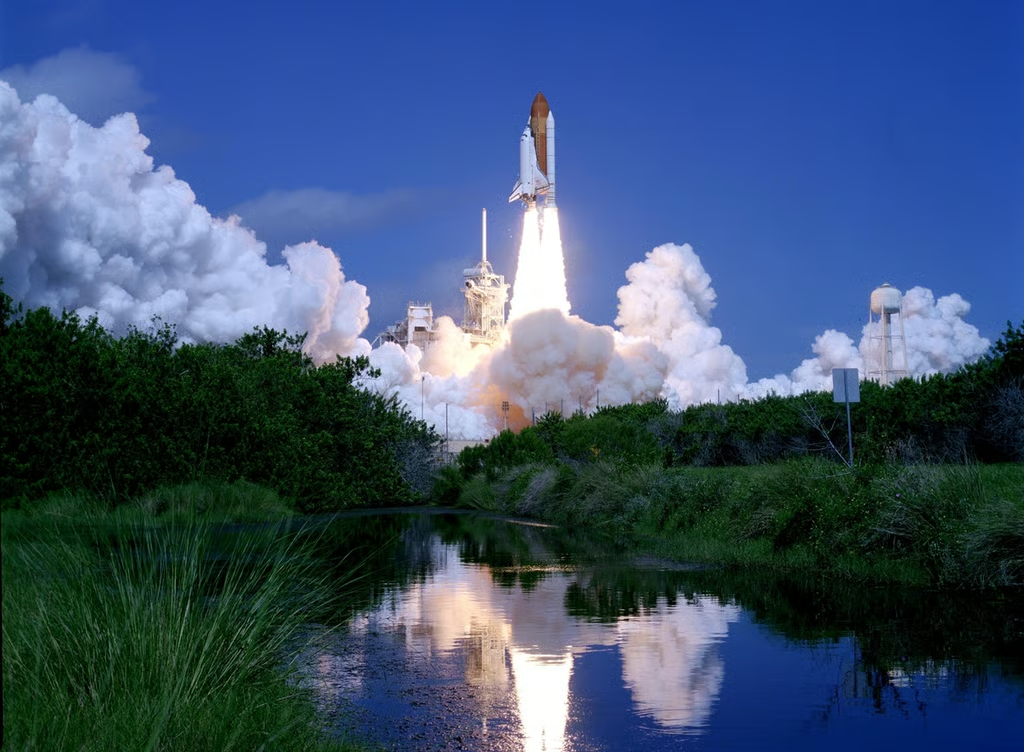
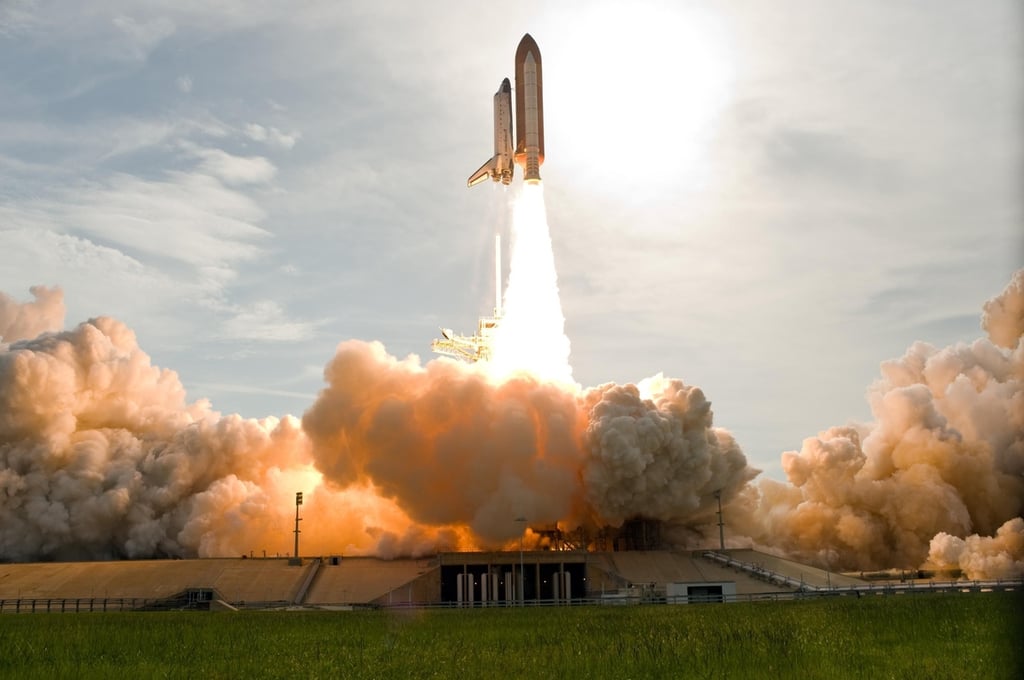
\n\tFor the best results, click the image above the description to navigate to the highest resolution image we have. That higher-resolution image is the one you should use as desktop wallpaper.
\n\t
\n\tNote: We will not produce a photo gallery in a zip file for several reasons, the most important of which is that each photo requires proper attribution, which is not feasible in a download. Very soon we will have a new modern gallery viewer that will make this a more pleasant experience, but until then you will have to exercise a bit of patience.
\n\t
\n\tCredit: NASA
\n
\n\tThis gallery was originally published in October 2010.
Credit: NASA
Credit: NASA
Credit: NASA
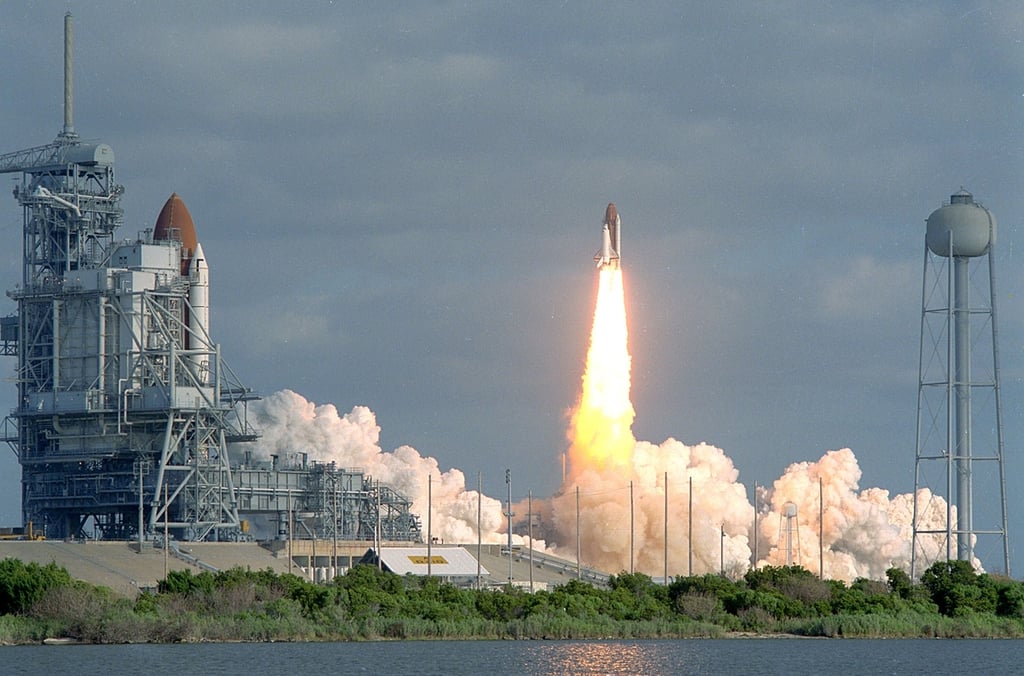
The Space Shuttle Columbia on Pad 39A during the picture-perfect ascent of sister ship Discovery after lift off of STS-31.
Credit: NASA
Credit: NASA
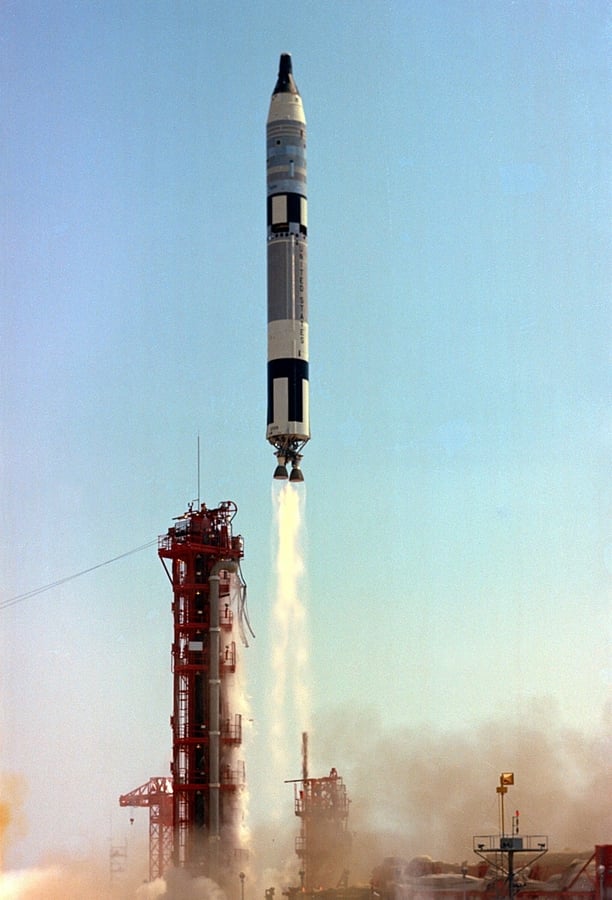
Gemini-Titan 4 (GT-4) lift-off from Pad 19. This flight included the first spacewalk by an American astronaut.
Credit: NASA
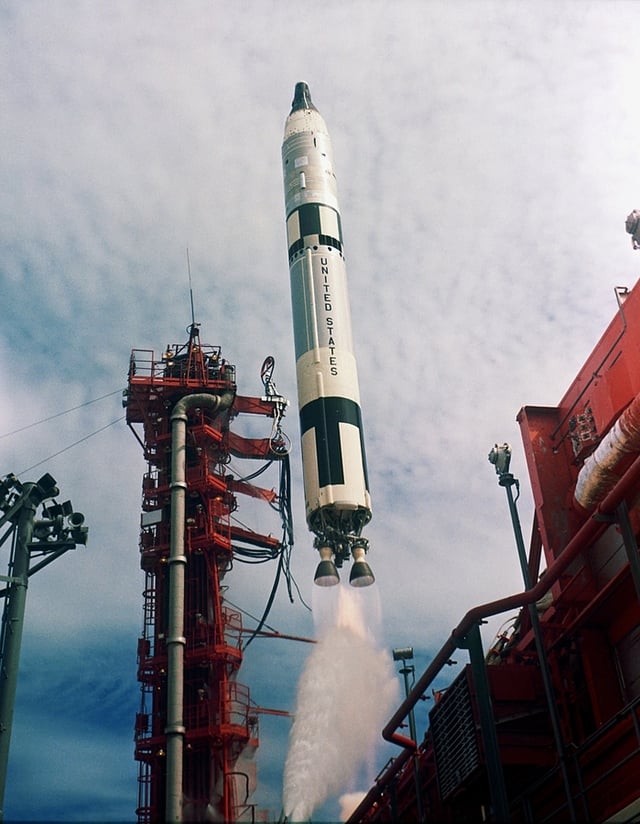
Lift-off of Gemini-Titan 11 (GT-11) on Complex 19. The Gemini 11 mission included a rendezvous with an Agena target vehicle.
Credit: NASA
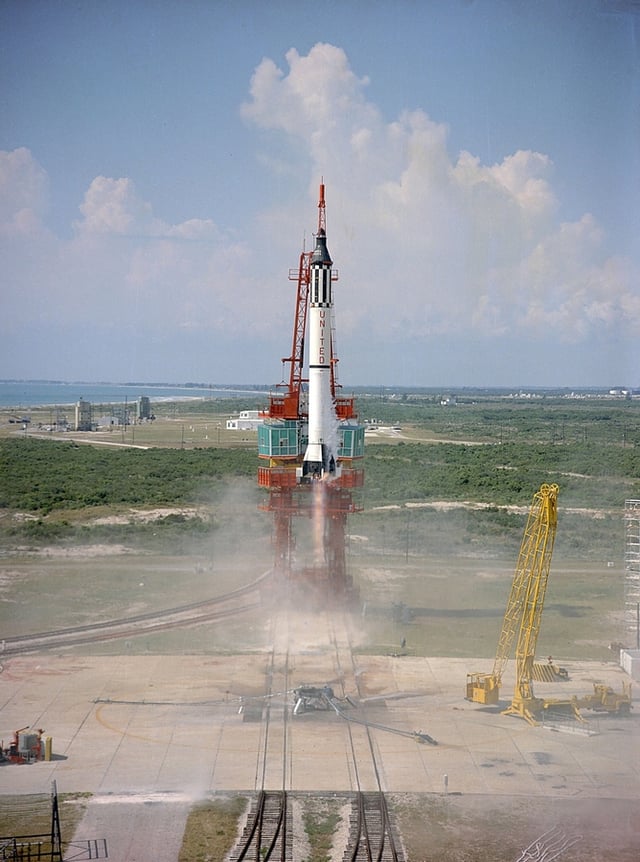
Launch of Freedom 7, the first American manned suborbital space flight. Astronaut Alan Shepard aboard, the Mercury-Redstone (MR-3) rocket is launched from Pad 5.
Credit: NASA
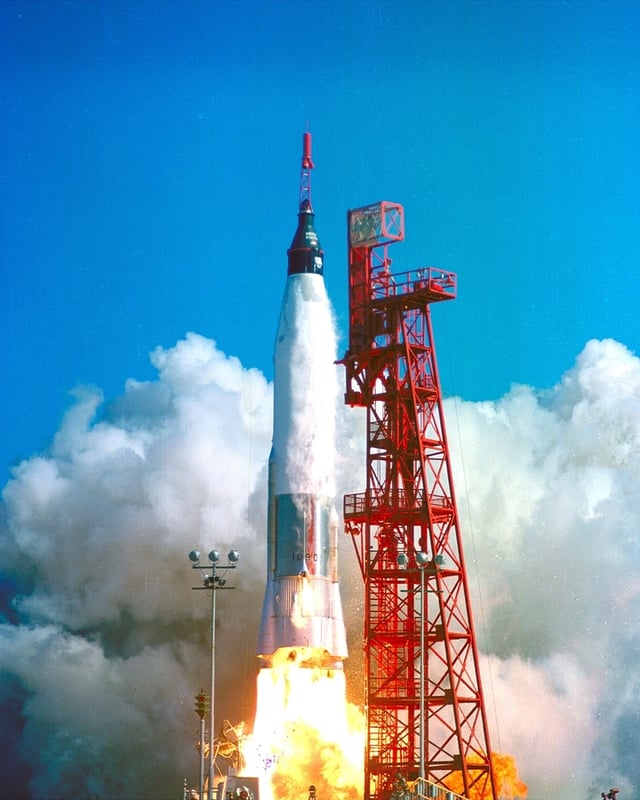
Launch of Friendship 7, the first American manned orbital space flight. Astronaut John Glenn aboard, the Mercury-Atlas rocket is launched from Pad 14.
Credit: NASA
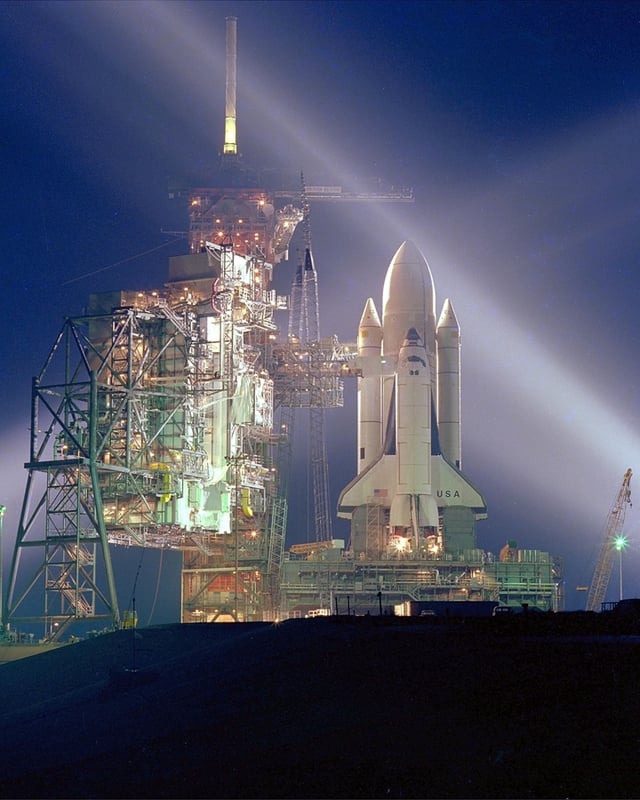
A timed exposure of the Space Shuttle, STS-1, at Launch Pad A, Complex 39.
Credit: NASA
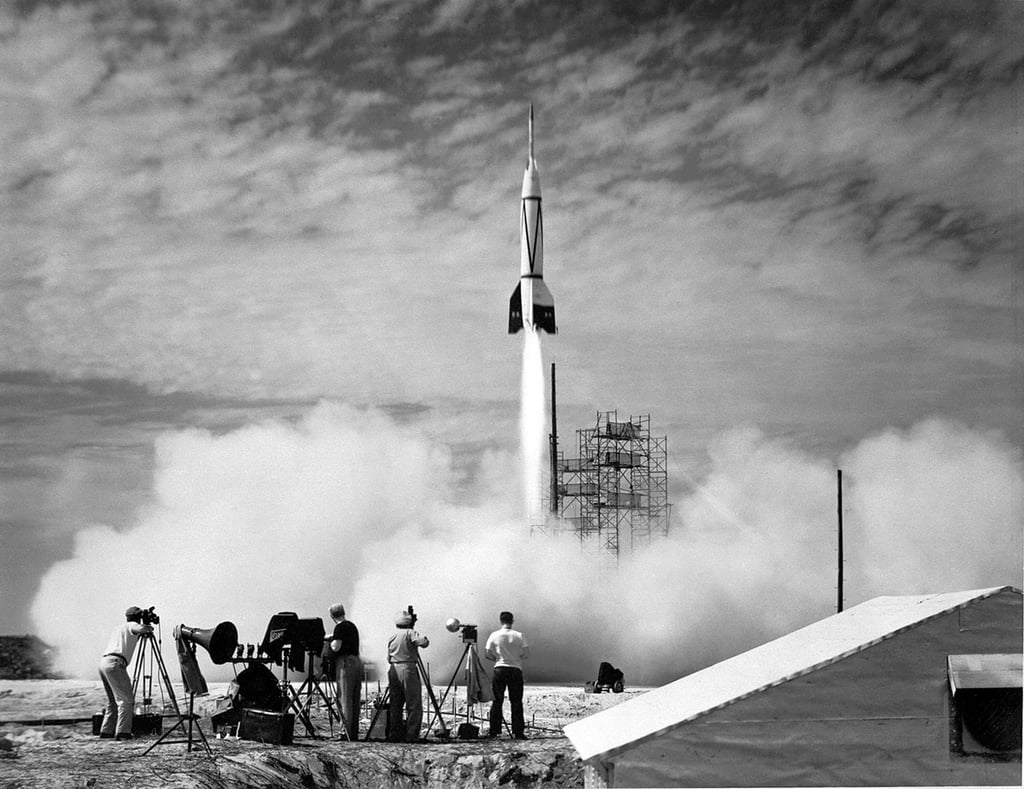
The Bumper V-2 was the first missile launched at Cape Canaveral on July 24, 1950.
Credit: NASA
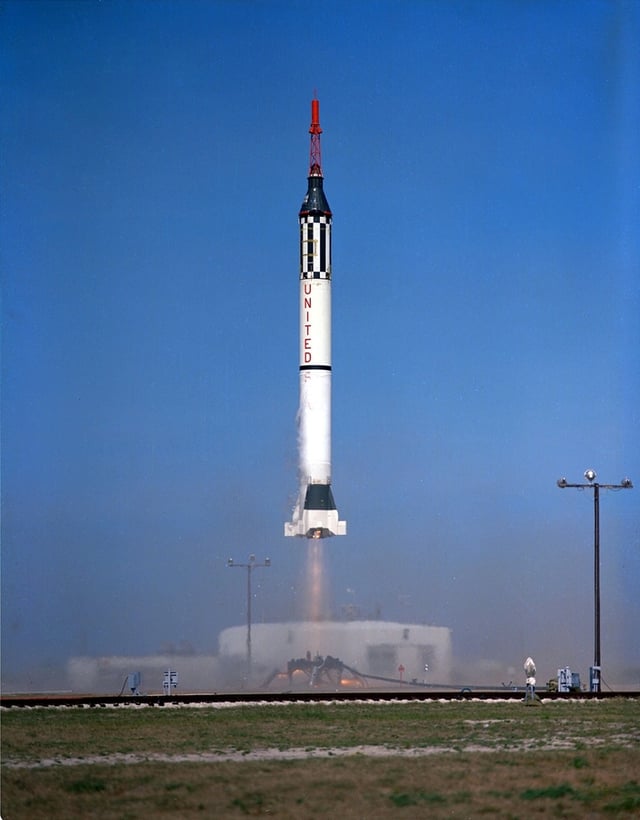
Mercury-Redstone 2 (MR-2) Launch with chimpanzee Ham aboard. Monkeys had been flown into space before, but Ham was the first higher primate to test a spacecraft.
Credit: NASA
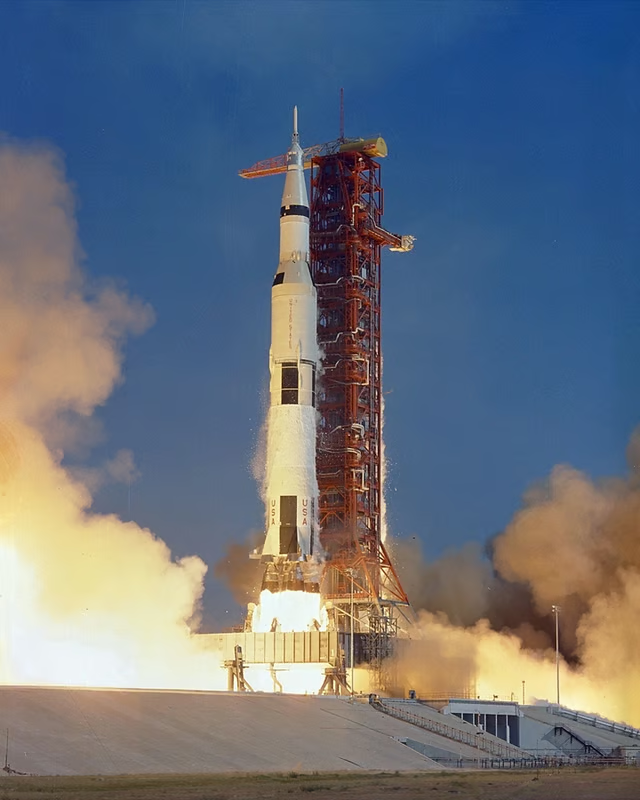
The Apollo 11 Saturn V space vehicle lifts off with astronauts Neil A. Armstrong, Michael Collins and Edwin E. Aldrin, Jr., at 9:32 a.m. EDT July 16, 1969, from Kennedy Space Center’s Launch Complex 39A.
Credit: NASA
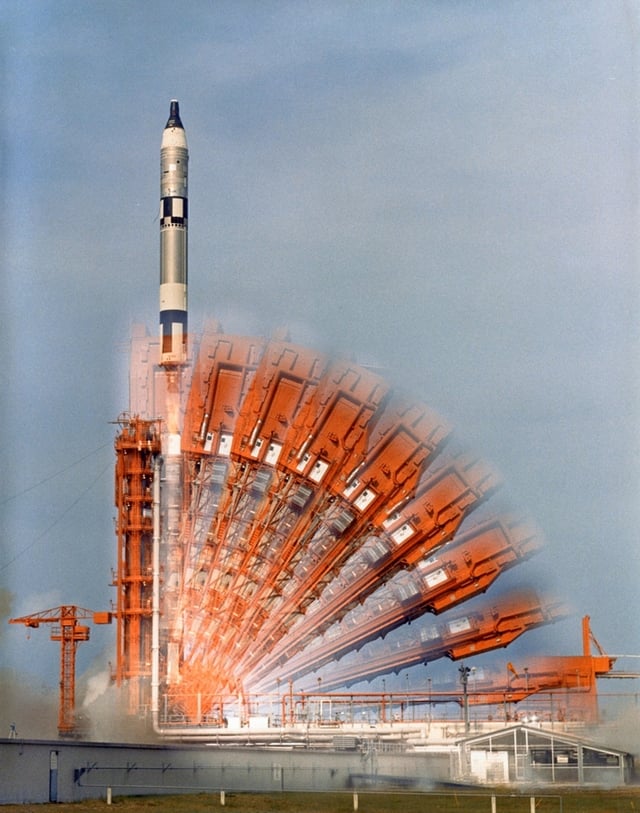
A time-exposure photograph shows the configuration of Pad 19 up until the launch of Gemini 10. Onboard the spacecraft are John W. Young and Michael Collins. The two astronauts would spend almost three days practicing docking with the Agena target vehicle and conducting a number of experiments.
Credit: NASA
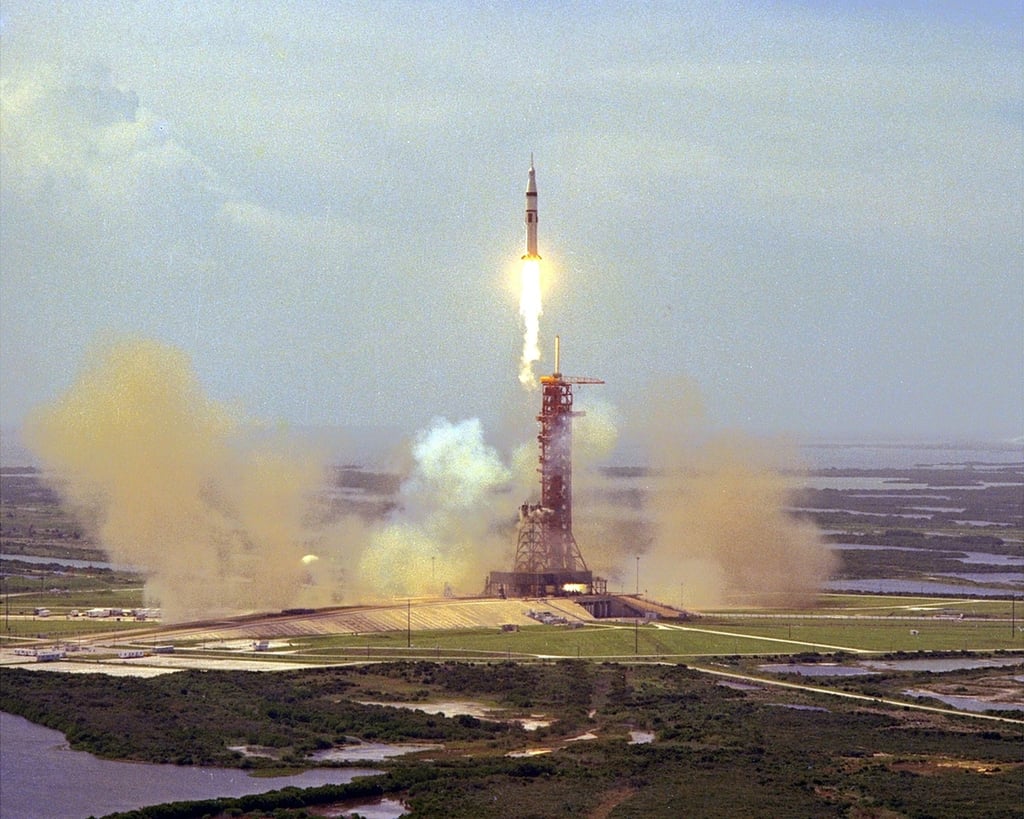
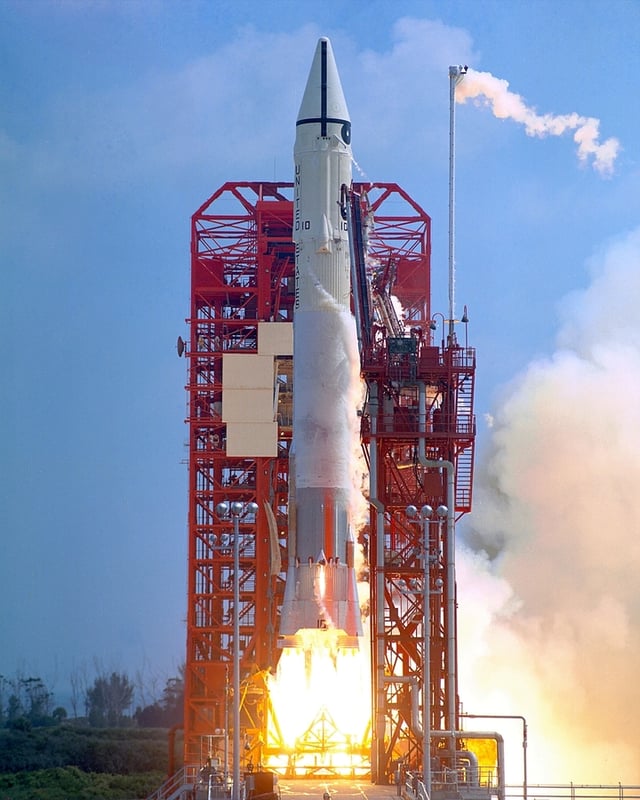
The Atlas-Centaur 10, carrying the Surveyor 1 spacecraft, lifting off from Pad 36A. The Surveyor 1 mission scouted the lunar surface for future Apollo manned lunar landing sites.
Credit: NASA
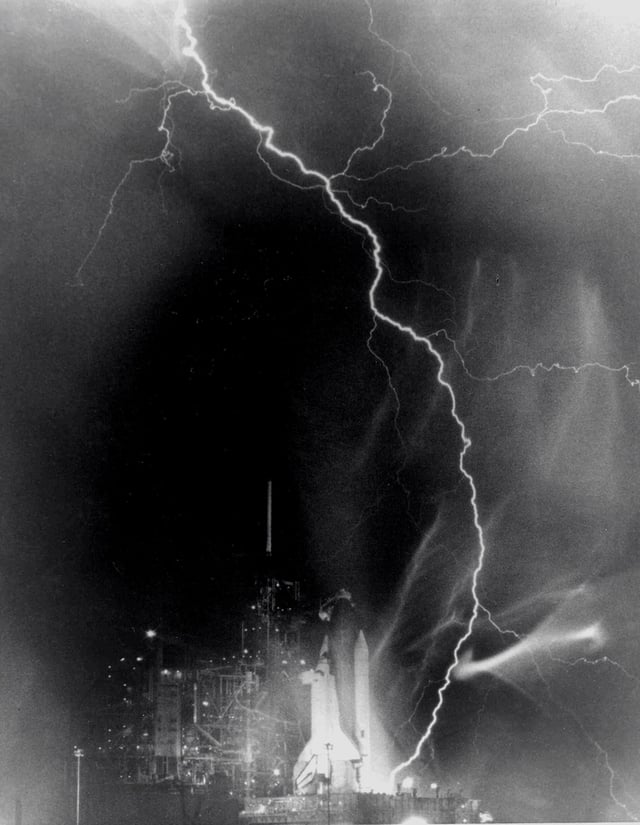
A powerful electrical storm created an eerie tapestry of light in the skies near Complex 39A in the hours preceding the launch of STS-8.
Credit: NASA
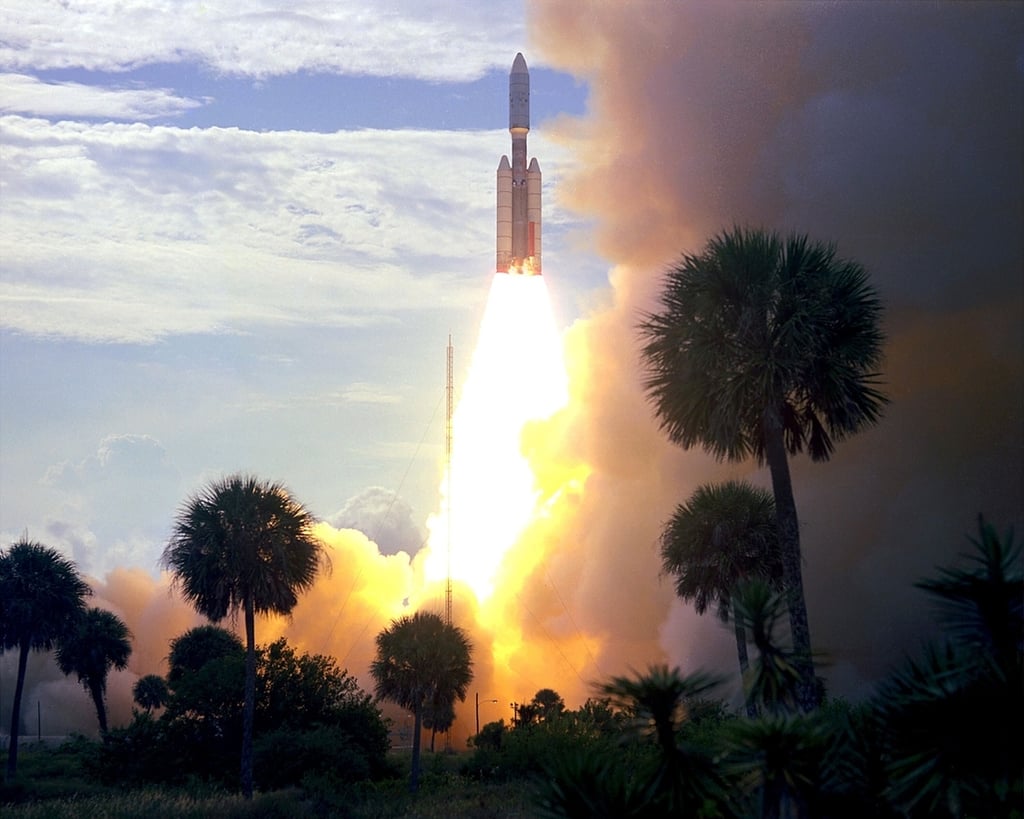
Viking 1 was launched by a Titan/Centaur rocket from Complex 41 at Cape Canaveral Air Force Station at 5:22 p.m. EDT to begin a half-billion mile, 11-month journey through space to explore Mars. The 4-ton spacecraft went into orbit around the red planet in mid-1976.
Credit: NASA
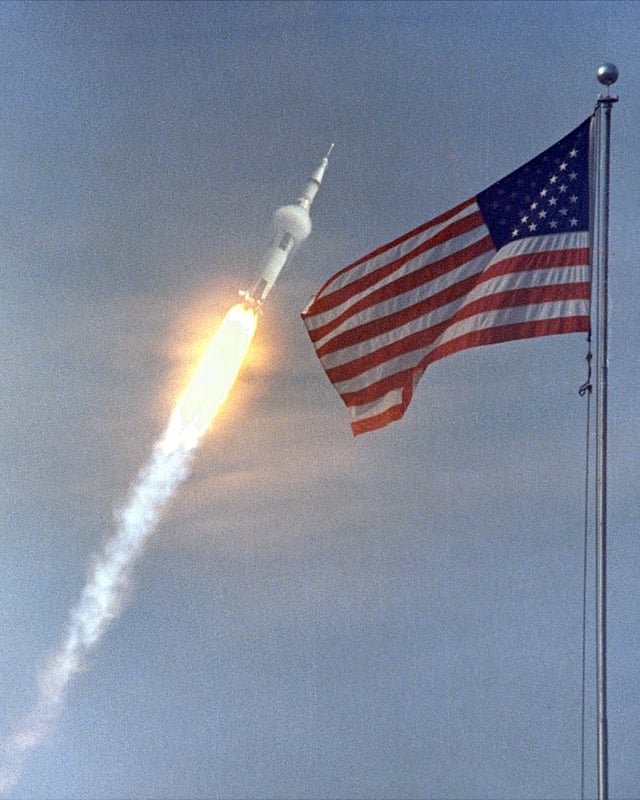
Credit: NASA
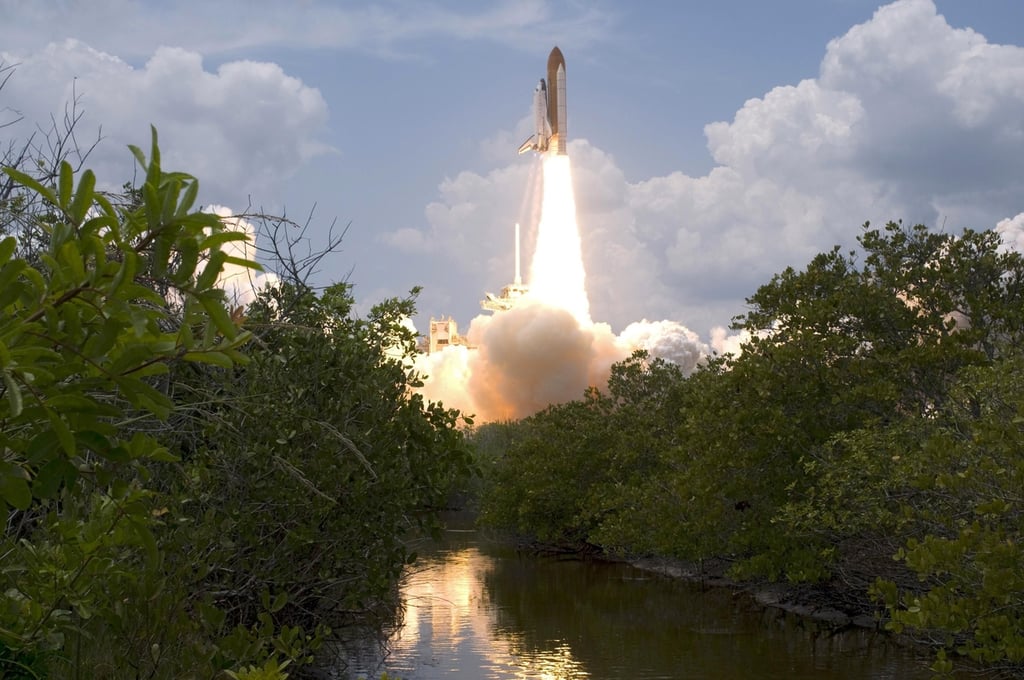
The final mission to the Hubble Telescope.Credit: NASA
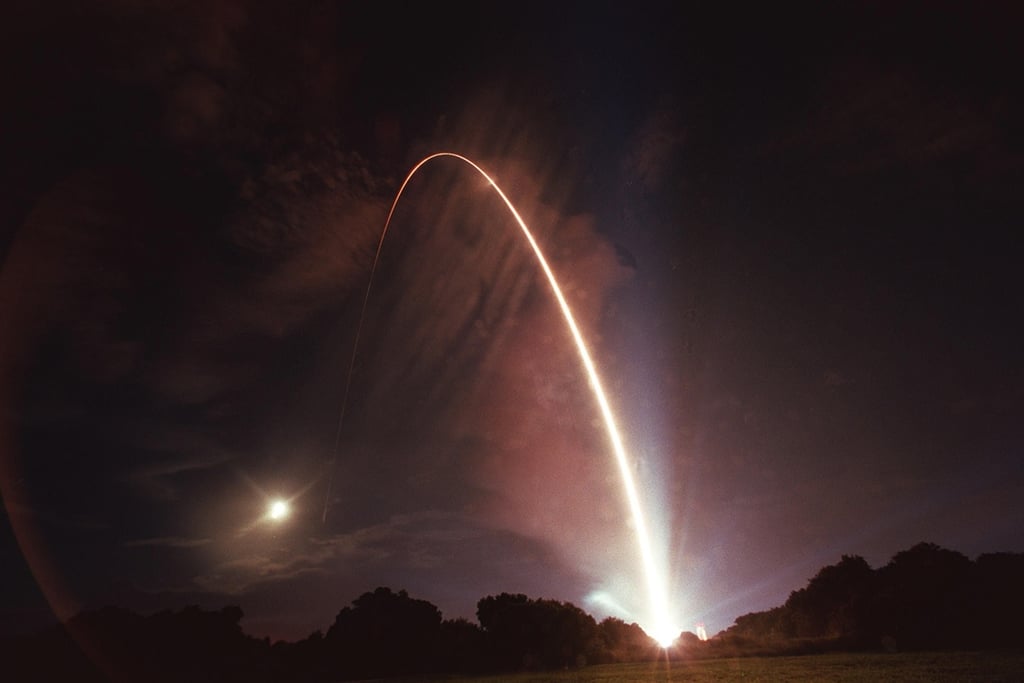
The Boeing Delta II rocket carrying NASA’s Comet Nucleus Tour (CONTOUR) spacecraft streaks across the night sky above pad 17-A, Cape Canaveral Air Force Station. The spacecraft was lost before it could complete its primary mission.Credit: NASA
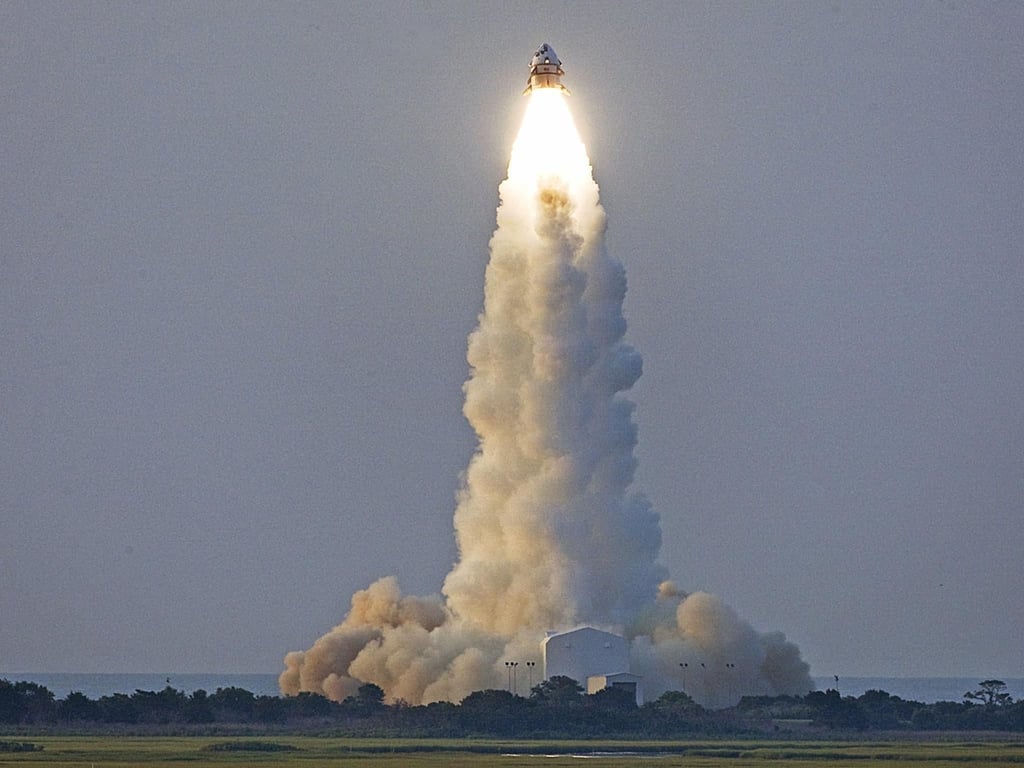
The unpiloted test was part of an assessment by the NASA Engineering and Safety Center (NESC) of a potential alternate launch abort system concept which could be used for future piloted spacecraft.Credit: NASA
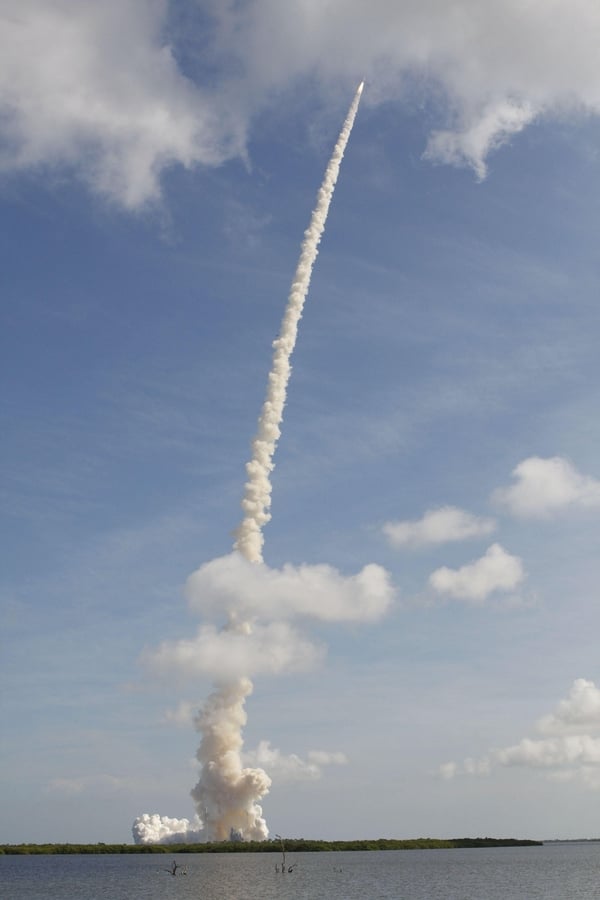
This was the first launch from Kennedy’s pads of a vehicle other than the space shuttle since the Apollo Program’s Saturn rockets were retired.Credit: NASA
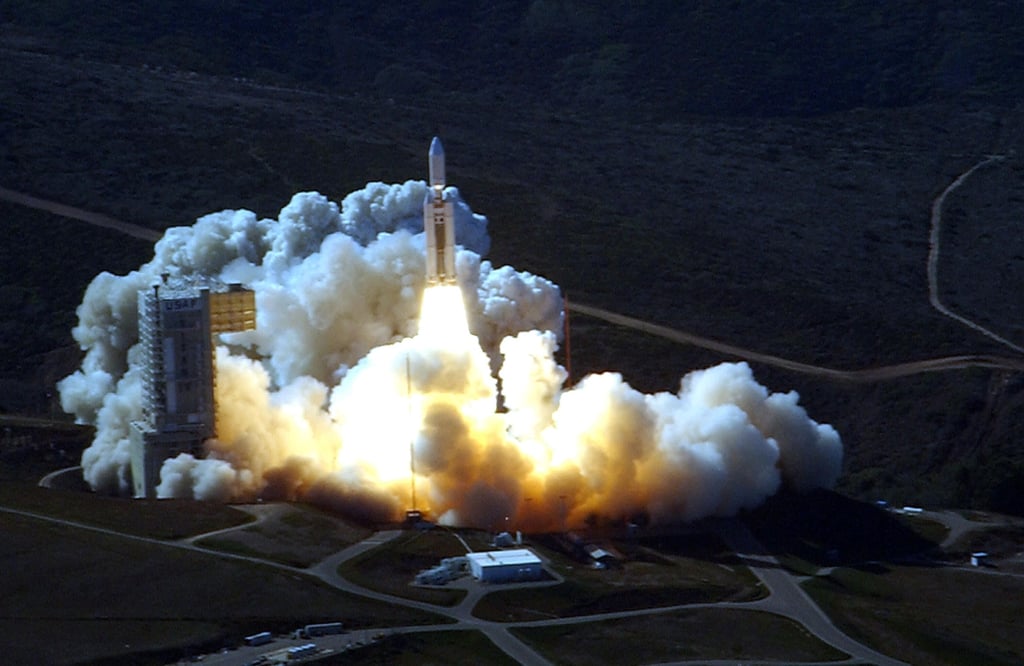
Carrying a payload for the US National Reconnaissance Office, the successful Titan IV B launch brings to a close the Titan program whose first launch was in 1959.Credit: NASA
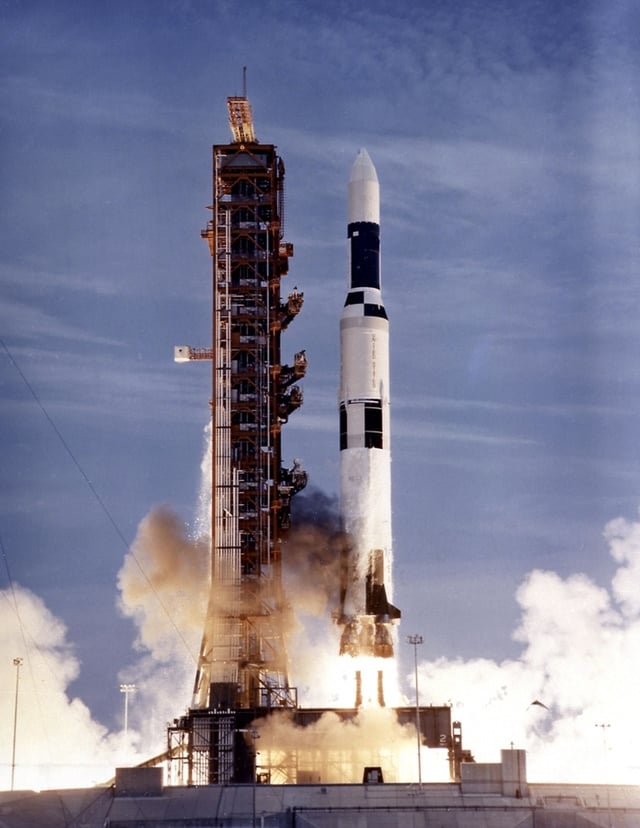
This photograph shows the launch of the SA-513, a modified unmarned two-stage Saturn V vehicle for the Skylab-1 mission, which placed the Skylab cluster into the Earth orbit on May 14, 1973.Credit: NASA
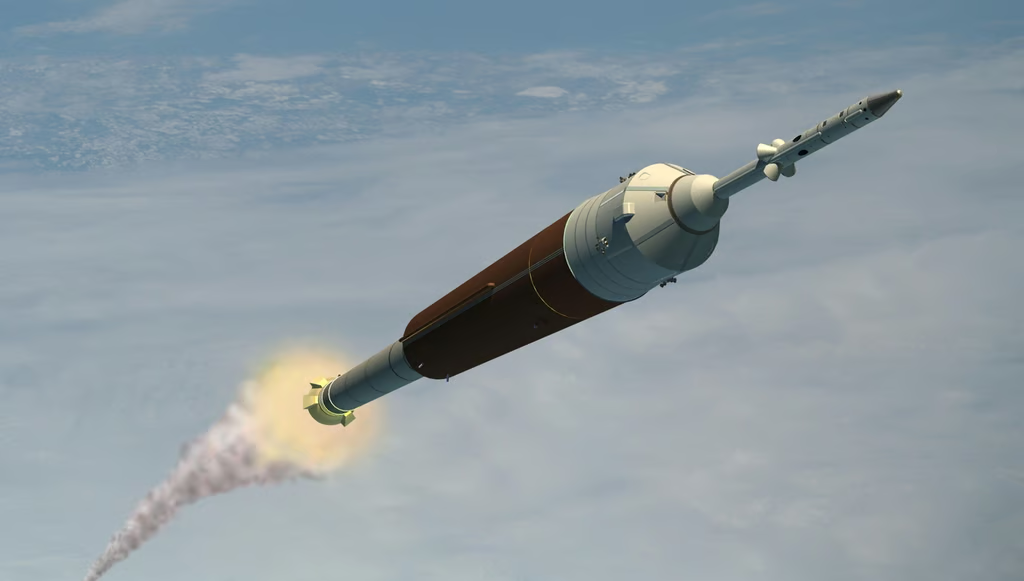
NASA’s Constellation Program is getting to work on the new spacecraft that will return humans to the moon and serve as the building blocks for trips to Mars and other destinations in our solar system. This artist’s rendering represents a concept of the Orion crew launch vehicle liftoff.Credit: NASA

Mark W. Kaelin has been writing and editing stories about the information technology industry, software, hardware, gaming, finance, accounting, and technology geekdom for more than 30 years.


