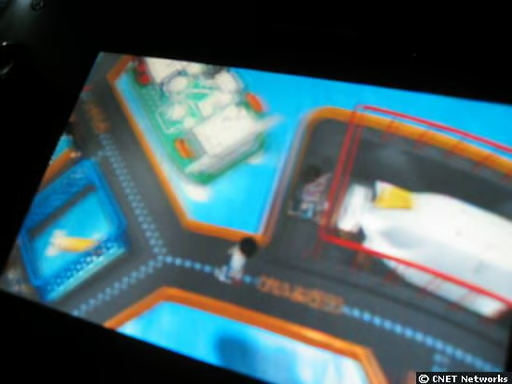
An image of a 3D prototype display from Toshiba. The screen sends out 16 images at once. Glasses aren’t needed to see images in 3D, but the display works best when tilted up at a 30-degree angle. As a result, a person looking at the screen needs to hold the screen nearly horizontally. It works best when you stand out about a foot away. The camera cannot capture the 3D nature of the screen.
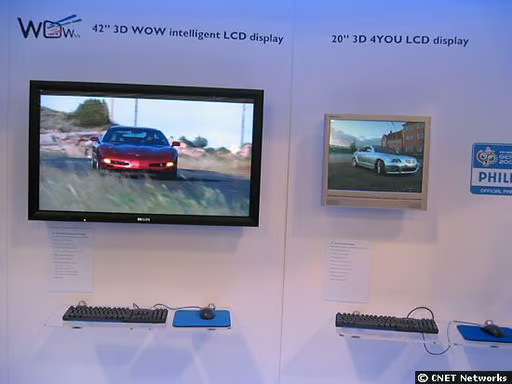
Philips is selling 3D LCD monitors to the commercial market and will try to bring the technology to consumer TVs by 2008. The TV is a standard LCD with an additional layer of lenses aligned in rows. These lenses create separate images of the material that, when received by your eye and brain, get interpreted as 3D imagery. The 42-inch screen is meant to be viewed from about four meters away. The 3D effect of the 20-inch screen can be viewed about 60 centimeters away. (If you stand closer, the 3D effects disappear and the image begins to blur.)
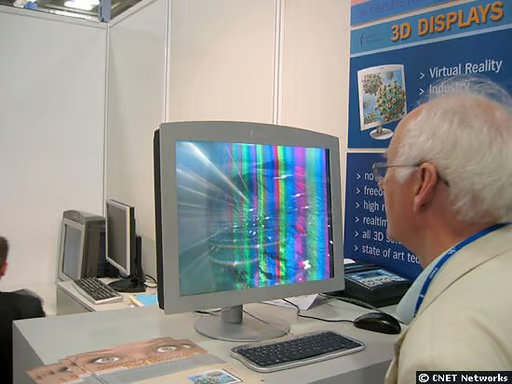
The 3D monitor for SeeReal Technologies. If you stand about two feet away, the images or movies on the screen become 3D. If you stand slightly closer, further away or to the side, however, you get a lot of color fringing. The camera only picks up color fringing; not having a brain, the camera cannot be tricked into thinking it sees 3D images. The monitors, which sell for around $4,200, are especially useful for animators and oil and gas engineers.
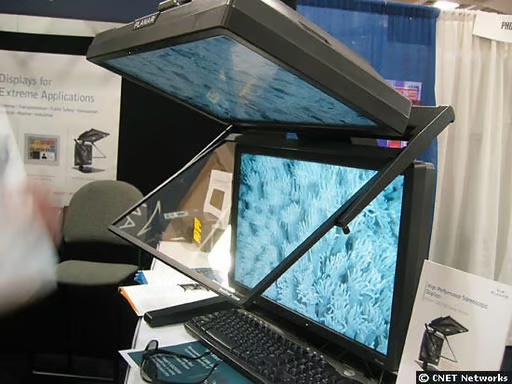
The Planar 3D stereoscopic display. It’s two LCDs with a parallax barrier in between.
Bill Detwiler is the Editor for Technical Content and Ecosystem at Celonis. He is the former Editor in Chief of TechRepublic and previous host of TechRepublic's Dynamic Developer podcast and Cracking Open, CNET and TechRepublic's popular online show. Previously, Bill was an IT manager in the social research and energy industries. He has bachelor's and master's degrees from the University of Louisville, where he has also lectured on computer crime and crime prevention.


