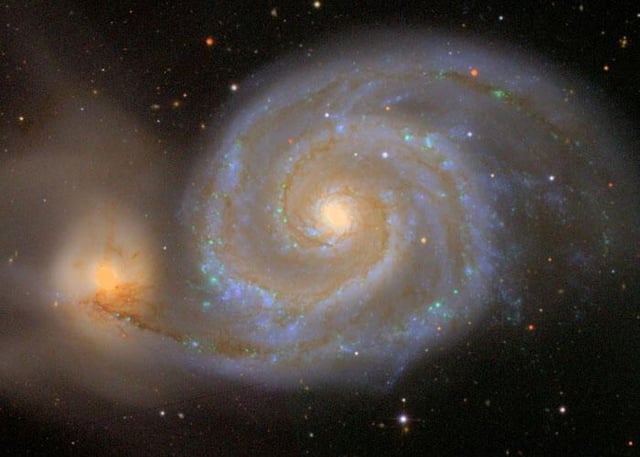
\n\tFor over more than eight years, the astronomers at the Sloan Digital Sky Survey (SDSS) have worked tirelessly to map more than the night skies; from stars to entire galaxies, the SDSS compiles multi-colored images of deep space. To date, the SDSS has mapped more than a quarter of the sky.
\n
\n\tKnown as the Whirlpool Galaxy, M551 accounts for about three one-millionths of the sky area mapped by the SDSS.
\n
\n\tImage courtesy The SDSS Collaboration, http://www.sdss.org
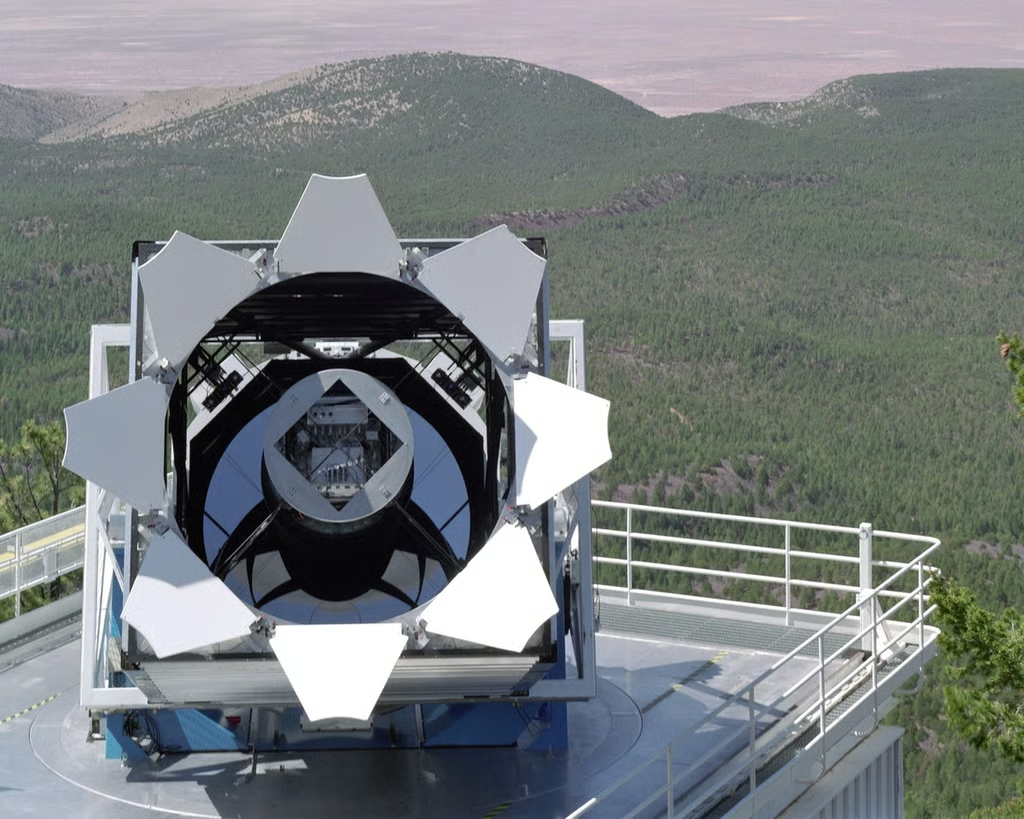
\n\tThe impressive SDSS telescope in the Sacramento, CA mountains. The telescope is 2.5 meters in diameter.
\n
\n\tImage credit: Fermilab Visual Media Services
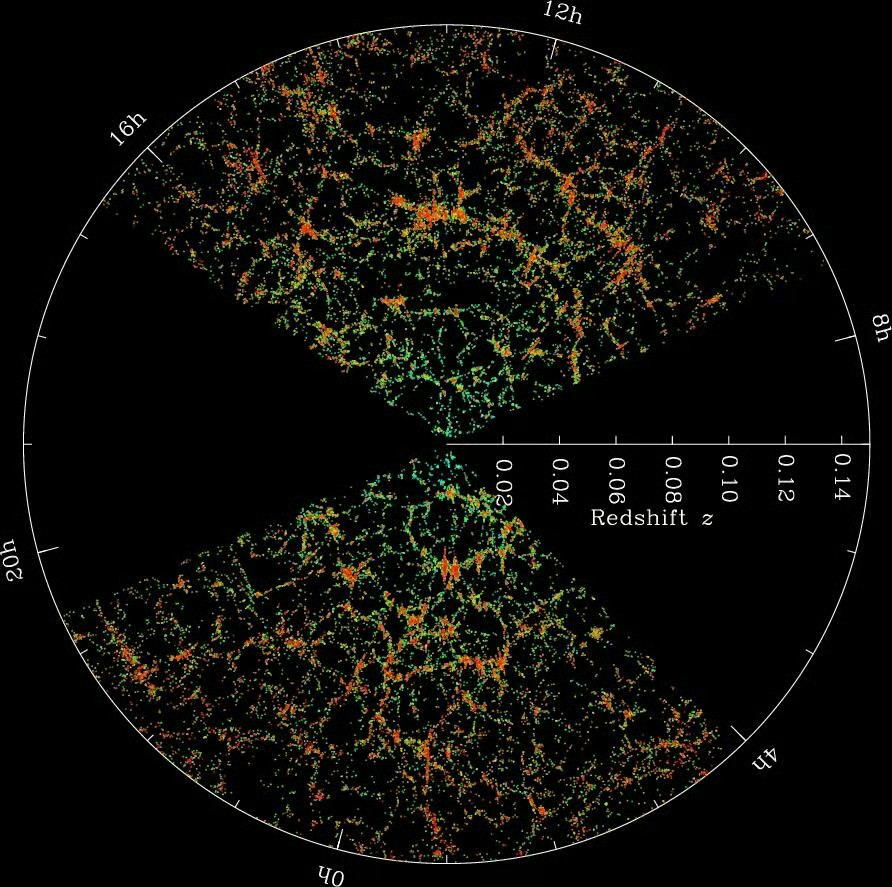
\n\tA slice through the SDSS sky map, with Earth in the center.
\n
\n\tImage courtesy M. Blanton and The Sloan Digital Sky Survey Collaboration, http://www.sdss.org
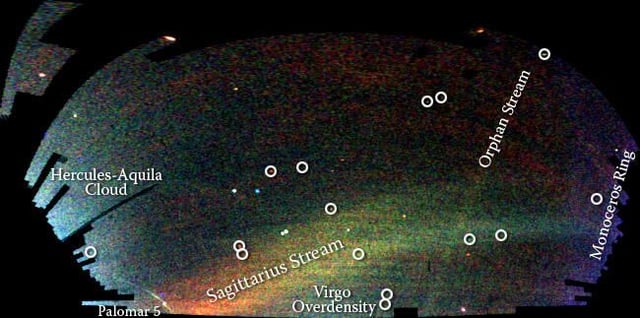
\n\tStars in the outer regions of the Milky Way.
\n
\n\tImage courtesy V. Belokurov and The Sloan Digital Sky Survey Collaboration, http://www.sdss.org
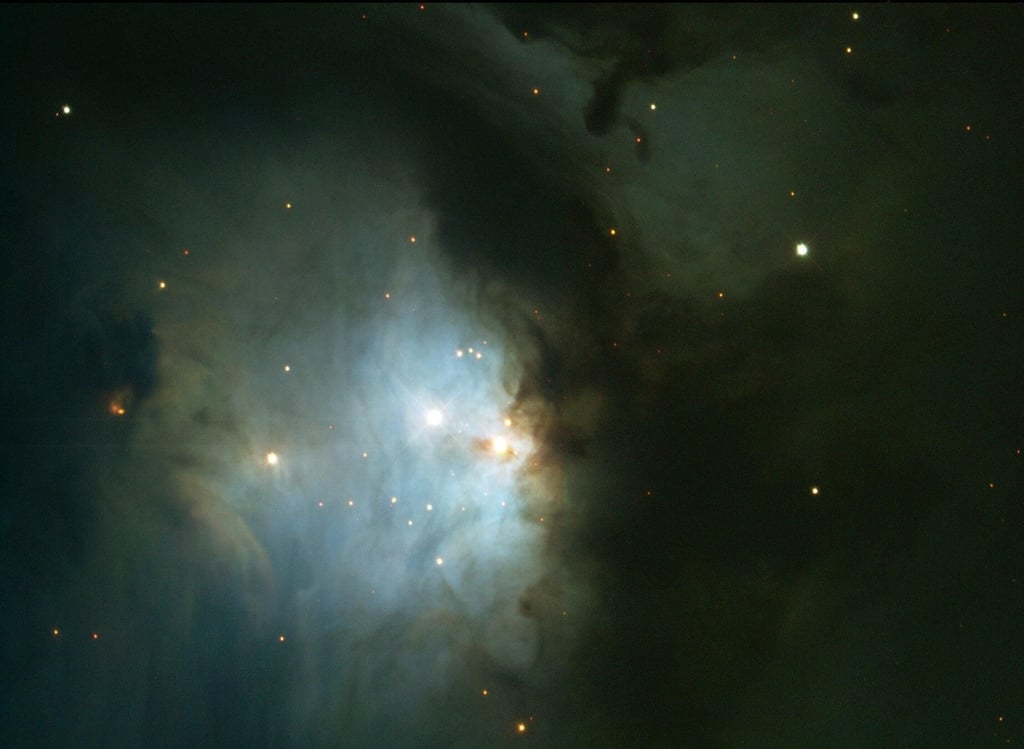
\n\tThe M78 Nebula, a star-forming region with dust clouds limiting the light from the young stars illuminating the Orion constellation.
\n
\n\tImage courtesy The Sloan Digital Sky Survey Collaboration, http://www.sdss.org
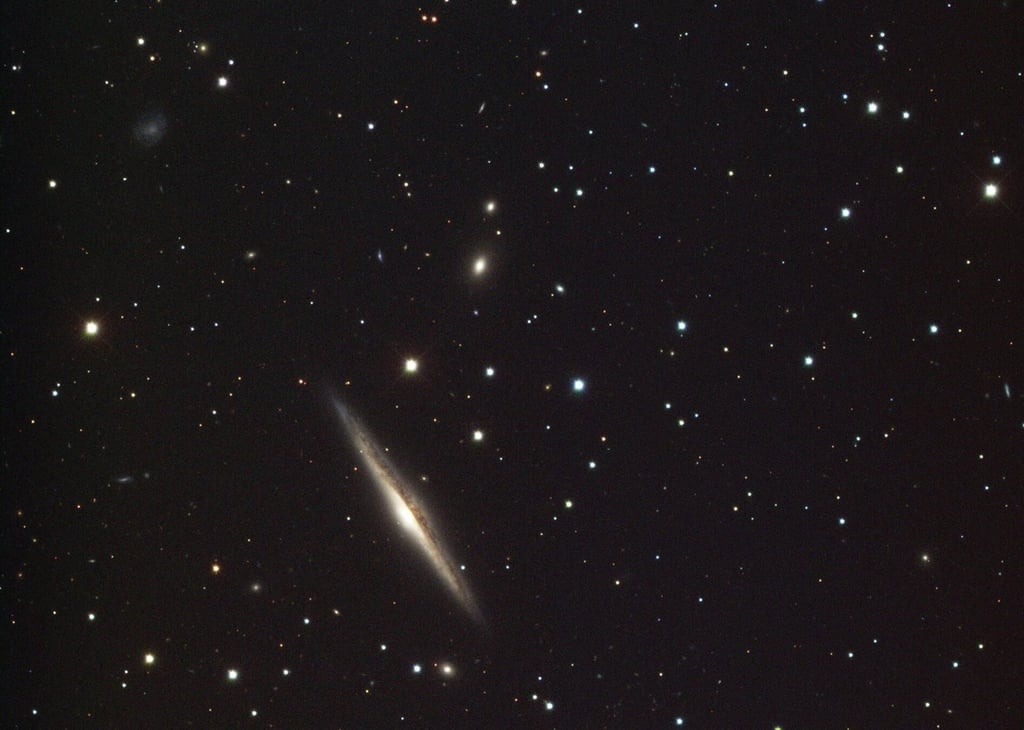
\n\tSpiral galaxy UGC 03214 is receding from Earth. It is in the Orion constellation.
\n
\n\tImage courtesy The Sloan Digital Sky Survey Collaboration, http://www.sdss.org
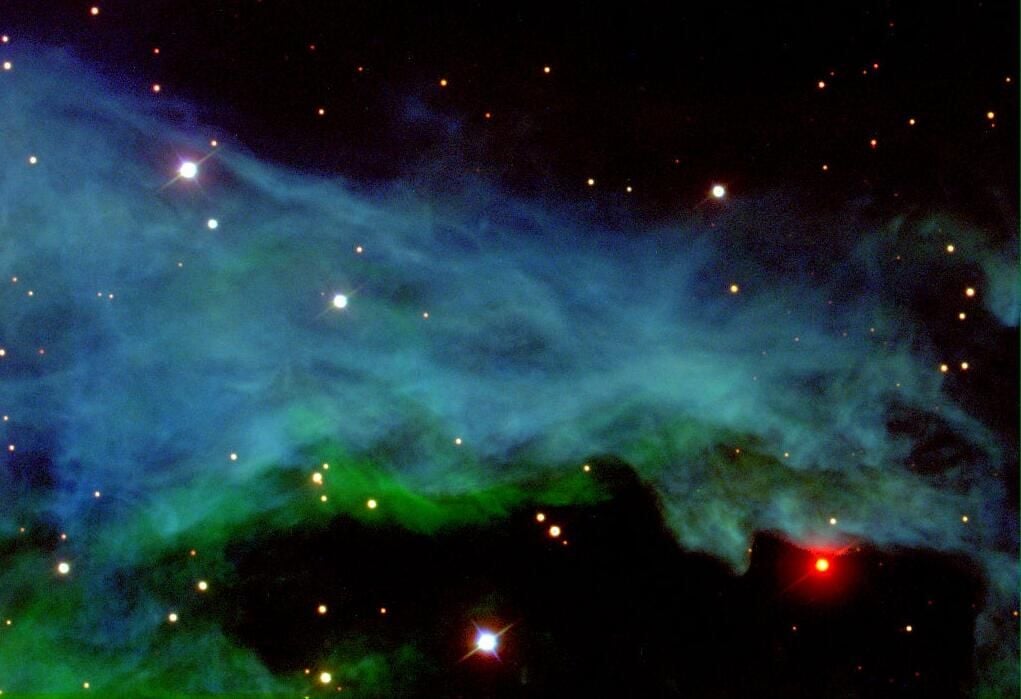
\n\tThe Orion Nebula is just below Orion’s Belt on the Orion constellation.
\n
\n\tImage courtesy The Sloan Digital Sky Survey Collaboration, http://www.sdss.org
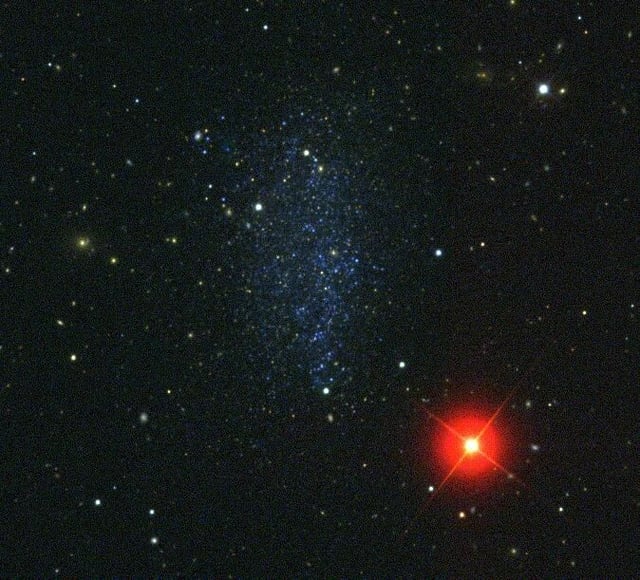
\n\tLeo A is a dwarf irregular galaxy neighboring the Milky Way.
\n
\n\tImage courtesy The Sloan Digital Sky Survey Collaboration, http://www.sdss.org
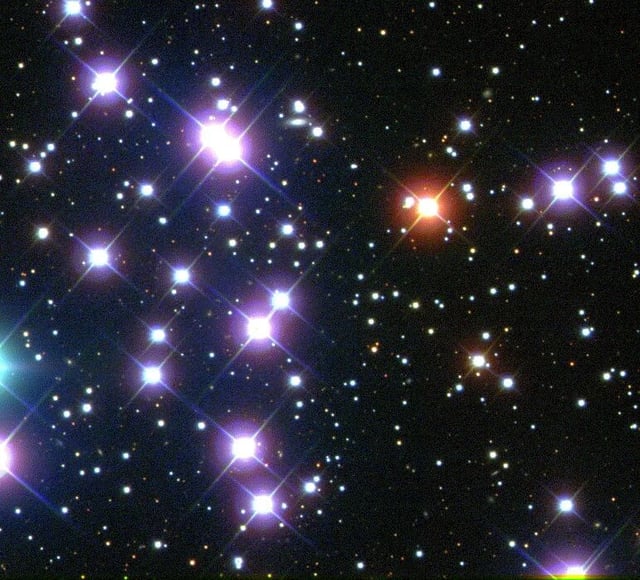
\n\tThe purple and blue stars in open cluster Messier 34 are hotter than the Sun.
\n
\n\tImage courtesy The Sloan Digitla Sky Survey Collaboration, http://www.sdss.org
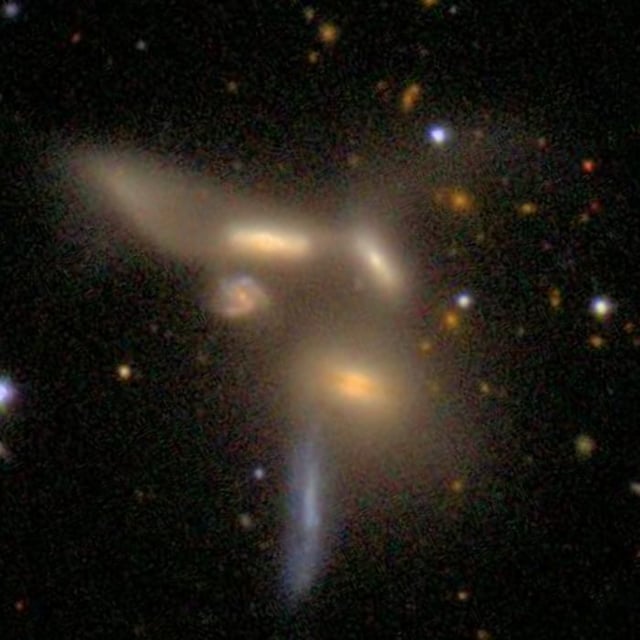
\n\tSeyfert’s Sextet is a group of galaxies in the Serpens constellation.
\n
\n\tImage courtesy The Sloan Digital Sky Survey Collaboration, http://www.sdss.org
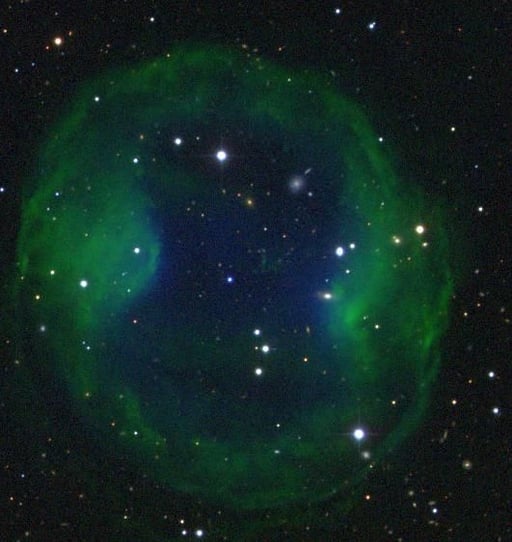
\n\tPlanetary nebula G164.8+31.1 illustrates the final phase of the evoluation of Sun-like stars.
\n
\n\tImage courtesy The Sloan Digital Sky Survey Collaboration, http://www.sdss.org
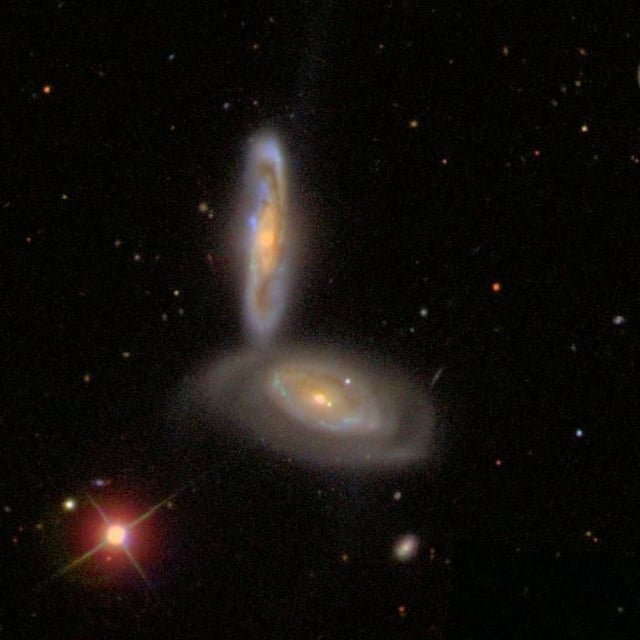
\n\tSpiral galaxies NGC 3788 (top) and NGC 3786 (bottom) are interacting gravitationally in the constellation Ursa Major.
\n
\n\tImage courtesy The Sloan Digital Sky Survey Collaboration, http://www.sdss.org
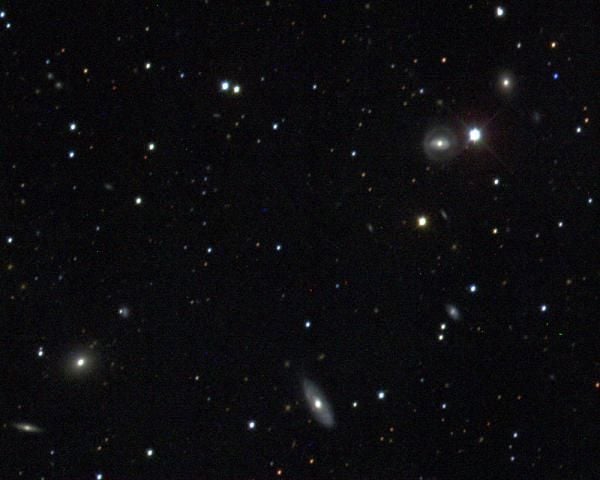
\n\tFirst light in a small part of the Serpens constellation.
\n
\n\tImage courtesy The Sloan Digital Sky Survey Collaboration, http://www.sdss.org
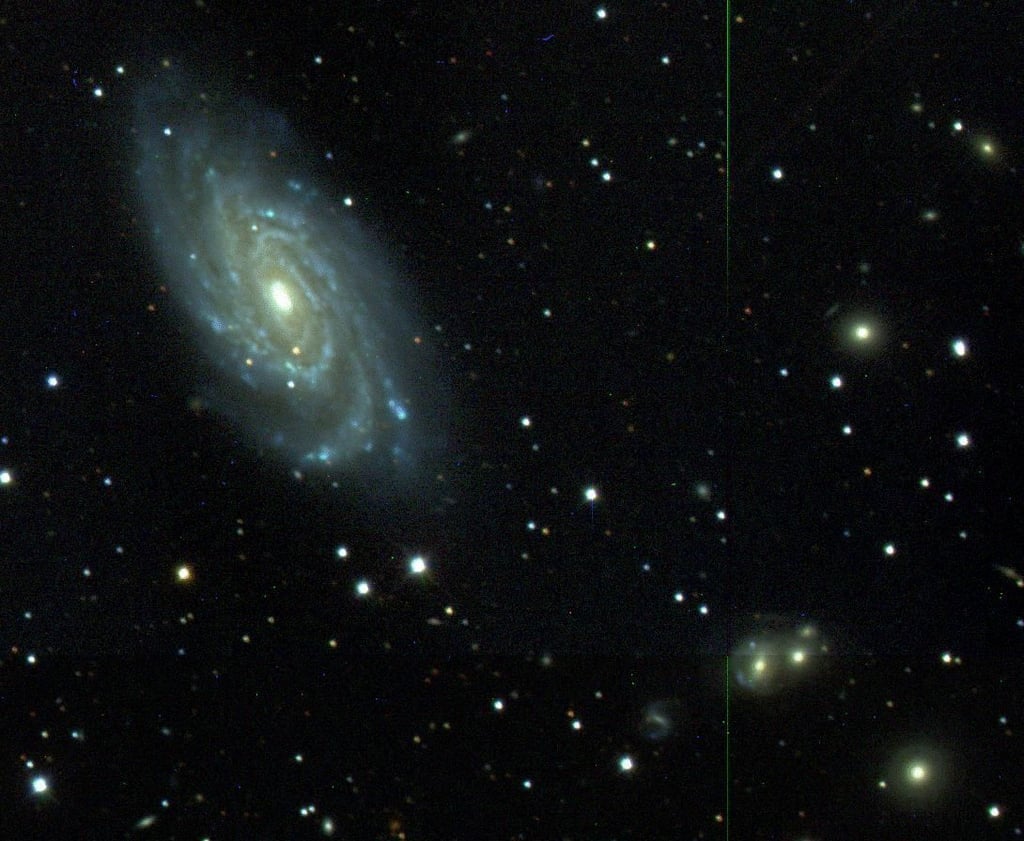
\n\tThe galaxy NGC 6070 in the Serpens constellation.
\n
\n\t
\n
\n\tImage courtesy The SDSS Collaboration, http://www.sdss.org
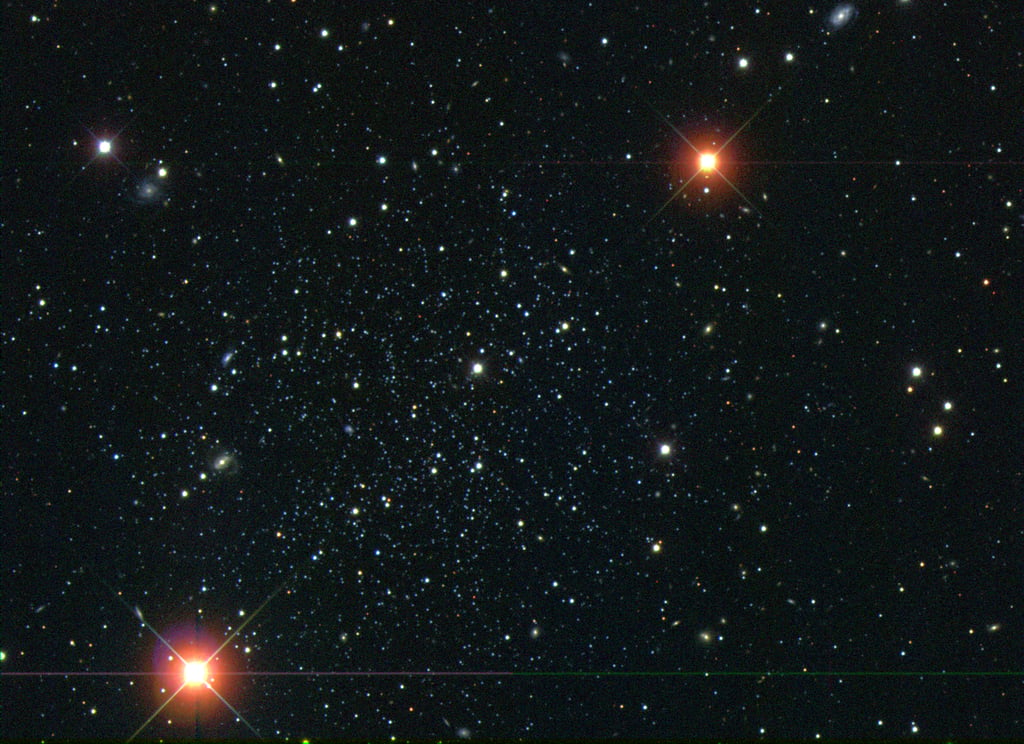
\n\tPalomar 5 is a star cluster orbiting the Milky Way.
\n
\n\tImage courtesy The Sloan Digital Sky Survey Collaboration, http://www.sdss.org
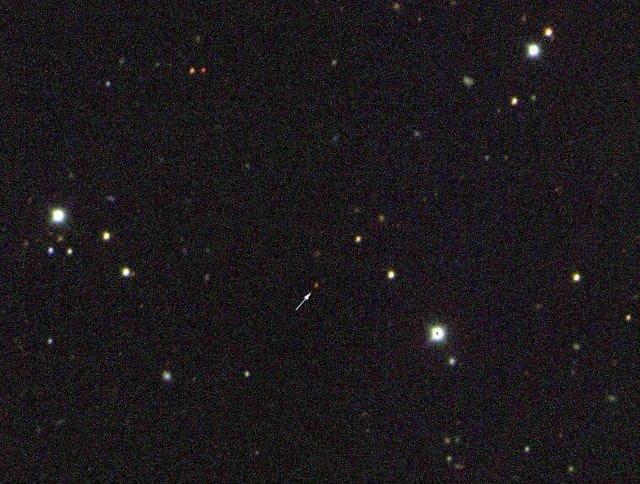
\n\tThe tiny red light dot is a superliminous object.
\n
\n\tImage courtesy The Sloan Digital Sky Survey Collaboration, http://www.sdss.org
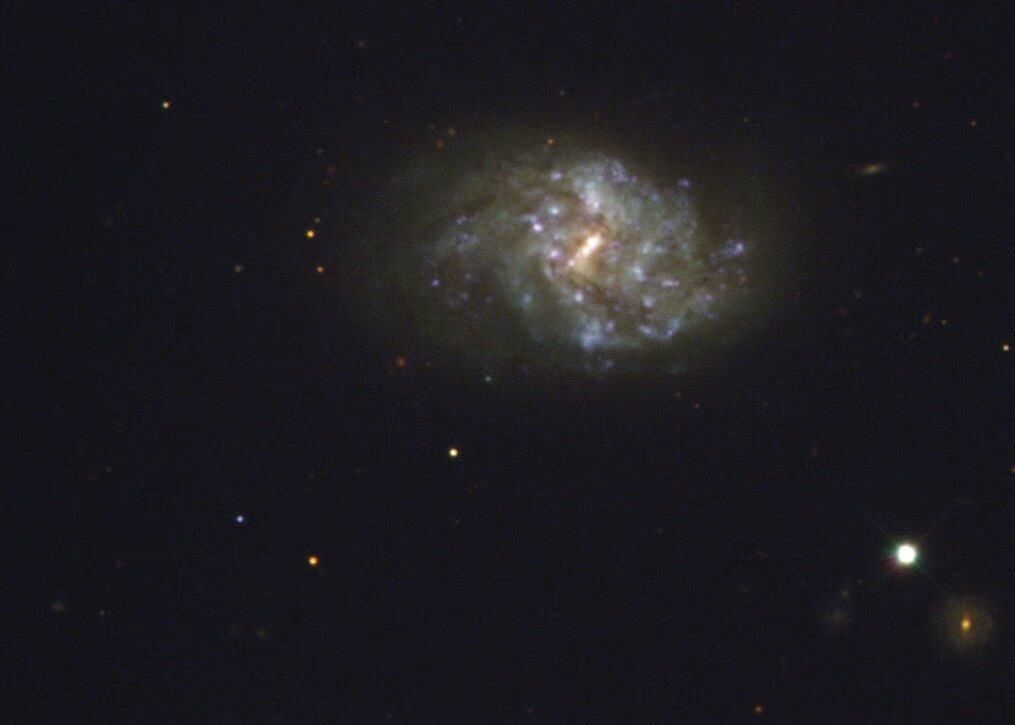
\n\tSpiral galaxy NGC 1087’s most interesting feature is a bright group of stars rotating in the center.
\n
\n\tFor more details, read about some highlights of the discoveries made by the SDSS.
\n
\n\tImage courtesy The SDSS Collaboration, http://www.sdss.org

Nicole Bremer Nash is Director of Content and Social Media for HuTerra, where she uses SEO and social media to promote charitable organizations in their community-building and fundraising efforts. She enjoys volunteering, arts and crafts, and conducting science experiments at home. Nicole has a Bachelor of Arts degree in English from Transylvania University, and has experience in copywriting for education, print, business, and the web. You can find her on Facebook and Twitter via @HuTerra.


