Photos: 50 years of Intel innovations - TechRepublic

Photos: 50 years of Intel innovations

  • 1. MOS 1101 - 1969

    In light of the recent passing of former Intel CEO Andy Grove, and the 40th anniversary of the microprocessor, here’s a look back at Intel’s top contributions to the field.

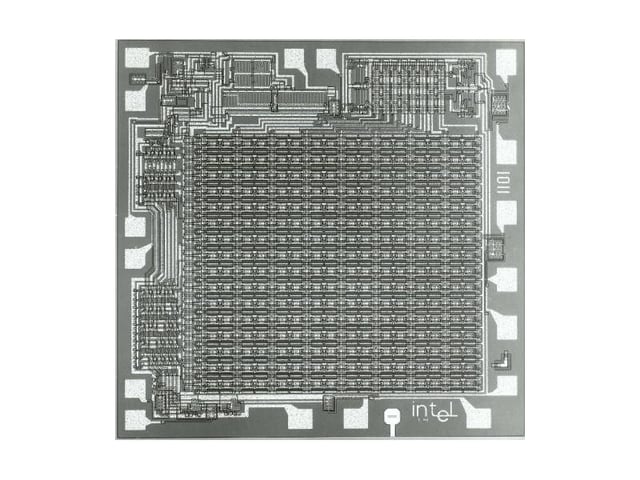
    Just one year after Boy Noyce and Gordon Moore started Intel, the company launched the 1101, its first metal oxide semiconductor (MOS) static RAM.

    Image: Intel
  • 2. 4004 - 1971

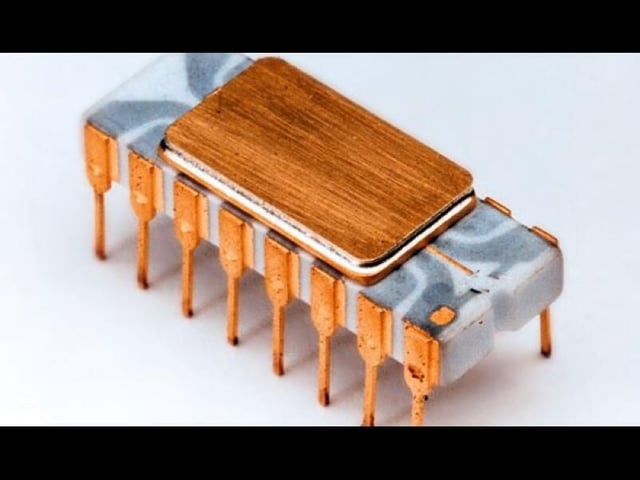
    The same year Intel introduced its EPROM technology, it also launched its first microprocessor, the 4004. It was initially advertised in the publication Electronic News.

    Image: Intel
  • 3. 8008 - 1972

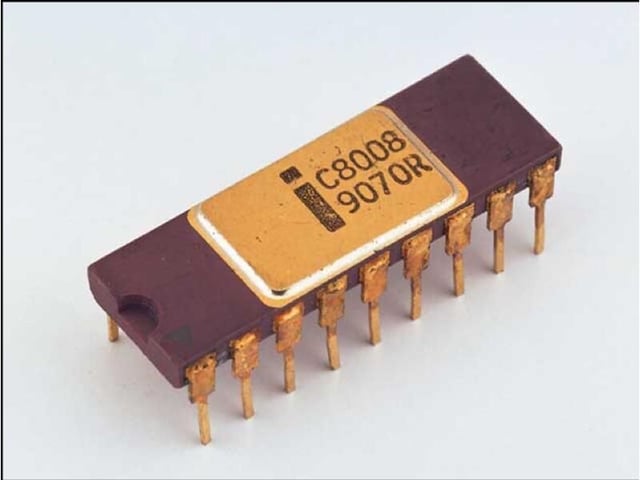
    Intel’s first 8-bit processor, the 8008, made its debut in 1972.

    Image: Intel
  • 4. PL/M - 1973

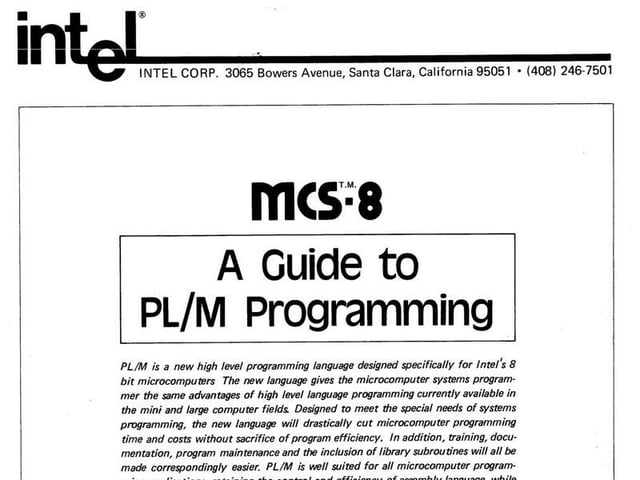
    In 1973, Intel developed a high-level language for microprocessors called PL/M. It was developed by Gary Kildall, and featured hardware-specific features that made is easier to use with microprocessors.

    Image: Intel
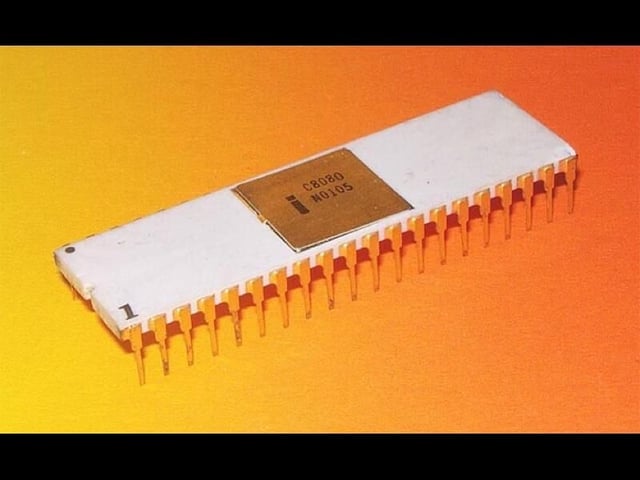
  • 5. 8080 - 1974

    The next year Intel launched the 8080 processor, with 4,500 transistors and 10x performance of previous models. It eventually found its way into everyday items like traffic lights.

    Image: Intel
  • 6-isbc8010.jpg

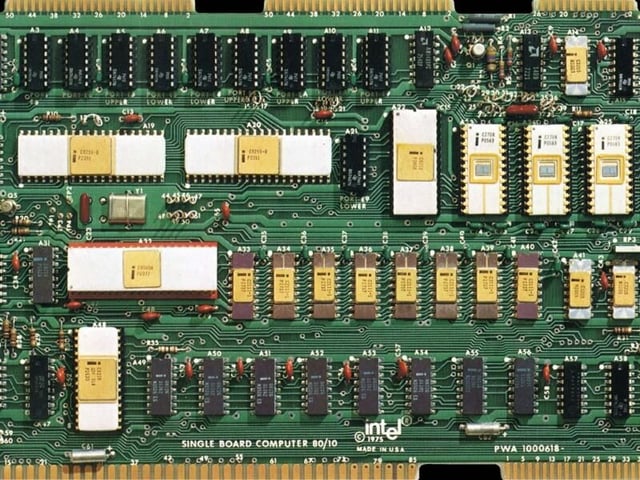
    6. iSBC 80-10 - 1976

    The world’s first single-board computer, Intel’s iSBC 80/10, came about in 1976. Intel originally billed it as the “lowest-cost computer system solution for OEM applications.”

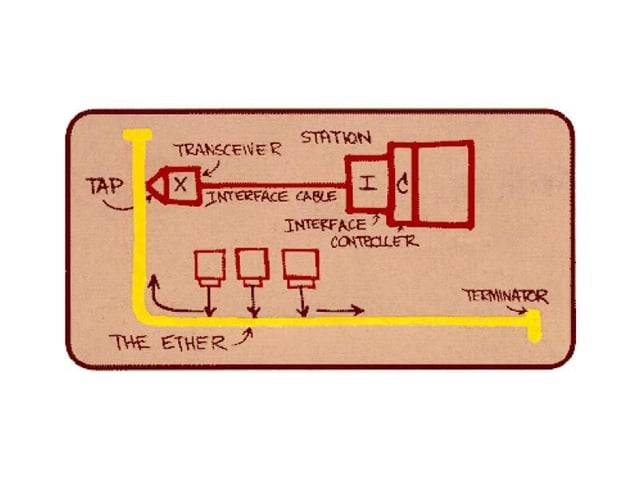
  • 7. The cooperative Ethernet project - 1980

    In 1980, Intel partnered with Xerox and DEC on the cooperative Ethernet project to advocate for LAN communication.

    Image: Bob Metcalfe
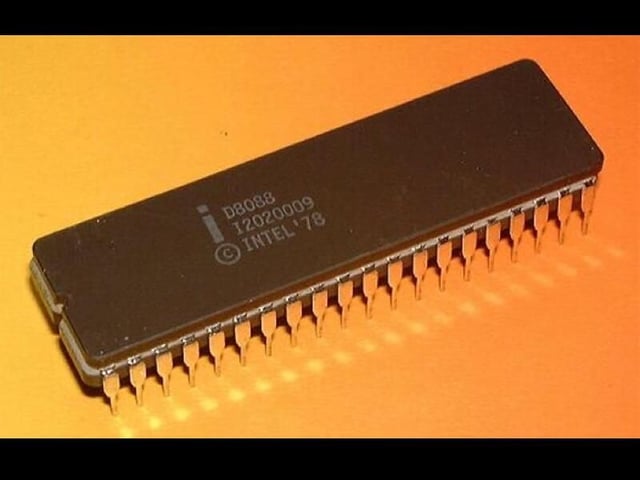
  • 8. 8088 - 1981

    Intel’s 8088 was the processor chosen by IBM to power its PC line.

    Image: Intel
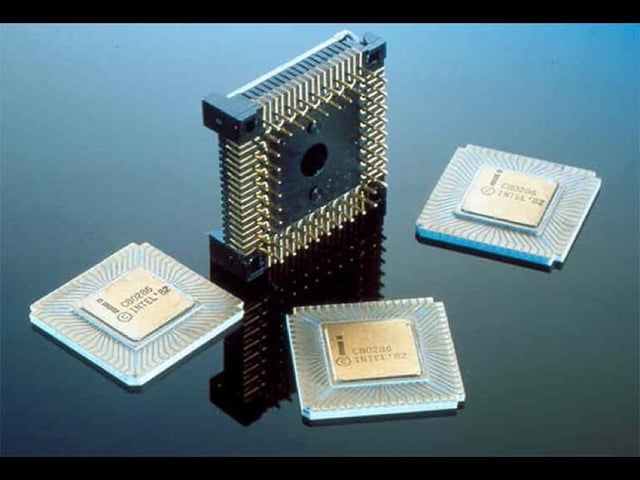
  • 9. 80286 - 1982

    Also known as the 286, the 80286 microprocessor helped further drive the growing PC market.

    Image: Intel
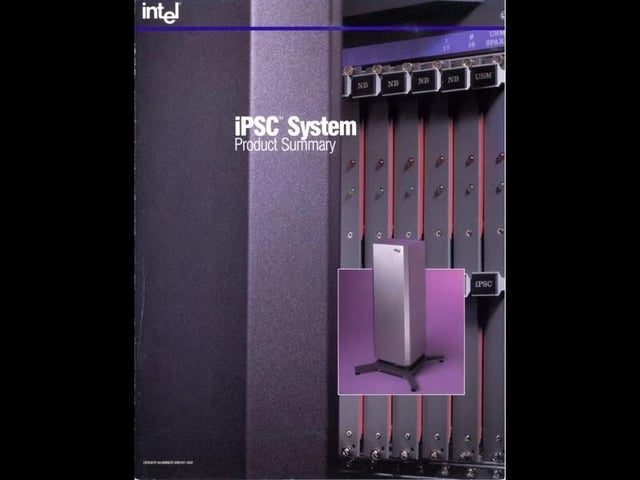
  • 10. iPSC/1 - 1985

    Using multiple 286 microprocessors, Intel built the iPSSC/1, its first supercomputer, in 1985. This was later followed up by the iPSC/2.

    Image: Intel
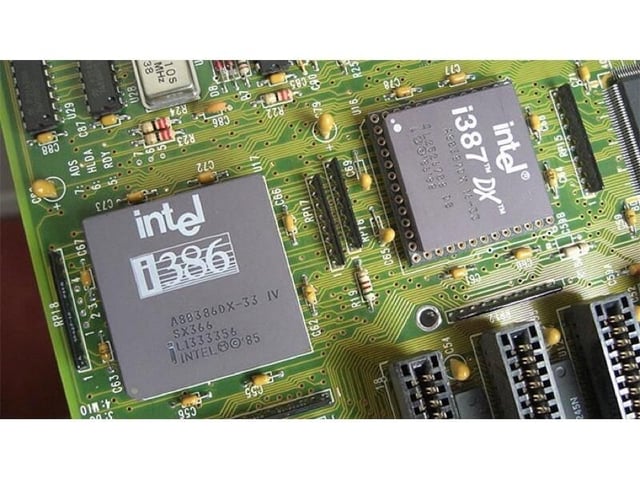
  • 11. 386 - 1985

    Intel’s 386 was a 32-bit chip that launched in 1985. Its big value was the fact that it could manage running multiple software programs simultaneously.

    Image: Intel
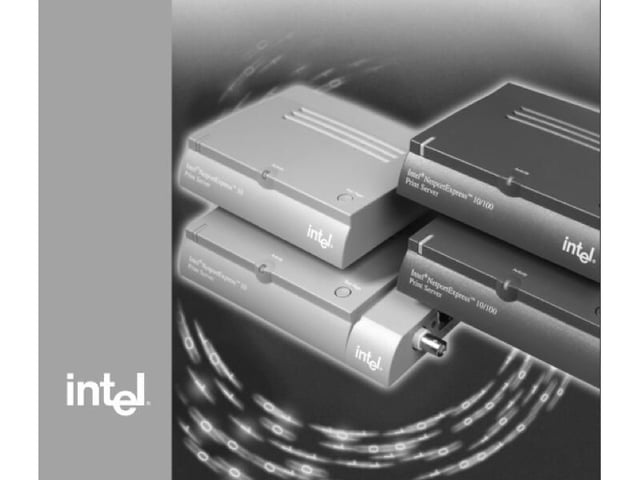
  • 12. NetPort - 1990

    The first generation of Intel’s NetPort print servers entered the world in 1990. These allowed printers to be shared more easily by multiple PC users.

    Image: Intel
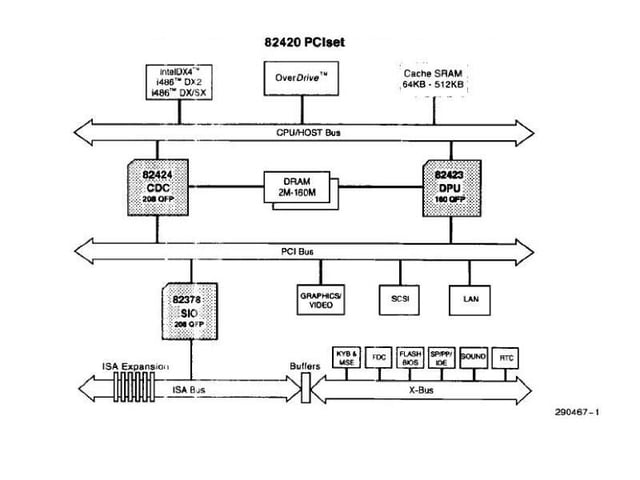
  • 13. 82420 - 1992

    The 82420 chipset, introduced for use with the 486 processor, helped Intel move from its position as a manufacturer and provider of components, to one of the defining forces in PC systems.

    Image: Intel
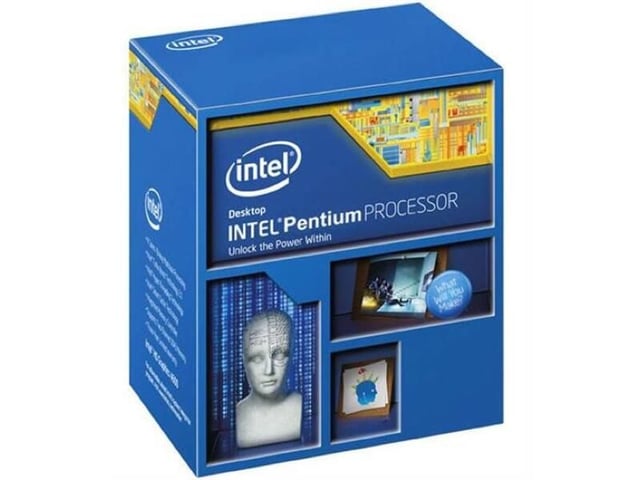
  • 14. Pentium processor - 1993

    Containing more than three million transistors and boasting five times more power than the 486, the Pentium marked a new generation of processors for Intel. The first-generation Pentium processor arrived in 1993.

    Image: Intel
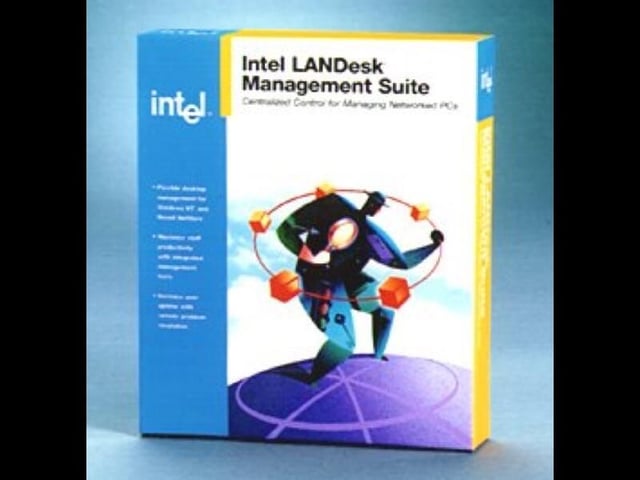
  • 15. LANDesk - 1994

    In 1994, Intel brought its LANDesk network manager software product to market. Intel later sold the LANDesk products in 2002.

    Image: Intel
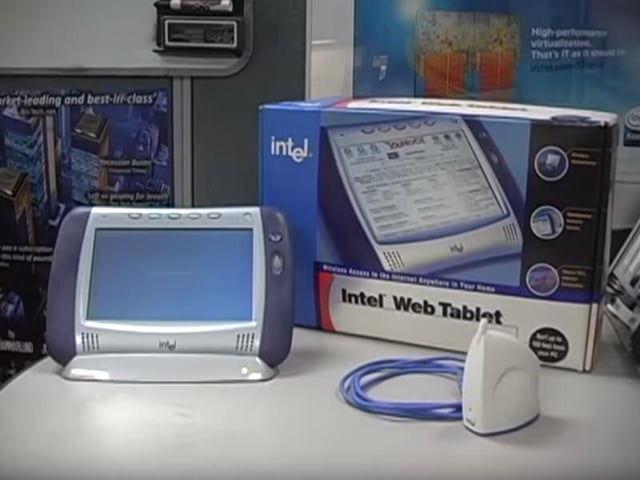
  • 16. StrongARM - 1998

    Intel’s first low-power processors based on the company’s StrongARM technology came about in 1998, powering products like this Intel Web Tablet. Despite Intel being early to market, ARM surpassed Intel with the growth of the smartphone market.

    Image: Intel
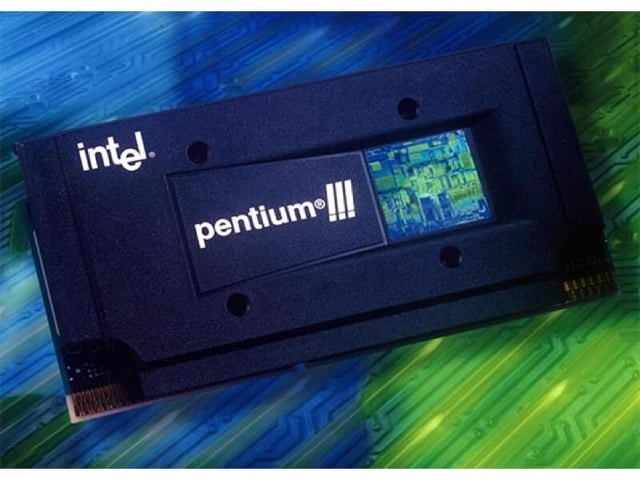
  • 17. Pentium III - 1999

    Intel’s 32-bit Pentium III microprocessors hit the market in February 1999. The series was accompanied by the Celeron series on the low end and the Xeon series on the high end.

    Image: Intel
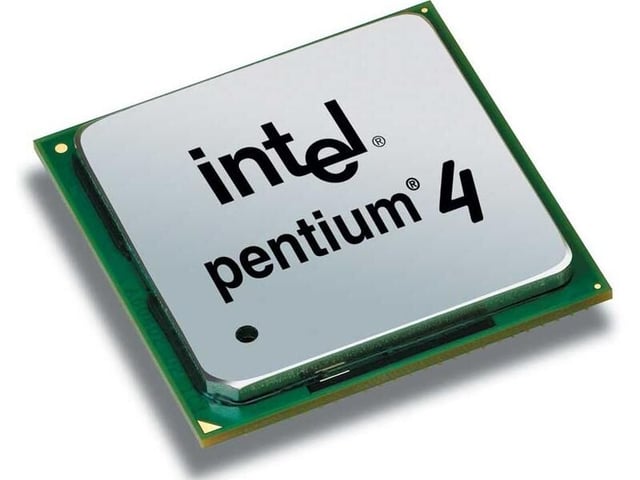
  • 18. Pentium 4 - 2000

    The Pentium 4 was based on the NetBurst microarchitecture, which was the first microarchitecture from the company since its P6.

    Image: Intel
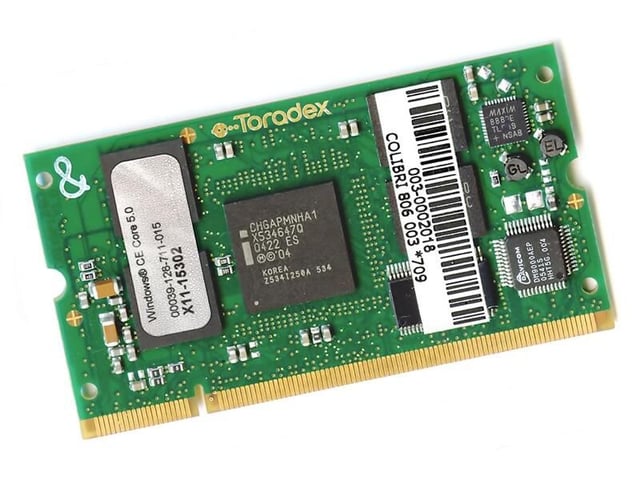
  • 19. XScale - 2000

    The year 2000 also saw the introduction of the XScale microarchitecture. XScale was important because of its focus on wireless communication. This Colibri PXA270 is based on the XScale architecture.

    Image: Toradex
  • 20. PXA800F - 2003

    With the rise of cell phones, Intel announced the PXA800F microchip in 2003. In the original press release, Intel called it the “‘Wireless-Internet-On-A-Chip’ For Cell Phones.”

    Image: Intel
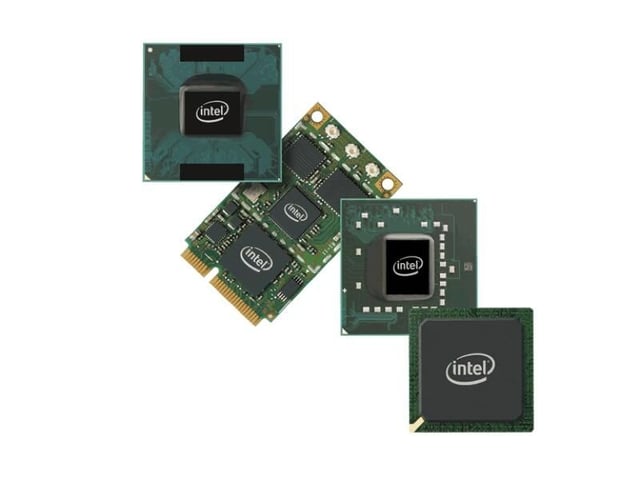
  • 21. Centrino - 2003

    Originally codenamed “Carmel,” Centrino was introduced by Intel in 2003. Centrino was important because of its integrated wireless LAN.

    Image: Intel
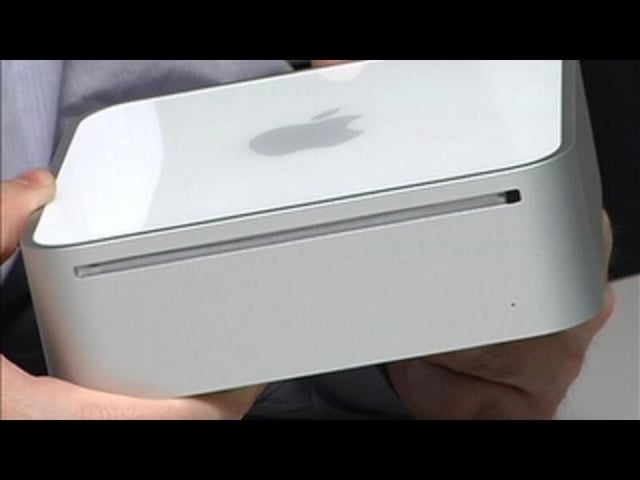
  • 22. Intel Inside Macintosh - 2005

    The year 2005 marked the transition of Apple’s move from PowerPC to Intel processors, which came to fruition the following year. The move is seen by some as one of the key changes that helped Apple rise in popularity.

    Image: CNET
  • 23. Quad-core processor - 2006

    In 2006, Intel delivered the first quad-core processor for desktops and servers.

    Image: Intel
  • 24-atom.jpg

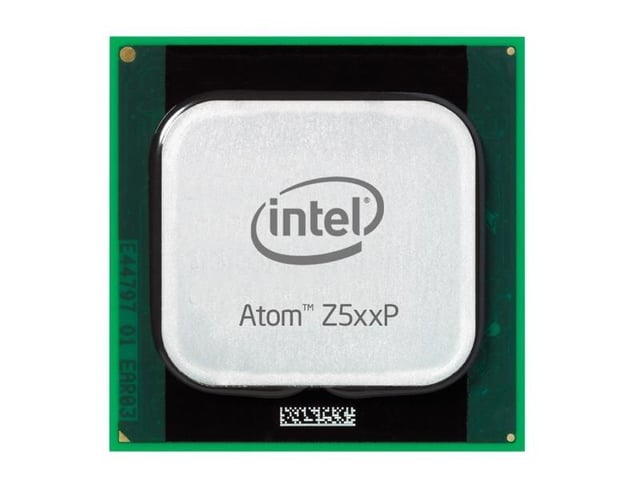
    24. Atom - 2008

    Intel’s next-generation low-power processor was the Atom, which came out in 2008. Originally geared toward netbooks, Atom processors can now be found in smartphones.

    Image: Intel
  • 25. Ultrabook - 2011

    Basically the PC knock-off version of a MacBook Air, the ultrabook was announced by Intel in 2011 as a three year project. Now, the PC industry has adopted the moniker to refer to most new laptops.

    Image: Intel
  • 26. Ivy Bridge - 2012

    In April 2012, Intel released the Ivy Bridge line of processors. Ivy Bridge processors were backwards compatible with Sandy Bridge and based on the 22nm manufacturing process.

    Image: Intel
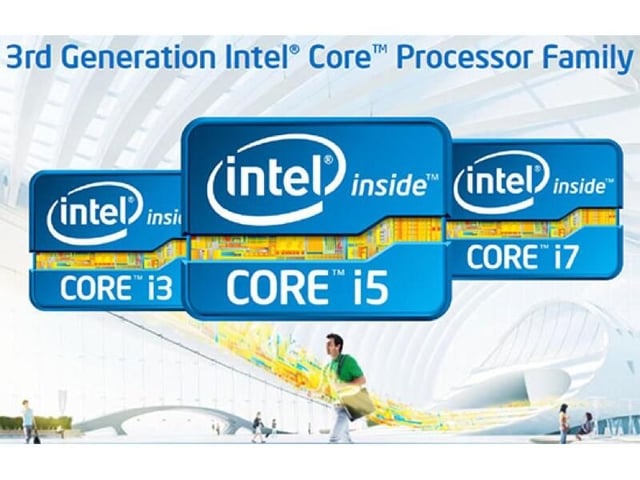
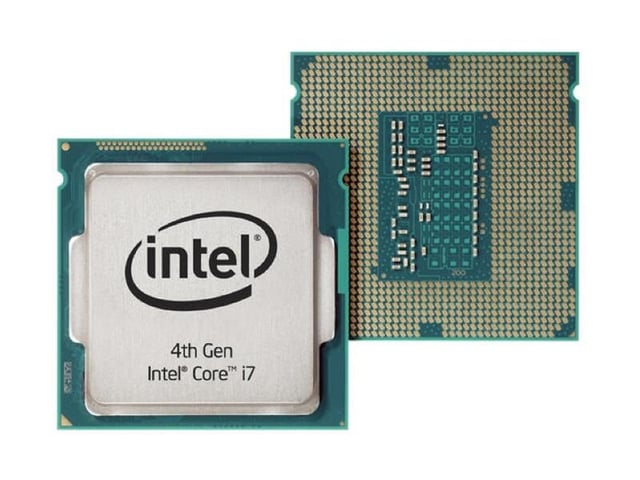
  • 27. Haswell - 2013

    Originally launched at the Computex trade show in Taipei, the fourth generation of Intel’s core series is known as Haswell.

    Image: Intel
  • 28-corem.jpg

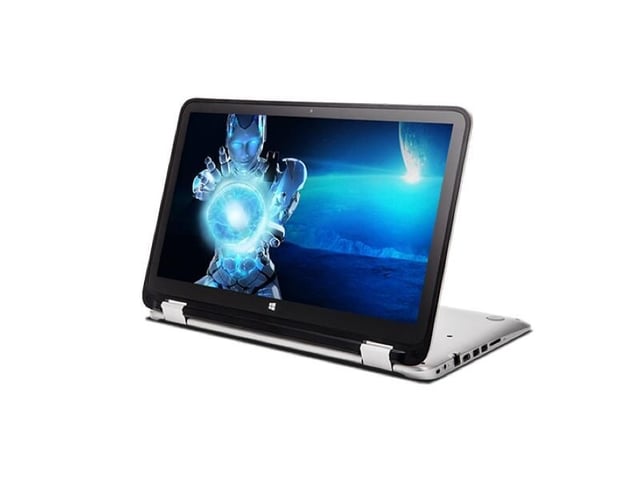
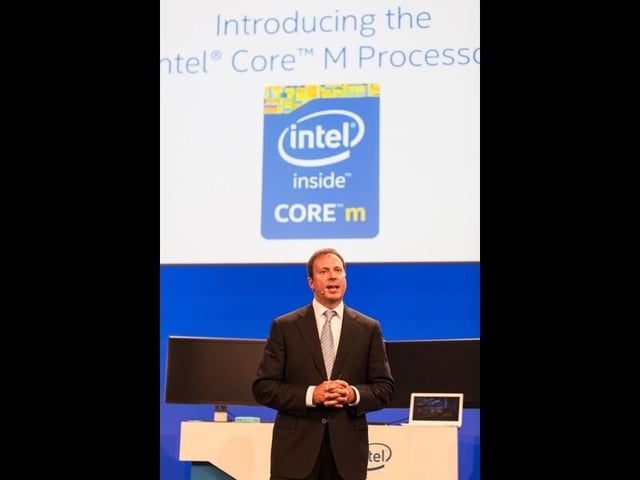
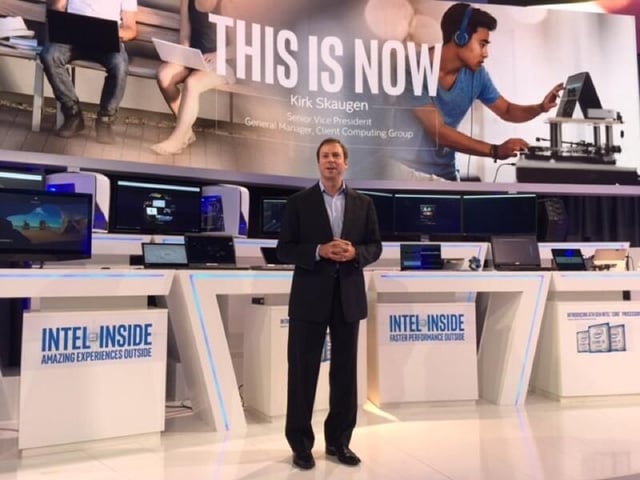
    28. Core M - 2014

    At IFA 2014, Intel’s Kirk Skaugen delivered a keynote where he announced the Core M processors. Core M was known for its low power consumption and was geared toward 2-in-1 laptops.

    Image: Intel
  • 29. Skylake - 2015

    Also debuting at IFA, this time in 2015, the Skylake microarchitecture processors will be able to power even smaller laptops and better support 4K video.

    Image: Shara Tibken\/CNET
  • 30. Broadwell-E - 2016?

    The next innovation in Intel’s lineup is a rumored 10-core i7 processor known as the Broadwell-E. It will allegedly be debuted at Computex 2016 in Taipei, but nothing’s confirmed yet.
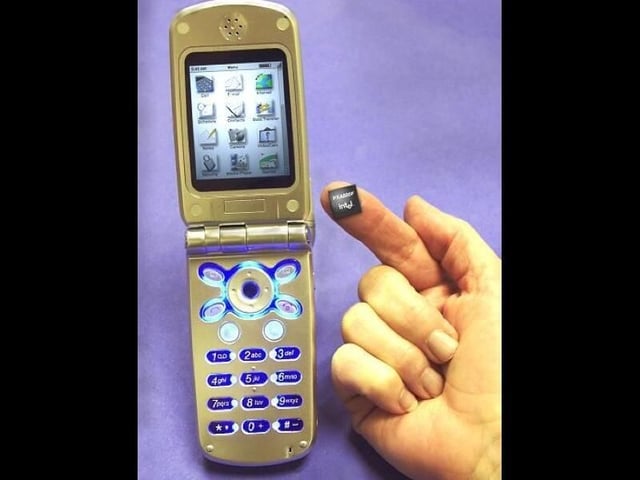
    Image: Ben Fox Rubin\/CNET
1 of 30
Conner Forrest

Conner is a former Senior Editor for TechRepublic. He is now a Senior Research Analyst at 451 Research.