Photos: The rise of social robots - TechRepublic

Photos: The rise of social robots

  • screen-shot-2015-02-02-at-11-52-05-am.png

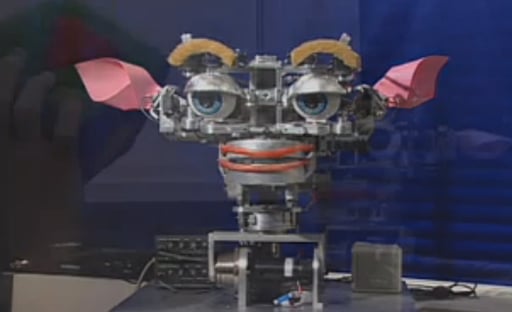
    Kismet

    Kismet was developed in the late 1990s by Cynthia Breazeal at MIT, and is considered to be the world’s first social robot. It was a robotic head that simulated emotion through various facial expressions and movement.

    Image: MIT
  • leonardo.jpg

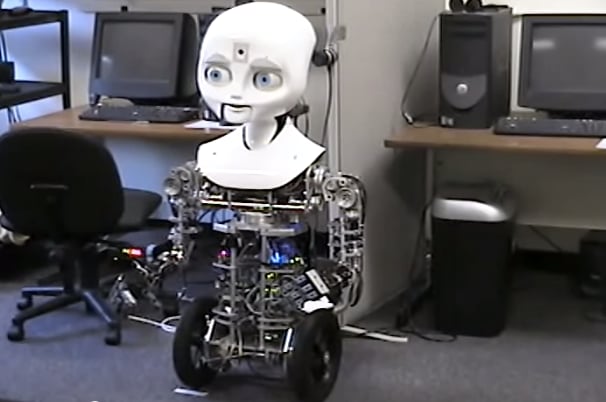
    Leonardo

    Named for Leonardo DaVinci, this little robot is a collaboration between animatronics studio Stan Winston Studio and the Personal Robots Group of MIT. The robot was made to better understand human robot interaction and collaboration, and it was completed in 2002. Its creation is credited to Cynthia Breazeal.

    Image: MIT
  • screen-shot-2015-02-02-at-12-07-20-pm.png

    Nexi

    Nexi robot is also from MIT, but one of its roles in 2013 was for a social experiment at Northwestern University. The study showed humans are better judges of trustworthiness after they see visible, body language signs of dishonesty — and robots could be more trustworthy if they use the right kinds of gestures.

  • screen-shot-2015-02-02-at-11-33-28-am.png

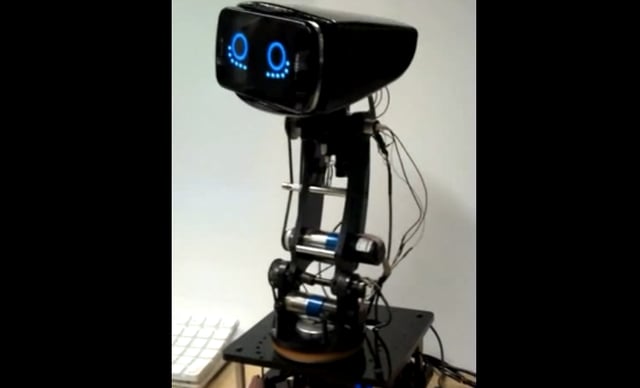
    TOFU

    Disney Animation Studios used animation tools such as \u201csquash and stretch\u201d and \u201csecondary motion\u201d in the 1950s. TOFU, named after, yes, the food product that also has those squashy qualities, was made to explore ways of robotic expression. The eyes are made with OLED displays, allowing for more motion and high dynamics.

    Image: MIT
  • screen-shot-2015-02-02-at-1-01-38-pm.png

    AIDA

    AIDA stands for Affective Intelligent Driving Agent. This social robot is out of the Personal Robots Group at MIT and is made for the car of the future. It’s a personal driving assistant, and its face is the driver’s mobile device. It provides messages and communication with the driver so they can remain hands-free in the car.

    Image: MIT
  • screen-shot-2015-02-02-at-12-19-24-pm.png

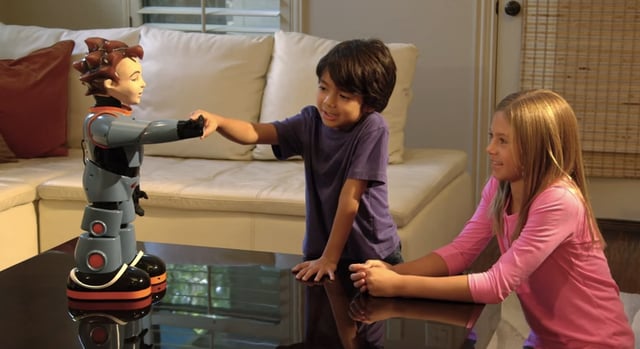
    Zeno

    Zeno is a robot that helps engage children with autism. The robot is a collaboration between researchers at the University of Texas, Hanson RoboKind, and several other organizations in Texas. The researchers think Zeno can help them better diagnose and understand autism because some autistic children are more likely to interact with the robot, which is often perceived as less threatening than human interaction.

    Image: Robokind
  • screen-shot-2015-02-02-at-12-32-47-pm.png

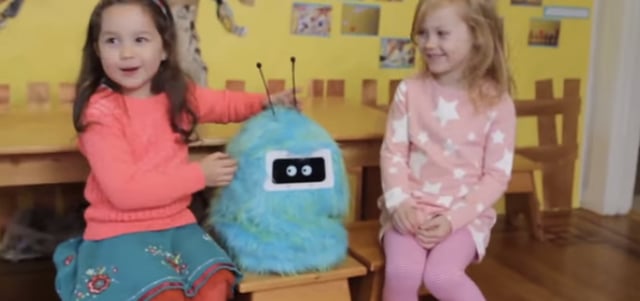
    Romibo

    Romibo is a social robot designed for education and autism research. This little teaching companion was made to help lower anxiety, increase interaction, engage kids, and help them work on social skills. The robot is controlled with an iPad, and it can connect to the internet to download and share stories.

    Image: Origami Robotics
  • nao.jpg

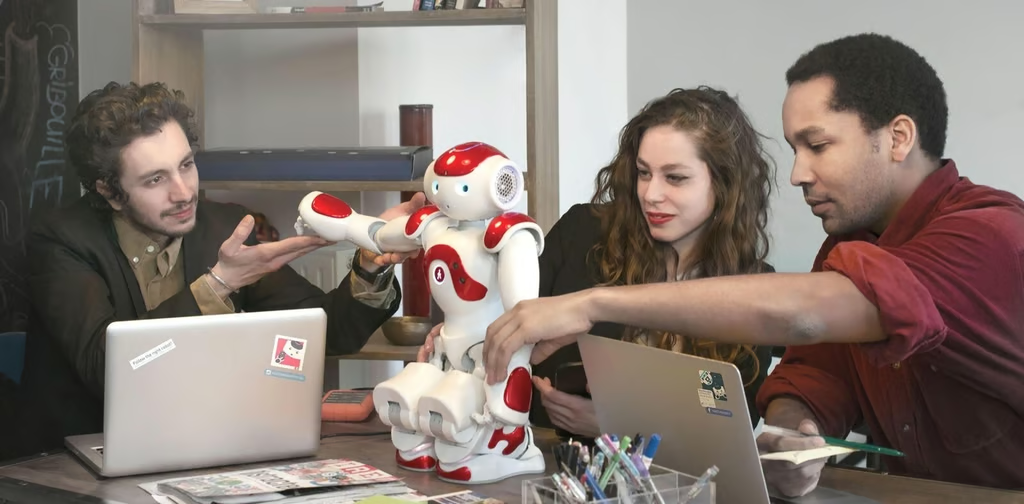
    NAO

    NAO is a robot developed by scientists at Nanyang Technological University in Singapore that dances, tells stories, and is also aimed at helping kids with autism express their feelings. The National University of Singapore is also working to create a nanny robot that is supposed to act as a caregiver for children.

    Image: Aldebaran
1 of 8
Lyndsey Gilpin

Lyndsey Gilpin is a former Staff Writer for TechRepublic, covering sustainability and entrepreneurship. She's co-author of the book Follow the Geeks.