Tech books: The 10 best reads of 2015 - TechRepublic

Tech books: The 10 best reads of 2015

  • Tech books: 10 great reads of 2015

    Big developments in artificial intelligence, robotics, and digital technology have elicited a mix of excitement and concern. This year, professors, critics, economists, and business leaders have weighed in on how all this new technology is impacting us. Check out our top books for some context on what’s been going on\u2013\u2013and what it means for our future.

    Image: iStockphoto.com/cyano66
  • machines.jpg

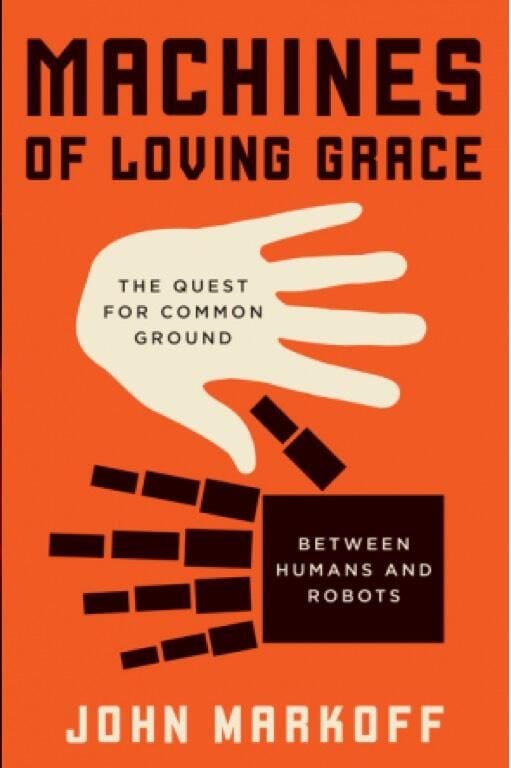
    Machines of Loving Grace: The Quest for Common Ground Between Humans and Robots by John Markoff

    Markoff, science and technology reporter for The New York Times, offers an important look at the current state of artificial intelligence and the blurry space between the world of humans and robots. He finds that the work often outpaces the critical thinking about how applications of new technology will change conditions for humans. Markoff divides the field into two camps\u2013\u2013artificial intelligence, dealing with replacing human capabilities, and intelligence augmentation, providing extra support for what already exists, providing insight into the questions we should be asking when developing tools that have the power to change our future.

    Image: Amazon.com
  • noveck.jpg

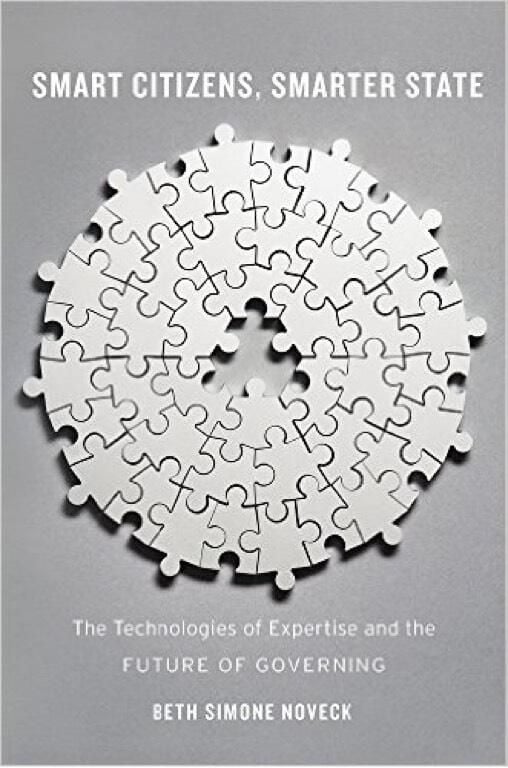
    Smart Citizens, Smarter State: The Technologies of Expertise and the Future of Governing by Beth Noveck

    Former head of the White House Open Gov Initiative, Noveck was at the forefront of the movement towards an open and collaborative government. In her new book, she explores why an open government is critical for democracy, and what the challenges\u2013\u2013and solutions\u2013\u2013are for integrating new technology into the system to encourage citizen participation. Check out TechRepublic’s interview with Noveck for a deeper look into the subject.

    Image: Amazon.com
  • master-algorithm.jpg

    he Master Algorithm: How the Quest for the Ultimate Learning Machine Will Remake Our World by Pedro Domingos

    Machine-learning, or the ability for robots and machines to learn and program themselves, has become a big topic of discussion in 2015. In The Master Algorithm, Domingos, a computer science professor, has provided an intelligent and timely guide to how and why machine learning is the most important field in science today.

    Image: Amazon.com
  • sherry-turkle.jpg

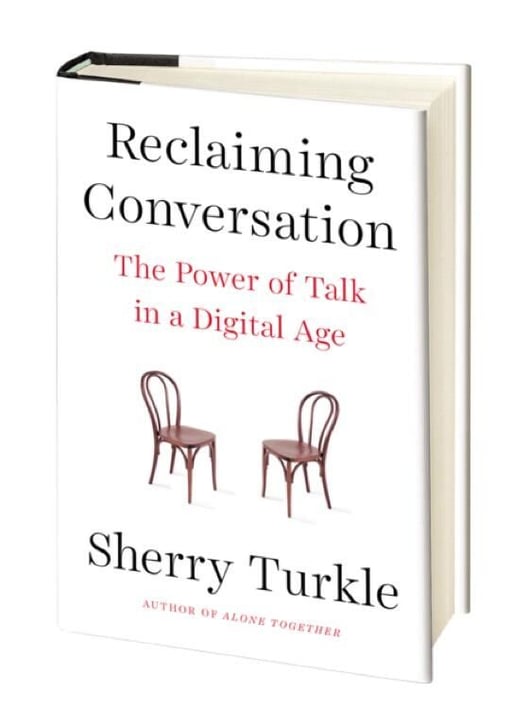
    Reclaiming Conversation: The Power of Talk in a Digital Age by Sherry Turkle

    MIT Professor and psychologist Sherry Turkle, author of Alone Together, is one of the tech world’s most important critics. She brings a passionate voice of reason and caution to the dialogue around how our digital world is impacting our relationships. In Reclaiming Conversation, Turkle makes an argument for the power of conversation in our self-growth, relationships, and democracy\u2013\u2013cautioning that if we fail to acknowledge the importance of human communication, humanity is at risk of losing empathy.

    Image: SherryTurkle.com
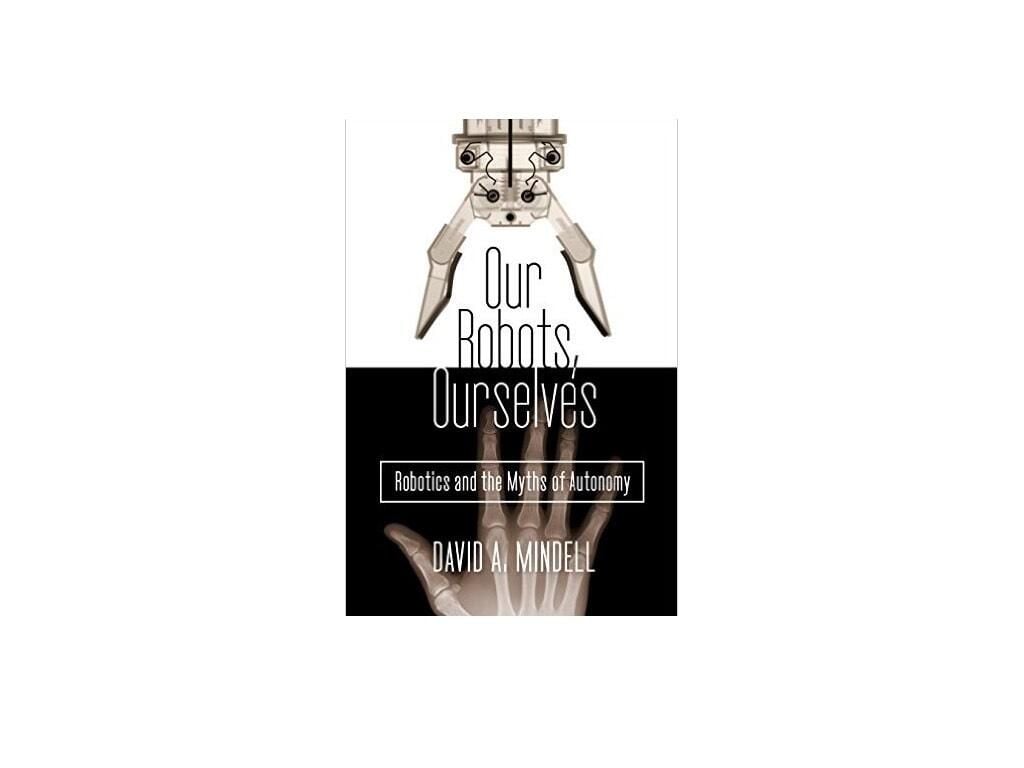
  • our-robots-ourselves.jpg

    Our Robots, Ourselves: Robotics and the Myths of Autonomy by David A. Mindell

    MIT professor Mindell travels across the far corners of the earth, exploring where and how robots are making an impact. Mindell argues against the idea that humans will one day be overtaken by robots, believing that a human element will always be an essential component of our mechanized systems. His view on human-robot relations is optimistic\u2013\u2013Mindell posits that humans will be required to interpret and analyze data collected by robots. Check out TechRepublic’s conversation with Mindell about the myths he thinks we have about robots, and why he doesn’t believe in total autonomy.

    Image: Amazon.com
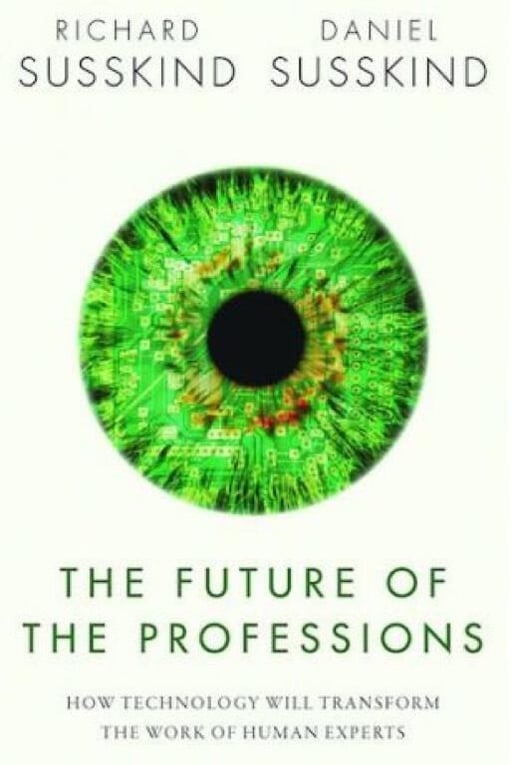
  • screen-shot-2015-11-25-at-12-21-33-pm.jpg

    he Future of the Professions: How Technology Will Transform the Work of Human Experts by Richard Susskind and Daniel Susskind

    What will the new landscape be for workers? In The Future of the Professions, Richard and Daniel Susskind explore how automation will be influencing what kind of work we do. In one scenario, machines will be able to help employees out by performing tasks to alleviate tedious work\u2013\u2013software that can help analyze data, for example. In the second, bleaker scenario, machines will replace skilled workers altogether. This, the authors argue, is more likely the case.

    Image: Amazon.com
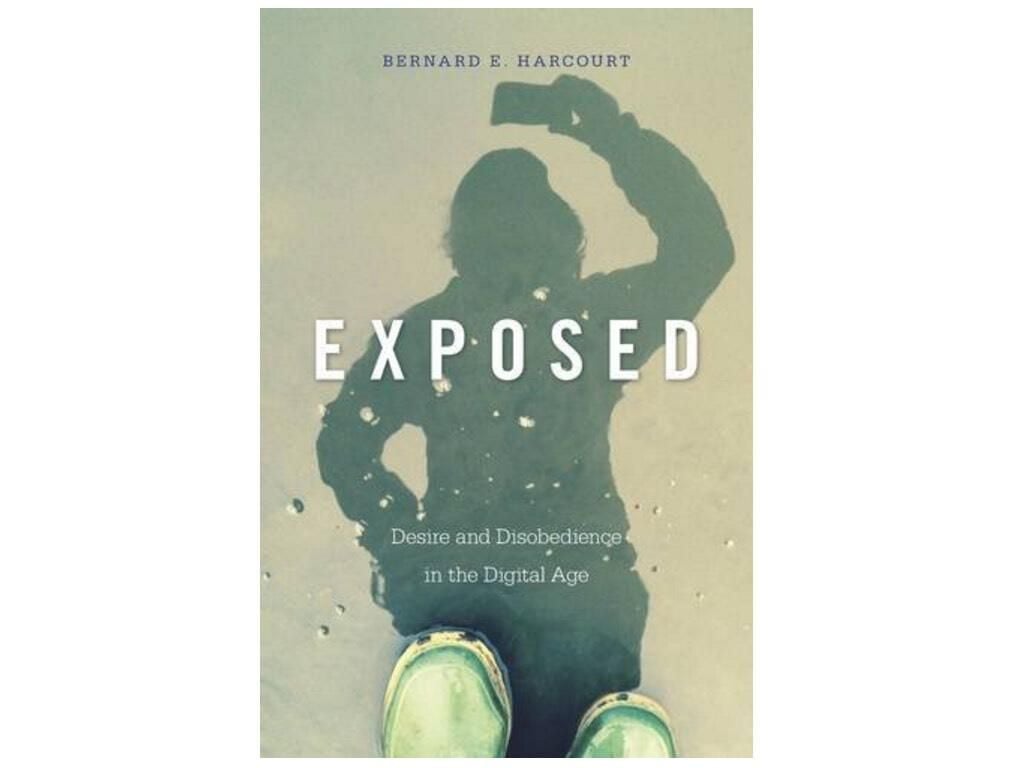
  • exposed.jpg

    Exposed: Desire and Disobedience in the Digital Age by Bernard Harcourt

    Director of the Center for Contemporary Critical Thought at Columbia, Harcourt’s latest book is a warning call for us to take back control of our digital footprint\u2013\u2013which has become increasingly transparent with every click, Tweet, email, and chat we engage in online. For more, check out TechRepublic’s review of Exposed.

    Image: Amazon.com
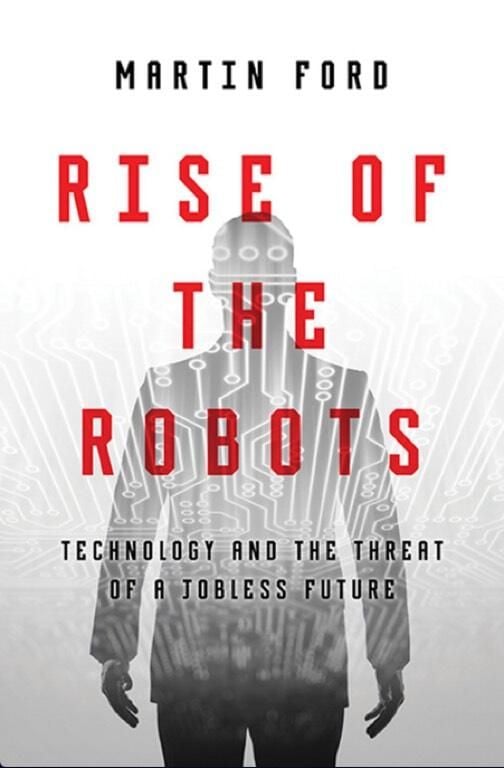
  • rise-of-the-robots.jpg

    Rise of the Robots: Technology and the Threat of a Jobless Future by Martin Ford

    One of the greatest human anxieties today, when it comes to new technology, is the fear that we will be replaced by machines. In this compelling new book, author and entrepreneur Ford projects that our economic future, in which intelligent machines will begin to take over at work, is about to undergo a radical transformation. But it’s not all bad\u2013\u2013Ford believes the shift will result in more of us entering creative pursuits.

    Image: Amazon.com
  • sceptical-optimist.jpg

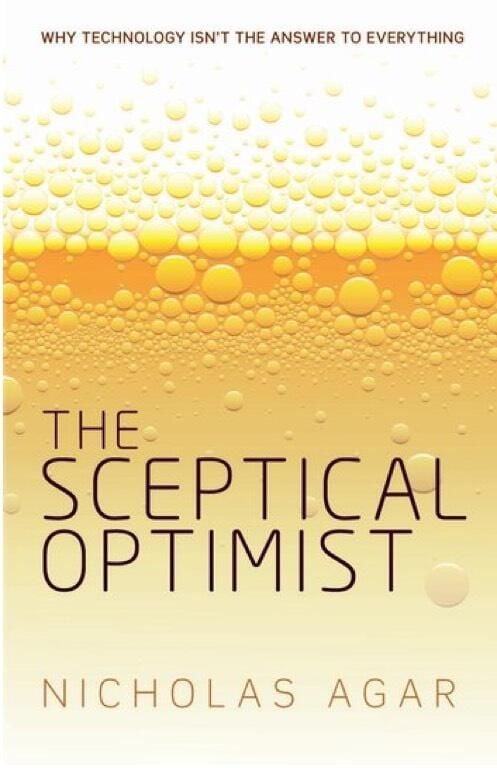
    The Sceptical Optimist: Why Technology Isn't the Answer to Everything by Nicholas Agar

    What do advances in technology mean to the human condition? Agar, a philosopher, takes a critical view of the largely optimistic reaction to new technology he observes. The Sceptical Optimist explores how technology impacts issues like social justice and the environment, concluding that it is in our best interest to be cautious before widely accepting and praising new technology without questioning it first.

    Image: Amazon.com
  • 10-billion.jpg

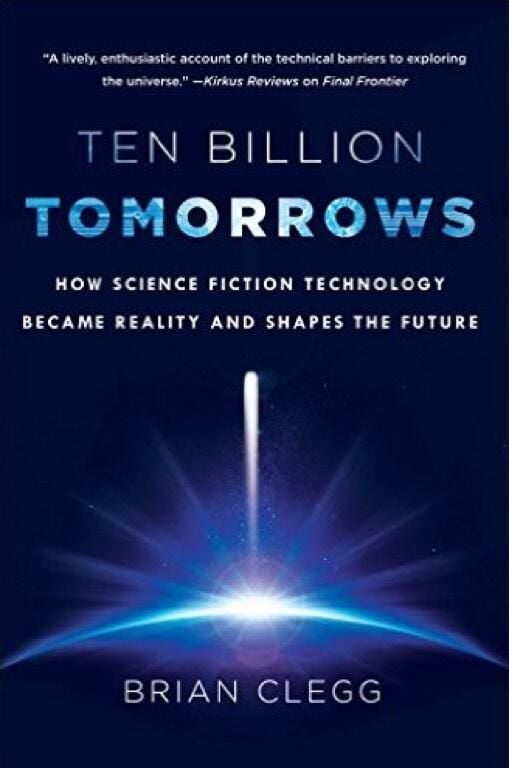
    Ten Billion Tomorrows: How Science Fiction Technology Became Reality and Shapes the Future by Brian Clegg

    Even though Ten Billion Tomorrows hasn’t come out yet–pub date is December 8–we’re including it on the list. It’s an interesting look into how science fiction has influenced the technology we have today. From Star Trek to The Matrix, the futuristic scenarios we see on the screen often contain the kernels for something that we will see in our lifetime.

    Image: Amazon.com
1 of 11
Hope Reese

Hope Reese is a writer based in Louisville, Kentucky, currently living in Budapest. Her work has appeared in the Atlantic, the Boston Globe, Vox, Vice and other publications.