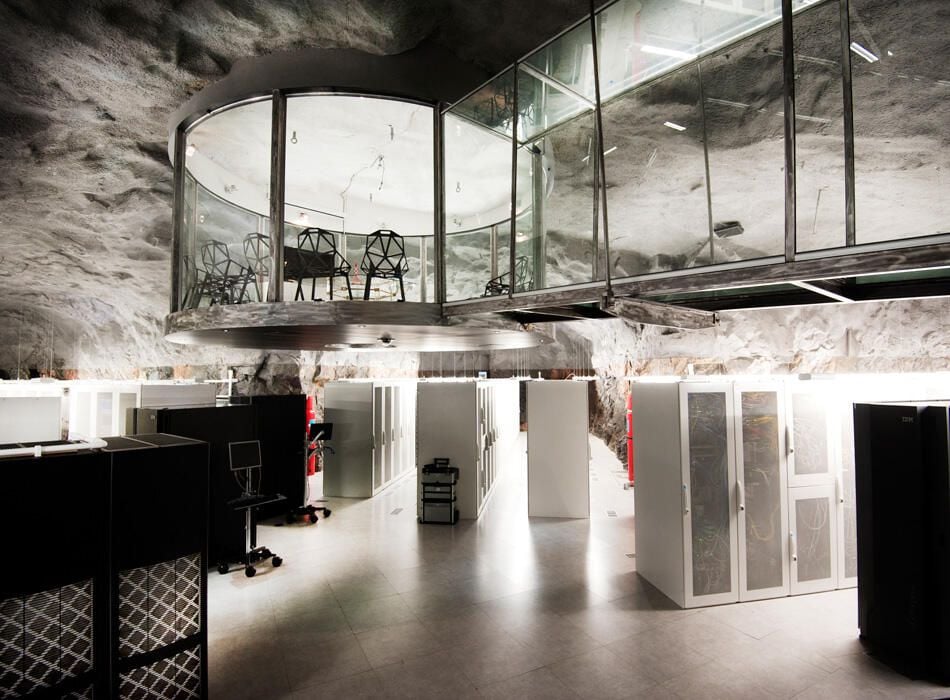
Modern data centers are being built in less than traditional locations for increased security, reduced power consumption for cooling, and to accommodate non-traditional hardware. This gallery features 10 data centers that stand out in this category.
The Swedish ISP Bahnhof has a reputation for architecturally\r\ninteresting data centers — the company refers to its facilities as data bunkers — and its flagship Pionen\r\nfacility is foremost among them. The Pionen facility is built in a Cold War era nuclear bunker, and features both a standard UPS system\r\nfor continuous power, and two Maybach diesel submarine engines for backup power\r\ngeneration.
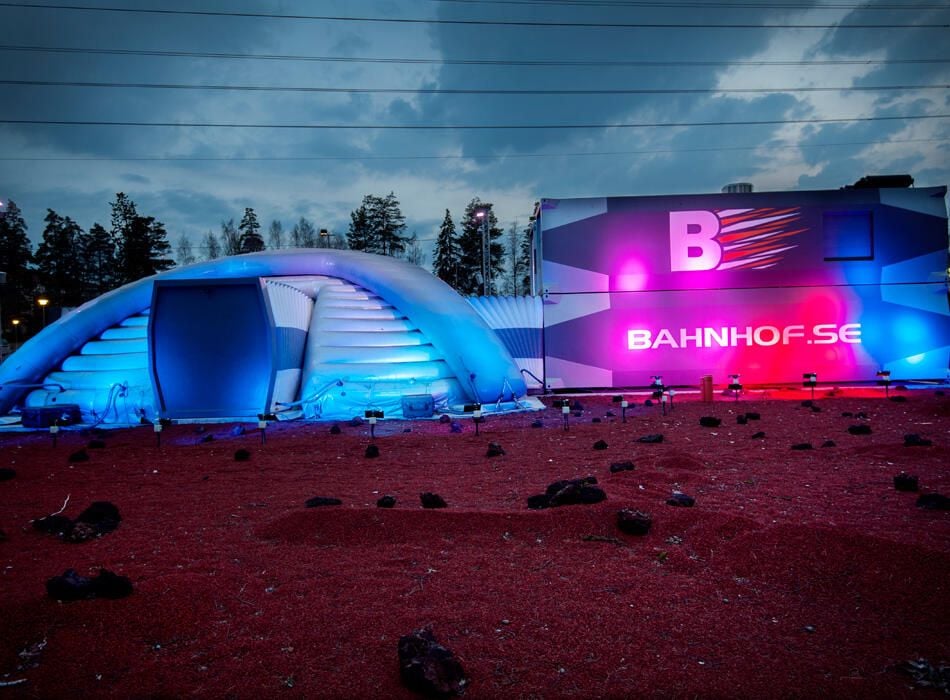
Bahnhof’s first data center outside of Stockholm is in the Kista Science City\r\ninnovation cluster, and is an all-steel structure designed to resemble a space\r\nstation. The reason given on the Bahnhof website is “Who would build this if we\r\ndidn’t?” The outside of the Lajka Space Station and the interior of the Pionen\r\nWhite Mountain can be seen in this promotional video, which reenacts a legal battle between Bahnhof and\r\nthe Swedish government about the collection of internet metadata.
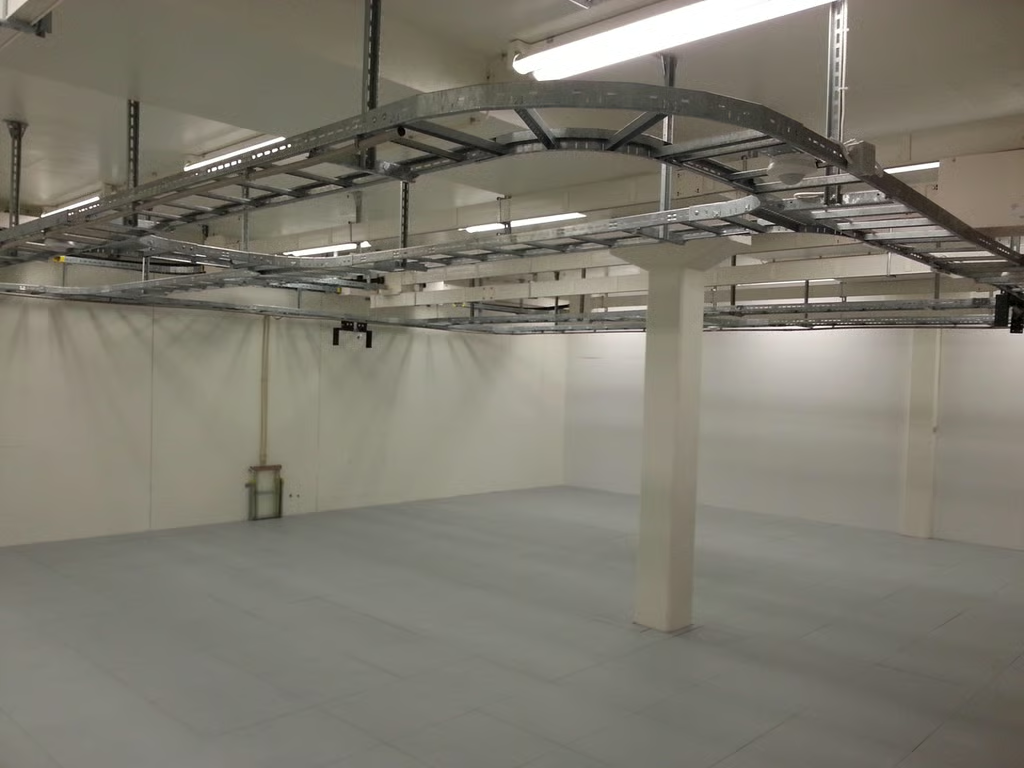
Green Mountain’s DC1 facility (server room\r\npictured before the racks were installed) is built in a former underground NATO\r\nammunition storehouse on a small island in Norway. It is powered by\r\nhydroelectric power systems, and is cooled using the available water at a depth\r\nof 75 meters, which remains at 8\u00b0C (46\u00b0F) year-round. The facility is made\r\nto be airtight, and the oxygen level in the server facilities is kept at 15%,\r\nwhich prevents the ability of fires to start; this has the added benefit of\r\npreventing secondary damage from the chemicals needed to extinguish fires.
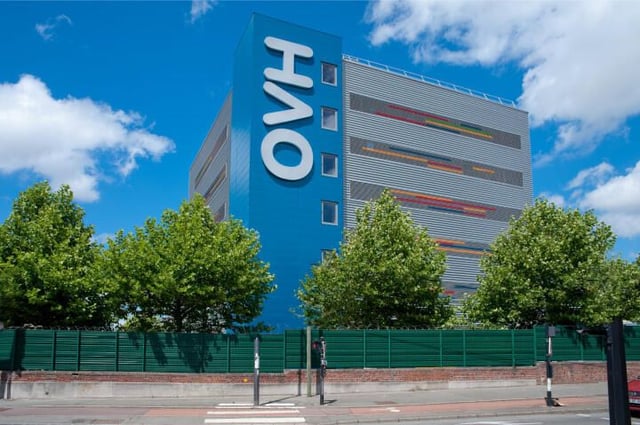
The French hosting company OVH designed a square data center that uses no air conditioning — instead of a solid building, the inner core is hollow, and is used for ventilation,\r\nwhile the servers are water-cooled.
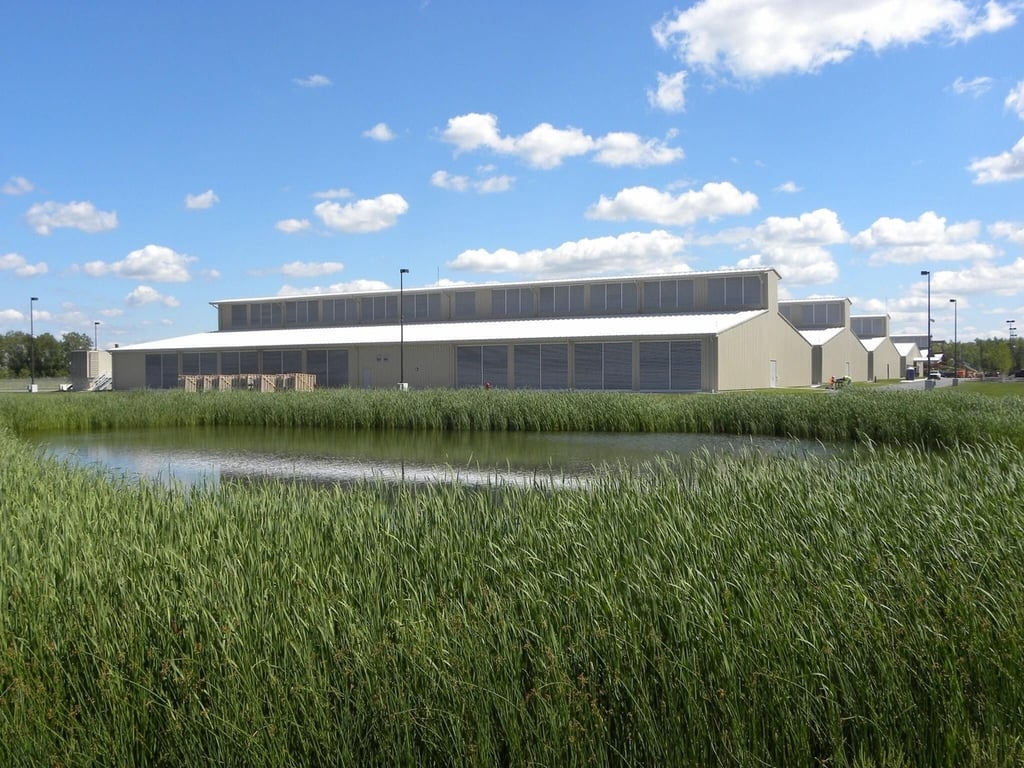
Yahoo’s new data center design\r\ntakes stylistic cues from the classic chicken coop\r\nin order to reduce the costs of cooling the data center. Although it is\r\ndesigned to use natural cooling 99% of the time, a direct evaporative cooling\r\nsystem is on premises for circumstances that require additional cooling. The\r\nfacility is powered by hydroelectric power from nearby Niagara Falls, NY.
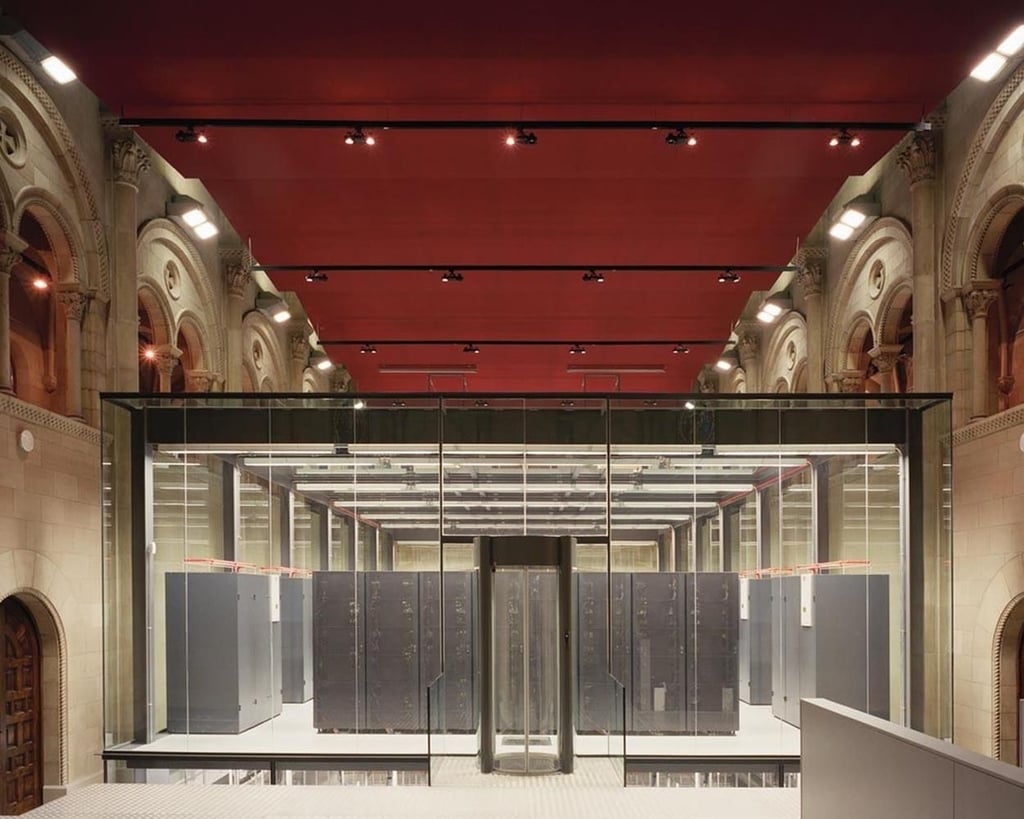
The Barcelona Supercomputing Center is the home of MareNostrum,\r\na supercomputer used for genome research, among other uses. Interestingly, the facility is actually a former chapel, called the Torre Girona at the Polytechnic University of Catalonia.

CyberBunker is a data center built in a decommissioned NATO\r\nabove-ground nuclear bunker in The Netherlands that is designed to operate\r\nfor over 10 years without outside contact. As a result of a zoning dispute,\r\nofficials from Goes attempted to enter the facility using\r\nhydraulic tools intended for rescuing victims of car crashes. This attempt only\r\nbroke the doors, leaving them unable to be opened. According to CyberBunker,\r\nthe total repair bill paid by the city was \u20ac24,500 ($35,840 USD, when adjusted for today’s inflation). Some time later, a SWAT team also unsuccessfully attempted to enter the facility.
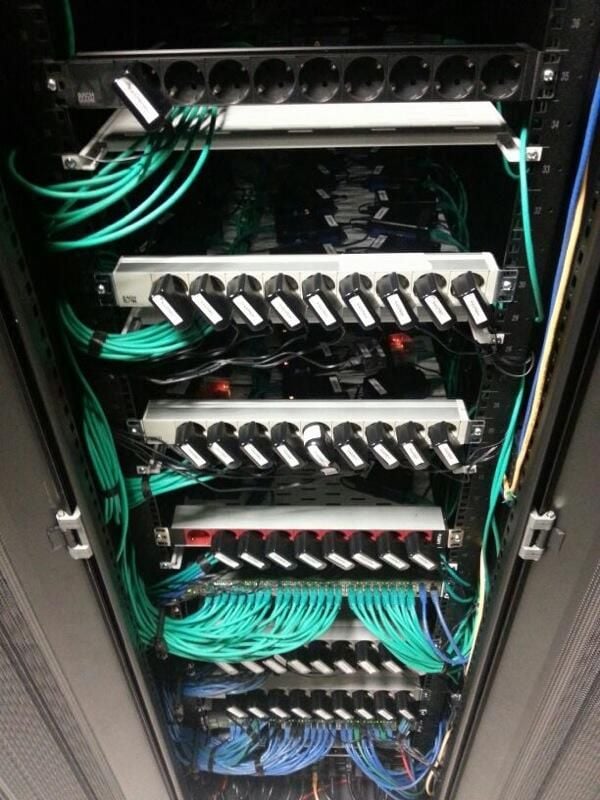
PCextreme’s data centers are standard architecturally, and the most interesting\r\nthing about the servers is not where they are being stored, but the servers themselves.
In\r\naddition to traditional server systems, the company also offers colocation of Raspberry Pi systems for \u20ac3 per month (\u20ac36, or $40.53 USD, per year).\r\nThe company has designed custom boards to fit multiple\r\nRaspberry Pi systems in racks, and is working on improving designs to be more\r\nspace efficient. PCextreme notes that the Raspberry Pi uses 3-5 watts compared\r\nto 75-150 watts of midrange servers, making it a more energy-efficient solution\r\nfor use cases where “full” computers are not needed.
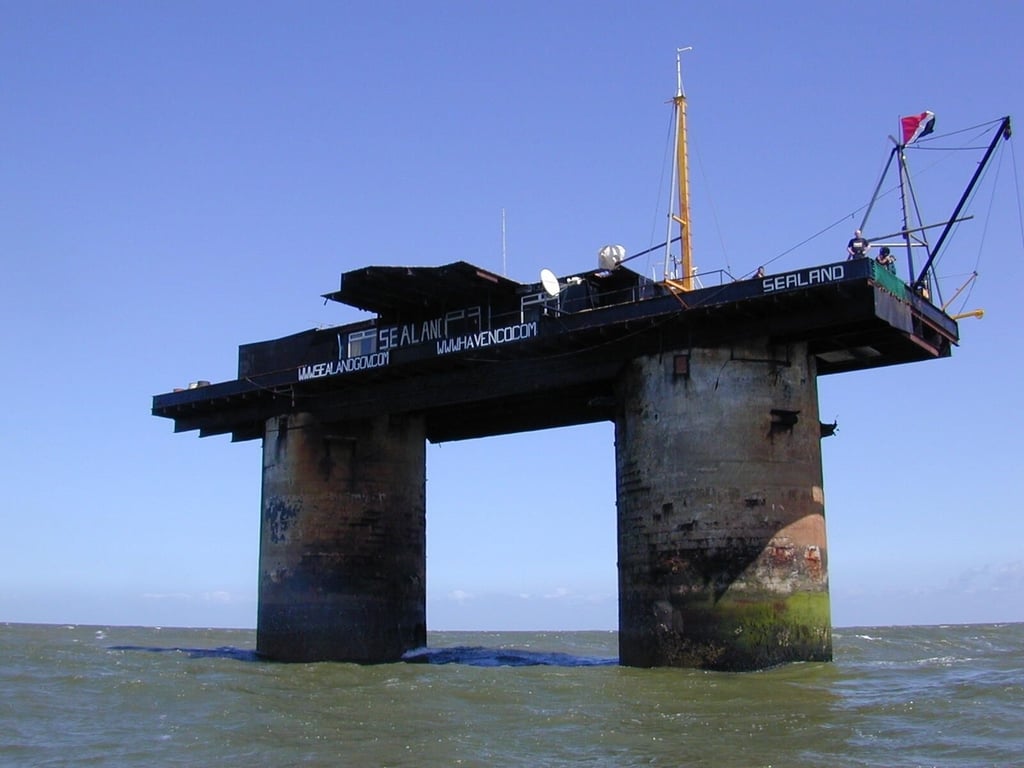
HavenCo is (or, alternately, was) a data center that was founded\r\nin 2000 on the decommissioned HM Fort Roughs — otherwise known as the Principality of Sealand — six miles off of the\r\ncoast of England. The experiment ended in November 2008, and appeared to be\r\nforever abandoned in this post-mortem writeup in 2012. HavenCo\r\nreopened in late 2013 to operate a cold storage facility, though its website\r\nis presently offline.
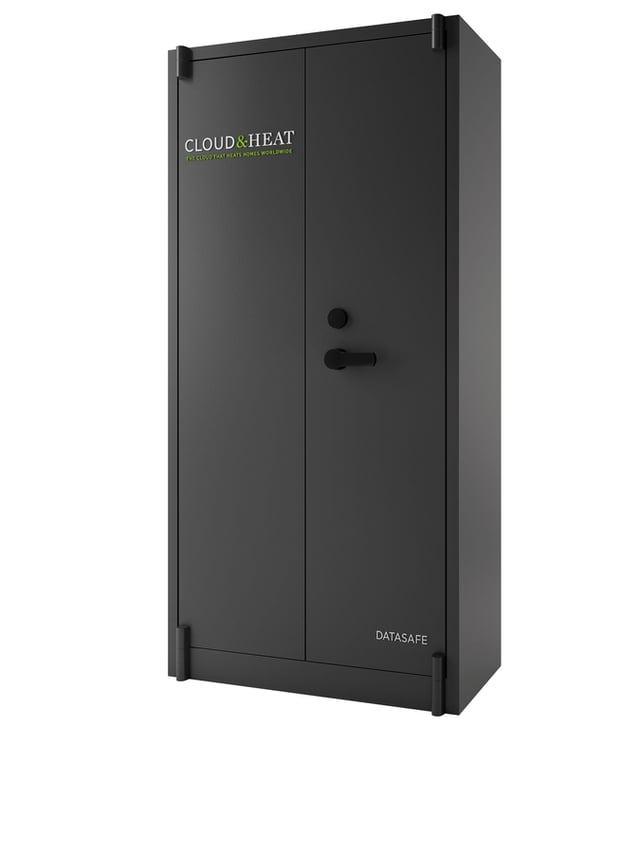
Cloud&Heat re-imagines what a data center\r\nis by taking a specially-designed cabinet and placing it in personal\r\nresidences or commercial buildings. These specially designed cabinets allow the heat\r\ngenerated by the servers to be harvested to heat water and air on premises. The\r\nCloud&Heat design allows for workloads to be concentrated to specific\r\nregions as weather conditions warrant. For example, if the outside\r\ntemperature is colder in Bonn than it is in Stuttgart, higher\r\nworkloads would be allocated to systems in Bonn to generate the needed heat.\r\nAlthough presently limited to Germany, perhaps in the future your home can be\r\nheated with a server cabinet.

James Sanders is an analyst for 451 Research. He was formerly a Staff Technology Writer for TechRepublic.


