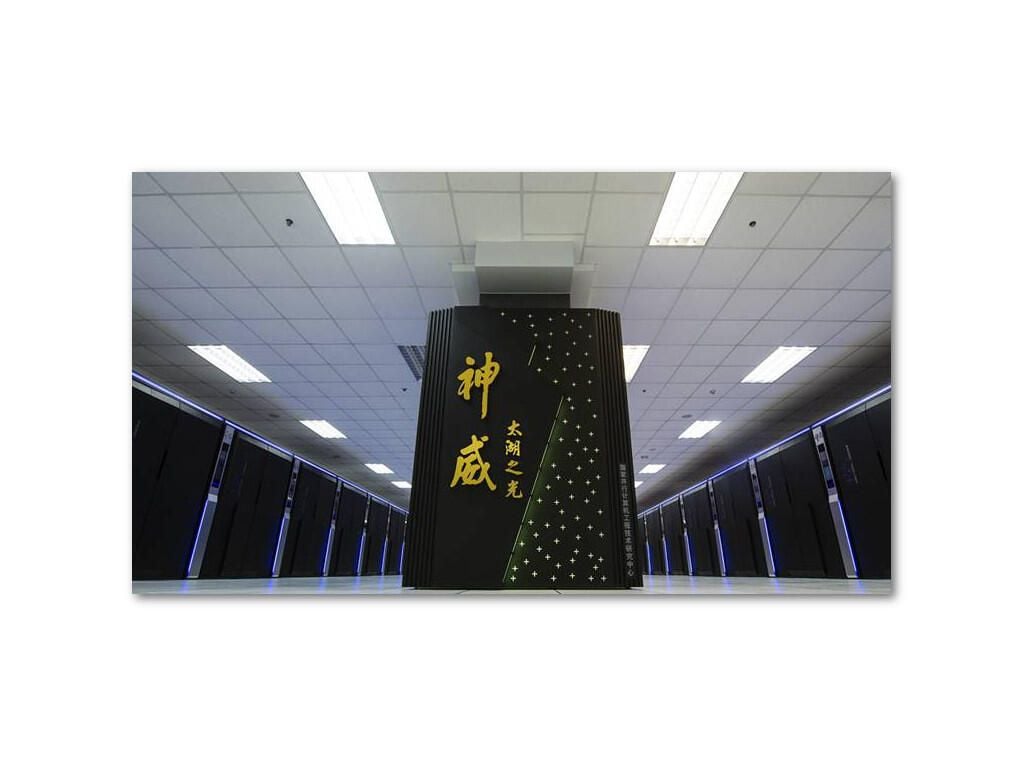
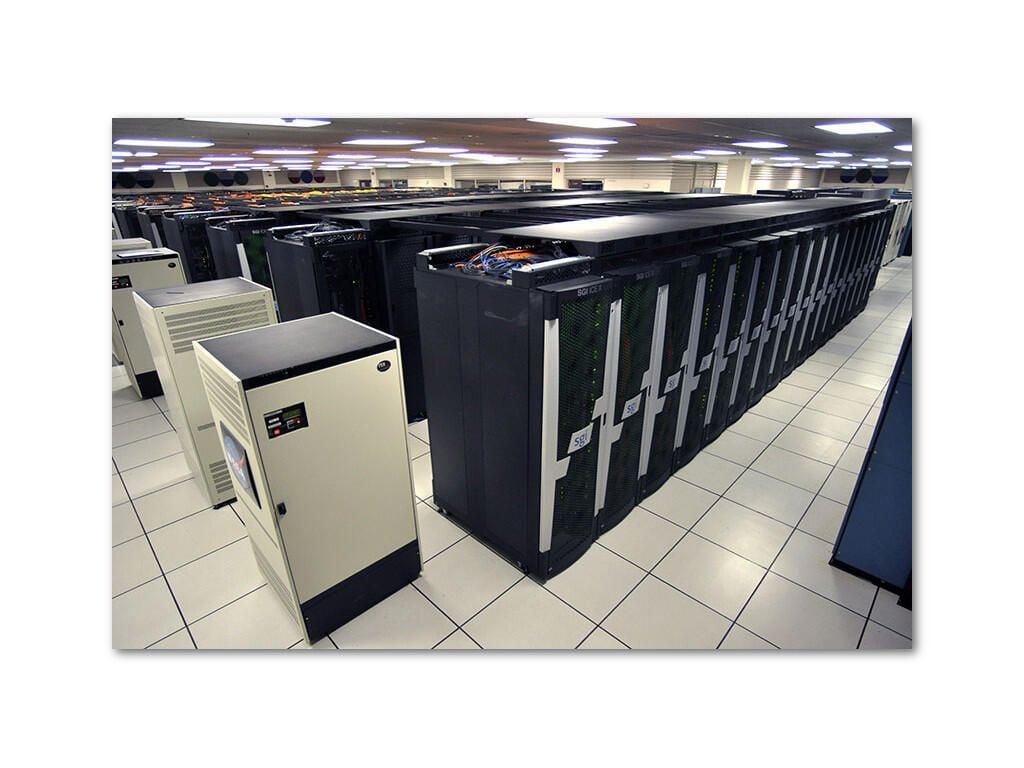
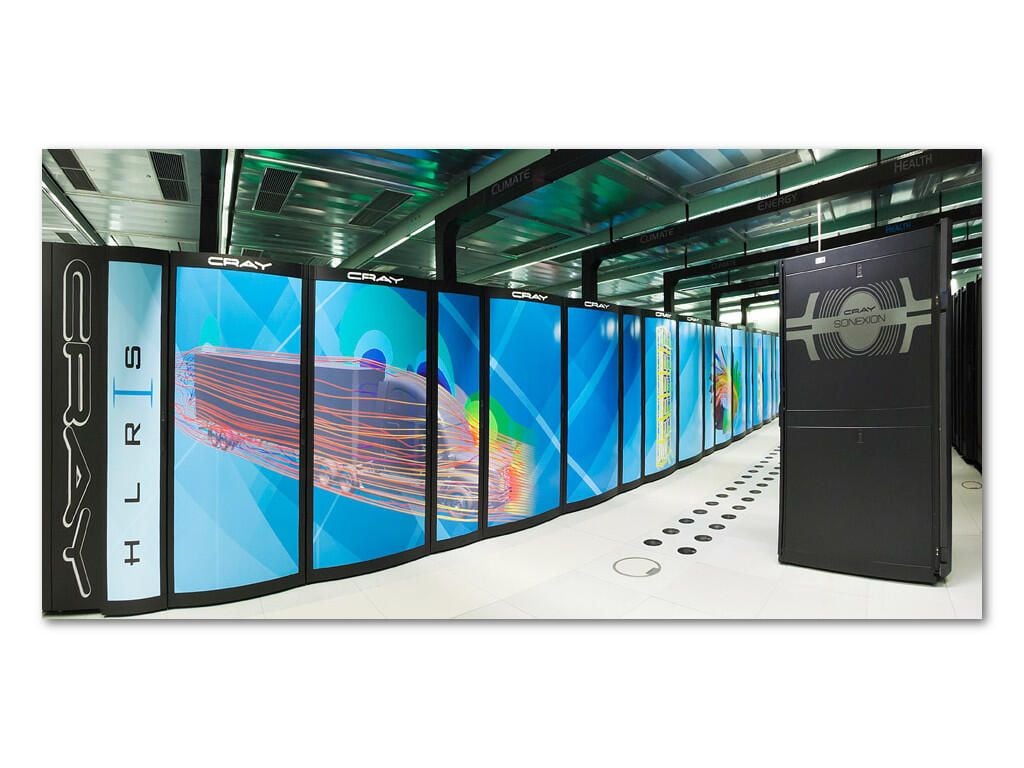
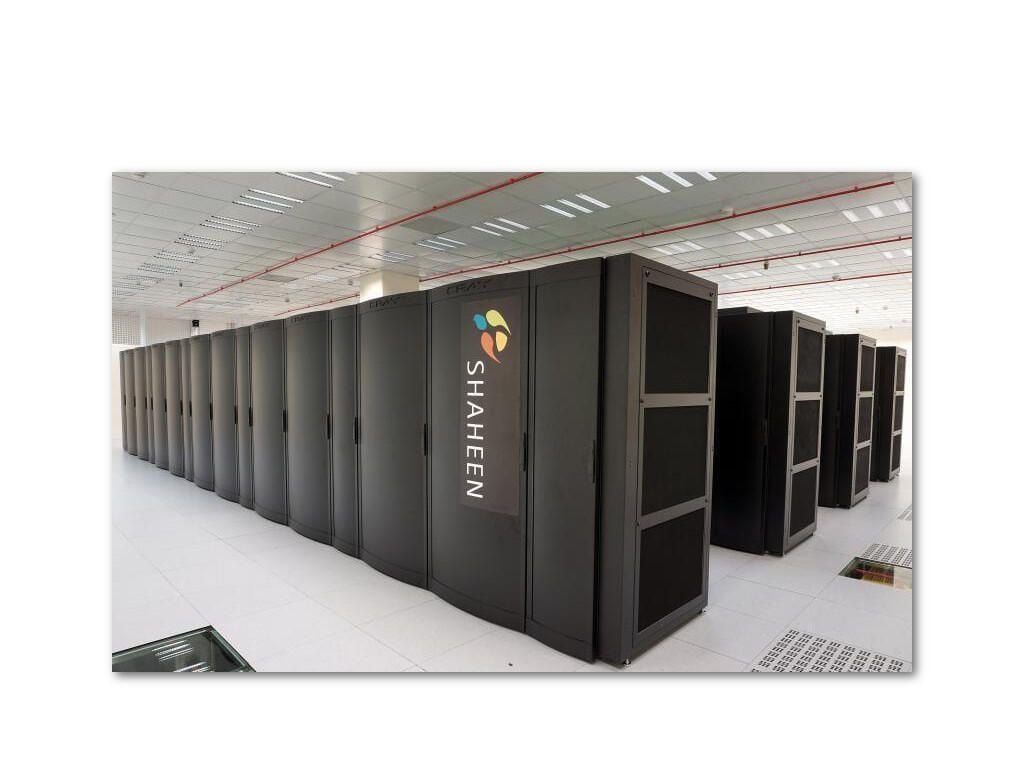
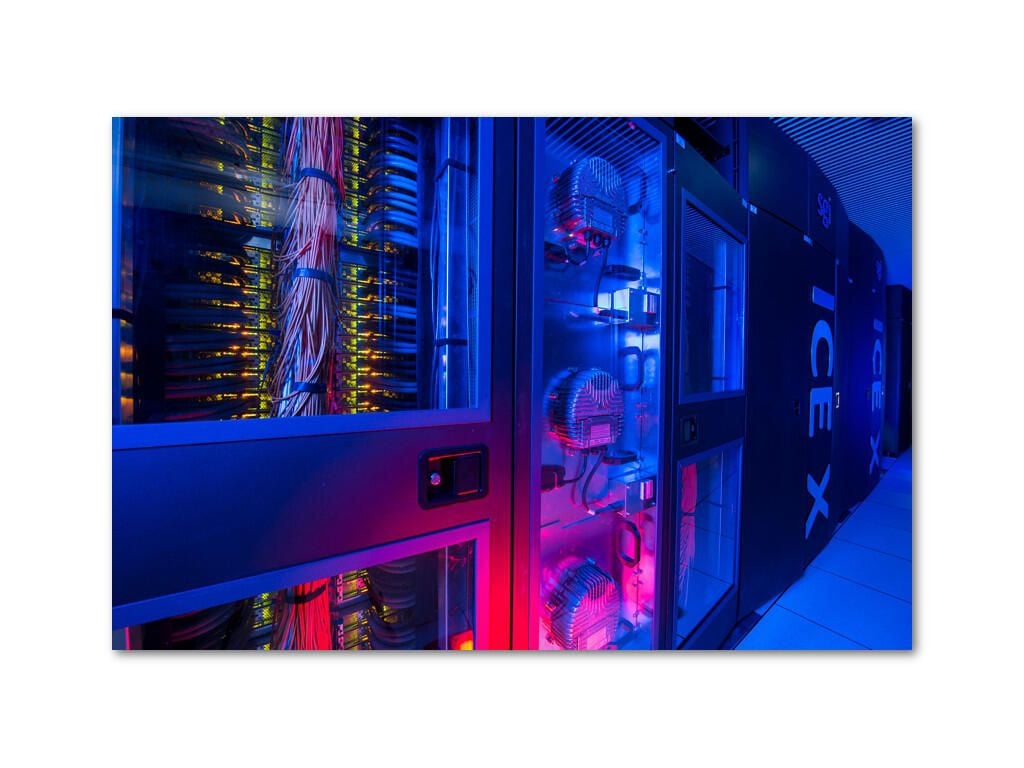
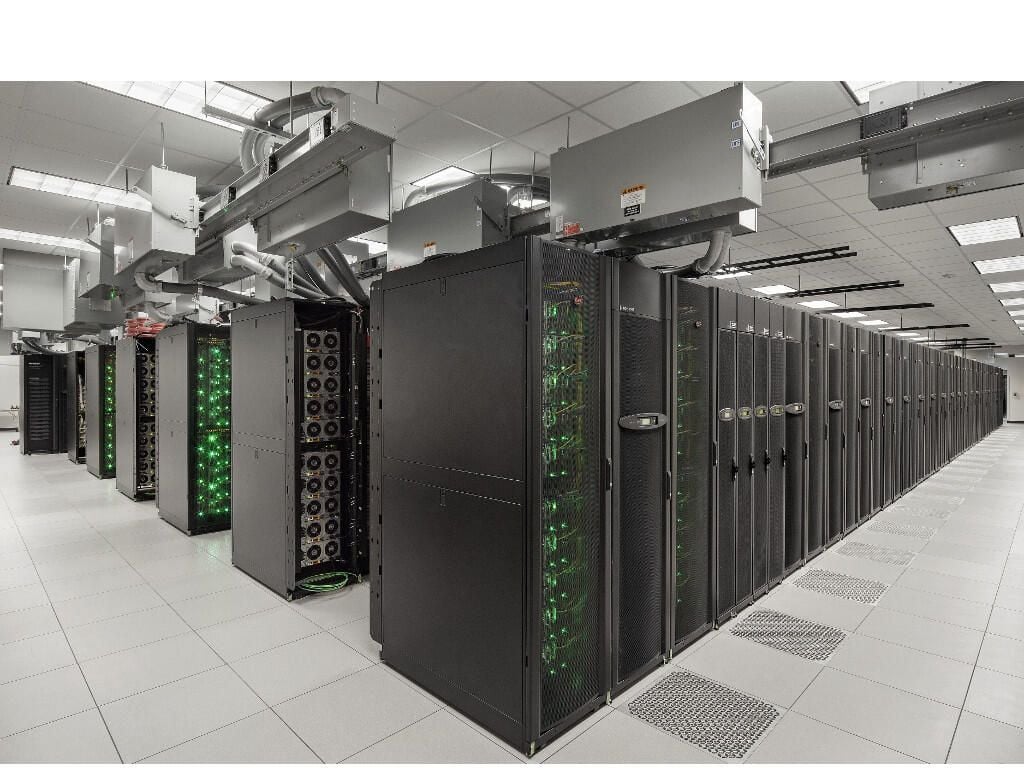
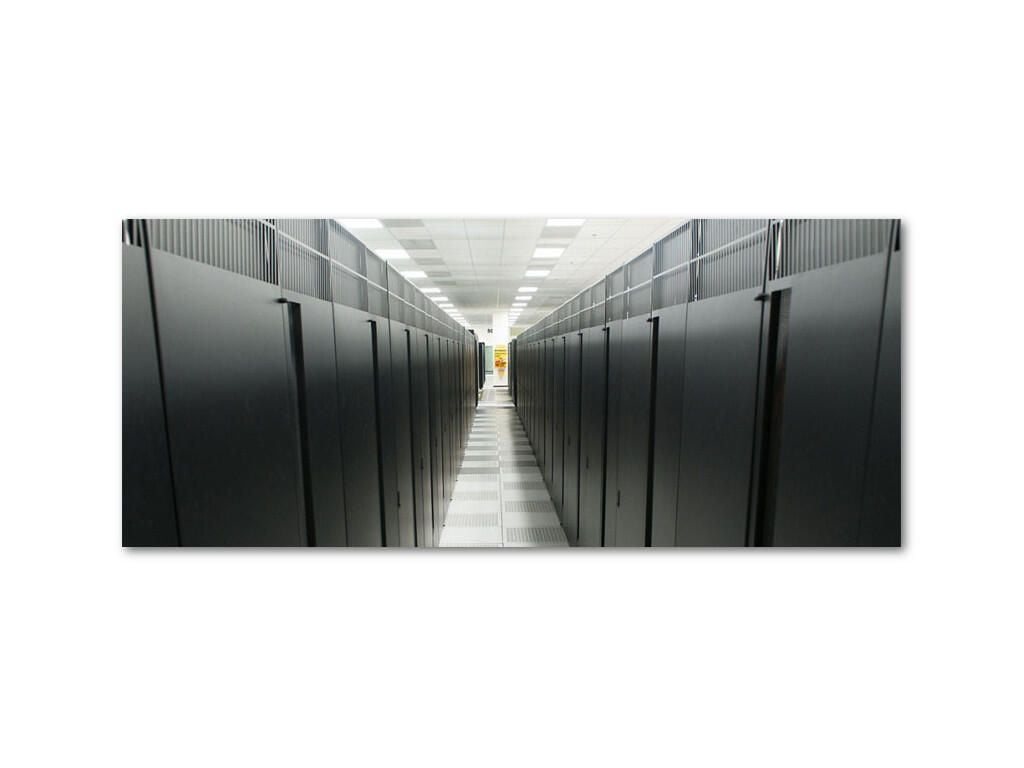
With 500 computers in this twice annual list it would be too much to publish all of them here. What follows is the top 20 from Top 500’s November 2016 list of the fastest supercomputers, starting with the Sunway TaihuLight.
The TaihuLight can be found at the National Supercomputing Center in Wuxi, China. It has held the top spot since it came onto the list in June 2016, and there’s a good reason: It dwarfs the competition.
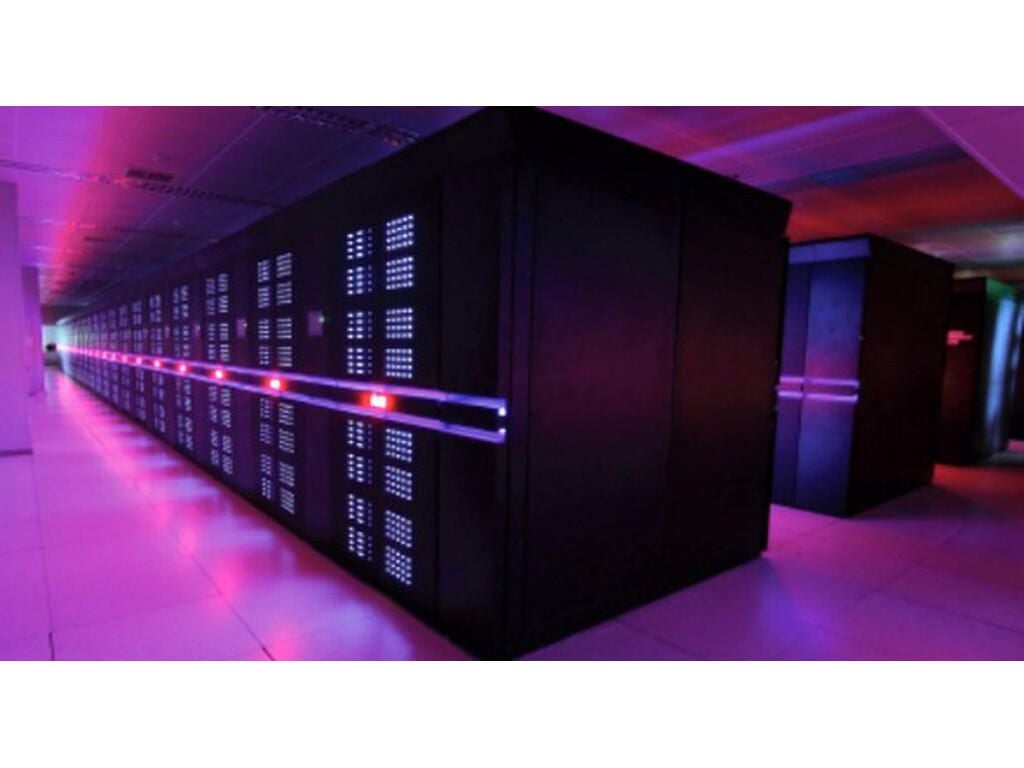
Tianhe-2 held the top spot from June 2013 until TaihuLight spun up. It’s also located in China, at the National Super Computer Center in Guangzhou.
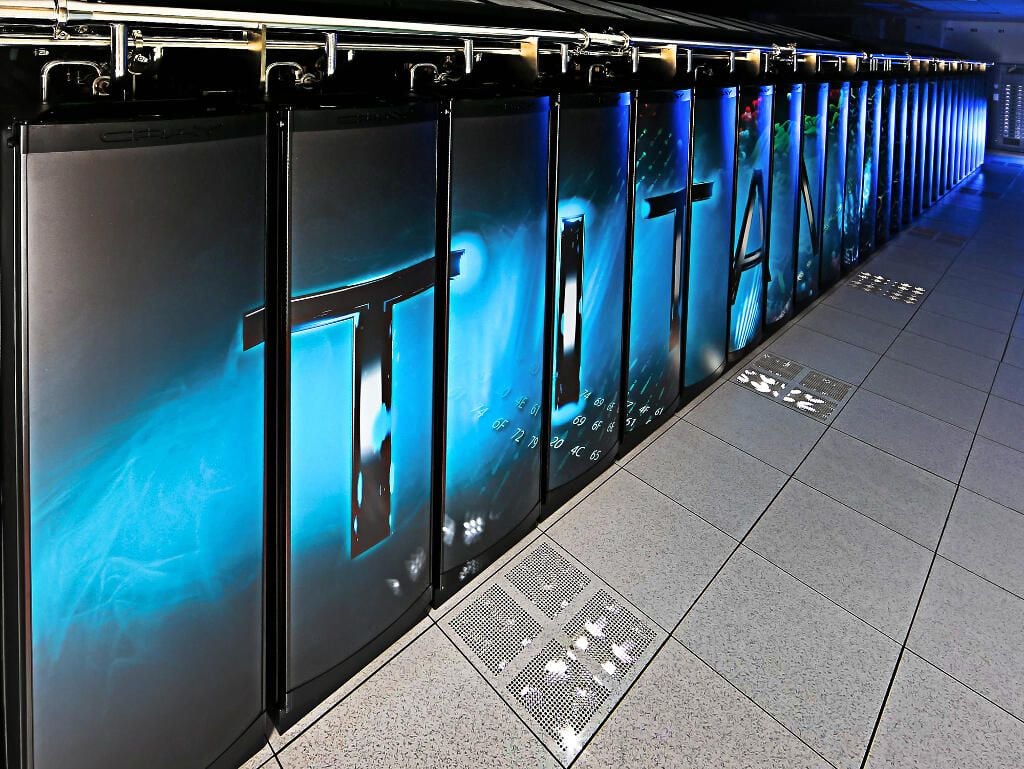
The US’ first entry onto the list was no. one for only a few months in 2012 and was quickly beaten out by Tianhe-2. It has now slipped to no. 3. Titan is operated by the Oak Ridge National Laboratory.
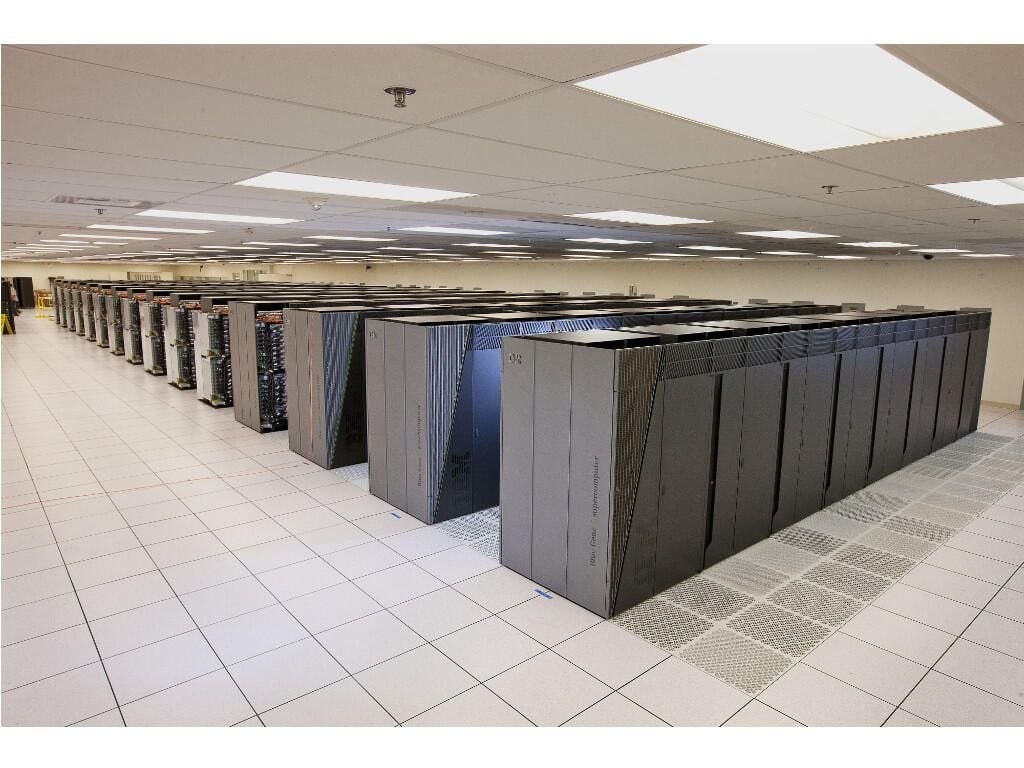
Sequoia has been around for awhile and started off at 17th place in November 2011. It shot to no. 1 with a hardware overhaul, but it only occupied the top spot for six months. Sequoia resides at the Lawrence Livermore National Laboratory in Livermore, CA.
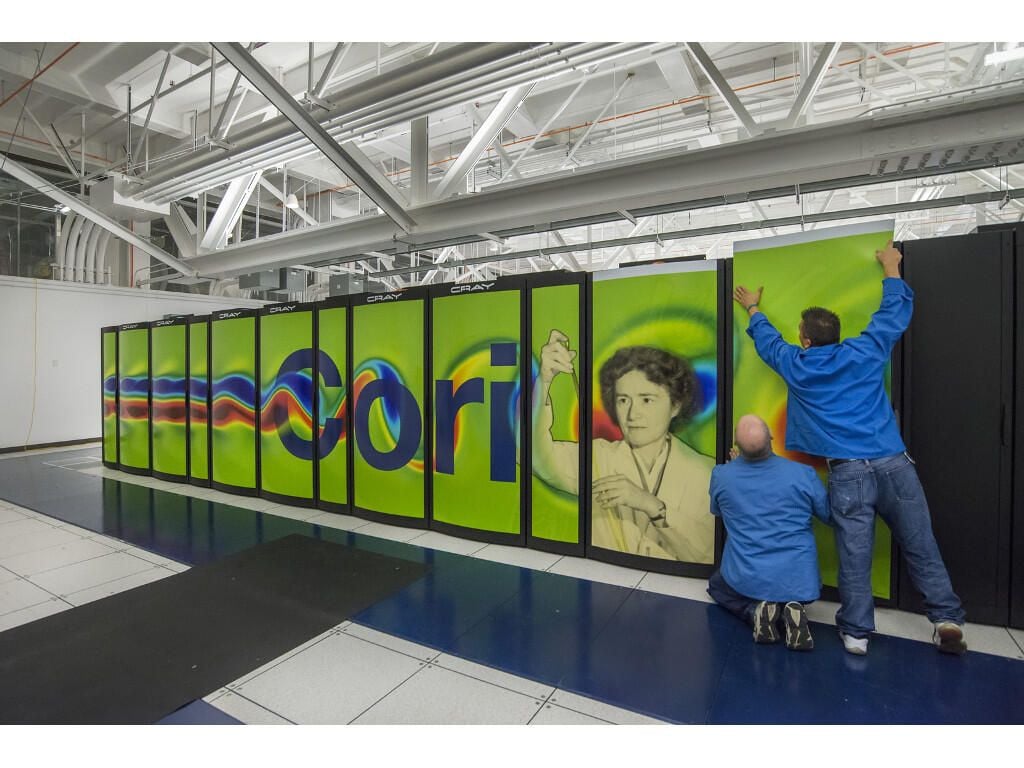
Named for pioneering biochemist Gerty Cori, the Cori supercomputer is new to the November 2016 list. Cori is the flagship supercomputer at the National Energy Research Scientific Computing Center in Berkeley, CA.
Japan’s first entry on the list, the Oakforest-PACS, is also brand new this November. The quality of the photo here illustrates just how new it is: There aren’t many good photos of it on the internet! Oakforest-PACS operates out of the Joint Center for Advanced High Performance Computing in Kashiwa, Japan.
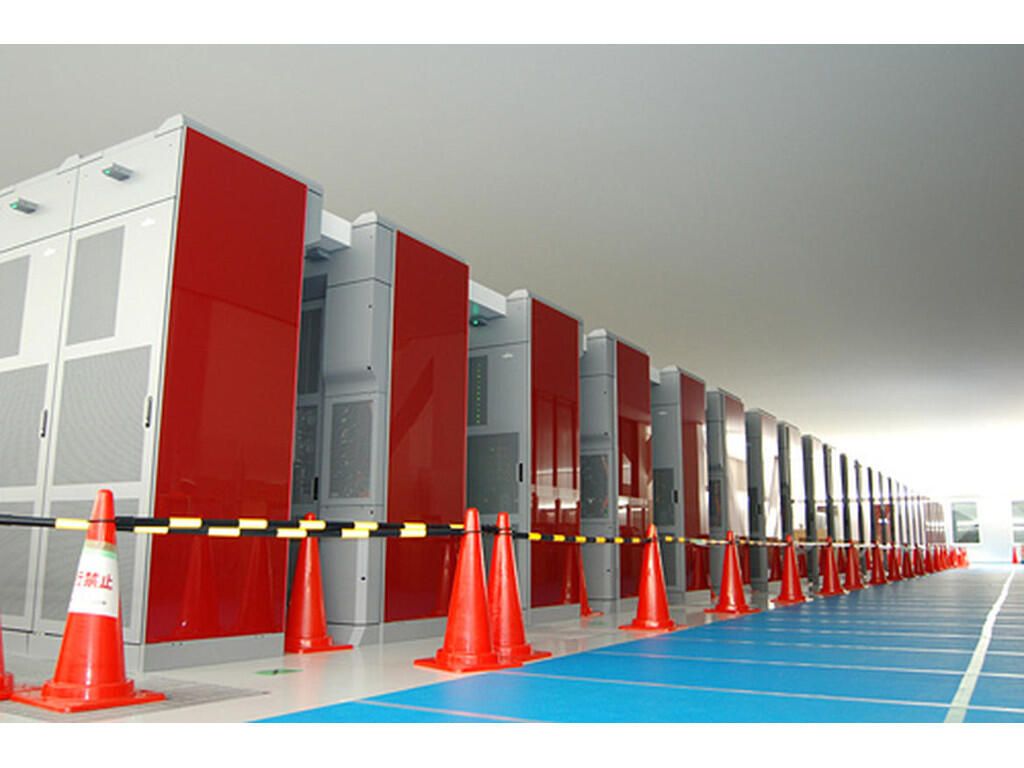
K computer is another that has been around for several years–it even occupied the top spot for the entire year of 2011. It has undergone upgrades over that time, but it has still slipped to no. 7 (from 5) on the latest list. It’s also located in Japan, at the RIKEN Advanced Institute for Computational Science in Kobe.
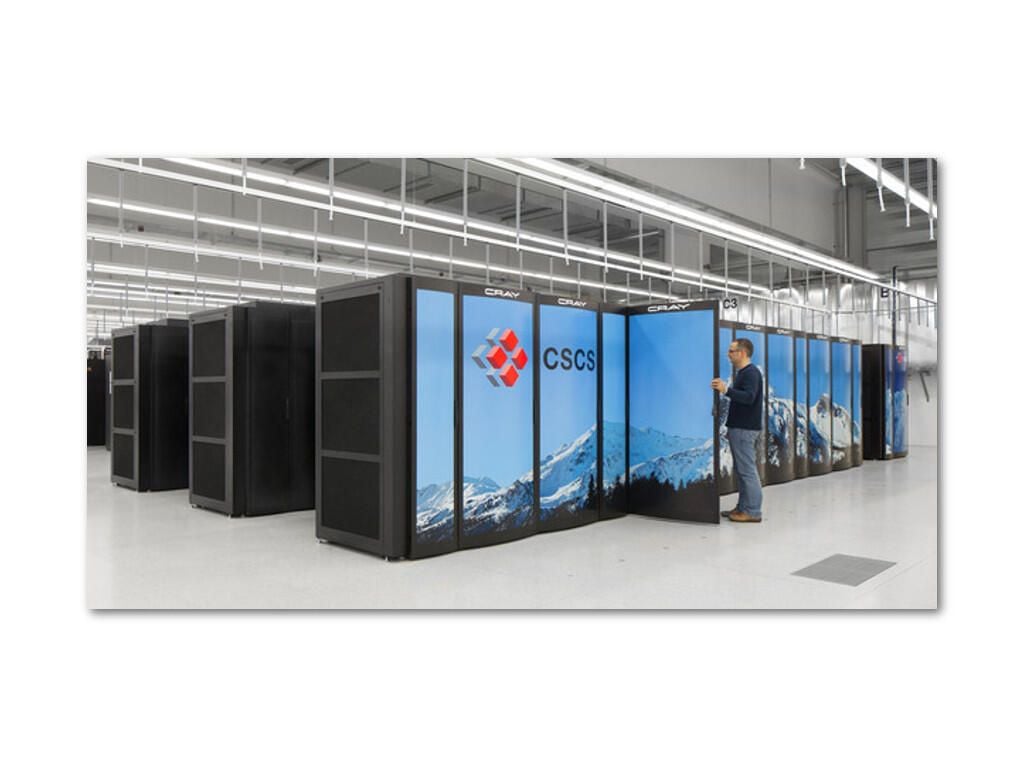
Located at the Swiss National Supercomputing Center in Lugano, the Piz Daint is another venerable machine that has climbed the ranks since starting out at no. 114 in 2012. Continual upgrades, including in the past six months, have helped it climb into the top 10, and it now holds steady in eighth place.
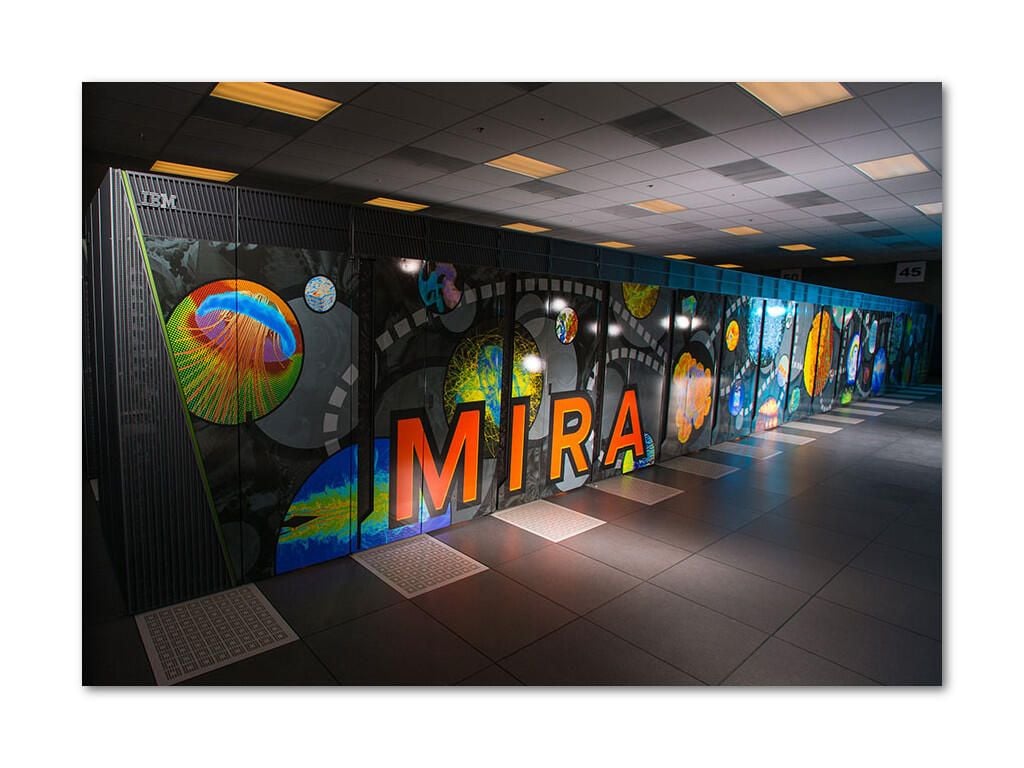
Argonne National Laboratory in Lemont, IL, is home to the Mira – BlueGene supercomputer. It came onto the list in 2012 and has since slipped from no. 3 to no. 9.
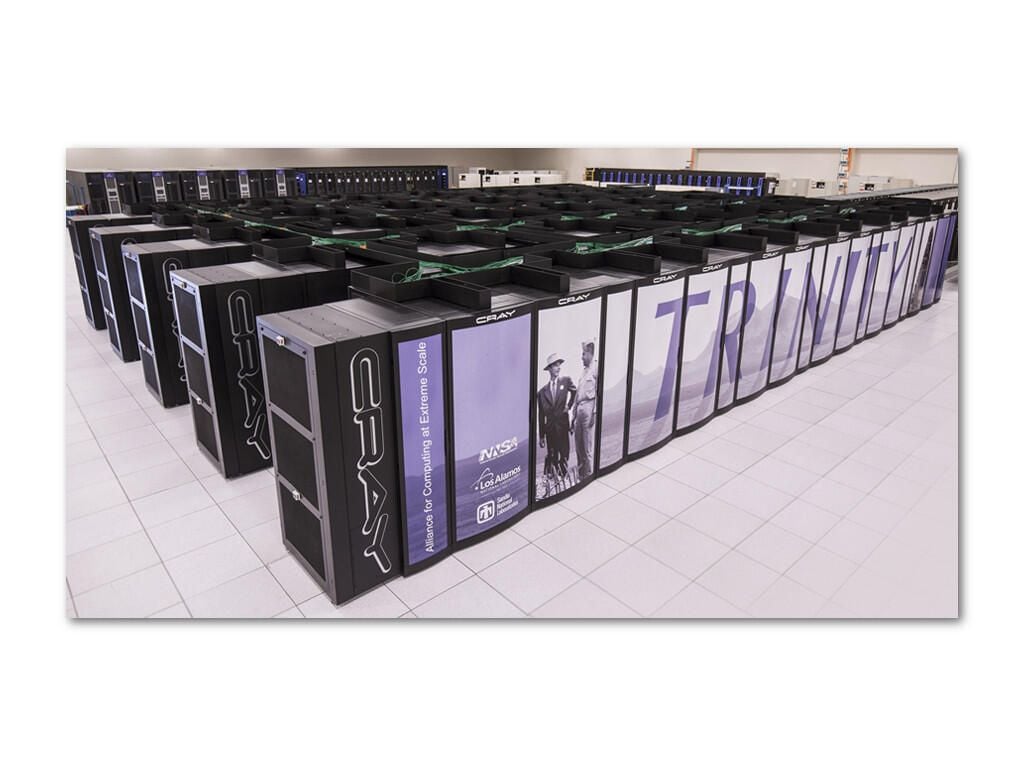
Still fairly young, Trinity finds its home at the Los Alamos National Laboratory where it’s mainly used to perform calculations in large-scale weapons tests.
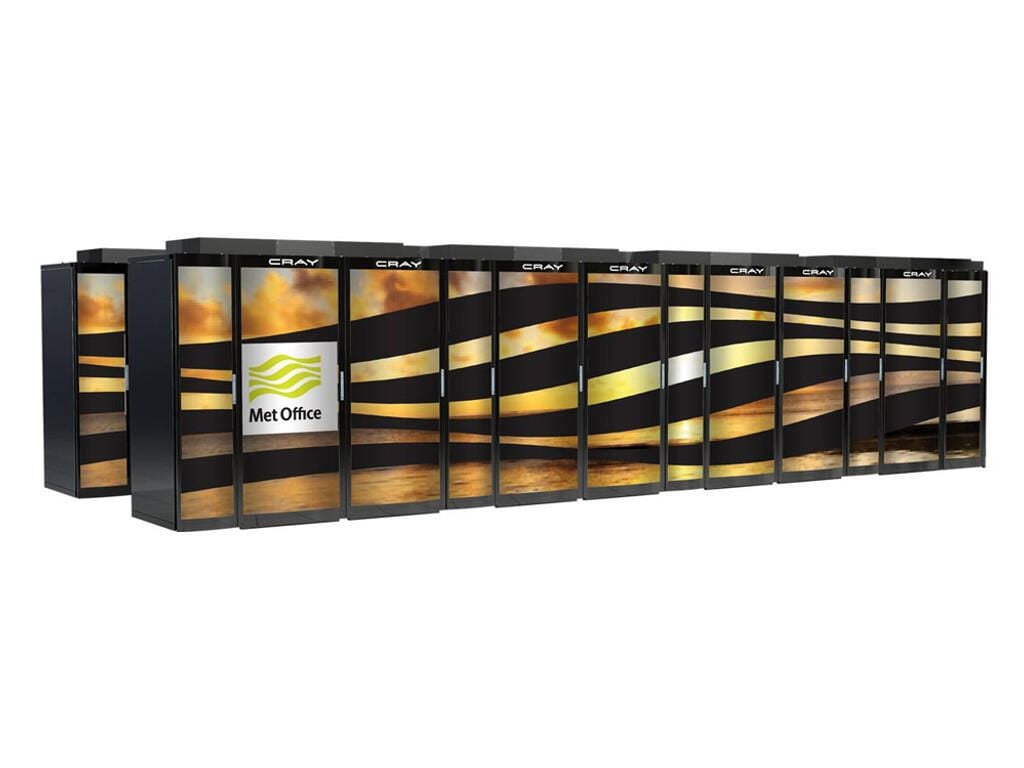
The United Kingdom Meteorological Office uses a Cray XC40 to model weather data and make meteorological predictions. The XC40 isn’t a unique machine but is a particular model of the XC line built by supercomputer manufacturer Cray, who occupy many of the spots on this list.
The Marconi supercomputer is operated by CINECA, an Italian supercomputing center in Bologna jointly run by 70 of the country’s universities. It’s new to the list and only recently came online.
Named for a cluster of seven stars, the Pleiades supercomputer is located at NASA’s Ames Research Center near Mountain View, CA. In operation since 2011, Pleiades had gone through upgrades and downgrades since it was first built.
NASA has used Pleiades to calculate data from The Kepler Mission, streamline space vehicle design, model ocean currents, and research the formation of galaxies.
H\u00f6chstleistungsrechenzentrum Stuttgart’s Hazel Hen had climbed and fallen on the list, but now finds itself safely in the top 20 at no. 14. It’s another example of the Cray XC40.
Saudi Arabia’s King Abdullah University of Science and Technology is home to the Shaheen II, which has been on the list since June 2015. Like many other supercomputers in this range it’s a Cray XC40.
Pangea operates in service of Total Exploration Production, a French company dedicated to energy research. It was steadily dropping in position since joining the list in 2013, but a 2016 upgrade has pushed it back into the top 20.
This rather Texan-named supercomputer is right at home at the Texas Advanced Computing Center in Austin. It’s the latest in a series of similarly Texas-themed supercomputers from the university with names like “Longhorn,” “Wrangler,” “Ranger,” and “Lonestar.” Giddy up.
Theta is Argonne National Laboratory’s second entry in the top 20. Its Theta supercomputer is yet another example of the Cray XC40 and is new to this November’s list.
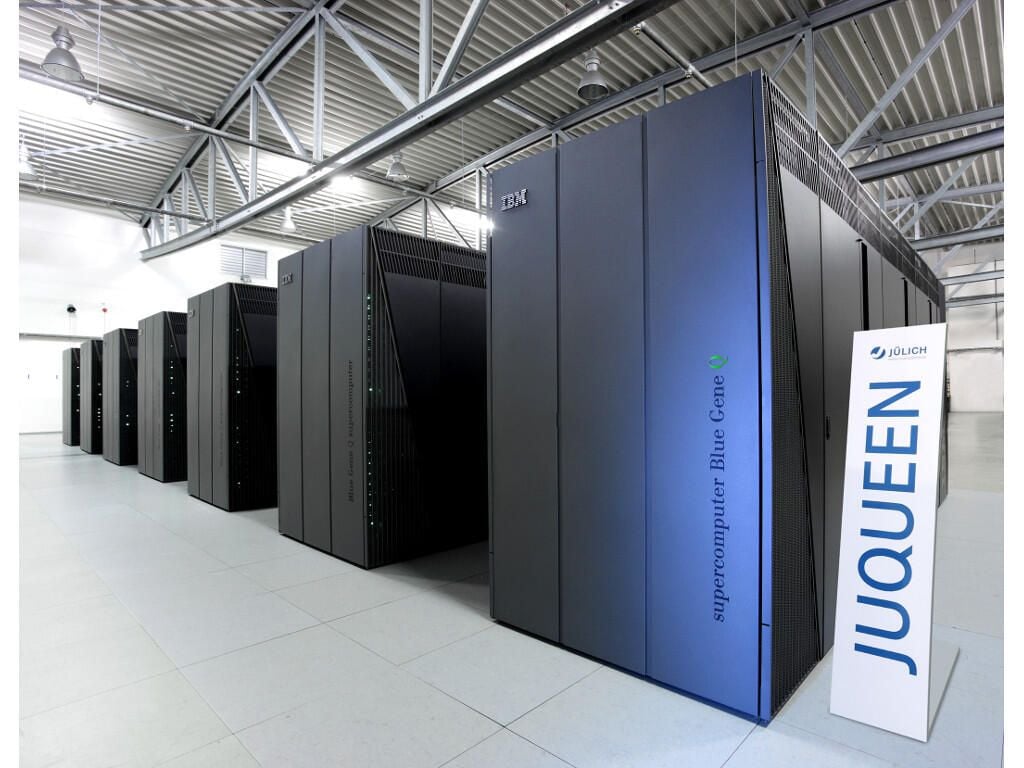
Another venerable supercomputer, the JUQUEEN was Forschungszentrum Juelich’s (a research institute located in Juelich, Germany) replacement for its similarly named JUGENE, which was retired in 2012. JUQUEEN started life at no. 8 before climbing to the fifth spot, and then falling to 19.
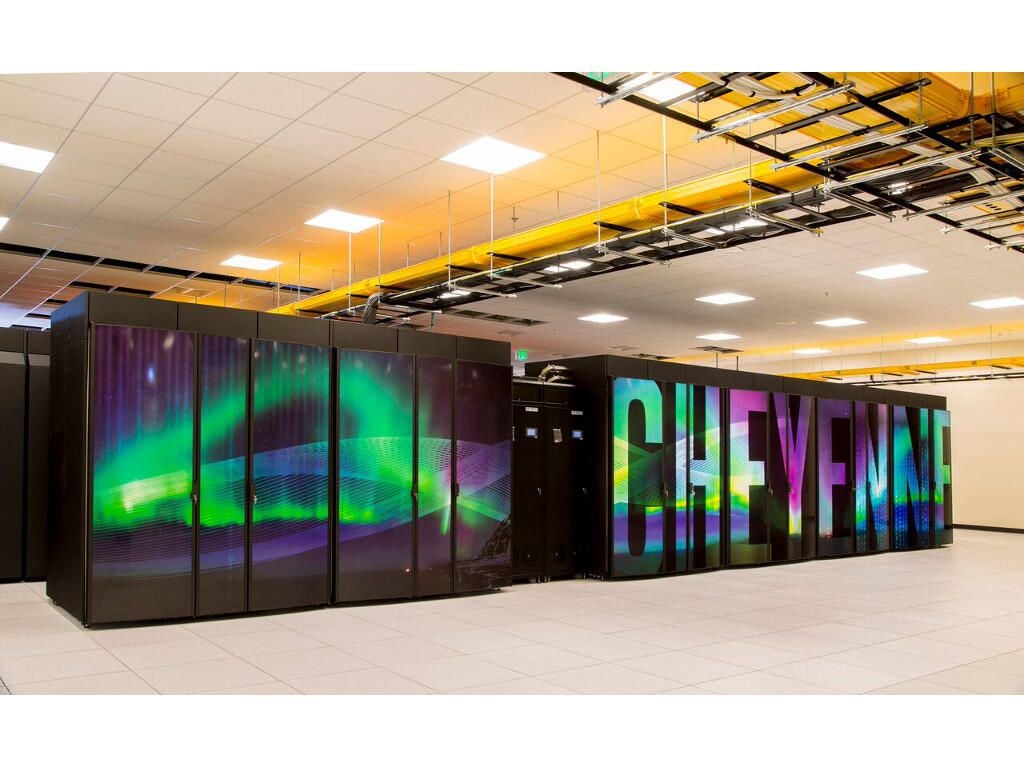
The National Center for Atmospheric Research in Boulder, CO, added Cheyenne to its facility this year, and it makes its first appearance on the list at no. 20.