Based on a lot of client feedback, I compiled a list of what I believe are the most significant tech failures of 2013. Please weigh in with your selections and feedback in the discussion. (Full disclosure: I have been a Linux and open source advocate for almost 20 years. I’m proud to admit I haven’t used Windows as a primary desktop OS since the mid ’90s.)
Note: TechRepublic, CNET, and ZDNet are CBS Interactive properties.
\r\n
\r\n\r\n
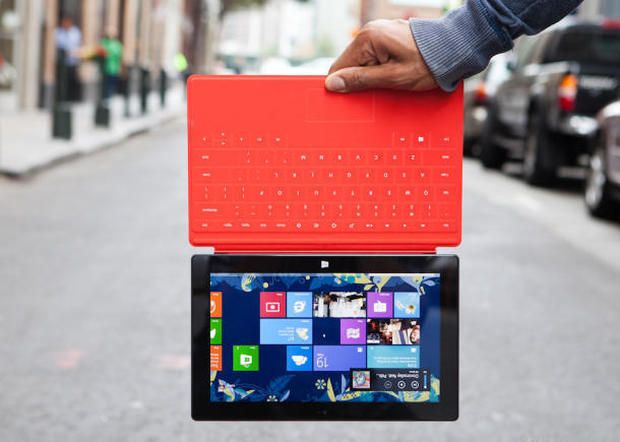
Surface RT\r\nis an epic failure on the part of Microsoft. In July, Microsoft announced a $900 million dollar inventory adjustment related to Surface RT.\r\nThat is a serious loss most other companies wouldn’t recover from — all from a\r\nsingle tablet-based platform that never really had a chance.
\r\n
From the very beginning, this platform was plagued with\r\nbugs, lagging performance, applications that were poor quality, crashes, and\r\nmemory leaks. Even after the release of Windows 8.1, I still conclude that Surface RT is a\r\nrather useless platform.
Also read: Five ways Surface RT beats Android tablets, Hands on: Getting real work done with Surface RT, and Standby battery performance fix for Surface RT 8.1
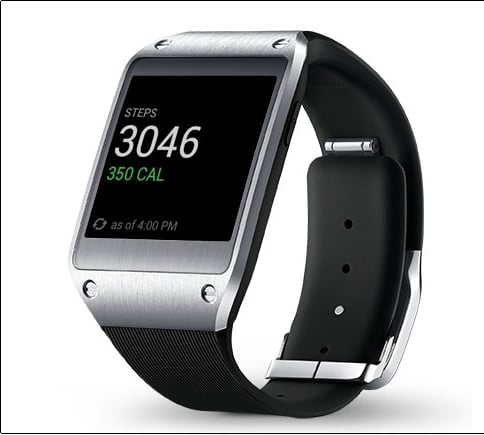
I wanted the Samsung Galaxy Gear\r\nwatch to astound me and make me feel like I was Inspector Gadget or a sci-fi\r\nfilm character ready to travel through the time-space continuum. Unfortunately,\r\nSamsung dropped the ball so hard on this one that it crashed through the Earth\r\nand hurtled itself outward toward the nearest planetary system. It’s that bad.
\r\n
Text input is dreadful, and compatibility is severely\r\nlimited. The return rate of over one third at Best Buy stores in the U.S. easily lands this watch\r\nin the flops category.
I hope an upcoming update will make this smartwatch a\r\nlittle, well, smarter.
\r\n
\r\n
Microsoft Office 2013 is\r\nan installation and licensing nightmare. Of all the office suites I have\r\ndeployed for clients, none have given me as many fits as Office 2013.
There are\r\ntwo major problems with this iteration of the de facto standard: getting the\r\nlicense to work and repairing an installation that goes bad. With Office 2013,\r\nyou are only allowed to associate a certain amount of licenses with a\r\nparticular email address. If you have a lot of users with a specific client,\r\nthis can be a major headache.
\r\n
In addition, a surprising number of clients (especially older\r\nusers) complain about the look and feel of Office 2013. The flat nature of the\r\nwidgets and design has made viewing Office 2013 a challenge.
Also read: 10 things to love and hate about Microsoft Office 2013 and My 10 favorite things about Office 2013
This Facebook app takes over the smartphone user’s home\r\nscreen and turns it into a launch pad for all things Facebook. It worked, but Facebook Home\r\nmade it too difficult to use your smartphone as a phone.
\r\n
I really wanted to like the app, but seeing Facebook friends\r\nconstantly appear on my smartphone lockscreen was just too much to handle.
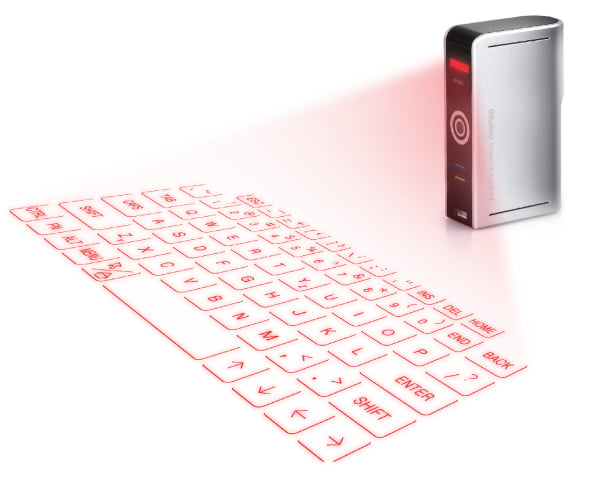
People have wanted virtual wireless keyboards for quite awhile \u2013 the concept\r\nseems straight out of Minority Report.\r\nThe problem is, even the most recent iterations of this technological vaporware\r\nwannabe are horrible. Not only is the success rate of keystrikes abysmal, you\r\nstill must have the projector so close to the surface that it almost defeats\r\nthe purpose of having a virtual wireless keyboard. You’re better off with a\r\nBluetooth or a roll-up keyboard.
\r\nThis is an image of Celluon’s Magic Cube projection keyboard.
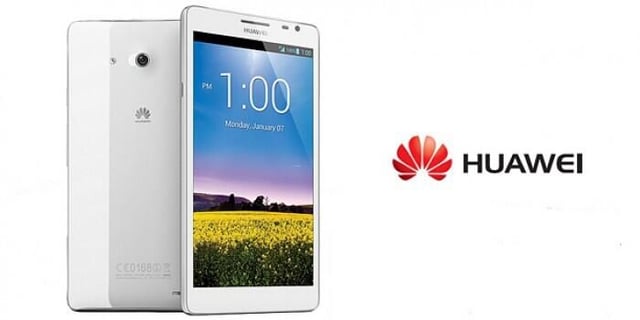
Huawei Ascend Mate is called a phablet, which makes consumers scratch their\r\nheads and ask: Is it a phone, or is it a tablet? It’s both, yet it’s too big to\r\nbe a phone with comfort or ease (it has a 6.1 inch screen) and too small to be\r\nof real use as a tablet. Then, when you consider its underpowered CPU (Huawei\r\nK2V3 quad-core processor 1.5 GHz) and that it doesn’t have enough storage (8 GB\r\ninternal), this phablet is far from phantastic.
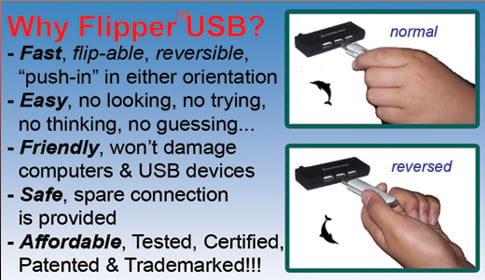
Every once in a while a new tech product comes across my\r\ndesk that I cannot believe someone thought would be useful, and that is how I\r\nfeel about Flipper USB. This product ensures you\r\nalways insert your USB devices in the proper way. You’ll never again attempt\r\nto connect a USB device and then find that USB port is “upside down.”
\r\n
I have a much better (and free) solution for anyone who\r\nthinks they might need such a device: If the USB device doesn’t go in on your first attempt, flip it over and try again. Even without Flipper USB, you have a\r\n50/50 chance that you’ll get it right the first time.
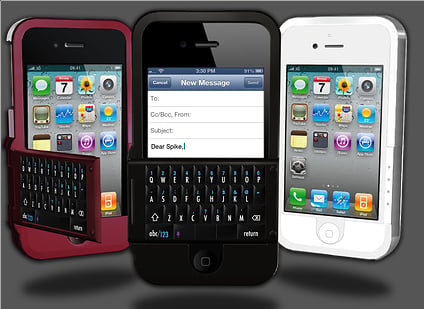
With Spike smartphone keyboards, you house\r\nyour iPhone in a case that includes a door-like keyboard that “opens and\r\ncloses” and uses software to integrate with a virtual keyboard. You’re\r\nadding a klunky cover, a physical keyboard, and software all so you can have a\r\nphysical keyboard. It’s not worth it.
\r\n
If you really want a BlackBerry-like keyboard for your\r\niPhone, just buy a Blackberry Z10. Oh, wait, don’t do that.