
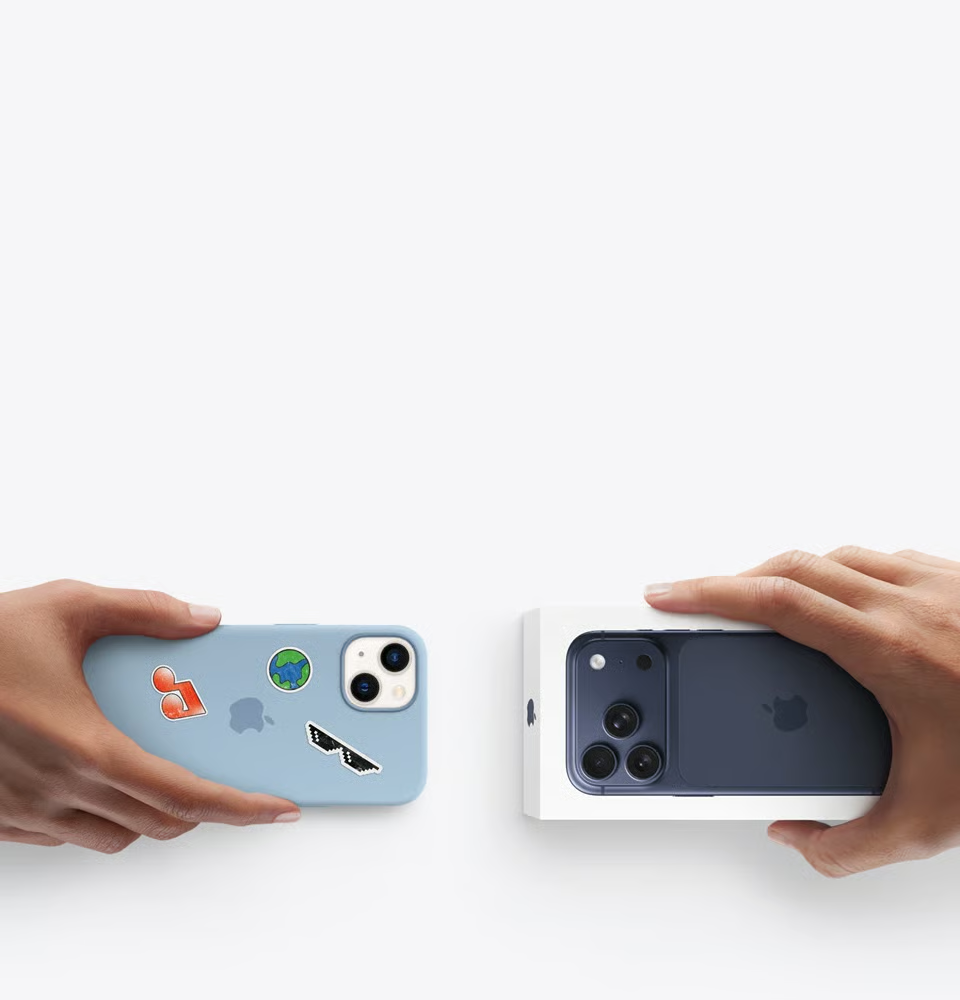


Apple is giving old devices a little more spending power, raising trade-in estimates across its biggest product categories just as customers start looking toward its next hardware launches.
The iPhone maker has increased trade-in estimates for most iPhone, iPad, Mac and Apple Watch models in the US, giving customers higher credits when they exchange older devices for new ones.
The updated trade-in table, first reported by 9to5Mac, raises values for several products by as much as nearly 30%. The changes took effect August 6, 2026, and include select Android phones from Samsung, Google and OnePlus.
Apple’s highest iPhone trade-in value now belongs to the iPhone 16 Pro Max, which can receive up to $720, compared with $695 previously. The iPhone 16 Pro saw one of the larger increases, rising from $560 to $630.
Other recent iPhones also received boosts. The iPhone 15 Pro Max increased from $490 to $530, while the iPhone 14 Pro Max moved from $375 to $405. Not every model received an increase. The iPhone 16e, iPhone 14 Plus, second-generation iPhone SE, iPhone X and iPhone 8 Plus remained unchanged.
Macs see some of the biggest gains
Apple’s Mac lineup received some of the largest increases in the latest update.
The MacBook Pro trade-in estimate jumped from $690 to $855, while the Mac Studio increased from $1,045 to $1,305. The Mac mini also saw a major rise, moving from $375 to $480. Other Mac models received smaller increases. The MacBook Air rose from $520 to $580, and the iMac increased from $355 to $380. The iMac Pro remained unchanged.
The larger Mac increases could be especially useful for customers looking to upgrade expensive hardware, where trade-in credit can make a more noticeable difference against the cost of a replacement device.
Apple expands Android trade-in options
Apple also expanded its Android trade-in program by adding more devices from competing brands.
Newly eligible models include Google’s Pixel 9 series, Samsung’s Galaxy S21 Ultra 5G and OnePlus 13 and OnePlus 13R. However, Android adjustments were mixed, with some older devices losing value.
The Galaxy S22 Ultra 5G dropped from $130 to $125, while the Google Pixel 8 Pro declined from $165 to $155. Pixel 7 models also saw small reductions. Apple’s Android trade-in program is mainly designed to make switching to an iPhone easier, but customers moving between platforms may still find better offers through carriers or private sales.
Why Apple’s trade-in changes matter
Higher trade-in values could help Apple reduce friction for customers preparing to upgrade, especially as buyers face higher device prices across the electronics market.
Trade-ins are also becoming a bigger part of the smartphone upgrade cycle. Instead of keeping older devices unused or selling them independently, customers can apply their previous hardware’s value directly toward a new purchase.
The timing is notable because the increases come after recent reports of rising component costs across the electronics industry. Some analysts have linked higher memory prices to pressure on device pricing, although Apple has not provided a reason for the trade-in adjustments.
Customers should check their options before trading in
While Apple’s higher estimates are good news for device owners, the listed amounts are maximum values, not guaranteed payouts.
Apple says final trade-in credit depends on the device’s model and condition, and that some devices may not qualify. A damaged screen, hardware issues, or discrepancies between the submitted information and the device’s actual condition can reduce the final offer.
For customers who value convenience, Apple’s program offers a simple way to reduce upgrade costs. However, people seeking the highest possible return may still earn more by selling directly on another marketplace.
The latest update gives Apple customers a stronger incentive to trade in older hardware, but the best choice will depend on whether speed and simplicity matter more than maximizing resale value.
Also read: Apple reportedly has $1 billion in chips waiting for scarce DRAM before final packaging for the iPhone 18 Pro and foldable iPhone.