


Three days after the FAA expanded its new AI system nationwide, a failure in much older technology brought US flight departures to a halt. Federal officials say the two systems were unrelated.
The Federal Aviation Administration (FAA) experienced telecommunications problems on November 13, 2026, prompting a nationwide ground stop. In a November 15 explanation, officials ruled out the Strategic Management of Airspace, Routes and Trajectories (SMART) platform, which expanded nationwide on November 10.
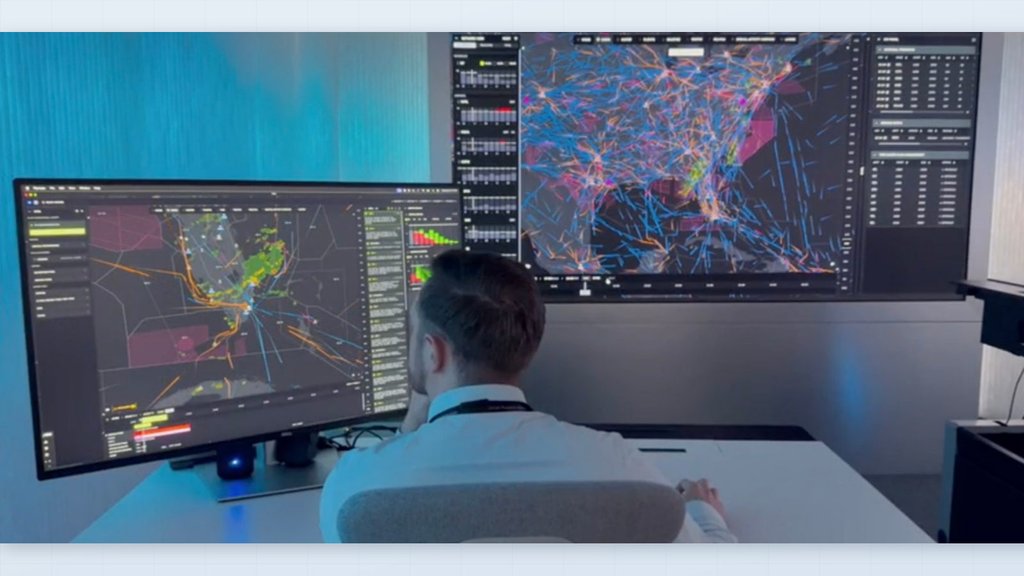
SMART helps officials anticipate congestion and plan flight operations without controlling aircraft or the underlying communications network. Its rapid rollout had already prompted congressional questions about AI safety testing and human oversight.
What caused the November 13 ground stop?
The FAA said its aging telecommunications network became unstable after receiving approximately 1,000 connection attempts every four to five seconds. Investigators identified two potential sources: a radar facility in Amarillo, Texas, and a radio communications site in El Dorado, Arkansas.
According to the FAA’s incident report, network contractor L3Harris had performed work at the Arkansas site, including deploying a new router. Blocking traffic from both locations stabilized the network. The agency disabled similar functionality on approximately 60 other routers as a precaution, while the precise cause remains under investigation.
The disruption affected 17 of the FAA’s 22 regional control centers. Communications problems began around 3:30 p.m. Eastern, and the nationwide ground stop followed at approximately 3:54 p.m. Flights resumed by 8:15 p.m.
The FAA reported approximately 12,462 cancellations on November 13, while cautioning that not all were directly attributable to the ground stop. About 3,500 aircraft already airborne landed safely using communications and radar systems that remained operational.
The outage also exposed the risks of relying on aging infrastructure. Separate research on infrastructure outages shows how failures across interconnected systems can disrupt operations and increase recovery costs.
What does FAA SMART actually control?
Developed by Air Space Intelligence, SMART is a cloud-based, AI-supported platform that forecasts congestion and evaluates flight schedules and routes.
The system combines approximately 200 data streams, including weather, flight paths, traffic volumes and controller staffing. After its September 21 launch in the Washington area, the FAA expanded SMART’s coverage nationwide on November 10.
SMART identifies potential bottlenecks and recommends adjustments. FAA specialists review its data before submitting scheduling recommendations to the Air Traffic Control System Command Center in Warrenton, Virginia. Local facility managers retain authority over operational decisions.
The platform does not direct aircraft or feed information into the operational air traffic control system. During its initial deployment, the FAA said SMART helped reroute 180 flights, saving an average of 10 minutes and nearly 80 gallons of fuel per flight.
The rollout has faced scrutiny. On October 13, 23 House Democrats requested a Government Accountability Office audit of SMART and another FAA platform, citing concerns about testing, workforce involvement and inaccurate AI-generated recommendations.
Those concerns have not established that SMART issued unsafe instructions. They reflect wider questions about AI oversight and accountability in government operations.
The SMART project, valued at a reported $875 million, has also drawn independent scrutiny of its safeguards. SMART can help aviation officials anticipate congestion, but it cannot keep an aging communications network running. The FAA’s ongoing investigation will determine what caused the disruption, while congressional scrutiny focuses separately on the AI system’s safeguards.
Want to learn more AI tips, tricks, and prompting techniques? Let us teach you How to Talk to AI for free! Try our six-minute course at The Neuron Academy, our practical learning platform designed to help professionals use AI more confidently at work.
Learn a few simple ways to write better prompts and get more useful results from AI, or browse our other AI course for free for seven days. Check out all the lessons here →