
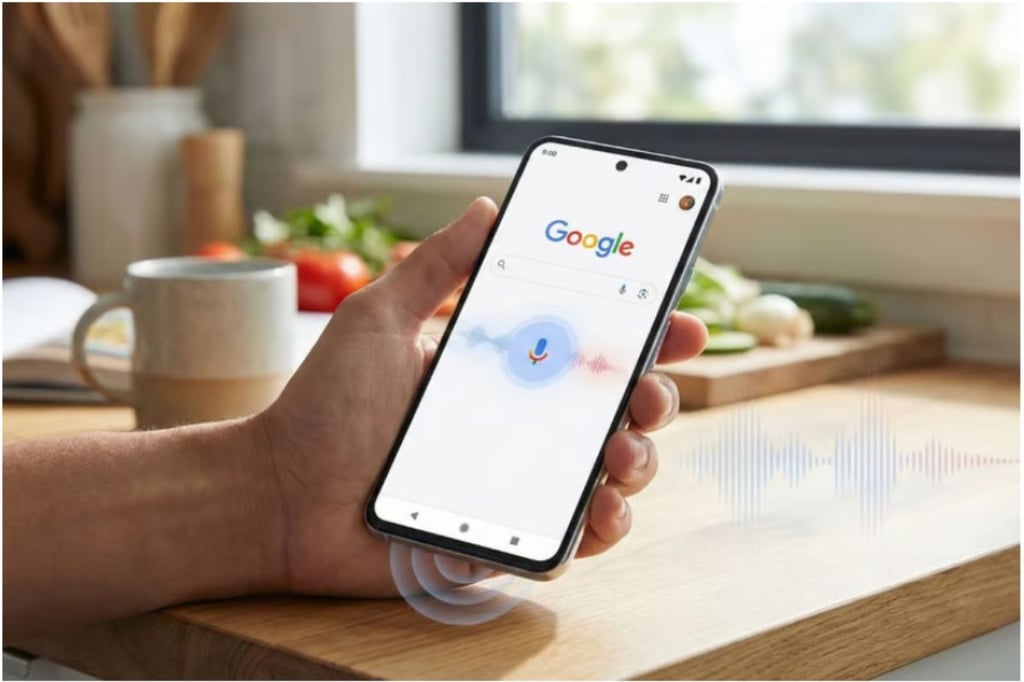


Google just rolled out a new update for Translate on Android, turning some of its most useful features into one-tap widgets that can be launched right from the home screen.
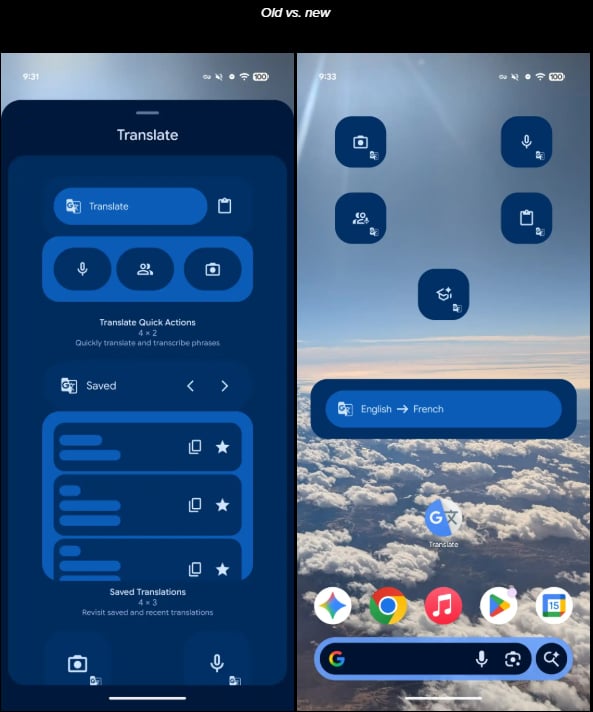
Months after AI-powered live translation and model pickers were introduced to Translate, the app is getting another update aimed at improving the overall user experience (UX). According to 9to5Google, the update brings features like camera, voice, and live translation out of the main app and into the home screen, with each widget designed to instantly launch its specific task.
Instead of navigating through multiple menus in the app, users can now jump straight to the exact translation feature they need.
More smaller widgets, faster access
At the center of the update is a shift from a single multi-function widget to smaller, single-purpose widgets.
According to 9to5Google, these tools were previously grouped inside a Quick Actions widget. Now, each feature is a standalone widget. The Translate text widget, for instance, opens straight into the typing interface with the keyboard ready, while others launch camera translation, live conversation, or voice input with one tap.
For example, translating a book written in French to English would typically require opening the app and selecting the camera mode. However, with this new setup, users can simply tap the camera widget and begin translating immediately.
What the new widgets include
The update introduced widgets for five key Translate features:
- Camera: Instant visual translation using the device camera. It is useful for translating texts from signs, books, or documents.
- Voice: Translate texts through voice input.
- Live Translate: One of Translate’s most useful features. Enables two-way real-time conversation translation.
- Clipboard: Allows users to translate clipboard texts copied from other apps.
- Practice: Allows users to improve their foreign-language skills in the app.
Some of these shortcuts were already available through long-press actions on the app icon, another form of app shortcut, but placing them as widgets makes them more visible and easier to access.
More Google coverage
- New Google Search AI Mode is ‘Total Reimagining,’ Says CEO Sundar Pichai
- In Major Ruling, Judge Finds Google ‘Willfully Acquired and Maintained Monopoly Power’ Over Digital Ad Market
- Google’s Big Bet on Nuclear Energy: ‘The Race to Power AI-Driven Data Centers is Accelerating’
- Computer History Museum Releases Original AlexNet Code: Why It Matters
Part of a broader Android shift
By reducing these UX obstacles, Google is ensuring that Translate fully serves its purpose as a quick go-to app for impromptu translations.
Just like the recent camera update on the Pixel 10 Pro and Pro XL, this update doesn’t introduce new capabilities. Rather, it focuses on speed of access, digging out tools that were previously buried a few taps within the app.
The update also reflects a broader trend across Android where widgets are increasingly being used to surface key app functions directly on the home screen. For Translate, that means everyday tasks — like reading foreign text or holding a conversation across languages — are now a tap away.
Also read: Android 17 beta leaks suggest Google is pushing the platform toward faster AI actions, deeper privacy controls, and a broader interface redesign.