


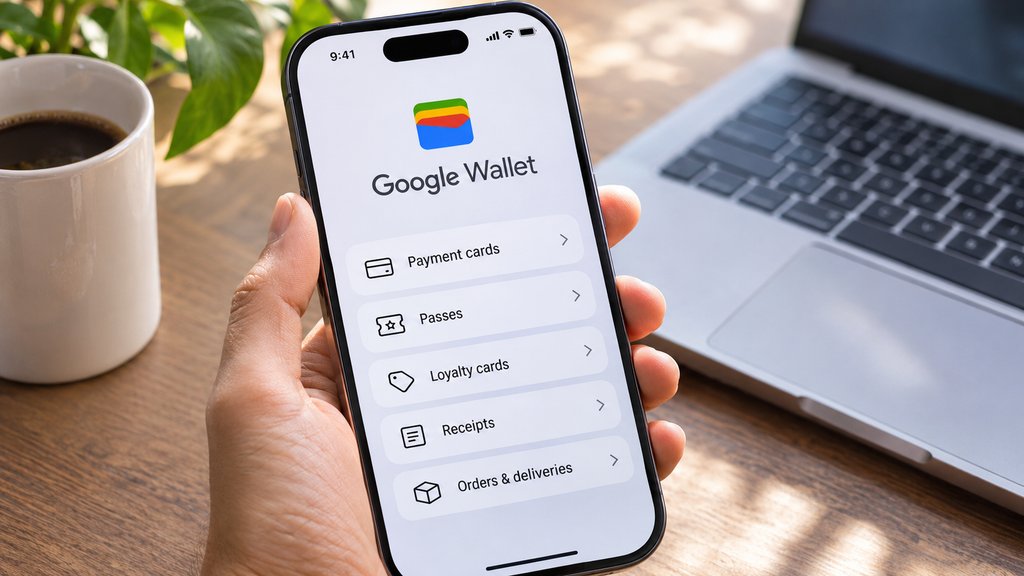
Google Wallet has arrived on iPhone, bringing digital tickets, loyalty cards, purchase tracking, and online payment management into one app. The Nov. 17 release gives US users a new way to access information already connected to their Google accounts, including purchases and travel details from Gmail.
The app also brings Google’s growing AI shopping ecosystem to iOS, allowing users to keep track of purchases made through Google’s services. Unlike Google Wallet on supported Android phones, however, the iPhone version doesn’t offer contactless payments at stores.
That leaves Apple Pay handling everyday tap-to-pay transactions, while Google Wallet focuses on organizing purchases, passes, and payment information across devices.
5 Google Wallet features available on iPhone
Google’s official announcement describes an app built around bringing together information already spread across Gmail, Google Pay, and other Google services.
1. Store loyalty and membership cards
Users can scan physical loyalty cards and gym memberships with their iPhone camera and save digital versions in Google Wallet.
That makes frequently used membership information easier to access without carrying the original cards.
2. Organize boarding passes and tickets
Google Wallet can collect boarding passes, concert tickets, and other supported digital passes associated with a user’s Google account.
Its Gmail integration also helps bring eligible travel and event information into Wallet, reducing the need to search through emails when checking in for a flight or entering a venue.
3. Track packages and purchases
The app brings order confirmations, receipts, and delivery updates together using information from Gmail and other connected Google services.
For frequent online shoppers, that provides a central place to follow purchases from checkout through delivery.
4. Manage payment cards for online checkout
Users can manage payment cards saved to their Google accounts and use them for faster checkout wherever Google Pay is supported online.
That doesn’t extend to in-store NFC transactions on iPhone, even at retailers accepting Google Pay from Android devices.
TechRepublic’s earlier comparison of Google Wallet and Samsung Wallet examines how digital wallets differ in their support for payment cards, passes, and device-specific features.
5. Keep track of AI-powered purchases
Google is also expanding Wallet’s role in its AI shopping services.
Purchases completed through supported Google experiences can appear alongside ordinary orders, giving users access to confirmations, receipts, and delivery information.
The integration could become increasingly useful as Google’s AI shopping features expand, although the company hasn’t described the standalone iPhone app as a complete AI shopping assistant.
Google Wallet vs Apple Wallet on iPhone
Google Wallet’s arrival gives iPhone owners another option for organizing digital credentials, but Apple Wallet retains a major advantage at physical checkout counters.
Apple Pay supports contactless payments on eligible iPhones using supported payment cards. Google Wallet’s new iOS app doesn’t offer that functionality, even though it can manage cards used for online purchases.
The two services overlap in several areas, including tickets, boarding passes, and loyalty cards. Google Wallet’s closer integration with Gmail, Google Pay, and Google’s shopping services may appeal to people who use those products regularly.
Apple Wallet, meanwhile, integrates directly with iPhone payment features and other supported digital credentials.
Why Google Wallet doesn’t support tap-to-pay
Apple began allowing eligible third-party developers to offer their own NFC transactions with iOS 18.1.
Under Apple’s NFC framework, developers can build contactless payment experiences separate from Apple Pay, provided they meet the company’s commercial, security, and technical requirements.
Those requirements include obtaining Apple’s NFC and Secure Element entitlement and paying associated fees.
Google hasn’t explained why it omitted contactless payments from its iPhone app, nor has it announced plans to introduce them.
That distinction is particularly relevant as more retailers adopt multiple contactless payment methods.
TechRepublic previously reported that Walmart added contactless payments at supported checkout terminals. Although the retailer accepts Google Pay, that doesn’t make the new iPhone version of Google Wallet capable of tapping to pay.
Availability and what comes next
Google Wallet’s iPhone release is currently limited to the US. Google hasn’t announced when the app will expand internationally.
The geographic restriction applies specifically to the new iOS app. Google Wallet already operates on Android in numerous other markets, with payment and credential support varying by country.
Those regional differences also affect competing services. TechRepublic previously examined how Apple Pay availability depends on local banking partnerships and payment infrastructure.
For iPhone owners who regularly use Google’s shopping, travel, and payment services, the new Wallet app offers a convenient way to organize that information without switching devices.
Whether Google eventually adds tap-to-pay remains unanswered. For now, users can take advantage of the new iOS features while continuing to use Apple Pay or another supported payment method at stores.
Also read: Apple attributed its recent iCloud, App Store, and Apple Music outages to an internal update, with services restored following the Nov. 17 disruption.