Gallery: Huawei's P20 event - TechRepublic

Gallery: Huawei’s P20 event

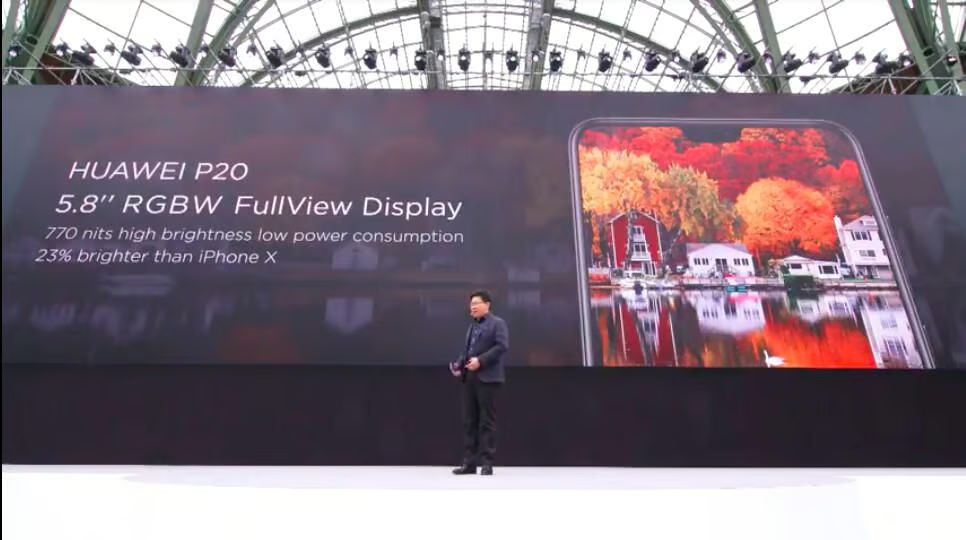
  • ​The P20 screen

    At 5.8″, the P20’s screen matches the iPhone X. Huawei claims it’s superior to Apple’s flagship screen because it uses 23% less power and is reportedly easier to see in daylight.

    SEE: Huawei P20 smartphone: A cheat sheet

    Image: TechRepublic\/Brandon Vigliarolo
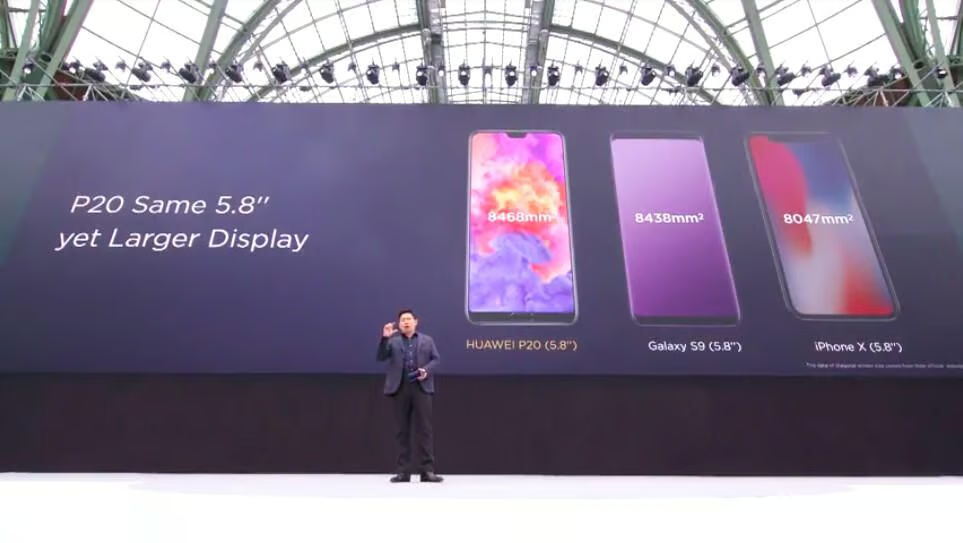
  • ​Larger screen, same sized device

    Huawei said its 5.8″ device has a larger screen than competing flagships because its bezel and notch are smaller.

    SEE: Huawei P20 smartphone: A cheat sheet

    Image: TechRepublic\/Brandon Vigliarolo
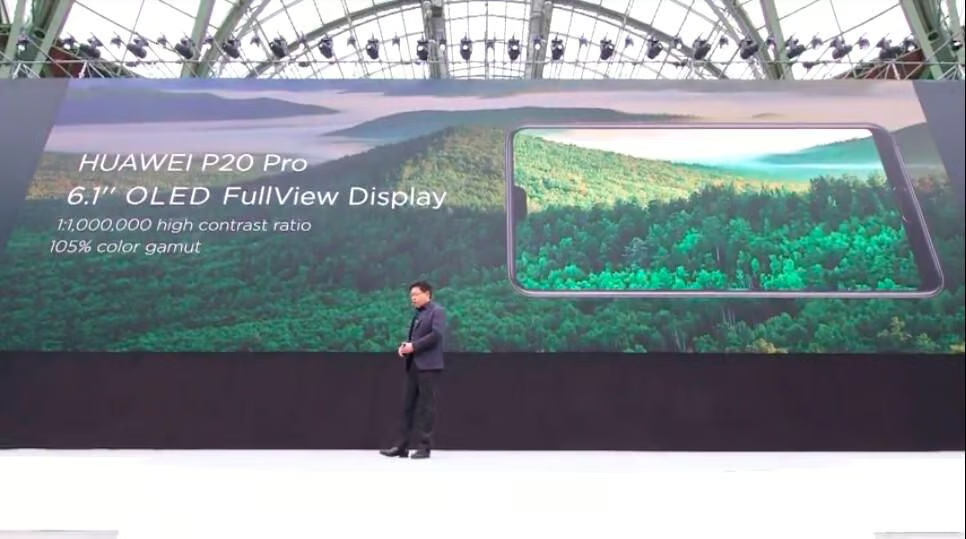
  • ​The P20 Pro screen

    The OLED screen on the P20 Pro is 6.1″ – that’s one big phone.

    SEE: Huawei P20 smartphone: A cheat sheet

    Image: TechRepublic\/Brandon Vigliarolo
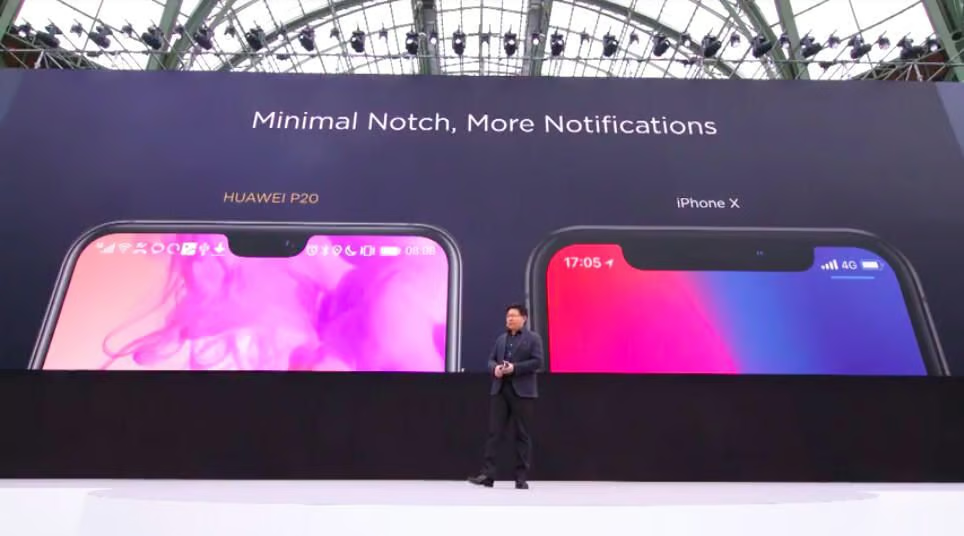
  • You ​can't escape the notch

    Sorry notch haters: the P20 series features a screen notch for the front-facing camera and sensors. Huawei does point out that it’s much smaller than Apple’s, allowing the P20 to squeeze in a lot more notifications.

    In a new era of edge-to-edge displays we may have to accept a camera/speaker/sensor notch until screen technology improves enough to place them directly underneath the display.

    SEE: Huawei P20 smartphone: A cheat sheet

    Image: TechRepublic\/Brandon Vigliarolo
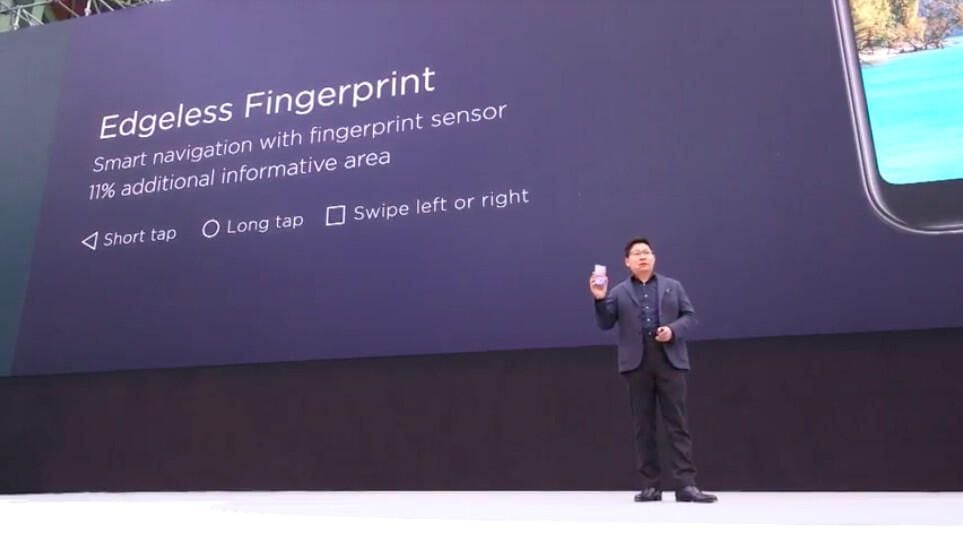
  • ​It still has a fingerprint sensor

    Huawei didn’t do away with the fingerprint sensor in the P20 series and actually took some time to improve its functionality by rolling the Android navigation keys into it.

    A short tap on the fingerprint sensor will operate as a back button, a long tap will take you to the home screen, and swipes will navigate left and right.
    SEE: Huawei P20 smartphone: A cheat sheet

    Image: TechRepublic\/Brandon Vigliarolo
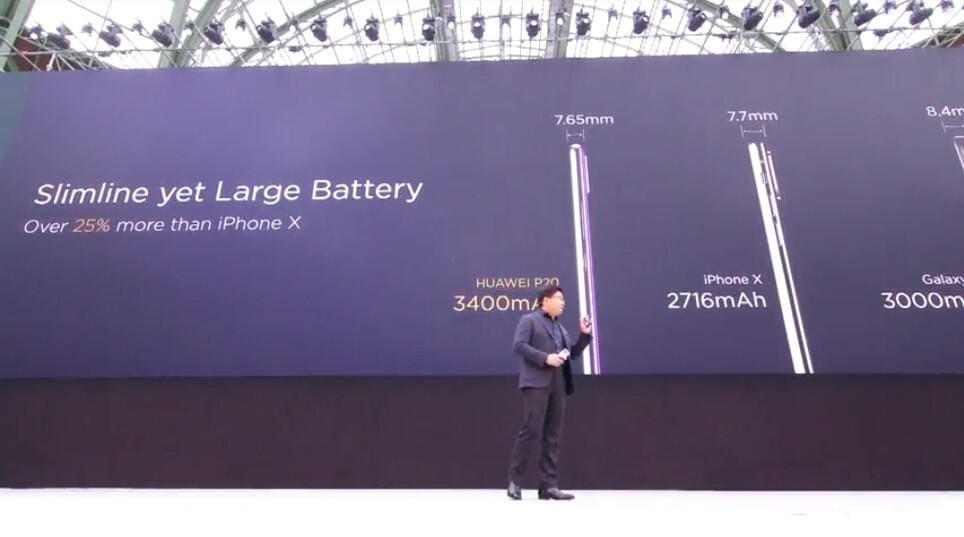
  • ​Thinner device, larger battery

    The race to create the thinnest, longest-lasting smartphone continues with the P20 series. The base P20 model is 0.05mm thinner than the iPhone X, yet was able to squeeze in 25% more battery capacity: The P20 has a 3,400mAh one, while the iPhone X has 2,716mAh.

    SEE: Huawei P20 smartphone: A cheat sheet

    Image: TechRepublic\/Brandon Vigliarolo
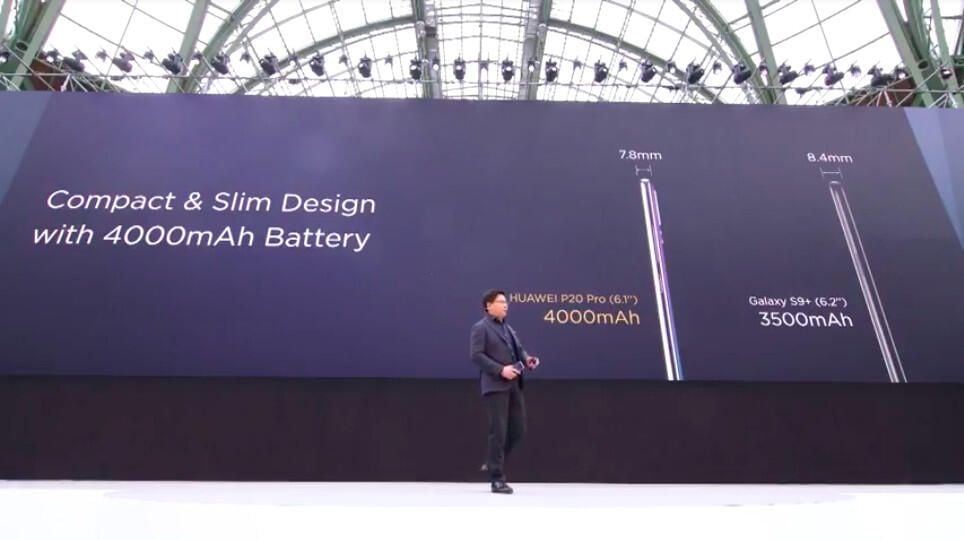
  • ​An even larger contrast with the P20 Pro

    The P20 Pro has an even more impressive battery-to-width comparison over other devices: It boasts 4,000mAh of battery at 7.8mm of thickness, while the Samsung Galaxy S9+ measures a fat 8.4mm with a 3,500mAh battery.

    SEE: Huawei P20 smartphone: A cheat sheet

    Image: TechRepublic\/Brandon Vigliarolo
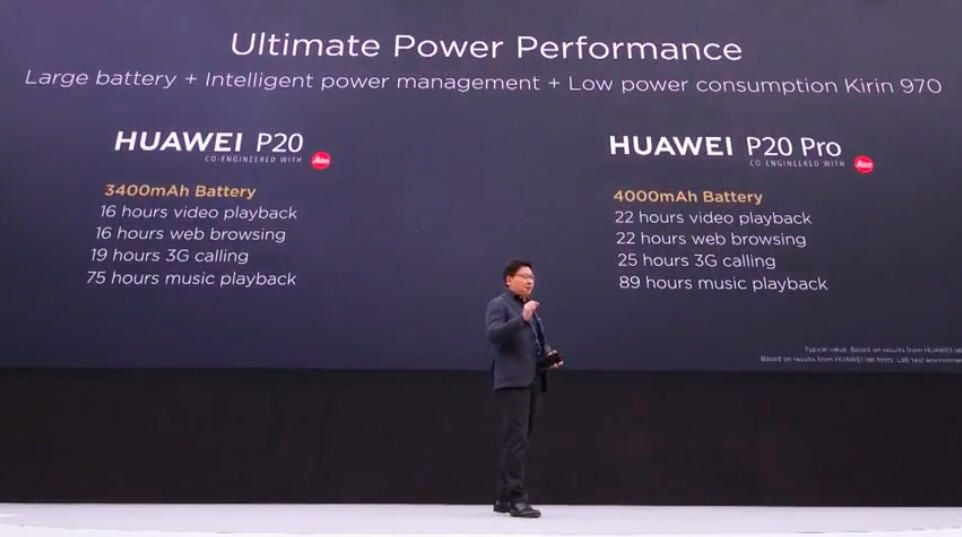
  • ​Battery life stats

    The P20 uses a larger battery, AI-powered battery management, and a low-power chipset to get some impressive battery life statistics.

    Whether they hold up to consumer usage remains to be seen.

    SEE: Huawei P20 smartphone: A cheat sheet

    Image: TechRepublic\/Brandon Vigliarolo
  • ​Fast charging with Huawei SuperCharge

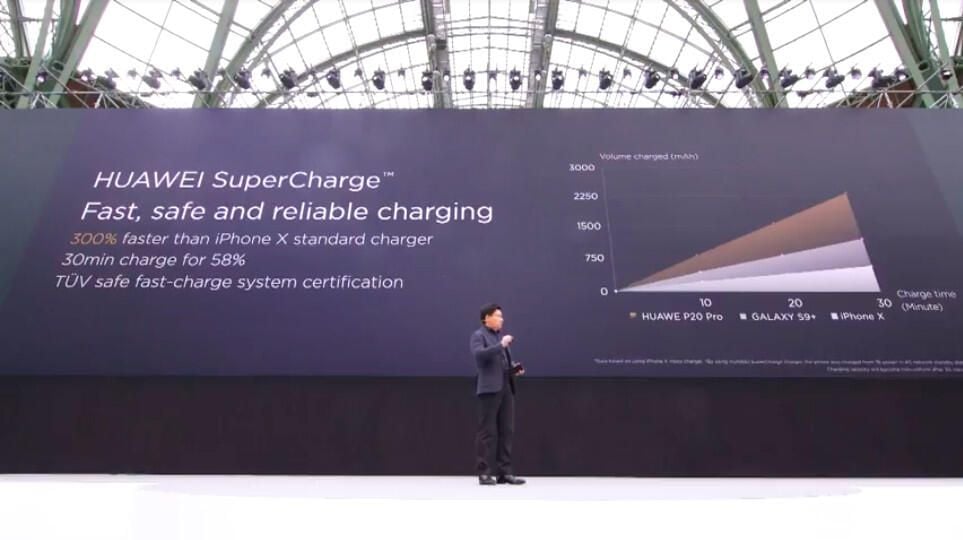
    Huawei claims its batteries charge 300% faster than the iPhone X, all while doing so more safely.

    SEE: Huawei P20 smartphone: A cheat sheet

    Image: TechRepublic\/Brandon Vigliarolo
  • ​The P20 series cameras: What we all came for

    Huawei phones are known for their cameras, and the P20 series doesn’t give an inch on fulfilling those expectations, delivering some truly impressive Leica-powered devices.

    SEE: Huawei P20 smartphone: A cheat sheet

    Image: TechRepublic\/Brandon Vigliarolo
  • ​The Huawei P20 camera

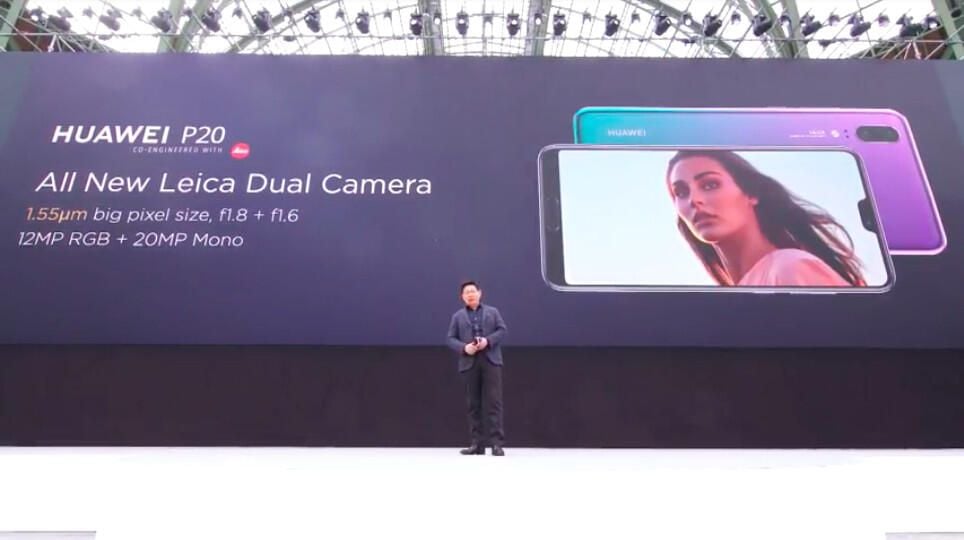
    The stats on the P20 camera are impressive enough: dual lenses, 1.55\u03bcm pixel size, f1.8 and f1.6 apertures, and impressive megapixel counts.

    SEE: Huawei P20 smartphone: A cheat sheet

    Image: TechRepublic\/Brandon Vigliarolo
  • ​More captured light, better photos

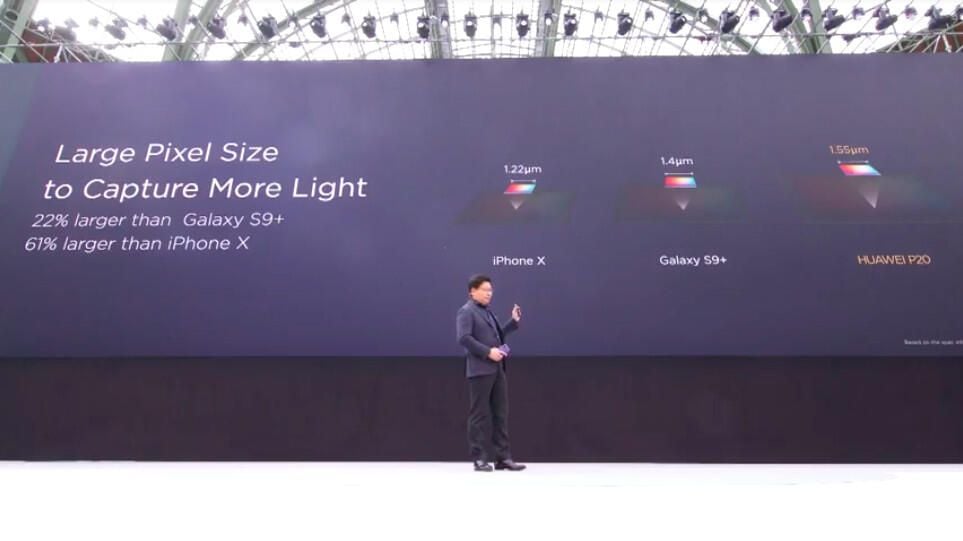
    The pixel size for the P20 camera is considerably larger than the pixel size on its competitors.

    Pixel size corresponds to how much light data is used to produce an image. The smaller the pixel size, the more work the camera firmware has to do to fill out the picture. The larger the pixel, the less work the firmware has to do, the result being a cleaner, crisper image.

    SEE: Huawei P20 smartphone: A cheat sheet

    Image: TechRepublic\/Brandon Vigliarolo
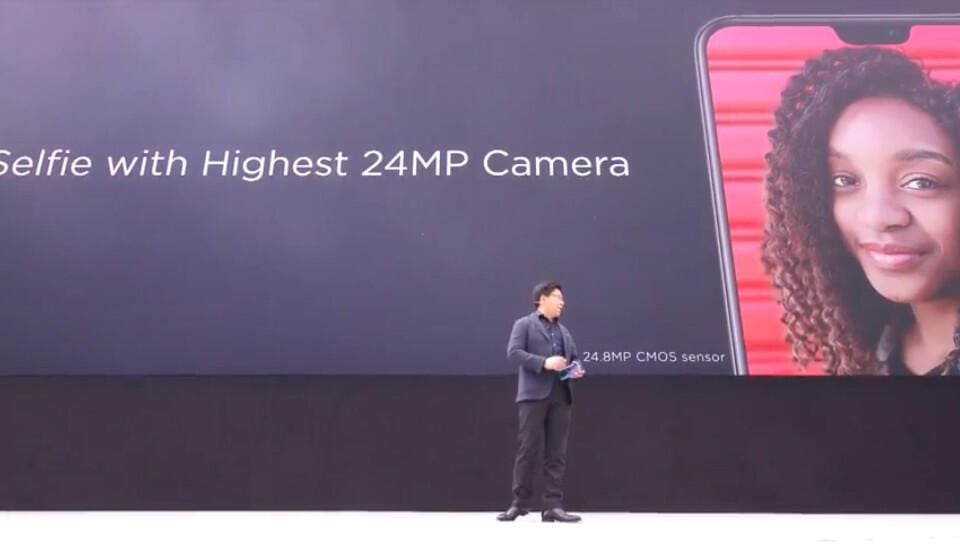
  • ​A monster of a selfie camera

    The front-facing camera on the P20 is 24MP–that’s simply huge compared to the 8MP of the front-facing camera on the Galaxy S9 or the 7MP on the iPhone X.

    The front-facing camera also features 3D portrait lighting technology and 3D facial enhancement designed to deliver results similar to the iPhone X’s portrait mode.

    SEE: Huawei P20 smartphone: A cheat sheet

    Image: TechRepublic\/Brandon Vigliarolo
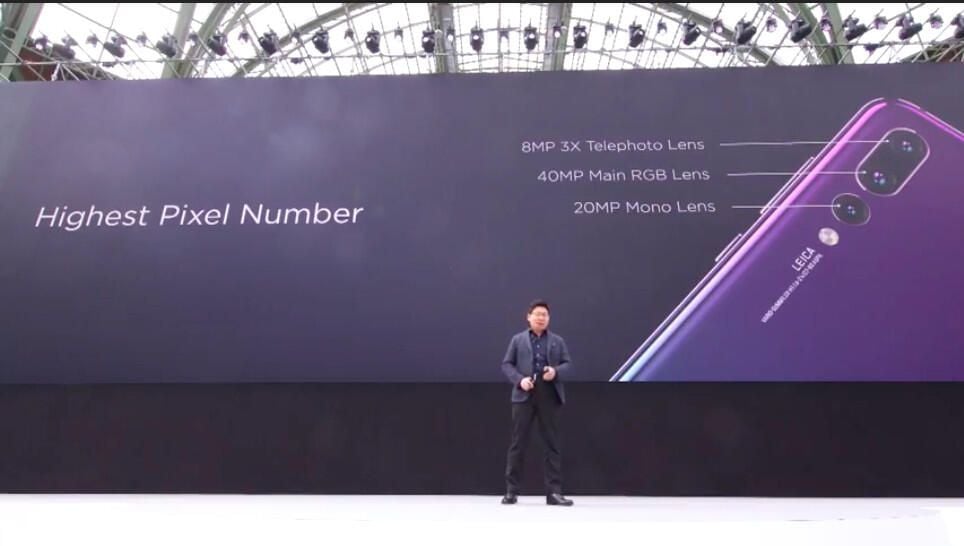
  • ​P20 Pro: Three lenses

    The P20 Pro has an even more impressive camera than its entry tier brother, offering three lenses at 8MP, 20MP, and 40MP.

    The P20 Pro’s camera also has AI-powered image stabilization that Huawei calls AI Image Stabilization (AIS). Instead of relying on electronics or optics to stabilize the camera image, the P20 Pro will use AI to stabilize an image based on up to six seconds of frames from a long-exposure shot.

    Zooming with the P20 Pro will be a unique experience as well: It offers 3X optical zoom, 5X lossless hybrid zooming, and a 10X digital zoom.

    The P20 Pro camera is also capable of capturing 960 FPS slow motion video.

    SEE: Huawei P20 smartphone: A cheat sheet

    Image: TechRepublic\/Brandon Vigliarolo
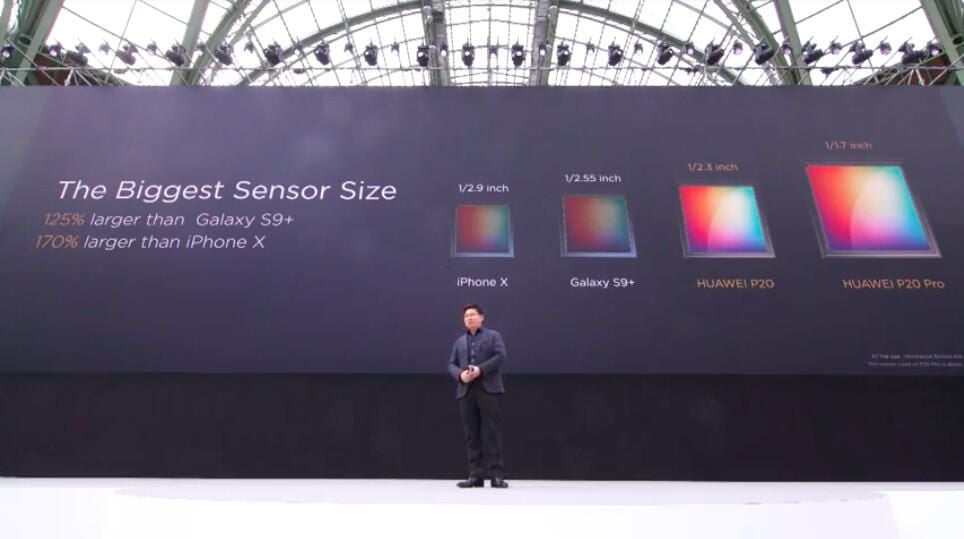
  • ​Larger sensors in both P20 devices

    The sensors in both P20 devices are larger than their competitors by more than 100% in both instances, meaning better low-light performance.

    SEE: Huawei P20 smartphone: A cheat sheet

    Image: TechRepublic\/Brandon Vigliarolo
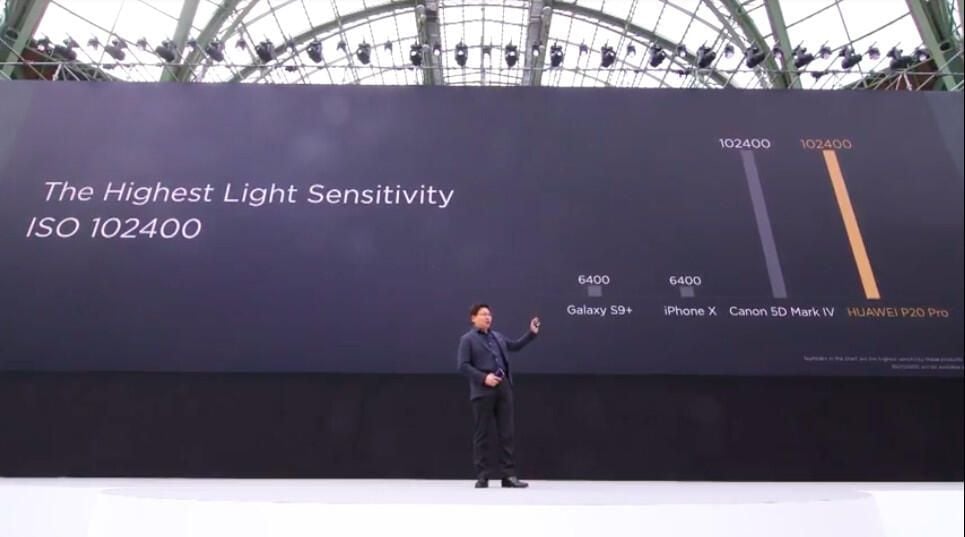
  • ​Light sensitivity on par with high-end cameras

    Low-light performance has long been a problem for smartphone cameras, but if Huawei is telling the truth it may have found a solution: The P20 Pro’s camera reportedly has an ISO rating of 102400 – the same as the Canon 5D Mark IV.

    SEE: Huawei P20 smartphone: A cheat sheet

    Image: TechRepublic\/Brandon Vigliarolo
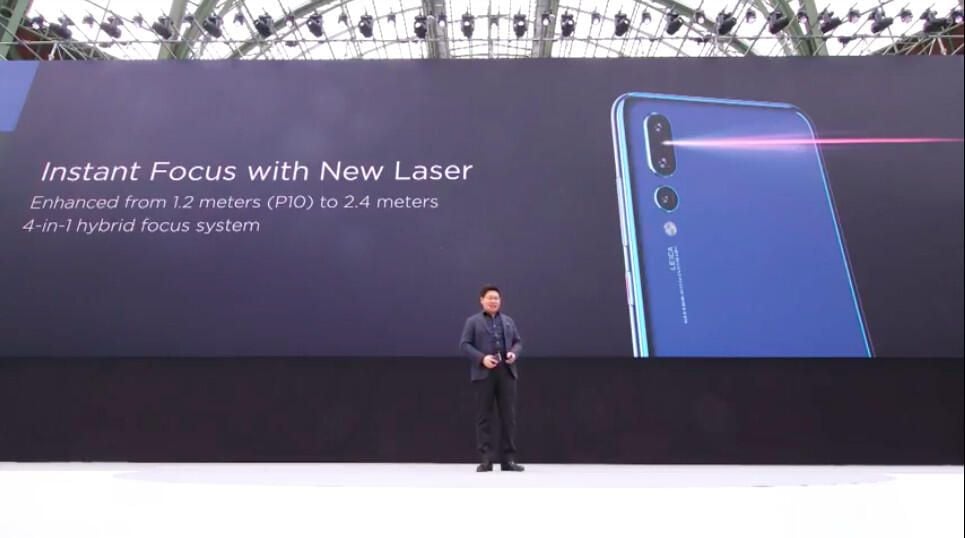
  • ​Laser-assisted focusing technology

    Using a laser to provide “instant” focus isn’t new to the P20 – it was part of the P10 series as well. The P20 does double the distance at which it will work from 1.2 meters to 2.4.

    SEE: Huawei P20 smartphone: A cheat sheet

    Image: TechRepublic\/Brandon Vigliarolo
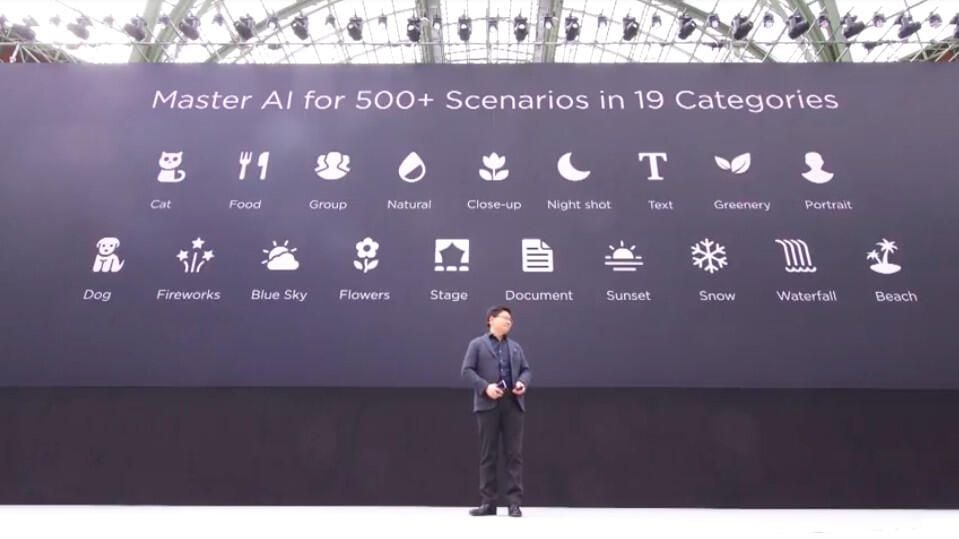
  • ​Situationally aware AI for on-the-fly photo tweaking

    AI was a key buzzword at Huawei’s P20 event, especially in the camera portion, where AI was reported to be powering a lot of the P20’s photography improvements.

    Huawei claims that the Master AI feature of the P20 camera is programmed to recognize over 500 scenarios and objects that it will instantly adjust the camera to account for.

    SEE: Huawei P20 smartphone: A cheat sheet

    Image: TechRepublic\/Brandon Vigliarolo
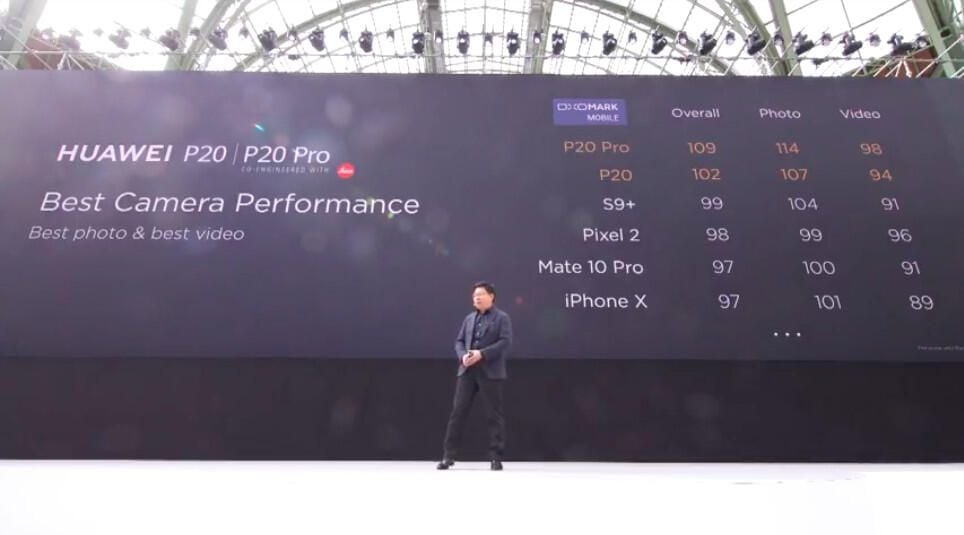
  • ​A new bar in DXO ratings

    Huawei has upped the bar for smartphone DXO ratings by quite a bit. Instead of the single point differences between Samsung and Apple’s cameras, the P20 and P20 Pro have upwards of 10 points on their competitors.

    SEE: Huawei P20 smartphone: A cheat sheet

    Image: TechRepublic\/Brandon Vigliarolo
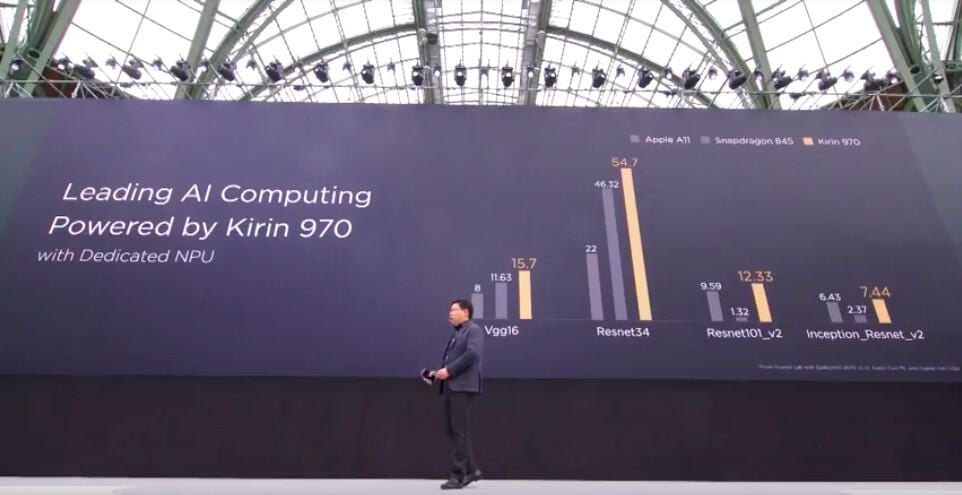
  • ​AI powered by Kirin 970

    The AI in the P20 series is powered by the Kirin 970 chip, which features a dedicated neural processing unit (NPU) for AI applications.

    SEE: Huawei P20 smartphone: A cheat sheet

    Image: TechRepublic\/Brandon Vigliarolo
  • ​Other P20 series features

    The Huawei P20 and P20 Pro have several other features to tempt Android users:

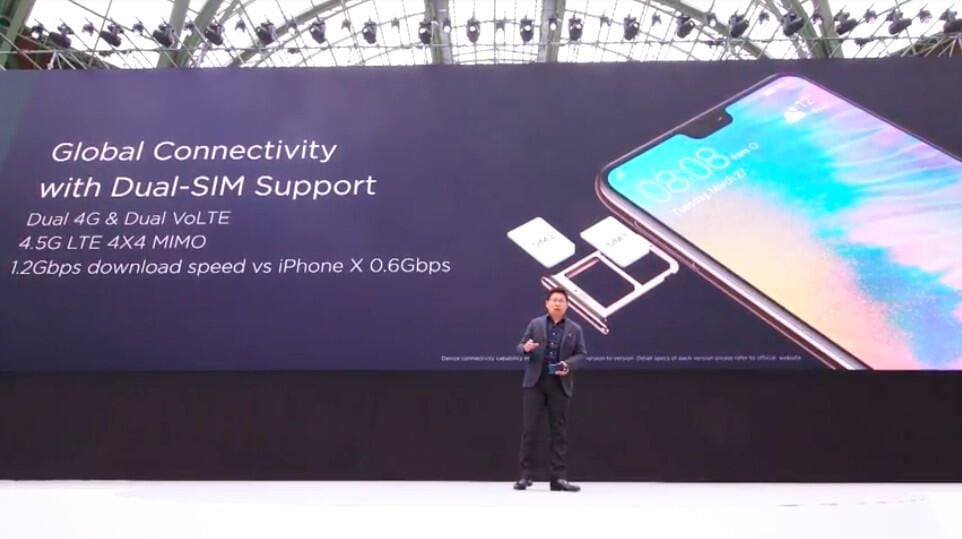
    • Dual SIM slots
    • Face unlock technology that Huawei claims is faster than Apple’s
    • Cross-platform file sharing with Huawei Share 2.0
    • USB-C charging
    • HiAI features, like on-device prisma processing, Amazon shop by camera, and AI noise removal for conversations in loud environments
    • Google Assistant built in
    • ARCore support
    • Android 8.1
    • NPU acceleration for Android Messages client

    SEE: Huawei P20 smartphone: A cheat sheet

    Image: TechRepublic\/Brandon Vigliarolo
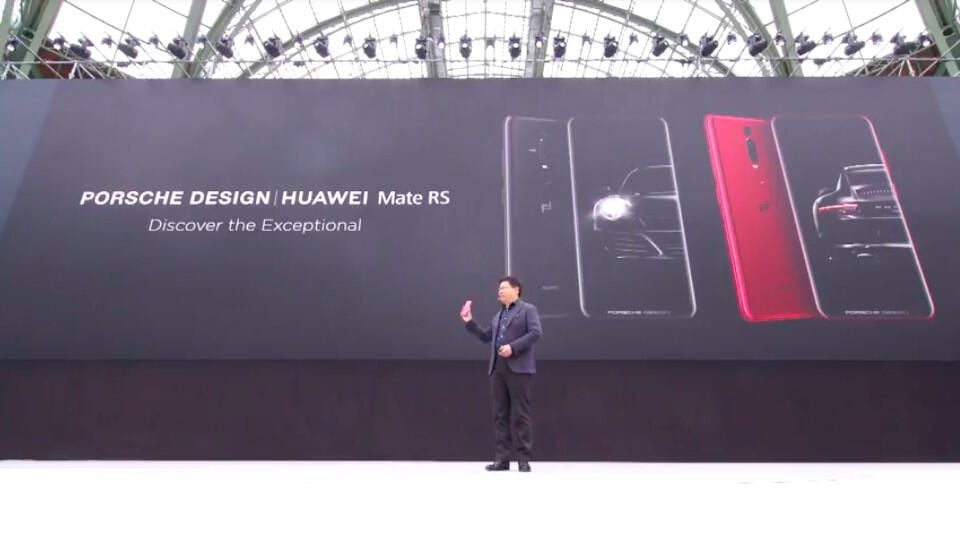
  • ​Porsche-designed Huawei Mate RS

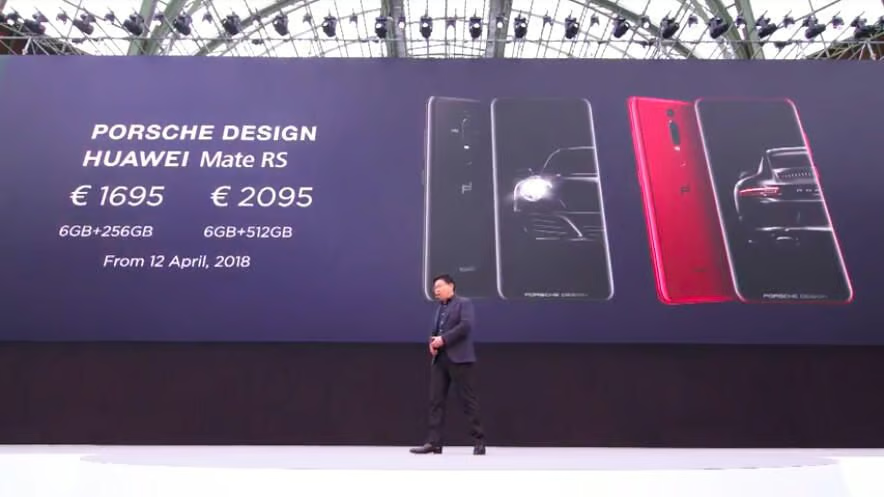
    Also announced was a new Porsche-branded and designed Huawei Mate RS that offers some impressive features and is marketed as a luxury smartphone.

    Perhaps the most interesting and innovative feature is the in-screen fingerprint reader, something that other smartphone manufacturers have missed out on.

    Image: TechRepublic\/Brandon Vigliarolo
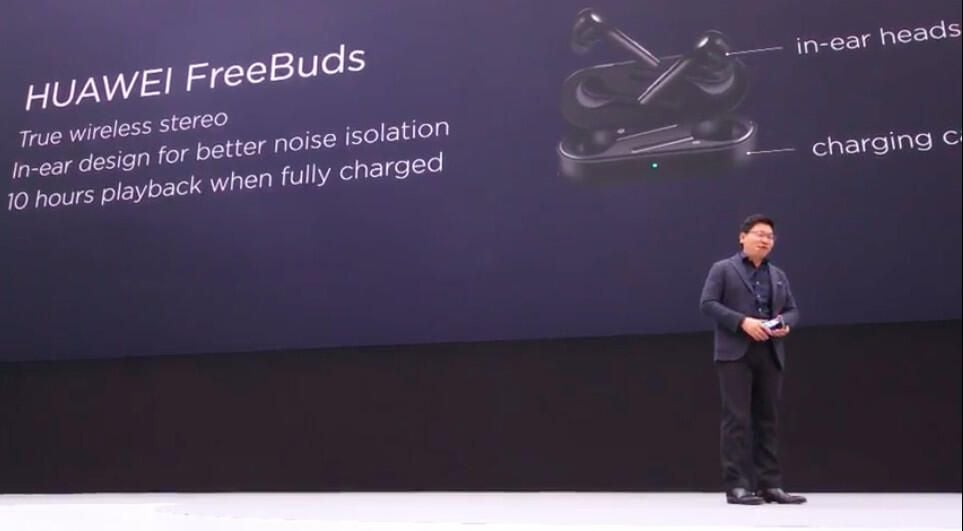
  • ​Huawei FreeBuds

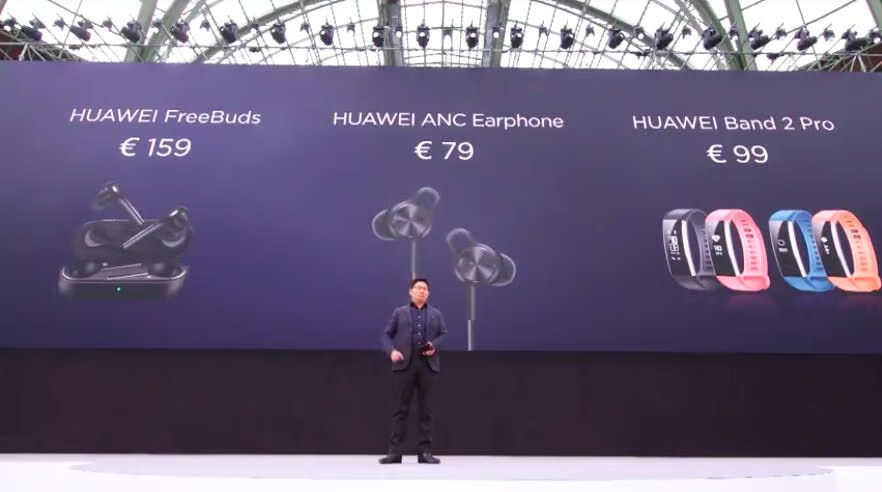
    Huawei also announced its own iBuds competitor, FreeBuds. It said FreeBuds will get better sound quality than iBuds, as well as longer battery life.

    Image: TechRepublic\/Brandon Vigliarolo
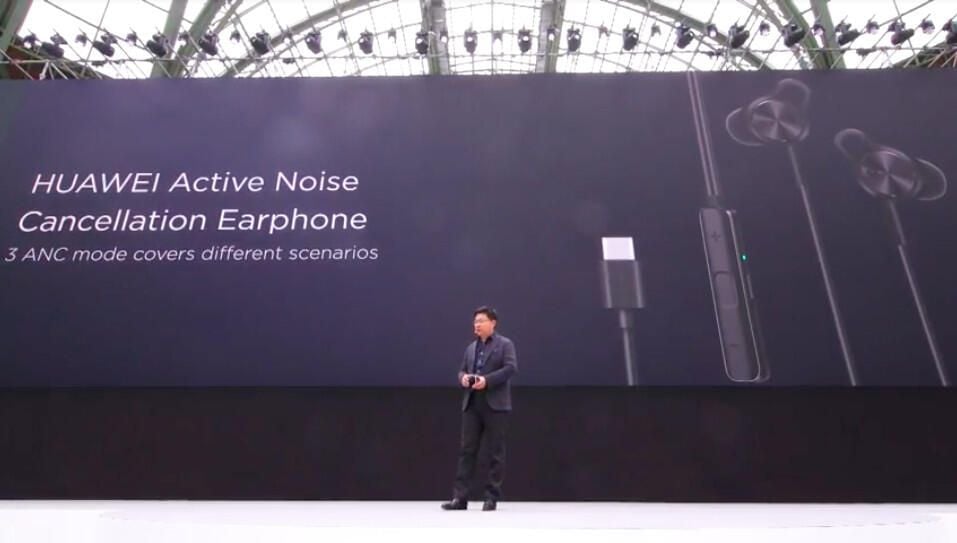
  • ​Active noise cancellation headphones

    USB-C active noise cancelling (ANC) headphones were also announced. No, these aren’t shipping with P20 devices–they’re a separately purchased product.

    Image: TechRepublic\/Brandon Vigliarolo
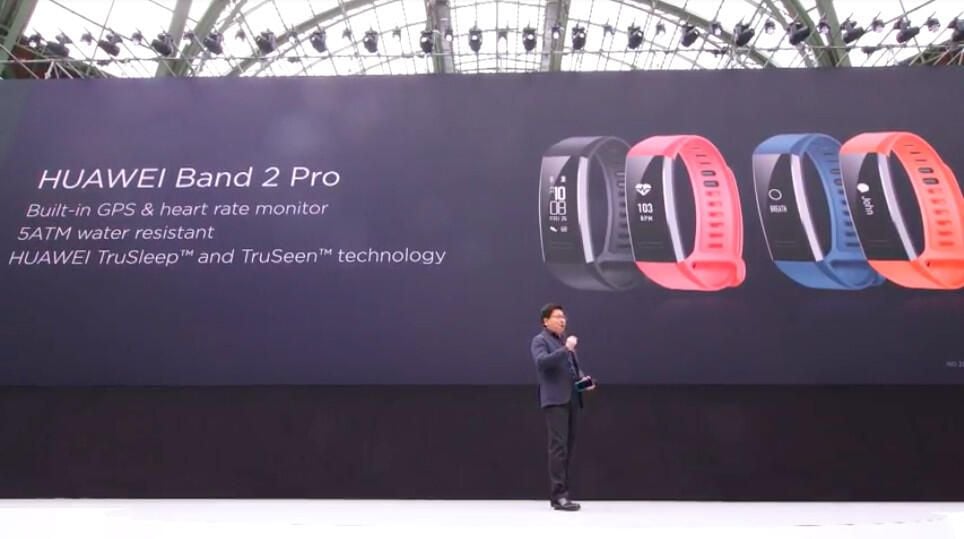
  • ​Huawei Band 2 Pro

    A new version of the Huawei Band is rolling out as well, and it comes with built-in GPS, heart rate monitoring, sleep monitoring, and 5ATMs of water resistance, which Huawei said is enough to make it swim proof.

    Image: TechRepublic\/Brandon Vigliarolo
  • ​Huawei P20 pricing

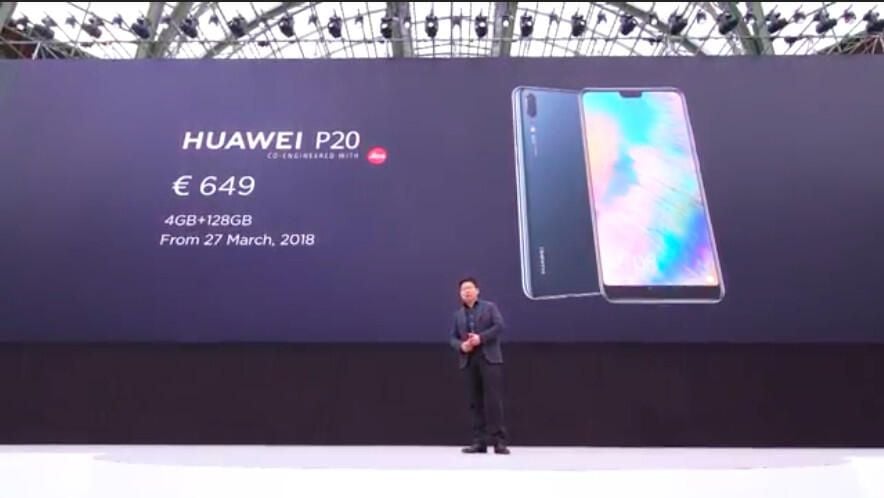
    The Huawei P20 comes in 4GB and 128GB capacities, is available now, and will cost \u20ac649, or around $805 (Huawei’s US site has not yet released official pricing in USD).

    SEE: Huawei P20 smartphone: A cheat sheet

    Image: TechRepublic\/Brandon Vigliarolo
  • ​Huawei P20 Pro pricing

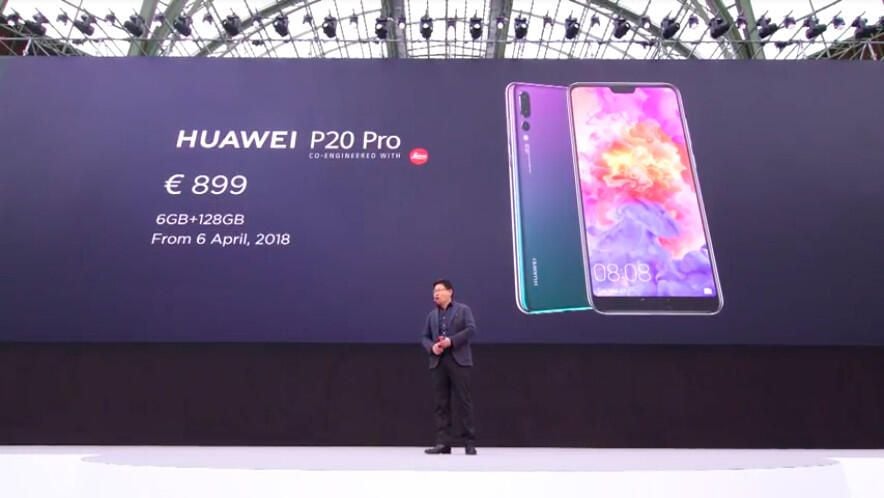
    The P20 Pro will have 6 and 128GB options and will be available on April 6, 2018. It’s going to set you back \u20ac899, or around $1,115 (no official US price has been revealed).

    SEE: Huawei P20 smartphone: A cheat sheet

    Image: TechRepublic\/Brandon Vigliarolo
  • ​Huawei Porsche Design Mate RS

    Here’s hoping you didn’t have your heart set on getting IT to buy you one of these–the two available models that ship on April 12, 2018, will cost \u20ac1,695 ($2,100) and \u20ac2095 ($2,600).

    Image: TechRepublic\/Brandon Vigliarolo
  • ​Periphery pricing

    The prices for the additional products in USD will be approximately:

    • Huawei FreeBuds: $200
    • Huawei ANC earphones: $100
    • Huawei Band 2 Pro: $120

    Also see

    Image: TechRepublic\/Brandon Vigliarolo
1 of 29
Brandon Vigliarolo

Brandon is a Staff Writer for TechRepublic. He's an award-winning feature and how-to writer who previously worked as an IT professional and served as an MP in the US Army.