Photos: 10 major automakers using 3D printing today
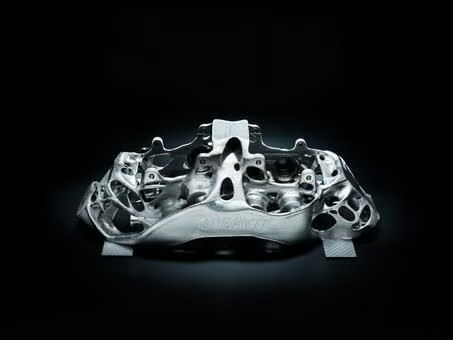
2. Bugatti
Bugatti announced that it’s testing 3D printed brake calipers on its Chiron supercar. Computer printing gives the automaker more wiggle room with the part, as the piece can be created in layers using titanium instead of the standard alumunium.
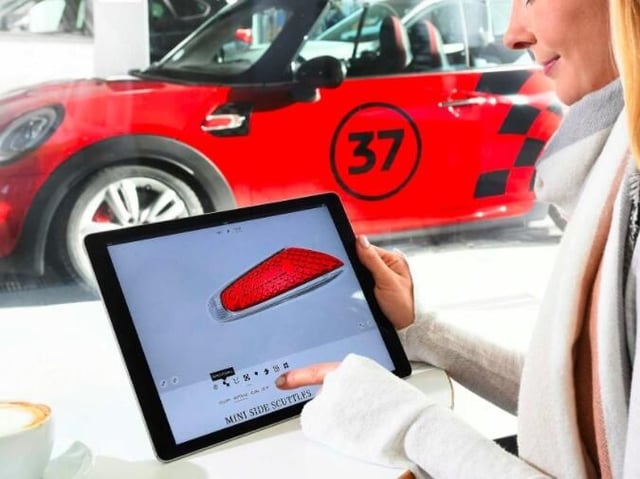
Car owners can create custom fixtures for their Mini on the company’s website. The pieces are then 3D printed in Germany and shipped within a few weeks.
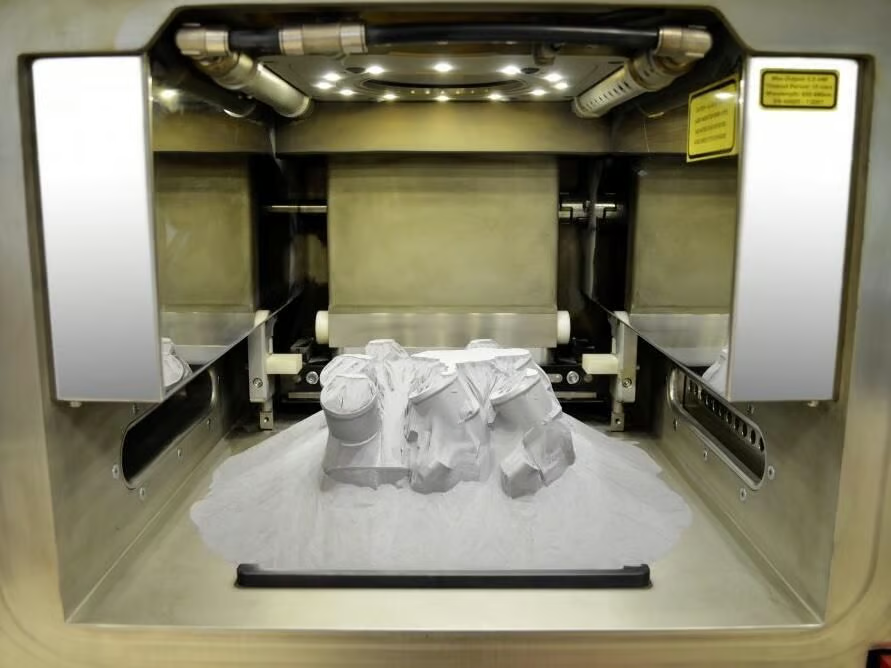
Mercedes-Benz uses 3D printing to create spare metal parts for its trucks and some older models, the company announced in August 2017. The option to use a 3D printer to create a part may decentralize parts of car production, and could make it easier for car shops to have necessary parts in stock regardless of the car’s age. Spare parts are also available for Daimler buses.
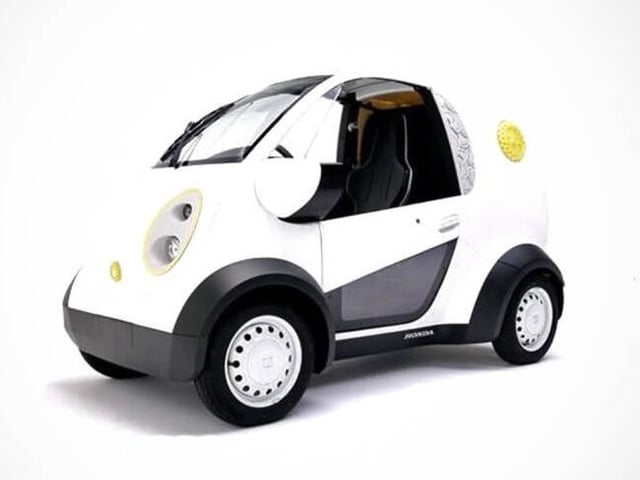
Honda partnered with Kabuku to develop an all-electric van, unveiled in October 2016. While the compact van uses a pipe-frame structure, the body panels and luggage area were created using a 3D printer.
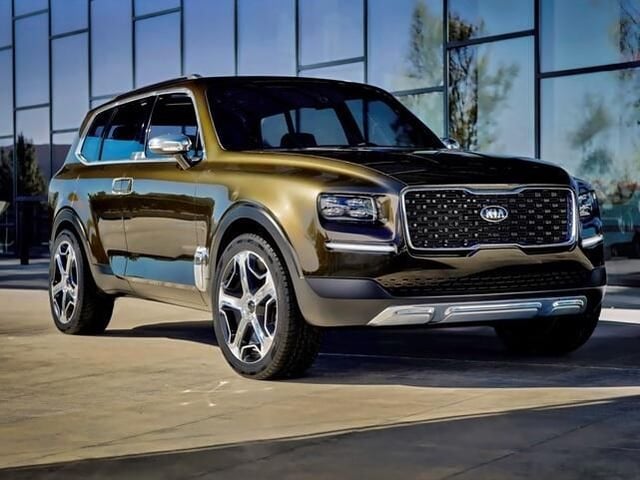
Kia’s first used 3D printing for its Telluride conceptual SUV design in January 2016. The printed components, used for interior elements like the dashboard, added a “distinct, modern design element” to the vehicle, the press release said. The car received a green light for production, recent reports said.
In a collaboration with Clemson University, Toyota created the uBox, a car targeted to Generation Z buyers. Some aspects of the car, including the door trim, can be personalized and created using 3D printing. The brand also uses 3D printing to rapidly create prototypes of new car models, expediting the testing process.
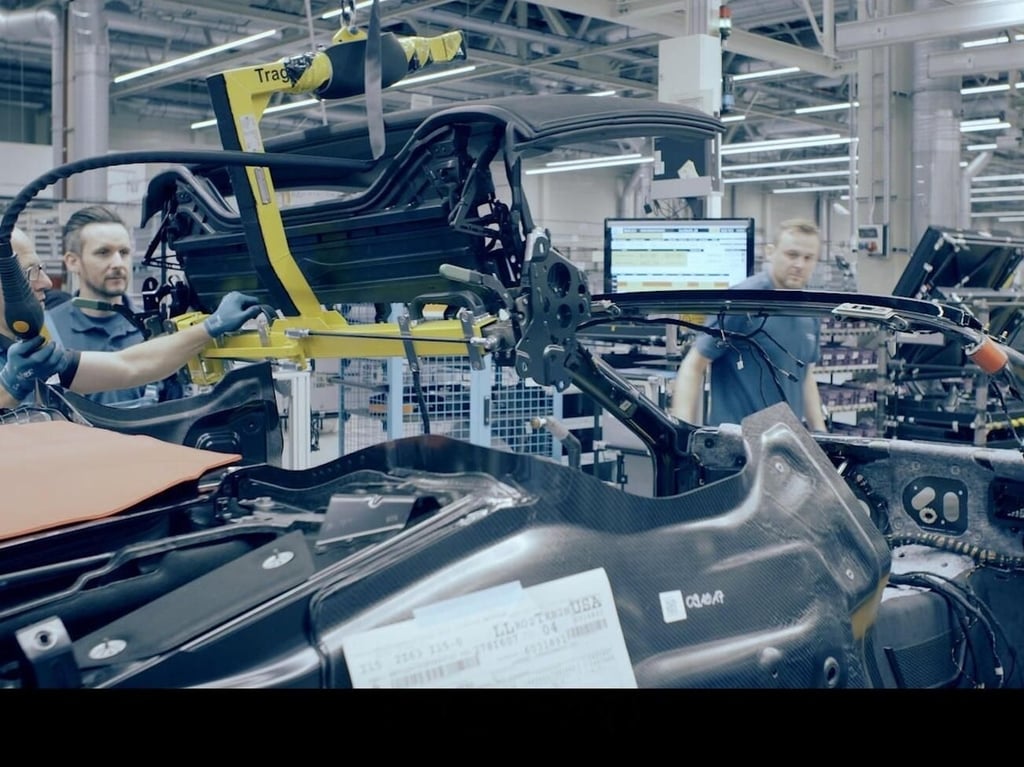
BMW is using 3D printing to create a better top cover for its i8 Roadster. With the new technology, the piece is stronger and weighs less than its predecessor, the company said.
Instead of using the technology to create prototypes, Volkswagen Autoeuropa uses 3D printing to make manufacturing tools for the assembly line. This can decrease reliance on outside vendors for certain parts and jigs, reducing slowdowns caused by waiting for a piece.
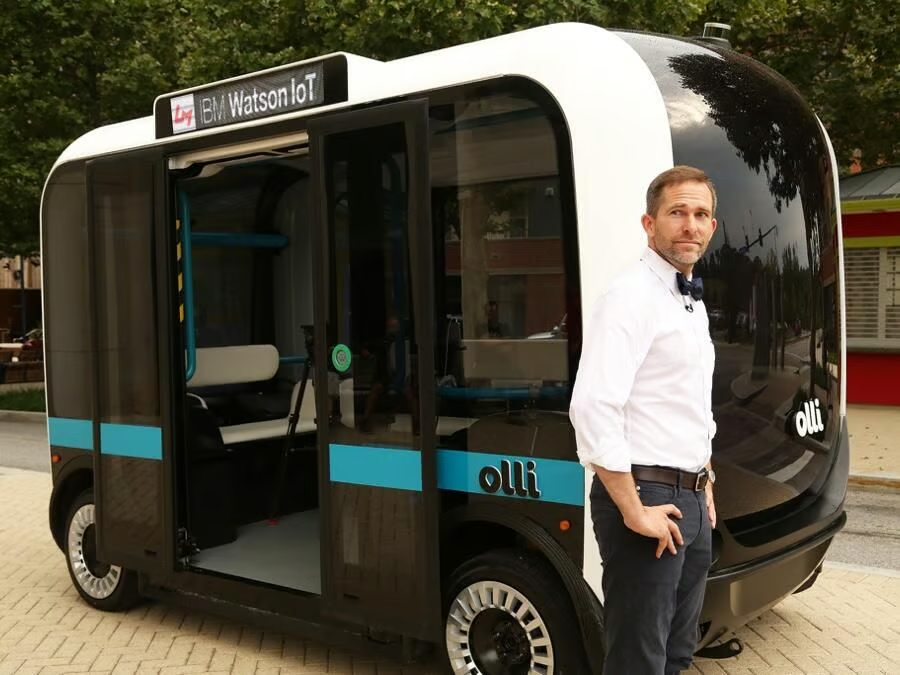
Local Motors’ Strati was the first 3D printed car, with over 75% of the car coming from a computer in 2016. The company is also responsible for Olli, a 3D printed autonomous shuttle.