Vintage Computer Festival East 2019 was held May 3-5 at the InfoAge Science & History Center in Wall, NJ. The event featured dozens of hands-on exhibitions of historic computers, peripherals, and software.
This year’s keynoters were Ken Thompson, of Bell Labs/Unix fame, and Joe Decuir, a hardware engineer from Atari/Amiga. In their honor, several of the exhibitors demonstrated Unix and Atari computers.
The InfoAge center is also home to a year-round computer museum hosted by the Vintage Computer Federation, which is the same nonprofit organization that leads the Festival series. The museum’s artifacts include some gems such as various analog and digital mainframes from the 1950s-1960s–even a UNIVAC that formerly belonged to the US Navy.
Upcoming editions of the Vintage Computer Festival series include VCF West (Aug. 3-4, Silicon Valley) and VCF Midwest (Sept. 14-15, Chicago).
Author’s note: I am Executive Director of the VCF.
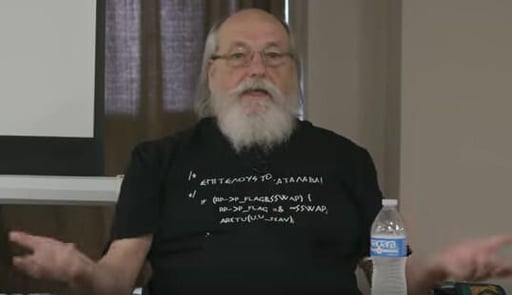
Ken Thompson co-invented Unix starting in 1969 at Bell Labs in Murray Hill, NJ. His colleague was Dennis Ritchie, who also invented the C programming language and who passed away in 2011. They both worked with Brian Kernighan, who interviewed Ken Thompson on stage at VCF East. Extra points if you’re familiar with the inside joke in the historic C code on his shirt!
SEE: Tech history: Check out our coverage (TechRepublic on Flipboard)
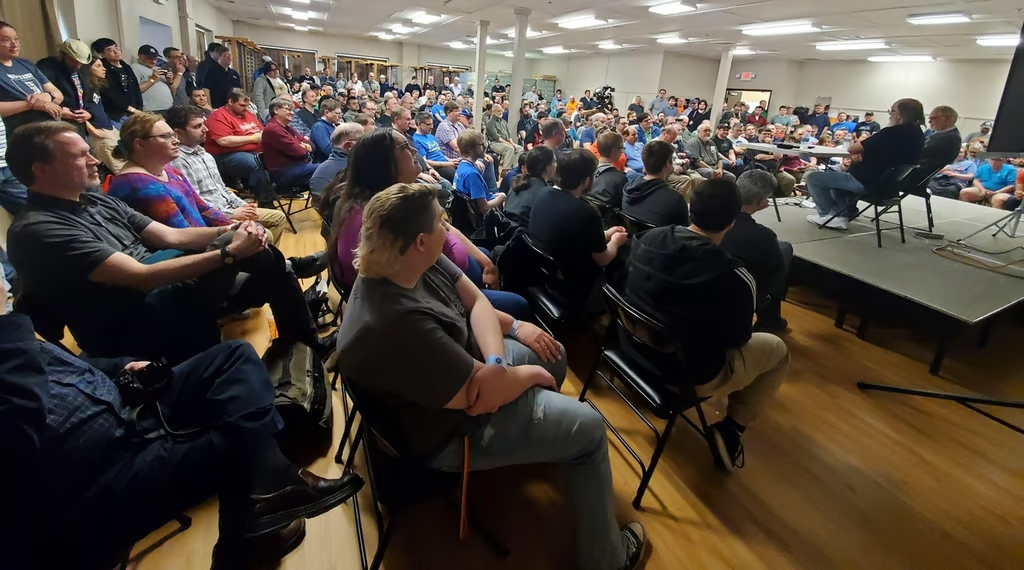
Ken Thompson was the biggest draw in the event’s history–about 250 people crowded into the room and in the hallways outside. Thompson spent an additional 45 minutes personally greeting Unix fans in a receiving line afterward.
SEE: Tech history: Check out our coverage (TechRepublic on Flipboard)
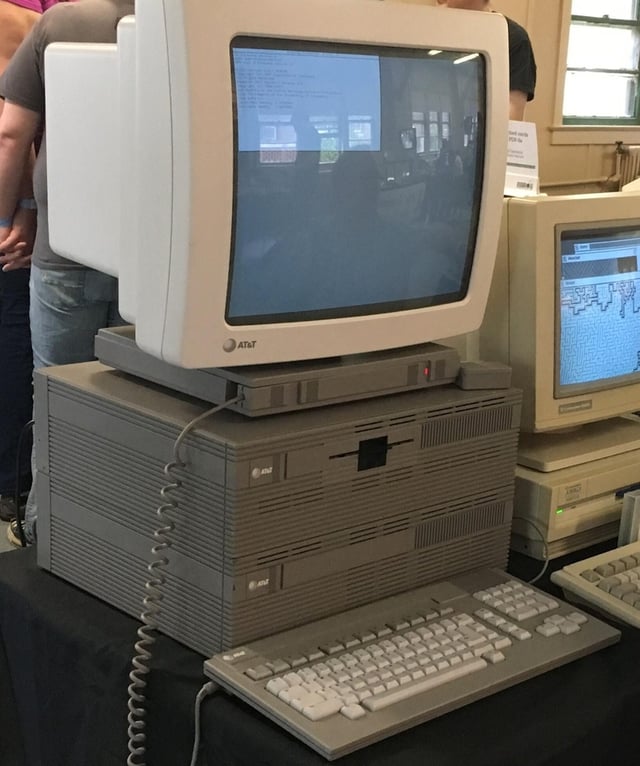
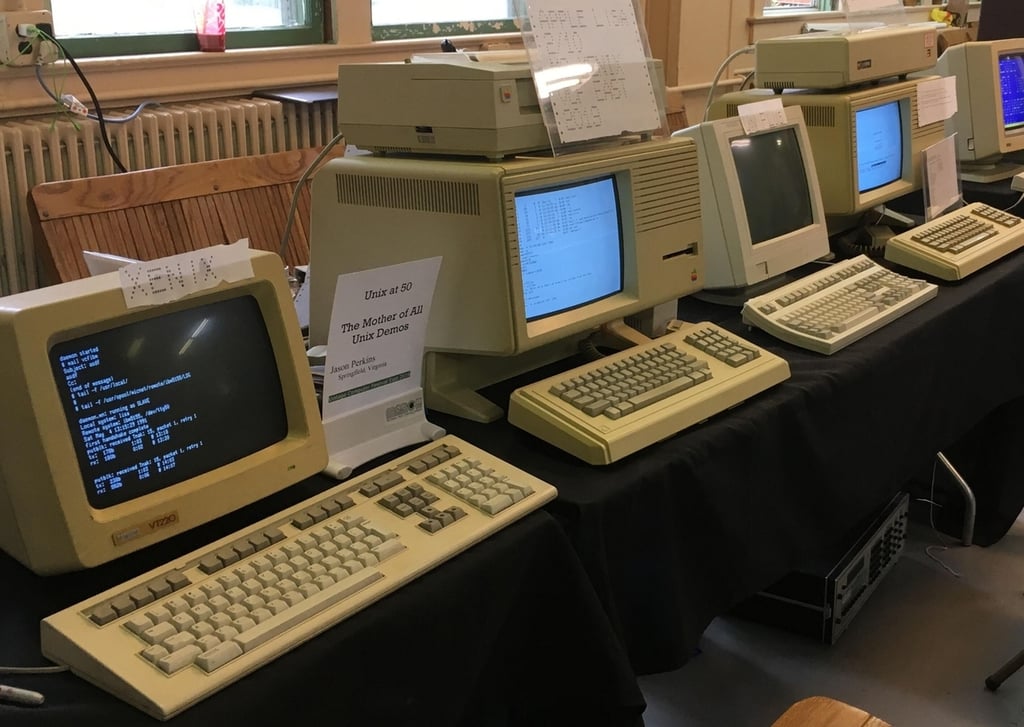
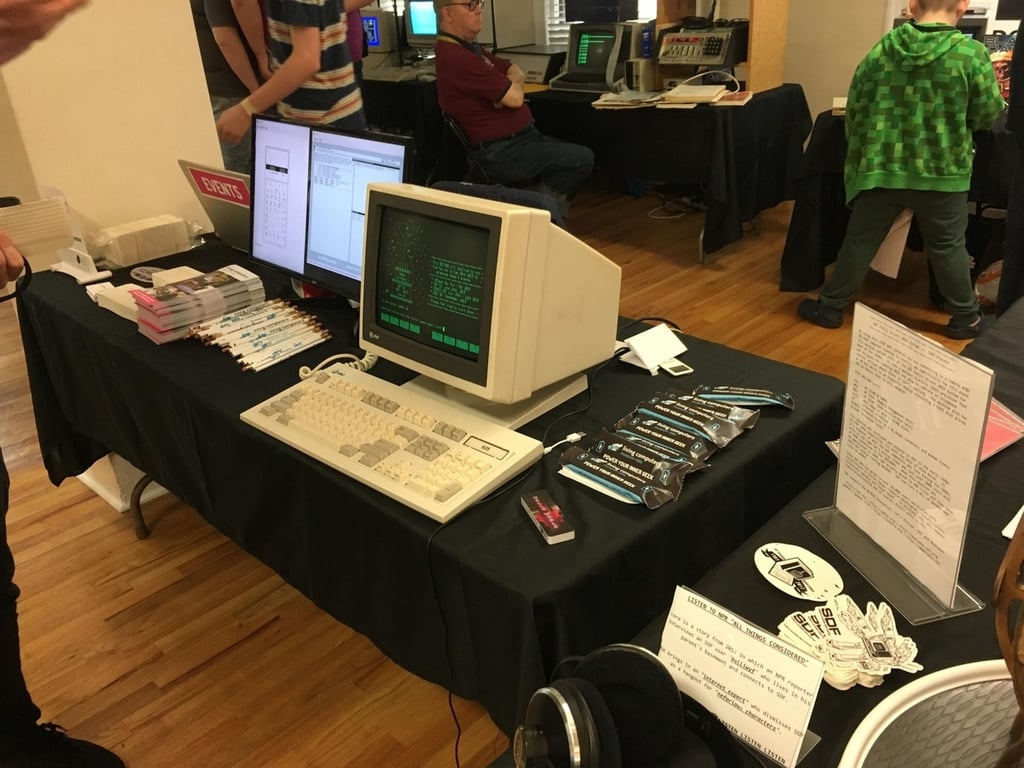
This was the rarest computer on display. Counterpoint was a company formed by former Convergent Technologies employees who designed a workstation called the C-19 to be resold by AT&T. Very few were built before AT&T canceled the contract. VCF members, including Anthony Stramaglia and Jason Perkins, restored this one into operating status.
SEE: Tech history: Check out our coverage (TechRepublic on Flipboard)
A pair of second-generation Apple Lisa computers ran a Unix variant of their own. The Lisa series predated Macintosh and was among the first generation of microcomputers to use graphical interfaces originally developed by Stanford and Xerox.
SEE: Tech history: Check out our coverage (TechRepublic on Flipboard)
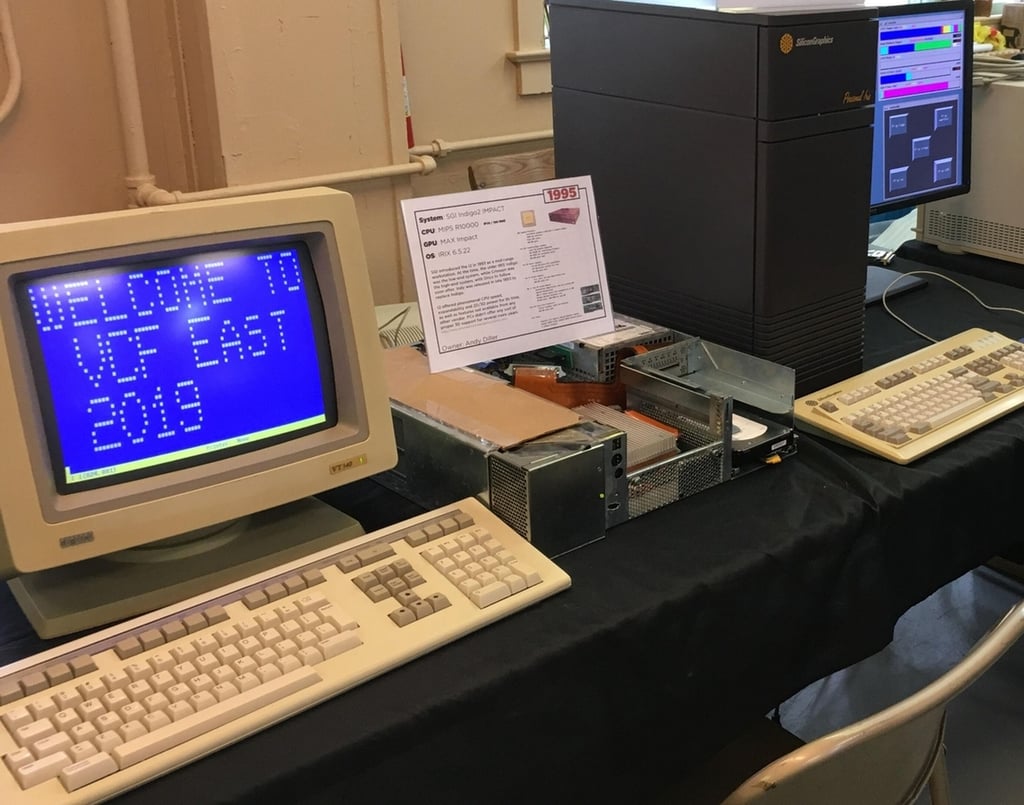
Silicon Graphics’ Personal Iris systems had a reputation for excelling at image processing. They’re also known for being extremely heavy!
SEE: Tech history: Check out our coverage (TechRepublic on Flipboard)
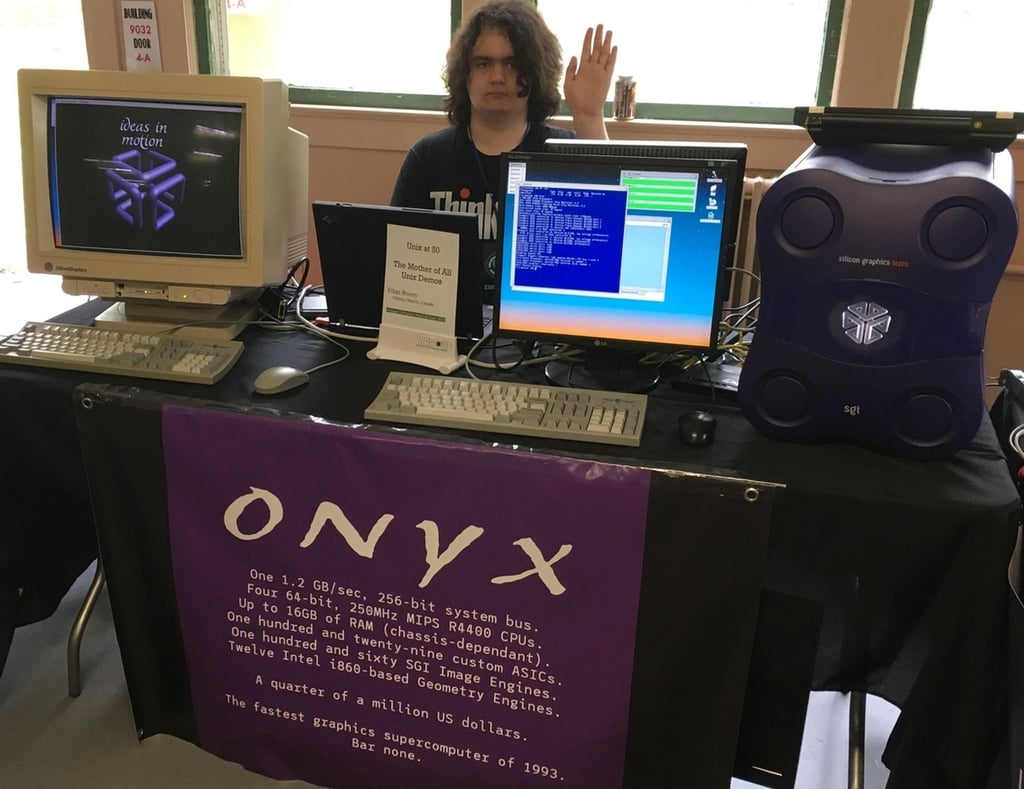
SGI’s Onyx is a mid-1990s server for graphics processing. They also made a rackmount version.
SEE: Tech history: Check out our coverage (TechRepublic on Flipboard)
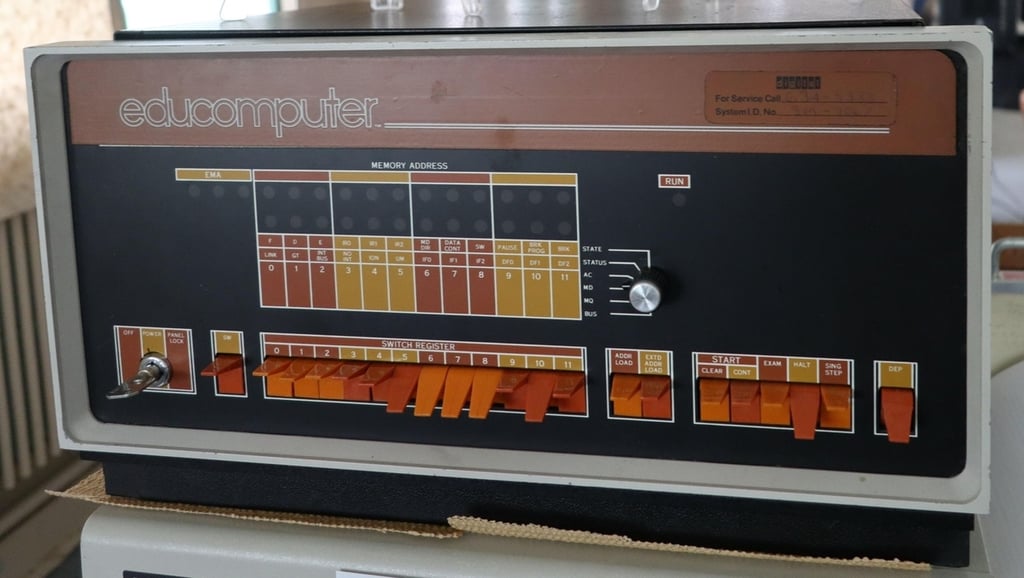
David Gesswein showed this DEC PDP-8 minicomputer. The ‘8 series was a workhorse in companies and universities.
SEE: Tech history: Check out our coverage (TechRepublic on Flipboard)
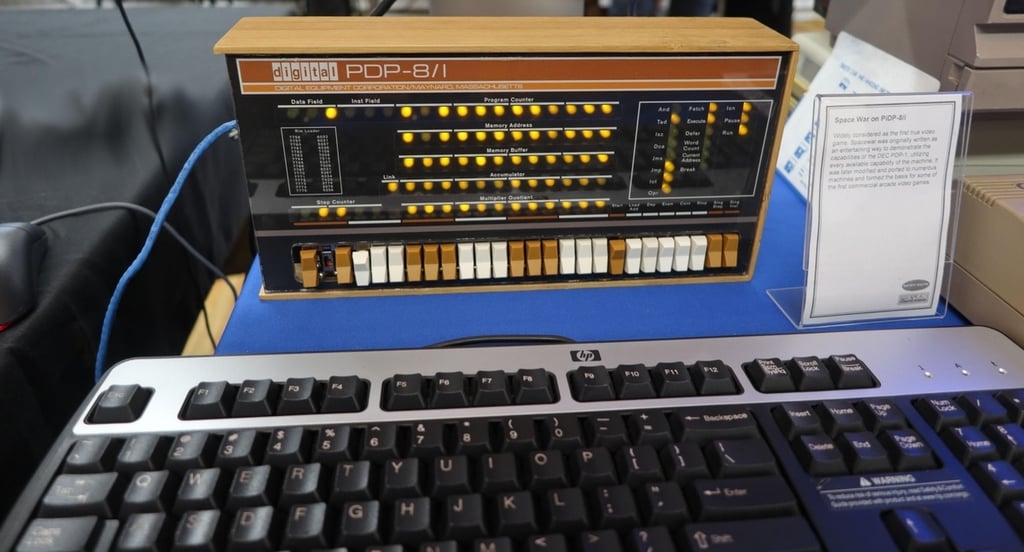
Oscar Vermeulen developed a small DEC PPD-8/I replica using a Raspberry Pi microcontroller.
SEE: Tech history: Check out our coverage (TechRepublic on Flipboard)
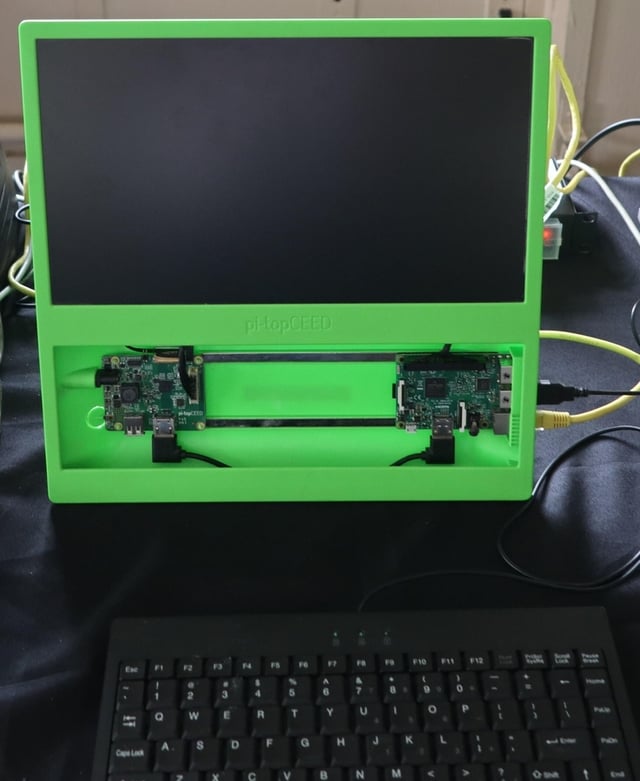
Stephen Edwards demonstrated Unix headless booting onto SGI machines with this Pi-in-a-case as the brains of the system.
SEE: Tech history: Check out our coverage (TechRepublic on Flipboard)
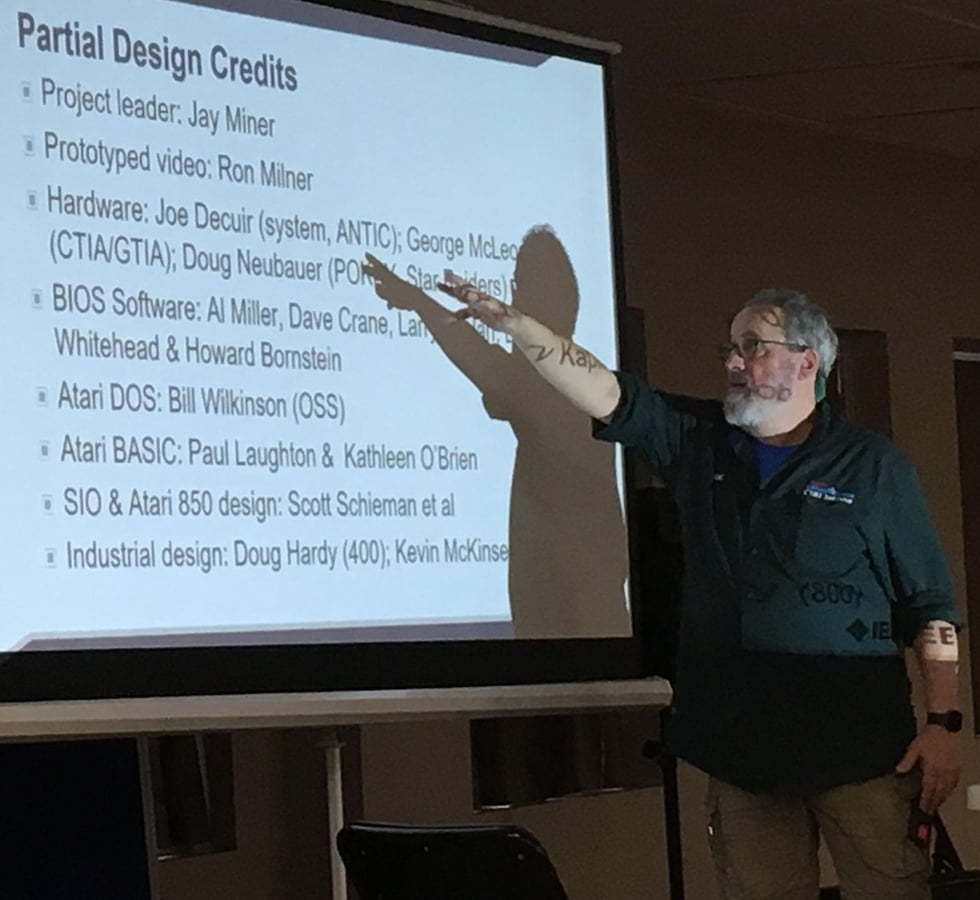
This Atari hardware engineer worked on the VCS (later called 2600) and 400/800 computers. Here Joe Decuir is observing that success has many fathers.
SEE: Tech history: Check out our coverage (TechRepublic on Flipboard)
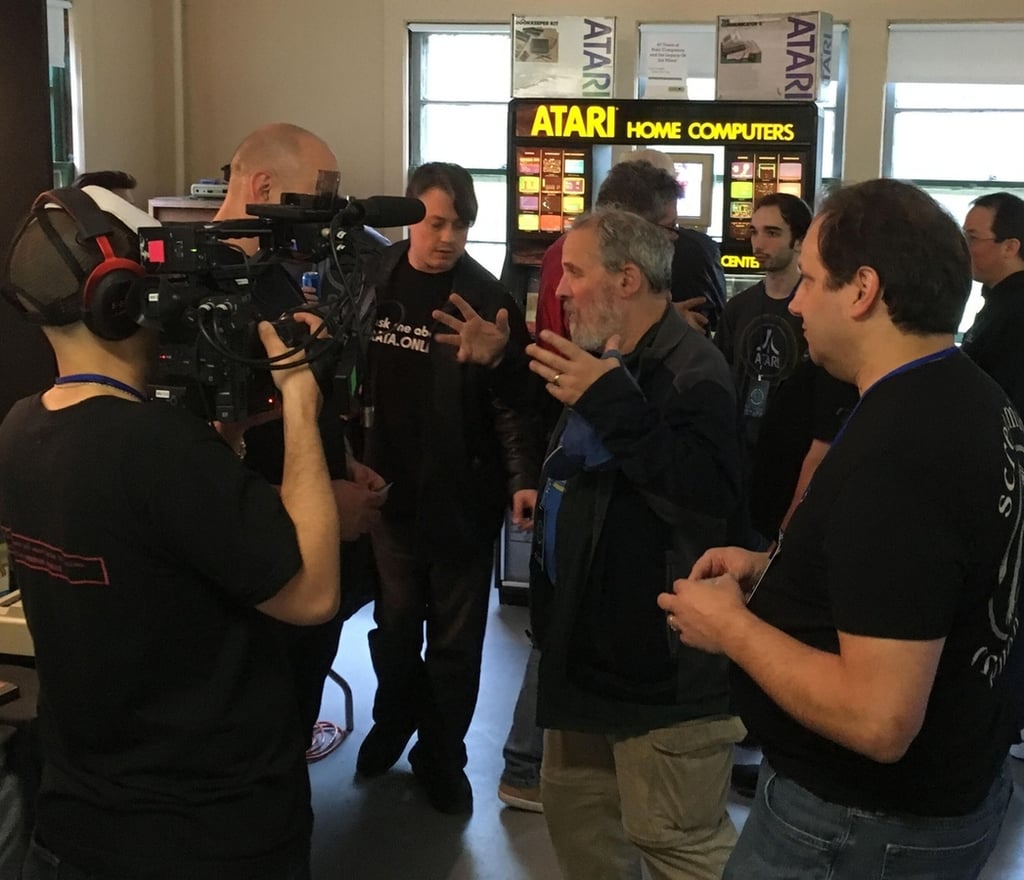
After the keynote, Joe Decuir held court in one of the exhibit halls. That is surely where the best stories were told!
SEE: Tech history: Check out our coverage (TechRepublic on Flipboard)
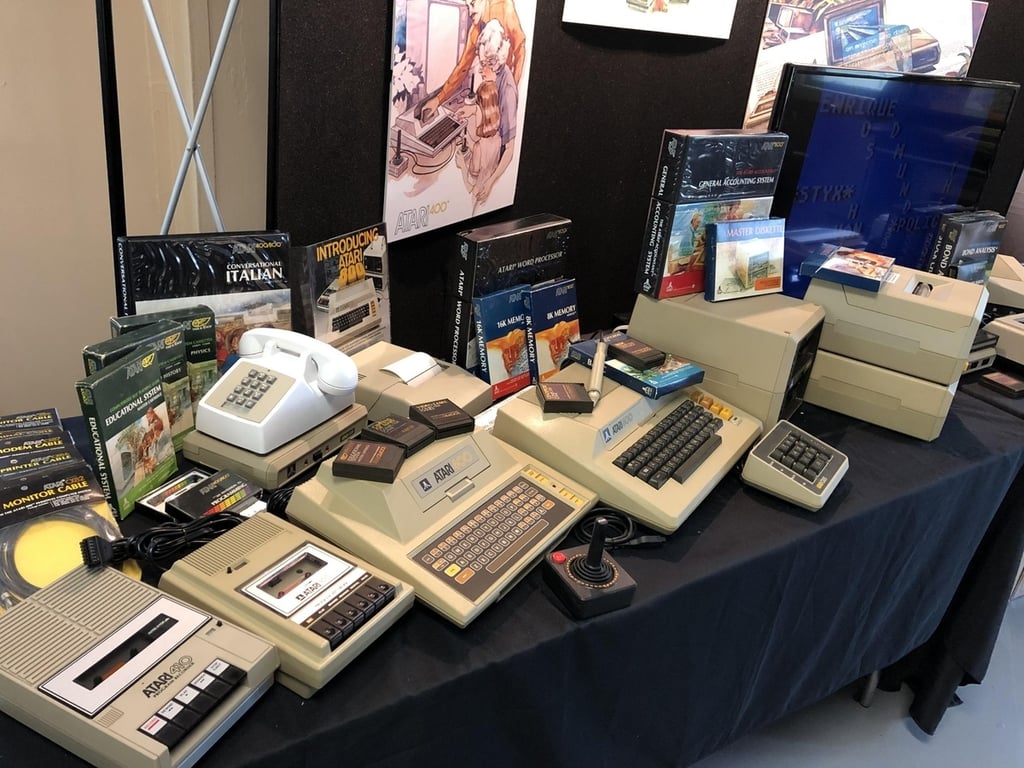
Curt Vendel demonstrated Atari 400 and Atari 800 computers, with many original accessories including their tape drives.
SEE: Tech history: Check out our coverage (TechRepublic on Flipboard)
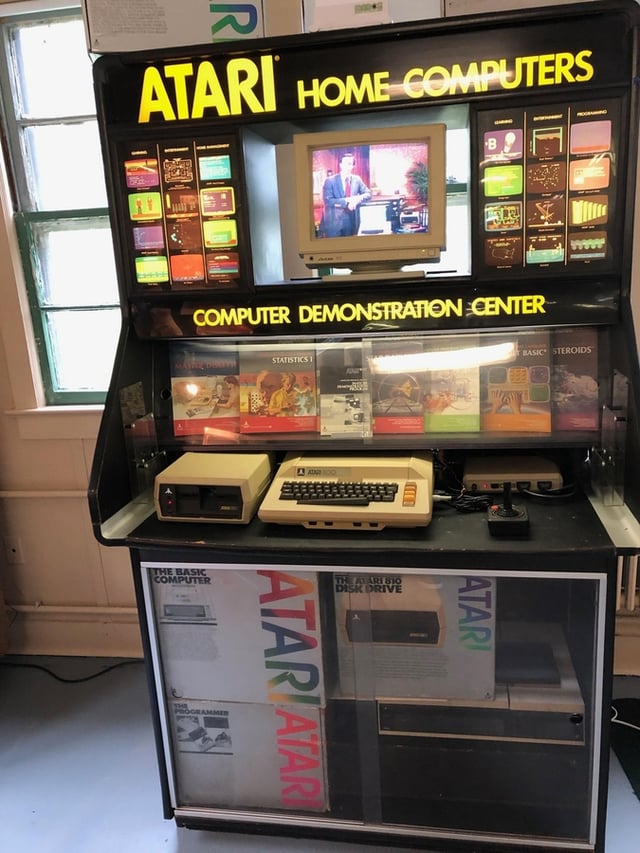
This was one of the hits of the show–an original Atari retail store display, nicely decked out with its working laserdisc player.
SEE: Tech history: Check out our coverage (TechRepublic on Flipboard)
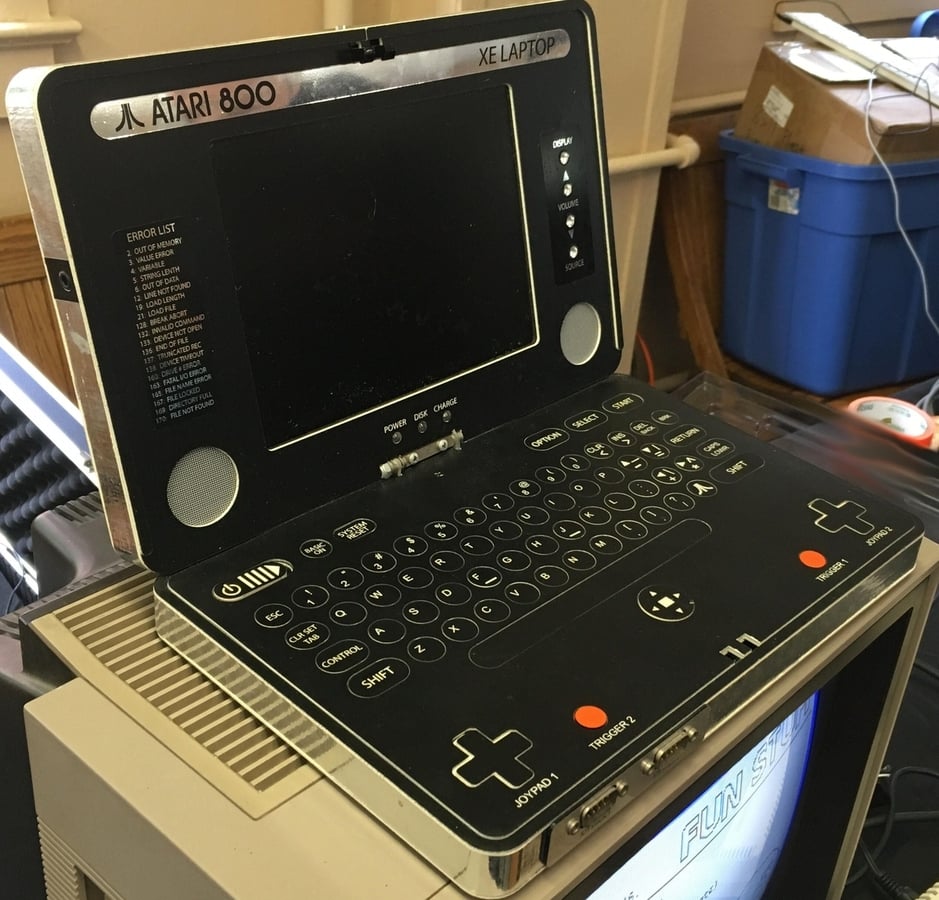
This is a one-of-a-kind, homebrewed laptop version of the Atari 800 desktop computer.
SEE: Tech history: Check out our coverage (TechRepublic on Flipboard)
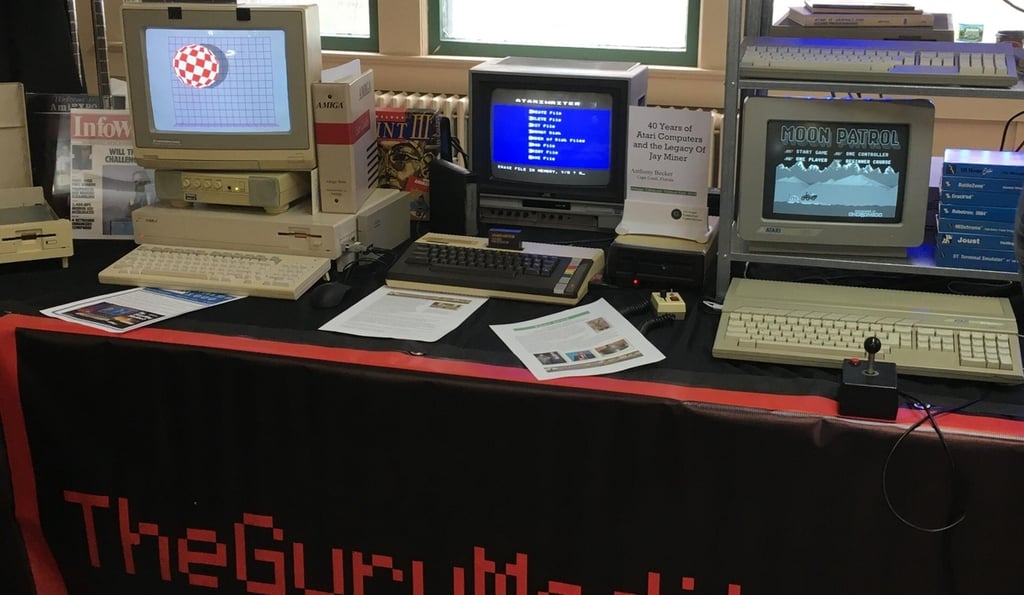
“Guru Meditation Error” is an infamous Commodore Amiga message. Today, Guru Meditation is an Amiga podcast led by Bill Winters and Anthony Becker, who highlights their collection here.
SEE: Tech history: Check out our coverage (TechRepublic on Flipboard)
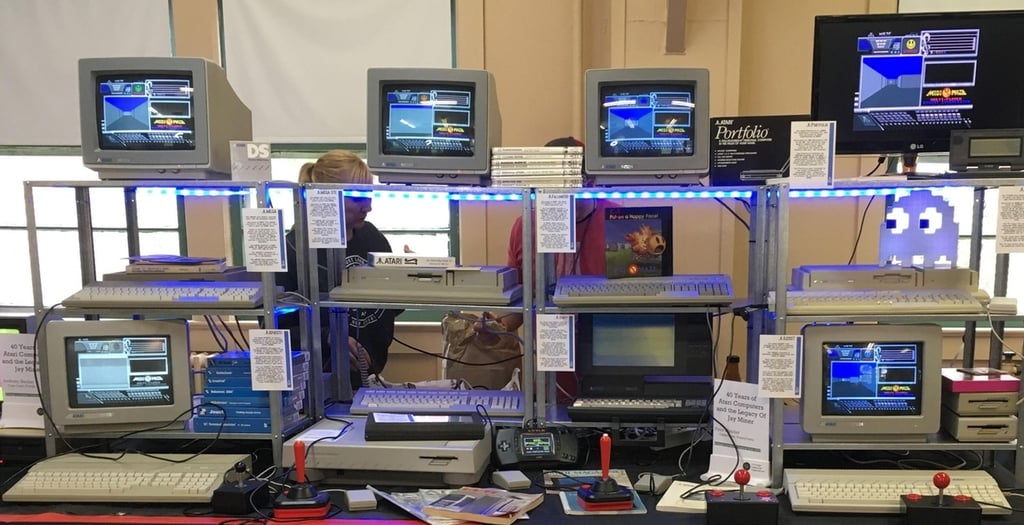
Many models of Atari and Amiga computers were on display, cleverly placed on shelves for maximum tablespace efficiency.
SEE: Tech history: Check out our coverage (TechRepublic on Flipboard)
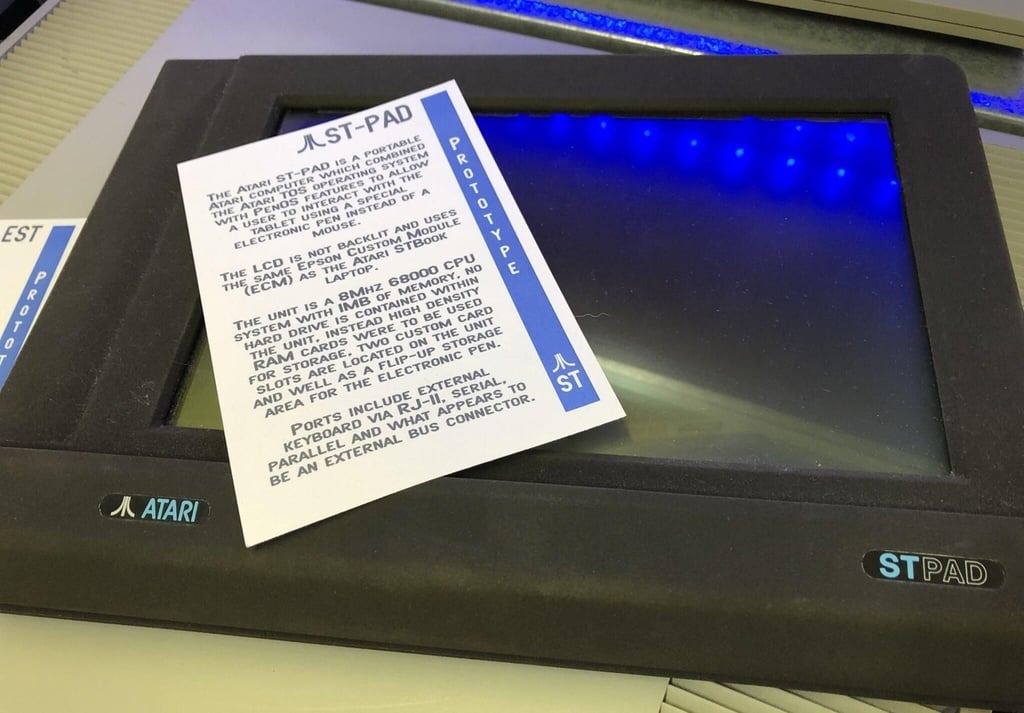
The Atari ST Pad is an early-1990s tablet computer that was never produced. This one is a prototype.
SEE: Tech history: Check out our coverage (TechRepublic on Flipboard)
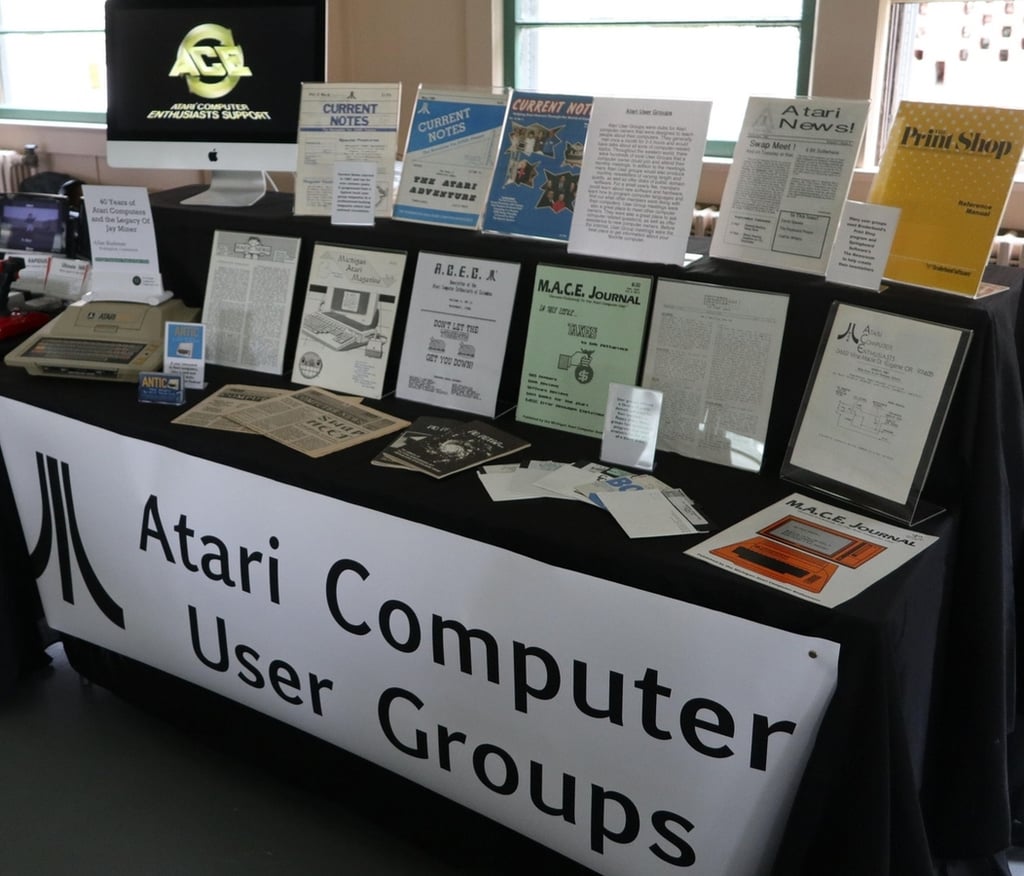
Allan Bushman focused his exhibit on the importance and variety of user groups.
SEE: Tech history: Check out our coverage (TechRepublic on Flipboard)
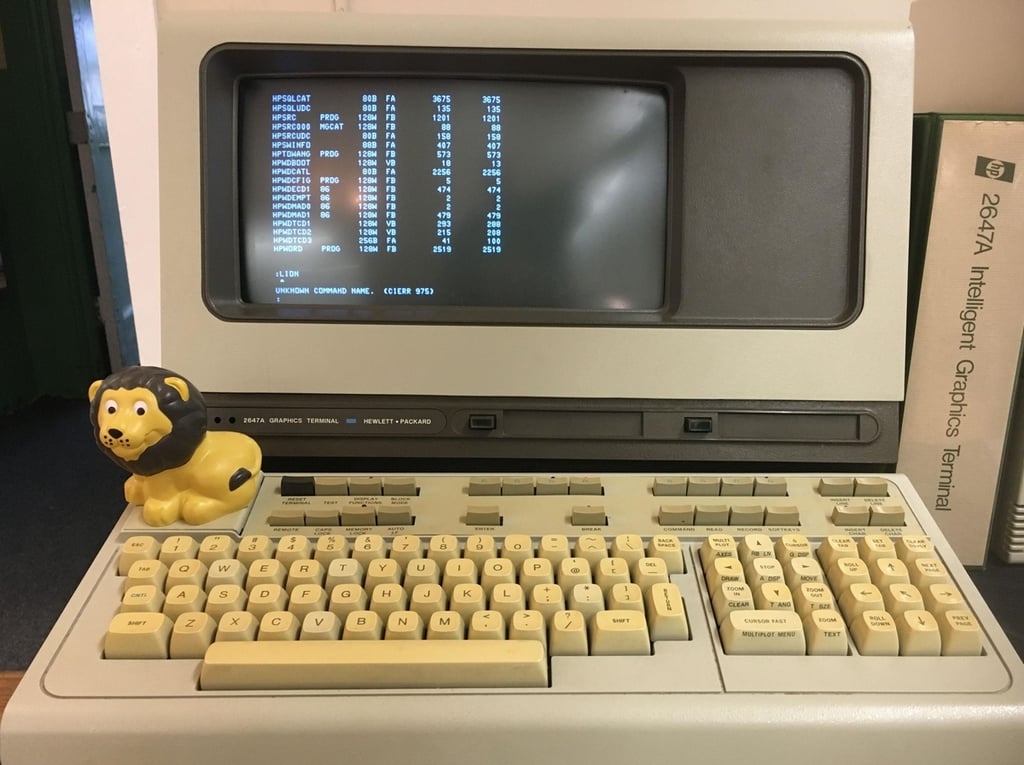
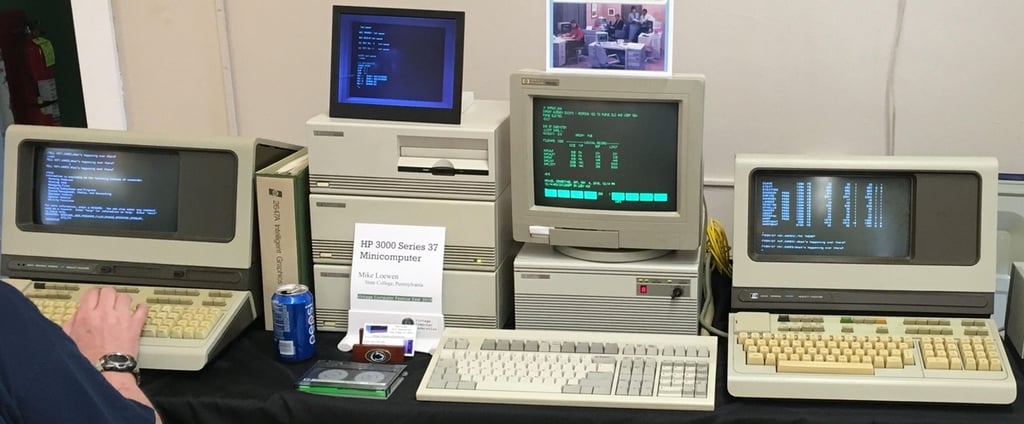
Mike Loewen restored a Hewlett-Packard HP-3000 minicomputer from 1986.
SEE: Tech history: Check out our coverage (TechRepublic on Flipboard)
Here’s a close-up of the HP-3000 terminal display. The computer runs a proprietary operating system called MPE.
SEE: Tech history: Check out our coverage (TechRepublic on Flipboard)
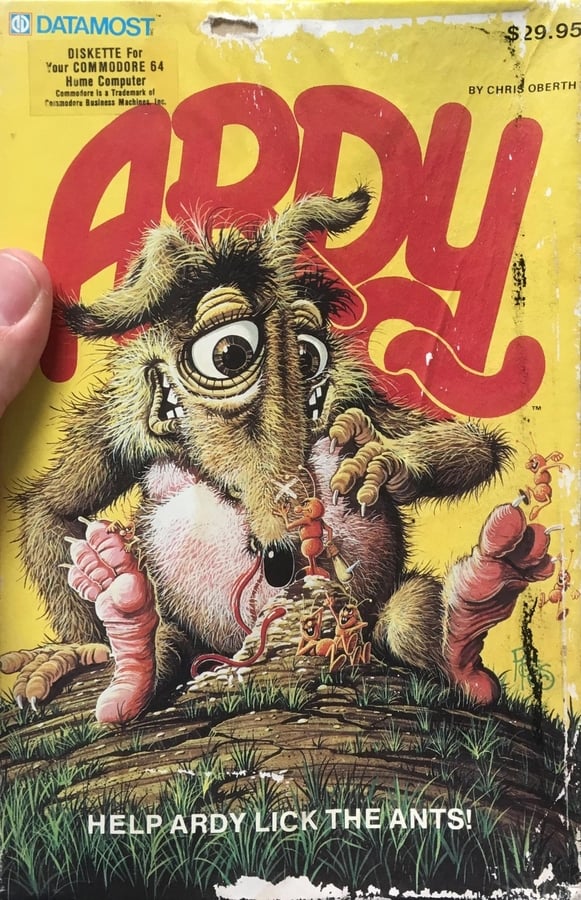
Thousands of offbeat computer games existed in the 1980s. This one of little particular importance made the rounds at the show–help Ardy the Aardvark get his meal.
SEE: Tech history: Check out our coverage (TechRepublic on Flipboard)
Living Computers: Museum+Labs is a computer museum in Seattle founded by Microsoft’s Paul Allen. They showed remote access to some of their systems running back in Seattle. LCML itself hosts Vintage Computer Festival Pacific Northwest.
SEE: Tech history: Check out our coverage (TechRepublic on Flipboard)
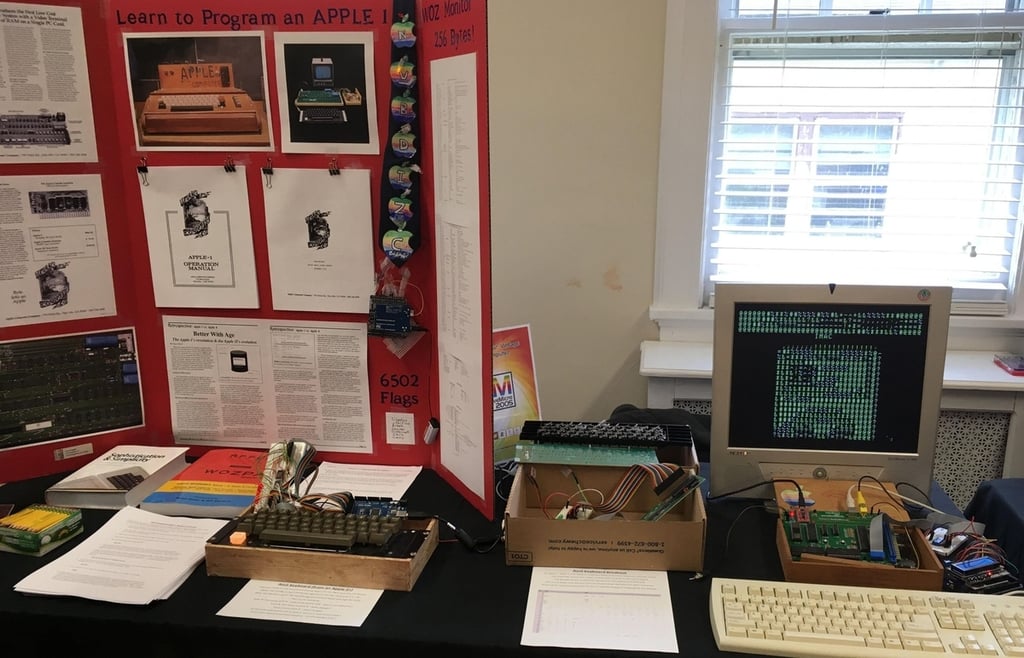
Eric Rangell brought a modern replica of the Apple 1 computer from 1976. He focused on how it’s programmed.
SEE: Tech history: Check out our coverage (TechRepublic on Flipboard)
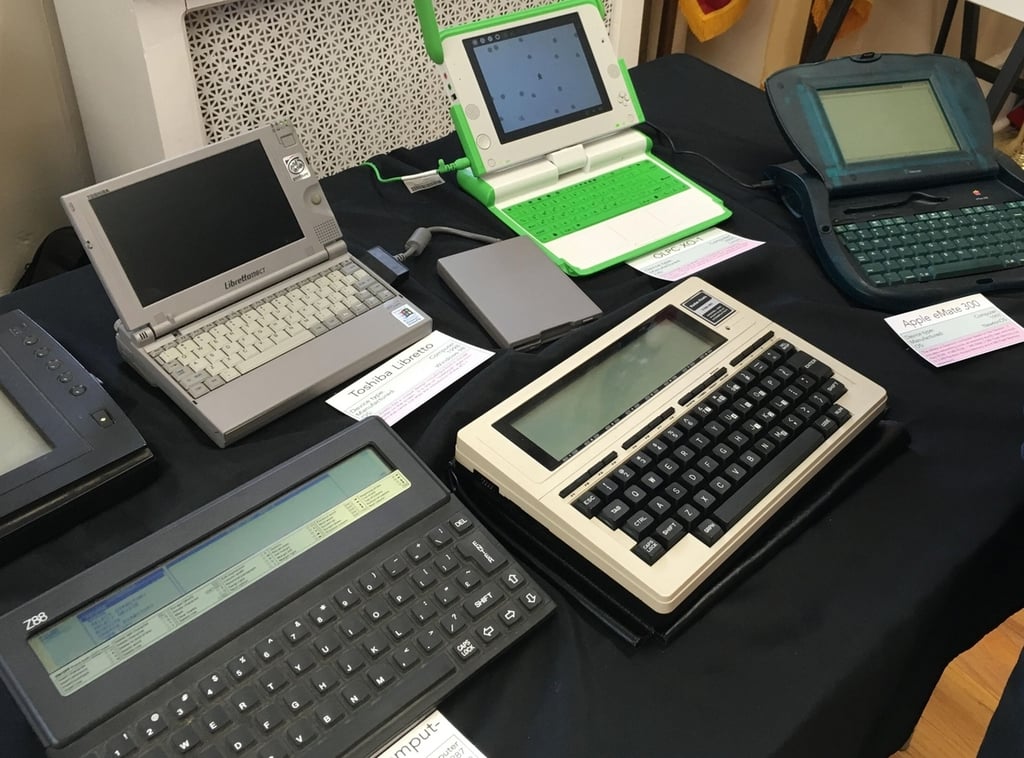
Dave Shevett’s exhibit included a variety of 1970s-1980s laptops and handheld devices.
SEE: Tech history: Check out our coverage (TechRepublic on Flipboard)
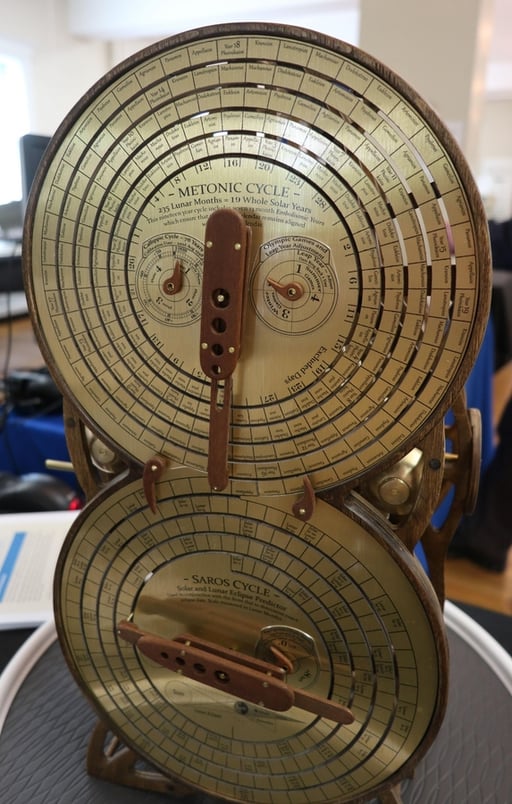
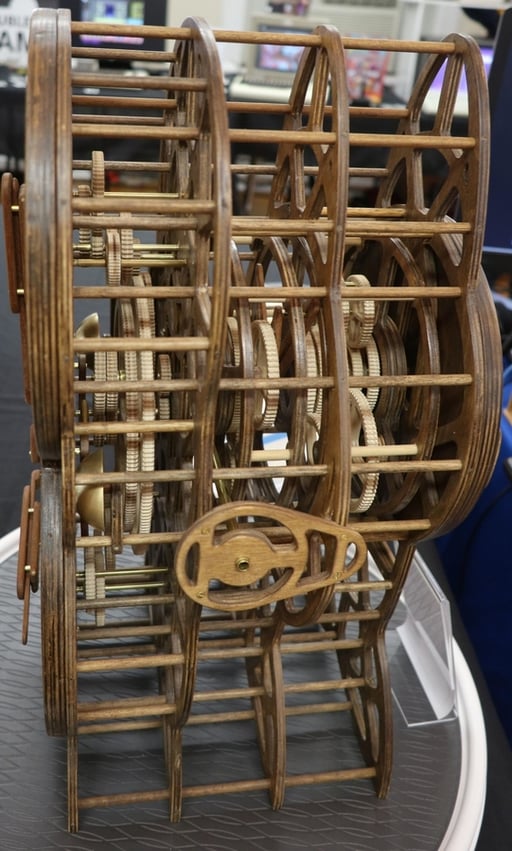
Bob Roswell displayed a custom-made replica of the Antikythera mechanism. The original is an ancient mechanical computing-like device discovered in the Mediterranean Sea in the early 1900s.
SEE: Tech history: Check out our coverage (TechRepublic on Flipboard)
The device uses a complicated arrangement of gears to calculate the positions of the stars and lunar cycles.
SEE: Tech history: Check out our coverage (TechRepublic on Flipboard)
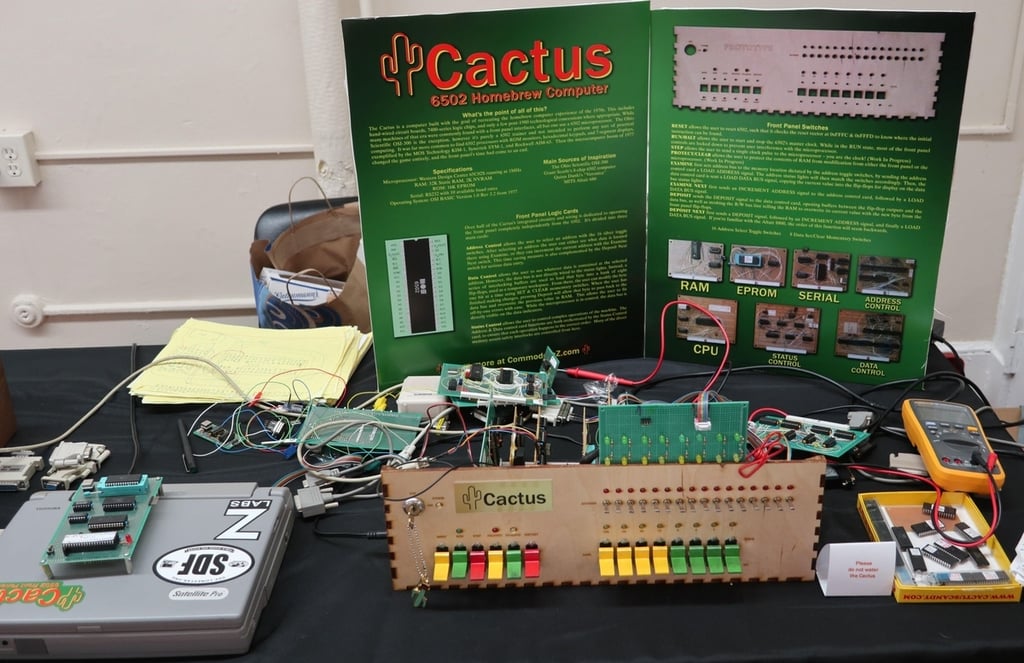
Alexander Pierson built a front-panel version of a MOS 6502 computer and introduced it at last year’s show. This year he brought it back with improvements such as software-controlled switches and improved logic.
SEE: Tech history: Check out our coverage (TechRepublic on Flipboard)
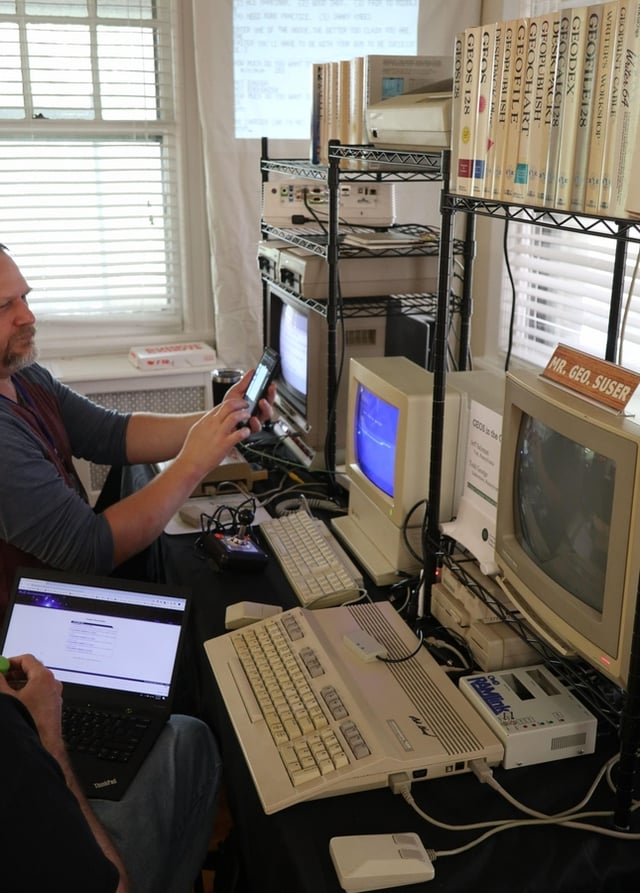
Jeff Salzman and Todd George worked together to exhibit GEOS, which is a graphical operating system for Commodore and Apple computers.
SEE: Tech history: Check out our coverage (TechRepublic on Flipboard)
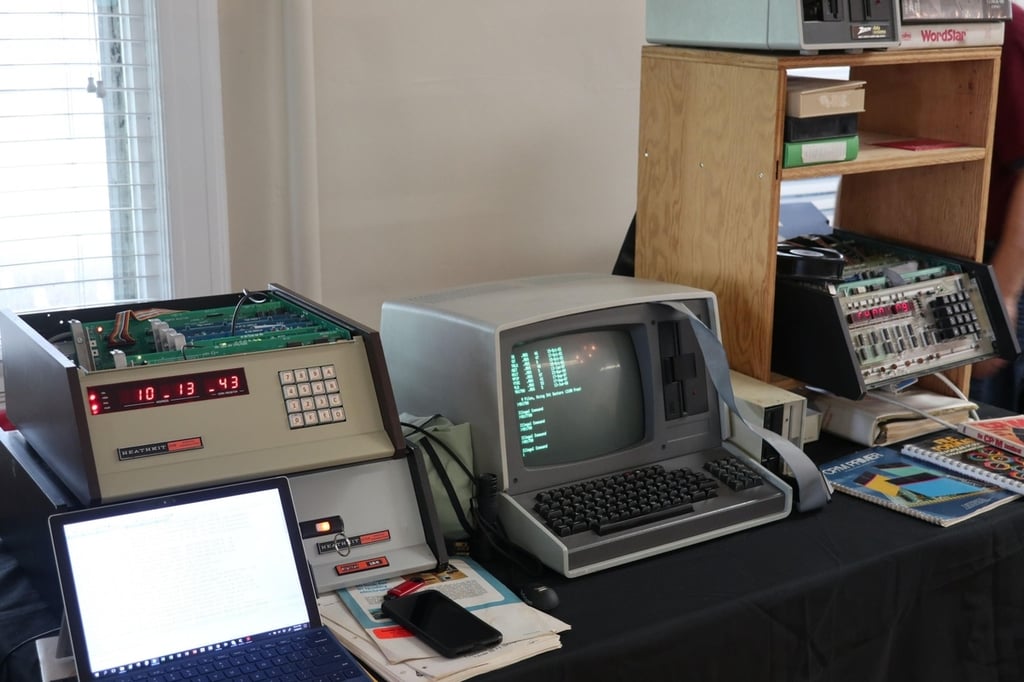
Heathkit made a series of computers and terminals. Alex Bodnar brought all of the important ones.
SEE: Tech history: Check out our coverage (TechRepublic on Flipboard)
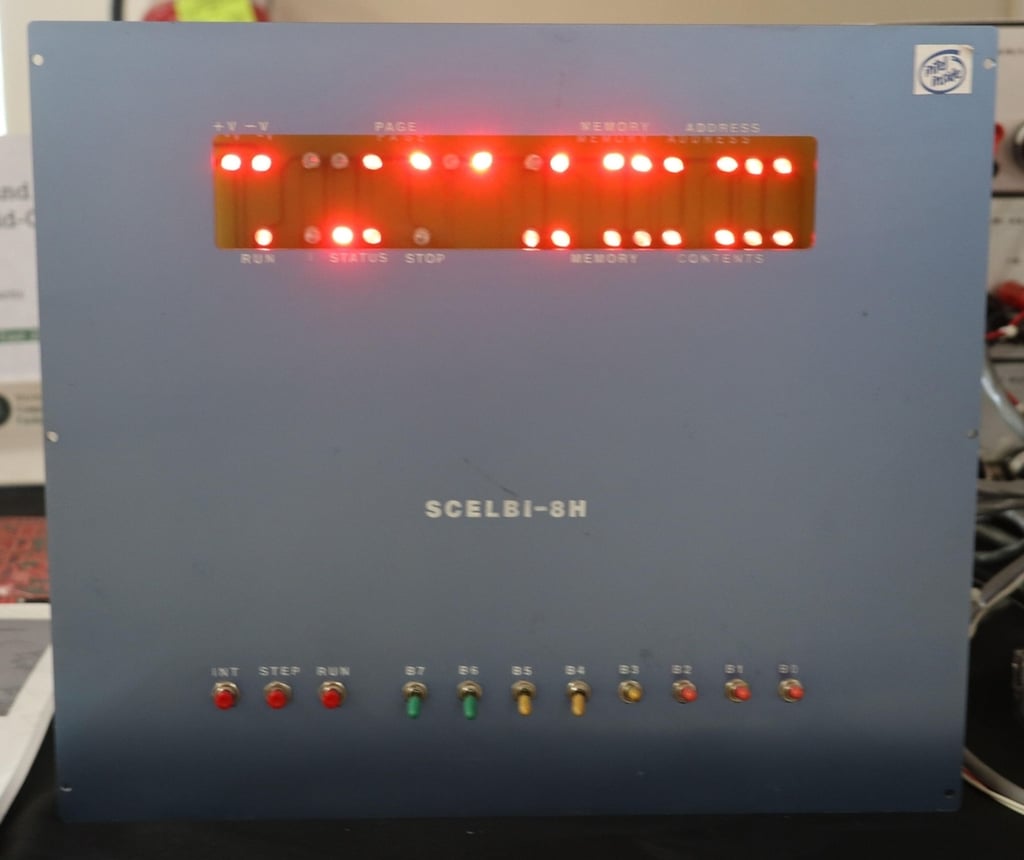
Scelbi–it’s a silent “c” because the company name derived from “scientific, electronic, biological”–made Intel 8008 computers around 1974. This one is a replica with some unique hacks.
SEE: Tech history: Check out our coverage (TechRepublic on Flipboard)
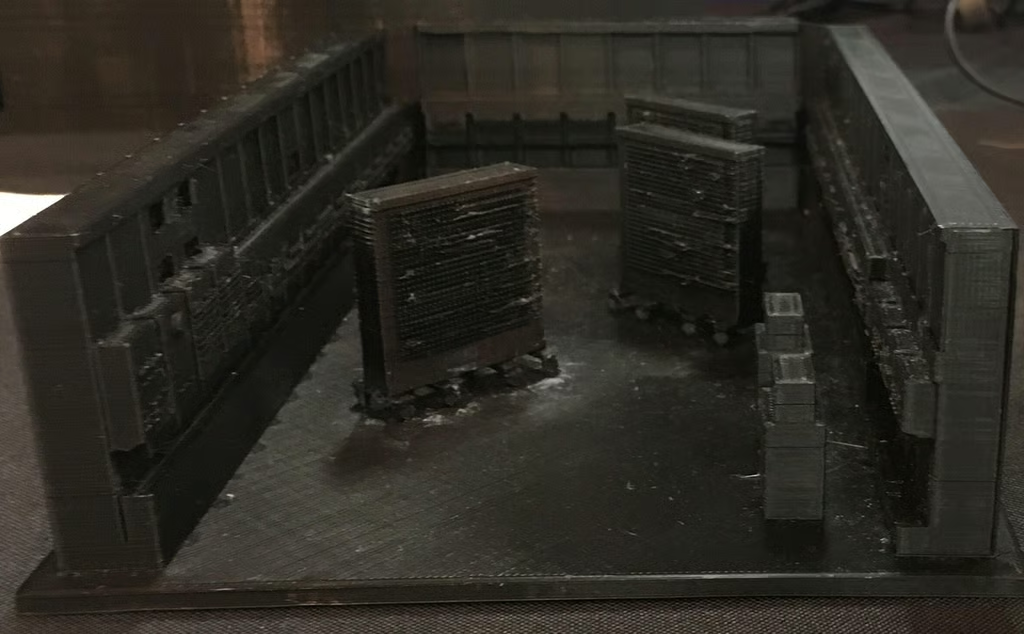
Brian Stuart brought simulated ENIAC software last year; this year, he made a 3D printed model to go with it! The model is not yet painted, but this is an impressive work-in-progress.
SEE: Tech history: Check out our coverage (TechRepublic on Flipboard)
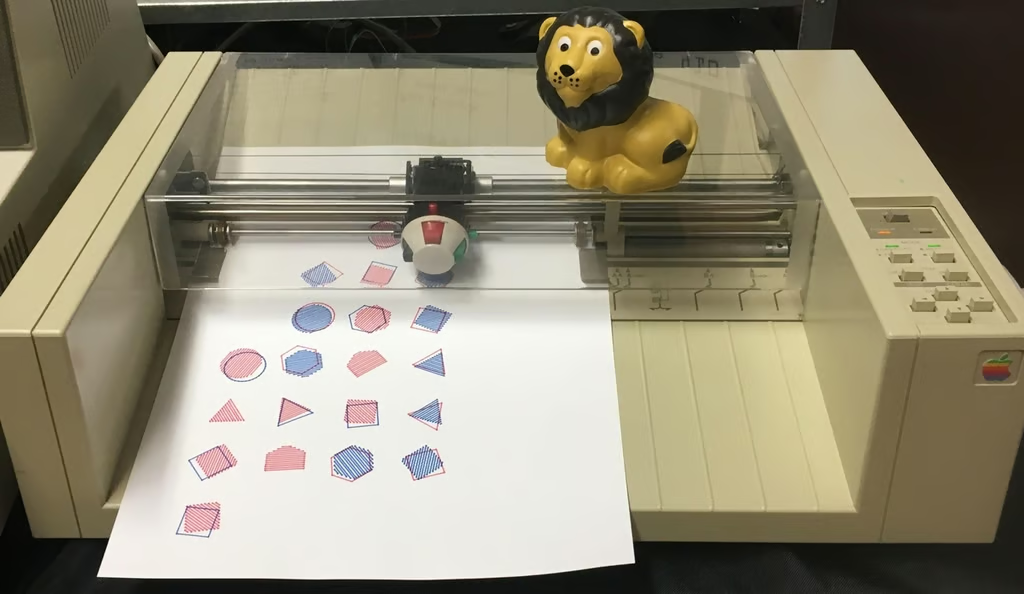
\tPaul Rickards showed off a variety of historic pen plotters and their use in early computer graphics.
\t
\t
\t
Evan became a technology reporter during the dot-com boom of the late 1990s. He published a book, "Abacus to smartphone: The evolution of mobile and portable computers" in 2015 and is executive director of Vintage Computer Federation, a 501(c)3 non-profit organization. His vices include running and Springsteen.