


Google is rebranding the Fitbit app as the Google Health app, positioning it as a one-stop platform for fitness, wellness, and medical data.
The new app is designed to pull together data from wearable devices, Health Connect, Apple HealthKit, and even users’ medical records into a unified dashboard. That means users can see activity, sleep, nutrition, and clinical records in one place, instead of scattered across different apps.
Google says the goal is to give people a more complete picture of their health and eventually allow secure sharing with family members or doctors. At the same time, Google is shutting down its older Google Fit app later this year, marking a full consolidation of its health platforms.
AI Health Coach leaves beta
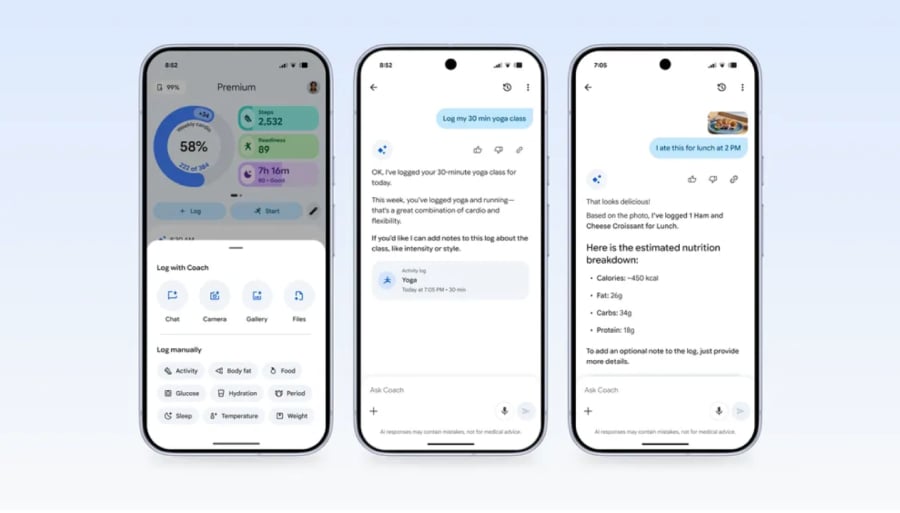
A major part of the rollout is Google Health Coach, the Gemini-powered assistant previously tested in public preview inside the Fitbit app.
Google said the coach can provide personalized workout recommendations, answer health questions, summarize medical records, and adapt fitness plans based on user activity and wellness data. The feature officially launches May 19 as part of Google Health Premium, the renamed version of Fitbit Premium.
Premium subscriptions will cost $9.99 per month or $99 per year, though Google AI Pro and AI Ultra subscribers will receive the service as part of their plans.
Speaking to WIRED, Chandra acknowledged that the AI system is still evolving. “It’s not perfect by any means, but we’ve made huge improvements along the way,” he said. He also stressed that Google is “not in the business of diagnosing or replacing a doctor.”
More Google coverage
- New Google Search AI Mode is ‘Total Reimagining,’ Says CEO Sundar Pichai
- In Major Ruling, Judge Finds Google ‘Willfully Acquired and Maintained Monopoly Power’ Over Digital Ad Market
- Google’s Big Bet on Nuclear Energy: ‘The Race to Power AI-Driven Data Centers is Accelerating’
- Computer History Museum Releases Original AlexNet Code: Why It Matters
Fitbit Air debuts alongside the app
Google also introduced Fitbit Air, its first new Fitbit device in several years.
The screenless wearable is designed as a lightweight health tracker focused on continuous monitoring rather than smartwatch-style interaction. Google said the device was specifically built to work closely with the Health Coach system.
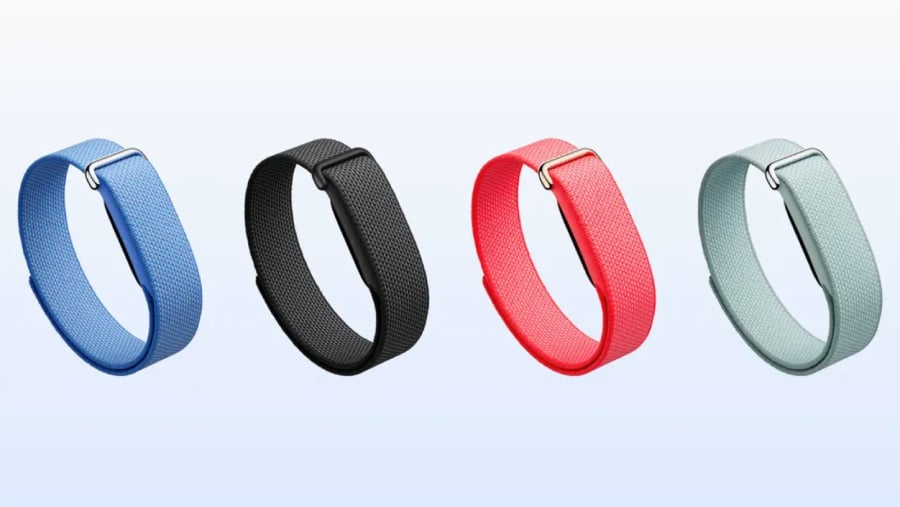
The standard Fitbit Air will sell for $99, while a Stephen Curry special edition will cost $129. Buyers will receive three months of Google Health Premium free.
WIRED reported that Google sees the pairing of wearable hardware and AI coaching as central to its long-term strategy. “That tying together of this wearable technology with the coaching experience is what’s been missing for the longest time,” Chandra told the publication.
Google isn’t alone in pushing AI-driven health tools. Apple, Samsung, Microsoft, and OpenAI are all building similar systems that turn health data into personalized advice. But Google is leaning heavily into its Gemini AI models as a differentiator, aiming to position Google Health as both a data hub and an always-on wellness assistant.
As competition grows, the company appears less focused on dominating wearables and more focused on becoming the layer where people manage and interpret their health data, no matter what device they use.
Also read: Our list of wearables for blood sugar tracking compares popular options from Apple, Garmin, Oura, Samsung, Withings, Huawei, and Evie Ring.