


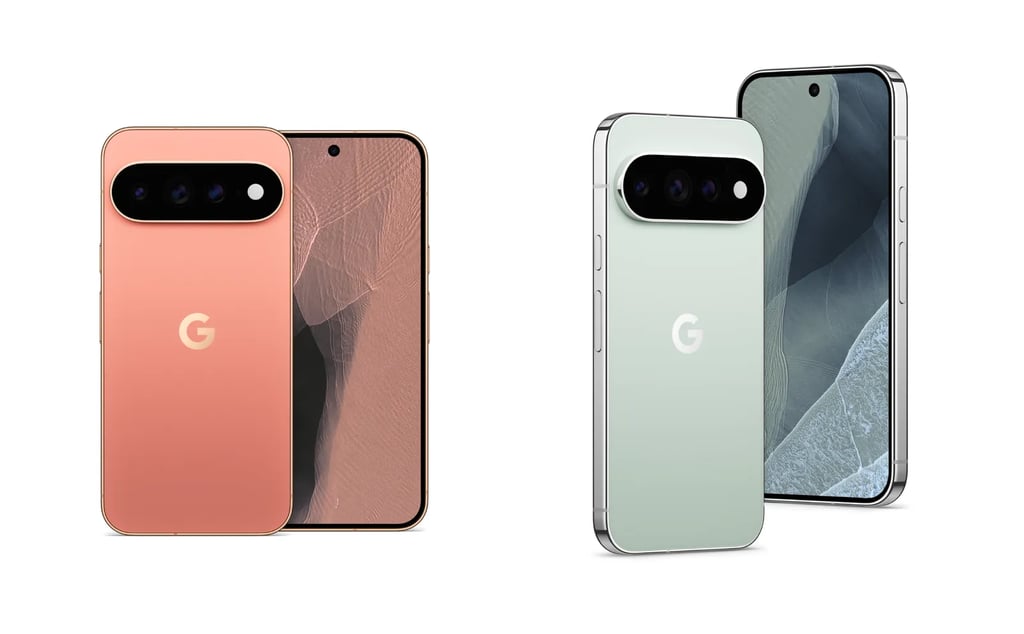
Google has raised the entry price of its flagship Pixel phone, with the Pixel 11 starting at $899 in the US. That is $100 above the Pixel 10’s launch price. The Pixel 11 Pro starts at $1,099, while the Pixel 11 Pro XL starts at $1,299.
Google also dropped the 128GB entry tier, making 256GB the minimum storage capacity across the Pixel 11 lineup. The change raises the minimum purchase price for individual and fleet buyers even as base storage doubles. The phones were unveiled Aug. 12 and are available for preorder ahead of an Aug. 20 release.
What Google includes for $899
The Pixel 11 starts at $899, with the Pro and Pro XL priced $200 and $400 higher, respectively. The Pixel 11 Pro Fold starts at $1,899.
All four phones use Google’s Tensor G6 processor and begin with 256GB of storage. The Pixel 11 series also adds new Gemini-powered features and camera tools, including Magic Capture, while the Pro models get additional photography and display upgrades.
The standard Pixel 11 has a 48-megapixel main camera and zoom of up to 30x. The Pro models extend zoom to 120x. Google also added Qi2.2 wireless charging across the new generation, and preorders opened Aug. 12.
Software support also affects long-term deployment costs. Google’s seven-year update policy covers Pixel 8 and later phones, while Android 17 rolled out to supported Pixels in June ahead of many other Android brands.
The Pixel 11 costs $100 more
The $100 increase in advertised starting price is not a like-for-like storage comparison. Pixel 10 began at $799 with 128GB, while Pixel 11 starts at $899 with 256GB. Buyers pay more upfront, but the base storage has doubled.
Google had warned before launch that Pixel prices were headed higher. Vice President of Devices and Services Shakil Barkat cited rising memory costs as a factor affecting the lineup amid broader pressure on smartphone component prices.
That pressure is not limited to Google. Rising AI demand for memory has pushed up DRAM and NAND costs across the smartphone industry as suppliers shift capacity toward higher-margin AI infrastructure.
For organizations buying phones in volume, the higher starting price increases acquisition costs. The 256GB floor may reduce the need for storage upgrades, while the seven-year support window gives IT teams more room to extend replacement cycles.
Tensor G6, expanded AI features, Qi2.2 charging, and camera upgrades add capabilities over the previous generation, but $899 is now the minimum price for Google’s newest flagship Pixel in the U.S. Doubling base storage helps offset the increase, but organizations buying at scale will still face a higher upfront device cost.
Read more: Organizations keeping older Pixels in service can also review Google’s July update addressing Android 17 boot problems before planning broader device upgrades.