


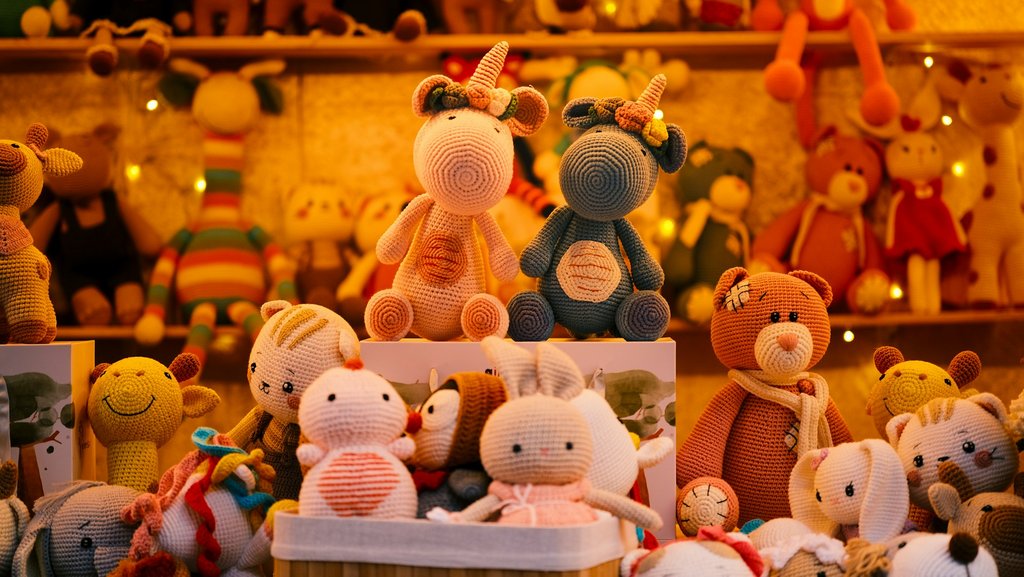
Your child’s next teddy bear could come with a chatbot, a microphone, and a five-year ban from New York.
New York is the latest state to put the brakes on chatbot toys. Gov. Kathy Hochul signed a five-year moratorium on Nov. 24 that bars making, exchanging, distributing, selling, or holding covered toys for sale in New York. It takes effect Feb. 22, 2027.
A toy’s age label is only part of the story. The law also looks at what the chatbot is designed to do.
What made New York pull the plug on chatbot toys
New York’s law covers toys designed or intended for children 12 or younger that have a built-in AI companion. That means a system designed to simulate an ongoing relationship with its user. California signed a similar four-year moratorium in September covering chatbot toys for children under 16.
But why pick on teddy bears and talking dolls? The concern is that AI companions are not quite the same as the traditional talking toys parents are used to. They can hold open-ended conversations, simulate emotional relationships, and interact with children in ways that go beyond playing prerecorded phrases.
That raises questions about whether these products are sufficiently safe for an audience that may not always distinguish between a machine generating affectionate responses and a genuine relationship.
Hochul was particularly direct about the state’s concerns, describing the products as “dangerous chatbots disguised as toys.” Her administration argues that parents should not have to worry about toys exposing their children to inappropriate conversations, manipulating their feelings, or compromising their privacy.
The safety problems behind conversational toys
AI toys didn’t invent the problems behind this ban. They’ve simply given those problems a cuter face and a microphone.
Conversational AI platforms have faced growing scrutiny over their interactions with minors, particularly their ability to simulate emotional relationships, generate inappropriate content, and encourage prolonged engagement. In Oregon, the state attorney general sued OpenAI over alleged failures in ChatGPT’s safeguards for younger users.
A chatbot built into a teddy bear or doll can become part of everyday play, making repeated interaction feel more natural. And changing the packaging hasn’t necessarily fixed the underlying problems.
Common Sense Media’s Youth AI Safety Institute tested five AI toys. All five claimed to love their users, most promised to keep secrets, and one, BubblePal, role-played a mass shooting. Most produced transcripts with frequent errors, and some produced none.
What retailers and toy makers should check before February
The Feb. 22 deadline matters for toys already in stock as well as new orders. New York’s attorney general can seek civil penalties of up to $15,000 per day for each violation.
Retailers can start with three checks.
- Review inventory. Look for toys aimed at children 12 or younger, including models marketed as friends or companions.
- Ask suppliers what the chatbot does. Can it remember previous chats, bring up feelings on its own, and keep a personal conversation going? Check the features on each model before deciding whether the law covers it.
- Check stock and checkout. Review which covered products are held for sale in New York. Test whether a customer can still place an order for one using a New York delivery address once the ban takes effect.
For product teams evaluating chatbot safety, run several conversations and compare what the toy says with what the parent app records. Check whether the toy offers to keep secrets and whether the app shows that exchange. Parents comparing toys can make a similar check by asking whether the app provides full transcripts or just summaries. That visibility matters because parental controls on teen chatbots can still leave gaps.
Read more: The fight over how technology companies design products for children also extends to social media, where Google, Meta, and TikTok are challenging California’s restrictions on autoplay and personalized feeds.