


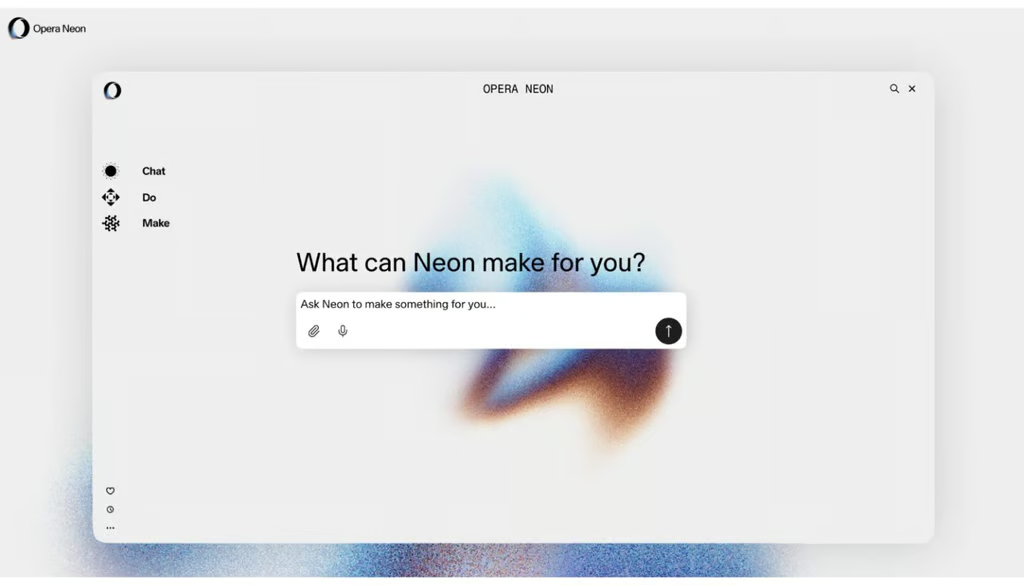
Opera has launched Neon, the first agentic AI browser designed to operate autonomously and change how users interact with the internet. It codes, writes, and continues working — even if users go offline.
Neon is a revival of the experimental browser first introduced in 2016, now enhanced with advanced AI features. According to Opera, this innovation aims to shape the chapter of agentic browsing.
Opera Neon’s core features
Opera Neon moves beyond the typical browsers by integrating AI as an intelligent collaborator. It brings three core features that reinvent everyday browsing: Chat, Do, and Make.
Chat
Opera Neon’s Chat is a built-in AI that helps users search the web, summarize content, and generate text without leaving the browser. It understands page context to deliver relevant answers and supports voice and text input in over 50 languages.
This feature also creates images and various files, assisting with both simple and complex writing tasks. Its integration means users get real-time, on-page help without switching apps or tabs.
Do
The Do feature lets users delegate web tasks like filling forms, booking hotels, or shopping directly to the browser’s AI. It processes entire web pages using layout data locally, ensuring privacy by keeping sensitive information on the user’s device.
Unlike cloud-only tools, this local execution allows fast, secure task completion with clear updates. Users can pause or adjust the AI’s actions anytime during the process.
Make
Make enables users to create complex outputs — games, websites, reports — by breaking requests into manageable tasks handled by cloud-based AI agents. These agents work in a virtual machine, continuing projects even offline.
The system automatically manages software dependencies and self-corrects as needed, removing technical barriers. Neon supports multitasking and lets users review workflows step-by-step, streamlining creative and technical projects.
More must-read AI coverage
- SS&C Intralinks DealCentre AI vs. Datasite: Which platform is built for the future of dealmaking?
- SS&C Intralinks FundCentre AI vs. Juniper Square: Which platform better supports modern private markets fund managers?
- Why Data, Not Models, Determines AI Success
- The Rise of the AI-Native Factory: How Physical AI Is Transforming Manufacturing
Community-led testing begins for Opera Neon
Opera is opening early access to Neon through a waitlist, inviting users to help shape how agentic browsing evolves. “We see it as a collaborative platform to shape the next chapter of agentic browsing together with our community,” said Henrik Lexow, Opera’s senior AI product director.
Opera Neon is set to debut as a subscription-based service, with pricing details to be revealed soon.
Is AI not enough?
Opera’s introduction of Neon shows just how fast agentic AI is taking hold. With big names like SAS, OpenAI, and IBM all moving in, it raises a critical question: Is traditional AI no longer enough? Or are we rushing to sideline human judgment for machines that act on their own?