


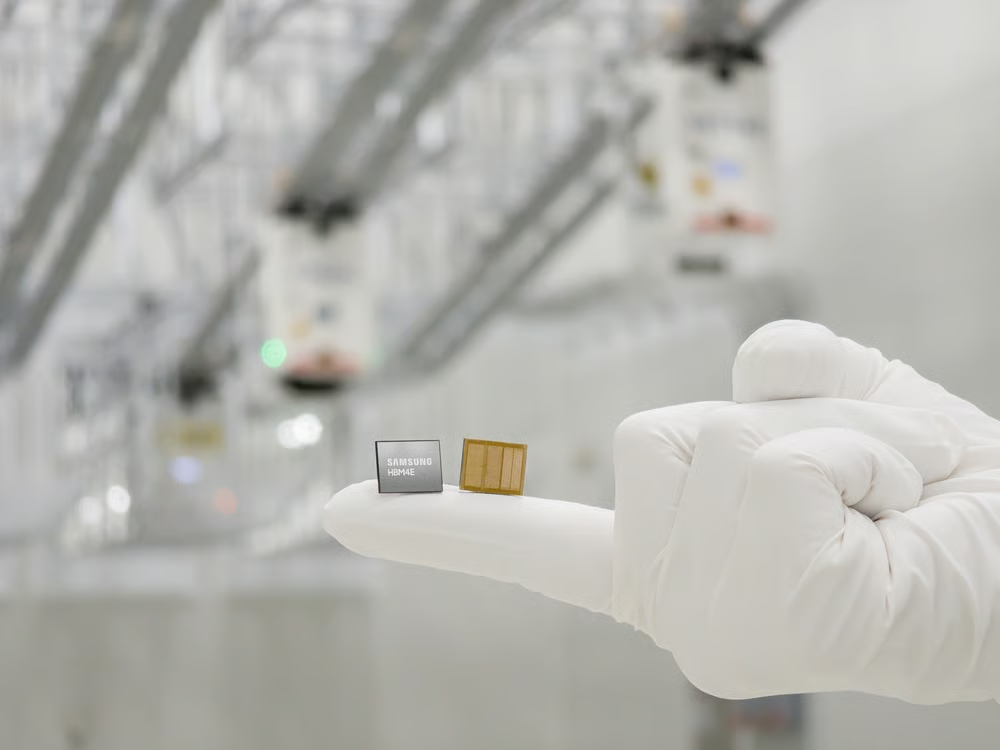
Samsung is poised for a record quarterly profit as AI infrastructure demand pushes memory-chip prices higher. The forecast comes as hardware buyers face mounting costs from the same semiconductor boom.
The South Korean technology giant forecast third-quarter operating profit of 107.4 trillion won (about $80 billion), nearly nine times the 12.17 trillion won reported a year earlier. The preliminary estimate, released October 8, represents a roughly 783% increase, fueled by rising memory prices and strong AI-related demand.
The boom is benefiting chipmakers but creating cost pressures elsewhere. Businesses purchasing servers, expanding data centers, and upgrading storage systems face higher component prices as suppliers struggle to keep pace with demand.
AI memory demand drives Samsung’s profit surge
Samsung also projected third-quarter revenue of 195 trillion won, up approximately 127% from 86.06 trillion won a year earlier. Operating profit would rise from 89.49 trillion won in the preceding quarter, according to the company’s October 8 earnings guidance. The preliminary figures do not include a detailed breakdown of business-unit earnings, although analysts expect memory chips to account for most of the increase.
High-bandwidth memory (HBM), used alongside AI accelerators, has become a major growth driver. Conventional DRAM and NAND flash prices have also risen amid strong server demand and constrained manufacturing capacity. Rising demand has outpaced production growth, contributing to shortages of conventional DRAM and NAND flash, Reuters reported.
Micron has also warned that demand for memory and storage could exceed supply through 2027 and 2028. More than 75% of Micron’s planned fiscal 2027 output is already committed, leaving PC and server manufacturers facing the prospect of continued pricing and availability pressures.
Despite Samsung’s forecast, its shares fell approximately 2.4% in South Korea on October 8. The projected profit fell below the 112.73 trillion won analyst consensus compiled by Visible Alpha, according to Investopedia. Samsung’s forecast nevertheless exceeded LSEG’s separate SmartEstimate of 106.1 trillion won, underscoring differences between analysts’ expectations.
Rising memory costs put pressure on IT budgets
In a September 30 report, TrendForce projected that conventional DRAM contract prices would rise 10% to 15% in the fourth quarter of 2026. NAND flash contract prices are expected to increase 15% to 20%.
Enterprise SSD demand is particularly strong as cloud providers expand AI inference infrastructure. TrendForce forecasts that demand, measured by storage capacity, will grow more than 80% year over year in 2026.
Higher component costs can affect server configurations, storage expansions, and PC refresh cycles. Consumer electronics are also facing pricing pressure: Samsung recently raised US Galaxy S26 prices by up to $200, although the company has not directly attributed those increases to memory costs.
The expense of AI infrastructure extends beyond memory. Amazon is reportedly considering an $8 billion Nvidia chip financing arrangement that would allow it to lease back hardware while continuing to expand its data centers.
For IT departments, comparing supplier quotes, inventory availability, and delivery schedules could help limit procurement surprises. Longer-term contracts may improve budget predictability, depending on negotiated terms.
Samsung is expected to release its full third-quarter results Oct. 29, including divisional earnings and management’s outlook on memory demand. The report should offer a clearer view of the supply pressures influencing enterprise hardware costs heading into 2027.
Want to learn more AI tips, tricks, and prompting techniques? Let us teach you How to Talk to AI for free! Try our six-minute course at The Neuron Academy, our practical learning platform designed to help professionals use AI more confidently at work.
Learn a few simple ways to write better prompts and get more useful results from AI, or browse our other AI course for free for seven days. eWeek readers get free 7-day access. Check out all the lessons here →