


SpaceX just got permission to take the AI data center race somewhere with a little more room: outer space.
The Federal Communications Commission (FCC) on Nov. 25 authorized Elon Musk’s company to deploy up to 1 million satellites for its proposed Starmind orbital data center network, marking the first approval of its kind in US history.
The decision gives SpaceX a major regulatory win, but it does not mean the company is ready to launch a million computing satellites. Significant engineering, financial and deployment challenges remain.
SpaceX gets a long runway to build Starmind
The authorization allows SpaceX to operate its satellites in orbital shells between 500 and 1,002 kilometers above Earth.
However, the agency deferred SpaceX’s request to operate in higher orbits up to 2,000 kilometers and rejected a proposal to leave retired satellites in high disposal orbits rather than burning them up in Earth’s atmosphere.
According to the FCC, the network will use optical links for communications, with radiofrequency connections serving as backup for emergency tracking, telemetry and command operations.
SpaceX must meet several deployment milestones to keep its authorization:
| Deadline | Required operational satellites |
|---|---|
| November 2033 | 1 |
| November 2035 | 100,000 |
| November 2038 | 500,000 |
| November 2040 | 1 million |
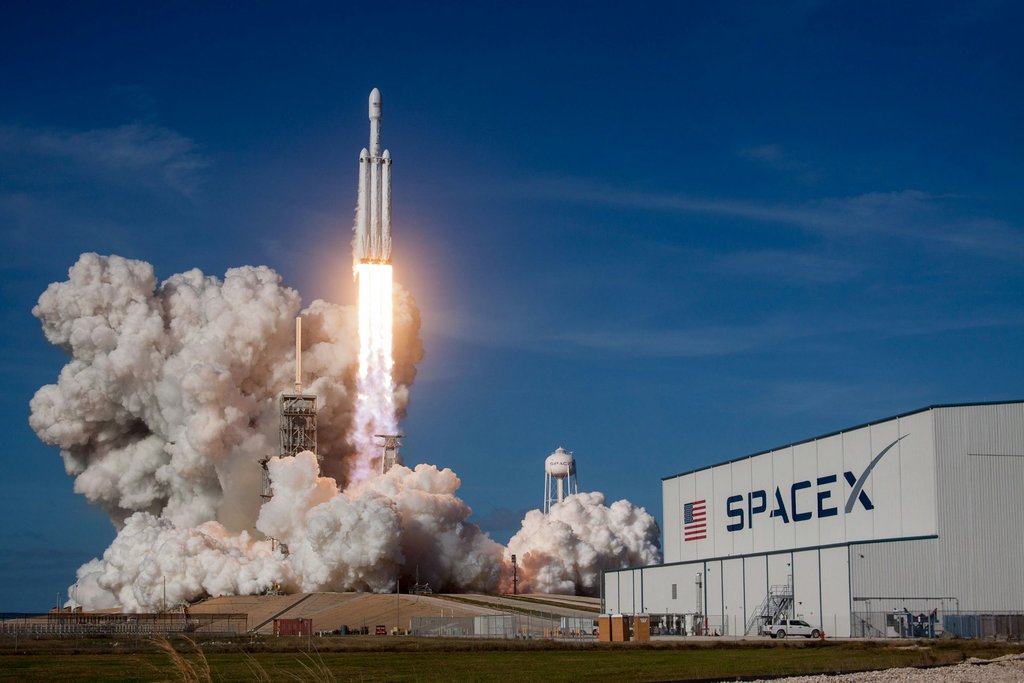
The company is betting on its next-generation Starship rocket to make deploying such a massive constellation economically practical.
The engineering challenges are far from solved
Moving data centers into orbit could reduce dependence on terrestrial electricity grids, land and water supplies. SpaceX argues that its satellites can draw on near-constant solar power while reducing operating costs. But generating electricity is only part of the problem.
Computing hardware produces substantial heat, and removing that heat in space presents a significant engineering challenge. The Government Accountability Office also warned that large satellite populations could make orbital traffic management and collision prevention more difficult.
The FCC’s approval also faced opposition from Amazon Leo, Viasat and the American Astronomical Society, which raised concerns about interference, satellite congestion and astronomical observations.
What this means for AI users and businesses
For consumers, Starmind is unlikely to bring immediate changes to AI services such as ChatGPT or other cloud-based platforms. SpaceX has until 2033 to put its first operational satellite into service.
Businesses could eventually benefit if orbital computing becomes commercially viable. More computing capacity could help AI providers expand their services without relying entirely on increasingly constrained data center infrastructure on Earth.
However, the million-satellite target is an authorization, not a guaranteed deployment. SpaceX must still demonstrate that it can manufacture, launch, cool and maintain these systems at an unprecedented scale.
For now, the FCC has approved the ambition, not proven the economics. Starmind could become an important new part of AI infrastructure, but its success will depend on whether SpaceX can turn an extraordinary space-based computing proposal into a working, sustainable business.
Other news: Google expanded AI agent access to Gmail, Drive, Docs, and five other Workspace apps, giving IT admins more control over what agents can do ahead of new access and billing rules in 2027.